
Last updated November 17, 2026
 Architectural shingles
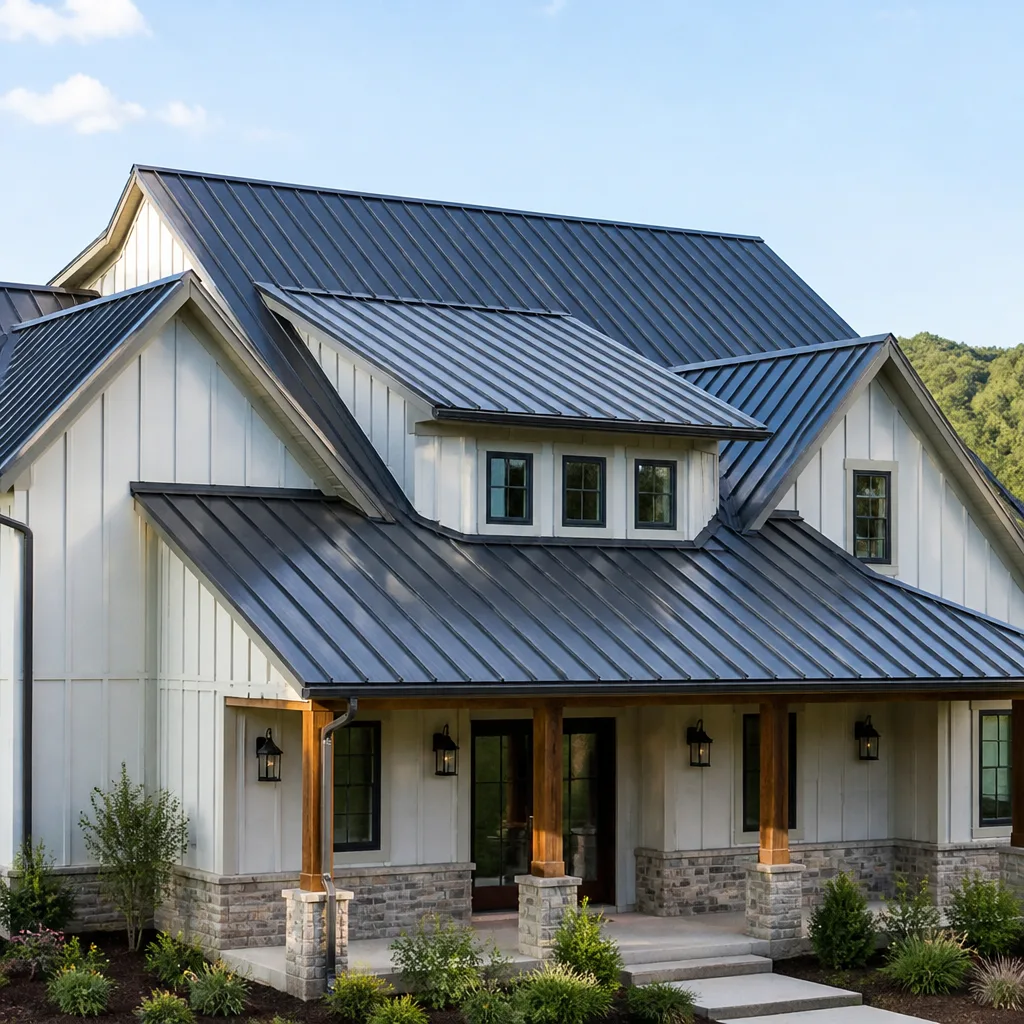 Metal roofing
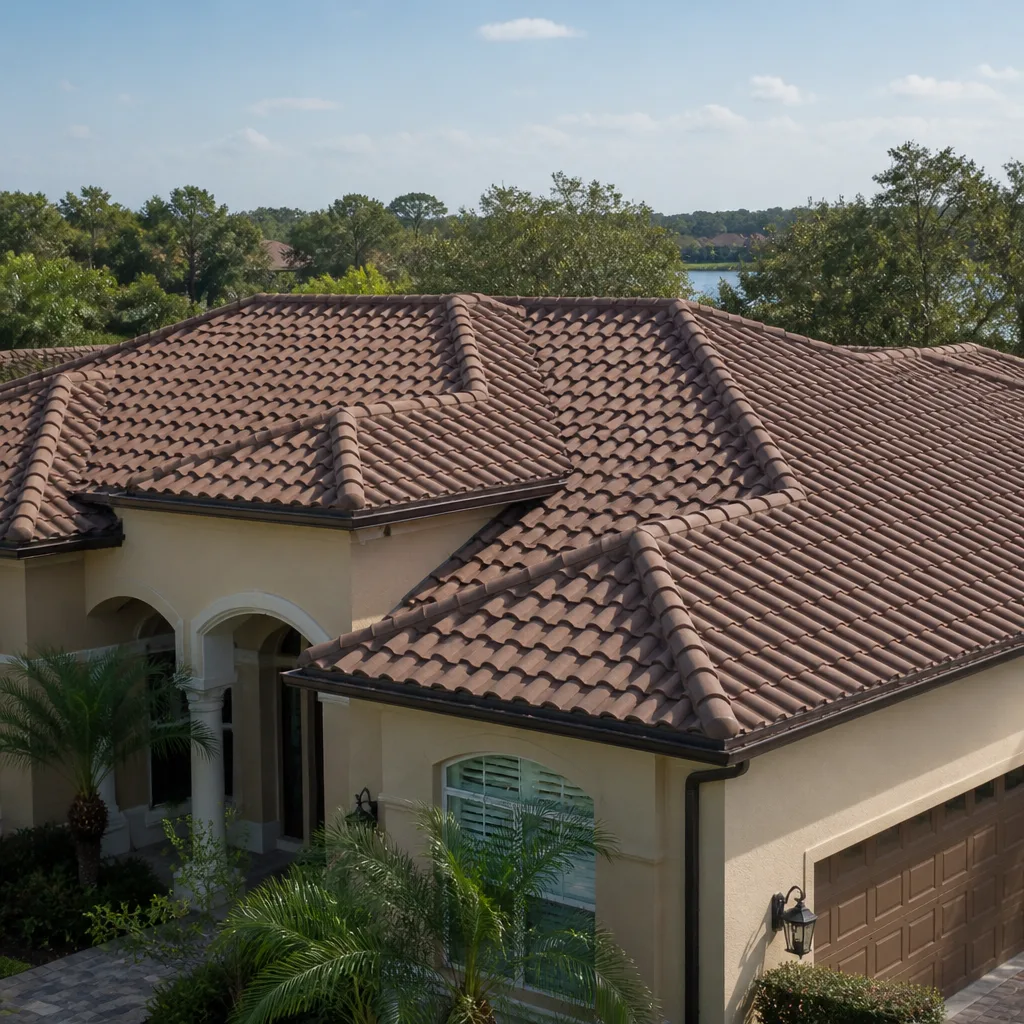 Tile roofing
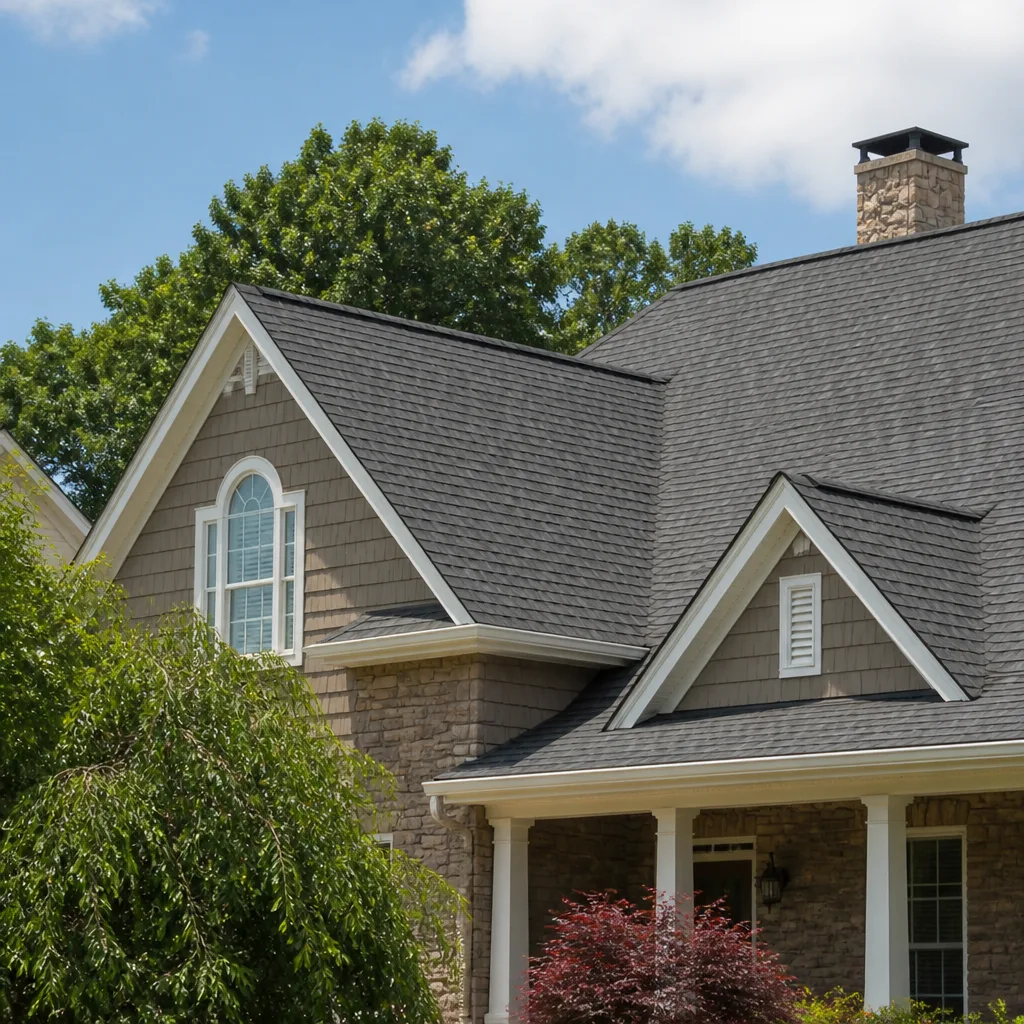 GAF
 Owens Corning
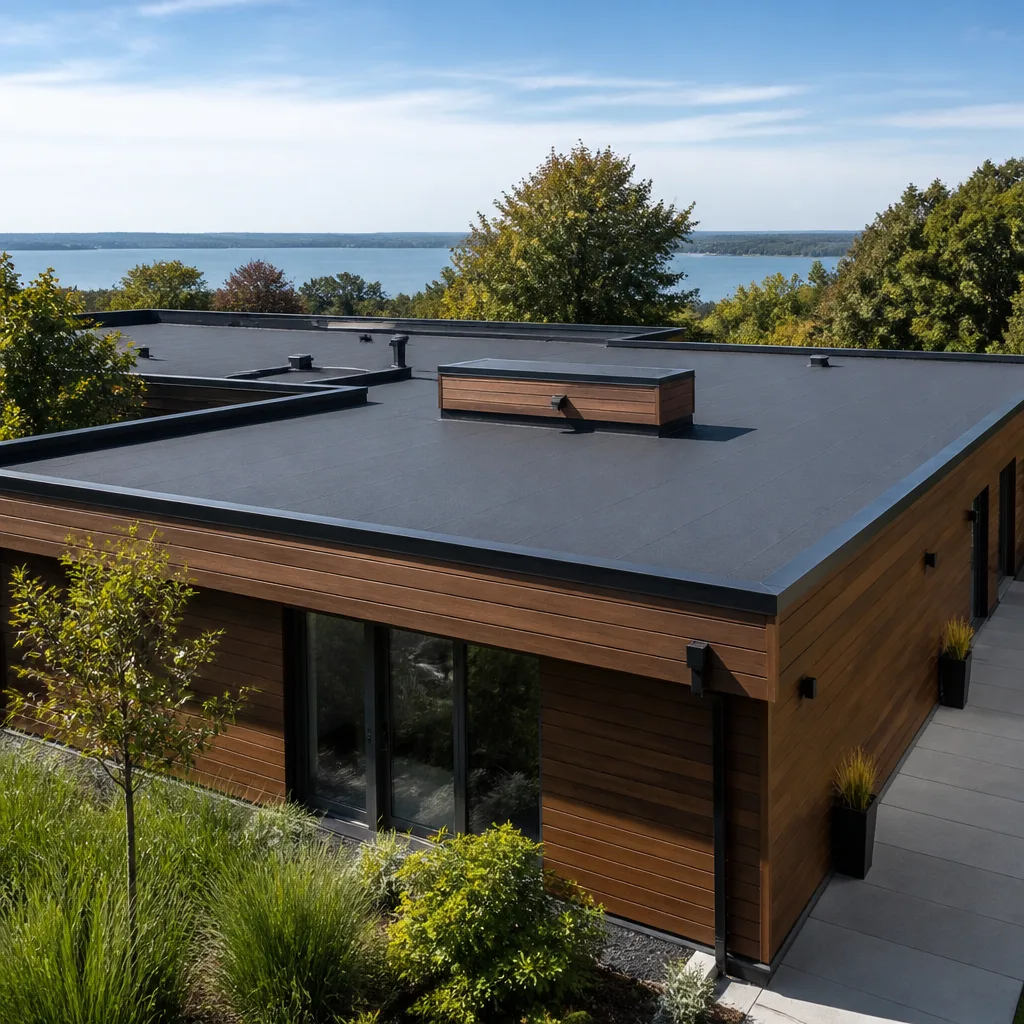 Flat & low-slope
Free roof inspection with deck photos before we talk money - GAF and Owens Corning certified installation
DIY vs Professional Roof Replacement & Installation: What’s Safe to Do Yourself
Every spring we get the same call. A homeowner in Spring Valley has priced out a full roof replacement, done the arithmetic, and figured the labor line is money they could keep. It’s a reasonable thought. But there’s a number most people miss in that calculation: in Nevada, a full roof replacement is licensed work, and the moment you do it yourself you’re not just saving labor – you’re giving up your manufacturer warranty, your recourse if the deck fails, and your ability to answer cleanly when a buyer’s inspector points at your roof during a sale. This guide walks through what Nevada law actually requires, the exact tasks you can legally and safely do to cut your labor cost, and what a realistic DIY number looks like next to a fair professional bid. The gap is smaller than you think, and what you keep in a licensed install is worth more than what you save.
Quick Answer
No, you can’t legally do a full roof replacement yourself in Nevada. Any job that replaces the covering – tear-off and reinstall – requires a licensed C-15 roofing contractor, and doing it unpermitted voids the manufacturer shingle warranty, leaves you without recourse if the deck or underlayment fails, and creates a disclosure problem when you sell. What you can do is participate around the edges: staging materials, clearing gutters, hauling old shingles to the dump, and witnessing the final inspection. Those save real labor cost without touching the installation itself.
Styles & brands we work with
- Architectural shingles
- Metal roofing
- Tile roofing
- GAF
- Owens Corning
- Flat & low-slope
Table of Contents
- What Nevada Law Says About Replacing Your Own Roof
- The Warranty Math: What You Actually Lose
- Resale, Insurance, and the Paper Trail
- The Jobs You Can Safely Do to Cut Labor Cost
- How to Time a Spring Valley Re-Roof Around Our Weather
- A Realistic Cost Comparison: Full DIY vs. Licensed Install
- How to Vet a Licensed Contractor
- Common Mistakes to Avoid
- When to Call a Professional
- Frequently Asked Questions
What Nevada Law Says About Replacing Your Own Roof
Nevada’s State Contractors Board issues a C-15 license to roofing contractors. That license isn’t a piece of paper you get for paying a fee – it requires documented experience, a passing trade exam, proof of insurance, and a surety bond. It exists because roofing is one of the highest-risk trades in residential construction: the work is on a steep surface, the materials are heavy, and the failure mode isn’t a leaky faucet. It’s a deck failure, a shingle blow-off in a 50-mph gust across the valley, or a slow interior water intrusion that doesn’t show up until monsoon season.
For Spring Valley homeowners, the practical effect is straightforward. Any job that involves tearing off the existing roof covering and installing a new one – asphalt shingle, tile, or flat membrane – is licensed work. That includes the underlayment layer beneath. The permit pulled through the county or city is tied to a licensed contractor’s number, and the inspection that closes the permit is performed against that contractor’s work. A homeowner can pull some owner-builder permits in Nevada for improvements to their own primary residence, but roofing replacement is specific work that generally falls outside what’s permitted for owner-builder on a resale-considered home. If you’re not certain of your situation in Spring Valley, call the Nevada State Contractors Board directly before you buy a single bundle of shingles. The answer is free and it will save you a serious mistake.
The other piece: unpermitted work creates a record. When you sell, the buyer’s inspector flags the new roof with no permit history. The buyer’s agent asks for documentation. You don’t have it. That becomes a negotiating chip, a disclosure item, and sometimes a demand to have the roof re-installed at the seller’s expense. We’ve seen this cost more than the entire original replacement bid in Spring Valley.
The Warranty Math: What You Actually Lose
Here’s the number that doesn’t come up in a Facebook group thread. When you buy a 30-year architectural shingle from GAF, CertainTeed, or Owens Corning, the manufacturer warranty covers the product against defects – and the labor warranty covers the installation. The product warranty has one big condition: the installation must be performed by a licensed contractor following the manufacturer’s published installation instructions. Fail that, and the product warranty is voided along with the install warranty.
What does a voided warranty actually cost? On a mid-size Spring Valley roof, the difference between a 30-year fully-backed shingle system and a self-installed one with no coverage is often $8,000 – $15,000 in eventual replacement cost, because a premature failure at year eleven or twelve means you replace the whole roof out of pocket instead of filing a claim. The warranty isn’t cosmetic. It’s the mechanism that makes a 30-year roof actually last 30 years in the hands of an owner who intends to stay put.
- Product warranty: Manufacturer covers defects in materials – void if installation isn’t by a licensed contractor per the printed instructions.
- Workmanship warranty: Manufacturer or contractor covers installation errors – void on DIY.
- Storm and hail coverage: Some policies require documented professional install to consider a claim; a DIY roof can be denied coverage outright.
- Ice and water shield / underlayment: Each layer has its own spec; a homeowner who substitutes the wrong underlayment in a Spring Valley summer destroys the warranty on the whole assembly.
This is not a scare tactic. This is the plain arithmetic of buying a 30-year product and then installing it in a way that makes the company that built it walk away from the promise printed on the wrapper.
Resale, Insurance, and the Paper Trail
Spring Valley has a lot of long-term owners – people who bought in the 1990s and intend to stay another decade or more. If that’s you, resale feels like a remote concern. But insurance and disclosure obligations hit long before a sale. Most homeowner policies in Nevada ask about the age and condition of your roof, and a documented professional install with a permit and inspection record is the kind of thing that keeps your premium stable and your coverage clean.
When you do eventually sell, the seller’s disclosure in Nevada requires you to disclose known material defects and any unpermitted work. A new roof installed without a permit is exactly that. If you’re the original DIY installer, you may not consider it a defect – but a buyer’s inspector will, and their lender may require the roof to be brought to code before closing. That’s a five-figure contingency on the sale of a home that otherwise wouldn’t have one.
For homeowners in the 55-and-older communities of Spring Valley who are looking ahead to a smooth transition to family, this matters. Paperwork is a form of stability. A licensed install gives you the permit record, the inspection sign-off, and the manufacturer documentation in a folder you can hand to a buyer, an insurance adjuster, or an estate attorney without a single hard question.
The Jobs You Can Safely Do to Cut Labor Cost
Here’s the good news: a motivated homeowner can genuinely reduce the labor line without breaking the licensing rules or putting themselves on a steep pitch. The trick is knowing exactly which tasks are safely on your side of the line. These are the ones we regularly see homeowners take on for a Spring Valley re-roof, and they save real money:
- Material staging. Have the shingle bundles and underlayment delivered to a level spot in the yard or driveway, neatly stacked and covered, so the crew doesn’t spend the first hour of the day moving pallets. Many suppliers drop at the curb; you can move them the last fifty feet.
- Yard protection and cleanup. Lay tarps under the work zone to catch nails, and do the magnetic sweep of your lawn and driveway after the crew leaves. A homeowner with a leaf blower and a rolling magnet can do this in an hour.
- Old shingle disposal. Coordinate the dumpster and haul the tear-off debris to the transfer station yourself. In Spring Valley that typically saves $300 – $600 on a mid-size roof.
- Gutter clearing before the tear-off. Strip the gutters so the crew isn’t fighting trapped debris. Free, easy, and it prevents the gutter run from filling with old granules.
- Attic access and ventilation walk-through. Provide safe, clear access to the attic and let the contractor inspect the deck and ventilation before scheduling. This is a discovery step, not a construction step.
- Final inspection witness. Be present for the county or city inspection. Walk the roof afterward with the contractor and photograph the details you care about. A homeowner who’s on-site and engaged gets a better-documented job.
What’s not on this list is anything requiring you to be on the roof with a nail gun. Spring Valley has plenty of single-story ranch homes where the pitch feels approachable – and we’ve still seen falls from a 4/12 pitch that put a homeowner in the hospital. If you’re over sixty, factor that in honestly. If you’re not comfortable on a ladder, don’t be on one. Roof repair in Spring Valley is a case where the tasks above can shave meaningful cost; roofing install is a case where it can’t.
How to Time a Spring Valley Re-Roof Around Our Weather
Spring Valley sits at elevation in the Las Vegas Valley, which means our weather is deceptively rough on roofing. Summer surface temperatures on a dark shingle roof regularly clear 160°F, and that heat cycling is what ages a roof faster than the calendar suggests. Monsoon season (roughly July through September) brings short, violent downpours and wind gusts that find every loose shingle and fastening error. Winter mornings hover around freezing, which is easy on shingles but hard on the adhesive strips that seal the seams.
The practical window for a full re-roof in Spring Valley is spring and early fall, before the heat and after the freeze risk. A few scheduling notes:
- Book early in the year. Licensed crews in the valley are booked solid by April. If you’re planning a fall install, contract for it in spring.
- Watch the daily high. Shingle adhesive seals best when surface temps are warm but not baking. Early morning start times in June and July matter.
- Avoid backing straight into monsoon. A roof installed in late September with a half-finished ridge can lose a bundle in the first October gust. Buffer two weeks minimum.
- Hail season is real. The valley gets hail in fall and winter. A properly installed GAF or CertainTeed system with documented impact rating helps your insurance story.
None of this is a reason to rush. Done right means installed on the right schedule with the right materials. If you want a local look at scheduling and options for a full roof replacement & installation in Spring Valley, we’re glad to talk it through and give you a firm written estimate.
A Realistic Cost Comparison: Full DIY vs. Licensed Install
Here’s where DIY math usually breaks down. The line people compare is “materials plus a tool rental” versus “professional bid.” That comparison leaves out the tool purchases that don’t rent well (nail gun, pneumatic hose, ladder stabilizer, shingle shear, underlayment roller), the permit you can’t pull, the inspection you can’t pass, and – the big one – the value of the warranty you forfeited. Add those in honestly and the gap narrows fast.
This is a fair, line-item comparison for a typical Spring Valley asphalt shingle re-roof on a single-story home with moderate pitch. These are ranges, not quotes, and they’ll vary with the actual pitch, square footage, deck condition, and access:
| Line item | Full DIY | Licensed install |
|---|---|---|
| Materials (shingles, underlayment, flashing, ridge cap) | $5,500 – $9,000 | Included |
| Tool purchase / rental | $400 – $1,200 | Included |
| Dumpster and disposal | $500 – $900 | Included |
| Permit | Not obtainable on a full replacement | Pulled by contractor |
| Manufacturer warranty | Voided | 30-year product + workmanship |
| Recourse if deck fails / leak at year 5 | None | Covered |
| Labor we can’t safely replace | Est. 2 – 4 weekends plus risk | Typically 1 – 3 days |
| Resale / disclosure exposure | Potential contingency at sale | Clean paper trail |
| Realistic out-of-pocket all-in | $7,500 – $13,000 + warranty + risk | $10,000 – $16,000 |
Look at the bottom line. The DIY number often lands within a few thousand dollars of a fair professional bid, and it arrives with zero warranty, no permit, and a disclosure problem. Our Spring Valley crews install GAF, CertainTeed, Owens Corning, IKO, Atlas, Tamko, and Boral systems, and every job comes with the price on the estimate carrying straight through to the invoice – no change orders, no surprise line items. That’s what the professional dollar actually buys.
How to Vet a Licensed Contractor
If you’re going to spend money on professional work, make sure the license you’re paying for is real. Nevada’s C-15 license is easy to verify and there are a handful of other checks worth doing before you sign anything. Here’s how:
- Look up the C-15 license number on the Nevada State Contractors Board site. The name on the license should match the name on the estimate. A “we’re fully licensed” answer from a salesperson is not a license.
- Confirm the license covers the specific scope. A C-15 is roofing. General B licenses and handyman permits are not the same thing, and a bid from a handyman on a full replacement is a red flag.
- Ask for the certificate of insurance directly. General liability and workers’ comp, both current. If a crew member is injured on your roof without comp, that’s your exposure.
- Get a line-item written estimate. Ten pages of fluff and one number at the bottom is a promise to argue later. You want tear-off, underlayment, flashing, ridge vent, disposal, permit, and warranty spelled out.
- Read the workmanship warranty before you sign. How long, what’s covered, and who honors it. Ours is a written 90-Day Done Right Promise: if the work isn’t right, we come back and make it right, without arguing and without paperwork runaround.
- Ask who answers the phone during the job. If the answer is voicemail, imagine it during a monsoon leak. We staff ours with a live person 24/7.
- Check the manufacturer’s authorized installer list. GAF, CertainTeed, and Owens Corning all maintain public rosters; a certified installer has access to enhanced warranties their competitors don’t.
Common Mistakes to Avoid
- Assuming owner-builder permits cover full replacement. They generally don’t for roofing in Nevada, and the disclosure problem is the one that follows you. Verify with the State Contractors Board before you buy materials.
- Buying new shingles on top of old. A layover feels cheaper and fails faster in a Spring Valley summer. The under-deck can’t dry, the weight load increases, and the manufacturer’s warranty on a layover is often reduced or voided.
- Scheduling installs in July peak heat. Shingle adhesive seals erratically when surface temperatures bake the roof. Early morning starts or a spring/fall window produce a better install.
- Letting the deck inspection get skipped. Spring Valley homes from the 1970s and 1980s occasionally show soft sheathing from old attic moisture. If the deck isn’t inspected, the new roof sits on a failing base and the warranty doesn’t help.
- Choosing the lowest bid without the license check. The truck that quotes low and vanishes is a known pattern. Cheap is the most expensive line item on a roof.
- Not documenting the install. Photos, permit number, inspection record, and manufacturer documentation belong in one folder. If you ever sell, insure, or make a claim, that folder is worth more than it looks.
- Skipping the second opinion. If a bid feels light on detail or heavy on pressure, a written second opinion from another licensed roofer is often free and always clarifying.
When to Call a Professional
If you’re planning a full replacement or installation in Spring Valley, that’s a professional job every time. If you’re weighing whether an existing roof needs repair or replacement, that’s a call too. A photo-documented inspection from an experienced roofer tells you the difference without a scary speech in the driveway. Our technicians arrive in uniform, are background-checked, and have up to 10 years of experience on roofs of every pitch and age in this valley. We install seven manufacturer lines and stand behind the work with the 90-Day Done Right Promise and no-hassle upfront pricing – the number on the estimate is the number on the invoice. We also offer a free second opinion on any written estimate you’re considering, a $50 credit on any repair over $250, an $89 seasonal tune-up, and a permanent 5% Senior and Veteran discount. Ridgeline Roofing Co. Spring Valley offers free estimates in Spring Valley – call (855) 908-1590.
Frequently Asked Questions
No, a full roof replacement in Nevada requires a licensed C-15 roofing contractor. The permit, the inspection, and the manufacturer’s product warranty are all tied to that license, and a homeowner cannot obtain the licensed coverage for a replacement job in most circumstances. If you’re in Spring Valley and unsure about your specific situation, call the Nevada State Contractors Board for a straight answer before you start; for a free estimate on a licensed install, call (855) 908-1590.
Yes. Every major manufacturer – GAF, CertainTeed, Owens Corning, and the rest – requires licensed installation following the printed instructions before it will honor the product warranty. A DIY install voids the product warranty and there is no workmanship warranty to replace it. Call (855) 908-1590 for a written estimate that includes the warranty in writing.
You can safely stage materials, protect the yard, sweep for nails after the crew leaves, haul old shingles to the transfer station, clear gutters before the tear-off, and be present for the final inspection. Those tasks typically save $300 – $900 on a Spring Valley re-roof without putting you on the roof or breaking the license rules. The installation itself is where the savings fantasy runs out. Call (855) 908-1590 for a line-item estimate you can compare against.
Coverage becomes uncertain to outright denied. Most Nevada policies ask about roof age and documentation, and a roof installed without a permit or licensed contractor may be excluded from a future storm or hail claim. A documented licensed install keeps the roof inside your coverage. If you’ve inherited a DIY roof and want a professional assessment, call (855) 908-1590 – the estimate is free.
Most Spring Valley homes complete in 1 to 3 days depending on square footage, pitch, deck condition, and material. Tile and specialty systems take longer than asphalt shingle. A written schedule is part of the estimate, and if the job runs longer because the deck needs work we tell you before, not after. Call (855) 908-1590 to schedule a free estimate and a firm timeline.
Yes, and it’s free. Bring the written estimate and we’ll walk the roof, compare it line by line, and tell you plainly where it’s fair and where it isn’t. We do this in Spring Valley regularly and there’s no obligation to use us afterward. Call (855) 908-1590 to set up the second opinion.
The Bottom Line
The honest answer to “Can I replace my own roof in Nevada?” is no – not legally, not safely, and not without giving up the manufacturer warranty, the permit record, and the insurance coverage that makes a roof worth owning. The apparent savings of DIY replacement are almost always erased by what you can’t legally do yourself: obtain the C-15 permit, pass the inspection, and hold the warranty. What you can do is participate around the edges – staging, cleanup, disposal, inspection witness – and shave real labor cost in the process. Do that, and pair it with a fair licensed bid from a company that answers the phone and honors the estimate. The right roof, done once, is cheaper than the wrong one done twice. That’s the math. If you’re ready to price it honestly, we’re here in Spring Valley.
Get Your Free Estimate
If you’re ready to compare a real professional bid against the DIY arithmetic, Ridgeline Roofing Co. Spring Valley is glad to help. We’ll inspect your roof, document what we find with photos from the actual roof, and hand you a line-item written estimate with no pressure and no surprises. Our phones are staffed by a live person 24/7, and we offer a free second opinion on any written estimate you’re already considering. Whether you’re planning a full roof replacement & installation in Spring Valley, exploring specialty roofing in Spring Valley, or checking on a few loose shingles, call (855) 908-1590 for a free estimate. Visit the Ridgeline Roofing Co. Spring Valley home to learn more about how we work.
Roof Repair in Spring Valley is often the right first step if you’re not sure the roof needs full replacement. A photo-documented inspection will tell you the difference.
Written by the team at Ridgeline Roofing Co. Spring Valley.
See the difference
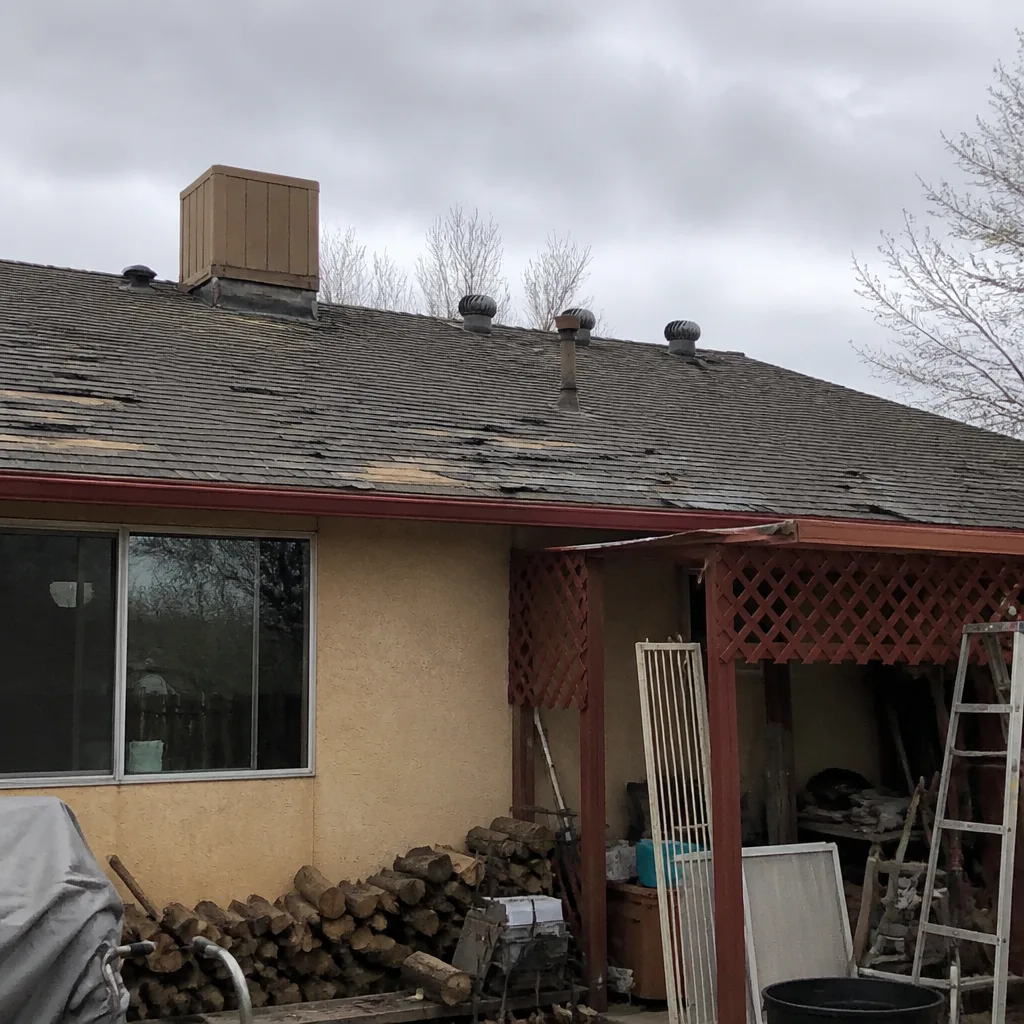 Before
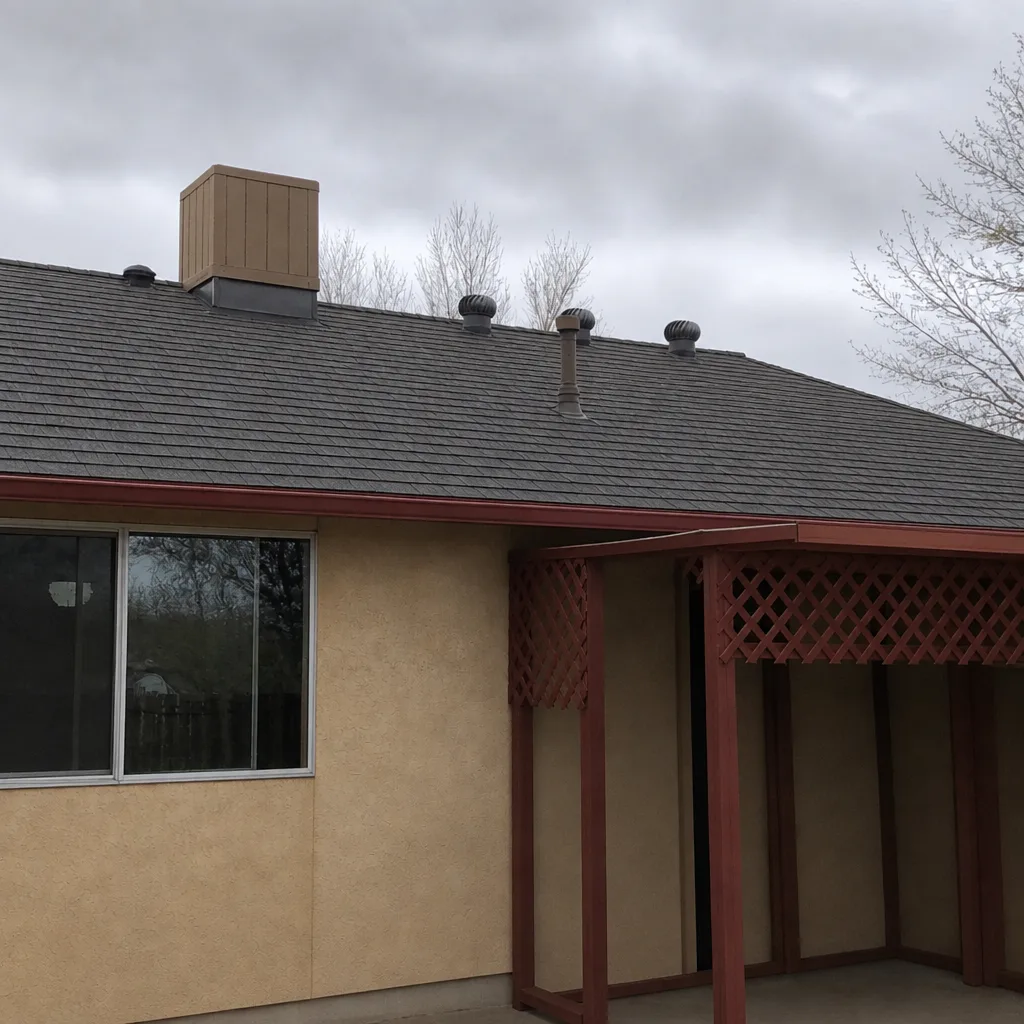 After
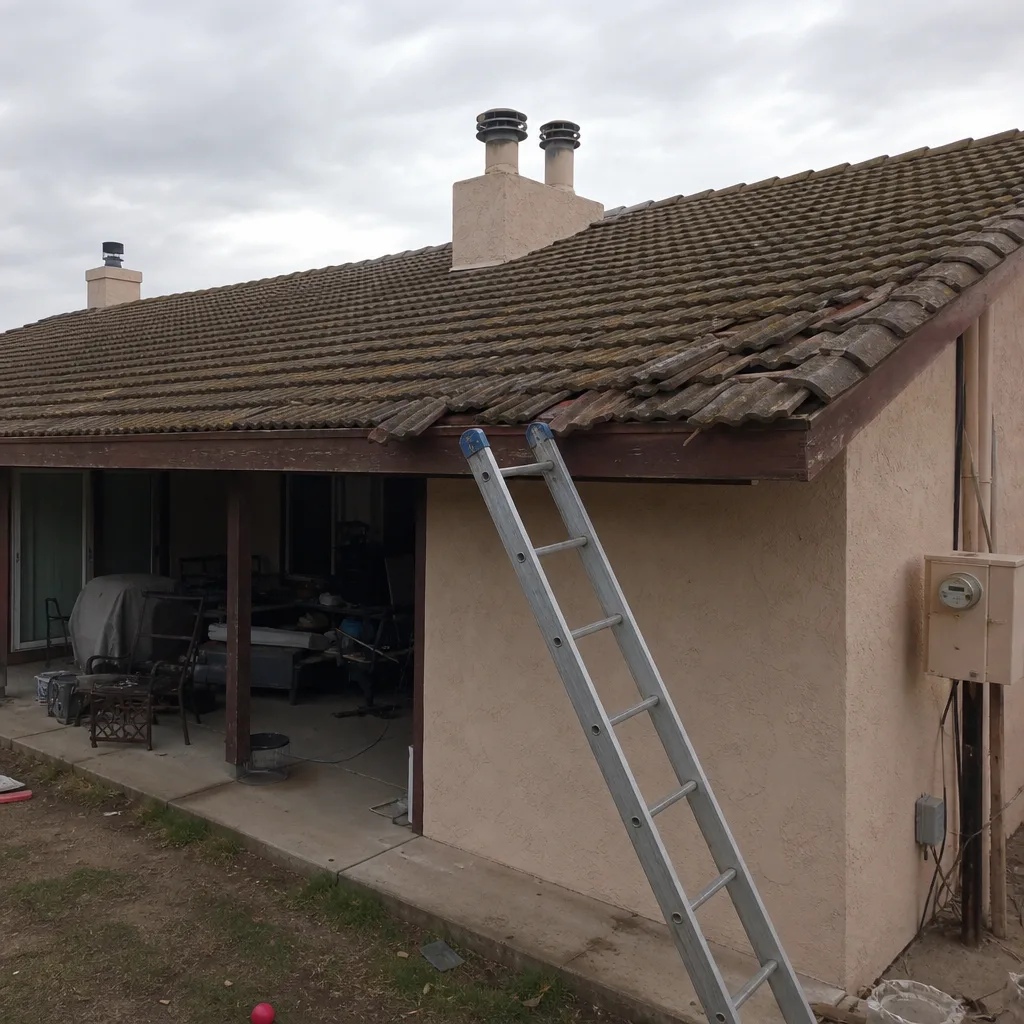 Before
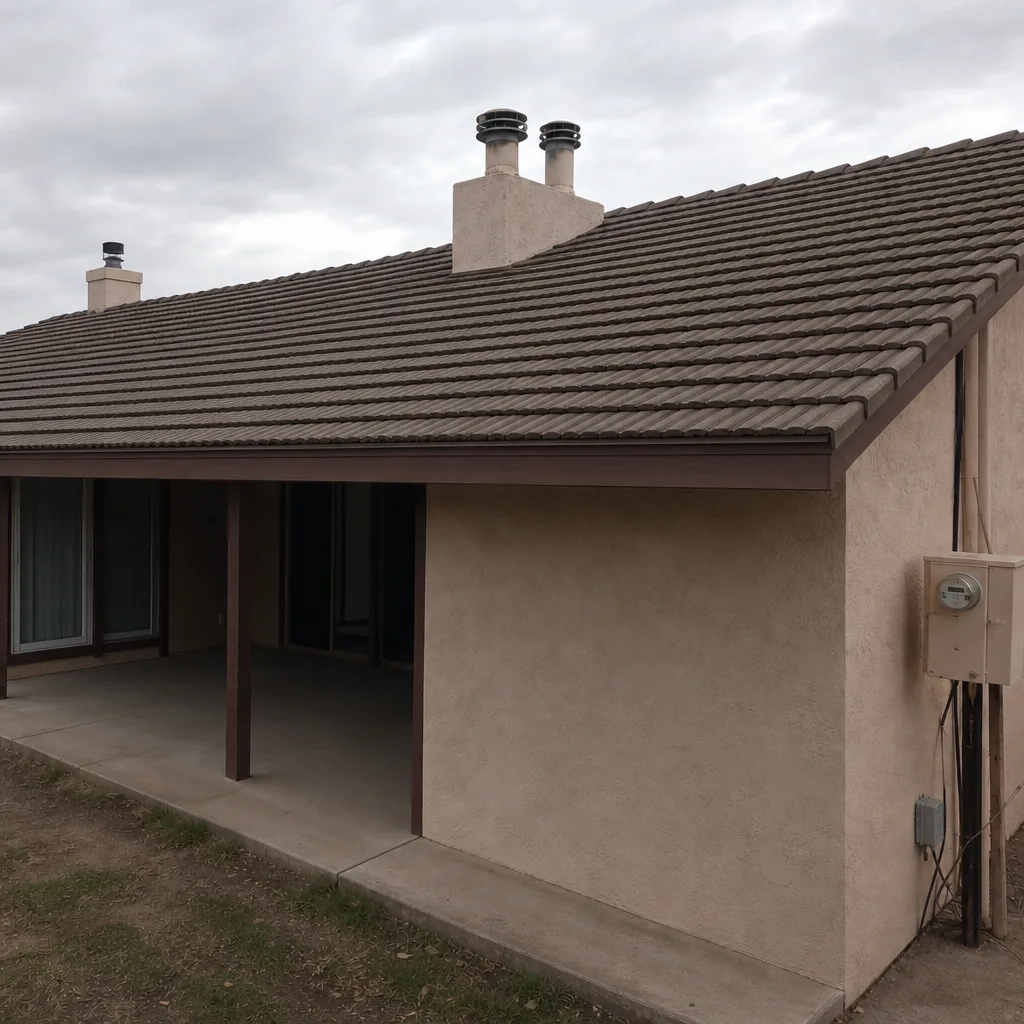 After
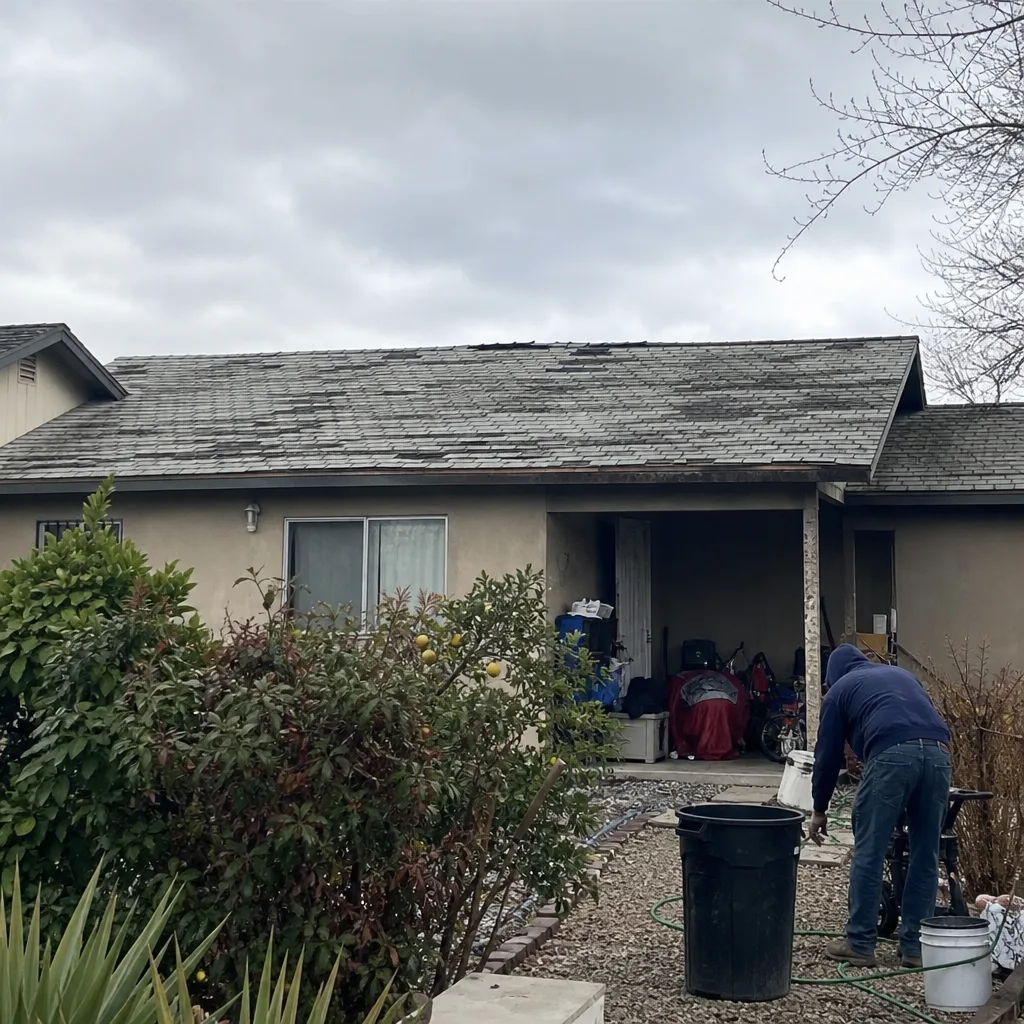 Before
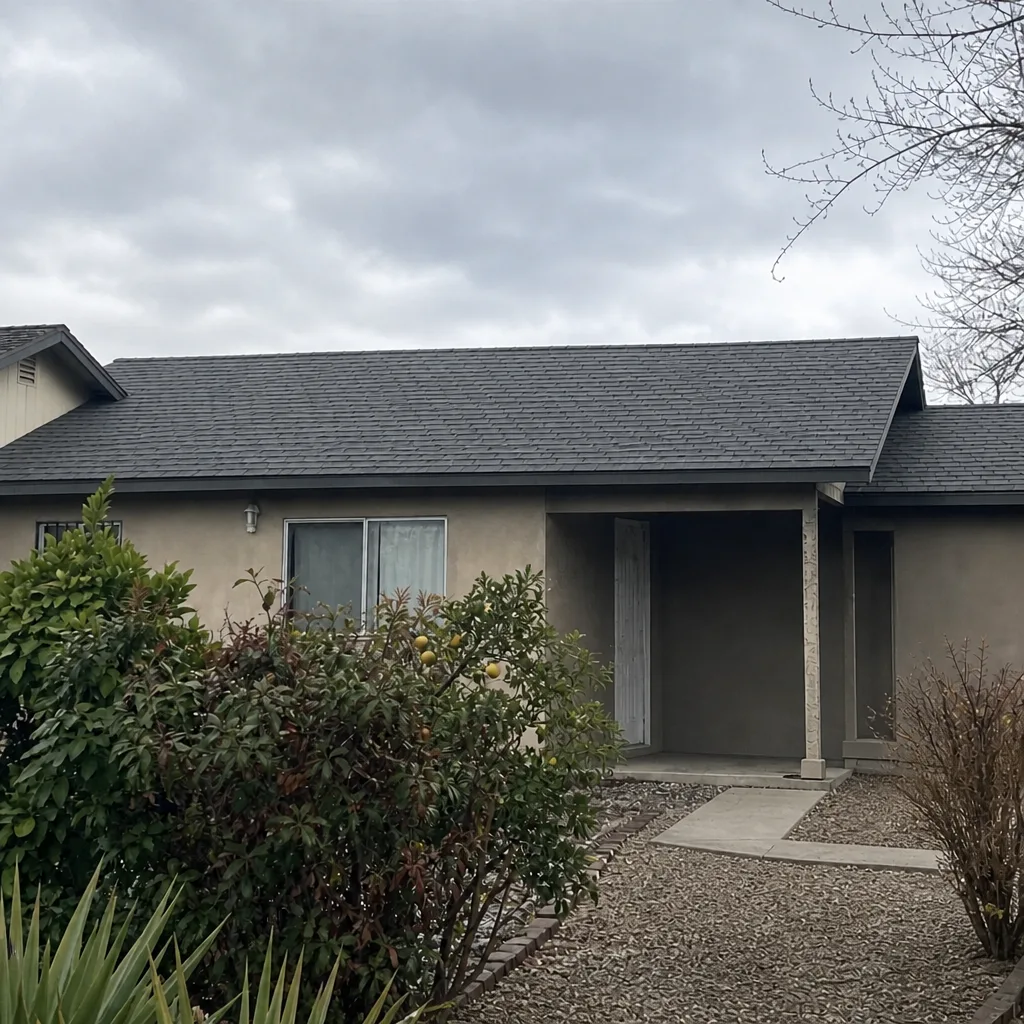 After