
Last updated November 17, 2026
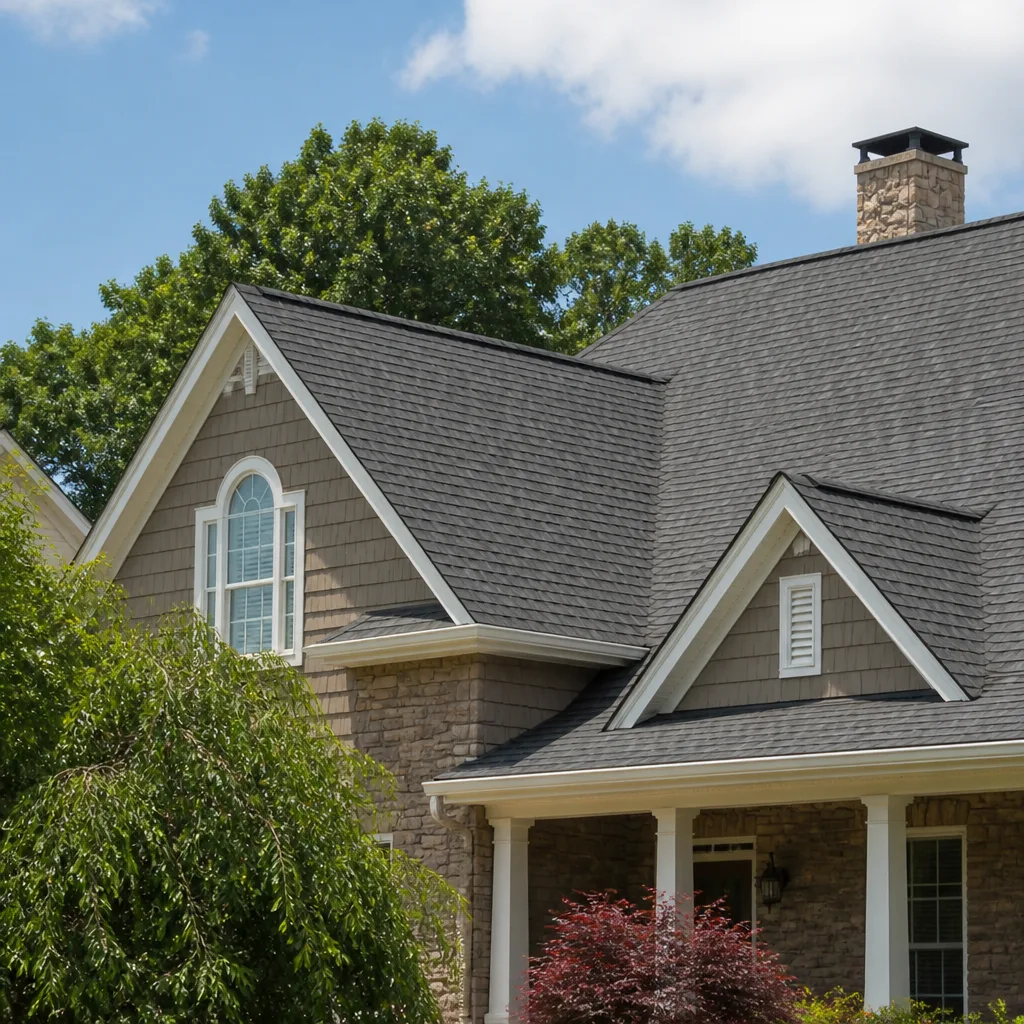
 Architectural shingles
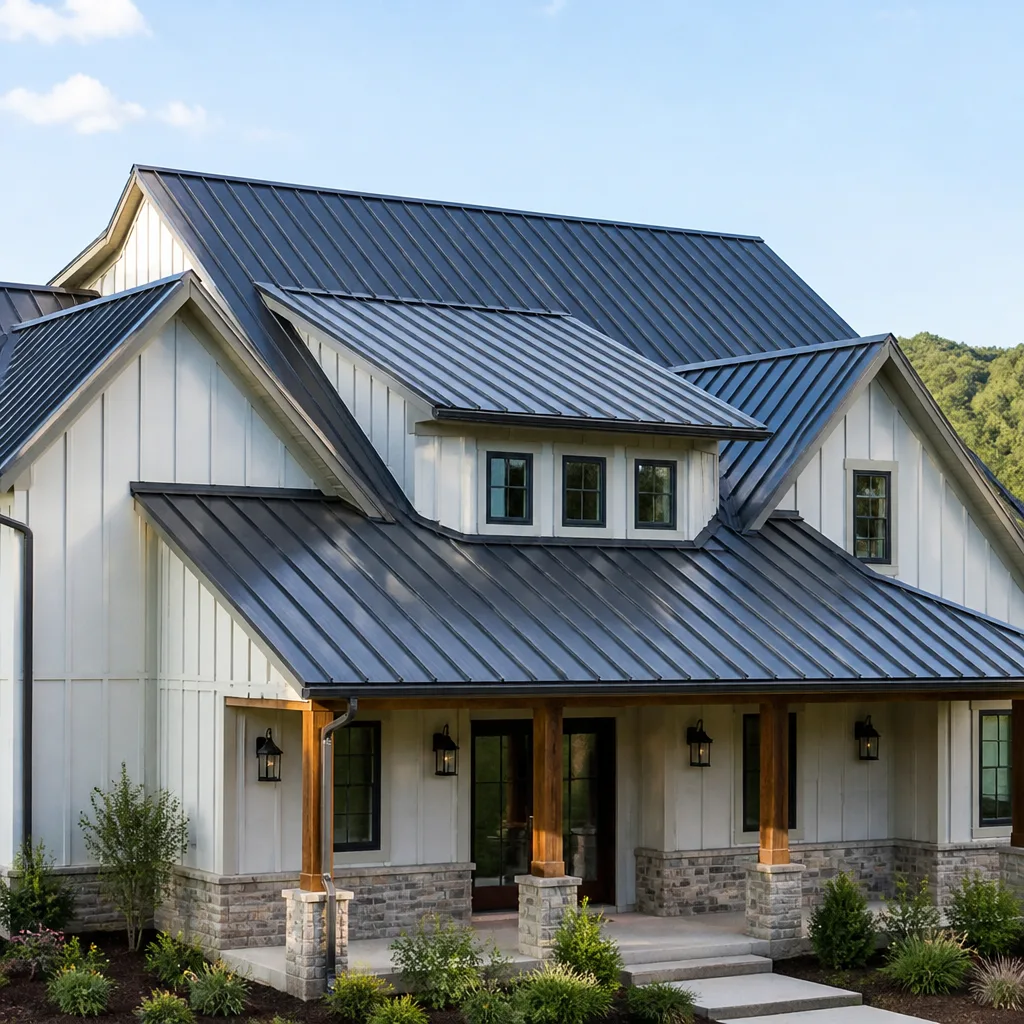 Metal roofing
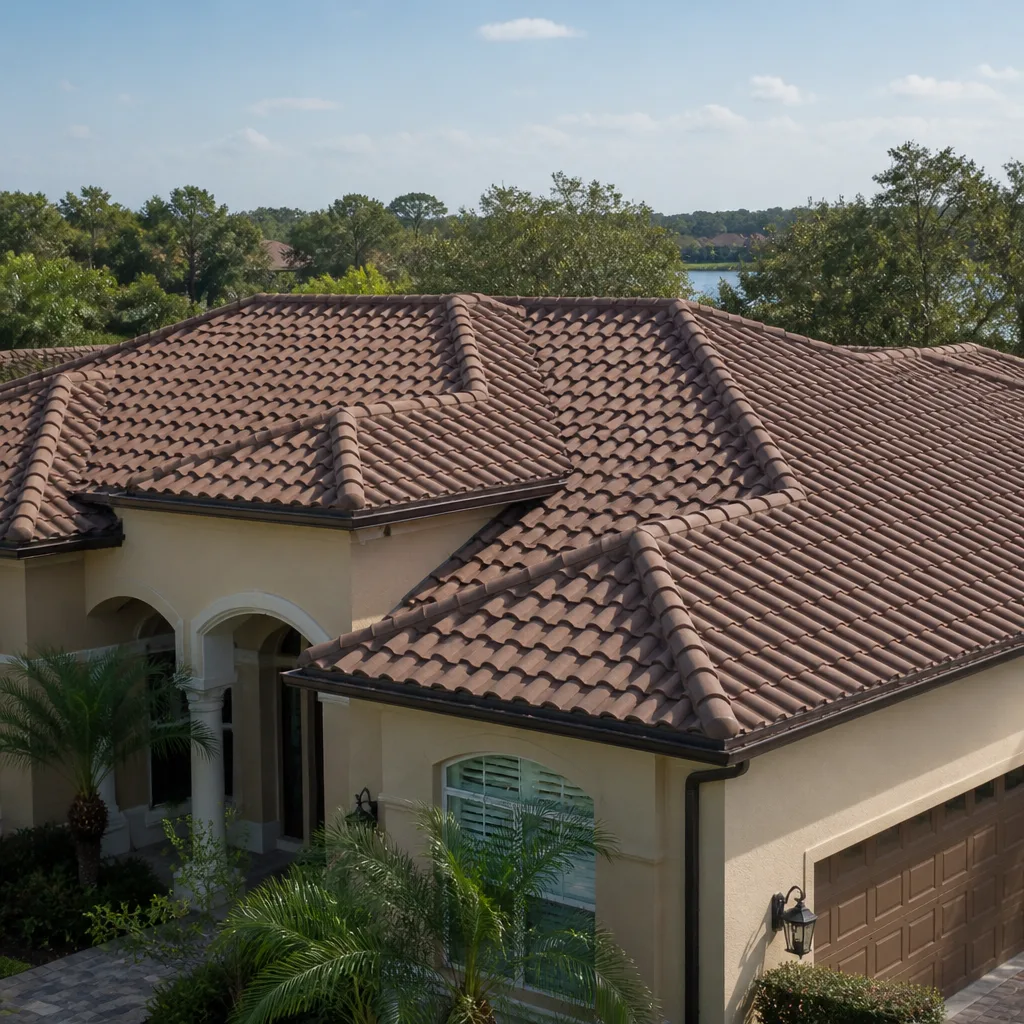 Tile roofing
 GAF
 Owens Corning
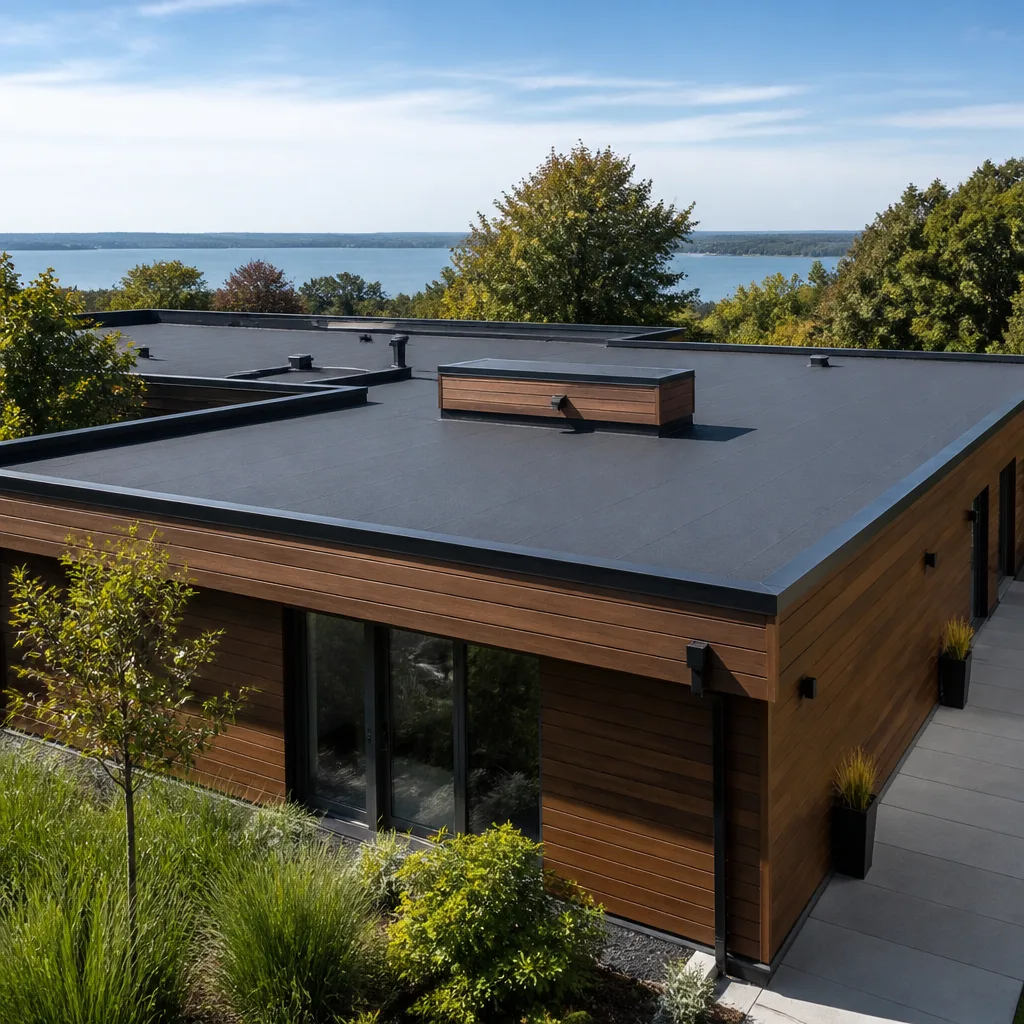 Flat & low-slope
Free roof inspection with deck photos before we talk money - GAF and Owens Corning certified installation
How Long Does Emergency & Storm Damage Take? Timelines and What to Expect
After a valley-wide haboob rolls through the east side, every roofer’s phone rings at once. The contractor who promises a crew tomorrow morning may be moving faster than the work is ready to support. That’s the uncomfortable truth about storm damage timelines: the slowest parts are usually the ones no contractor controls. Insurance adjusters get booked out. Shingle plants run short after a widespread event. Permits take their turn in line. This guide breaks the whole process into its real phases, so you know what “same day” honestly means, what “three weeks” actually covers, and how to use the wait in Spring Valley without losing ground.
Quick Answer
Emergency storm damage response starts the same day with tarping and water control, but the full permitted repair usually takes three to eight weeks from the day you call. In Spring Valley, most of that time is spent waiting on your insurance adjuster’s inspection and on material availability after a major storm event, not on the roofing work itself, which typically runs one to three days for a standard residential repair.
Styles & brands we work with
- Architectural shingles
- Metal roofing
- Tile roofing
- GAF
- Owens Corning
- Flat & low-slope
Table of Contents
- The Four Phases of a Storm Damage Repair
- Why Timelines Stretch After a Major Storm
- Emergency Repair vs. Full Permitted Repair: What’s the Difference?
- What to Expect During the Adjuster Inspection
- How to Use the Waiting Period Productively
- Warning Signs a Contractor Is Rushing the Timeline
- Frequently Asked Questions
The Four Phases of a Storm Damage Repair
Every storm damage repair moves through the same four phases. What varies is how long each one takes, and that depends far more on your insurance carrier’s schedule and the material supply chain than on the roof itself.
Phase 1: Emergency tarping (same day to 48 hours). This is stabilization, not repair. A crew secures the damaged area with a heavy-duty tarp, checks for active leaks, and stops water from reaching your ceilings and insulation. On a roof repair in Spring Valley following a monsoon cell, this is the work that genuinely can happen the same day you call.
Phase 2: Adjuster inspection (3 to 10 days, longer after a major storm). Your insurance adjuster needs to document the damage before authorization. After a widespread event, adjusters are working through hundreds of claims and often bring in out-of-state teams. Three days is typical; ten days to two weeks isn’t unusual after something like a valley-wide wind event.
Phase 3: Material procurement (2 days to several weeks). In calm markets, materials arrive in a few days. After a large storm, regional lumber yards and shingle suppliers get cleaned out, and the wait depends on which manufacturer line you need.
Phase 4: Permitted repair (1 to 3 days of actual work, plus inspection). Once materials are on site and the permit is pulled, most residential repairs are done in a single visit. Clark County inspection follows.
The short version: the roof work is fast. The paperwork and pipeline are slow. Understanding that split keeps you from mistaking a delay for a problem.
Why Timelines Stretch After a Major Storm
A normal repair might move from call to done in seven to ten days. After a storm that hits the whole valley, that same repair can take three to four weeks longer. The reason is that three separate bottlenecks hit simultaneously.
The first is adjuster capacity. When thousands of homes in Spring Valley file claims at once, insurance inspectors get scheduled days or weeks out. No roofing contractor can compress that schedule, no matter how many crews they have.
The second is material supply. Manufacturers ramp production after a big event, but plants can’t instantly meet a spike in demand for a specific profile or color. If your home needs a discontinued shingle, or a color that’s now backordered, the wait can stretch further. This is one reason working with a contractor who carries credentials for multiple manufacturer lines like GAF, CertainTeed, and Atlas matters: when one line is backordered, they can source a comparable match from another.
The third is permits and inspection scheduling. Clark County has done a capable job keeping up with permit volume, but after a big event, inspection queues lengthen. A permit that typically clears in a few days may take a week or more.
None of these delays means your contractor is stalling. They mean three independent systems are all busy at the same time. A legitimate roofer will tell you which bottleneck you’re in and why.
Emergency Repair vs. Full Permitted Repair: What’s the Difference?
This is where a lot of billing disputes start, and it’s worth understanding before you sign anything.
Emergency repair covers stabilization. In a contract, this means the steps needed to prevent further damage from an active storm event: tarping, temporary sealing, patching a small hole, boarding a broken vent. It’s fast, often done within 24 hours, and designed to stop water intrusion and keep your home safe until proper repair is scheduled.
Full permitted repair covers permanent correction. This is the real work: removing damaged shingles down to the deck, inspecting and replacing damaged underlayment, replacing flashing, matching new materials to the existing roof, and pulling the required permit. It’s documented, inspected, and warranted.
Here’s where confusion costs people money. Some homeowners assume the tarping visit was the repair. Weeks later, they notice a water stain and can’t understand why. Others assume the emergency visit will be free under their insurance. In most policies, emergency mitigation is covered, but it’s a separate line item from the permanent repair, and the invoice reflects that difference.
Ask your contractor to put in writing which work is emergency stabilization and which is the permitted repair. Those are two distinct scope items with two distinct costs.
What to Expect During the Adjuster Inspection
Your adjuster’s visit is the single biggest variable in a typical timeline, and it’s worth knowing what they’ll want.
- Scheduling notice. After your claim is filed, the carrier usually contacts you within a few business days to schedule the inspection. During a major storm event, that window widens.
- On-site documentation. The adjuster climbs the roof (or sends an inspector) to photograph damage, measure affected areas, and note the age and condition of the shingles.
- Comparison to contractor findings. If you’ve had a roof inspection, your contractor’s written report helps the adjuster see the same damage. Photo documentation from a qualified contractor can keep a legitimate claim from underpaying.
- Scope of loss and settlement. The carrier issues an approved scope and settlement, usually within one to two weeks of the inspection.
In our experience in Spring Valley, claims go smoother when the homeowner is prepared. Have your contractor’s written inspection report, your policy number, and a note of when the damage happened. If your roof has been passed by a prior inspection but you’re now seeing interior leaks, mention that in your claim so the adjuster knows to look for concealed damage.
How to Use the Waiting Period Productively
The waiting period isn’t dead time. Homeowners who use it well often make better, lower-risk decisions than those who rush.
- Get two or three written bids. Not verbal quotes. Written, itemized bids you can compare line by line. If you want an independent read on a bid you’ve already received, our team does a free second opinion on any written estimate. That offer is standing, not limited.
- Verify licensing with the Nevada State Contractors Board. A quick lookup by license number tells you whether your contractor is properly licensed for roofing work in Nevada. Ask for the number and check it. Any legitimate contractor will hand it over without hesitation.
- Check insurance and bonding. Ask for certificates of insurance and confirm the business is bonded. This protects you if a worker is injured on your roof.
- Stage material deliveries. Once you’ve signed and the scope is set, confirm delivery dates with your contractor. Knowing materials are on the way makes the schedule concrete.
- Document your interior damage. Photograph any water stains, bubbling paint, or damp spots on ceilings and walls. These help with the interior portion of your claim, which is often overlooked.
- Ask about the written workmanship guarantee. A signed 90-Day Done Right Promise means if anything isn’t right, the company comes back and makes it right. That’s the single best protection against a repair that fails six months later.
This waiting window is also the right moment to think about the bigger picture. If your roof is 20 years old and the damage is widespread, a roof replacement and installation in Spring Valley may be the more durable answer than a patch. A good contractor will tell you honestly which one your roof needs.
Warning Signs a Contractor Is Rushing the Timeline
Speed isn’t automatically a virtue. Some contractors promise same-week completion after a storm because they’re skipping steps that will come back to haunt you.
- They skip the permit. A permanent repair requires a permit in Clark County. A contractor who says “we don’t need to bother with that” is trading your protection for their convenience.
- They can’t name the material. If they can’t tell you exactly which shingle line and color they’ll install, they’re planning to use whatever’s on the truck, even if it doesn’t match your roof.
- They won’t put the warranty in writing. A verbal guarantee isn’t worth the breath it was spoken with. Ask for the written workmanship guarantee before you sign.
- They pressure you to sign right now. Real urgency is about tarping today, not about signing a contract in your driveway before you’ve read it.
- They ask for a large upfront deposit. A deposit is normal; demanding most of the job upfront, in cash, is not.
- They can’t tell you their Nevada license number. Look it up. This is the single fastest way to separate legitimate contractors from drifting ones.
- They have no local address or history. Storm-chasing crews arrive after a big event and leave town after the work is done. When a warranty claim comes up twelve months later, they’re long gone. A contractor rooted in the community plans to be here in thirty years.
If you notice any of these, walk away. There will be another bidder, and you’re better off comparing more quotes than taking the wrong one.
See the difference
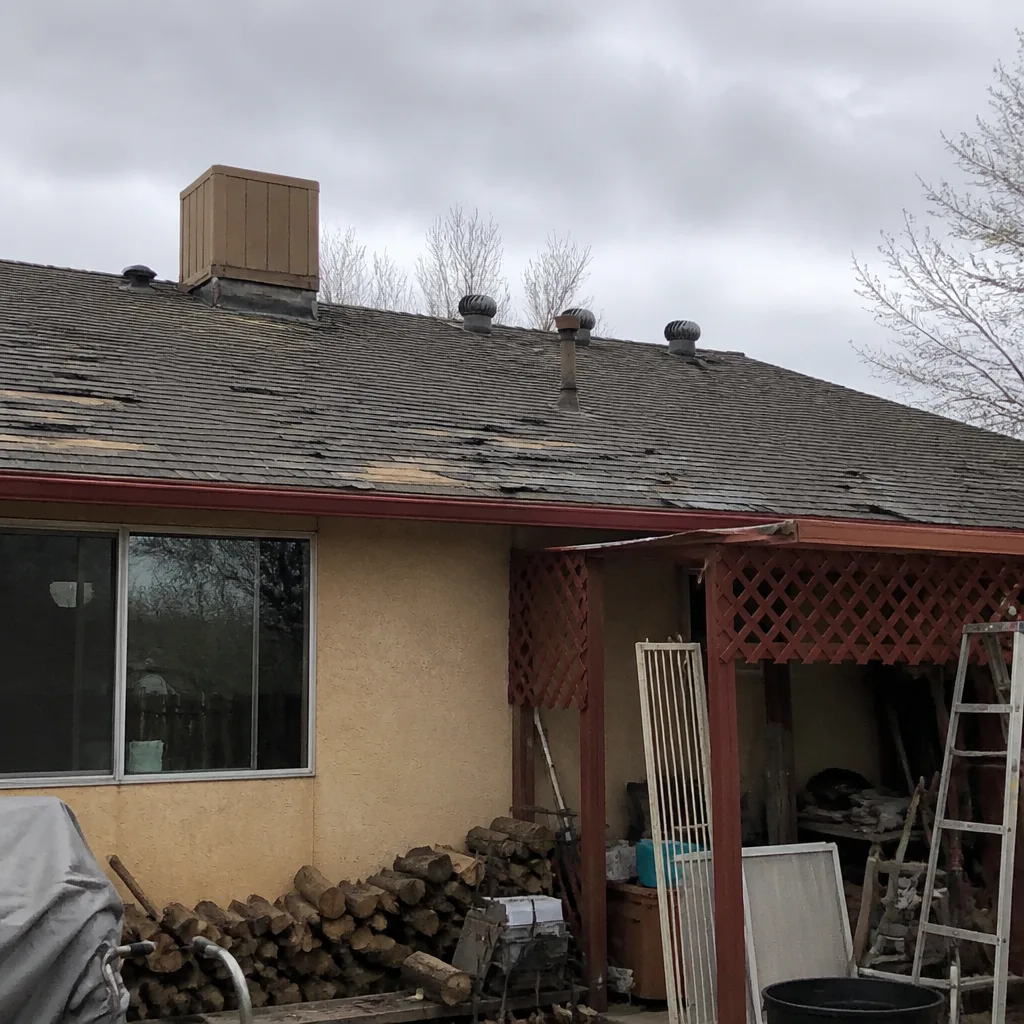 Before
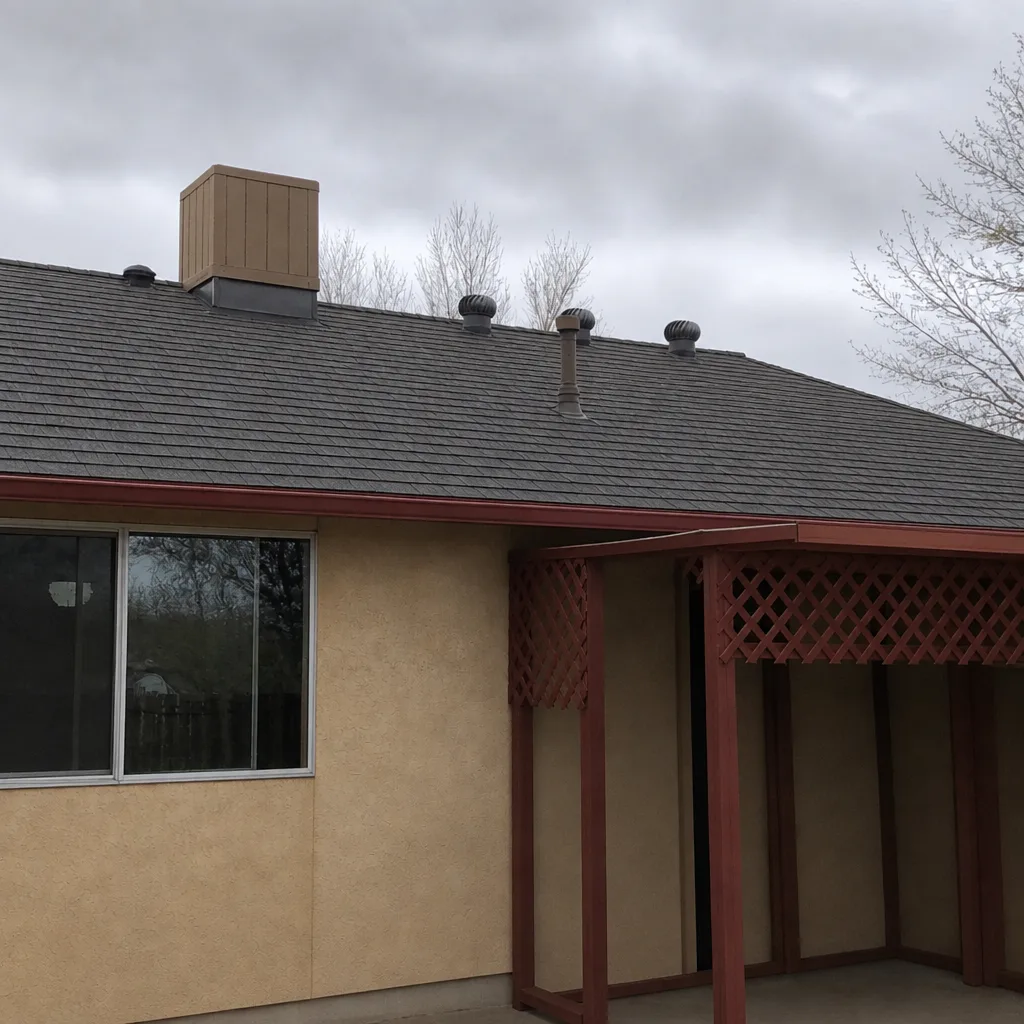 After
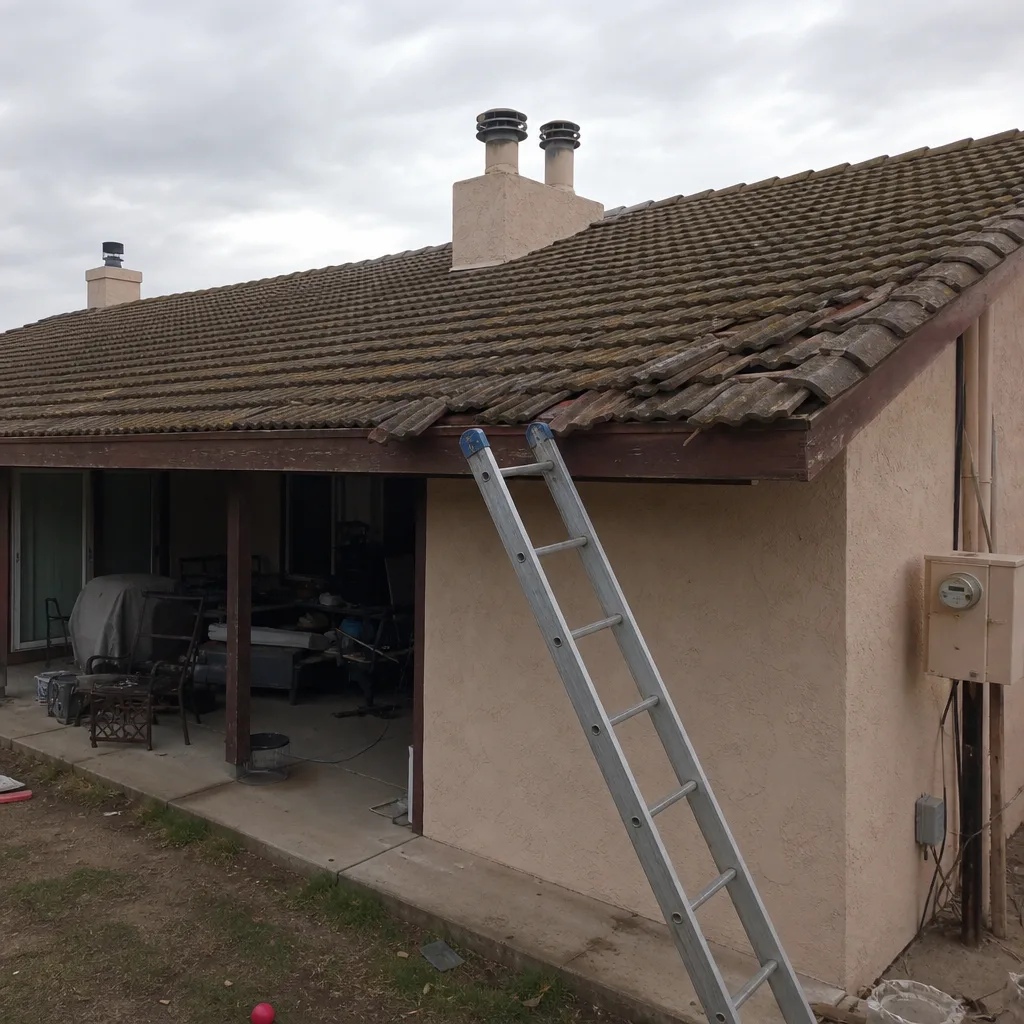 Before
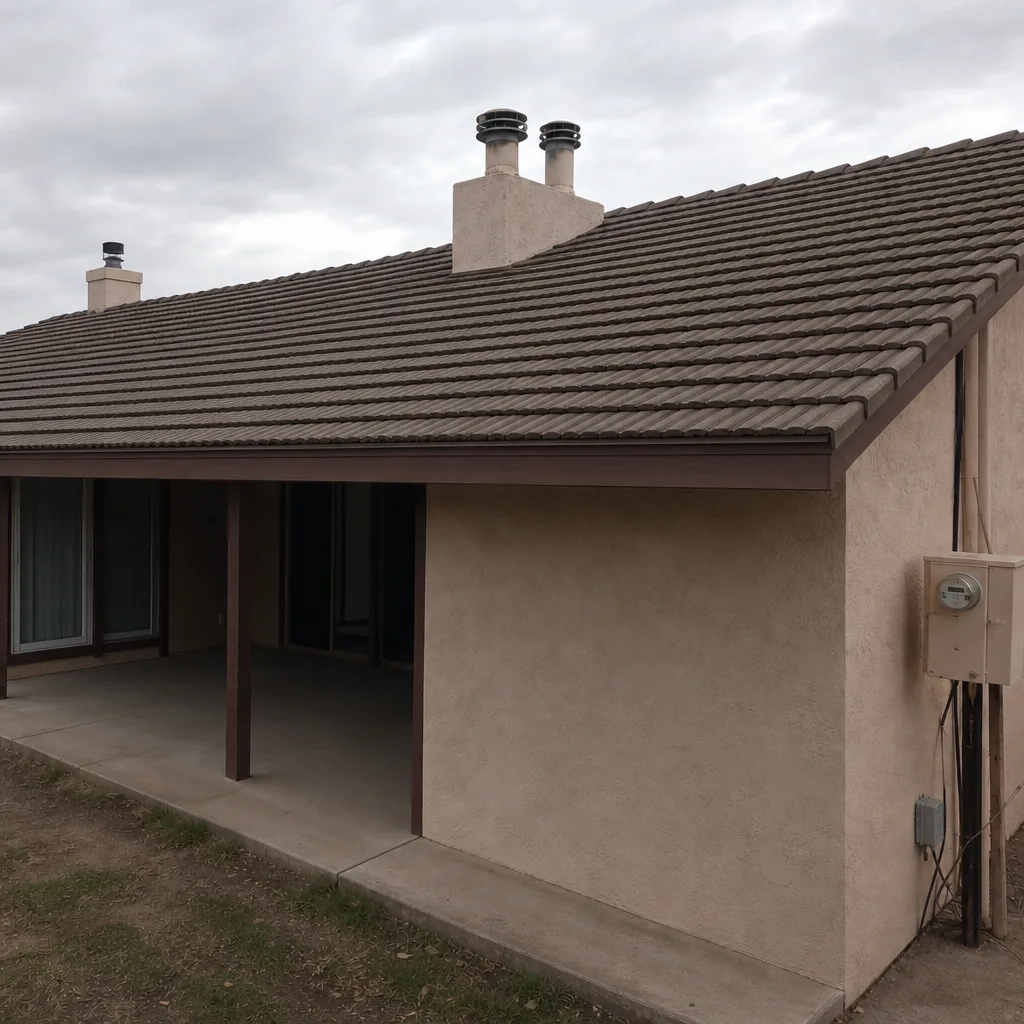 After
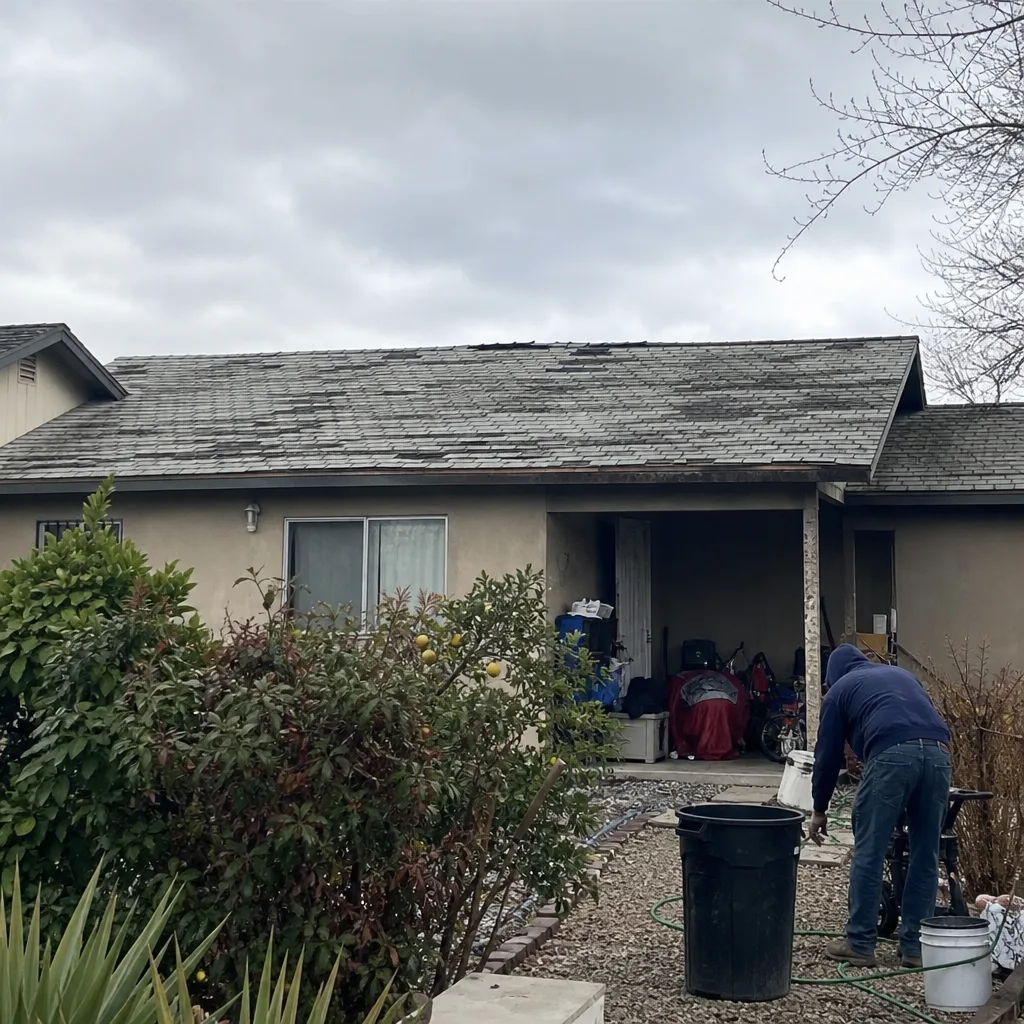 Before
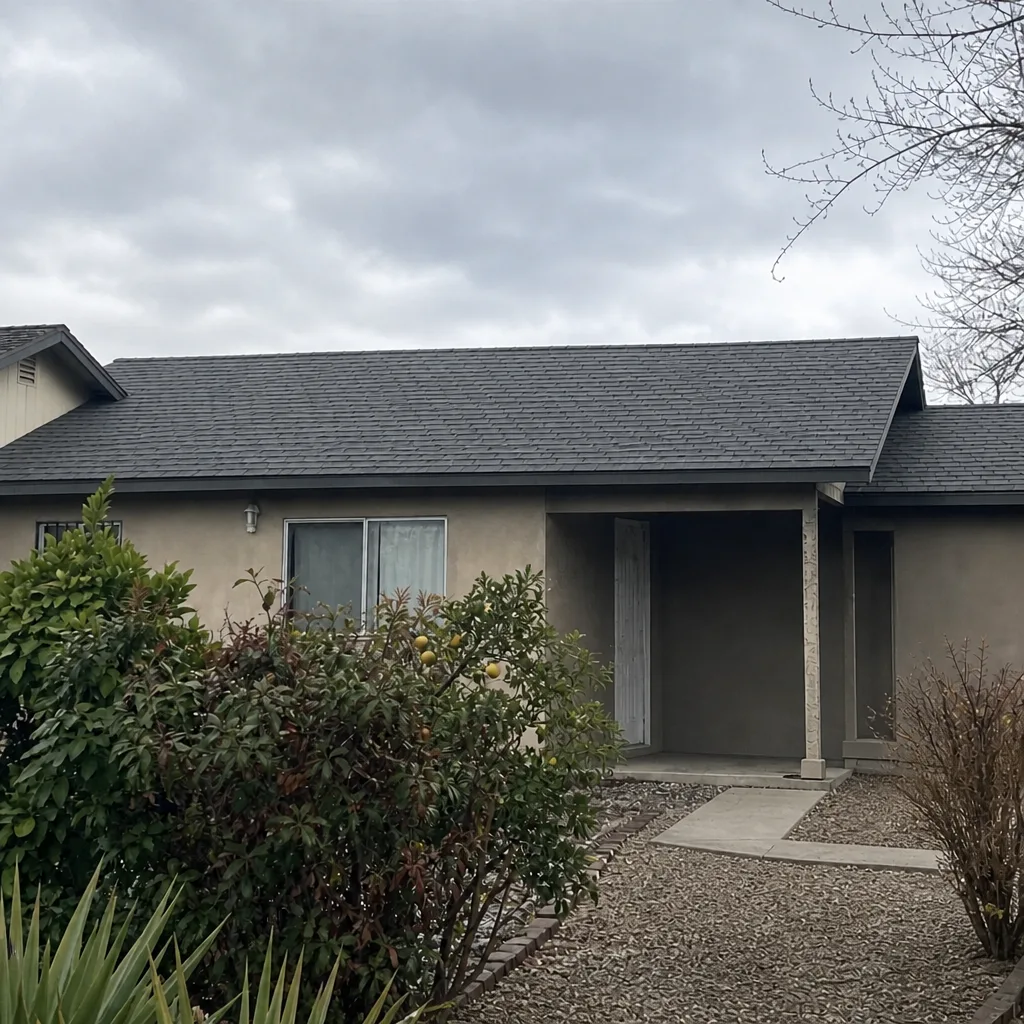 After
Common Mistakes to Avoid
- Treating the tarping visit as the repair. Emergency stabilization is not the permanent fix. Follow through on the permitted repair once the insurance scope is approved. Homeowners who stop at tarping often find water damage inside the walls within a few months.
- Skipping the permit because a contractor suggests you can. Clark County inspections exist for a reason. Unpermitted work can complicate future home sales and void insurance claims. Insist on the permit.
- Hiring the first bidder because they promised speed. The fastest estimate often means the contractor plans to skip the steps that protect you. Get at least two or three written bids first.
- Not getting the workmanship guarantee in writing. Verbal promises dissolve the moment the truck leaves. A written guarantee, like our 90-Day Done Right Promise, is your protection against callbacks and repeat failures.
- Filing the claim but forgetting interior damage. Ceiling stains, bubbling paint, and damp drywall are all part of the loss. Document them and include them in the claim.
- Hiring a crew that just appeared after the storm. Storm chasers often use out-of-state subcontractors with no local licensing. Verify with the Nevada State Contractors Board before you sign anything.
- Waiting too long to schedule the emergency visit. The immediate days after a storm are when tarping crews are available. A delayed call can mean water damage spreads further. Call as soon as you see damage.
When to Call a Professional
Call a professional roofer for anything beyond a cosmetic repair, and call sooner rather than later. Situations that clearly need a professional:
- Visible water intrusion or stains on ceilings and interior walls after a storm
- Missing, curled, or displaced shingles after high winds
- Lifted or detached flashing around chimneys, vents, or skylights
- Granule loss that leaves shingle surfaces bare and dark
- Hail impact marks or dents in gutters and downspouts
- Sagging areas on the roof or visible deck damage
- Any roof damage on a home over 15 years old, where small damage often points to a larger underlying issue
Ridgeline Roofing Co. Spring Valley offers free estimates in Spring Valley. Call (855) 908-1590 to schedule an inspection. You’ll get a written, itemized bid with photo documentation, a clear timeline, and a signed workmanship guarantee before any work begins.
Frequently Asked Questions
Most storm damage repairs in Spring Valley take three to eight weeks from first call to final inspection, depending mainly on insurance adjuster scheduling and material availability. The actual roofing work is usually one to three days for a standard residential repair; the bulk of the calendar time is spent waiting on inspection and materials. Call (855) 908-1590 for a free estimate and a realistic timeline for your specific roof.
Same-day tarping is usually possible for active leaks in Spring Valley, depending on call volume after a storm. Our phones are staffed by a live person 24 hours a day, so you’re not stuck in a voicemail tree at the moment you most need an answer. Call (855) 908-1590 to schedule the emergency visit.
Insurance typically covers both emergency mitigation and the permanent repair, minus your deductible, but the two are billed and tracked separately. Knowing the difference keeps a legitimate claim from underpaying. Call (855) 908-1590 for a free second opinion on any written estimate before you commit.
Most of the delay is usually not the contractor’s. After a major storm event, adjusters book out, material supply tightens, and Clark County inspection queues lengthen. A legitimate roofer will tell you which bottleneck you’re in and why. Call (855) 908-1590 if you want an honest read on where your project stands.
Yes, a permanent storm damage repair requires a permit in Clark County. Emergency tarping does not, but any structural or shingle replacement does. Unpermitted work can complicate a future sale and void insurance coverage. Call (855) 908-1590 to ask how we handle permitting on your specific repair.
A written workmanship guarantee means the contractor comes back and makes it right. Our 90-Day Done Right Promise is in writing, with no arguing and no paperwork. Verbal guarantees are not enough. Ask any contractor for theirs in writing. Call (855) 908-1590 if you’d like to see how ours works.
Two things tell you a roof will not be abandoned: a physical address and a long local track record. Storm chasers arrive after a big event and leave town when the work is done. A contractor rooted in the community hires local crews and trains apprentices. Look for those signs. Call (855) 908-1590 if you’d like an inspection before you sign anything with anyone.
The Bottom Line
Storm damage timelines are set by insurance adjuster scheduling, material availability, and Clark County permitting, not by how long the actual roofing work takes. Emergency tarping is genuinely fast and can be done the same day. The full permitted repair typically takes three to eight weeks in Spring Valley, and the biggest delays happen after a valley-wide storm when every system is busy at once. Use the wait to get written bids, verify licensing with the Nevada State Contractors Board, and confirm you’re working with a contractor who has a written workmanship guarantee. That’s how a repair gets done right once.
To schedule a free estimate or a photo-documented roof inspection, call (855) 908-1590. A liv
e person answers every call, day or night. If you want the full picture of how we work, start with the Ridgeline Roofing Co. Spring Valley home page, or explore our specialty roofing in Spring Valley services for complex roofs that need a different approach.
Written by the team at Ridgeline Roofing Co. Spring Valley.