
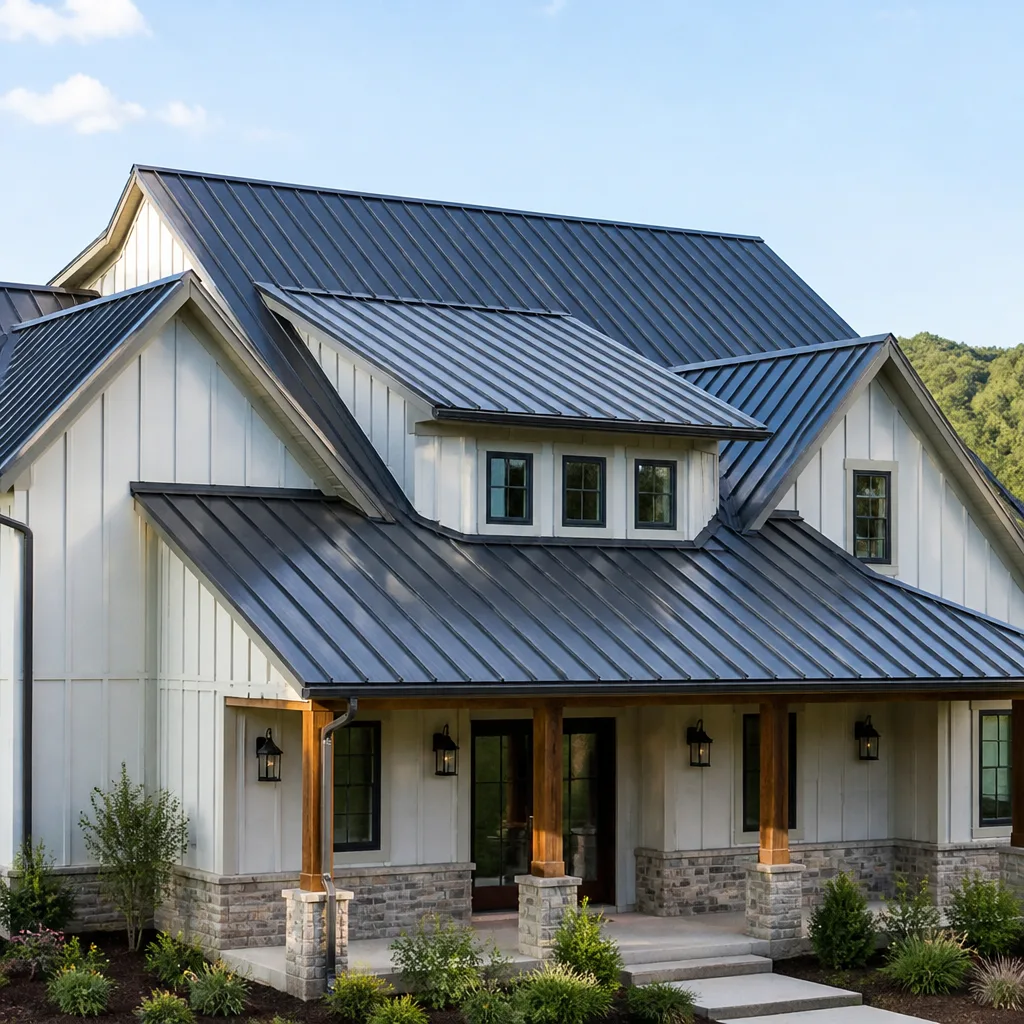
 Metal roofing
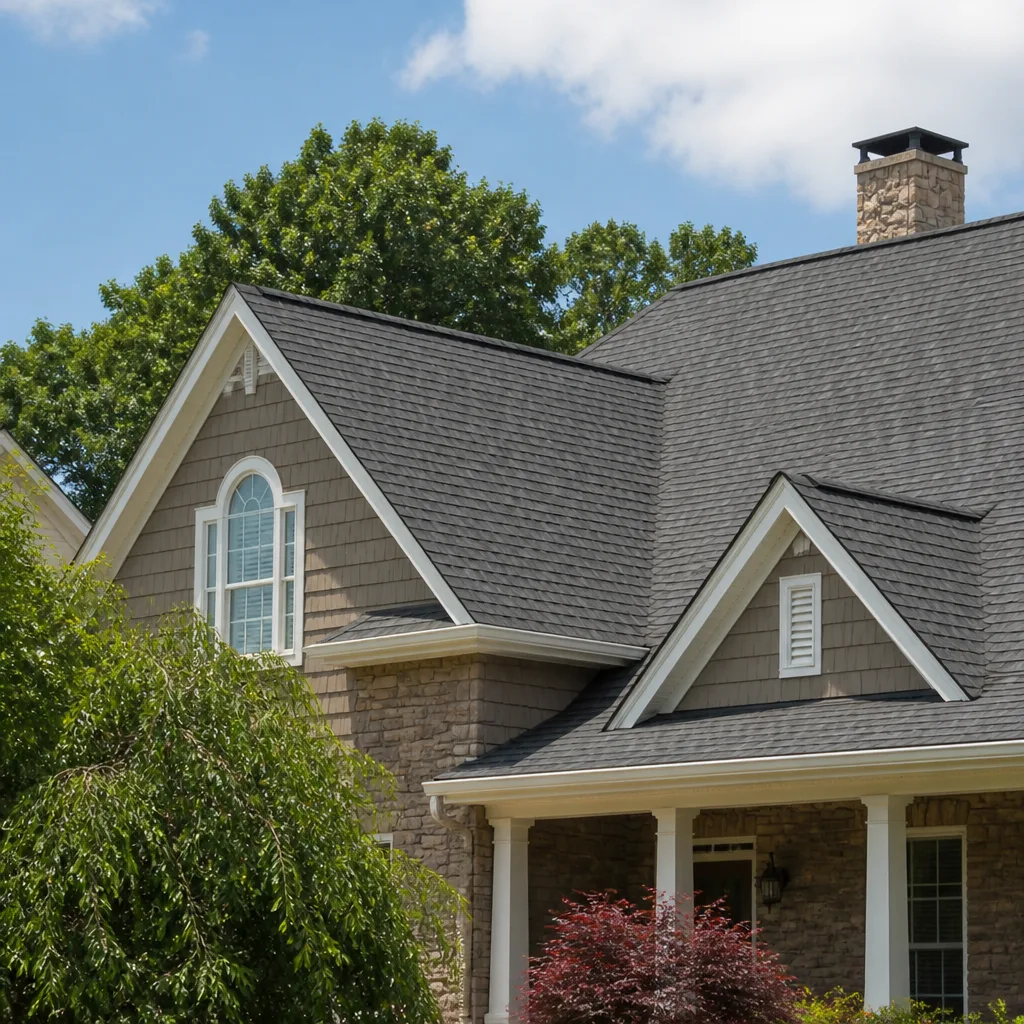
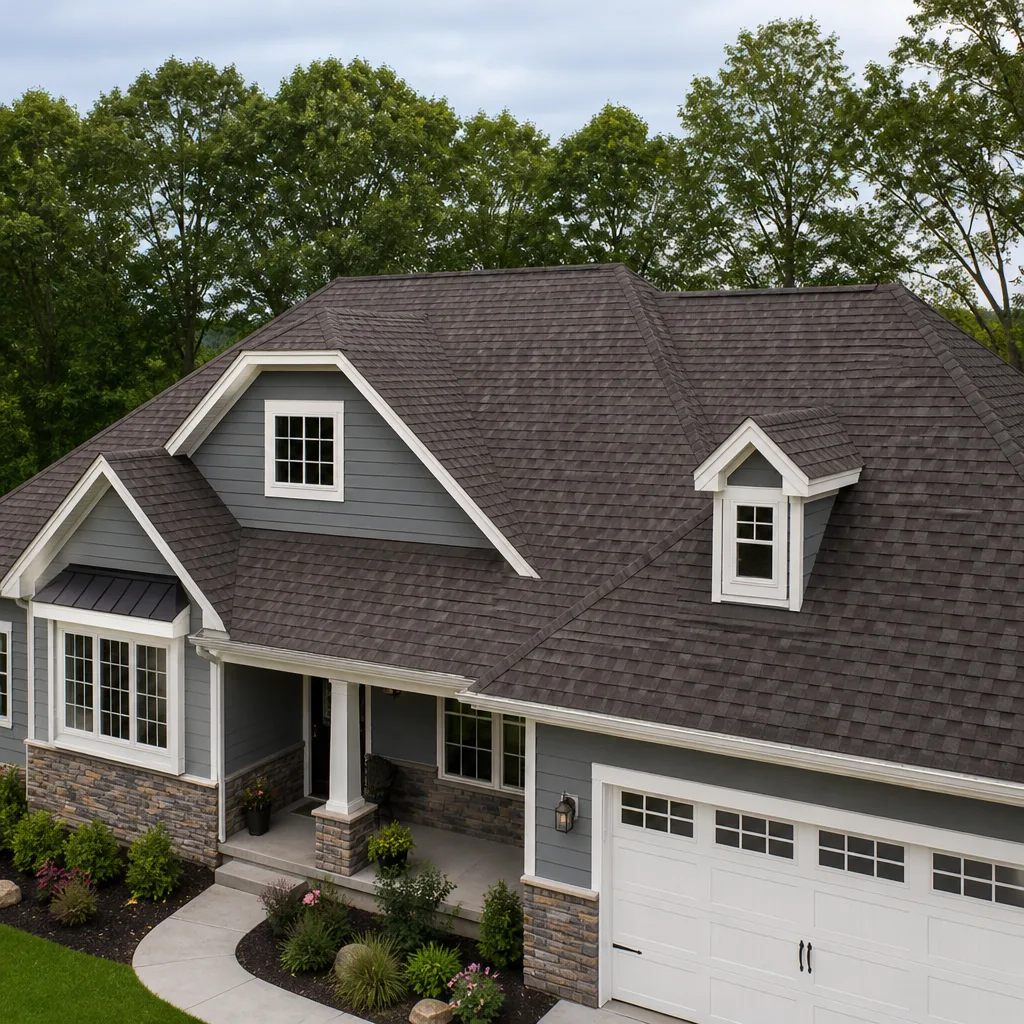
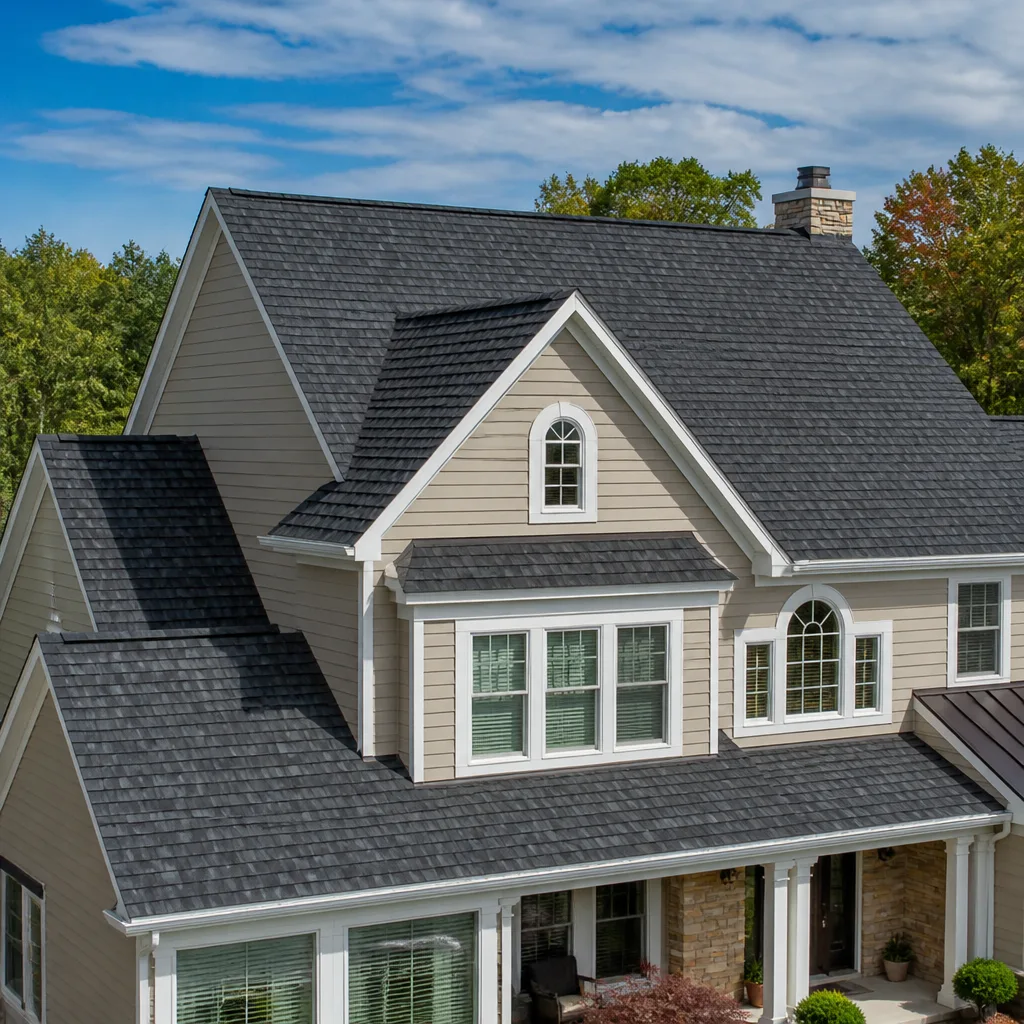 Architectural shingles
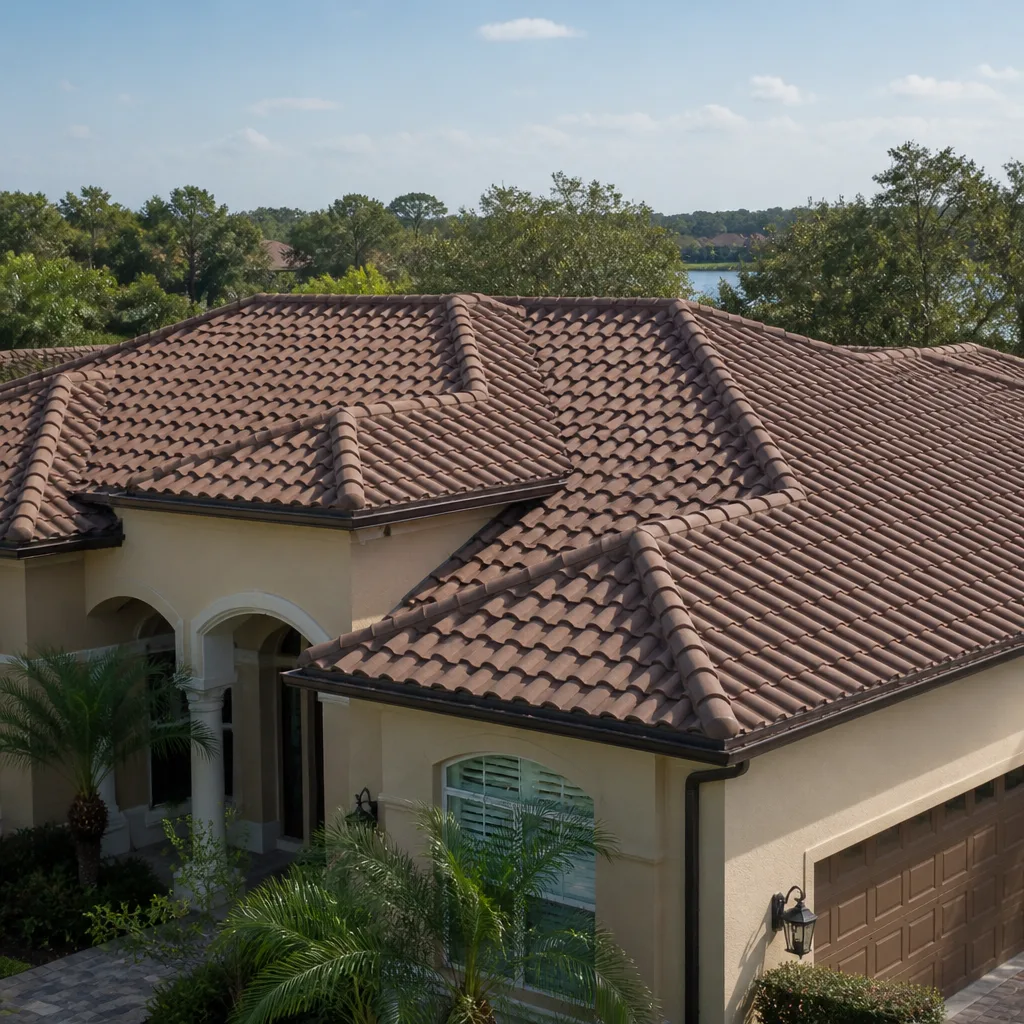 Tile roofing
 GAF
 Owens Corning
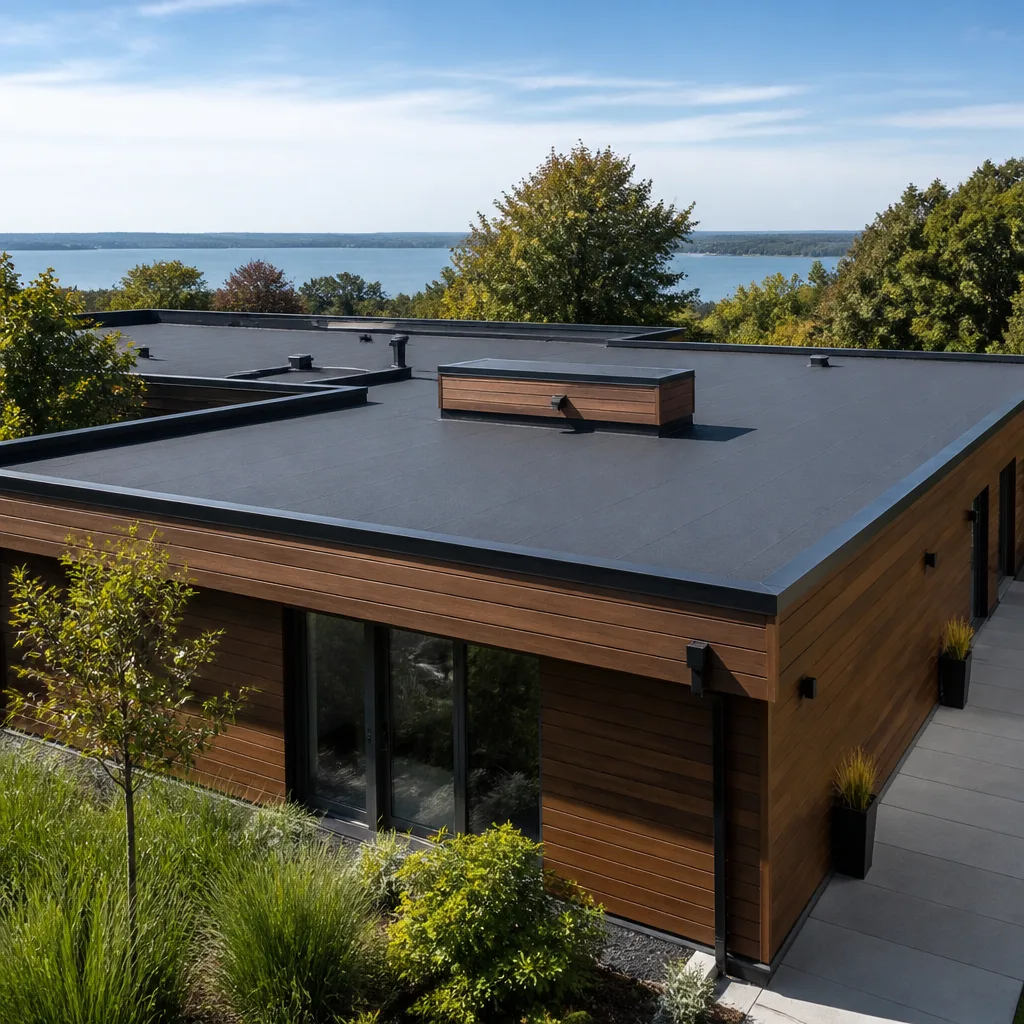 Flat & low-slope
Free roof inspection with deck photos before we talk money - GAF and Owens Corning certified installation
Styles & brands we work with
- Architectural shingles
- Metal roofing
- Tile roofing
- GAF
- Owens Corning
- Flat & low-slope
See the difference
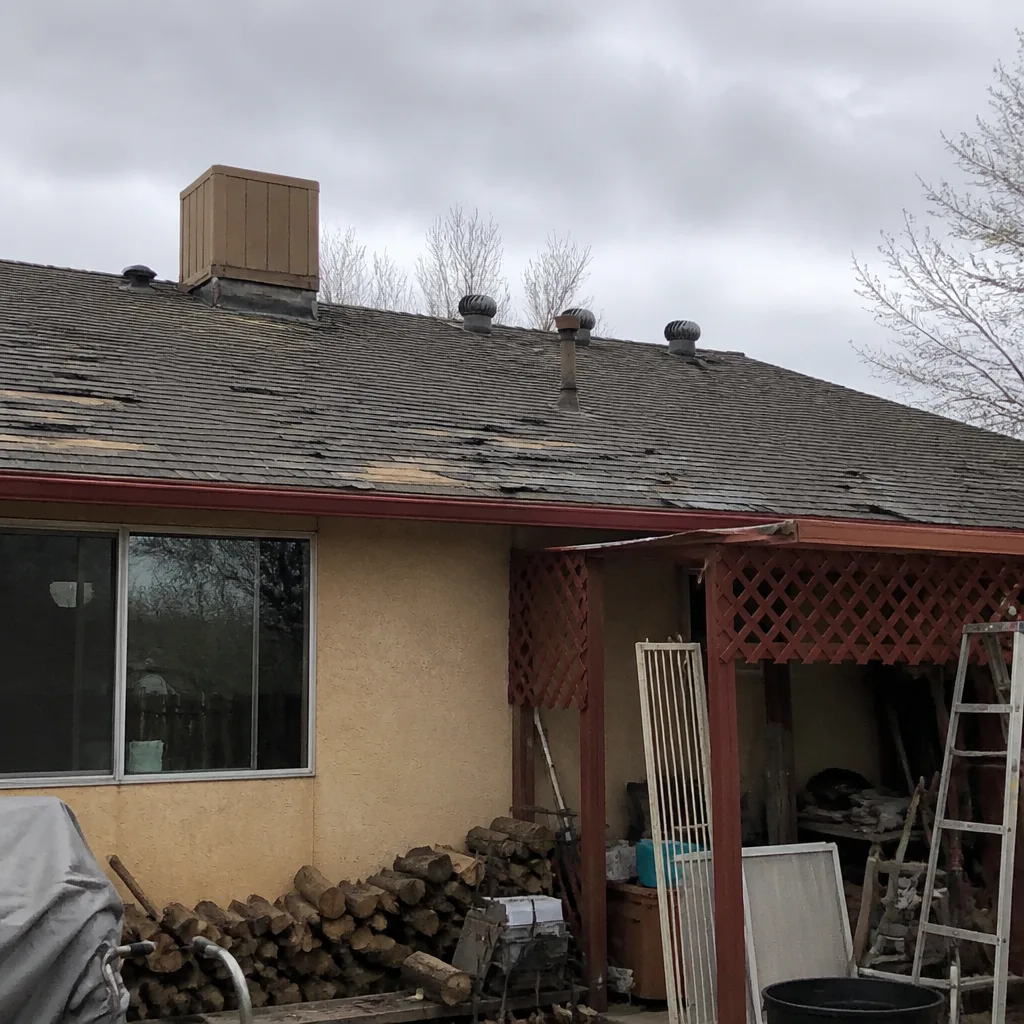 Before
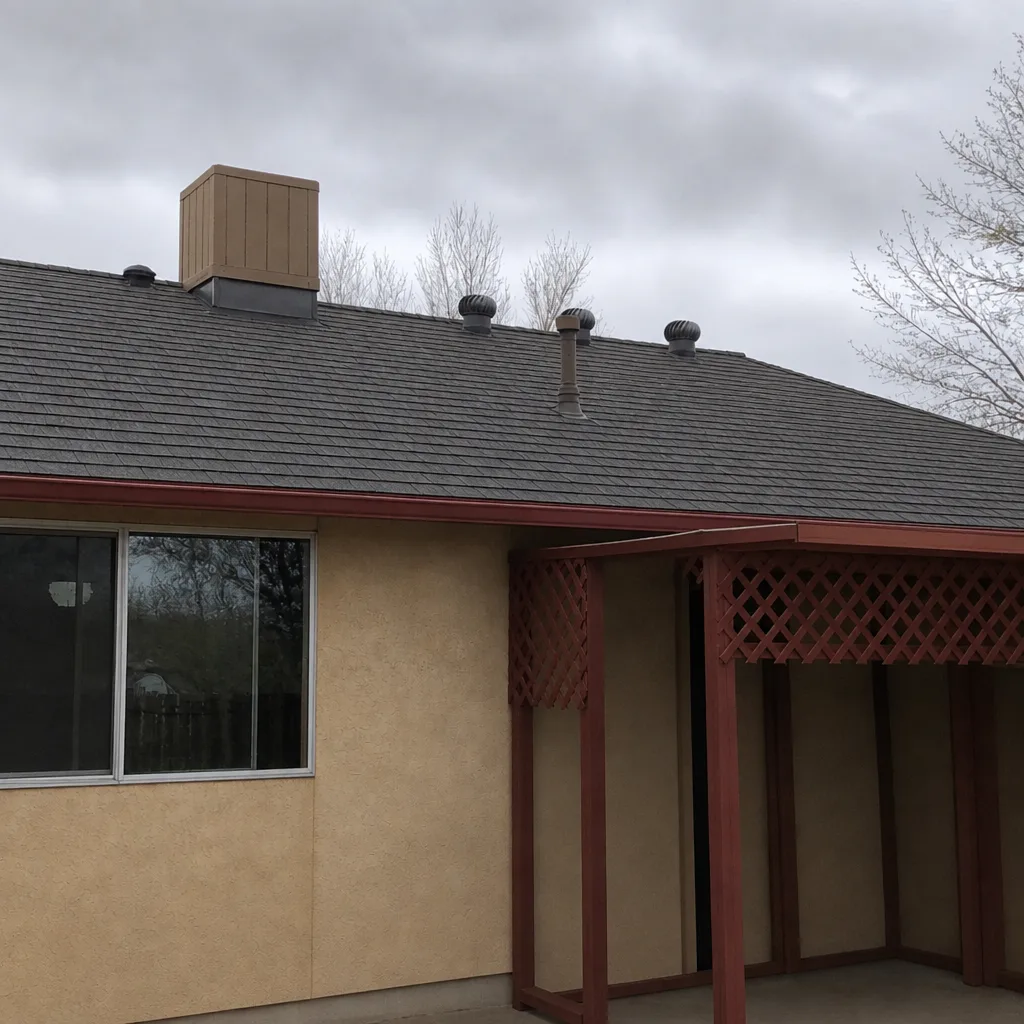 After
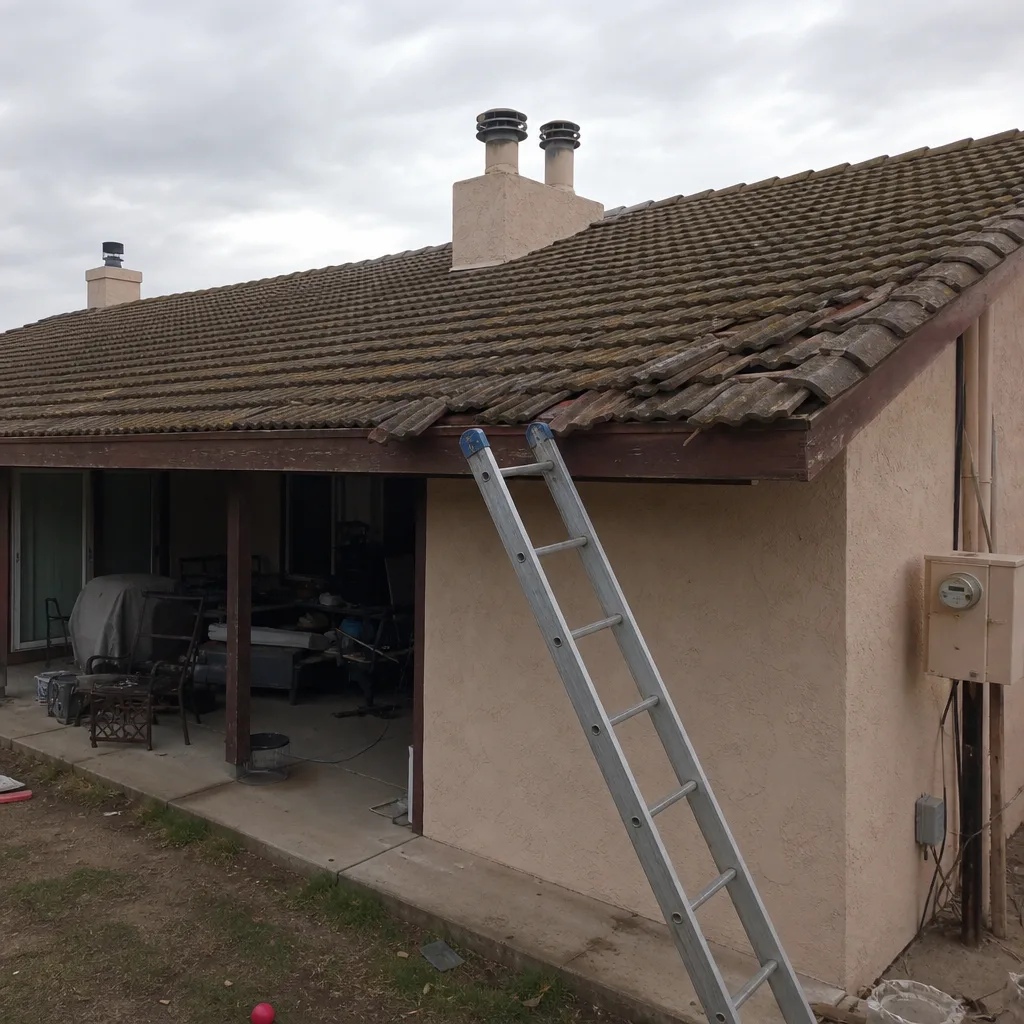 Before
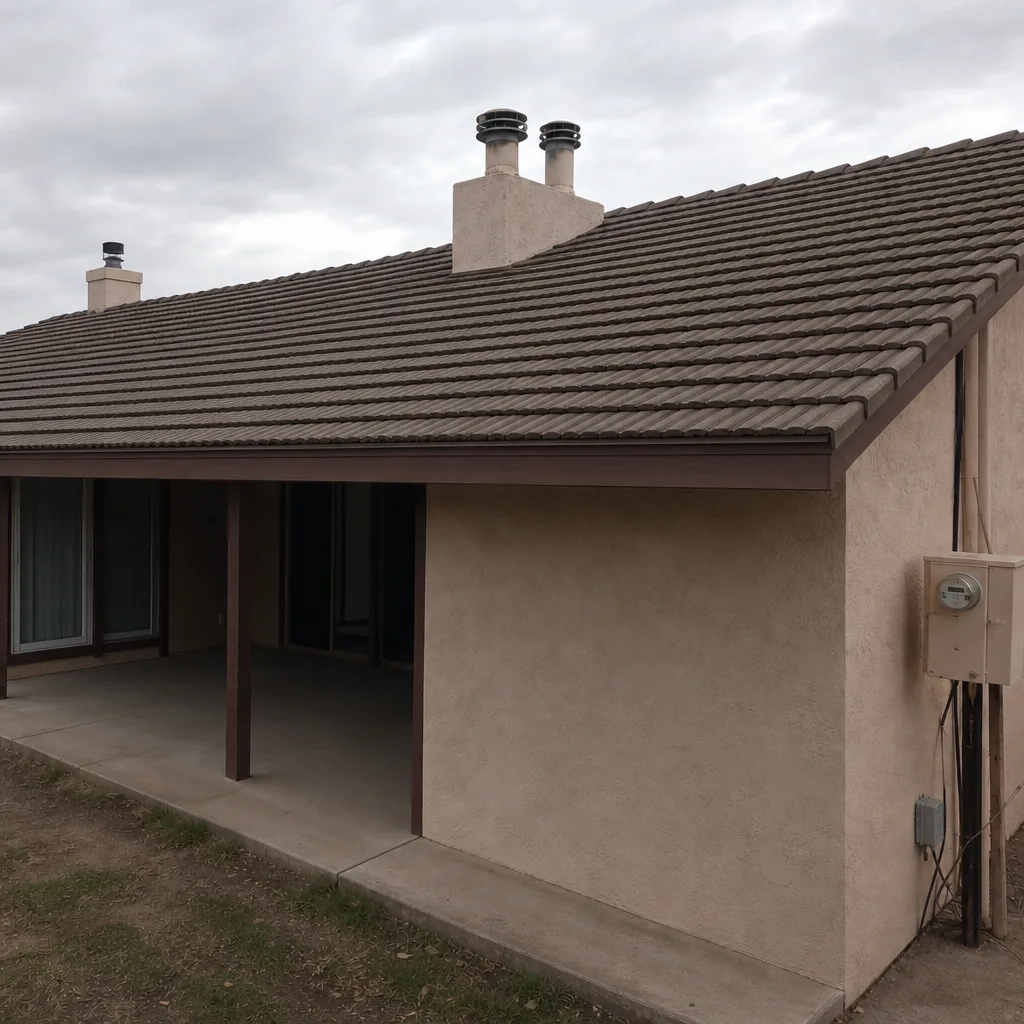 After
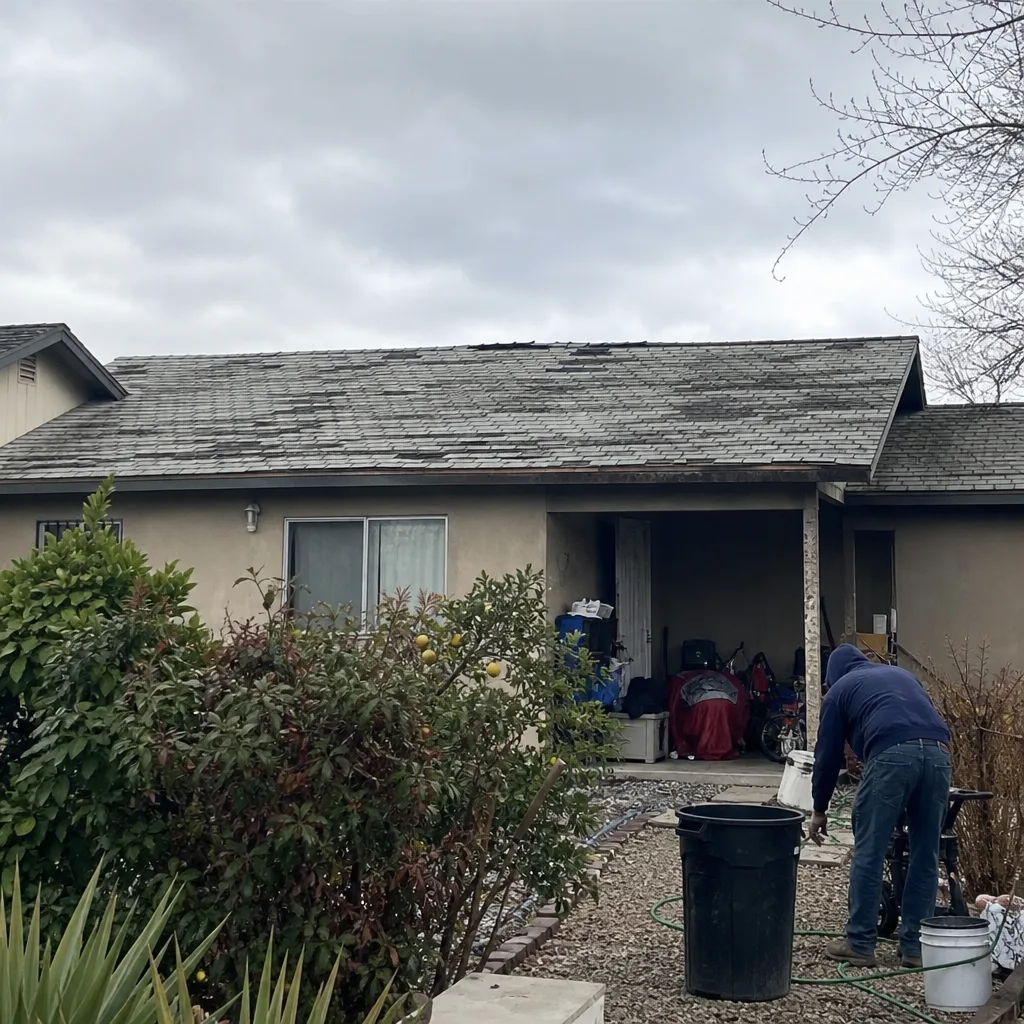 Before
 After
Metal Roof Cost in Spring Valley, NV: What You’ll Actually Pay (and What Your HOA Will Actually Allow)
Metal roof cost in Spring Valley runs roughly $9 to $14 per square foot for the panels and $18,000 to $32,000 installed on a typical 2,000-square-foot home, depending on which system your HOA will approve. Standing seam and stone-coated steel usually land between $11 and $14 per square foot; exposed-fastener corrugated panels run cheaper at $6 to $9, but most planned communities here won’t allow them past the architectural review committee. Call (855) 908-1590 and we’ll walk you through the numbers for your actual roof, free of charge.
That gap between the cheapest metal and the metal that’s permitted here is the whole story. Read the pricing below knowing the entry-level products most national cost guides rank first are simply off the table for many Spring Valley homeowners - and the reasons are worth understanding before you request a single bid.
Key Takeaways
- Installed metal roof pricing in Spring Valley: about $18,000-$32,000 for a 2,000 sq ft home.
- Most HOAs here prohibit exposed-fastener corrugated and ribbed panels; stone-coated steel and approved-color standing seam are usually permitted.
- Metal weighs 1-3 lbs per sq ft versus 9-12 for concrete tile - a real advantage on 1980s-era trusses.
- Daily temperature swings of 70°F+ make fastener design (floating clip vs. fixed) a 20-year performance decision, not a cosmetic one.
- A cool-roof-rated system plus an air gap can cut attic heat, and NV Energy rebates can lower your net cost.
Why does your HOA decide your metal roof cost in Spring Valley?
Your HOA’s architectural review committee (ARC) decides it because it controls which products are allowed on your street, and that rule narrows the field before price even enters the conversation. Three of the five “metal roof” products that rank cheapest on national cost sites - exposed-fastener corrugated, ribbed panels, and bare galvanized sheeting - are routinely prohibited by ARC governing documents in Spring Valley’s planned communities. The cheaper products look like the obvious budget pick until you read the guidelines.
What most master-planned communities here do permit is stone-coated steel and, in many cases, standing seam in an approved color palette. Stone-coated steel imitates tile or shake profile, which is why it clears architectural review so often on the upscale west-side communities like The Lakes and the Rhodes Ranch area. Standing seam is allowed depending on the association and the color; a low sheen or matte finish in a desert-neutral tone tends to fare better than anything reflective or bright.
The practical move is to pull your CC&Rs and ARC submission requirements before you shop. We read those documents with homeowners every week, and we’ll tell you plainly what your association allows so your estimate is built on a product you can actually install. For the fuller picture on system types here, see our Metal Roofing in Spring Valley page.
What pushes the price up or down? What to look for in a Spring Valley metal roof
Fastener system, gauge, coating, and the condition of the deck underneath move the number most - and the first two are the ones homeowners rarely ask about but should. Here’s what separates a $9-per-square-foot panel from a $14-per-square-foot system that will still be right in twenty years.
- Floating vs. fixed clips. Metal expands and contracts with the heat. A floating clip system lets the panels move; a fixed system doesn’t. On a Spring Valley roof seeing 70°F+ daily swings, that difference decides whether fasteners loosen and seams fatigue long before the metal itself wears out.
- Panel gauge. Thicker steel resists oil-canning and wind uplift. Ask for the gauge in writing, not a verbal guess.
- Coating and cool-roof rating. A cool-roof-rated finish with an air gap under the panels reflects solar gain and lets heat escape. That’s real money on Las Vegas cooling loads.
- Deck and underlayment. The panels are only as good as what holds them. Thermal cycling bakes out underlayment fast here, so a proper deck assessment belongs in the estimate.
- Flashing and penetration detailing. Valleys, hips, and the low-slope patio and garage sections common to 1990s subdivisions here are where leaks start. Detail work is where cheap bids quietly cut corners.
How much does a metal roof cost in Spring Valley? Here’s the line-item breakdown
A metal roof on a typical Spring Valley home costs between roughly $18,000 and $32,000 installed, with most of the spread coming from the system type, the roof’s complexity, and whether the deck needs work. The table below shows where the money goes so you can compare bids on the same items instead of guessing.
| Item | Typical range |
|---|---|
| Stone-coated steel (per sq ft installed) | $9-$14 |
| Standing seam, floating clip (per sq ft installed) | $11-$14 |
| Exposed-fastener corrugated (often not HOA-approved) | $6-$9 |
| Structural / deck inspection (included in our written estimate) | $0 with us; $250-$500 from others |
| Underlayment and flashing (full re-roof) | $1,500-$4,000 |
| Tear-off of existing tile or shingle | $2,000-$5,500 |
| Total installed, 2,000 sq ft home | $18,000-$32,000 |
The word “cheap” hides a lot. A bid built on an exposed-fastener panel your ARC won’t approve is worthless no matter how low the number looks. And the exact system matters in ways a per-square-foot figure can’t show. A well-detailed roof starts with an honest structural read, and that’s built into our estimate, never tacked on after the old tile comes off.
Metal vs. concrete tile in Spring Valley: does the weight savings change the math?
Metal saves real weight - 1-3 lbs per square foot versus 9-12 for concrete tile - and on a 1980s-era truss system that was engineered for tile and has now carried it through 35 years of desert thermal fatigue, that savings matters. Whether it justifies the switch is a question worth answering with a structural inspection rather than a hunch.
Most of the homes here are single-family tract builds from the 1980s to the 2000s, many with complex hip-and-valley geometry and low-slope patio and garage sections. The original trusses were sized for the heavy tile they carried. Over decades of summer heat, that’s a lot of thermal cycling on the framing. Dropping from tile to metal reduces the dead load the roof structure has to hold, but you don’t do that on a promise - an inspector has to look at the deck and the framing first.
That inspection is the piece competitors skip. A proper deck and structural assessment runs a few hundred dollars on its own, but with us it’s part of the photo-documented inspection that’s baked into your upfront estimate. That’s how we price honestly: the number on the estimate is the number on the invoice, and you won’t get a change order after the tear-off that you couldn’t have seen coming.
How does a cool-roof metal system affect your energy bill in Las Vegas?
A cool-roof-rated metal system with an air gap can meaningfully lower attic temperatures, and that cuts your cooling load during a Las Vegas summer - which is where NV Energy rebates come in to improve the net cost. Summer surface temps on the tile roofs around here regularly exceed 150°F, baking the attic above your living space. Reflective metal with a ventilated air gap sheds that heat instead of soaking it up.
The rebate math is worth asking about before you sign anything, because it changes the true cost of a metal system over its life. Lower attic temps mean the air conditioner runs less on the hottest afternoons, and a rebate can pull the net price down further. Add that to a roof expected to last decades, and the total cost of ownership over a 40-year horizon can look quite different from the sticker on day one - especially when the alternative is replacing heavy tile again down the road.
We install products from seven manufacturer lines including GAF, CertainTeed, and Owens Corning, and we’re an authorized installer of IKO and Boral, among others. Proper materials, no substitutions. If your association approves stone-coated steel, our technicians - up to 10 years of experience each, background-checked and in uniform - have installed them across Clark County, and every job carries our 90-Day Done Right Promise: if it isn’t right, we come back and make it right, no paperwork, no arguing.
One note on scheduling: our phones are answered by a live person 24 hours a day, seven days a week, including the middle of a monsoon. When a microburst pushes a decision faster than you planned, you’ll reach us.
Frequently Asked Questions
A metal roof in Spring Valley costs about $18,000 to $32,000 installed on a 2,000-square-foot home, or roughly $9 to $14 per square foot depending on the system. Stone-coated steel and standing seam land at the higher end because they clear HOA review; cheaper corrugated panels at $6 to $9 per square foot often won’t. Call (855) 908-1590 for an exact quote - estimates are free.
Usually not, because most HOA architectural review committees in Spring Valley’s planned communities prohibit exposed-fastener corrugated and ribbed panels. Stone-coated steel and, in many cases, standing seam in an approved color are the systems that typically pass. Check your CC&Rs first, and we’ll help you read what your ARC actually allows. Call (855) 908-1590 for a free second opinion on any written estimate.
Often yes over a 40-year horizon, since a cool-roof metal system cuts attic heat and qualifies for NV Energy rebates, lowering your net cost, while concrete tile adds significant weight and will need replacing again. The upfront number on metal can be higher. Which wins depends on your trusses and your energy use. Call (855) 908-1590 and we’ll run the comparison for your home - free estimates, no pressure.
Yes. Every estimate includes a photo-documented inspection of your deck and framing, so the structural assessment is part of the price rather than a surprise change order after tear-off. Our background-checked, uniformed technicians take photos from your actual roof and show you what they find. Call (855) 908-1590 to schedule yours.
Get a Real Metal Roof Number for Your Spring Valley Home
The cheapest metal on a national cost guide may not clear your HOA, and the honest number starts with a real look at your roof. Call Ridgeline Roofing Co. Spring Valley at (855) 908-1590 for a free estimate with photo-documented inspection and upfront pricing - the price we quote is the price you pay, backed by our 90-Day Done Right Promise. We’ll be there when we say.
Written by the team at Ridgeline Roofing Co. Spring Valley, serving Spring Valley, NV.
What Our Customers Say
"The leak over the kitchen turned out to be a cracked boot around a vent pipe, not the roof. He showed me the photo from up there and replaced the boot for a couple hundred dollars. The company before him had quoted a full tear off."
- Wade Thompson"Everything was in writing before a single tool came out: scope, materials, price, warranty length, and what happens if it fails."
- Holly Delaney"He told me my roof had another five or six years in it and I should not replace it yet. He was standing there with a quote pad in his hand. That is why I called them when it finally was time."
- Greg Padgett