
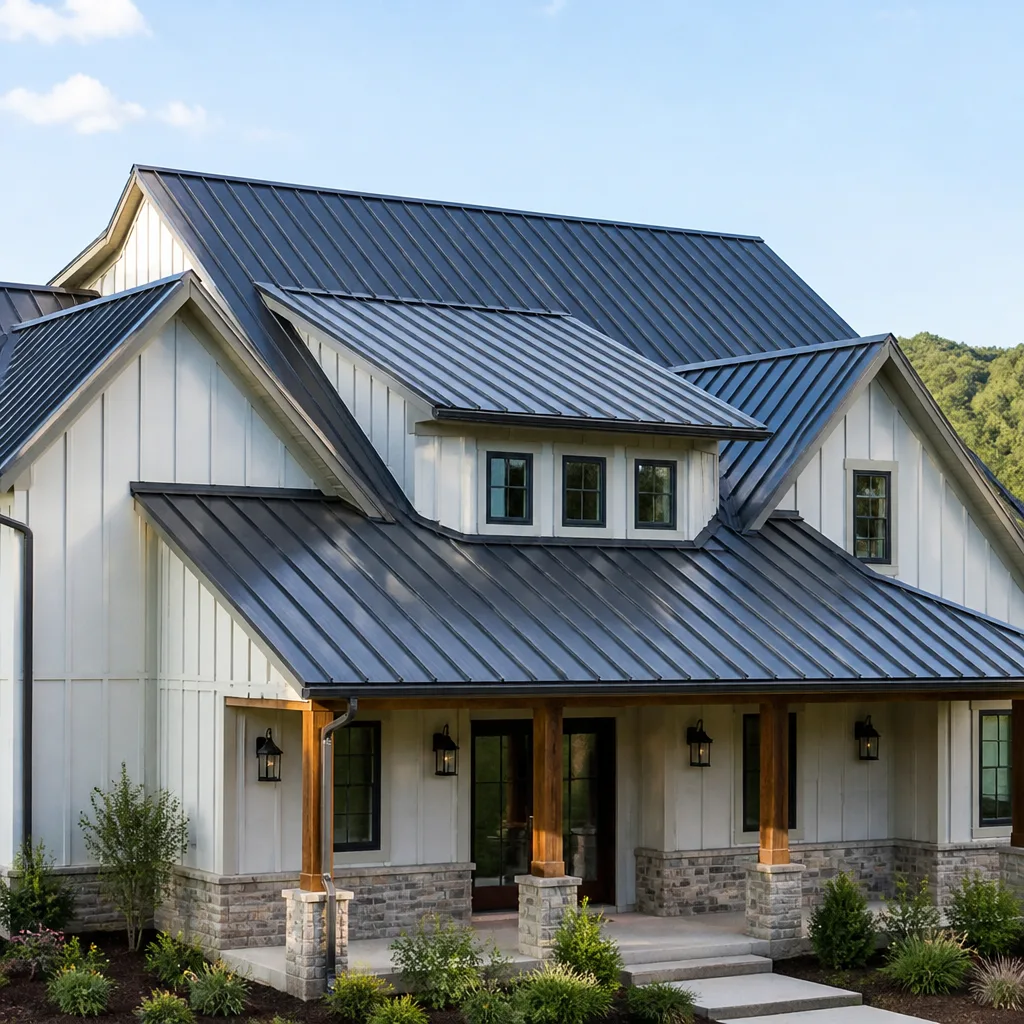
 Metal roofing
 Architectural shingles
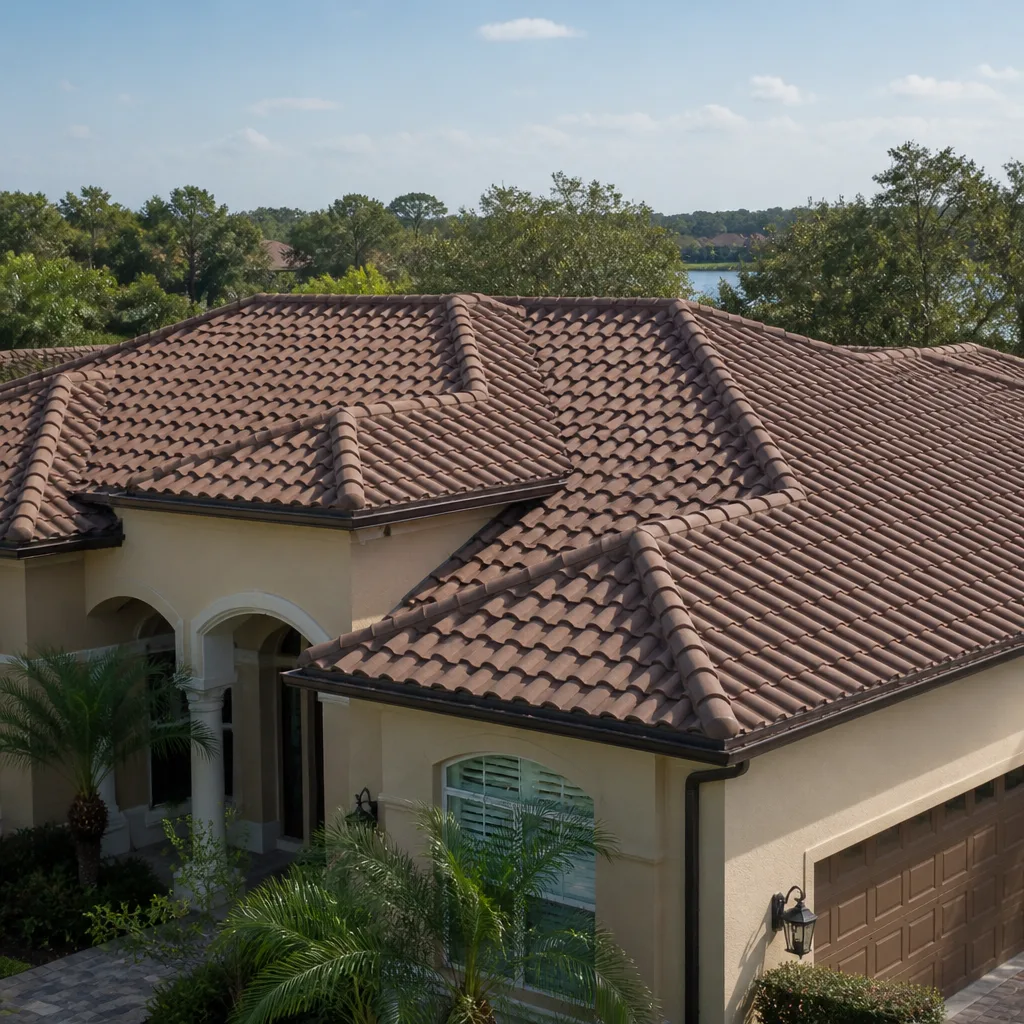 Tile roofing
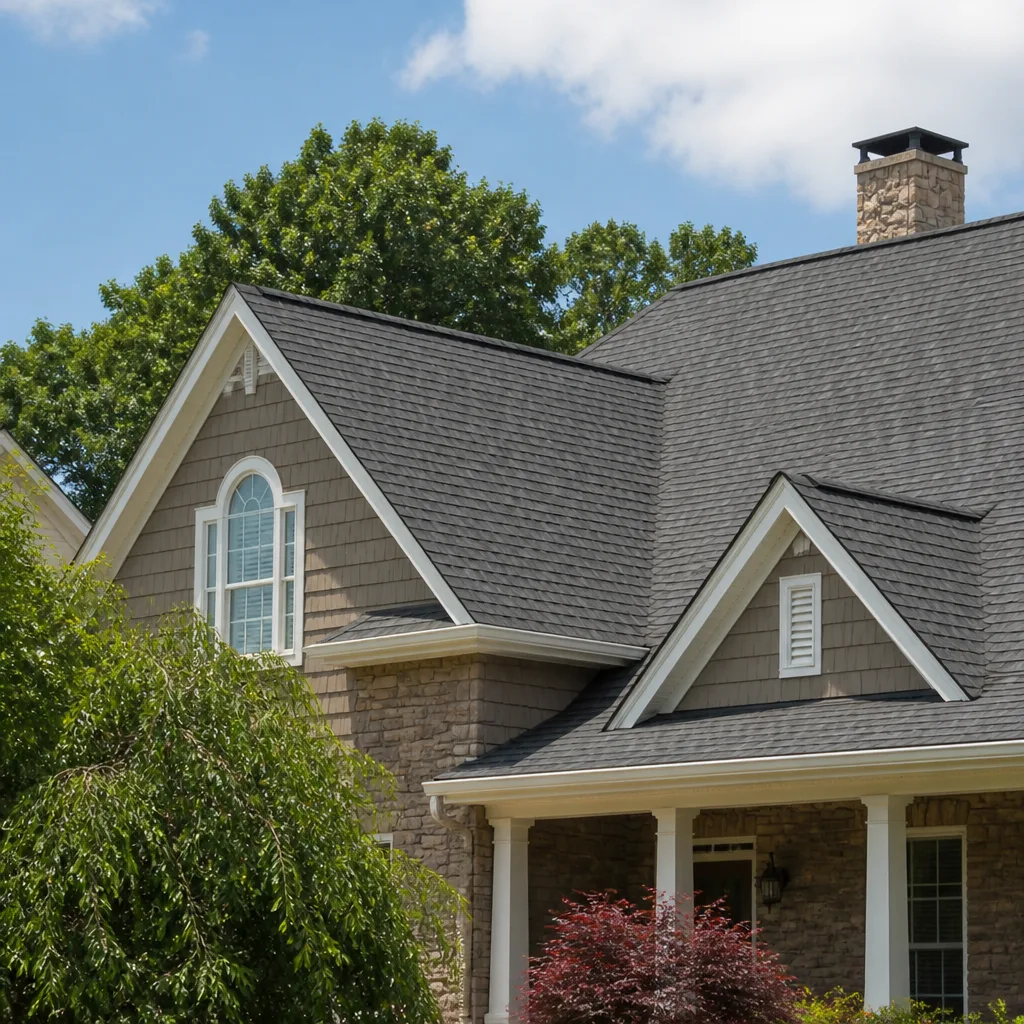 GAF
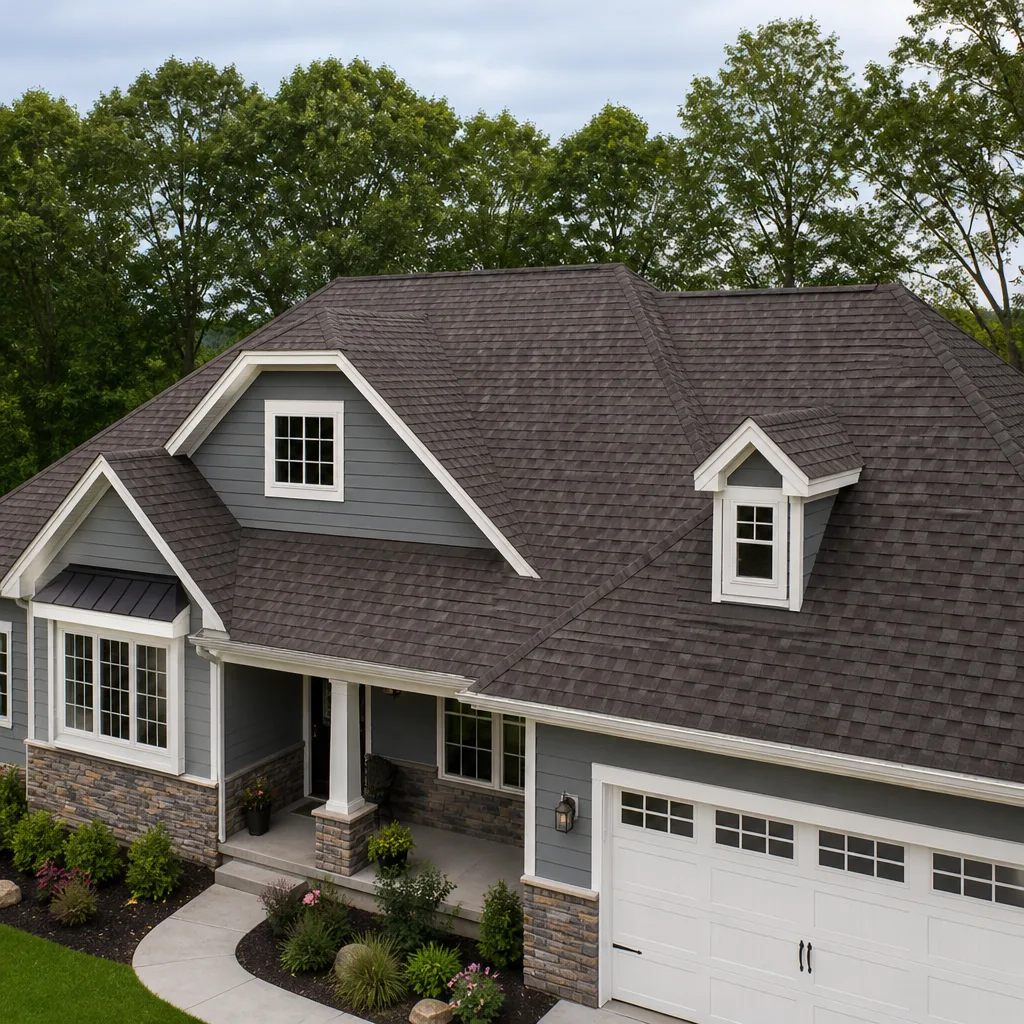 Owens Corning
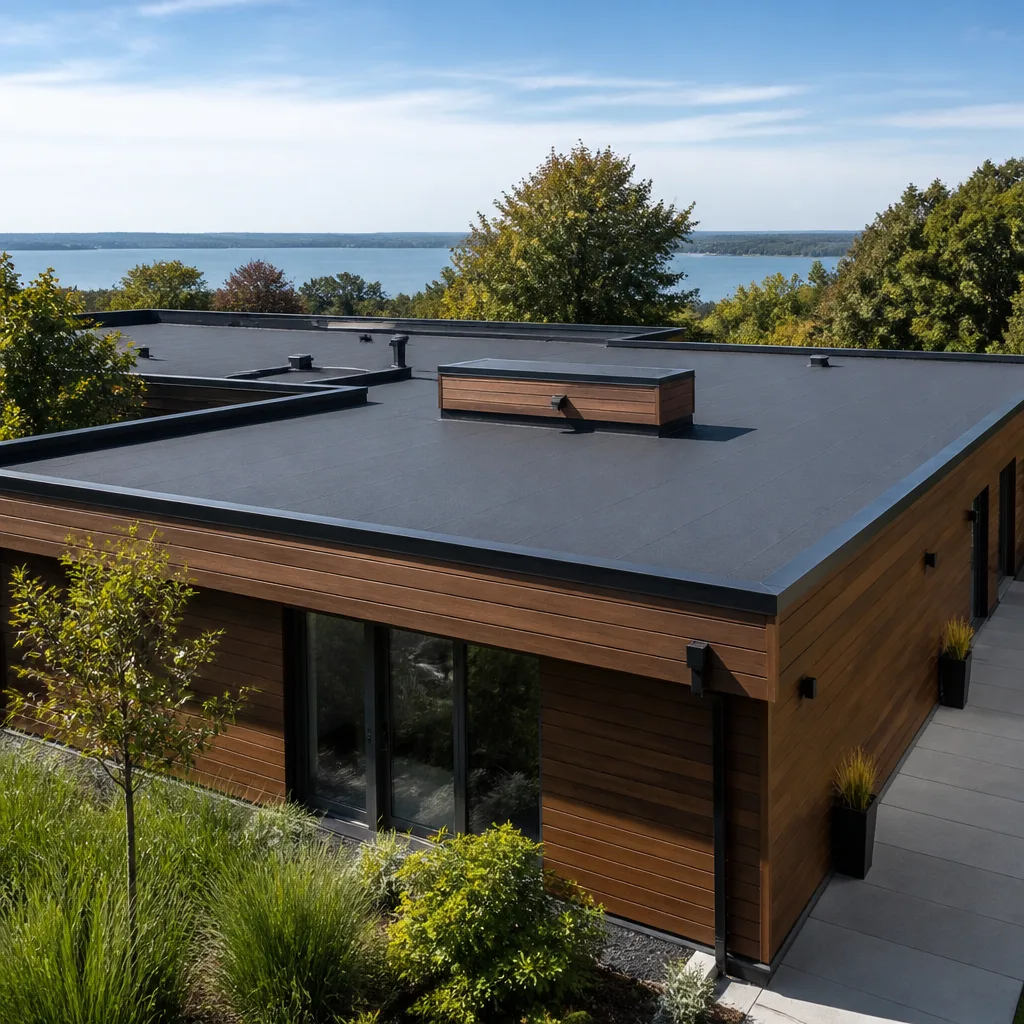 Flat & low-slope
Free roof inspection with deck photos before we talk money - GAF and Owens Corning certified installation
Styles & brands we work with
- Architectural shingles
- Metal roofing
- Tile roofing
- GAF
- Owens Corning
- Flat & low-slope
See the difference
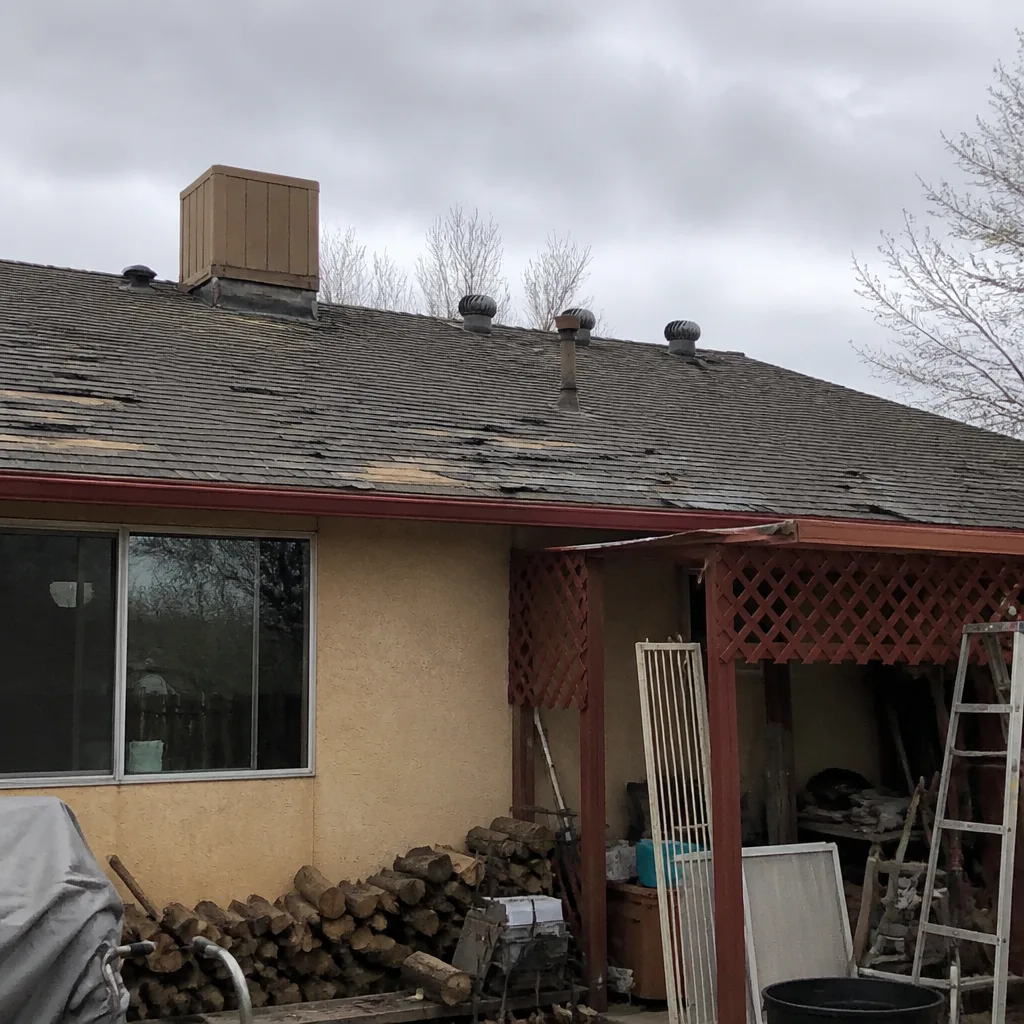 Before
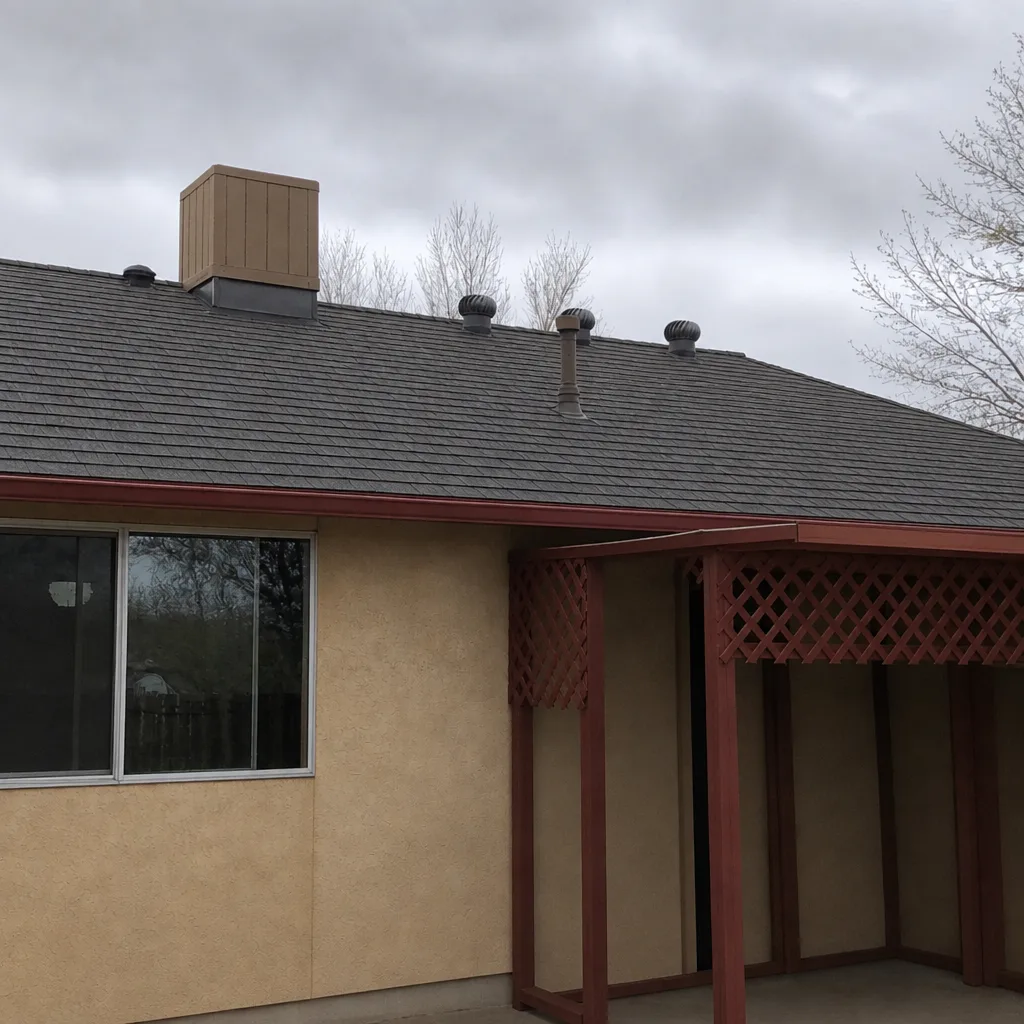 After
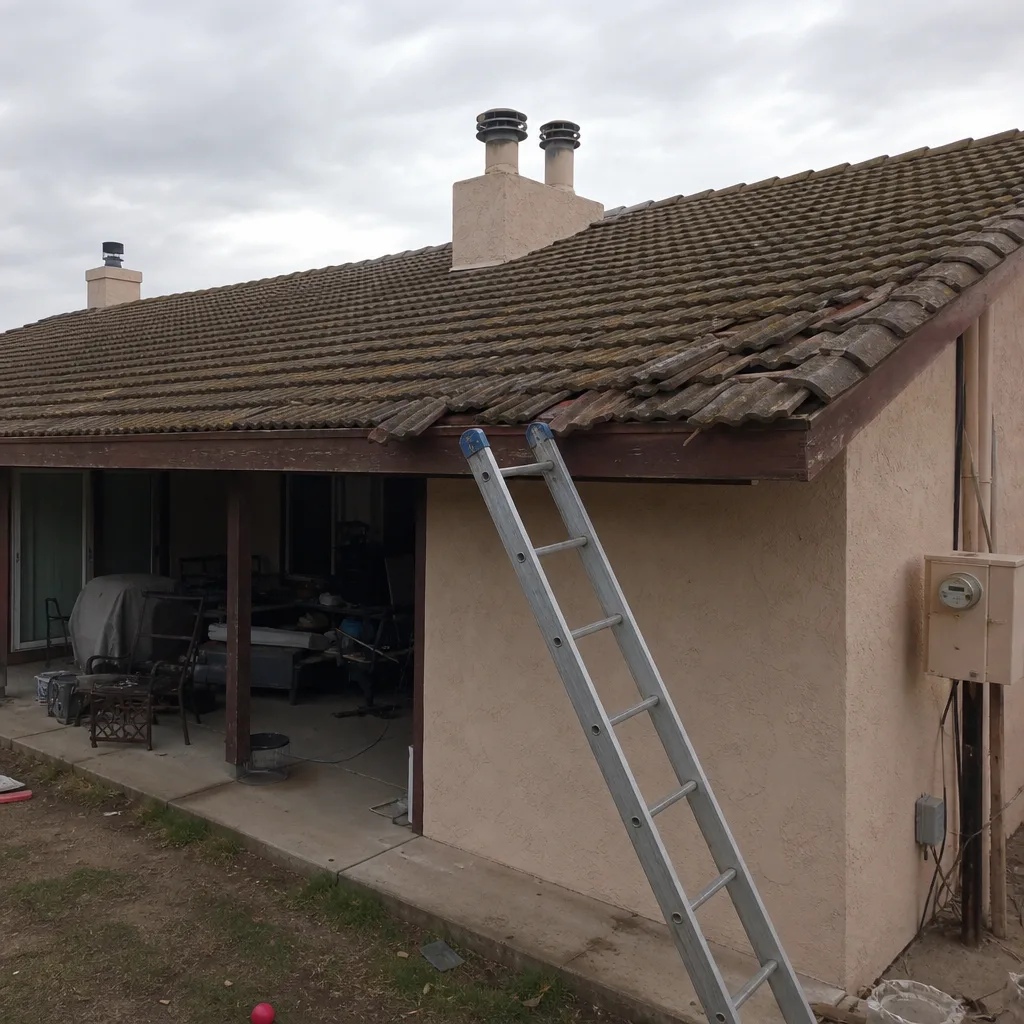 Before
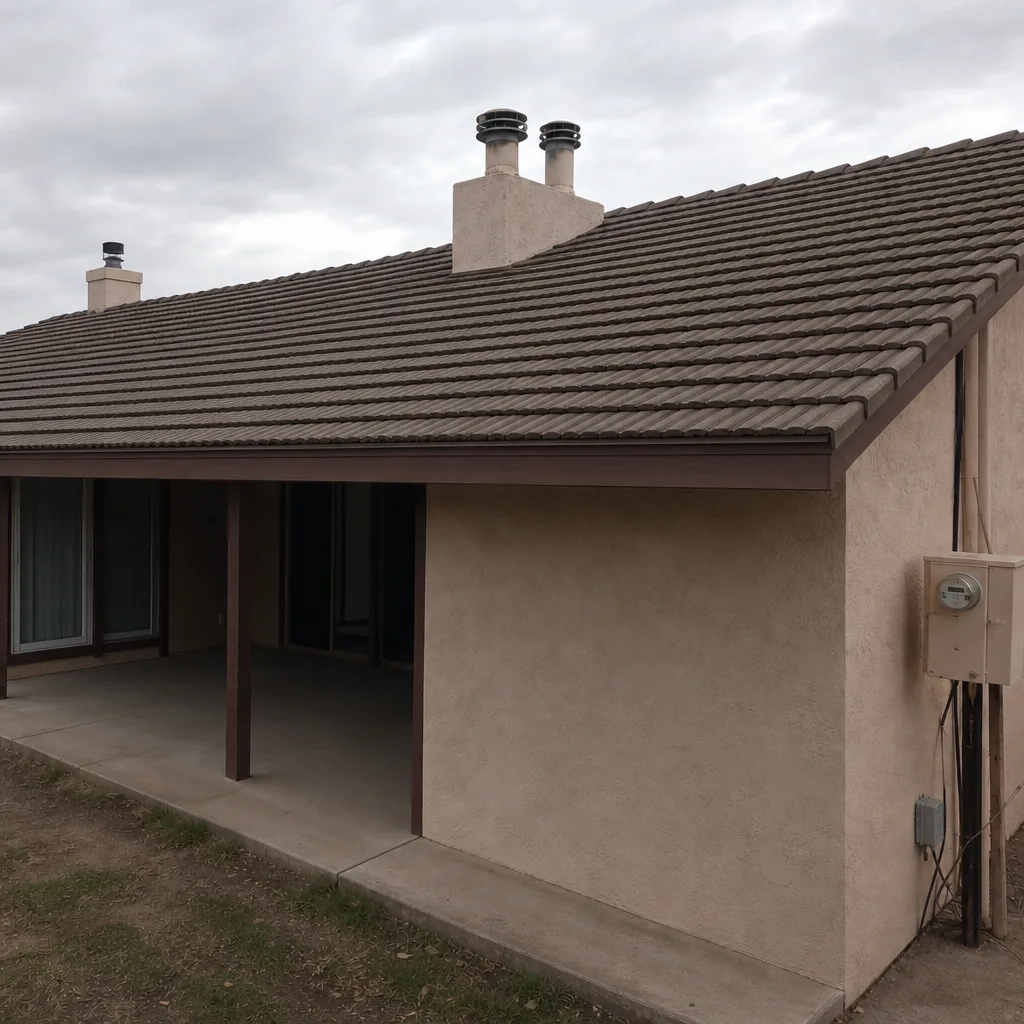 After
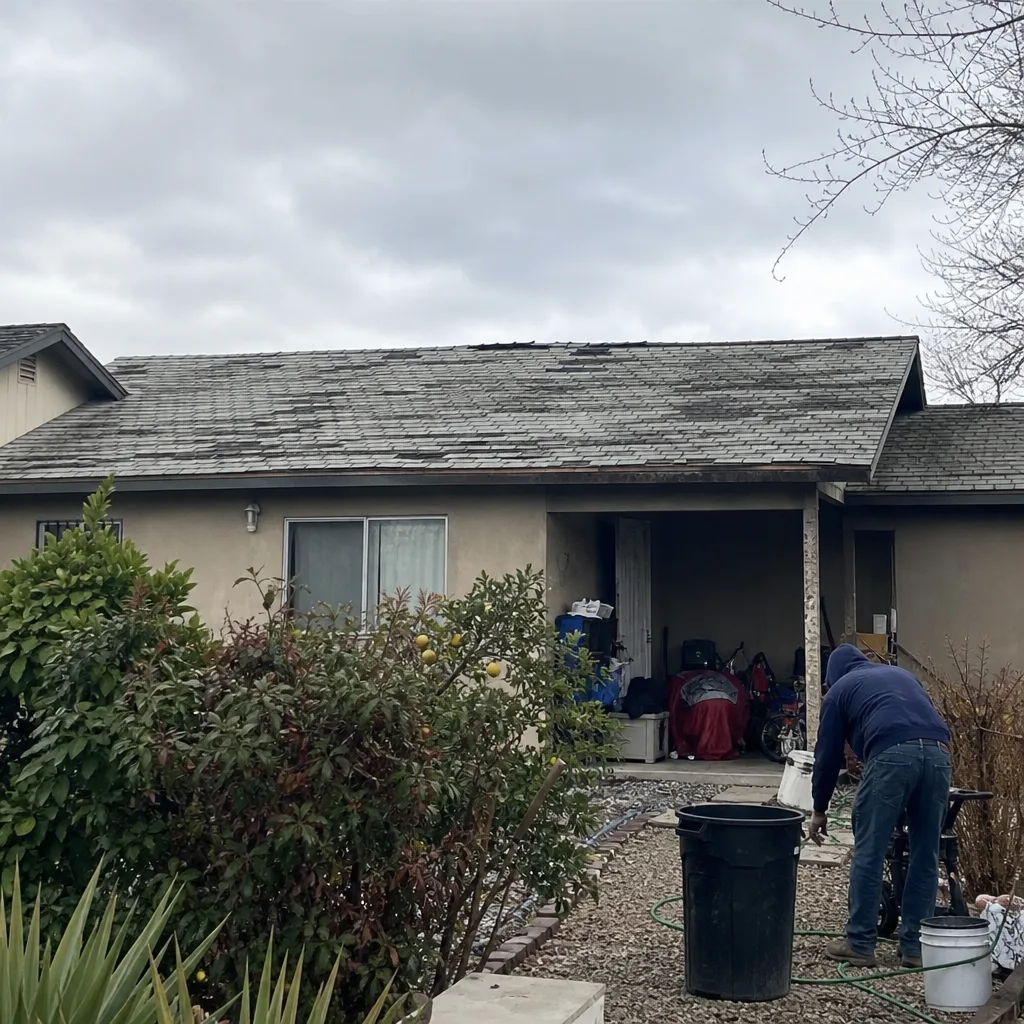 Before
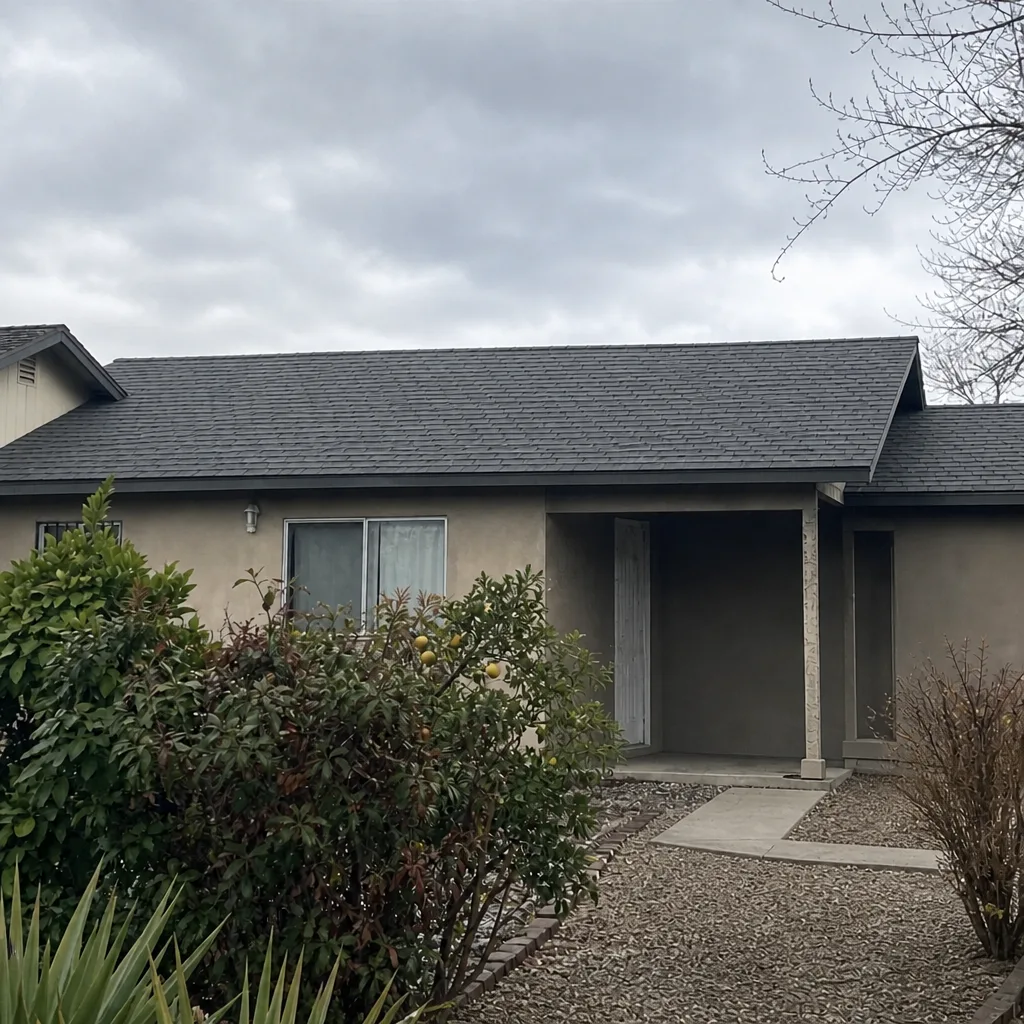 After
How Long Does a Roof Last in Spring Valley, NV? The Honest Answer
A “30-year” architectural shingle in Spring Valley usually delivers 18 to 22 years, and a 50-year concrete S-tile roof is realistically limited to 20 to 25 years by the underlayment beneath it, not the tile. Those manufacturer ratings come from lab conditions with moderate UV and ambient temperatures under 95°F, and Spring Valley is not that place. Desert heat, surface temperatures above 150°F, and hard overnight swings age a roof here on a clock that runs about 1.4 times faster than the national lifespan figures. If your roof is past 18 years, call (855) 908-1590 and we’ll tell you what’s actually left on it.
Your rated lifespan was never tested in Spring Valley
The number on the shingle wrapper and the tile spec sheet comes from ASTM testing: controlled UV exposure, mild ambient temperatures, stable overnight conditions. Those are useful baselines. They don’t describe a roof in Spring Valley, where July surface temperatures on concrete tile pass 150°F by early afternoon and then drop 60 to 70 degrees by morning.
That gap matters because the top layer of your roof usually isn’t what fails first. The waterproofing under it is. A roof is a system, and the tile or shingle is the rain screen on top of the membrane doing the real work. Spring Valley has tens of thousands of homes built between the 1980s and the 2000s, the first-generation replacement wave is landing right now, and most of these roofs are failing from underneath while the tile above them still looks fine from the street.
Rated versus realistic: the three dominant Spring Valley roof types
We re-roof a lot of homes in Spring Valley, and the same three systems keep coming up. Here’s what the manufacturer says and what we actually see on the deck.
| System | Rated Life | Realistic in Spring Valley | What actually ends it |
|---|---|---|---|
| Concrete S-tile | 50 years | 20-25 years | The felt underlayment, not the tile |
| Architectural asphalt shingle (southwest-facing) | 25-30 years | 18-22 years | UV degradation and thermal cycling on the sealant and mat |
| Synthetic underlayment (system upgrade) | 50 years | 40+ years | Installation quality, mostly |
Read that table the right way: it isn’t a knock on any material. It’s a reminder that the tile on a 1990s Spring Valley roof may well last another 30 years, and that fact means nothing if the felt beneath it is shot. The tile is doing its job as an expensive rain screen sitting on top of a waterproofing membrane that has already failed. That’s the single biggest thing homeowners miss, and it’s why a ceiling stain usually shows up far from any visibly broken tile.
What the desert actually does to a roof
Three specific mechanisms eat roof systems in Spring Valley faster than the national averages suggest. None of them are visible from the ground.
- UV photodegradation of sealants. The petroleum-based mastic around pipe boots and valley flashings bakes out roughly twice as fast here as it does in coastal markets. Once that sealant goes chalky and pulls away, water finds the gap on the first monsoon microburst.
- Thermal cycling. A 50°F morning and a 150°F afternoon surface create differential expansion across every layer of the roof. On felt underlayment, that stress cracks the material along its fold lines, typically within 15 to 18 years.
- No humidity to self-heal. In humid climates, felt sometimes rehydrates and partially closes micro-cracks. Spring Valley’s low annual humidity means once that felt dries out and cracks, nothing seals it back up. The damage is permanent and it accumulates quietly.
Add the winter freeze-thaw on overnight cold snaps, the hail that rides in with the monsoon season, and the complex hip-and-valley geometry common in Spring Valley tract homes, and you have a lot of seams and joints working against each other year after year. That’s why we photograph every inspection from the actual roof, not from the driveway. You should see what we see.
For the full breakdown of how we replace these systems, see our Roof Replacement & Installation in Spring Valley page.
A common local scenario, and why it confuses homeowners
Here’s a call we take often. A homeowner in a 1990s subdivision off the 215 has a water stain spreading on the ceiling in a bedroom. The tile roof looks fine from the street. No cracked tile anywhere obvious. They assume the tile is the problem and want a tile replaced.
Usually the tile isn’t the problem. The felt under it gave out years ago, water has been traveling along the deck, and the stain is showing up a room away from the actual breach. Replacing a tile or two won’t fix it. What fixes it is a new underlayment system under the existing tile, or a full replacement if the deck has taken enough moisture. This is the conversation we have most often in Spring Valley, and it’s why we separate tile life from system life before we quote anything.
What about HOA architectural review?
Spring Valley has an added variable that contractors working inside Las Vegas city limits rarely deal with: HOA architectural review committees. ARC rules in some Spring Valley communities set curb-appeal standards that can require replacement before the material has actually failed. In practical terms, the end of your roof’s functional life may be defined by community standards, not water intrusion.
That also means you can’t casually swap tile color or profile on a replacement without ARC approval. It’s a step to plan for, not a reason to delay. We install from seven manufacturer lines, including GAF, CertainTeed, Owens Corning, and Boral, so we can usually match the existing tile profile closely and walk the approval through with you.
How to get a real number for your roof
The honest answer for your specific house depends on the subdivision, the builder, the original material, and which direction your roof planes face. West- and south-facing slopes take the worst of the UV and run hotter. A northeast-facing slope on the same house may have years more left.
Ridgeline Roofing Co. Spring Valley has re-roofed the same homes twice across 42 years of standing behind local roofs, so we can often tell you the realistic remaining service life of your system based on the block it’s on, not just a manufacturer’s spec sheet. Our technicians have up to 10 years of experience and they document every inspection with photos from your roof. No pressure speech in the driveway. Just a clear-eyed look at what’s up there.
Every job is backed by our written 90-Day Done Right Promise, and you get no-hassle upfront pricing: the number on the estimate is the number on the invoice. A live person answers every call, 24/7. Start with the home page if you want the full picture of how we work.
FAQs
In Spring Valley, expect 18 to 22 years from an architectural shingle roof and 20 to 25 years from a concrete S-tile roof before the underlayment fails, even though the tile itself may hold up far longer. The desert climate ages roofing systems roughly 1.4 times faster than the national average. Call (855) 908-1590 for an inspection and a realistic number for your roof.
A repair is almost always cheaper short-term, but it only makes sense if your underlayment is still sound. On a 1990s Spring Valley roof where the felt has already cracked, patching a leak means you’ll be back on the phone next monsoon season. Our free second opinion on any written estimate tells you plainly which side of that line you’re on.
Yes, in some Spring Valley communities the ARC curb-appeal provisions effectively set a replacement trigger earlier than the material’s actual failure point. Community standards, not just leaks, can define when your roof’s functional life ends. We’ll help you match tile profile and color to keep that approval moving.
Ceiling stains far from any broken tile, granule loss in the gutters, and chalky or cracked sealant around pipe boots are the common signals. All three point to underlayment and flashing failure rather than the top layer. Call (855) 908-1590 and we’ll send a technician out to photograph what’s actually happening on your roof.
Get an honest read on your roof
If you’d rather have it looked at than guess, Ridgeline Roofing Co. Spring Valley offers a no-pressure assessment in Spring Valley. We’ll show you the photos, tell you what’s left, and let you decide. Call (855) 908-1590 for a free estimate. Done right, and if it isn’t, we make it right.
Written by the team at Ridgeline Roofing Co. Spring Valley, serving Spring Valley, NV.