

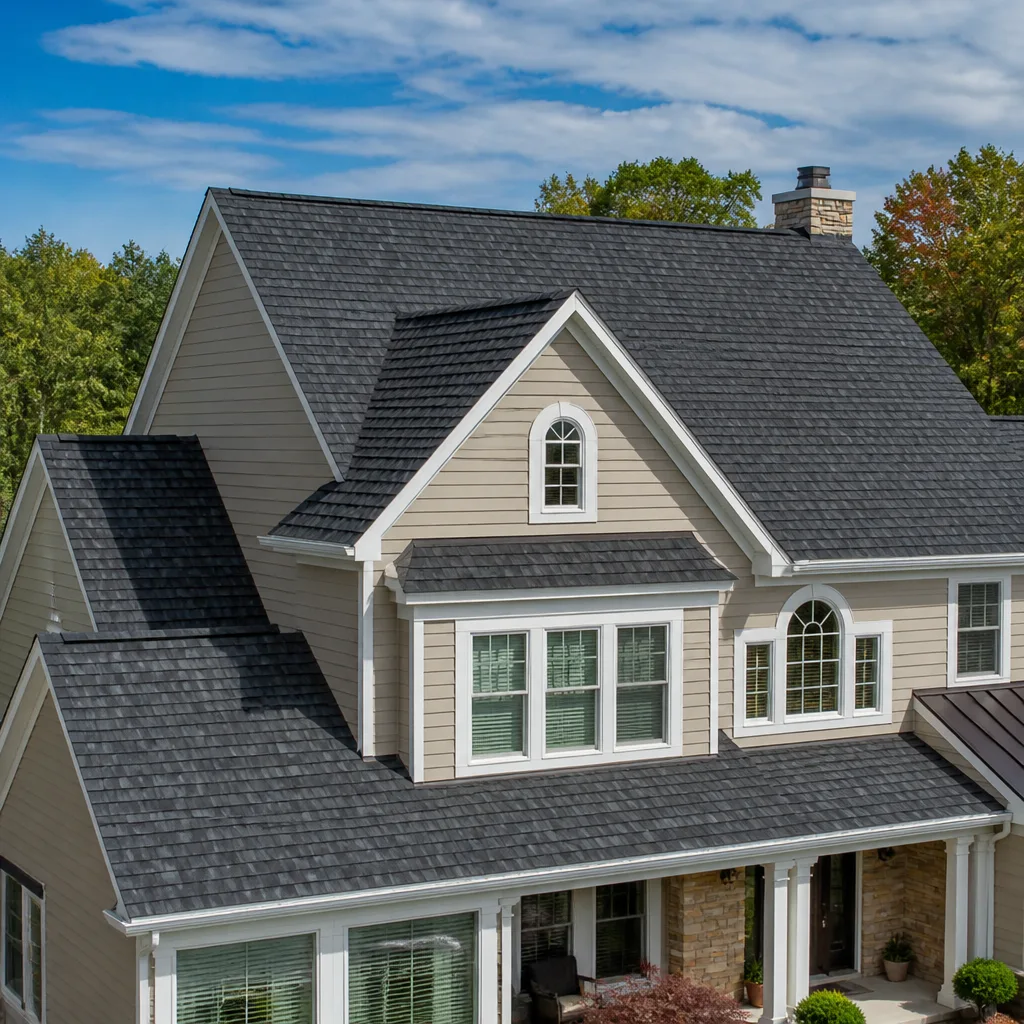
 Architectural shingles
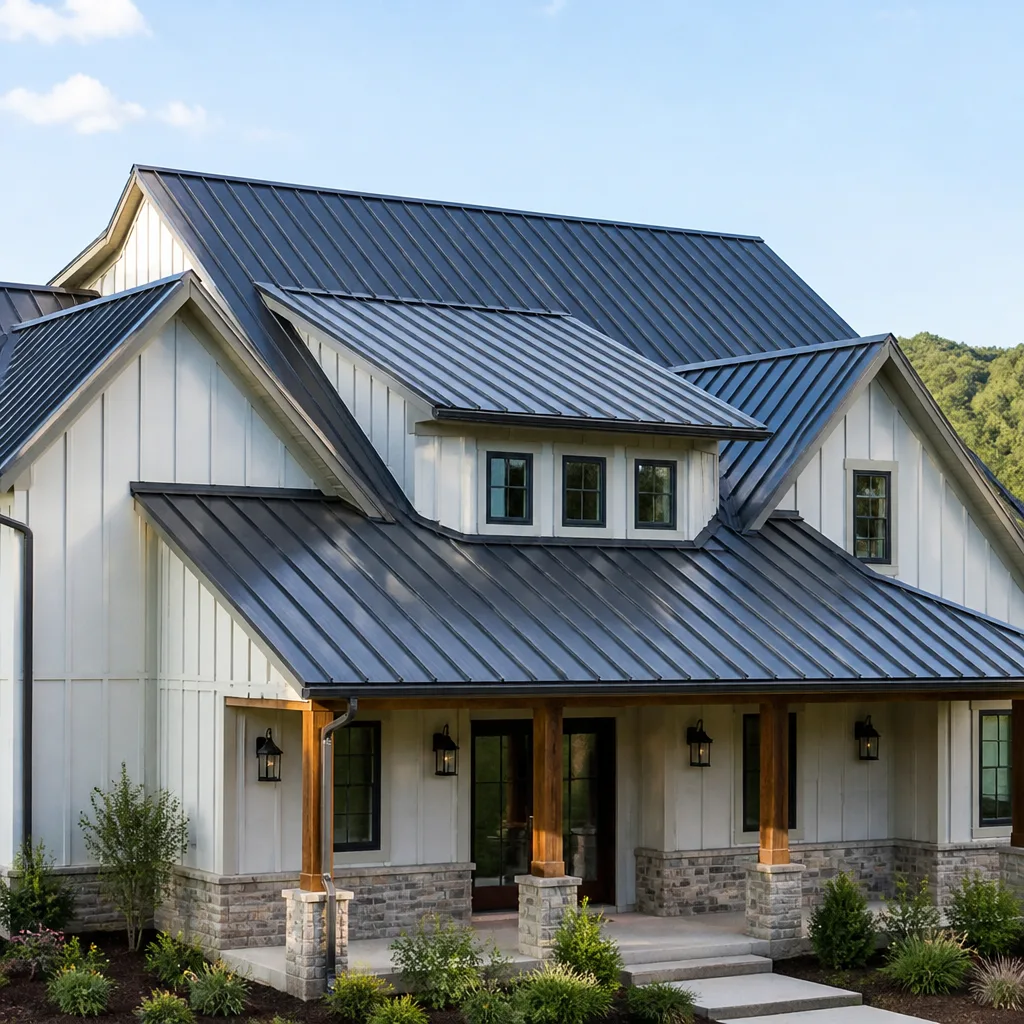 Metal roofing
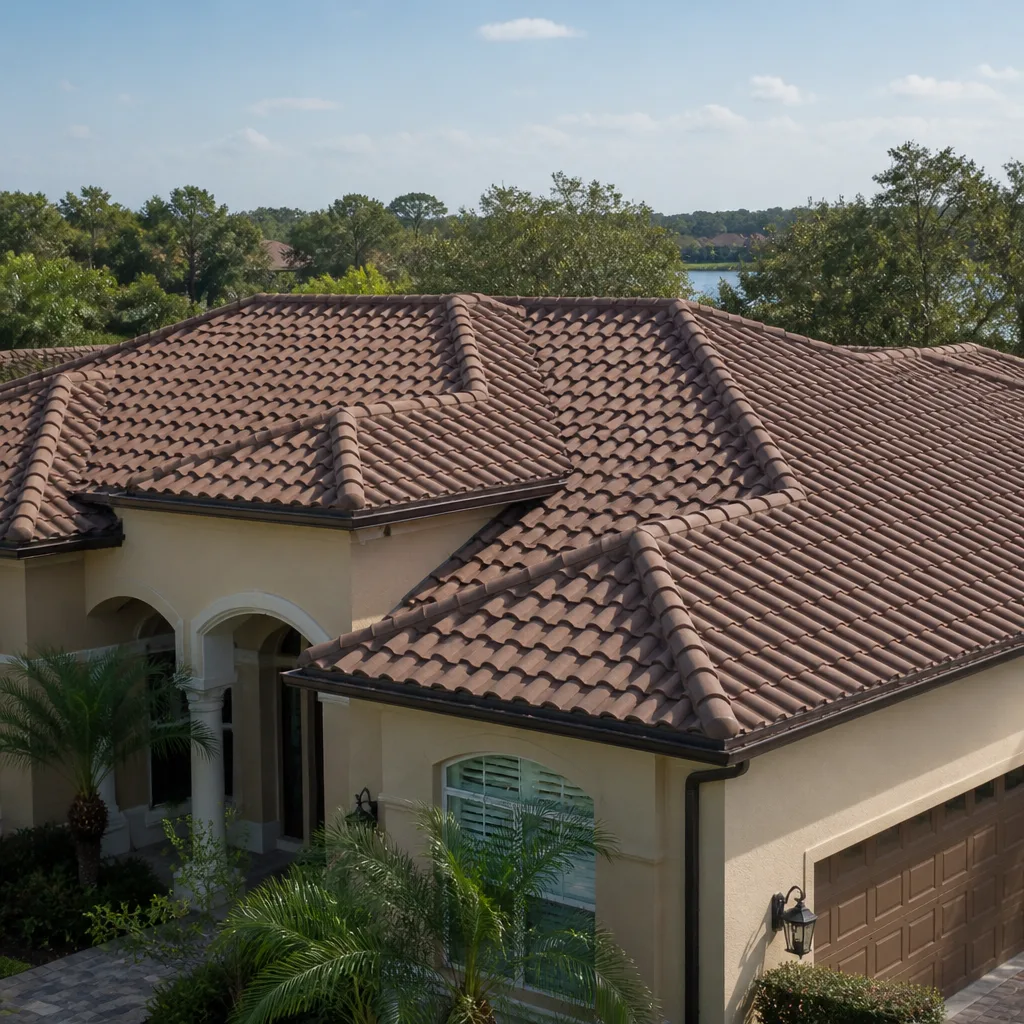 Tile roofing
 GAF
 Owens Corning
 Flat & low-slope
Free roof inspection with deck photos before we talk money - GAF and Owens Corning certified installation
Atlas Flashing Replacement: The Spring Valley Owner’s Guide
Atlas flashing replacement in Spring Valley typically costs $285 to $640 installed, depending on the flashing type and how much surrounding material has to come up. It’s a planned repair, not an emergency one, so we schedule it during a normal workday. Most homes need a half-day to a full day, and we handle it as a single visit in most cases.
Owners usually find this problem the same way. A dark stain creeps across the ceiling near a chimney or a wall corner after a hard rain. Or someone up on a ladder for another reason notices the metal edge along the roofline is lifted, rusted, or peeling away from the shingle course. Sometimes the first sign is grit and shingle granules in the gutter below a valley. In Spring Valley, the flashing takes a beating from intense summer sun and the monsoon pushes that arrive in July and August, and that combination finds weak points faster than most owners expect.
Which Atlas Models This Applies To
Atlas makes a range of shingle lines, and the flashing that pairs with them varies by profile, exposure, and the way the courses lock together. If your roof carries Atlas shingles, the flashing replacement needs to match the shingle’s exposure and thickness so the metal laps correctly and the water sheds where it should. Getting this wrong is one of the most common mistakes we see on Spring Valley roofs – a universal piece of flashing forced under an Atlas course that wasn’t designed for it.
To identify what you have, look for the bundle wrapper in the garage or attic, or the manufacturer label often stapled inside the attic near the access hatch. If neither is there, we measure the shingle exposure and note the profile on the roof. We also look closely at the existing flashing itself – its gauge, its bend radius, and how it was seated. Those measurements tell us which Atlas-compatible replacement will fit without modification.
On the OEM versus aftermarket question, our position is straightforward: use a replacement that matches the original specification. We install Atlas among the seven manufacturer lines we’re authorized for, and we don’t substitute a different brand’s flashing when the roof was built around Atlas materials. The labor is the bulk of the cost here, not the metal, so saving a few dollars on a mismatched part is a false economy that costs more when it fails early.
Styles & brands we work with
- Architectural shingles
- Metal roofing
- Tile roofing
- GAF
- Owens Corning
- Flat & low-slope
Signs Your Atlas Flashing Replacement Is Failing
Flashing fails slowly and quietly, then announces itself all at once. Here are the five signs we look for, and what each one means underneath:
- Water stains on ceiling or wall near a penetration. The flashing seal has broken and water is tracking down the framing. This usually shows up weeks after the gap opened, which is why attic checks matter.
- Lifted, curling, or separated metal edges. Thermal movement from Spring Valley’s summer heat has worked the fasteners loose or bent the metal out of its seat. Once it lifts, wind-driven rain gets underneath.
- Rust, pitting, or white chalky corrosion on the flashing. The protective coating has failed, and the metal is thinning. Pitted flashing will fail at the next hard monsoon even if it looks intact from the ground.
- Granules or debris collecting at the base of a wall or chimney. This is shingle material washing down from a leak above, a reliable tell that water is moving where it shouldn’t.
- Daylight or a draft visible in the attic at a roof penetration. The flashing has separated from the deck or the penetration, opening a gap that lets both air and water through.
Any one of these is worth a look. Two or more together mean the flashing is already compromised and water is likely reaching the deck.
See the difference
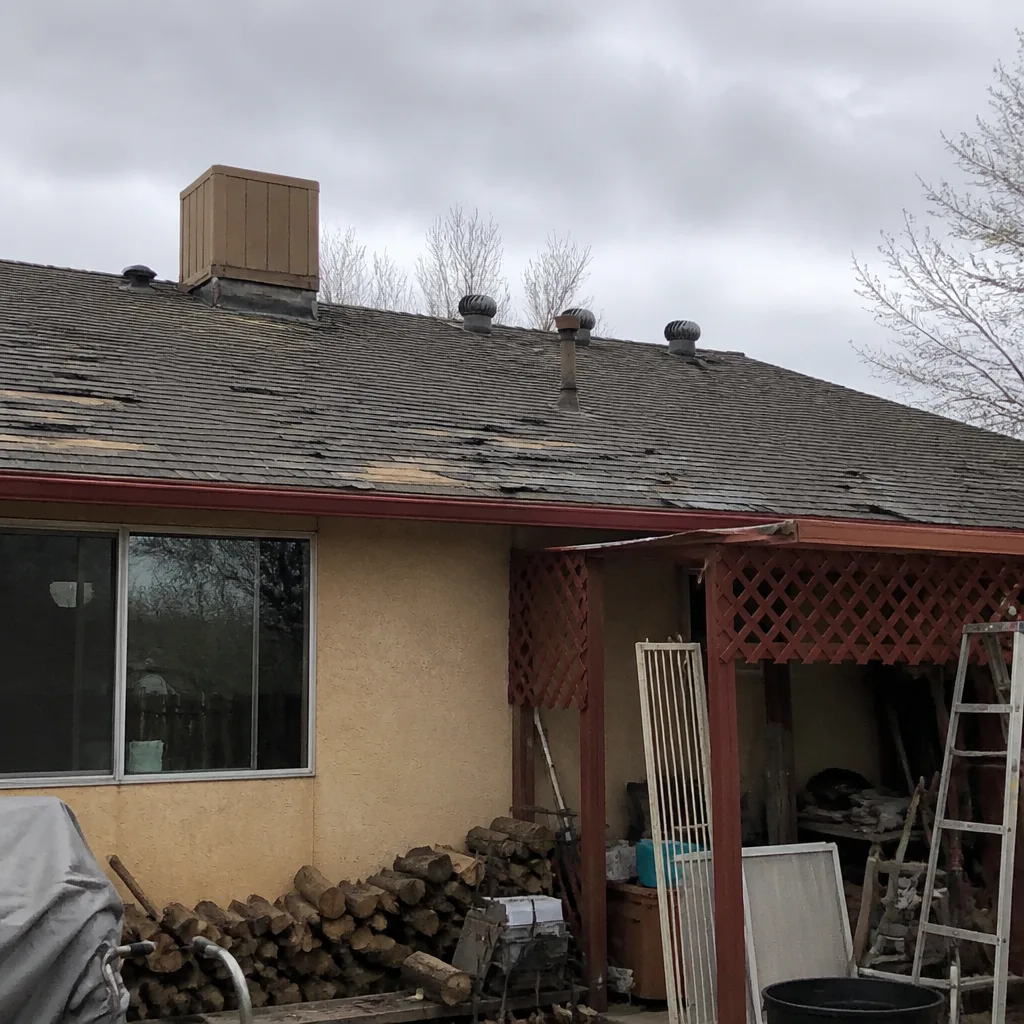 Before
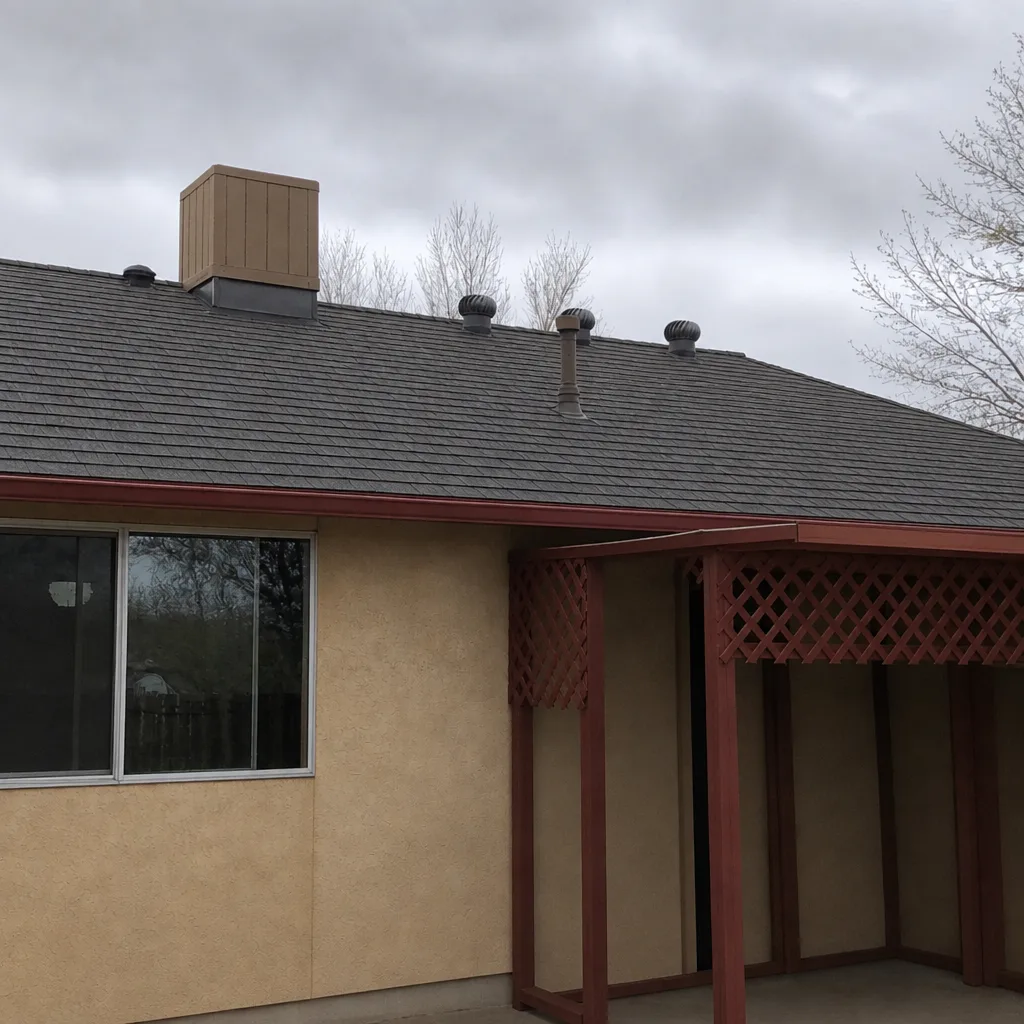 After
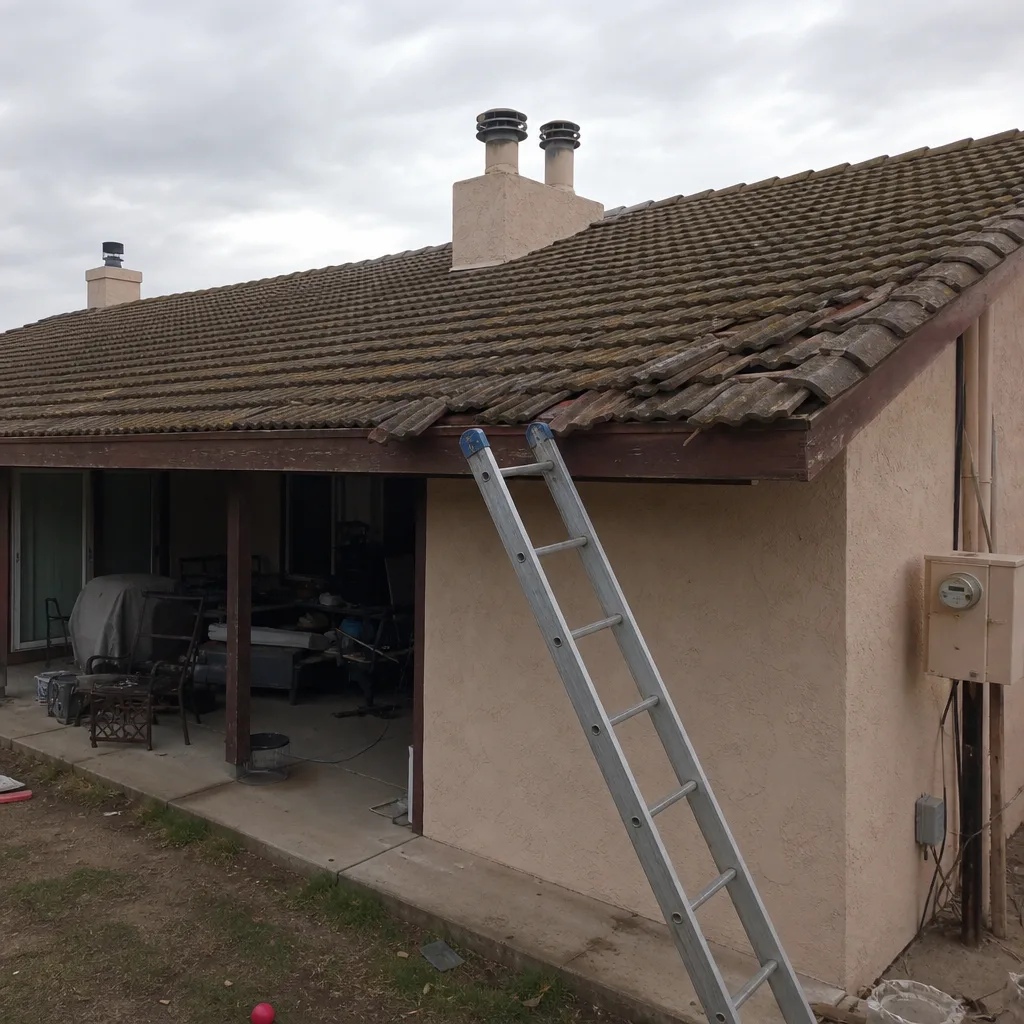 Before
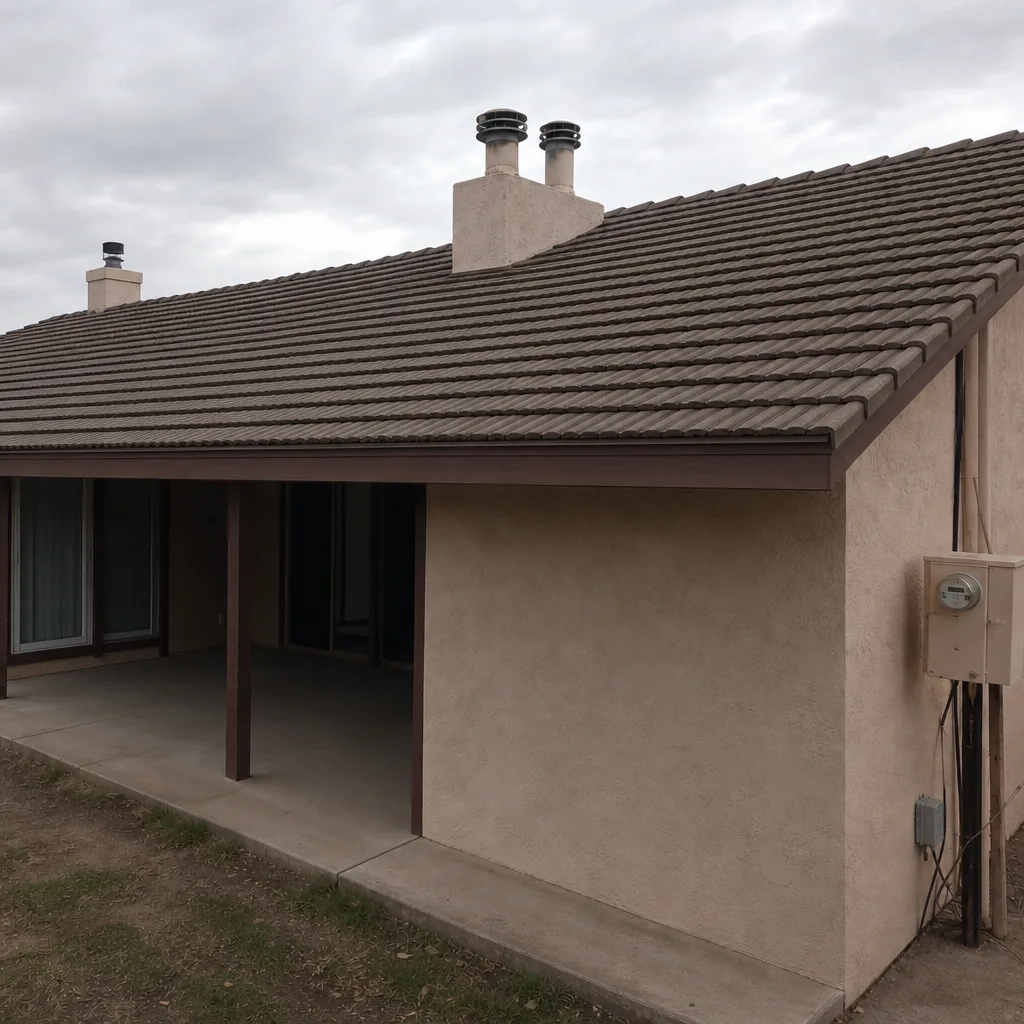 After
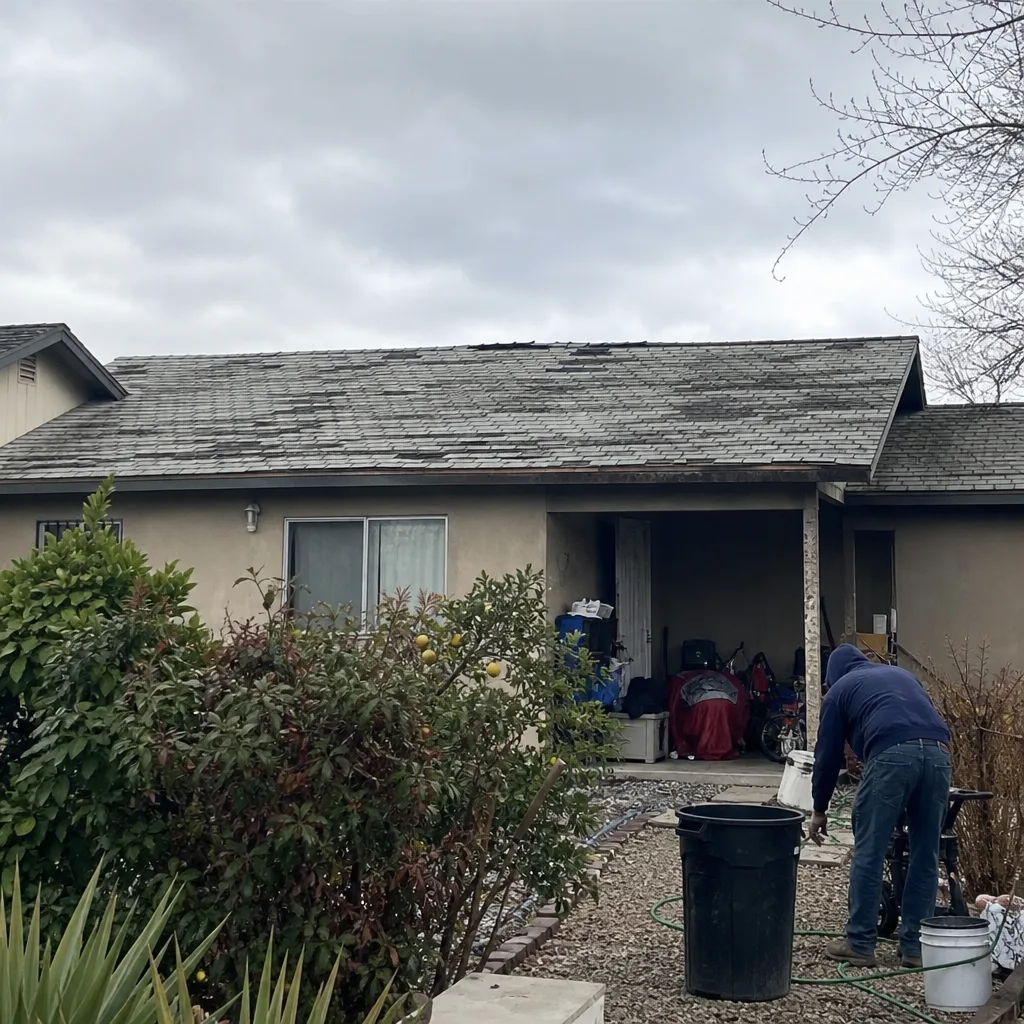 Before
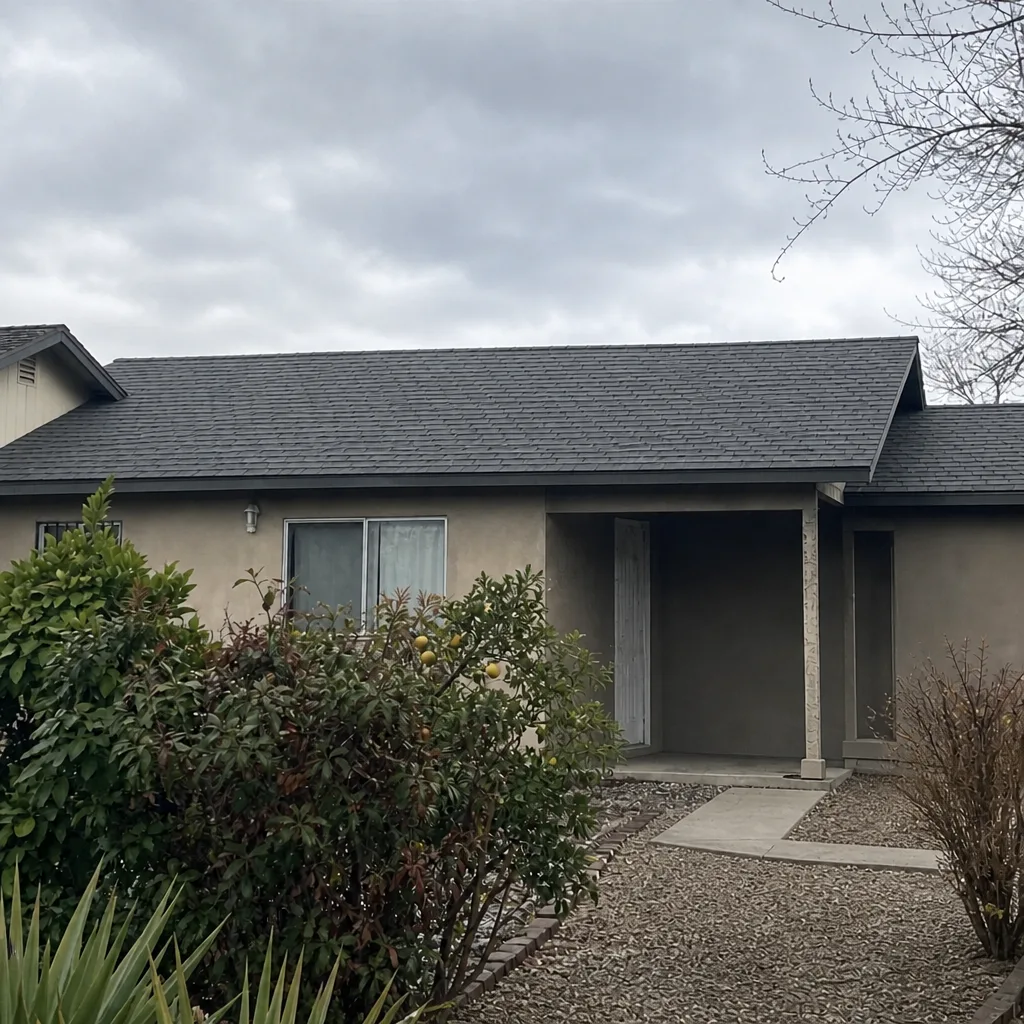 After
Replacement Cost & What’s Included
Here’s how the pricing breaks down for Spring Valley homes, with the range reflecting material type and access:
| Work | Installed Range |
|---|---|
| Step flashing replacement (wall or sidewall) | $285 – $420 |
| Valley flashing replacement | $340 – $520 |
| Chimney or penetration flashing (incl. counter-flashing) | $380 – $640 |
| Surrounding shingle repair if deck is wet | Quoted separately, itemized |
What drives the range is how much surrounding course has to come up to seat the new flashing correctly, the material you choose, and whether we find soft decking underneath. We give you a written, line-item estimate before any work starts, and the number on that estimate is the number on the invoice. No change orders you didn’t approve. The work is backed by our 90-Day Done Right Promise – a written workmanship guarantee with no paperwork and no arguing. If it’s not right, we come back and make it right.
DIY or Call Us?
Some checks are safe for a homeowner. You can look at the flashing from the ground with binoculars, check the attic for stains and daylight, and confirm the manufacturer from the bundle wrapper or attic label. Those three things give you and us a head start.
Where DIY goes wrong is the roof work itself. Flashing has to be woven into the shingle course in a specific order, lapped the right direction, and fastened so it moves with the roof rather than fighting it. Get the lap backwards and the water goes behind the metal instead of over it. On top of that, this is height work on a pitched roof, and a fall from a Spring Valley roofline is a serious injury. We’d rather you stay off the roof and let a trained crew handle the metal.
Our technicians have up to 10 years of experience, arrive background-checked and in uniform, and document every inspection with photos taken from your actual roof – not a scary speech in the driveway. Call (855) 908-1590 to schedule a free estimate.
FAQs
Good flashing installed correctly typically lasts 15 to 25 years here, but Spring Valley’s intense UV and summer heat cycle the metal and its sealant faster than in cooler climates. The sealant and fasteners usually go first, well before the metal itself. Call (855) 908-1590 and we’ll tell you honestly how much life yours has left – the estimate is free.
Sometimes yes. If the metal is sound and only the sealant or a few fasteners have failed, a targeted repair can buy you years. If the metal is pitted, bent out of shape, or already letting water past the deck, replacement is the square deal – a patch on failing metal is money spent twice. We’ll show you which one you’re looking at.
Most flashing replacements are done in a single visit, a half-day to full day depending on how many penetrations and how much shingle has to come up. We don’t promise same-day installs because this is planned work done right, not a rush job. Call (855) 908-1590 to get on the schedule.
We specify a replacement that matches your Atlas roof’s original profile and exposure, and we’re an authorized installer of Atlas along with GAF, Owens Corning, and CertainTeed, so we order the correct compatible material rather than forcing a universal piece. We’re an independent service provider, not affiliated with Atlas. Call (855) 908-1590 for an exact quote – estimates are free.
Every flashing job gets a live person on the phone, a written estimate you can review without pressure, and a guarantee we stand behind. If we quote it, we’ll be there when we say, and the price we quote is the price you pay. Call Ridgeline Roofing Co. Spring Valley at (855) 908-1590 to schedule your free estimate.
Written by the team at Ridgeline Roofing Co. Spring Valley, serving Spring Valley and nearby areas.