
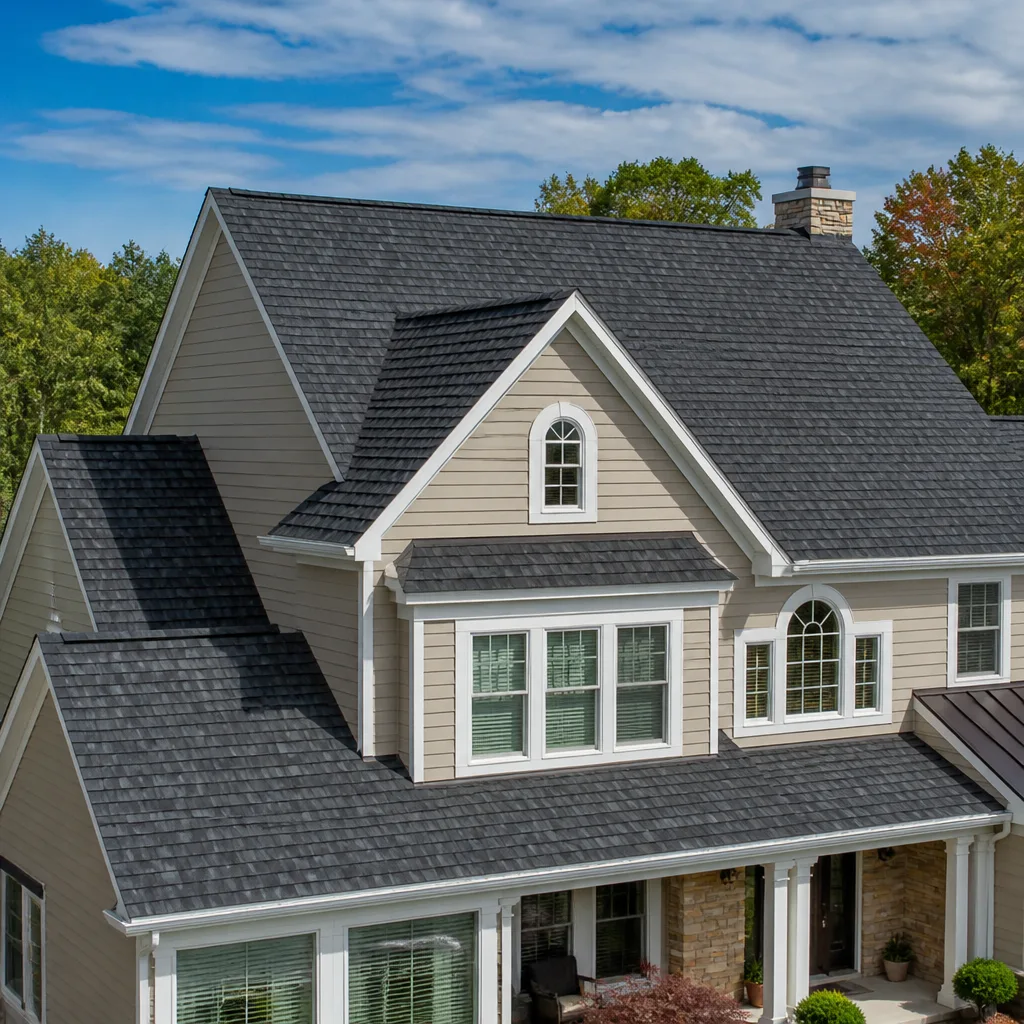
 Architectural shingles
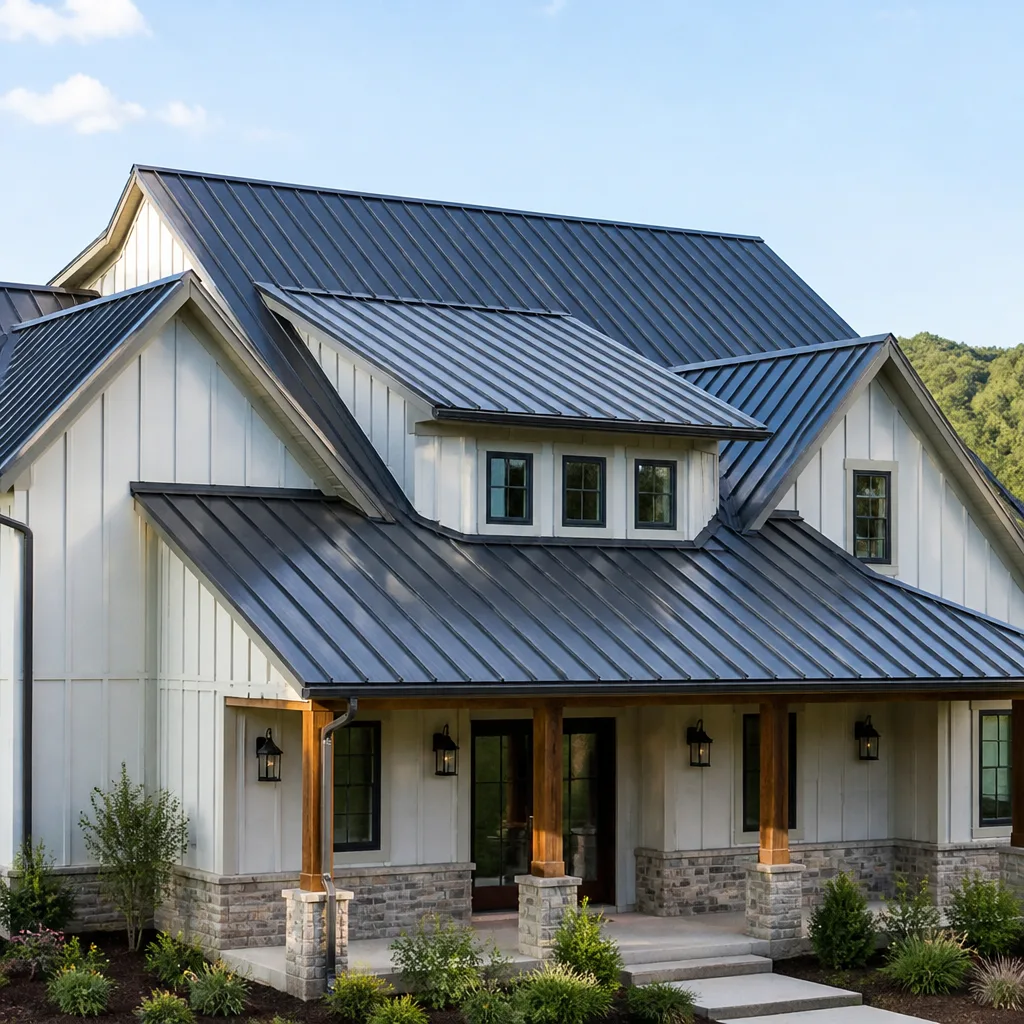 Metal roofing
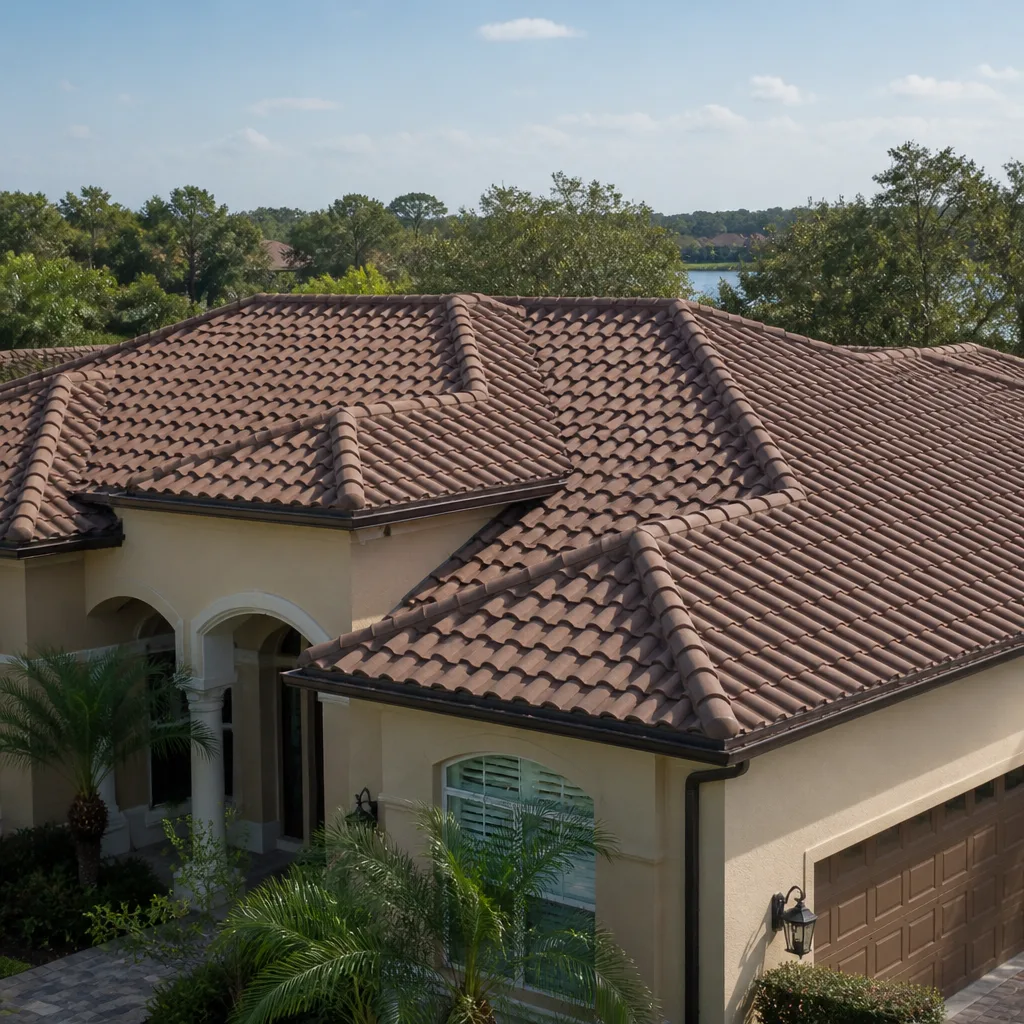 Tile roofing
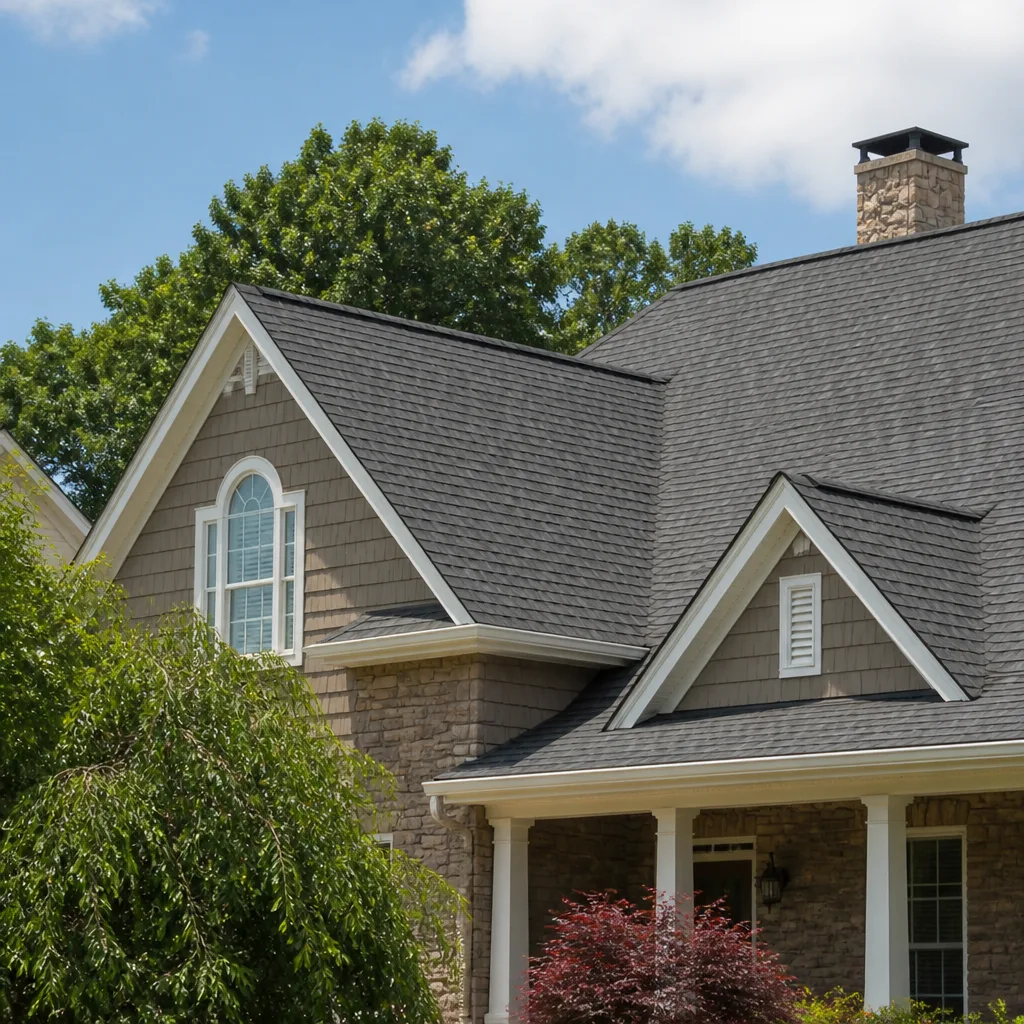 GAF
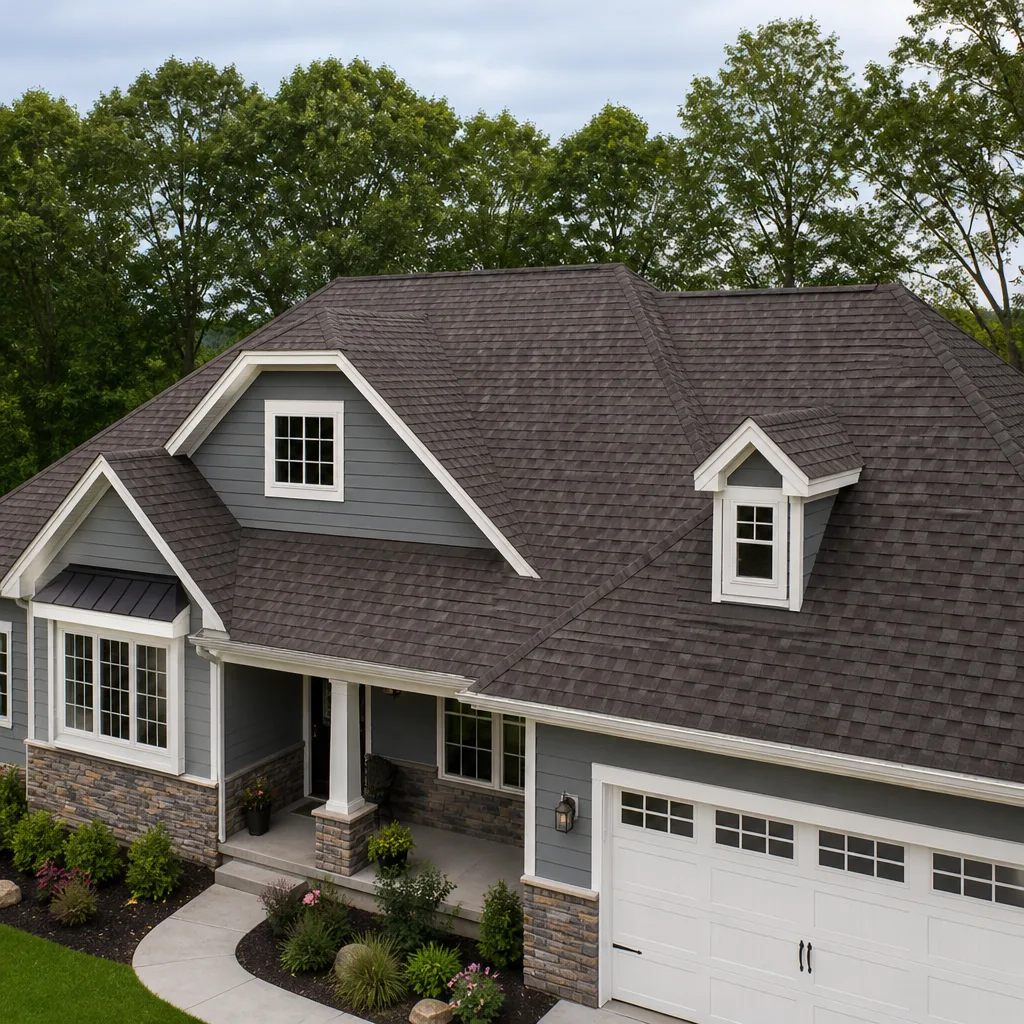 Owens Corning
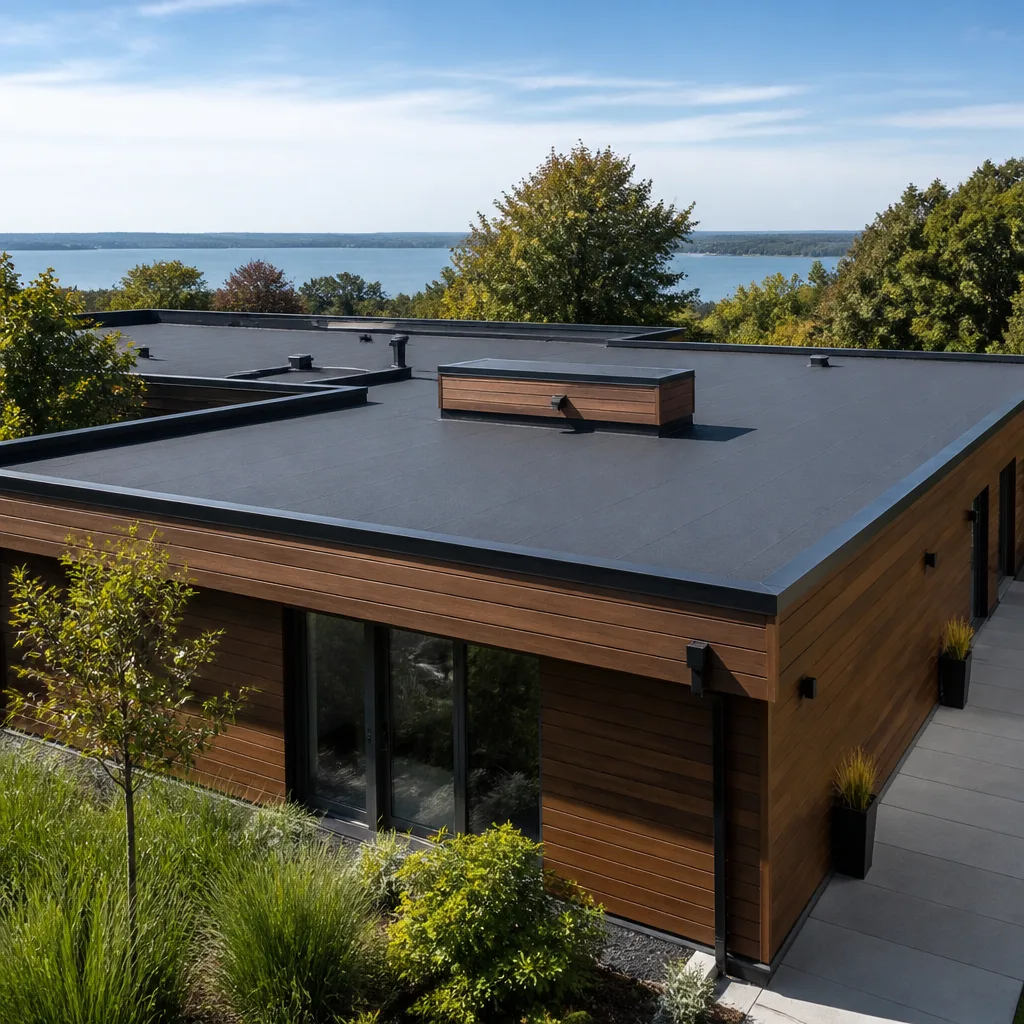 Flat & low-slope
Free roof inspection with deck photos before we talk money - GAF and Owens Corning certified installation
Tamko Flashing Replacement: The Spring Valley Owner’s Guide
Tamko flashing replacement in Spring Valley typically runs $285 to $640 installed per location, depending on the flashing type, roof pitch, and how much surrounding material has to be opened up to do the job right. Most replacements are completed in a single visit once the correct profile is matched to your roof. We install flashing compatible with Tamko shingle and low-slope systems, and we’re an independent contractor, not affiliated with Tamko. Homeowners usually find the problem the same way: a brown water stain on the ceiling after a hard monsoon in June, or a rust line creeping down the chimney at the wall junction they can see from the driveway.
Spring Valley sits at the edge of the valley floor west of the Strip, and the combination of intense summer UV and winter overnight freezes works on flashing metal faster than most homeowners expect. What looks like a cosmetic streak in October is often a lifted edge by the following spring.
Key Takeaways
- Installed cost for most Spring Valley flashing replacements: $285 to $640 per location.
- Galvanized steel flashing in Nevada sun often reaches the end of its useful life in 12 to 18 years, not the 25 to 30 many owners assume.
- The classic failure point on Tamko systems is the sealant bead at the wall and step flashing, not the metal itself.
- We handle the replacement and document it with photos from your actual roof. No scary speech in the driveway.
Which Tamko Models This Applies To
Flashing is a roof-specific part, so the question isn’t really “which Tamko model” but which flashing profile your roof needs where it meets a wall, chimney, skylight, or valley. Tamko’s Heritage series and the wider architectural shingle lines all use the same general flashing families: step flashing at sidewalls, apron flashing at the front of a chimney or skylight curb, and counterflashing where the masonry meets. If your home has a low-slope section under a Tamko TPO or modified bitumen membrane, the flashing rules change and the part has to match that membrane system.
Here’s a compatibility gotcha worth knowing: the color-matched kick-out flashing and the pre-bent step flashing sold for architectural shingles are often built to a different base width than what was used on older Nevada homes. If you order a part to the old measurement from memory without checking, you can end up with a piece that’s 1/4 inch short of the shingle course and won’t sit flat. We measure against your actual roof, not the catalog.
On the OEM versus aftermarket question, we’re straightforward about it. Tamko doesn’t manufacture every flashing piece that ends up on a Tamko roof; much of what you see at the wall junctions is a standard sheet-metal or formed aluminum profile. Quality aftermarket equivalents made from the same gauge of metal hold up just as well. What matters is the gauge, the coating, and the fit, not the label on the box. We also install roofs with GAF, Owens Corning, and CertainTeed systems, so we’re not locked into one profile.
Styles & brands we work with
- Architectural shingles
- Metal roofing
- Tile roofing
- GAF
- Owens Corning
- Flat & low-slope
Signs Your Tamko Flashing Replacement Is Failing
Owners usually spot one of these before they ever call a roofer. Each points to a different underlying cause, and each gets worse through a Spring Valley summer.
- Rust streaks running down the shingles or the wall below the flashing. The protective coating on galvanized metal has worn through, and bare steel is oxidizing every time it rains. Once rust starts, the metal is thinning and the seal behind it is usually gone too.
- Lifted or curled flashing edges you can see from the ground. Thermal expansion and contraction has worked the fasteners loose. A lifted edge is a direct path for water, and it will flex further with each temperature swing.
- Water stains on the ceiling or wall interior after a storm. Water is getting past the flashing and traveling along the roof deck or framing before it shows up inside. By the time you see the stain, the leak has usually been active for a while.
- Cracked or missing sealant along the wall and step flashing. The sealant bead that closes the joint dries out and cracks in Nevada’s dry heat, often within 8 to 12 years. This is the single most common failure we find on Spring Valley roofs.
- Damp or discolored sheathing visible in the attic near the wall line. This is the early warning before the interior stain. If you can get into the attic safely, a flashlight along the wall junction tells you a lot.
One more sign specific to the valley: after a windy spring, check for granule piles and small metal shavings in the gutter. Vibration can shake a loose flashing fastener until it backs out entirely.
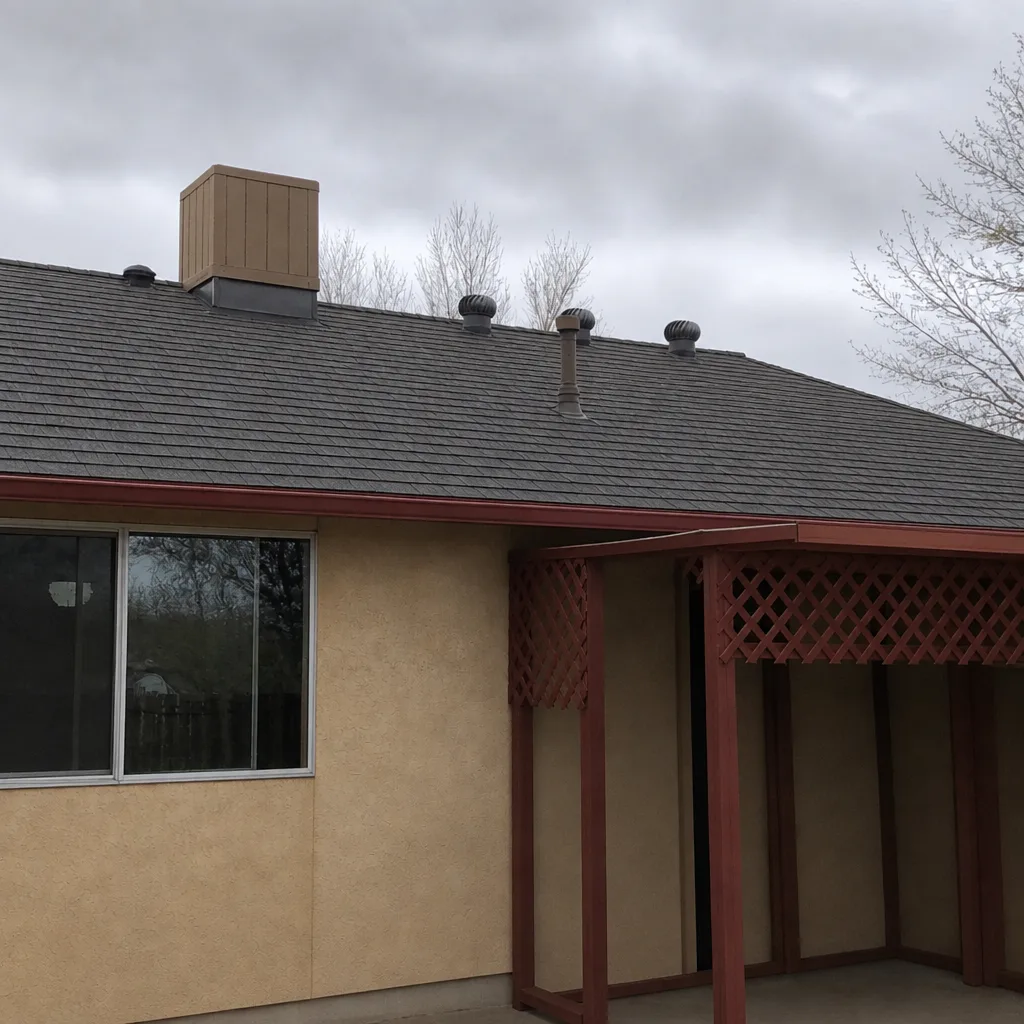
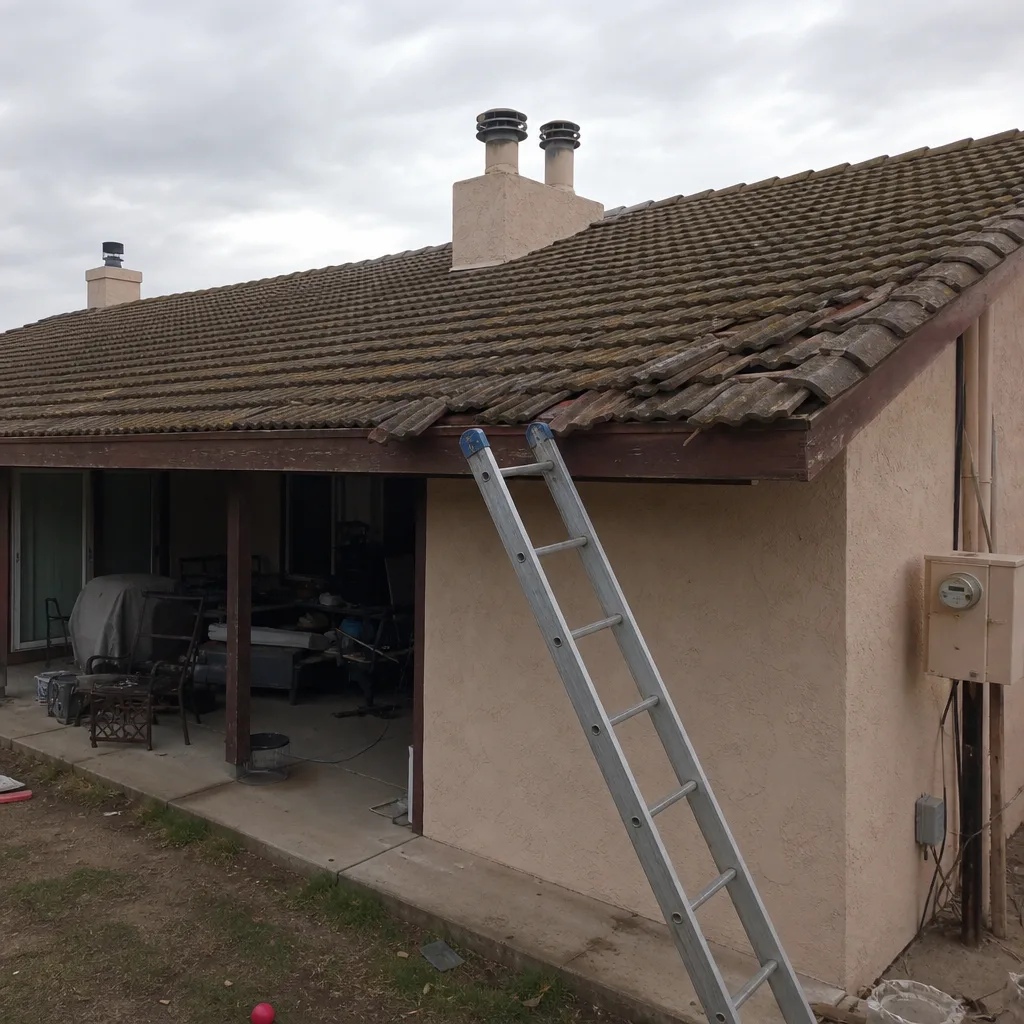
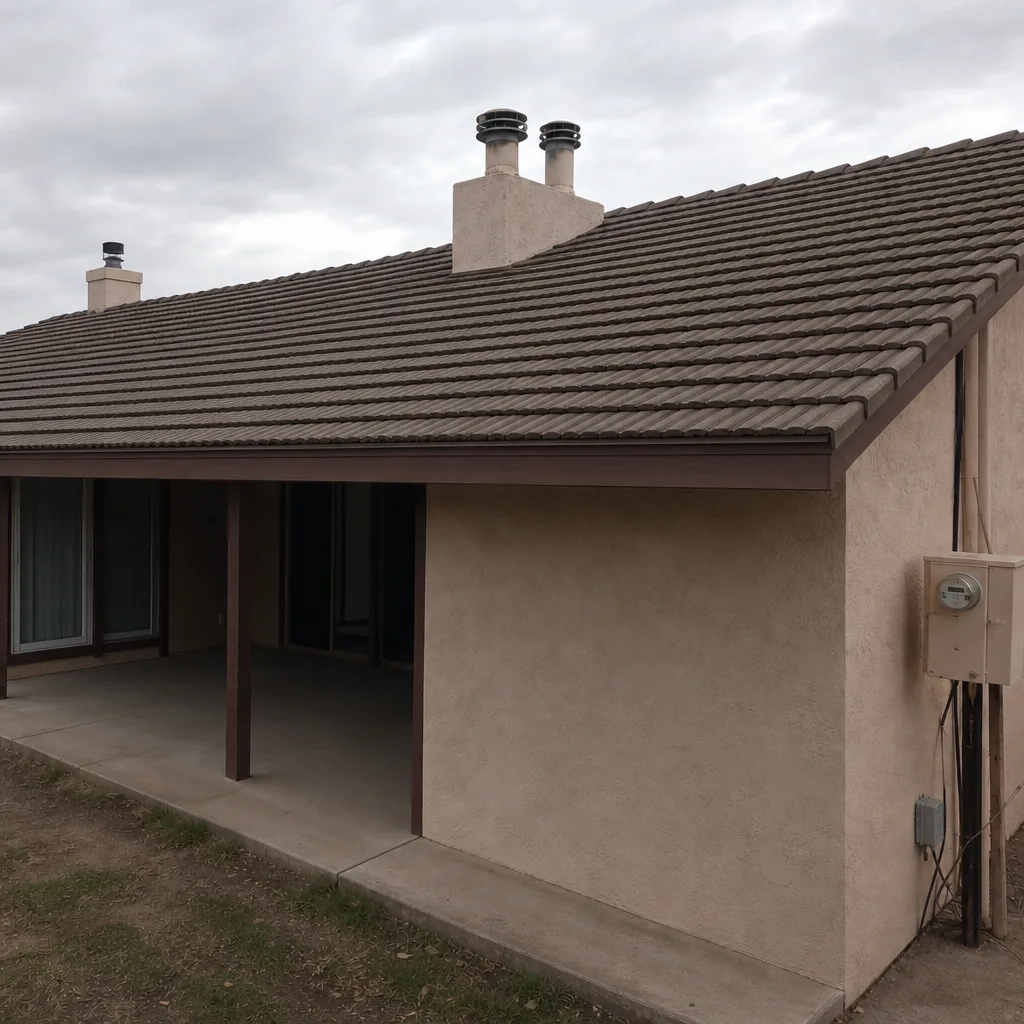
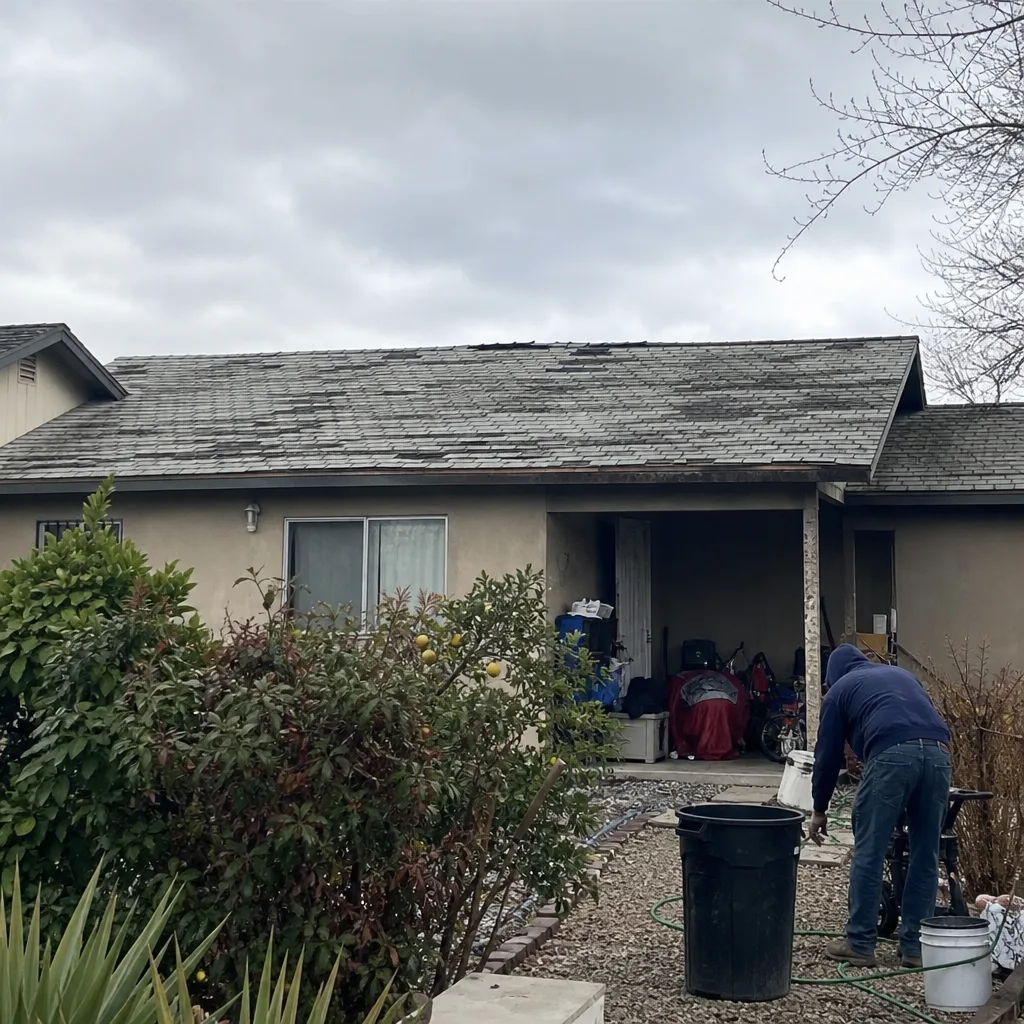
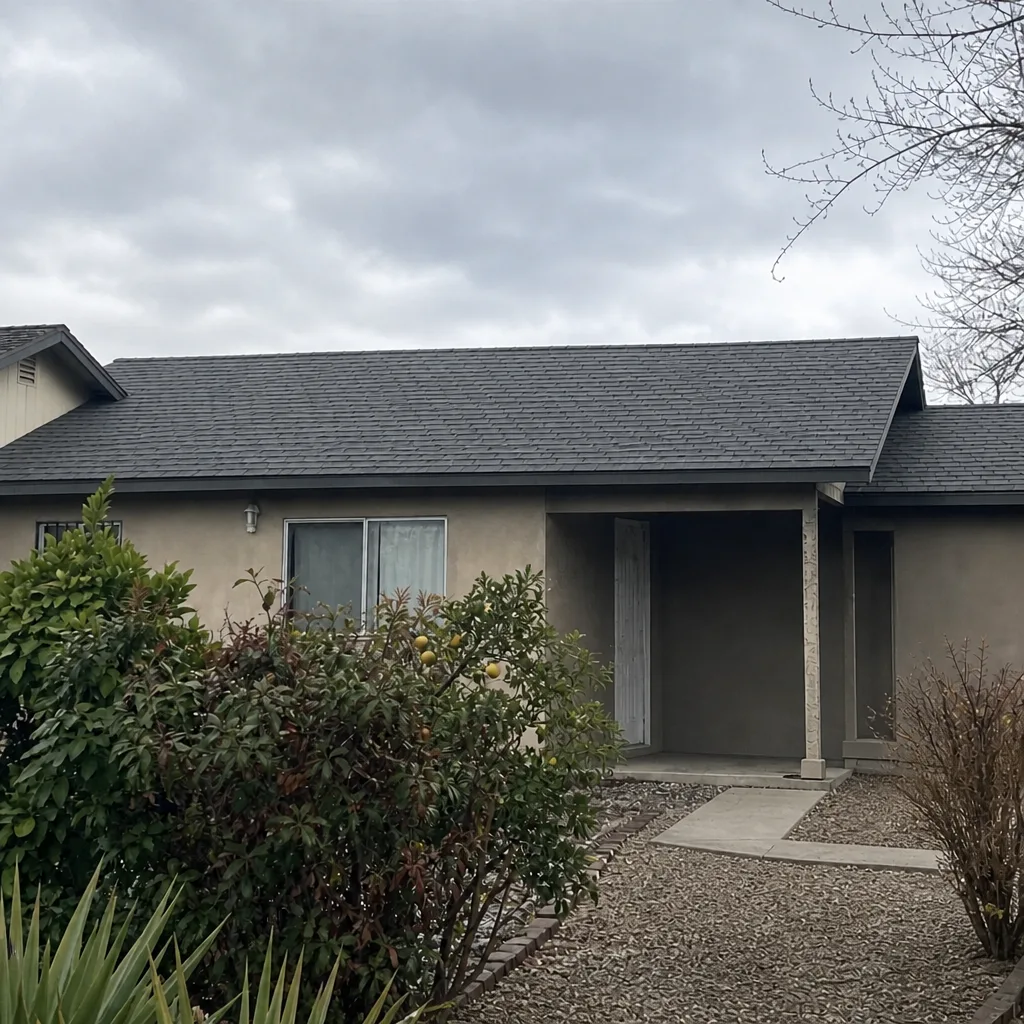
See the difference
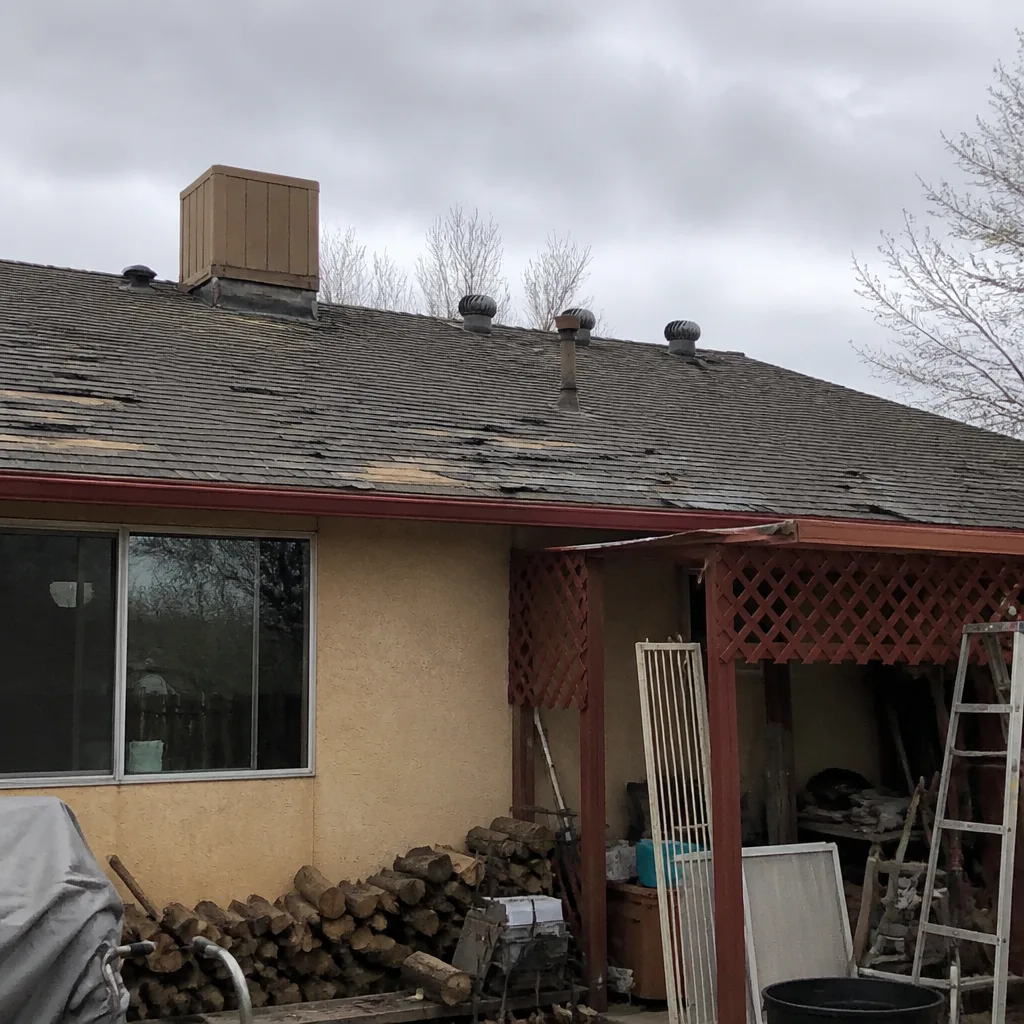 Before
 After
 Before
 After
 Before
 After
Replacement Cost & What’s Included
What drives the price is the number of locations, the flashing type, the pitch of the roof, and whether the surrounding shingles can be lifted back cleanly or have to be replaced with the flashing. A chimney with counterflashing and a skylight curb are more work than a simple sidewall. We quote line by line, so you see the part and the labor separately.
| Flashing Type | Typical Installed Range |
|---|---|
| Step flashing at a sidewall (per location) | $285 – $420 |
| Chimney apron and counterflashing | $340 – $640 |
| Skylight curb flashing | $380 – $640 |
| Valley metal replacement | $320 – $560 |
The number on the estimate is the number on the invoice. No change orders mid-job because the part cost more than expected. Every replacement is backed by our 90-Day Done Right Promise, a written workmanship guarantee: if it’s not right, no arguing, no paperwork, we come back and make it right. We document the inspection with photos taken from your actual roof, so you see what we see.
For owners who want to keep the overall cost in hand, our standing offers include $50 off any repair over $250, and a free second opinion on any written estimate another contractor has given you.
DIY or Call Us?
There’s a safe middle ground and a line you shouldn’t cross. Safely from the ground, you can look for rust streaks, check the gutters for metal shavings, and watch for interior stains after a storm. From inside the attic, a flashlight along the wall line can confirm whether water is getting in.
What you should not do is climb onto the roof to pry up flashing or reseal the wall junction yourself. Flashing replacement means lifting shingles back, working at the edge, and re-securing the whole joint so it’s watertight under the next storm. On a two-story home or a steep pitch, the fall risk is real, and a bad seal you can’t see from the ground won’t show itself until the next monsoon. This is work for a trained professional on a roof, with the right materials. Our technicians are background-checked and arrive in uniform, and the phones are answered by a live person around the clock. Call (855) 908-1590 and we’ll take a look.
FAQs
Galvanized flashing in this climate typically lasts 12 to 18 years before rust and dried sealant catch up with it. The metal often outlasts the sealant, which cracks in the dry heat within 8 to 12 years. If your home is past that window and you’ve never had the flashing checked, a free estimate will tell you where it stands.
Sometimes, yes, if the metal is still sound and only the sealant has failed. But once the metal is rusting or a fastener has worked loose, a repair is a patch that buys months, not years. We’ll tell you honestly which situation you’re in. Call (855) 908-1590 for a free estimate.
Most single-location replacements are done in one visit, and many take a few hours once the correct profile is matched. Jobs with multiple locations or a chimney with counterflashing can run most of a day. We’ll give you a realistic window with the estimate, and we’ll be there when we say.
We measure against your actual roof and match the gauge, coating, and profile to what’s there, rather than ordering from a catalog on the assumption it will fit. We install products from seven leading manufacturer brands including Tamko, GAF, CertainTeed, and Owens Corning, so we’re not tied to a single supply. That’s how we get the fit right the first time.
Call (855) 908-1590 for a free estimate on your Tamko flashing replacement in Spring Valley. We’re an independent contractor, and we’ve served local homeowners since 1984, with local crews and a written 90-Day Done Right Promise behind every job. The price we quote is the price you pay.
Written by the team at Ridgeline Roofing Co. Spring Valley, serving Spring Valley and nearby areas.