

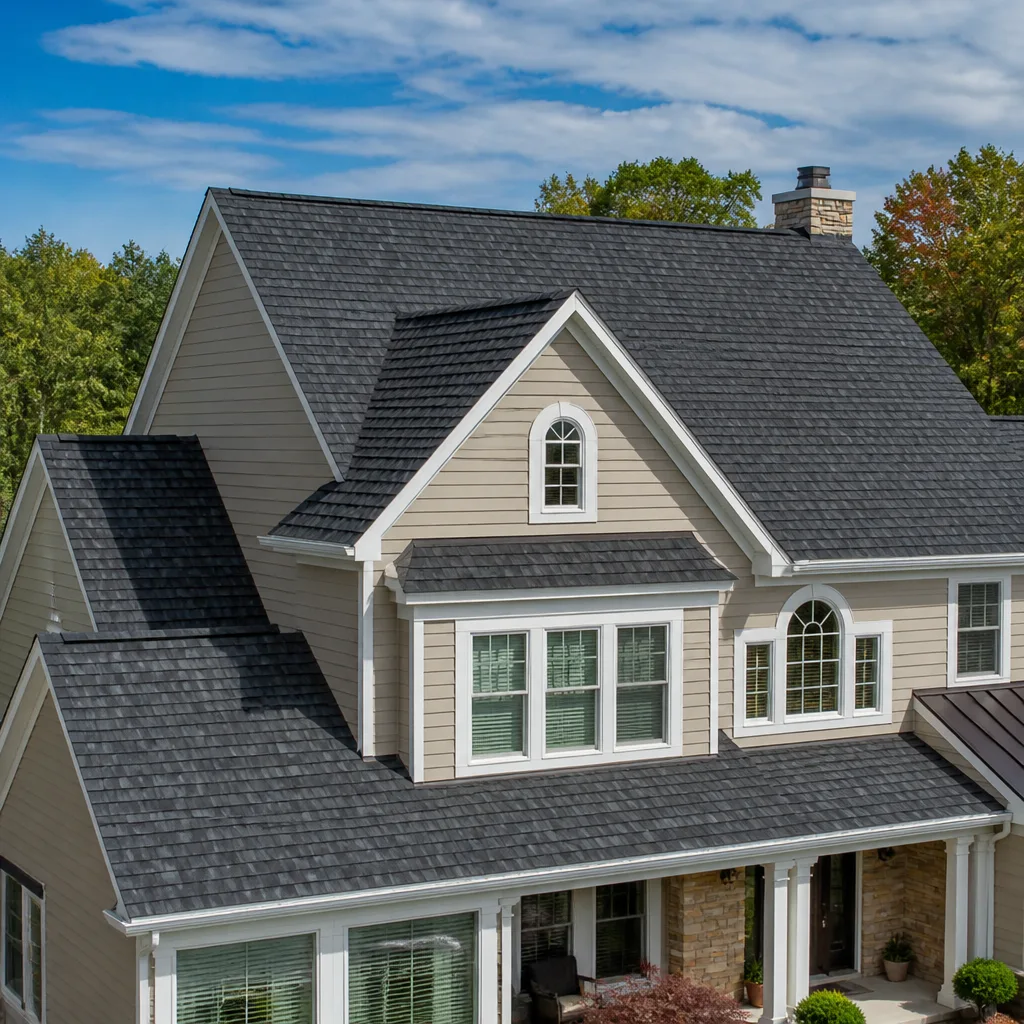
 Architectural shingles
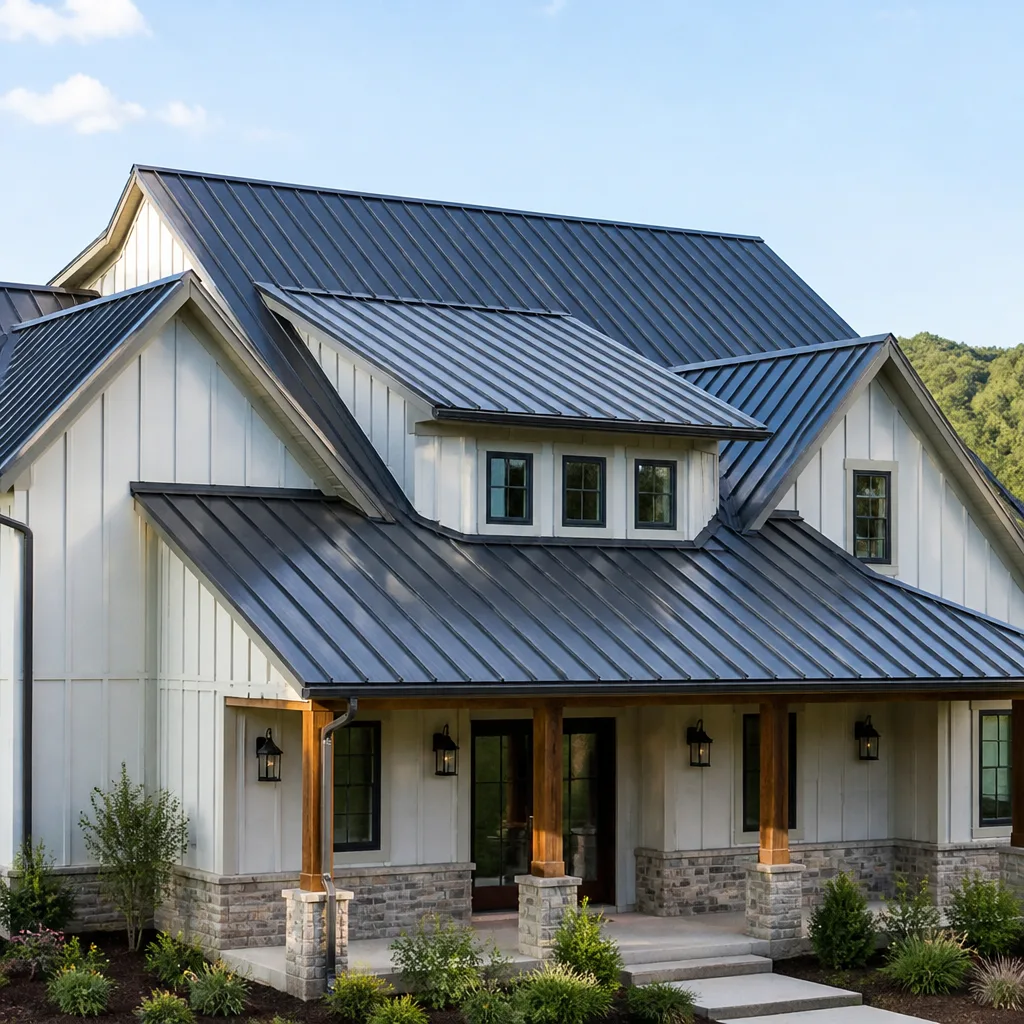 Metal roofing
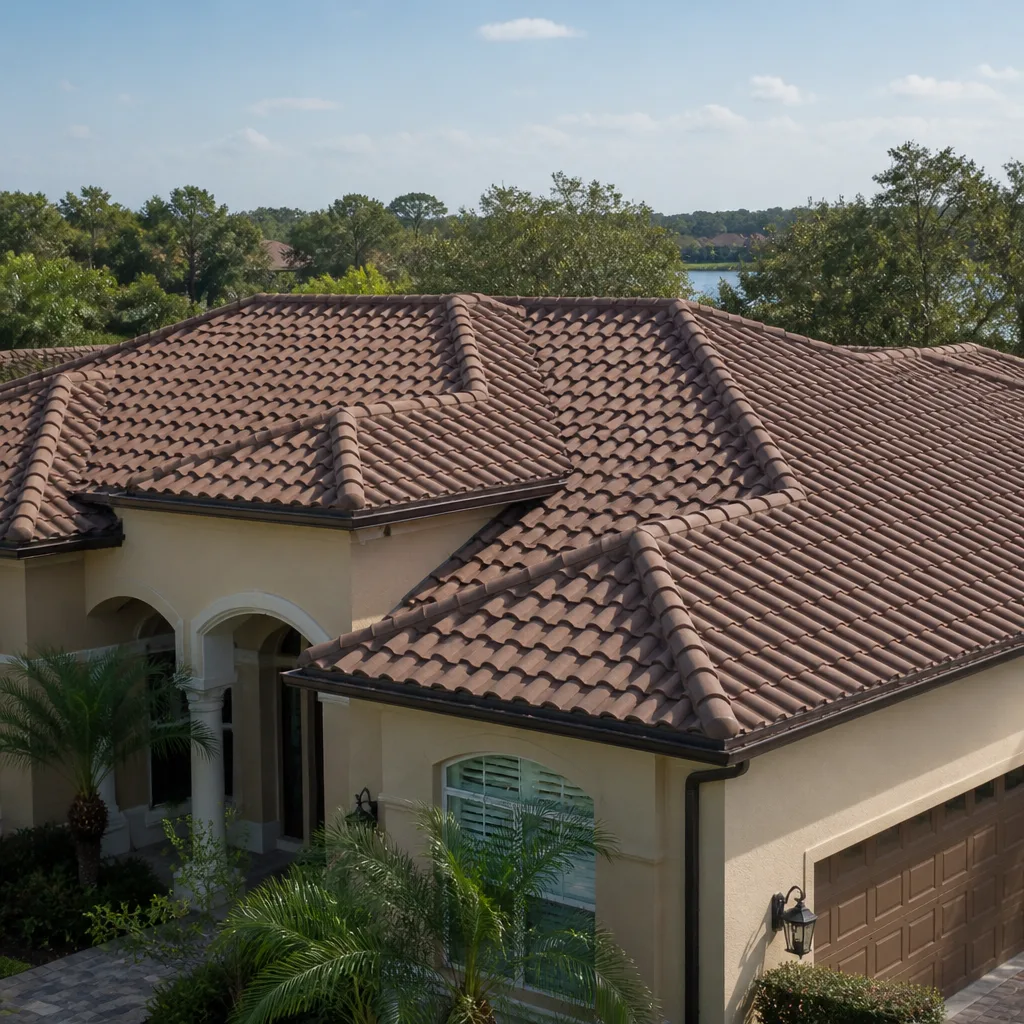 Tile roofing
 GAF
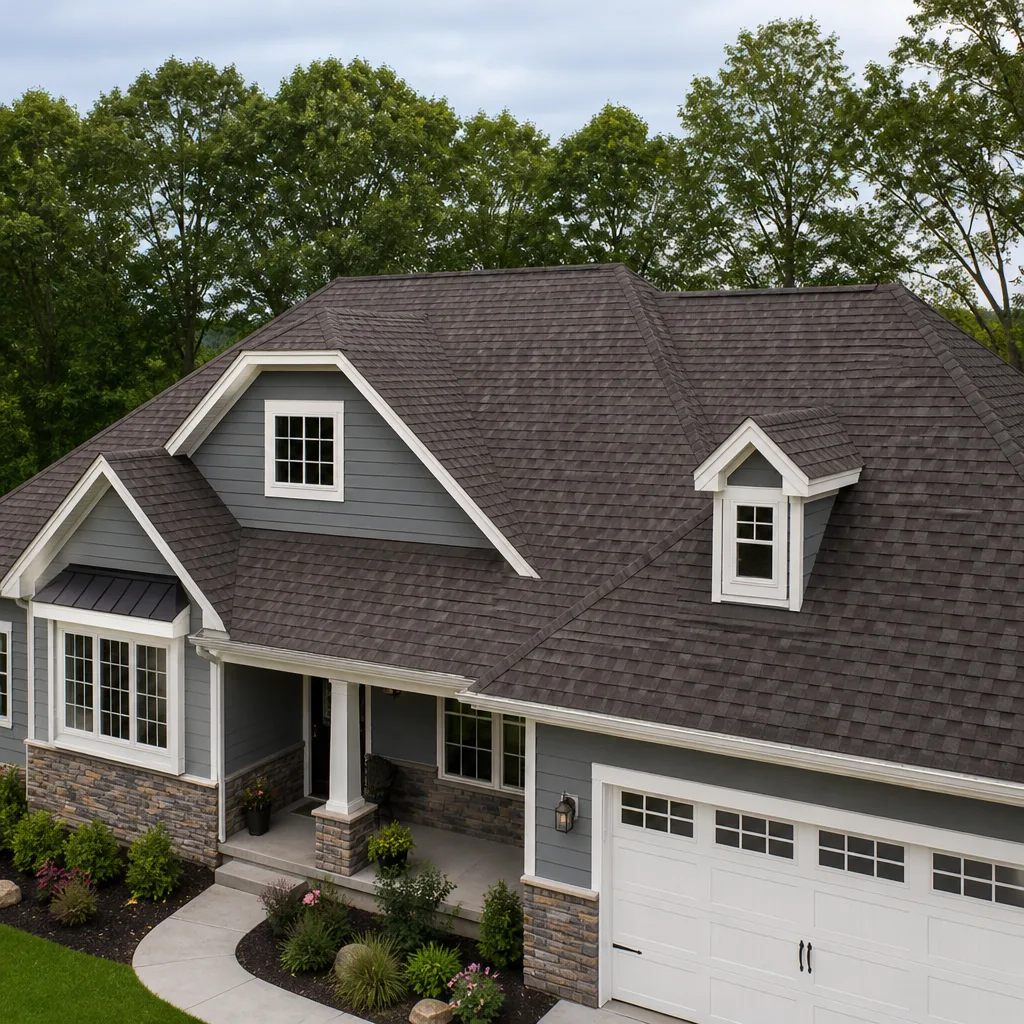 Owens Corning
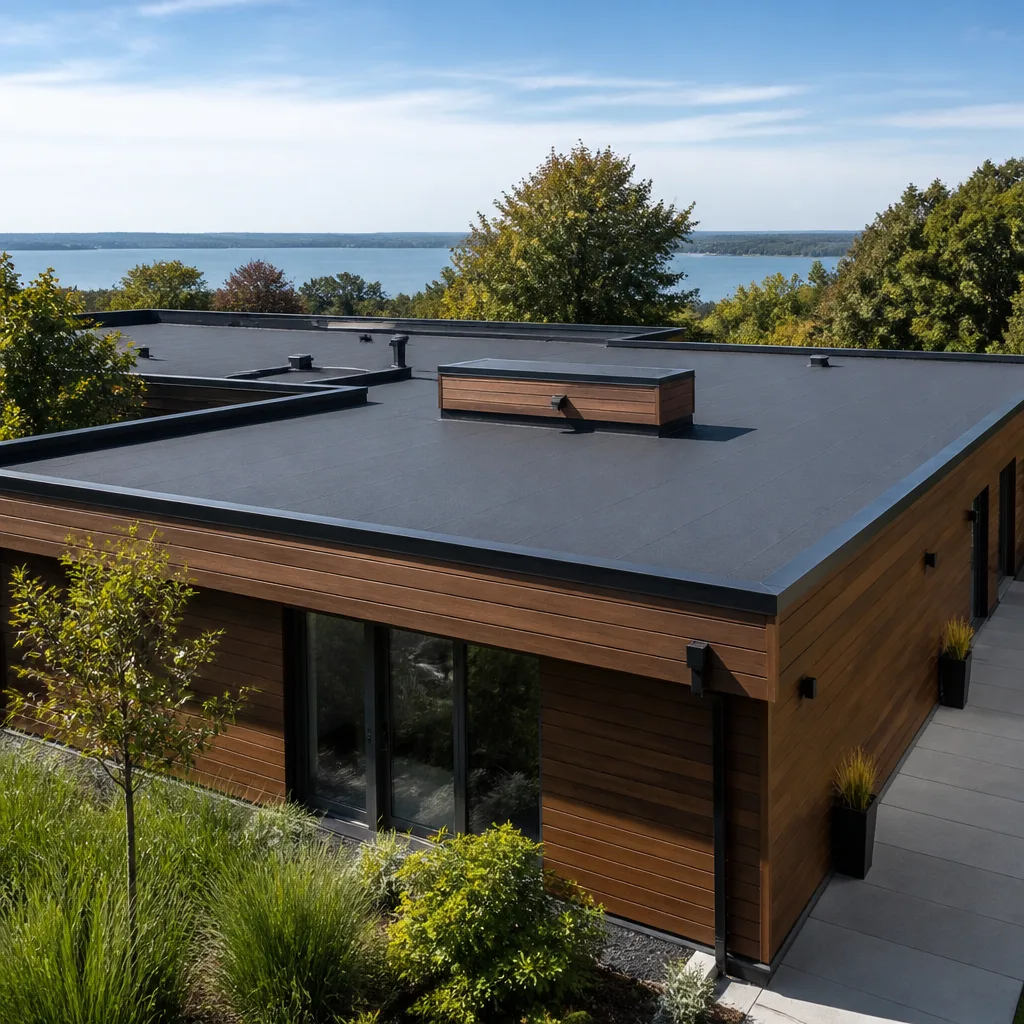 Flat & low-slope
Free roof inspection with deck photos before we talk money - GAF and Owens Corning certified installation
Atlas Underlayment & Deck Repair: The Spring Valley Owner’s Guide
We install and repair Atlas-compatible roof decking and underlayment across Spring Valley, and most jobs land between $1,400 and $4,800 depending on square footage, how much sheathing has to come up, and whether the house needs upgraded synthetic felt. We can usually get an inspector on your roof within a day or two of your call, and smaller deck repairs are often finished in a single visit. We’re an independent contractor, not affiliated with Atlas, but we’re an authorized installer of their products and their underlayment lines.
Most Spring Valley homeowners find out about a deck or underlayment problem the same way: a brown ring on the ceiling drywall after a monsoon, a soft spot underfoot when they climb up to clean the gutters, or a roofer who won’t go into details about “some bad plywood.” Others notice the Atlas felt has wrinkled itself loose from the sheathing, or that the deck boards around a skylight or valley have started to delaminate at the edges. By the time you can see it from inside the attic, water has usually been getting past the underlayment for a season or two.
Which Atlas Models This Applies To
Atlas makes underlayment and roof decking under a few product families, and the right replacement depends on which one is on your roof now. Their synthetic underlayment is sold under the Summit and WeatherMaster names, with the heavier grade (usually the 40-mil style) meant for steep-slope residential roofs and the lighter grade sometimes used on low-slope applications where a peel-and-stick membrane is called for. Their roof decking goes out under the Atlas Roof Deck and Atlas DeckGuard labels, and the panel thickness and span rating stamped on the underside of each sheet is the number that matters – not the color of the label.
The most common compatibility trap we see in Spring Valley is a homeowner buying a lighter-weight synthetic felt to replace a heavier Atlas membrane that was original to the roof. They look similar on the roll, but the lighter product doesn’t hold up the same way under tile or under a low-slope section where ponding is possible. The second trap is replacing a deck panel with a thinner sheet because it’s what the lumberyard had in stock. On any Atlas roof where the panel carries a span rating, you want to match it. If you can read the label or the stamp, we can; if you can’t, we measure the panel and match it to the surrounding deck. We don’t carry parts on a truck, so we source the exact sheet or roll from a supplier once we know what’s there.
On the OEM-versus-aftermarket question for Atlas specifically: there’s no blanket answer. For the underlayment itself we’ll usually stay in the Atlas family when the original membrane is still present on part of the roof, because mixing brands on the same slope can create adhesion and laps that don’t behave the same way. For decking panels, a quality equivalent sheet that matches the thickness and span rating is a fine substitute – the panel doesn’t care what name is printed on it. What matters is the spec, not the badge.
Styles & brands we work with
- Architectural shingles
- Metal roofing
- Tile roofing
- GAF
- Owens Corning
- Flat & low-slope
Signs Your Atlas Underlayment & Deck Repair Is Failing
- Water stains on ceiling or attic decking after a storm. Usually the underlayment has aged and cracked at a lap or around a penetration, letting water past to the sheathing below. In Spring Valley’s dry heat, the membrane dries out faster than most homeowners expect, and the first real monsoon finds the weak spot.
- Soft or spongy spots when you walk the roof. That’s the deck panel itself losing integrity, often from long-term moisture under a failed membrane. Press with your hand near a valley or chimney and you’ll feel the give.
- Visible wrinkles or peeling along the Atlas felt. The membrane has released from the sheathing, either from heat cycling or from being installed with too few fasteners. Once it lifts, wind gets under and it peels back further.
- Sagging between rafters or visible deflection from inside the attic. The panel has taken on water and lost stiffness, or a fastener has backed out. A sagging deck is a structural warning, not a cosmetic one.
- Musty smell in the attic or a sudden jump in your cooling bill. Moisture is trapped in the deck assembly. In Spring Valley’s summer heat the attic gets hot enough that trapped damp turns into a smell quickly, and wet insulation stops insulating.
Each of these is worth a look, not a panic. But we’d rather see them in March than in July after a downpour has soaked the ceiling.
See the difference
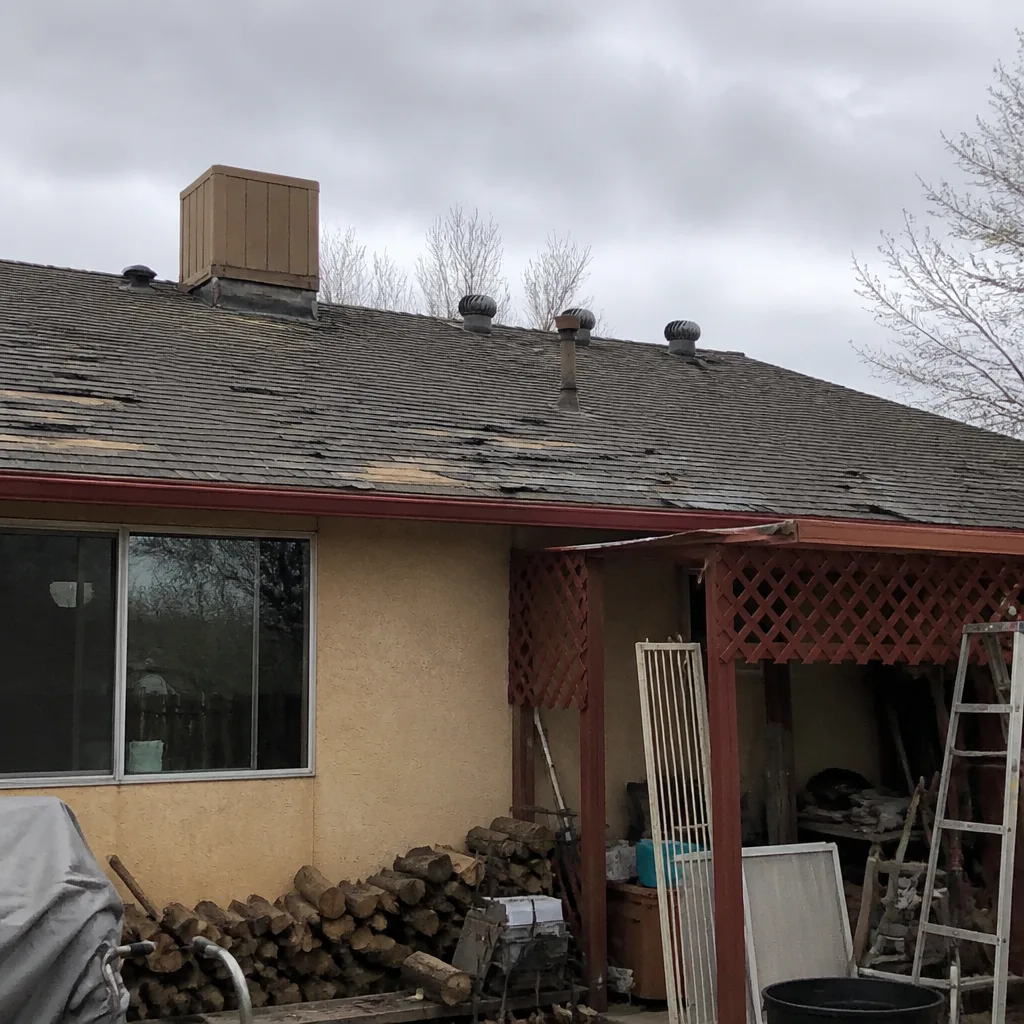 Before
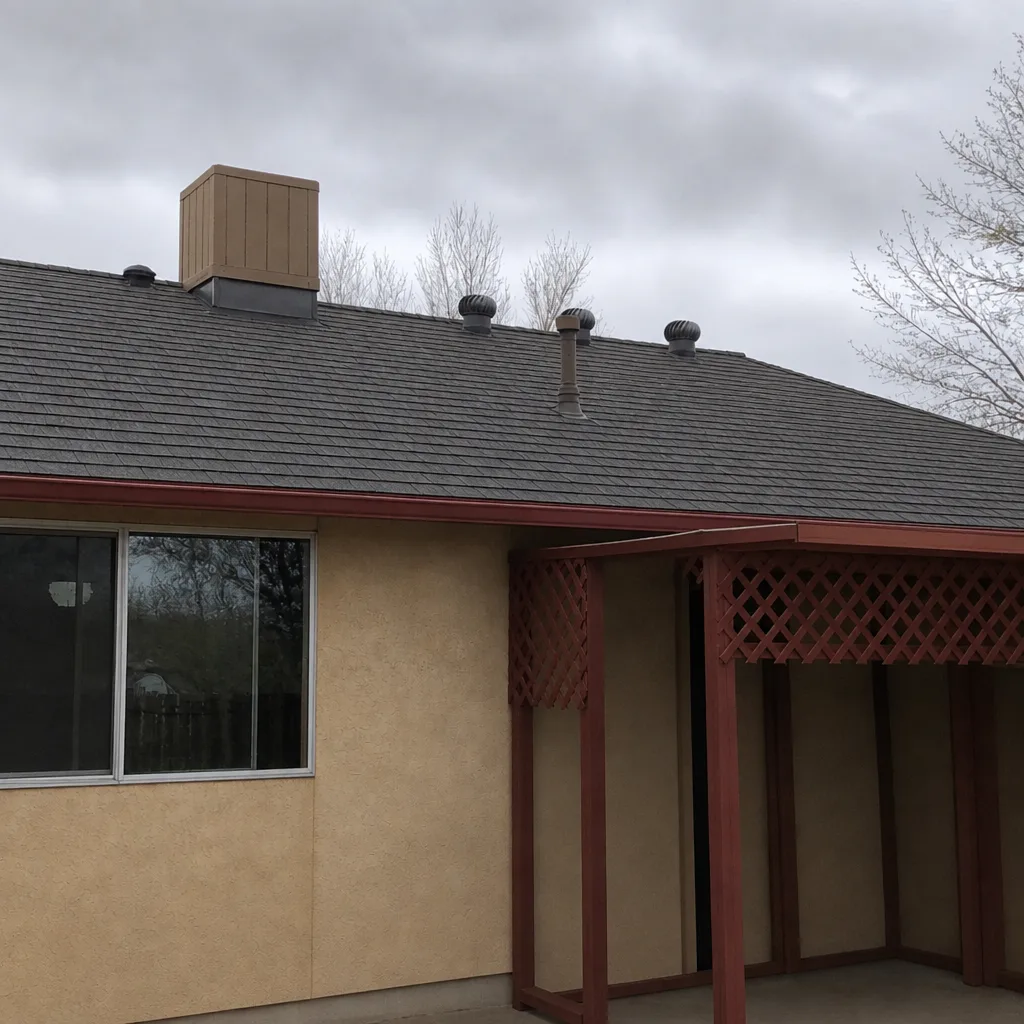 After
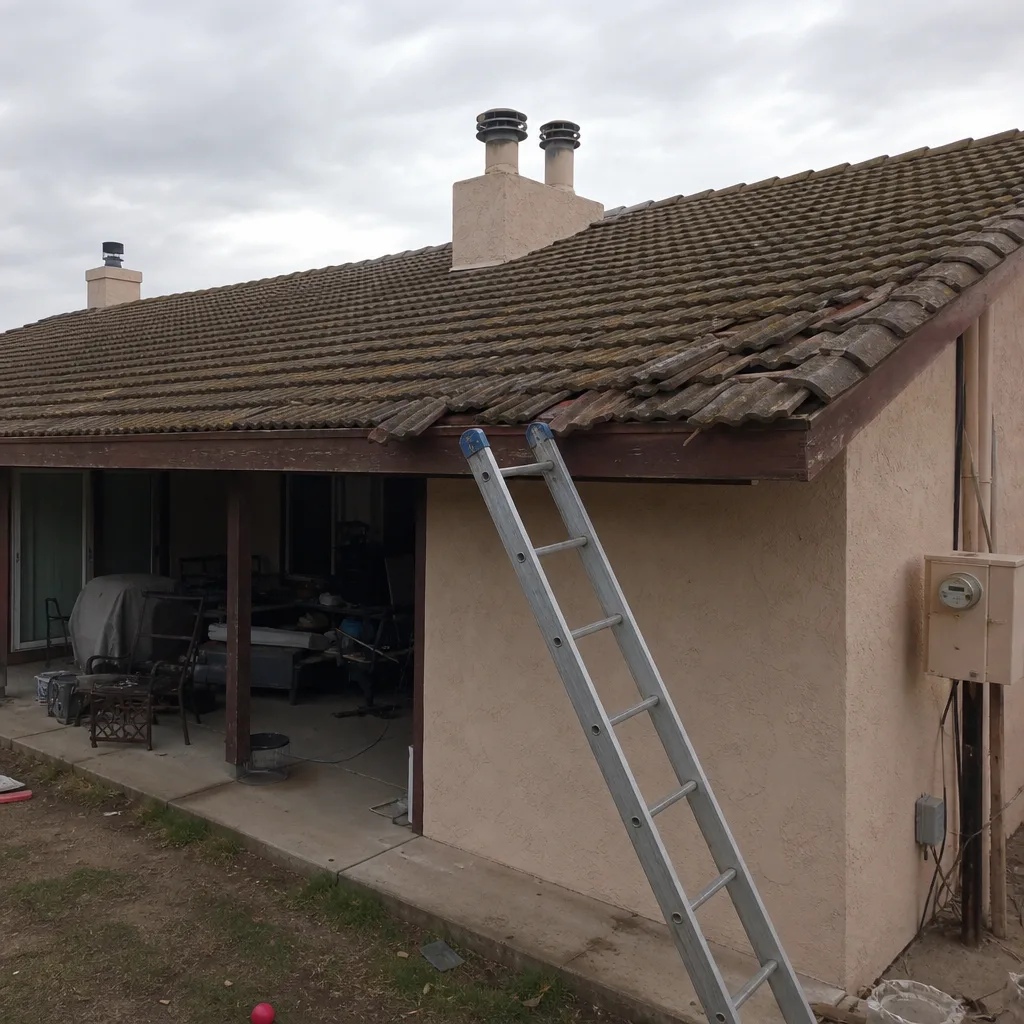 Before
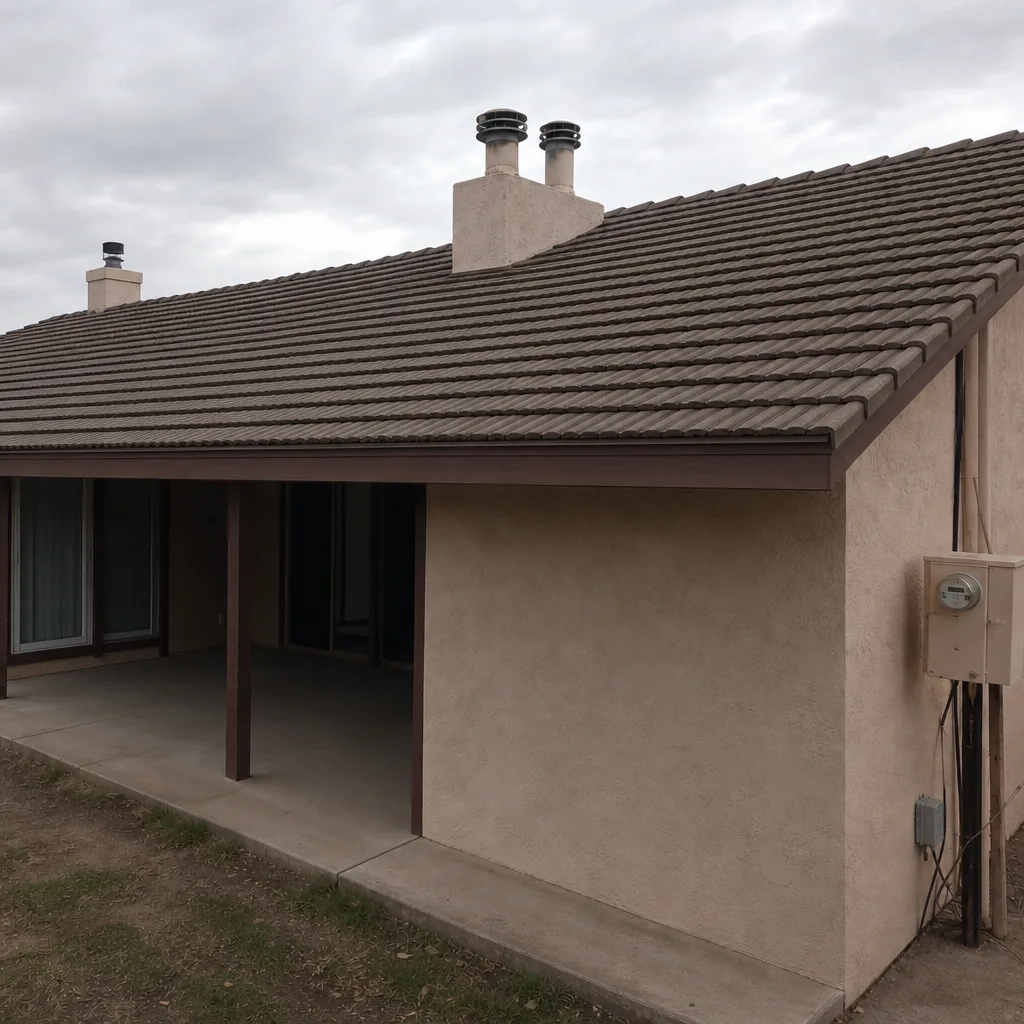 After
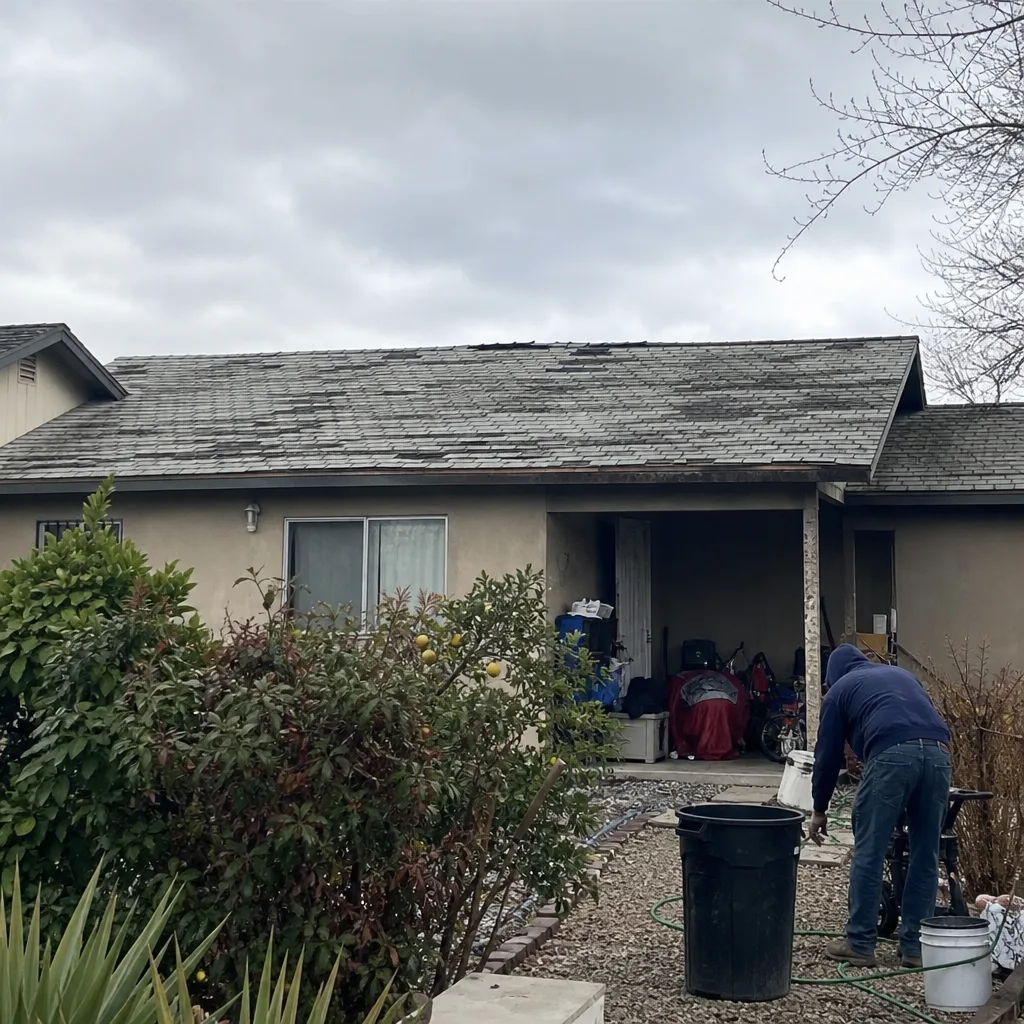 Before
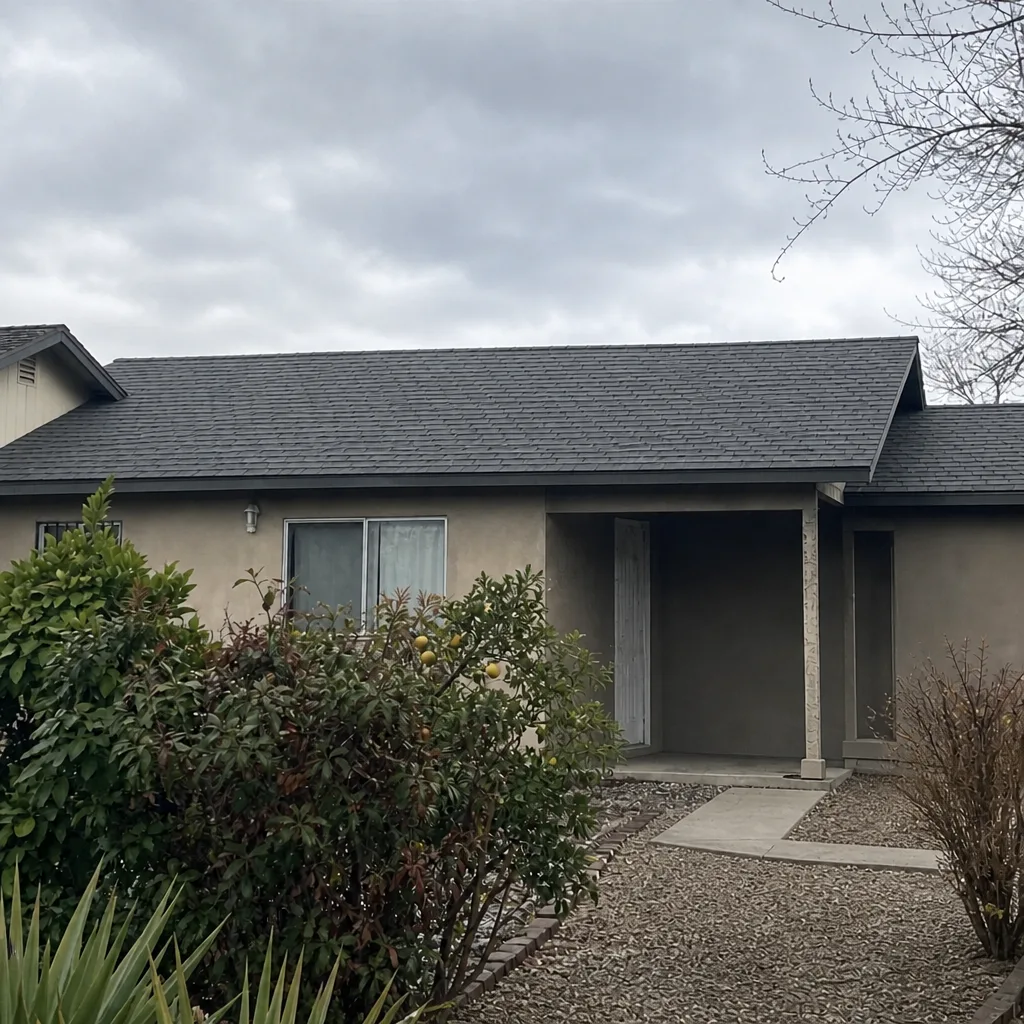 After
Replacement Cost & What’s Included
Installed price for an Atlas-compatible underlayment or deck repair in Spring Valley runs $1,400 to $4,800. Here’s roughly how that breaks down:
- Partial underlayment replacement (one slope or one valley): $900 – $1,800
- Full roof underlayment replacement with existing shingles removed and reinstalled: $2,200 – $4,200
- Deck panel repair or replacement (small area, up to a few sheets): $600 – $1,900
- Deck sheathing replacement plus underlayment on same area: $1,800 – $4,800
What drives the range: square footage of the affected area, whether the shingles have to come off, whether the deck panels are reusable, and the grade of underlayment you choose. We quote parts and labor on separate lines so you can see what you’re paying for. The price on the estimate is the price on the invoice. If we open up the deck and find more damage than the inspection showed, we stop, show you the photos, and quote the difference before we touch it – nobody wants to be told there’s more work after the crew has already torn off half a slope.
Every underlayment and deck job is backed by our 90-Day Done Right Promise, a written workmanship guarantee. If something isn’t right, we come back and make it right. No paperwork, no arguing.
DIY or Call Us?
Some things an owner can safely check. You can look in the attic with a flashlight for water stains, feel for soft spots in the deck from below, and look for daylight between the boards. You can measure the thickness of a panel if you can reach it safely from a ladder. What’s genuinely dangerous – and where DIY deck and underlayment work goes wrong – is walking a wet or steep roof to inspect, pulling shingles yourself, and climbing around a valley or skylight where a slip is a fall. Roof decks are also higher-stakes than a lot of homeowners realize: the underlayment and sheathing together are what keep your ceiling dry, and a poorly lapped membrane or a panel installed with the wrong span rating won’t show its failure for a year or two.
That’s the case for a trained inspector. Our technicians have up to 10 years of experience, they’re background-checked and uniformed, and they photograph what they find from the actual roof so you can see the damage on a screen instead of taking our word for it. Call (855) 908-1590 and a live person answers, day or night. We’ll schedule a free inspection and give you a written estimate.
FAQs
Most Atlas synthetic underlayments are rated to last around 20 to 30 years under proper roof covering, but UV exposure and Spring Valley’s heat cycling shorten that in practice. We typically see the first failures in this area between the 15 and 22-year mark, especially on south-facing slopes. Call (855) 908-1590 for a free inspection if your roof is in that range.
Usually yes, if the damage is confined to one area and the surrounding sheathing is still solid. A patch of deck panel and a strip of underlayment can often be replaced without touching the rest of the roof. We’d need to see it to know, and the inspection is free. Call (855) 908-1590 to schedule one.
Small deck and underlayment repairs are typically done in one visit, usually a few hours to a full day. Larger repairs that require lifting shingles over a whole slope may run two to three days. We work on scheduled appointments, not emergency dispatch – this isn’t a same-day job, and we plan the work properly. Call (855) 908-1590 for a firmer timeline.
We order from suppliers once we’ve confirmed the exact underlayment grade or deck panel spec on your roof. We don’t stock Atlas parts locally or carry them on a truck, so the lead time depends on what the supplier has available. We’re an authorized installer of Atlas, GAF, Owens Corning, And CertainTeed products, so we can source the right material without substitutes. Call (855) 908-1590 for a quote.
Ridgeline Roofing Co. has been standing behind local roofs since 1984, and we’re the anti-storm-chaser: local crews, apprentices trained into journeymen, and a plan to be in town in thirty years. The price we quote is the price you pay. If it isn’t right, we make it right. Call (855) 908-1590 for a free estimate on your Atlas underlayment or deck repair in Spring Valley.
Written by the team at Ridgeline Roofing Co. Spring Valley, serving Spring Valley and nearby areas.