
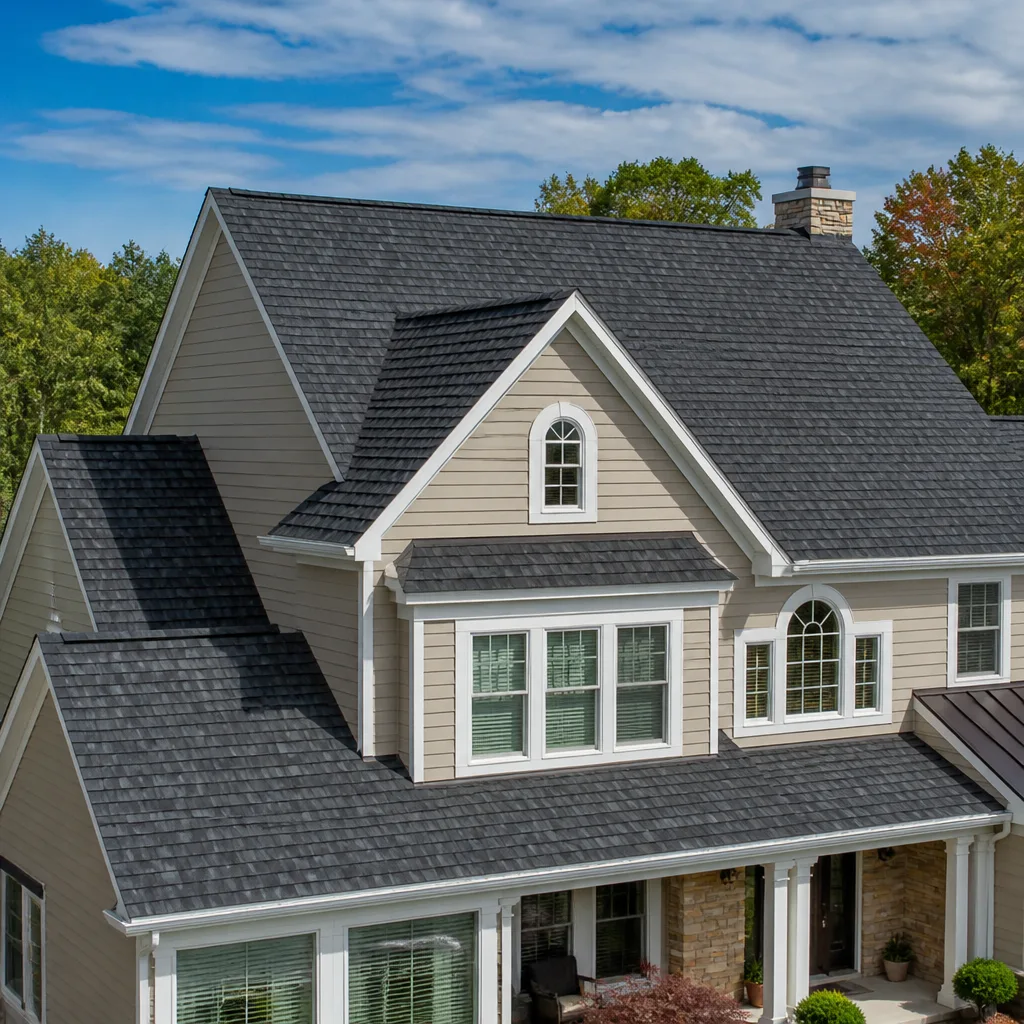
 Architectural shingles
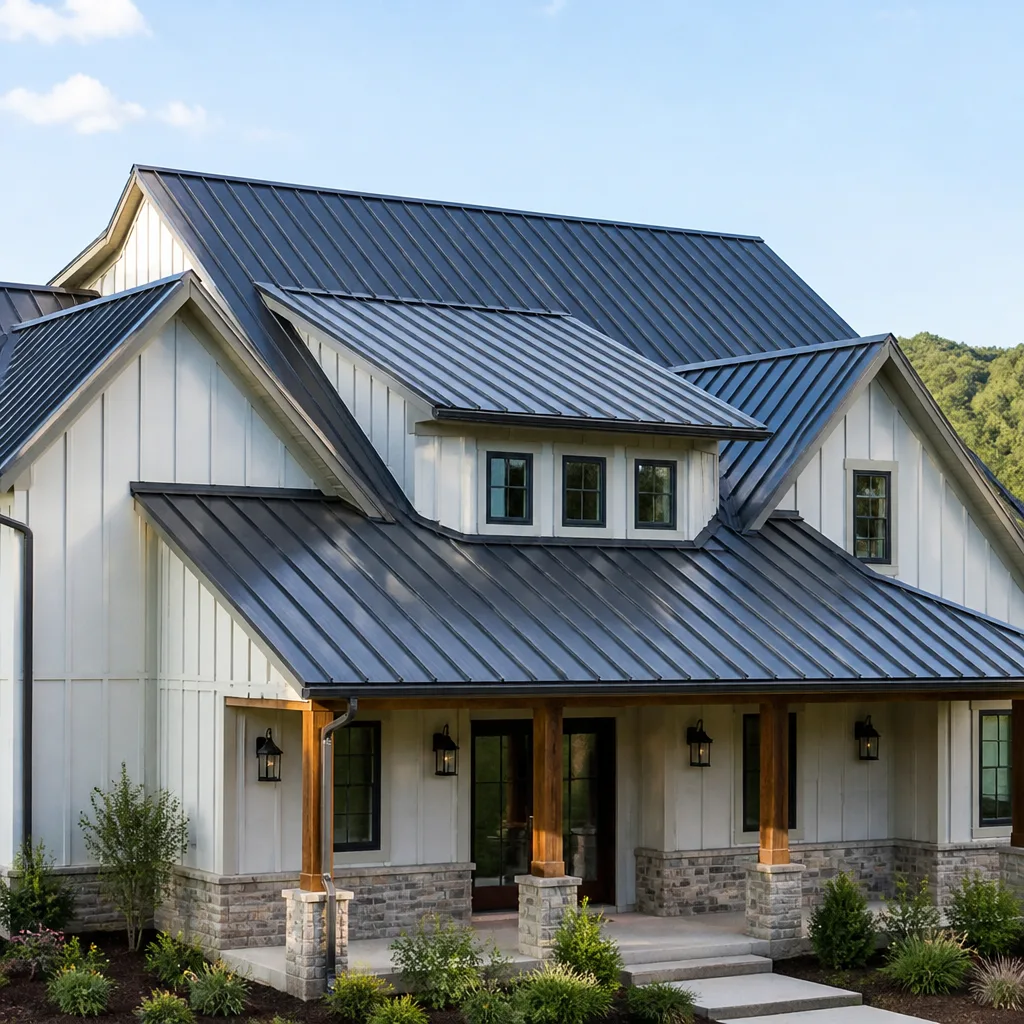 Metal roofing
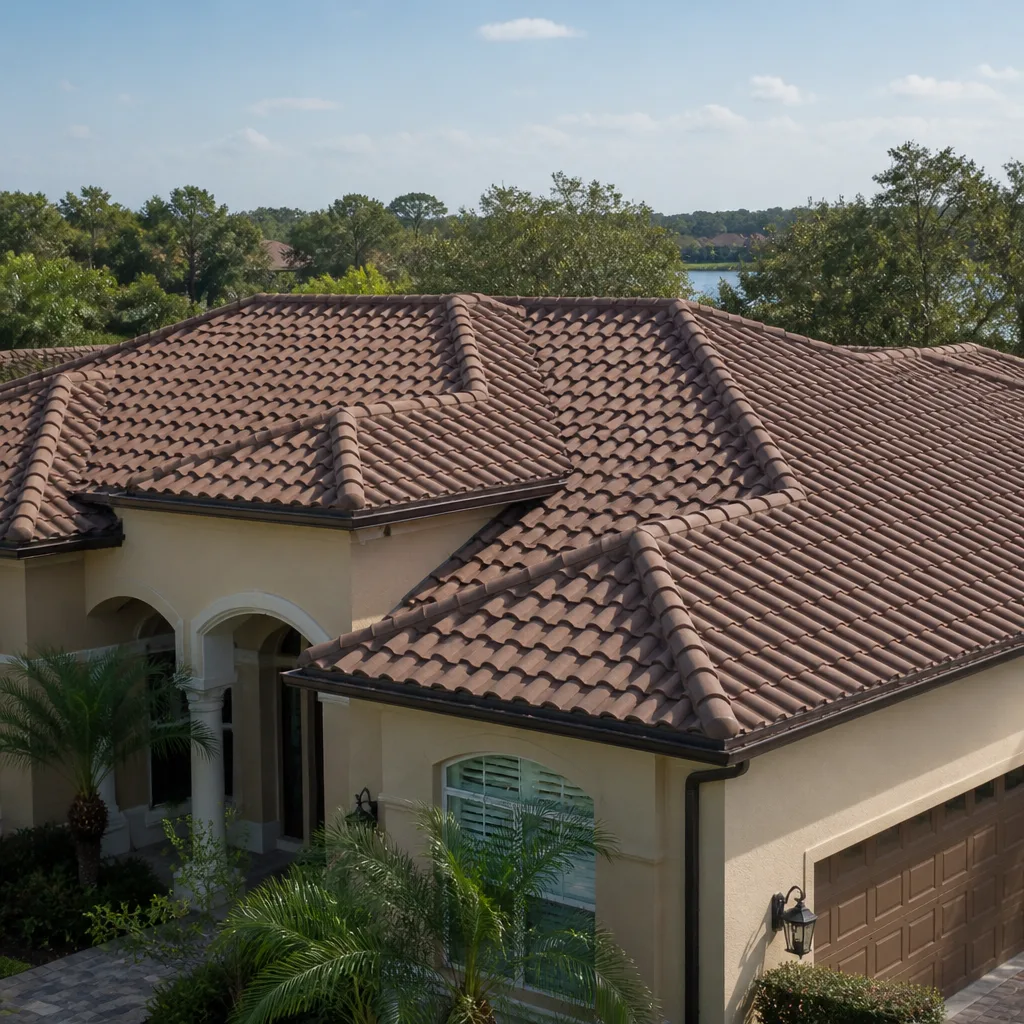 Tile roofing
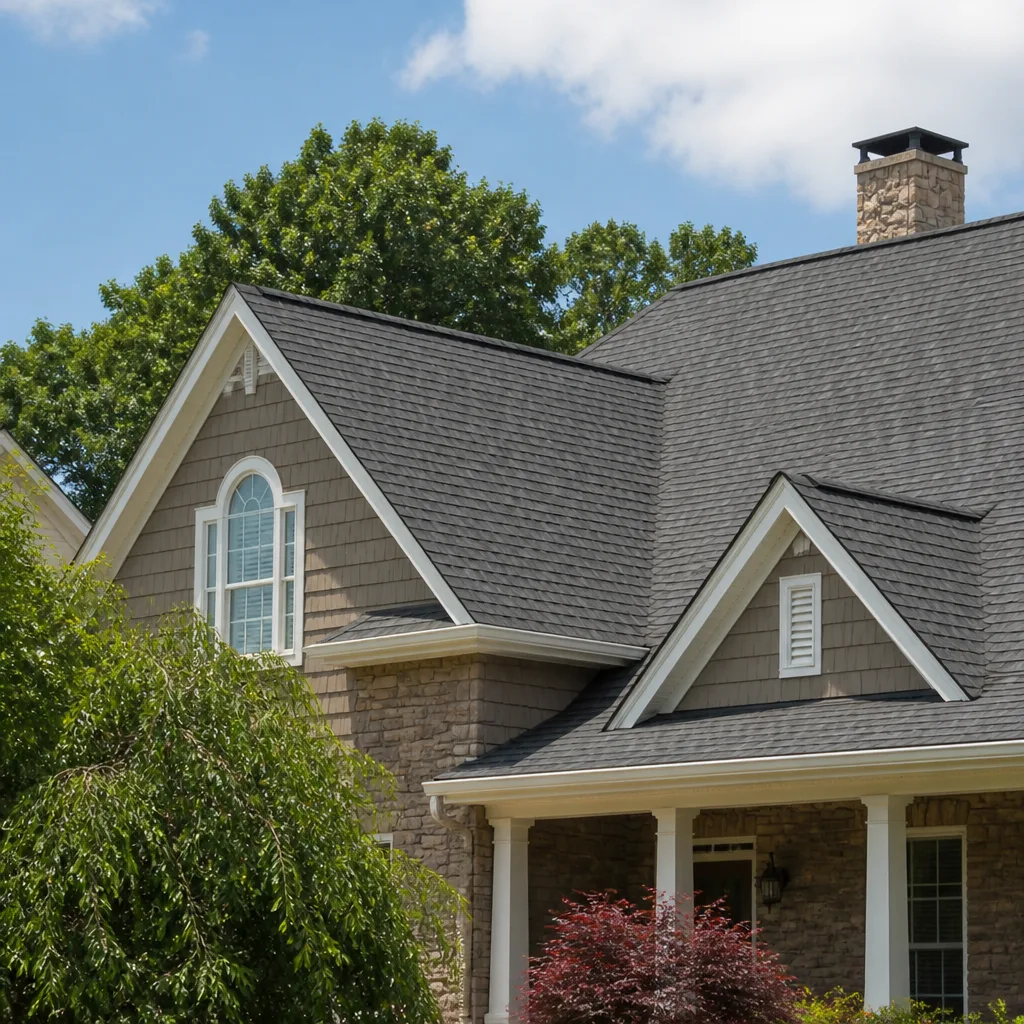 GAF
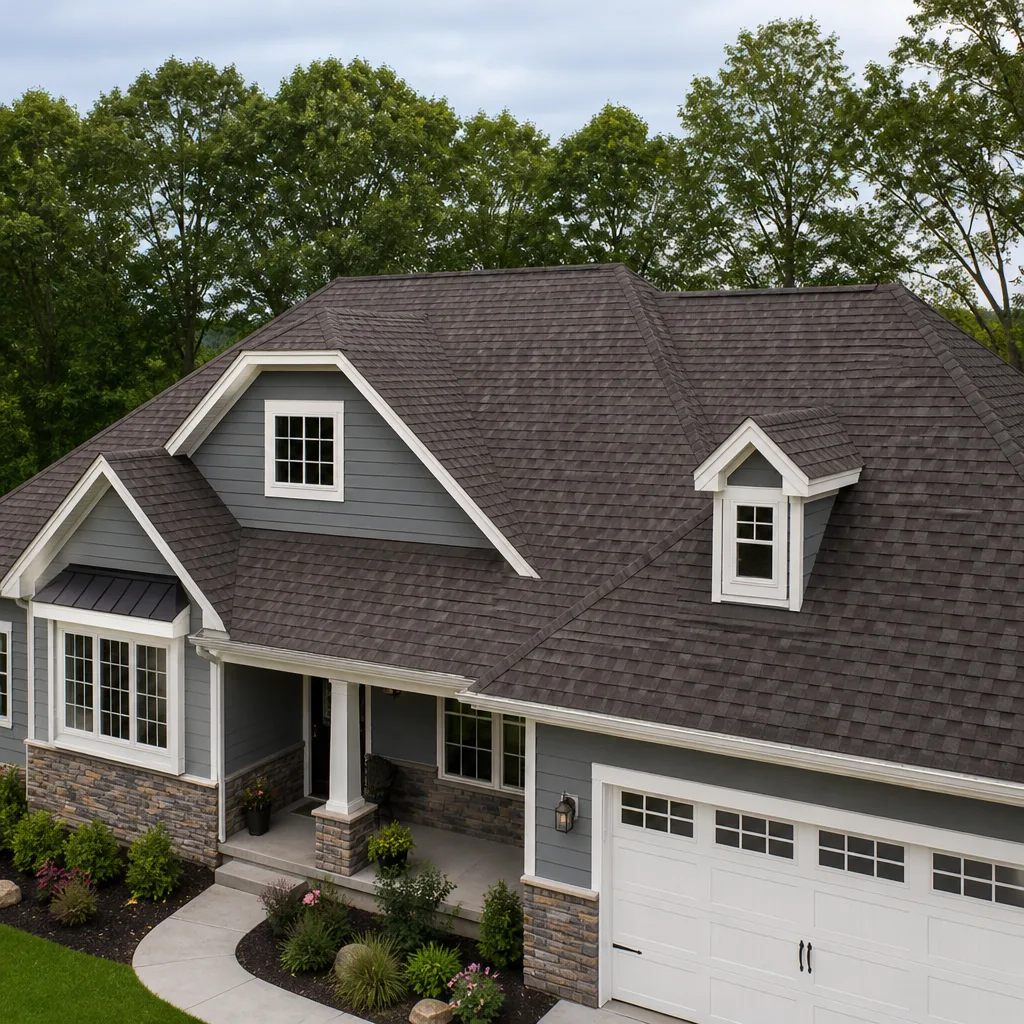 Owens Corning
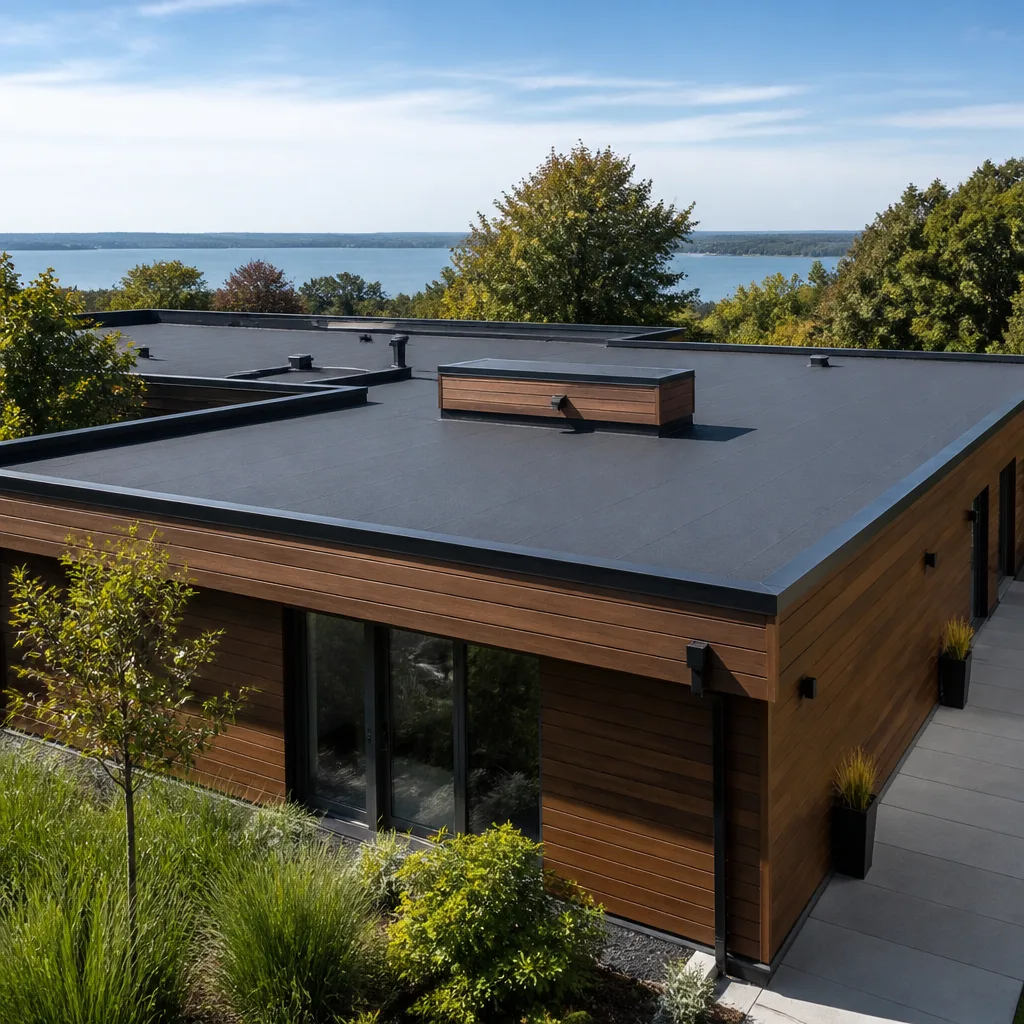 Flat & low-slope
Free roof inspection with deck photos before we talk money - GAF and Owens Corning certified installation
Boral Flashing Replacement: The Spring Valley Owner’s Guide
Boral flashing replacement in Spring Valley typically runs $280 to $640 installed for a single roof-to-wall or roof-to-penetration run, and most jobs are completed in a single visit. We match the flashing profile to your Boral roof system, pull the permit when one is required, and back the work with our written 90-Day Done Right Promise. Ridgeline Roofing Co. is an independent service provider and is not affiliated with Boral.
Owners usually don’t go looking for flashing. It finds them. You notice the rust streak on the stucco under the patio cover, or a brown ring on the ceiling tile in the hallway after a monsoon. Sometimes a neighbor points at the lifted edge along the chimney chase after a wind event. By the time the flashing shows itself, the water has been finding that seam for two or three seasons. That’s the nature of a small part doing a big job in Spring Valley.
Key Takeaways
- Installed Boral flashing replacement in Spring Valley runs roughly $280 to $640 for a single run, more for long or multi-section work.
- Flashing fails faster here than most of the country because of our monsoon driving rain and high-desert UV.
- Most replacements are finished in one visit, with photos of the old flashing and the new installation attached to your invoice.
- The price on the written estimate is the price on the invoice, backed by our 90-Day Done Right Promise.
Which Boral Models This Applies To
Boral covers a lot of ground in the roofing market, and the flashing detail differs by product family. Their concrete and clay tile lines, their composite and metal shingle lines, and their trim and fascia products all take different edge and valley treatments. The Boral flashing specified for a tile roof is not the same profile you’d use on a metal shingle field. Getting that wrong is one of the most common reasons a Spring Valley flashing job comes back wet within a year.
Here’s how we identify the right part. First, we look for the Boral label on the underlayment roll or on the packaging remnants still in the attic if the original installer left them. Second, we measure the pitch and the exposure of the course at the flashing line, because the flashing profile has to match the field, not the other way around. Third, we check the existing flashing itself. If it’s aluminum and it’s been on your roof since the house was built in the late 1990s or early 2000s, we can usually identify the profile from the bend and the gauge.
The OEM-versus-aftermarket decision for Boral is more straightforward than it is for some brands. Boral-compatible aftermarket flashing from a reputable mill is a legitimate choice when the gauge and the alloy spec match. Where owners get burned is buying a cheaper coil stock that looks the same on the shelf but is thinner gauge or a lesser alloy. In Spring Valley’s UV, thin gauge aluminum fatigues and cracks along the bends in five to seven years. That’s not a saving.
Styles & brands we work with
- Architectural shingles
- Metal roofing
- Tile roofing
- GAF
- Owens Corning
- Flat & low-slope
Signs Your Boral Flashing Replacement Is Failing
- Rust staining on stucco or fascia below the flashing line. This means the metal’s protective coating has failed and moisture is reaching the steel or aluminum substrate. It’s the earliest visible signal and the easiest one to miss because it looks like paint discoloration at first glance.
- Water stains on ceiling drywall near a wall or penetration. This is the interior evidence that the flashing-to-membrane lap has opened up or the sealant underneath has dried out. In Spring Valley, we see this most often after a July or August monsoon when driving rain gets pushed sideways against a seam that’s never been stressed that way before.
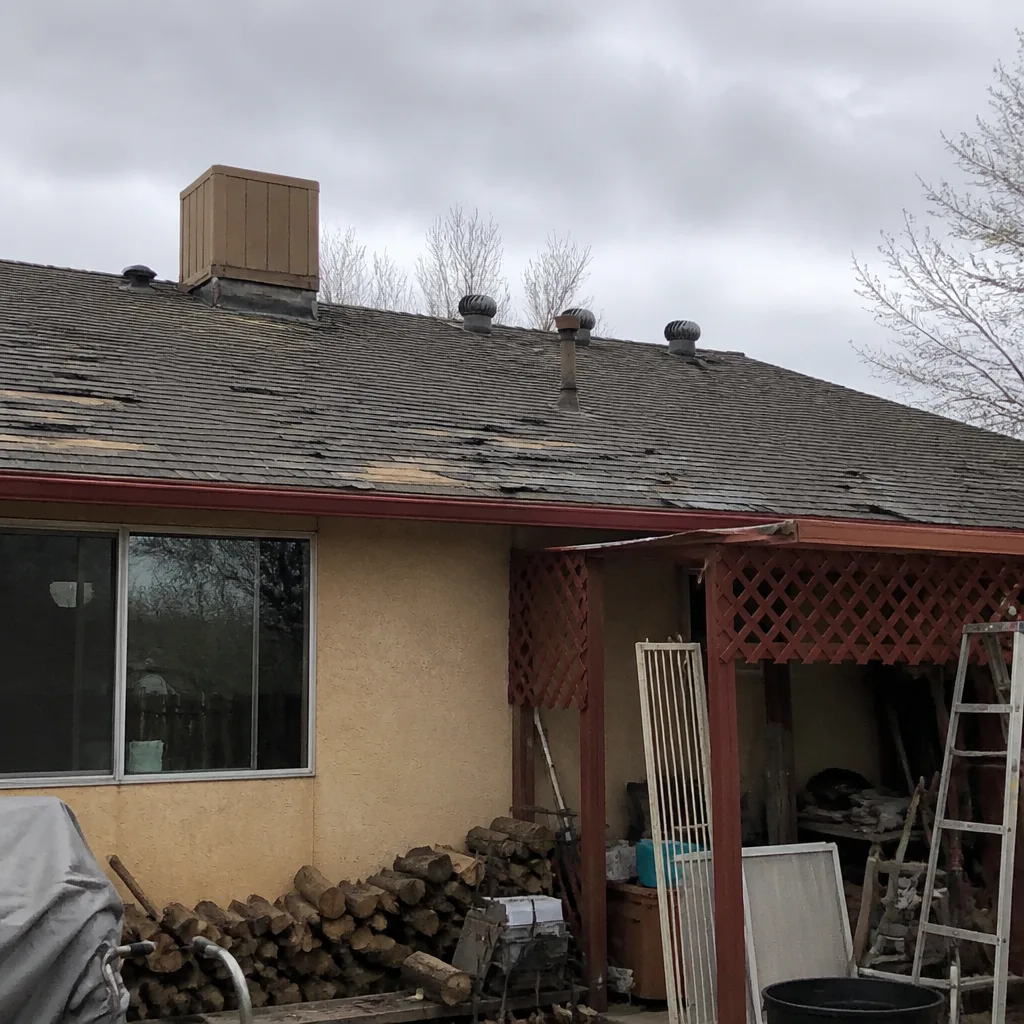
- Lifted, curled, or separated flashing edges. Wind gets under a poorly fastened edge and peels it back. Once the flashing lifts, the fasteners are exposed to water and the whole run becomes a liability.
- Visible daylight in the attic where the roof meets a wall or chimney. If you can see through the gap, water can get through the gap. This is a flashing failure, not a roofing material failure, and it needs to be addressed before the next storm season.
- Granule loss or membrane wear adjacent to the flashing. Flashing that’s been holding water against the field material will accelerate the wear on the shingle or tile immediately beside it. We’ve seen a single failed flashing run take five years off the life of the surrounding course.
Replacement Cost & What’s Included
For an honest installed range on Boral flashing replacement in Spring Valley, expect the following. These numbers include the flashing material, the fasteners, the sealant, the removal and disposal of the old material, labor, and cleanup. Permit costs, where required, are added at cost.
| Scope | Installed Price Range |
|---|---|
| Single roof-to-wall or penetration run, standard profile | $280 – $420 |
| Chimney chase flashing (one or more sides) | $380 – $640 |
| Valley flashing repair | $420 – $900 |
| Long runs, multiple sections, or complex profiles | Quoted on inspection |
What drives the range: how much old flashing has to be removed, whether the underlayment underneath needs patching, and whether the flashing is accessible from the roof or requires ladder work with a steeper pitch. We don’t do change orders mid-job. The number on the estimate is the number on the invoice, and every job carries our 90-Day Done Right Promise. If it’s not right, we come back and make it right, no arguing.
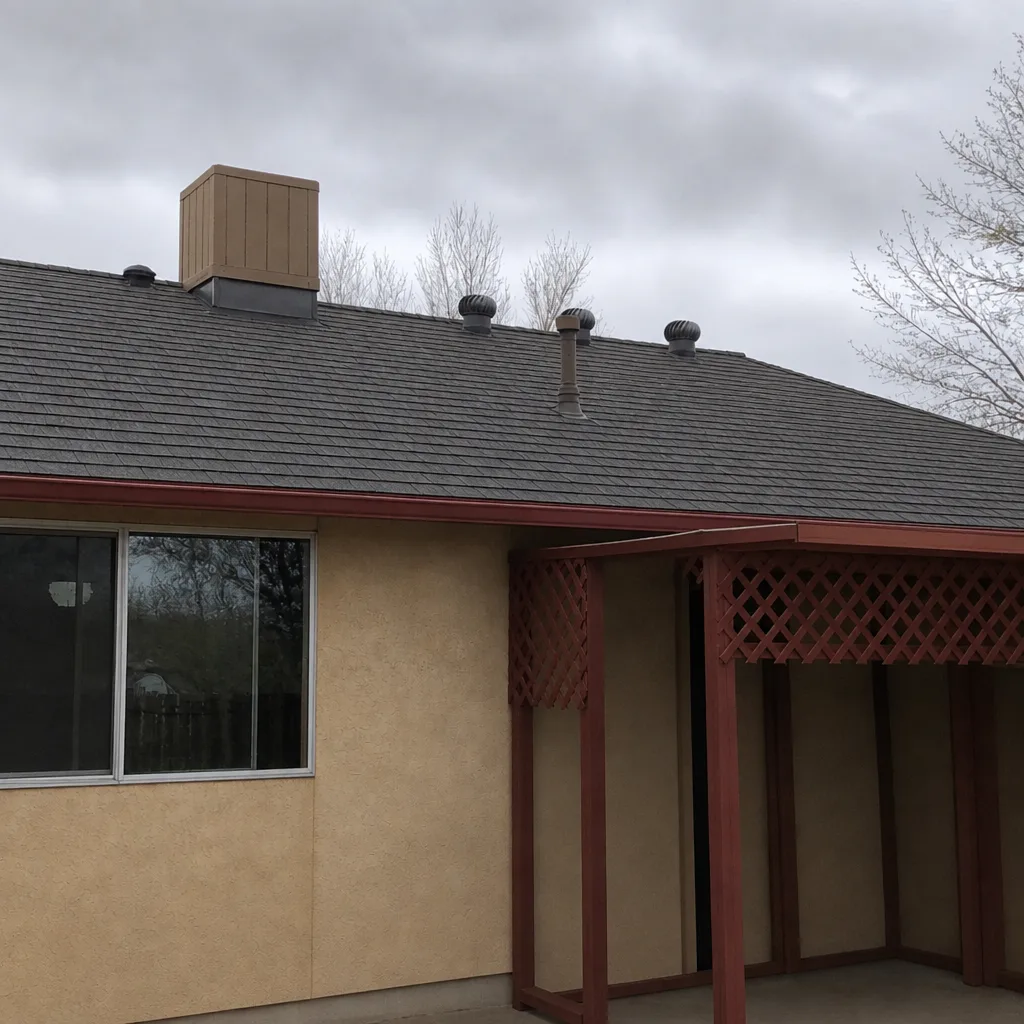
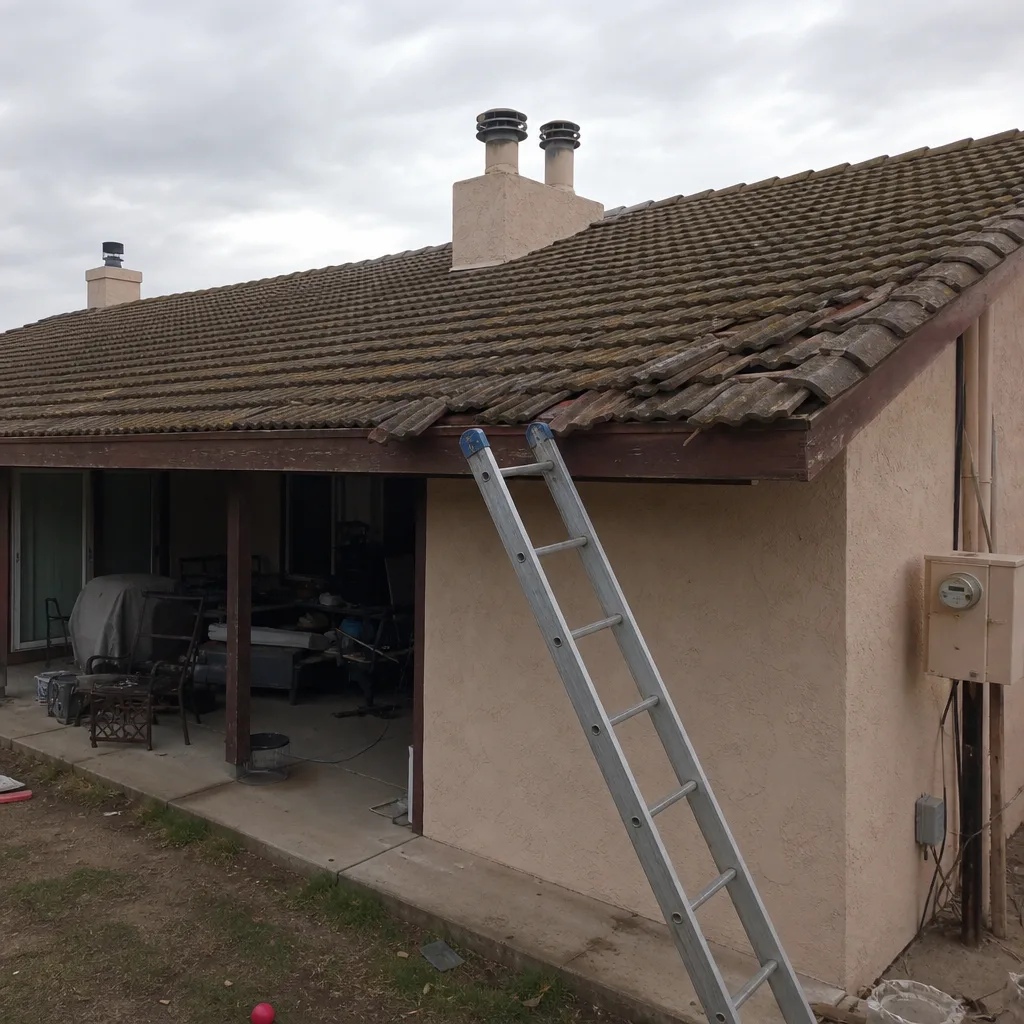
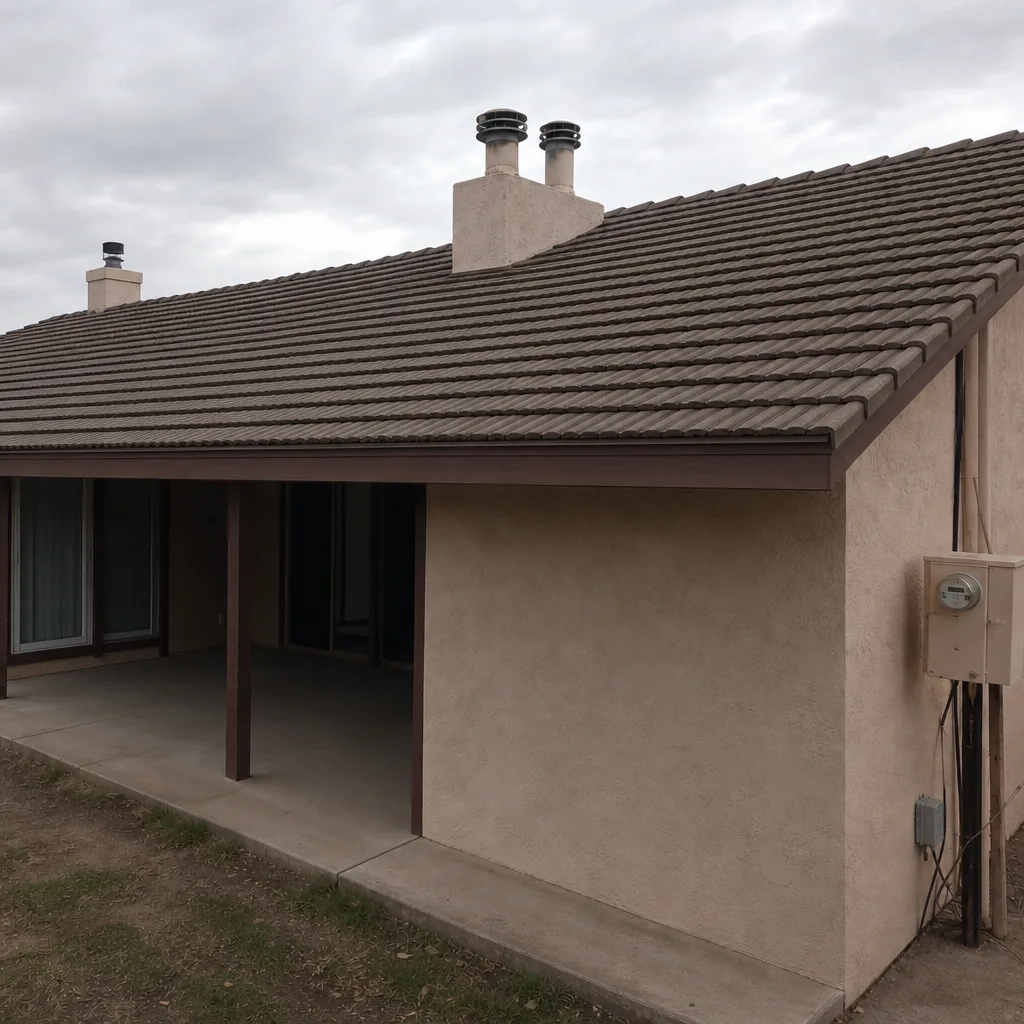
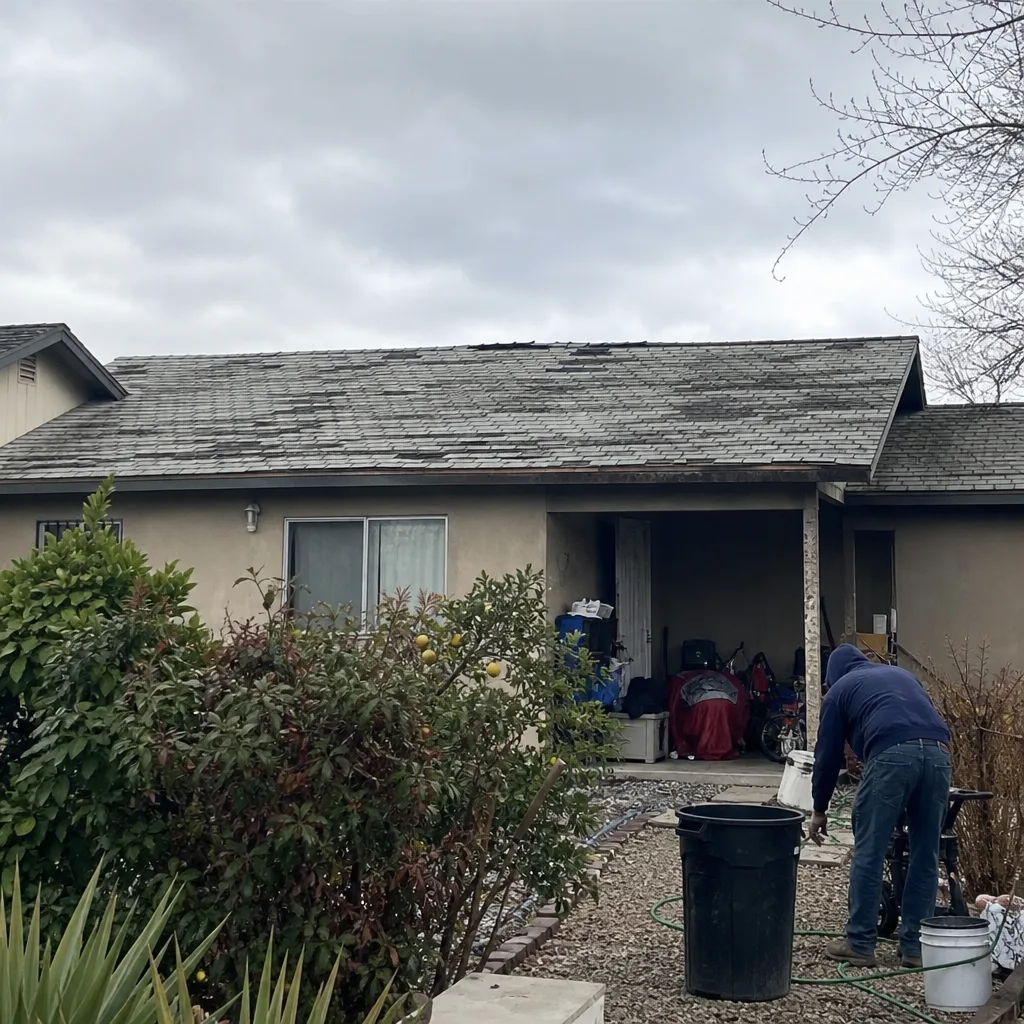
See the difference
 Before
 After
 Before
 After
 Before
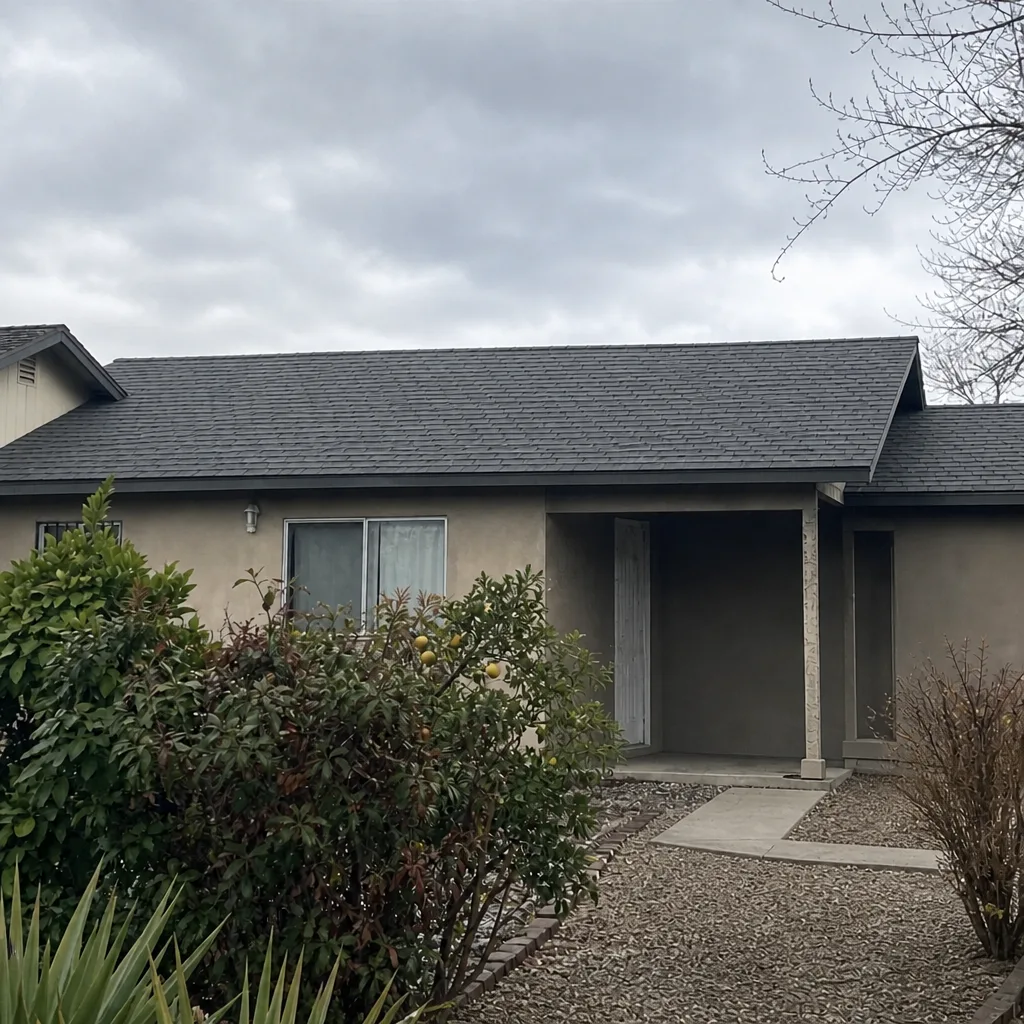 After
DIY or Call Us?
There are a few things an owner can safely check before calling. You can walk the perimeter of the house on the ground and look for rust streaks or staining below the roof-to-wall line. You can look in the attic with a flashlight for water stains or daylight at wall and chimney penetrations. You can photograph what you see from a safe standing position and send it to us. That’s it.
What we don’t want you doing is climbing onto your own roof to handle this job. Flashing replacement involves peeling back the field material, which means the roof is now open to the sky while you’re working on it. On a two-story home or a steep pitch, one wrong step is a serious fall. And a flashing job that’s done wrong but looks right won’t reveal itself until the next storm, at which point the water has already done its damage. This is genuinely one of those parts where the trained professional is the better and safer call.
Call (855) 908-1590 and we’ll send a background-checked, uniformed technician out to give you a free estimate with photo documentation. Our phones are answered by a live person 24 hours a day, seven days a week.
FAQs
With a properly installed metal flashing and regular roof maintenance, you can expect 15 to 25 years of service life in Spring Valley’s climate. The variable is our UV and monsoon cycle. Aluminum flashing can fail earlier here than in cooler climates because of repeated thermal cycling and the intensity of our sun. Steel flashing with a proper coating typically outlasts uncoated aluminum.
Sometimes, yes. If the flashing is intact and only the sealant beneath has failed, a sealant re-application can buy you time. But once the metal has rusted through, bent out of profile, or cracked, replacement is the honest answer. Patching thin gauge flashing in our climate usually fails within a year or two. Call us and we’ll tell you straight which it is.
Most single-run replacements are completed in one visit, typically three to five hours depending on access, pitch, and how much field material has to be peeled back. Chimney chases and valleys take longer. We’ll give you a time window when we schedule, and the technician will call if anything changes. Call (855) 908-1590 to schedule your free estimate.
We install products from seven manufacturer lines, including GAF, Owens Corning, and CertainTeed alongside Boral. For Boral products, we source through authorized distributors and match the profile, gauge, and alloy to your existing roof system. We don’t substitute a cheaper gauge without telling you, and we don’t carry parts on a truck. What we do is come out, measure, and order the right part for your roof.
Get an Honest Estimate for Boral Flashing in Spring Valley
If your Boral roof has a flashing problem, call Ridgeline Roofing Co. at (855) 908-1590 today. We’ll send a technician to inspect the flashing, document the failure with photos, and give you a written line-item estimate with a price you can trust. We’ve been standing behind local roofs since 1984, and every job carries our 90-Day Done Right Promise. A square deal, done right, and if it’s not right, we make it right. Call (855) 908-1590 for your free estimate.
Written by the team at Ridgeline Roofing Co. Spring Valley, serving Spring Valley and nearby areas.