
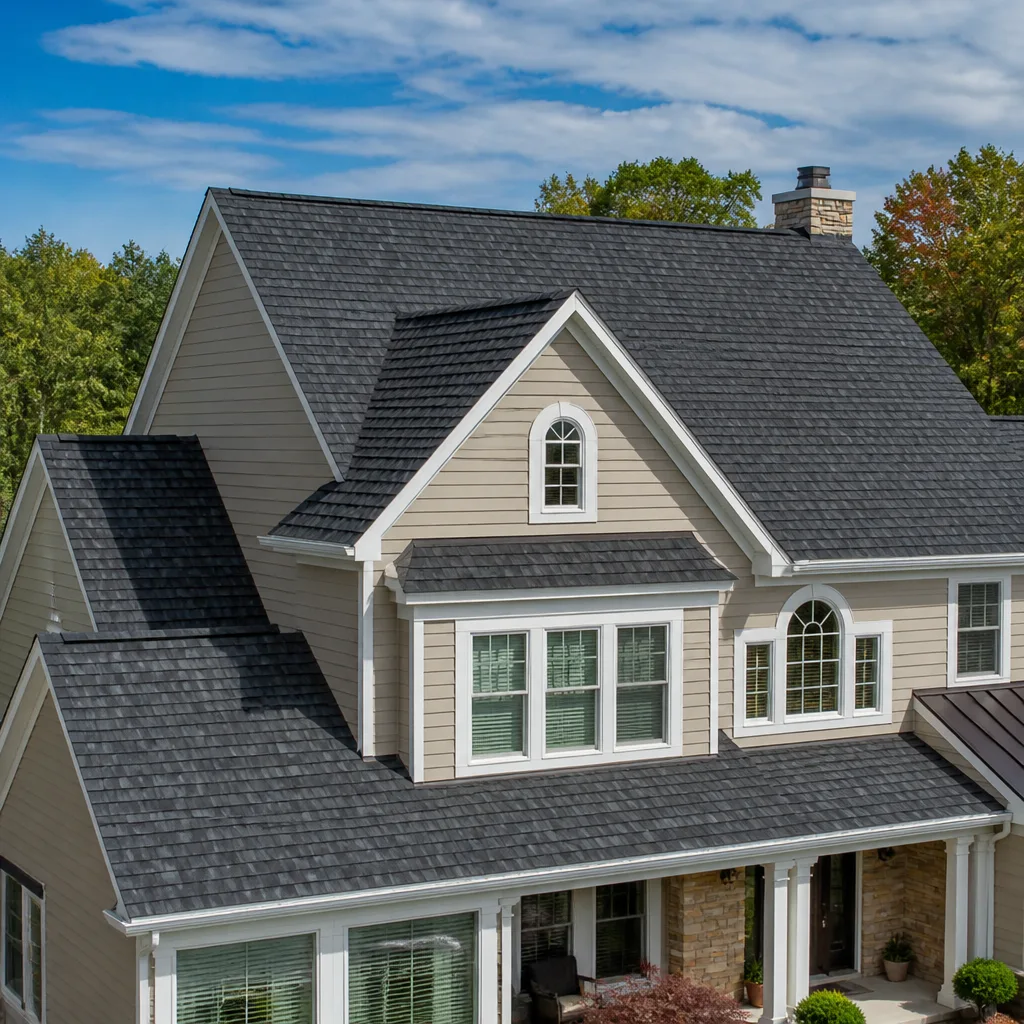
 Architectural shingles
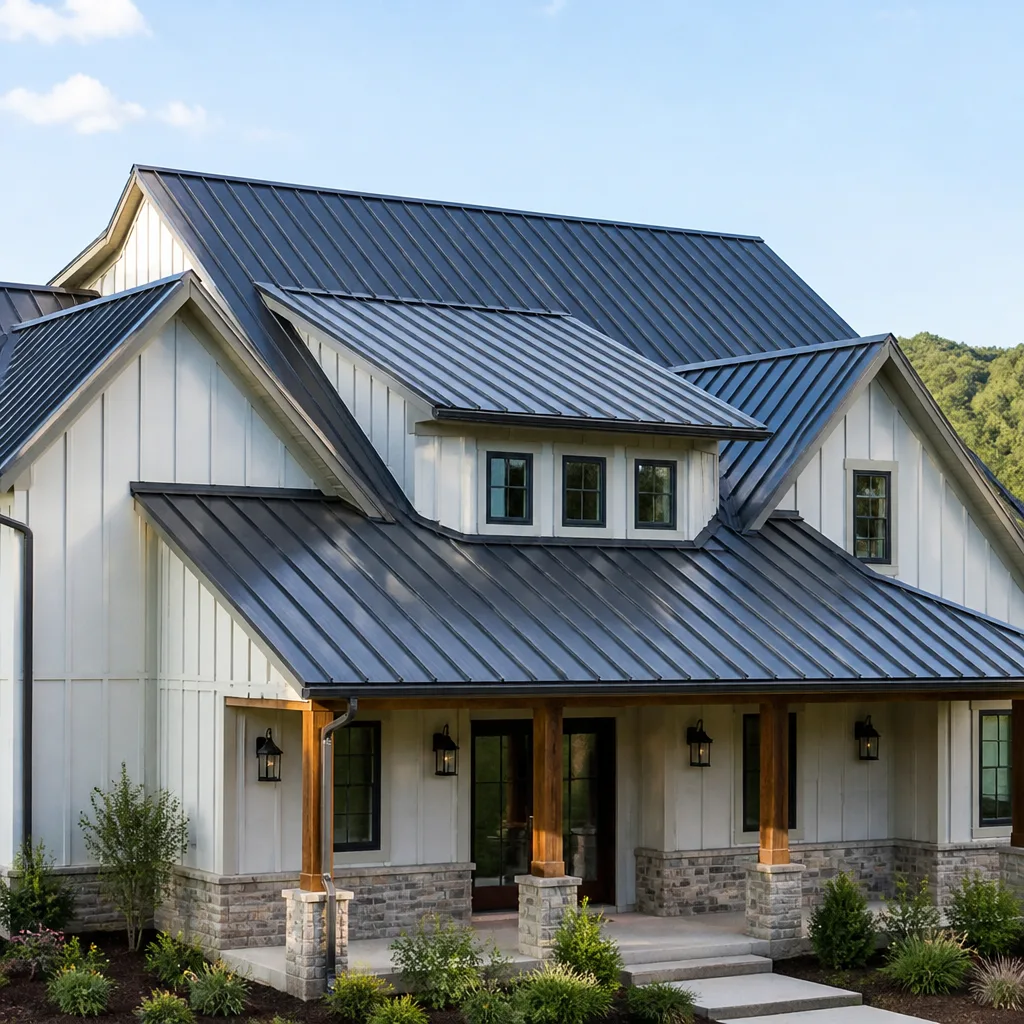 Metal roofing
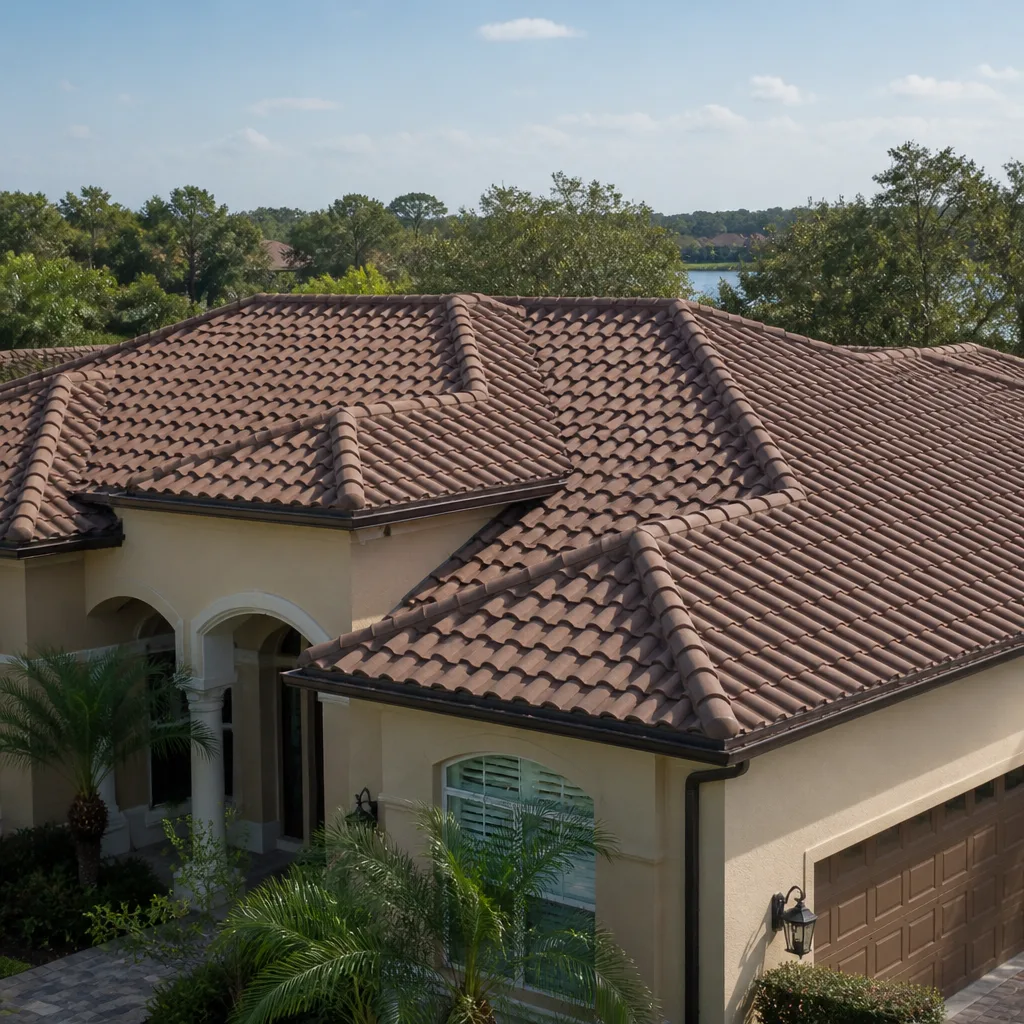 Tile roofing
 GAF
 Owens Corning
 Flat & low-slope
Free roof inspection with deck photos before we talk money - GAF and Owens Corning certified installation
Boral Underlayment & Deck Repair: The Spring Valley Owner’s Guide
Boral-compatible underlayment and deck repair in Spring Valley typically runs $650 to $2,400 installed, depending on how much sheathing has to come out and whether the repair is a spot fix or a full slope. If your underlayment has failed, we can often get out to look at it within a day or two and give you a written, line-item price before any work starts.
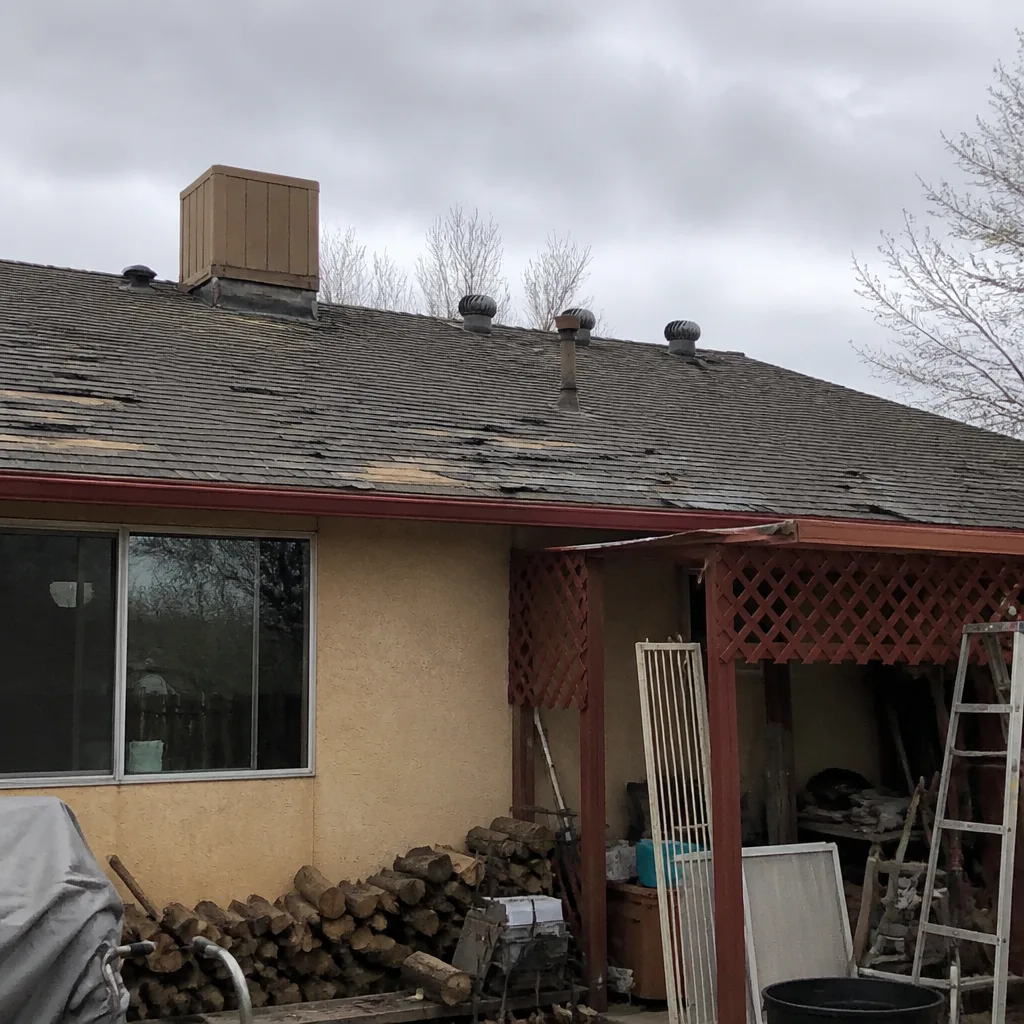
Most owners don’t find this problem by looking. They find it when a ceiling stain shows up after a summer monsoon, when the roofer up the street points at a wrinkled membrane during a tune-up, or when they’re up on the roof themselves and notice the underlayment has gone brittle and cracked along the ridge. Others notice a soft spot underfoot near the eaves, or that the deck boards have started to cup where the Boral panels meet. In Spring Valley, the discovery usually happens in late August or early September – after months of 100-plus-degree heat have cooked the membrane and a single storm finds the weak point.
Which Boral Models This Applies To
Boral’s roofing line covers a range of profiles, and the underlayment and deck repair work that supports them varies by profile and by what’s underneath. The underlayment under a Boral tile roof is not the same product as the underlayment under a Boral metal panel or a Boral composition shingle. For tile and stone-coated metal, Boral typically calls for a high-temperature self-adhered or mechanically fastened underlayment rated for the heat. For composition profiles, a standard synthetic underlayment or felt may be appropriate depending on the slope and exposure.
The first thing to do is identify what you actually have. Pull a shingle or lift a tile on an inconspicuous corner and look at the label on the underside of the underlayment roll, if it’s visible, or the stamp on the Boral panel. If the label is gone, the profile shape, the panel dimensions, and the color code on the panel itself will usually tell a trained eye which Boral line you’re dealing with.
On the OEM-versus-aftermarket decision, here’s the honest picture. OEM Boral underlayment and decking accessories are the safest match because you know they’ve been tested with that profile. Quality aftermarket equivalents from manufacturers with a compatible heat rating and thickness will perform the same in most cases, and they often cost 10 to 25 percent less. But “compatible” is doing a lot of work in that sentence – a membrane rated to 200 degrees is not the same as one rated to 250 degrees, and under a Boral tile roof in Spring Valley, you want the higher rating. We’re an independent service provider, not affiliated with Boral, so we’ll spec what’s right for your roof rather than what’s on a brand shelf.
Styles & brands we work with
- Architectural shingles
- Metal roofing
- Tile roofing
- GAF
- Owens Corning
- Flat & low-slope
Signs Your Boral Underlayment & Deck Repair Is Failing
Underlayment failure and deck failure look different, but they tend to show up together because one protects the other. Here’s what we see on Spring Valley roofs:
- Wrinkled or cracked underlayment visible at the eaves or ridge. In Spring Valley, the sun bakes the exposed edge of the membrane for years. Once it goes brittle, it cracks at the folds and stops shedding water. That crack is where the leak starts.
- Soft spots or springiness underfoot on the deck. A deck board that flexes when you walk on it has usually taken on moisture from a failed underlayment above. Wood that’s been wet and then dried through 20 summer cycles loses its structure, and no amount of patching the underlayment will fix a soft deck.
- Staining on the underside of the sheathing in the attic. This is the honest tell – water that got past the underlayment and is tracking along the deck boards. If you see brown streaks or dark rings on the plywood from inside the attic, the underlayment failed a while ago and the deck is now in the path.
- Cupping, curling, or delamination at the panel seams. When the deck boards swell and shrink unevenly, they push up at the seams. That telegraphing shows through the Boral panels above and is a sign the deck has taken on moisture and needs to come out.
- Granule loss or blistering on the Boral surface directly over a known low point. This is a secondary sign, but a consistent one: when the underlayment underneath a low spot fails, the panel above it works harder and shows wear first. If one area of your Boral roof is aging faster than the rest, look underneath it.
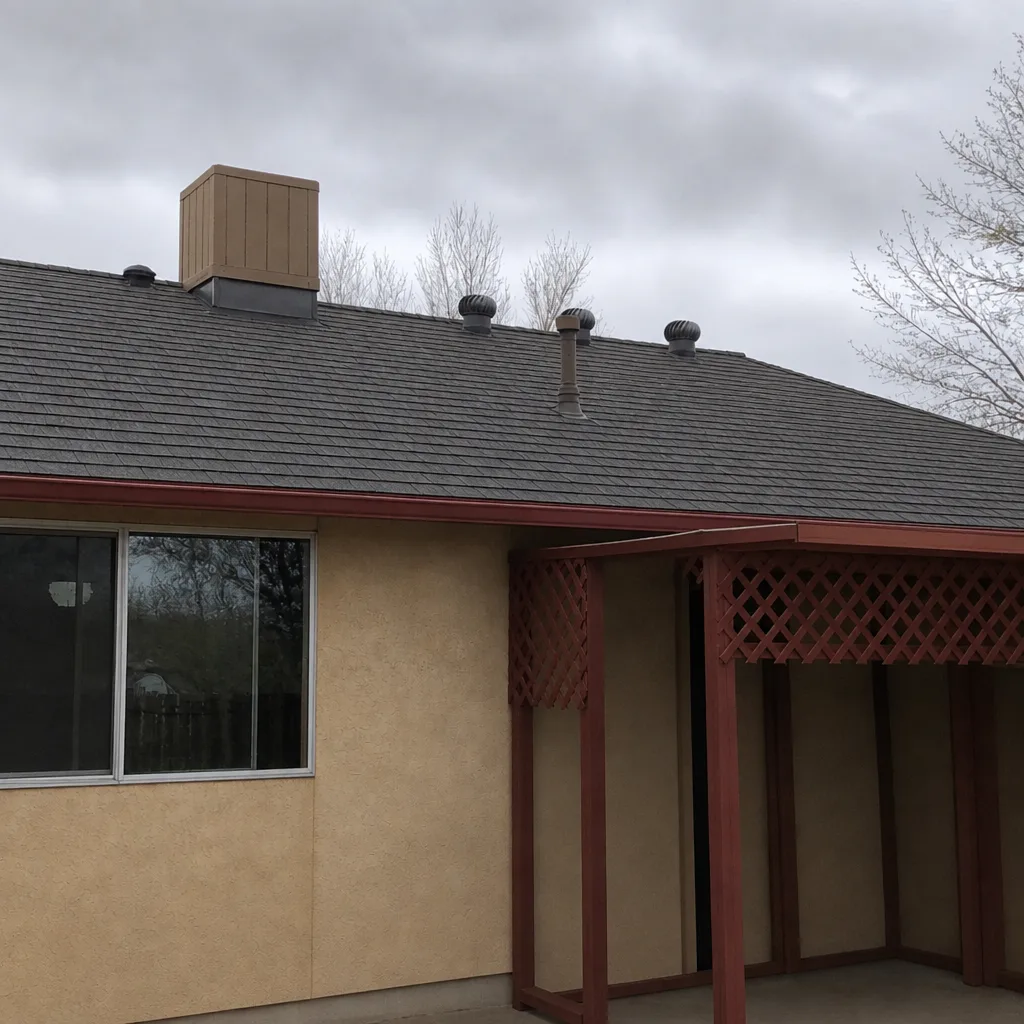
See the difference
 Before
 After
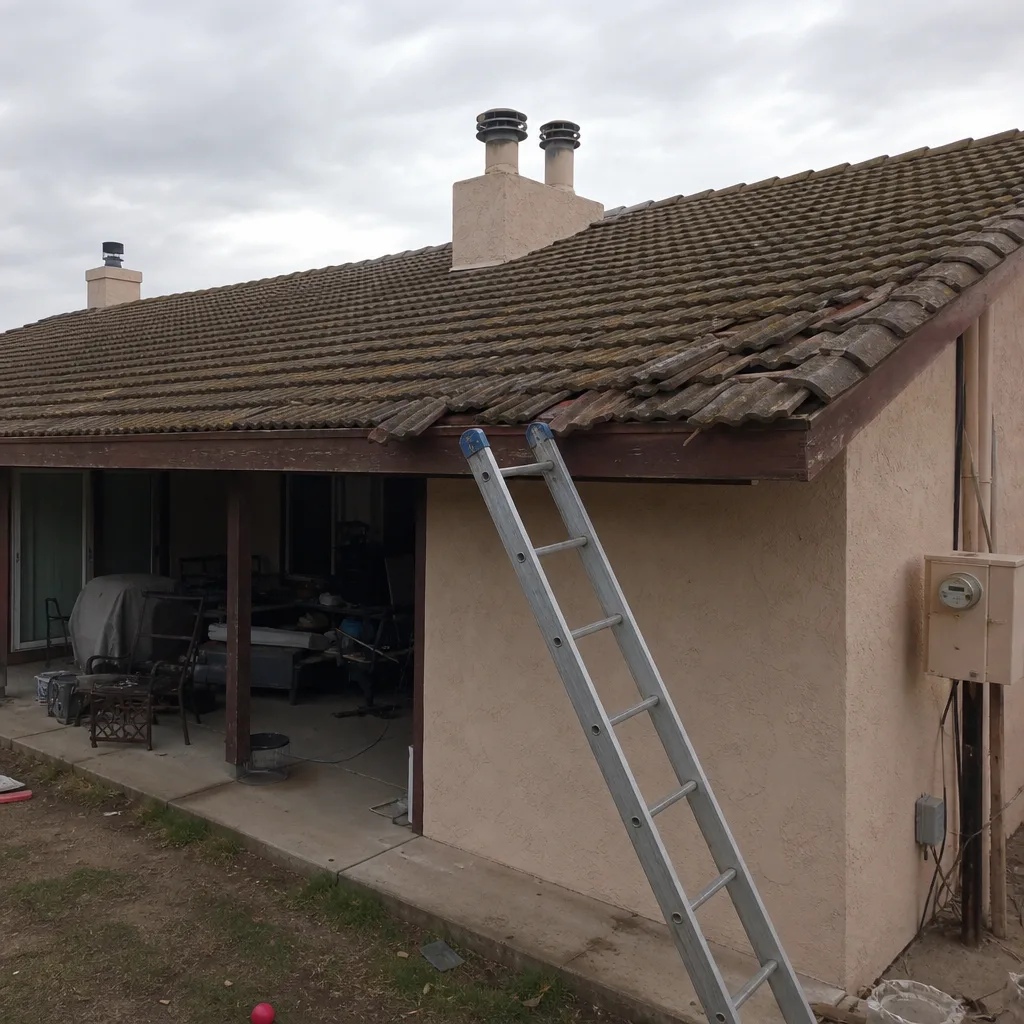 Before
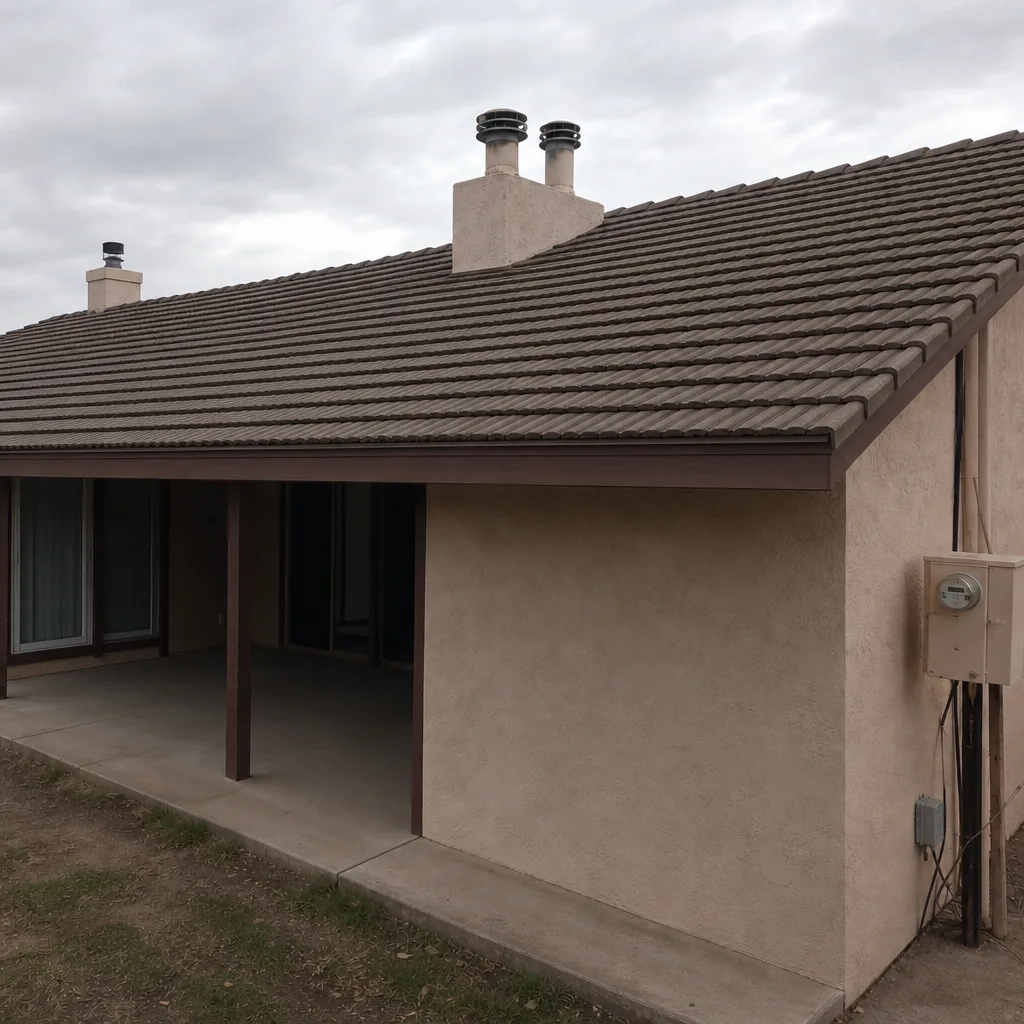 After
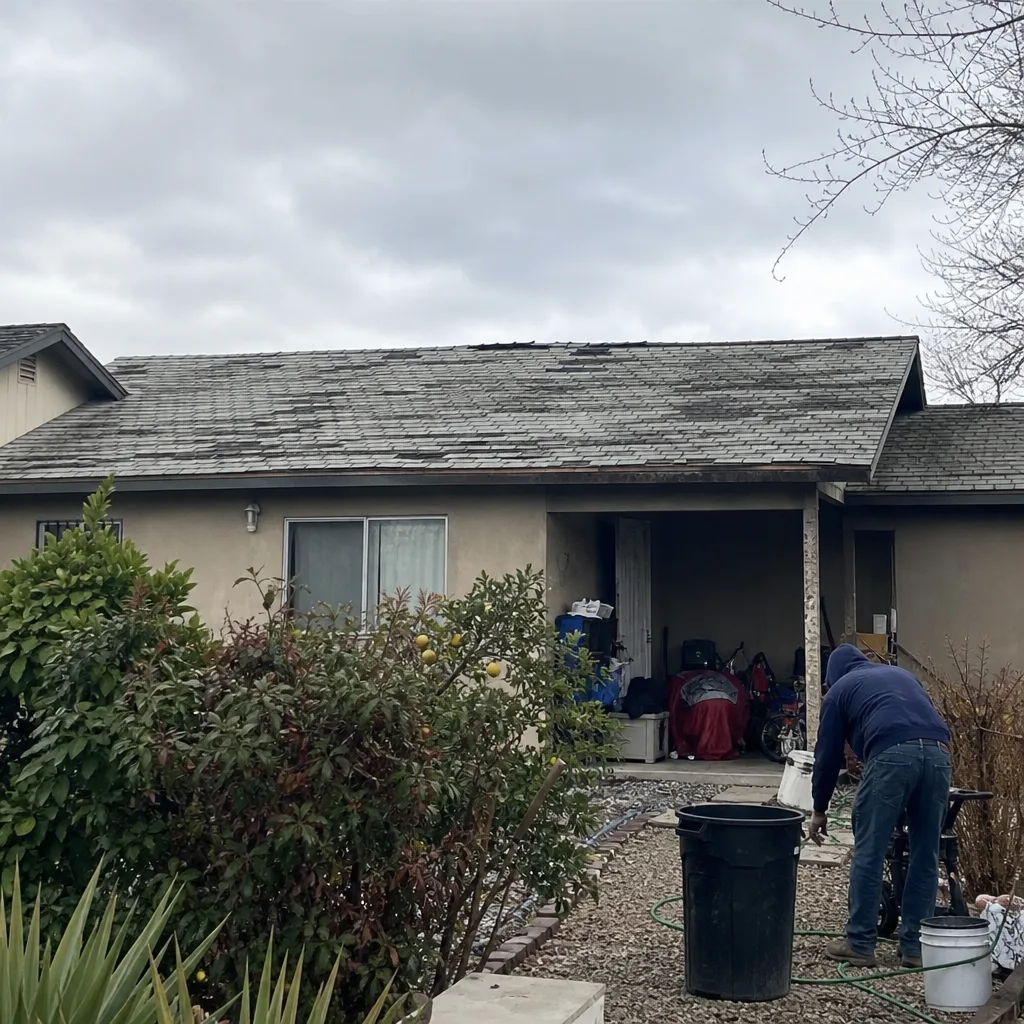 Before
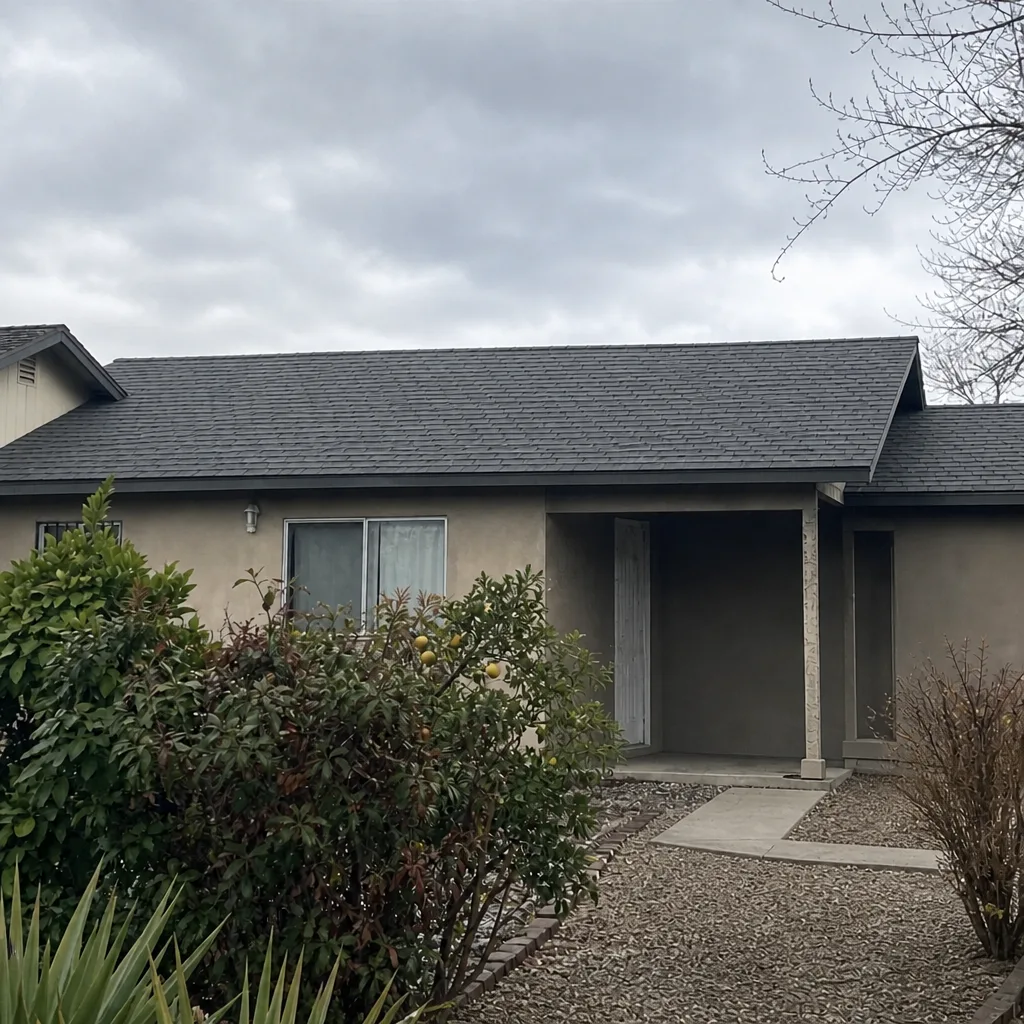 After
Replacement Cost & What’s Included
Here’s the honest price picture for Spring Valley, and it’s line-item so you can see where the money goes:
| Item | Installed range |
|---|---|
| Spot underlayment repair (one slope, no deck damage) | $650 – $1,100 |
| Full-slope underlayment replacement, no deck work | $1,100 – $1,800 |
| Localized deck repair, 1 to 3 sheets of sheathing | $400 – $900 |
| Full underlayment + deck repair, one roof plane | $1,600 – $2,400 |
What drives the range: how much Boral material has to come off and be reinstalled, how many deck boards are soft, whether the repair is on a low-slope section that needs a different membrane, and whether the deck has to be re-nailed to current code. The number on the estimate is the number on the invoice – no change orders after the fact. Every job is backed by our written 90-Day Done Right Promise. If it’s not right, we come back and make it right, no arguing and no paperwork runaround.
DIY or Call Us?
There’s a safe middle ground here, and we want to be straight with you about where it ends. You can absolutely go up on a ladder and look. Check the underlayment at the eaves and ridge for cracks, feel the deck boards near the edge for softness, and look in the attic for stains on the underside of the sheathing. Take photos. That’s the kind of check any careful homeowner can do safely.
Where DIY goes wrong is at the point of removal. Getting Boral panels off without cracking them, getting the old underlayment up without tearing the deck, and getting a new membrane laid flat and sealed correctly in Spring Valley heat – that’s skilled work, and a mistake there means water gets in and you’re back to a ceiling stain within a season. Roof work also means working at height, on a hot surface, and a slip there is a serious injury. If your check turns up any of the signs above, call us at (855) 908-1590 for a free estimate. We’ll come out, get up on the roof, document what we see with photos, and give you a straight price.
FAQs
Under normal conditions, a quality high-temperature underlayment under a Boral roof will last 20 to 30 years. In Spring Valley’s climate – months of 100-plus-degree days and intense UV – expect the lower end of that range on a west- or south-facing slope. If your roof is more than 18 years old and you’re seeing any of the signs above, it’s worth a look.
Often, yes. If the deck is sound and the failure is isolated to one slope or one section, a spot repair is the right call and costs far less than a full replacement. If the deck has gone soft over a wide area, replacement is the better value. We’ll tell you which one your roof actually needs, and we’ll put the price in writing. Call (855) 908-1590 for a free estimate.
A spot underlayment repair is usually a single day. A full-slope job with deck repair typically runs one to two days, weather permitting. We schedule the day, we show up when we say we will, and we don’t leave until it’s done. Most jobs are completed in a single visit.
We match the underlayment and decking material to your specific Boral profile – the one on your roof, not a generic substitute – and source from authorized suppliers. We’re an authorized installer of Boral products along with GAF, CertainTeed, and Owens Corning, so the material is the proper spec for your roof. That’s part of the square deal: the right part, the right price, and the number on the estimate is the number on the invoice.
If your Boral roof is showing the signs we’ve talked about – a ceiling stain, a soft spot, wrinkled underlayment at the edge – call Ridgeline Roofing Co. Spring Valley at (855) 908-1590 for a free estimate. A live person answers every call, 24 hours a day. We’ll get up on the roof, document what we find with photos, and give you a written, line-item price with no surprises. Done right – and if it’s not, we make it right.
Written by the team at Ridgeline Roofing Co. Spring Valley, serving Spring Valley and nearby areas.