
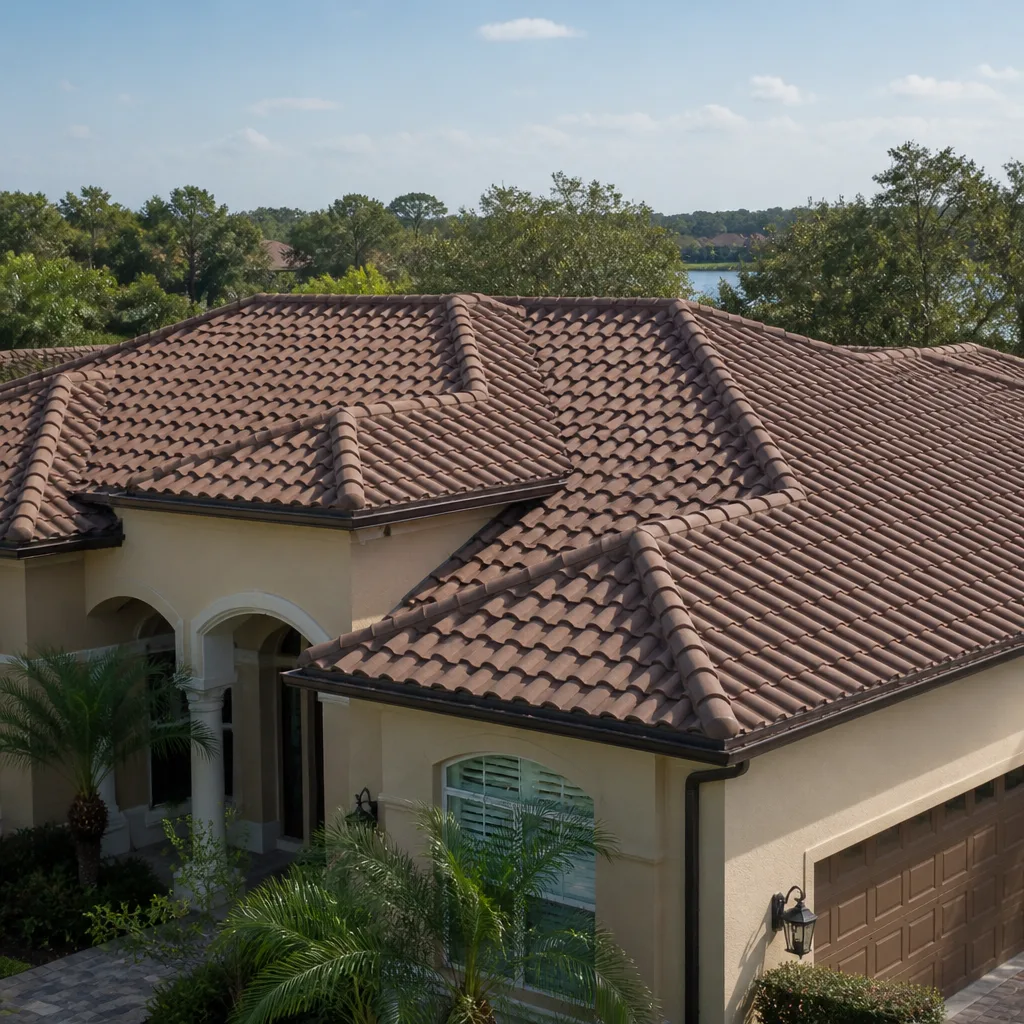
 Tile roofing
 Architectural shingles
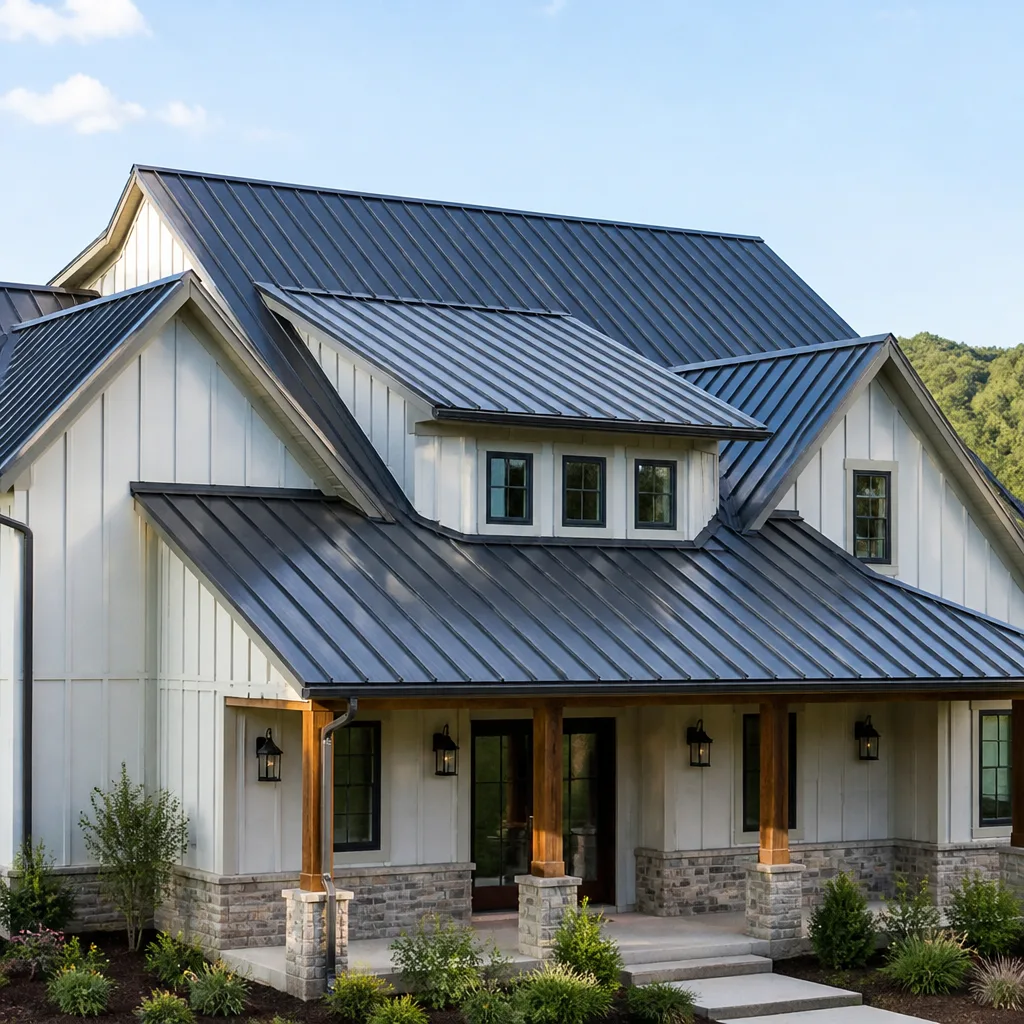 Metal roofing
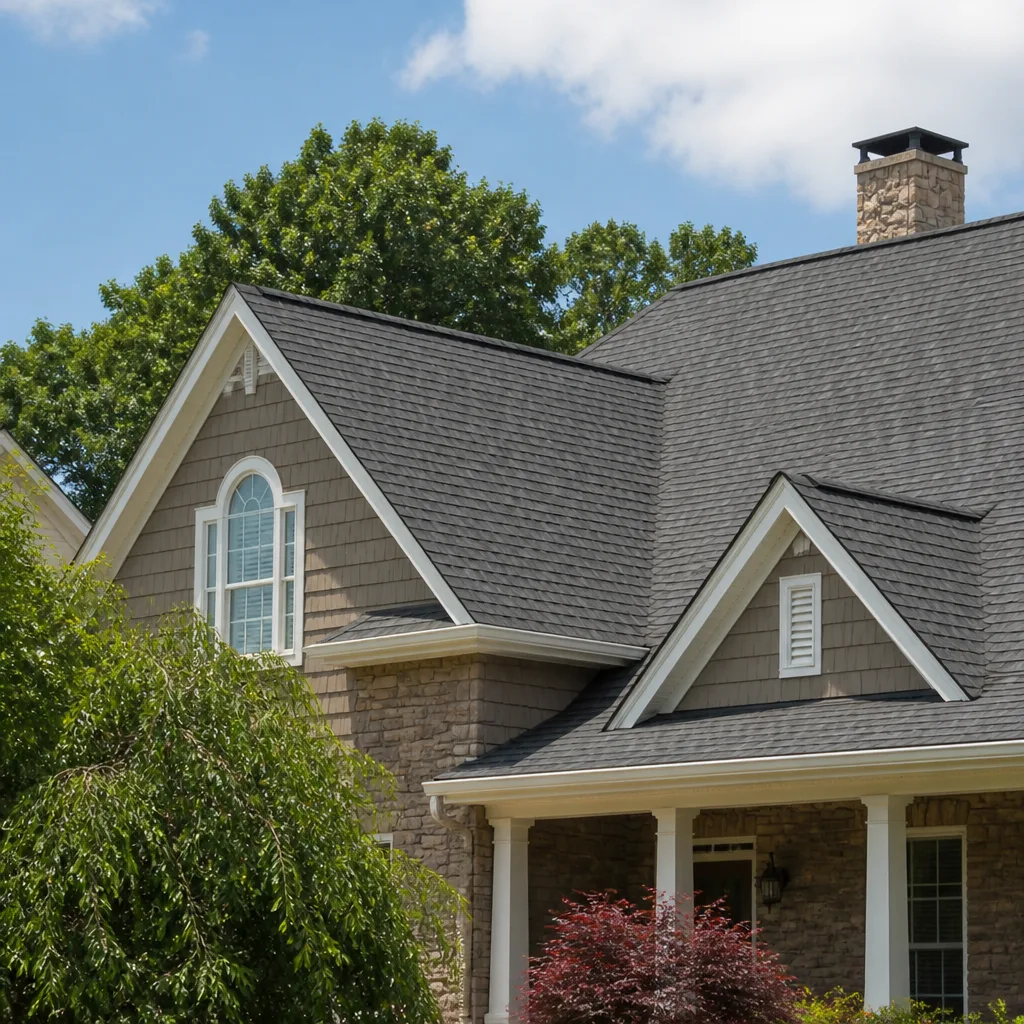 GAF
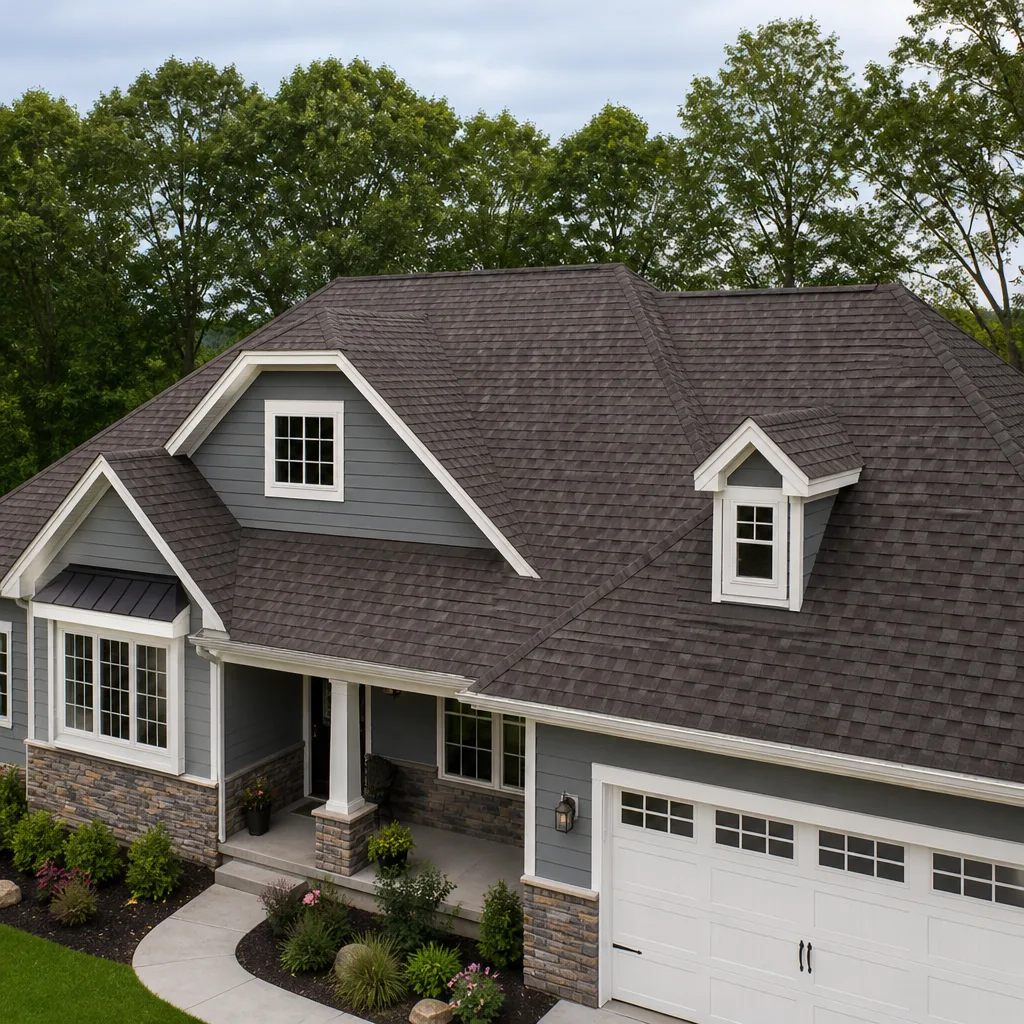 Owens Corning
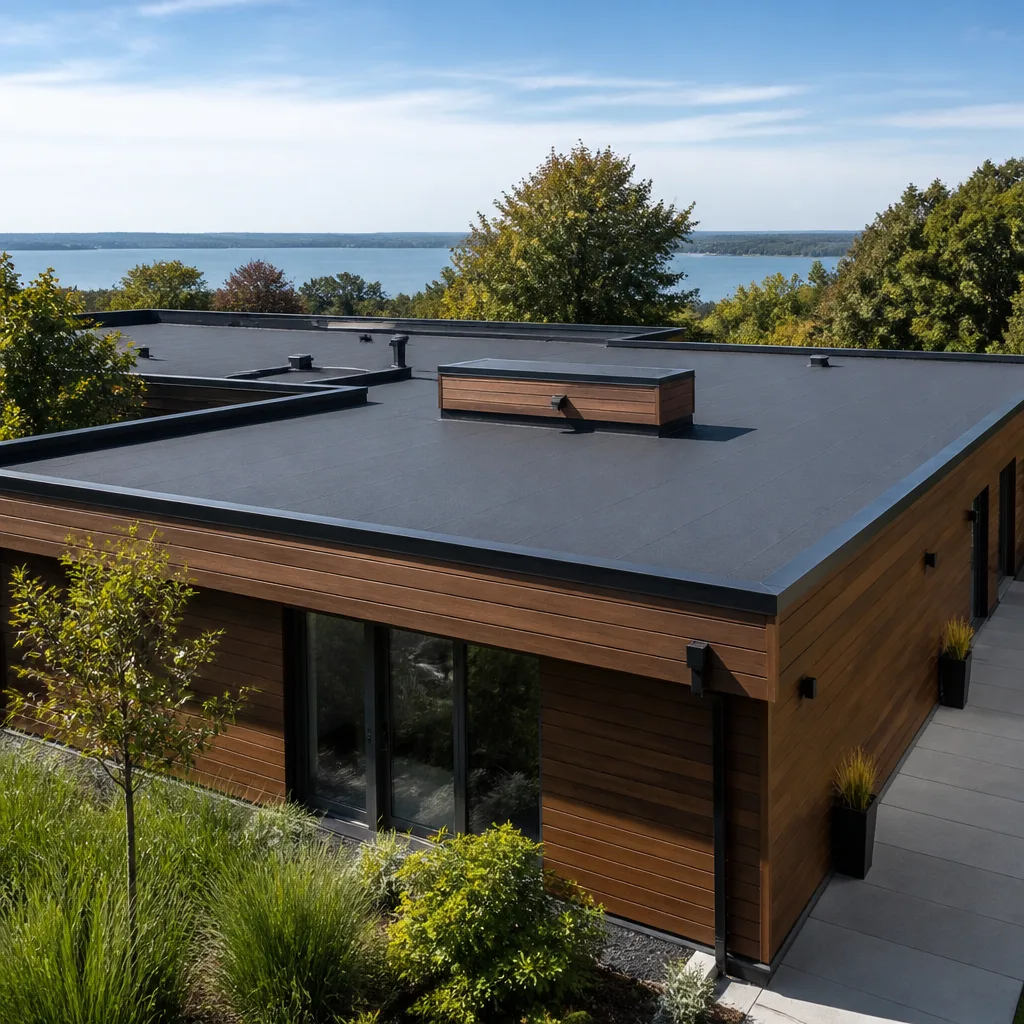 Flat & low-slope
Free roof inspection with deck photos before we talk money - GAF and Owens Corning certified installation
Styles & brands we work with
- Architectural shingles
- Metal roofing
- Tile roofing
- GAF
- Owens Corning
- Flat & low-slope
See the difference
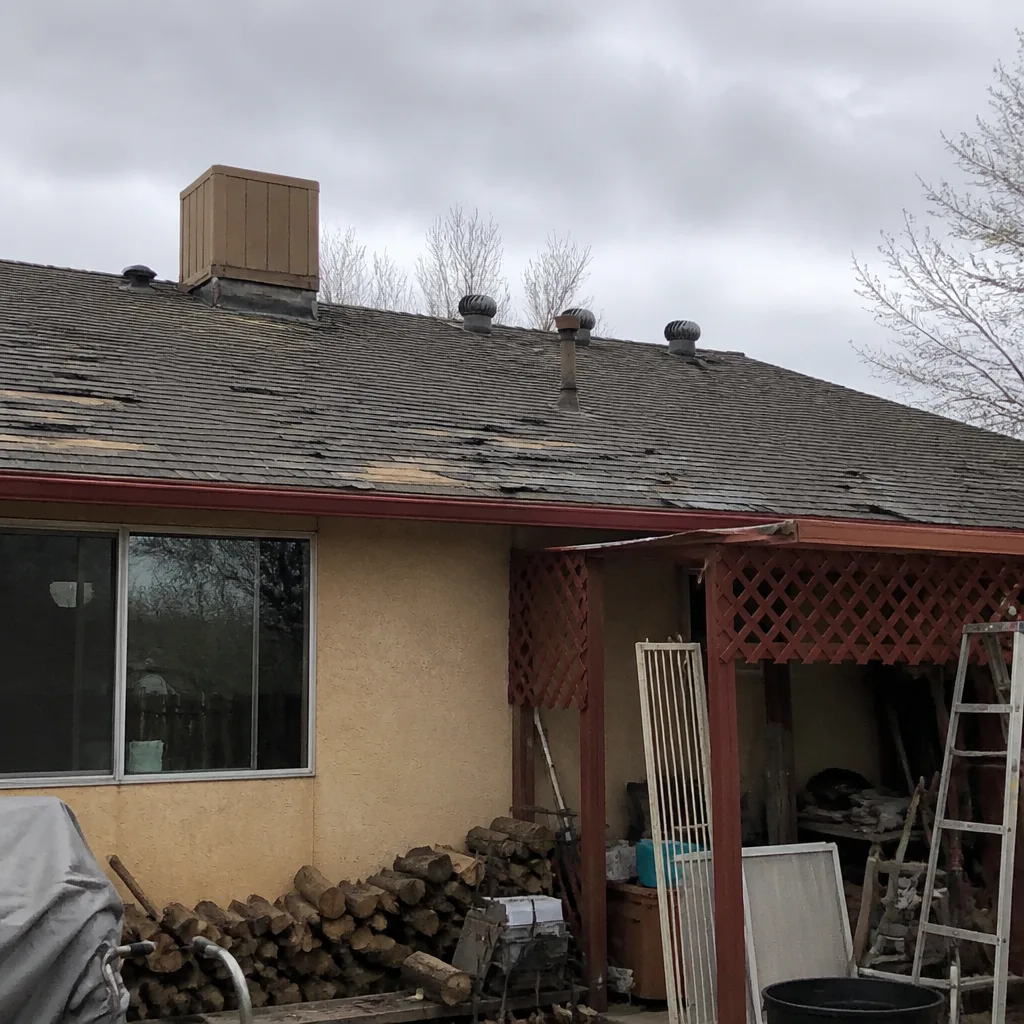 Before
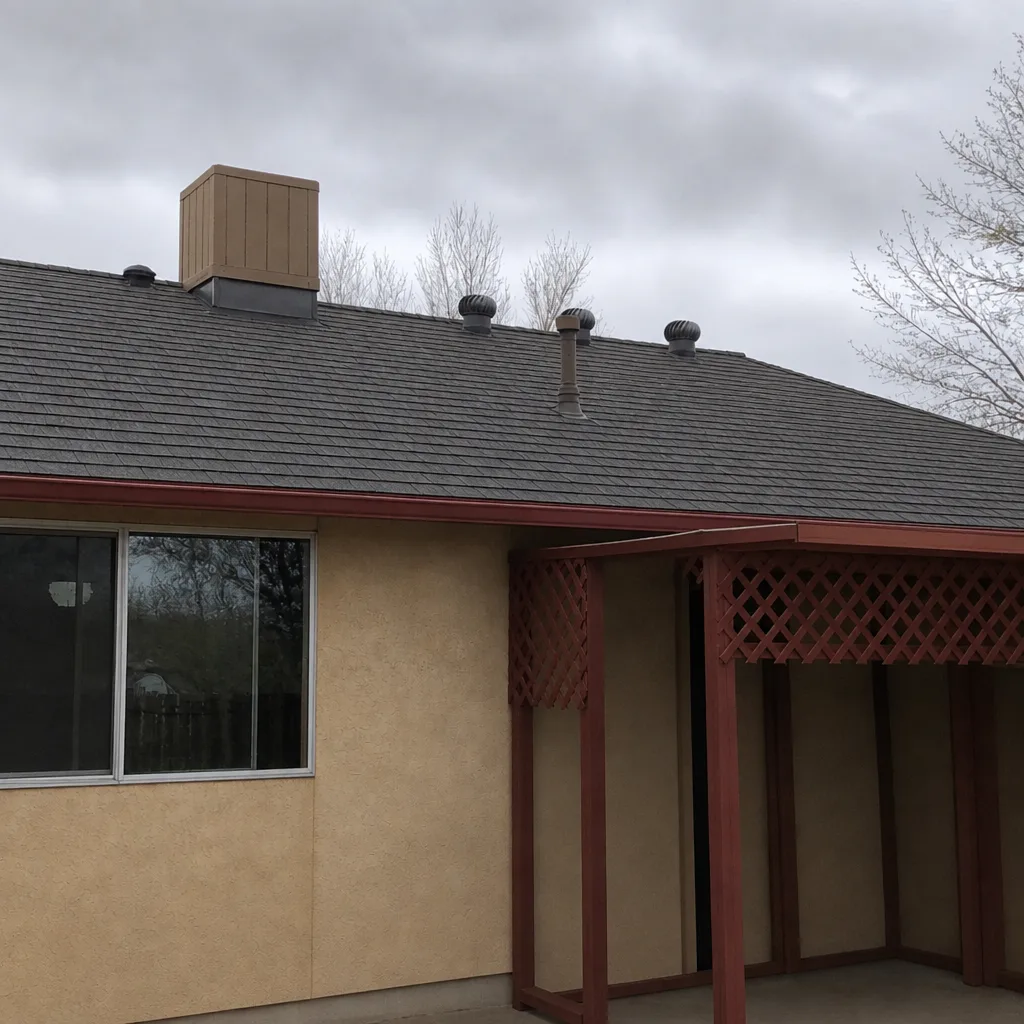 After
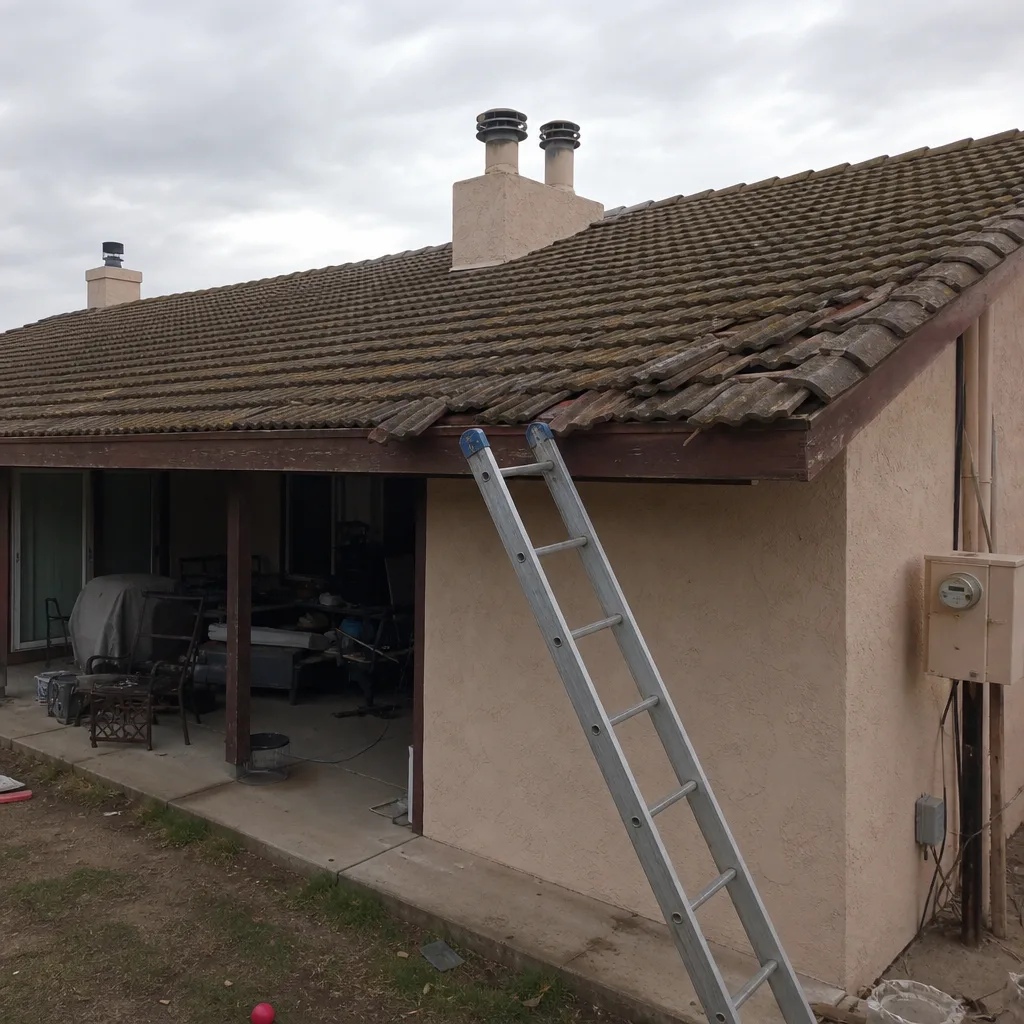 Before
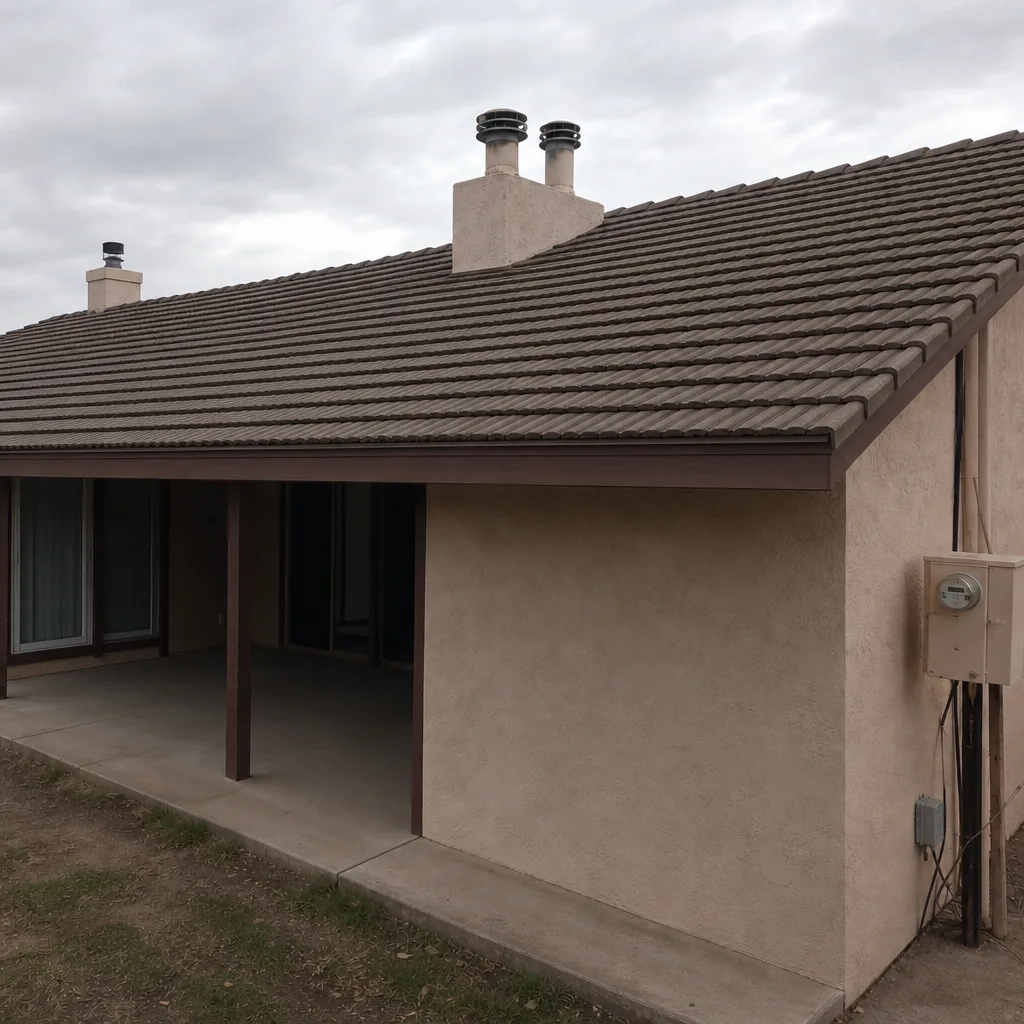 After
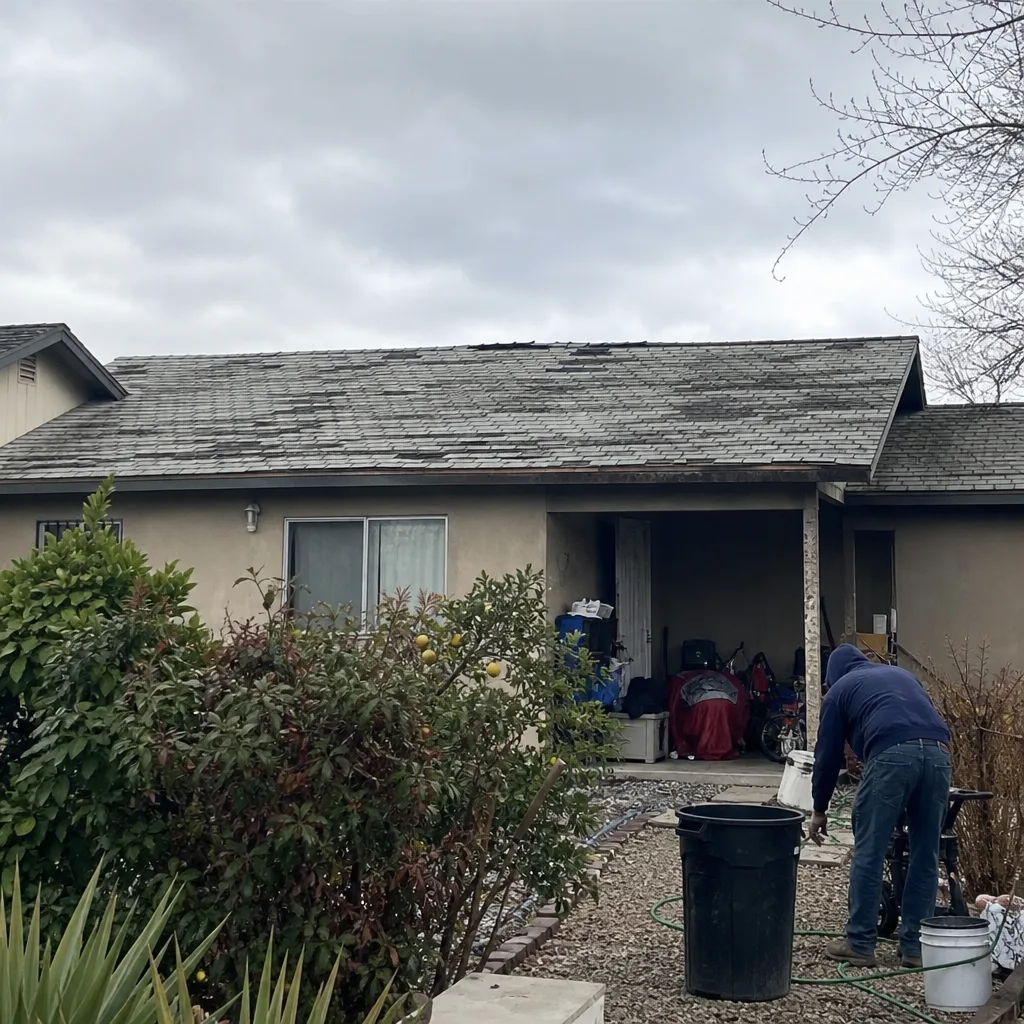 Before
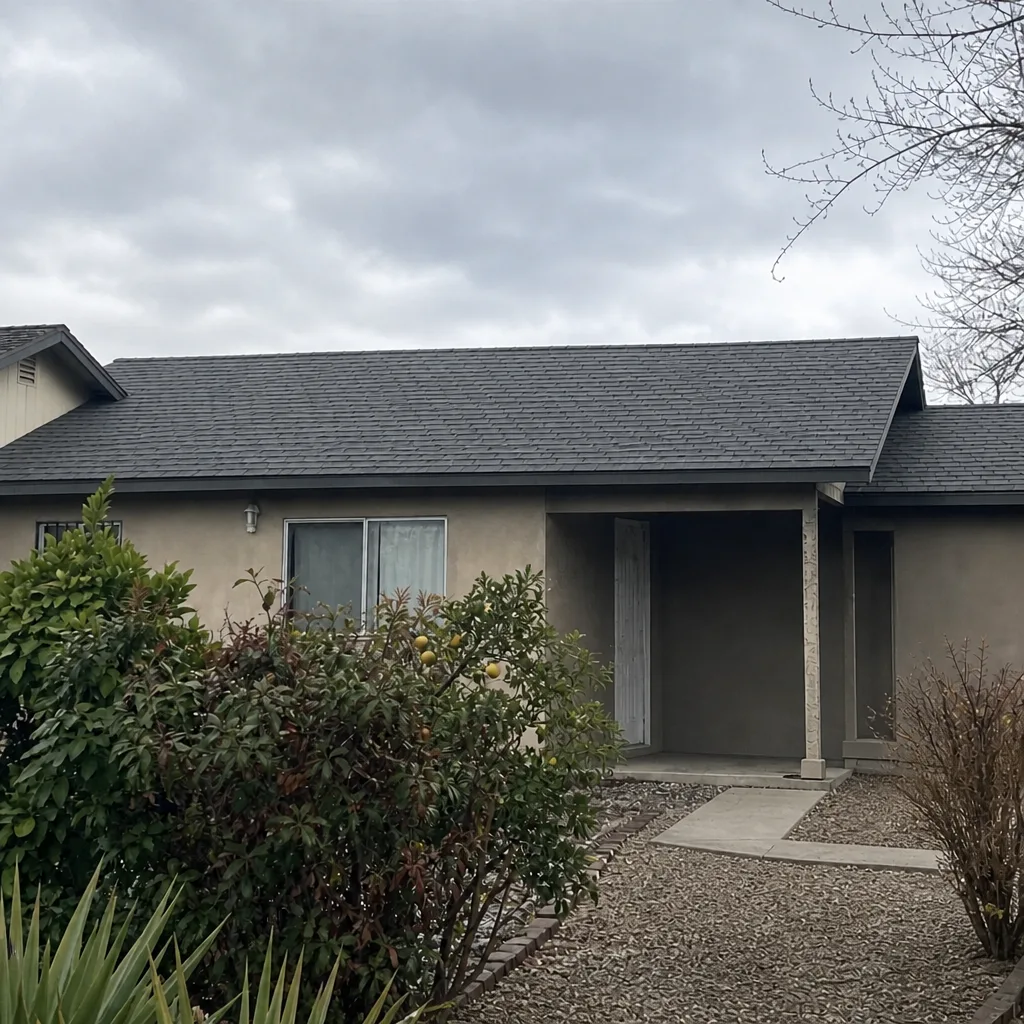 After
Clay vs Concrete Roof Tiles in Spring Valley, NV: Which Should You Choose?
Choose clay tile if your Spring Valley HOA architectural review committee (ARC) approves the specific clay profile and color you want, or if you’re in a non-HOA pocket and value color that holds for decades. Choose concrete tile if your community’s approved list names a concrete product, or if you want the lower-cost option that performs nearly as well in the desert. Before ordering either, pull your HOA’s approved materials list: many Spring Valley ARC lists name the manufacturer, profile, and sometimes finish, and installing the wrong tile can force a tear-off at your expense. Call (855) 908-1590 and we’ll help you read that list before you spend a dime.
Here’s the part most comparisons skip. A homeowner on the west side who picks concrete to save a few thousand dollars over clay without checking the ARC’s approved materials list may end up writing a check for a second tear-off and a second install. That’s not scare talk. It happens in HOA-governed subdivisions here more than people expect.
Why Spring Valley’s HOAs Change the Whole Decision
Spring Valley is unincorporated Clark County, built out almost entirely between the 1980s and the 2000s. That means the roofing decisions here aren’t historic restorations. They’re first-generation replacements on tract homes now 20 to 35 years old. And because so many of these subdivisions are governed by HOAs, the architectural review committee sits between you and your roofer before a single bundle of tile comes off the delivery truck.
Communities around The Lakes and the Rhodes Ranch-area streets keep approved material and profile lists that distinguish clay from concrete by manufacturer, profile name, and sometimes the finish. A “barrel tile” isn’t interchangeable between suppliers on many of those lists. Switching from clay to concrete on an identical-looking profile still needs written ARC approval before installation begins. A contractor who works only inside Las Vegas city limits rarely has to navigate this. We do it every week.
Three things trip people up on those lists:
- Manufacturer and profile by name. The ARC may approve a Boral concrete flat tile but not a visually similar profile from another line, even though they look close from the curb.
- Color and finish. A faded original roof isn’t automatically an approved replacement color. The list rules, not the sun-bleached version of your old tile.
- Weight and structure. Many 1990s rafter systems were engineered for the tile type originally installed. Swapping a lightweight concrete flat tile for a heavier S-tile profile, or the reverse, usually needs a structural engineer’s confirmation before the ARC will sign off.
Does the Desert Climate Favor Clay Over Concrete?
Less than the national articles suggest. Most clay-vs-concrete writeups come from humid, freeze-thaw climates where clay’s water resistance and freeze tolerance clearly win. Spring Valley is extreme desert: summer surface temps on tile run past 150°F, UV is intense, and rain is scarce. Clay’s edge in freeze-thaw resistance matters here only during the mild overnight cold snaps of winter. Concrete’s slightly higher water absorption is far less consequential in a low-rainfall environment.
So the climate argument for paying the clay premium is weaker in Spring Valley than it would be in Phoenix or Tucson. That doesn’t make concrete “better.” It just means the honest reason to choose clay here is color and heritage, not weather.
Color Fade Is the Real Long-Game Difference
Concrete tile fades noticeably in Spring Valley’s high UV within 15 to 20 years, shifting toward a chalky, washed-out version of the original color. In an HOA neighborhood, that fade isn’t just cosmetic. The ARC can cite color non-conformance and require action. Clay tile holds its color far more reliably because the color is fired through the material, not surface-applied.
That’s the strongest practical argument for clay in Spring Valley: an HOA that expects your roof to keep matching the subdivision palette. If your ARC is strict about color, clay earns its premium over a 30-year window.
Clay vs Concrete Tile in Spring Valley: Side by Side
| Factor | Clay Tile | Concrete Tile |
|---|---|---|
| Color hold in desert UV | Fired through the tile, holds for decades | Fades toward chalky in 15-20 years |
| Upfront cost premium over concrete | Roughly $2,000-$4,000 more on a typical tract-home re-roof | Lower entry cost |
| Freeze-thaw advantage | Real, but only relevant in brief winter cold snaps here | Adequate for Spring Valley’s limited freeze cycles |
| Water absorption | Low | Slightly higher, minor in low-rainfall desert |
| Weight | Varies by profile, check structural capacity | Varies by profile, check structural capacity |
| HOA ARC approval | Must match approved clay list | Must match approved concrete list |
Pricing varies by profile, square footage, and ARC requirements, so treat those figures as ballpark. We give a written, no-hassle upfront price where the number on the estimate is the number on the invoice.
What Actually Fails First on These Roofs
Here’s an operator detail worth knowing before you compare tile products at all. The dry-climate killer under a Spring Valley tile roof isn’t the tile. It’s the underlayment. The 20-year felt beneath 1990s tile roofs is well past its life and cracks in the summer heat. Leaks then show up as ceiling stains far from any visibly broken tile, so a homeowner blames the tile when the real failure is underneath.
That matters for your clay-vs-concrete call: if the underlayment is due, you’re doing a full tear-off and re-deck anyway, which is exactly the moment to confirm the ARC-approved material before buying tile. Thermal cycling is what drives this, and we see it in nearly every 1990s subdivision off the 215 in Spring Valley.
On top of that, monsoon microbursts and hail don’t do the tile much harm but they work on flashing and mastic, and the winter cold snaps finish the job. By the time tile visibly fails, the layer under it usually has been gone for years.
How We Approach a Tile Decision Here
Our technicians have up to 10 years of experience on roofs like yours, and every inspection is photo-documented from your actual roof, not described from the driveway. Ridgeline Roofing Co. has been installing both clay and concrete tile in Spring Valley since the communities were built, and we keep working relationships with the ARC process in the area’s major HOA neighborhoods. That means our material recommendation comes with a clear-eyed read of what will actually get approved, not just what performs best in a vacuum.
We’re an authorized installer for seven manufacturer lines including Boral, IKO, and Atlas, so the profile your ARC approves is usually one we can source without substituting. Review the full Tile Roofing in Spring Valley service details to see how a re-roof runs start to finish. And if you’re comparing us, take the free second opinion on any written estimate before you sign. Our home page covers the wider picture of what we do.
Roof repair in Spring Valley often covers a smaller underlayment fix when the tile itself is sound. Homeowners nearby frequently ask us about roof replacement in Spring Valley, tile roofing in Henderson, and roof repair in Henderson. If you’re weighing materials on a neighboring property, see tile roofing in Paradise, tile roofing in Enterprise, and clay vs concrete roof tiles in Paradise. We also help with roof repair in Enterprise, roof replacement in Henderson, roof inspection in Spring Valley, and storm damage repair in Spring Valley.
FAQs
Whichever your HOA’s approved materials list names. That list rules over general performance advice, because installing a profile the ARC hasn’t approved on a full re-roof can force a mandatory tear-off at your expense. Pull the list first, then compare clay and concrete against what’s actually allowed.
Yes. Concrete tile typically fades toward a chalky, washed-out color within 15 to 20 years under Spring Valley’s intense UV, while clay holds color because it’s fired through the material. In a strict HOA, that fade can trigger a color non-conformance notice.
It depends on your HOA and how long you plan to stay. The climate argument for clay is weak in the desert, but the color-hold argument is strong for HOAs that police palette. If your ARC is strict about color and you intend to stay put, clay earns its premium. Call (855) 908-1590 for an exact quote, and estimates are free.
Not without written ARC approval. Even an identical-looking profile from a different material needs sign-off, and a weight change may require a structural engineer’s confirmation first. Skipping that step is how homeowners end up with a second tear-off.
Let’s Read Your List Before You Buy Tile
If you’d rather have it looked at than read your HOA packet alone, Ridgeline Roofing Co. Spring Valley offers a no-pressure assessment in Spring Valley. We’ll photograph your roof, review your ARC-approved materials, and tell you plainly which tile actually fits. Call (855) 908-1590 for a free estimate.
Written by the team at Ridgeline Roofing Co. Spring Valley, serving Spring Valley, NV.