
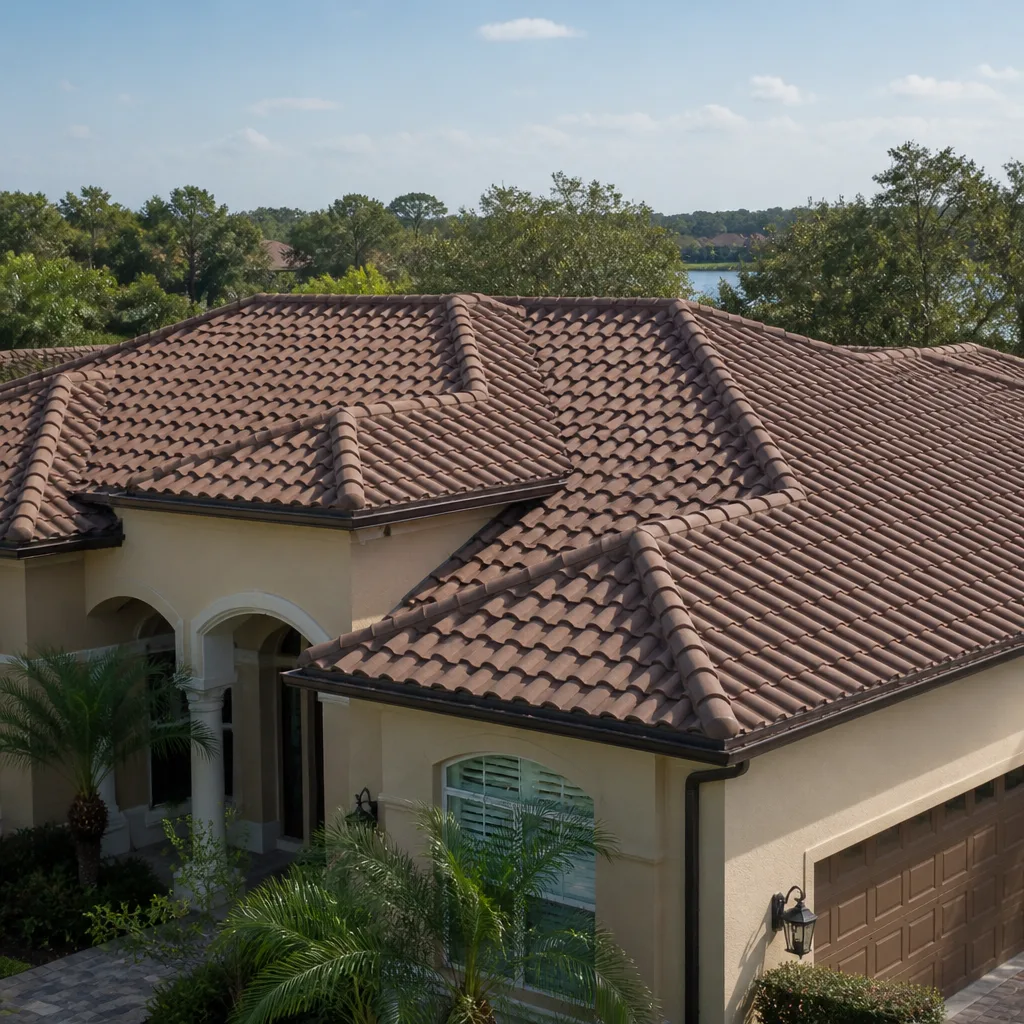
 Tile roofing
 Architectural shingles
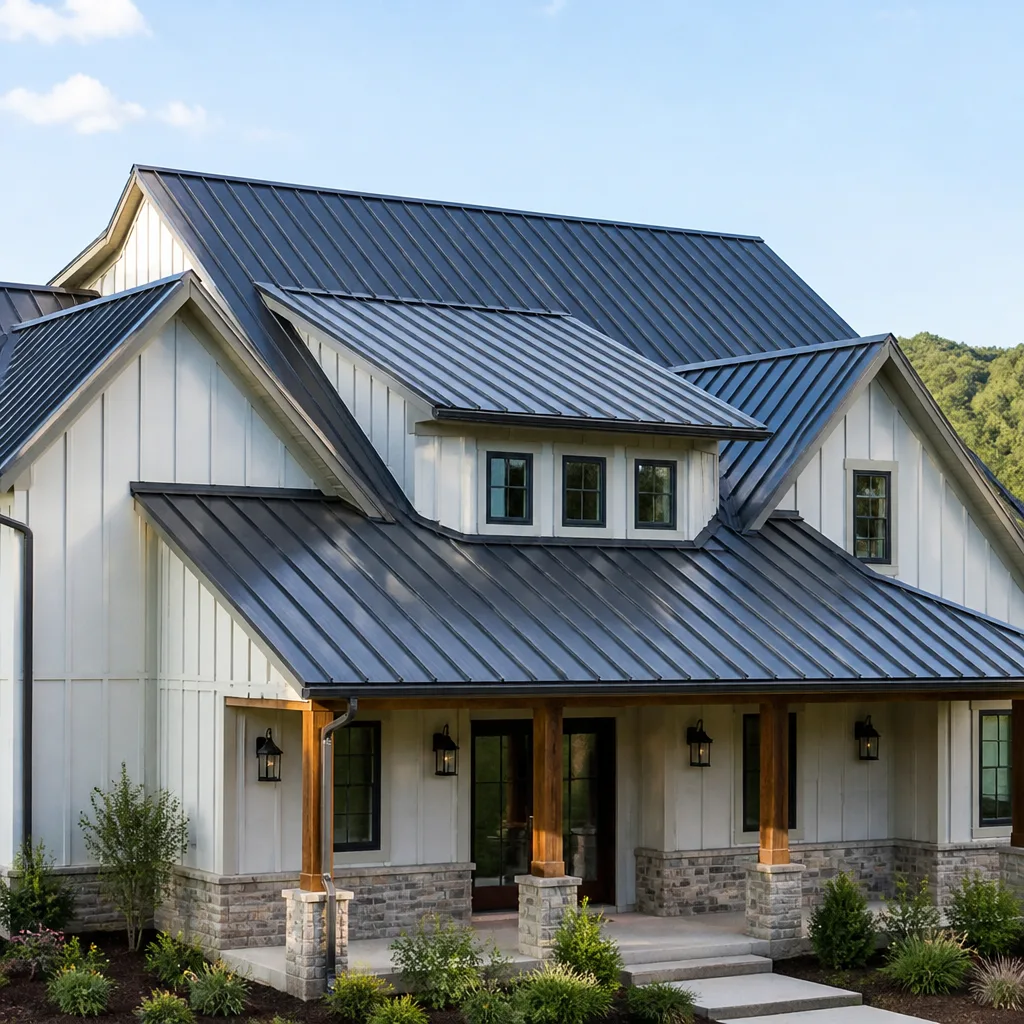 Metal roofing
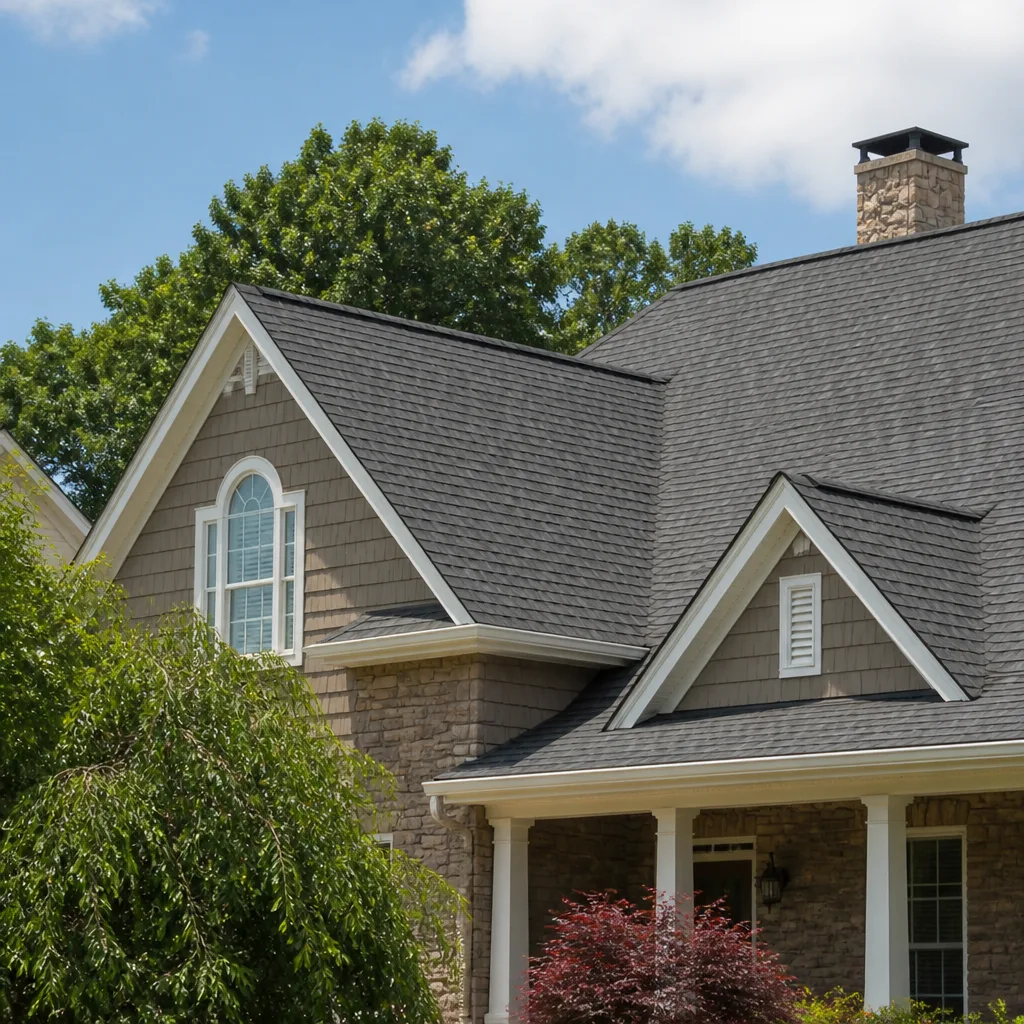 GAF
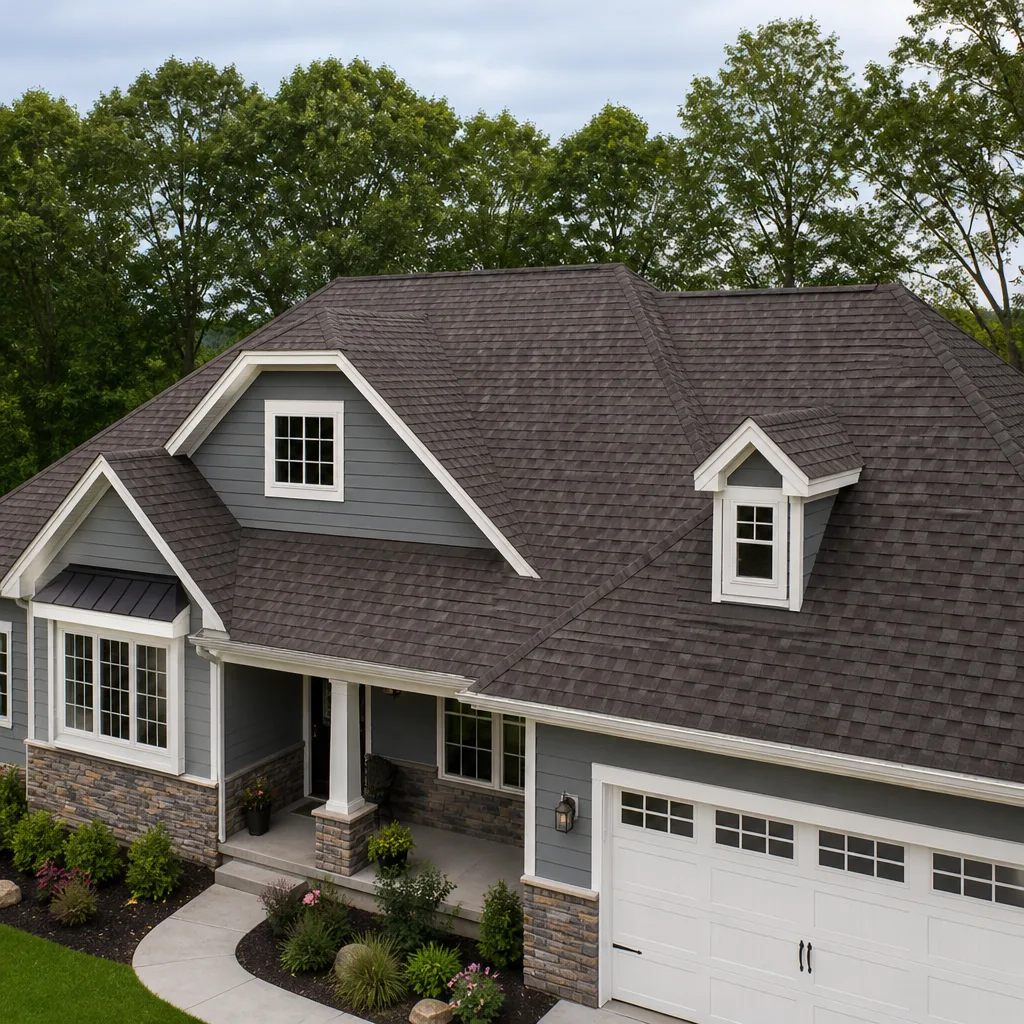 Owens Corning
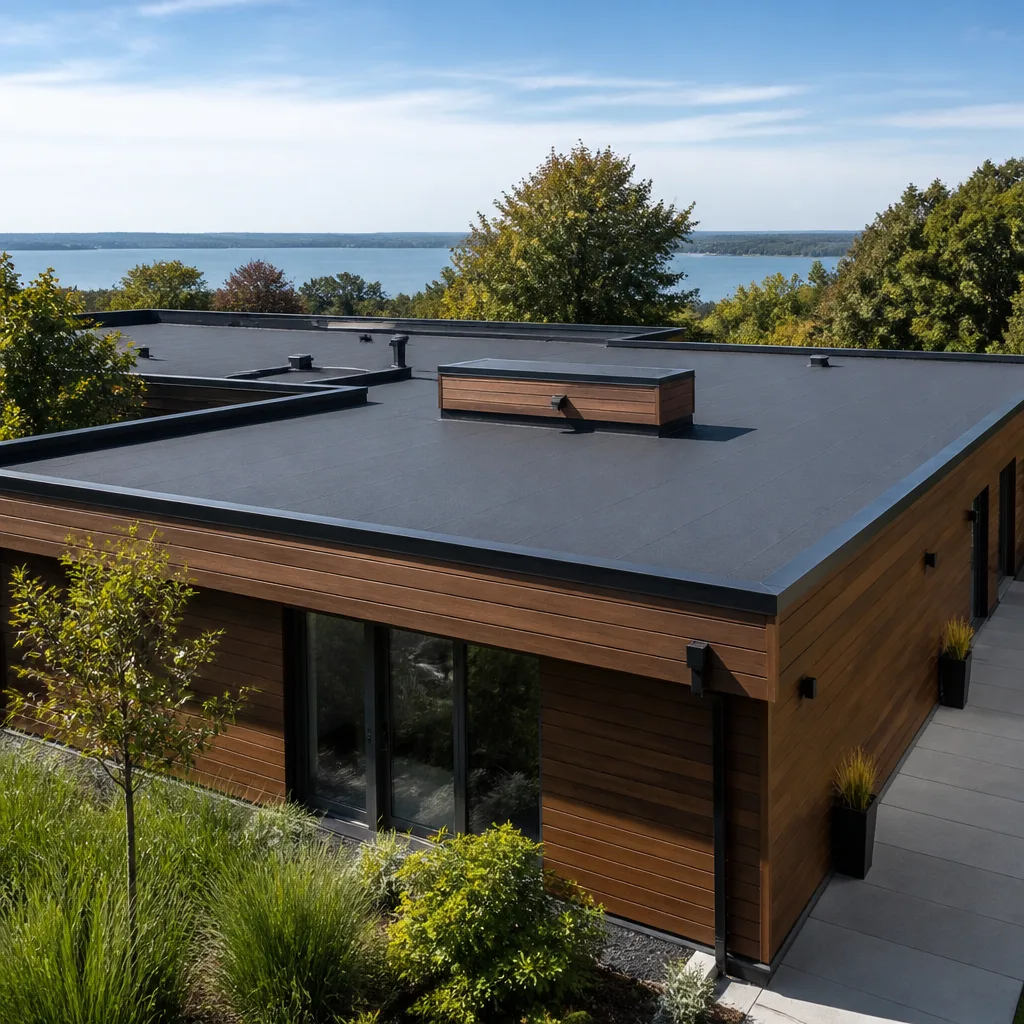 Flat & low-slope
Free roof inspection with deck photos before we talk money - GAF and Owens Corning certified installation
Styles & brands we work with
- Architectural shingles
- Metal roofing
- Tile roofing
- GAF
- Owens Corning
- Flat & low-slope
See the difference
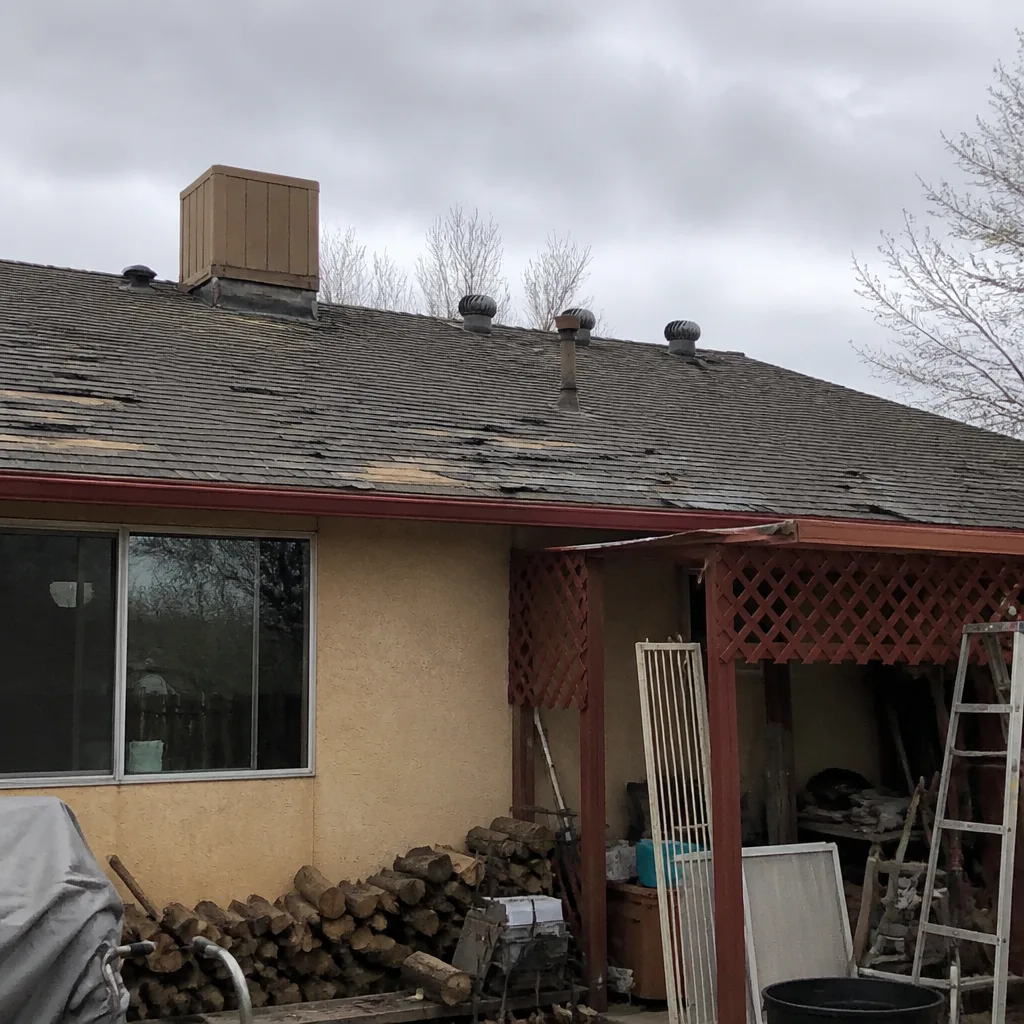 Before
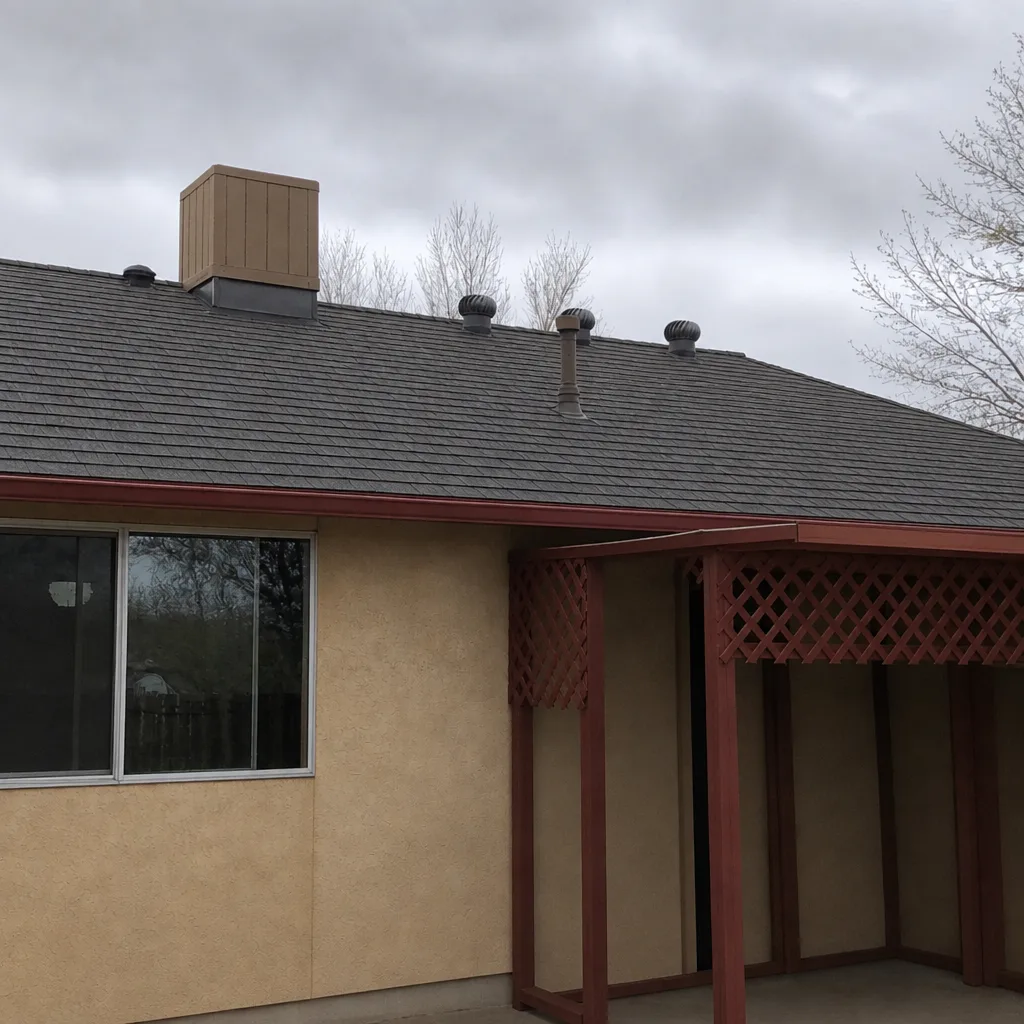 After
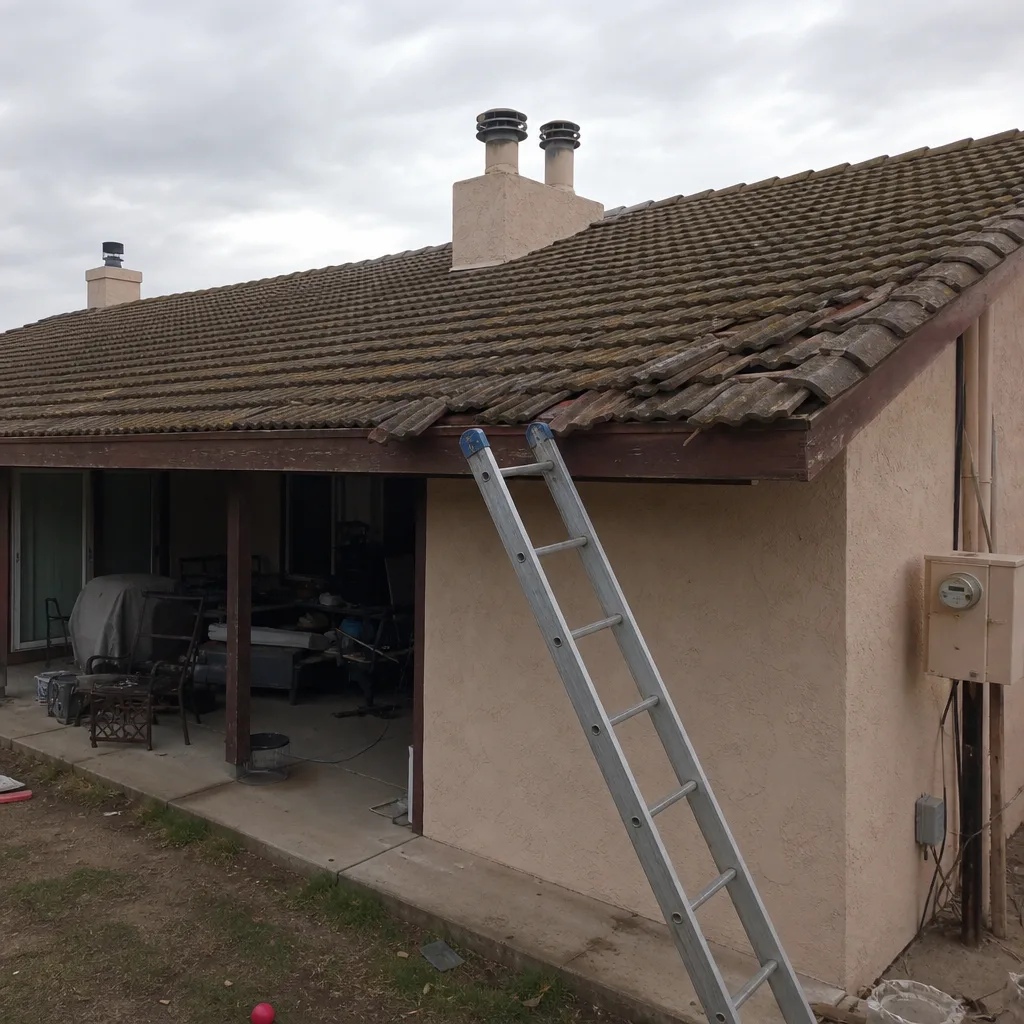 Before
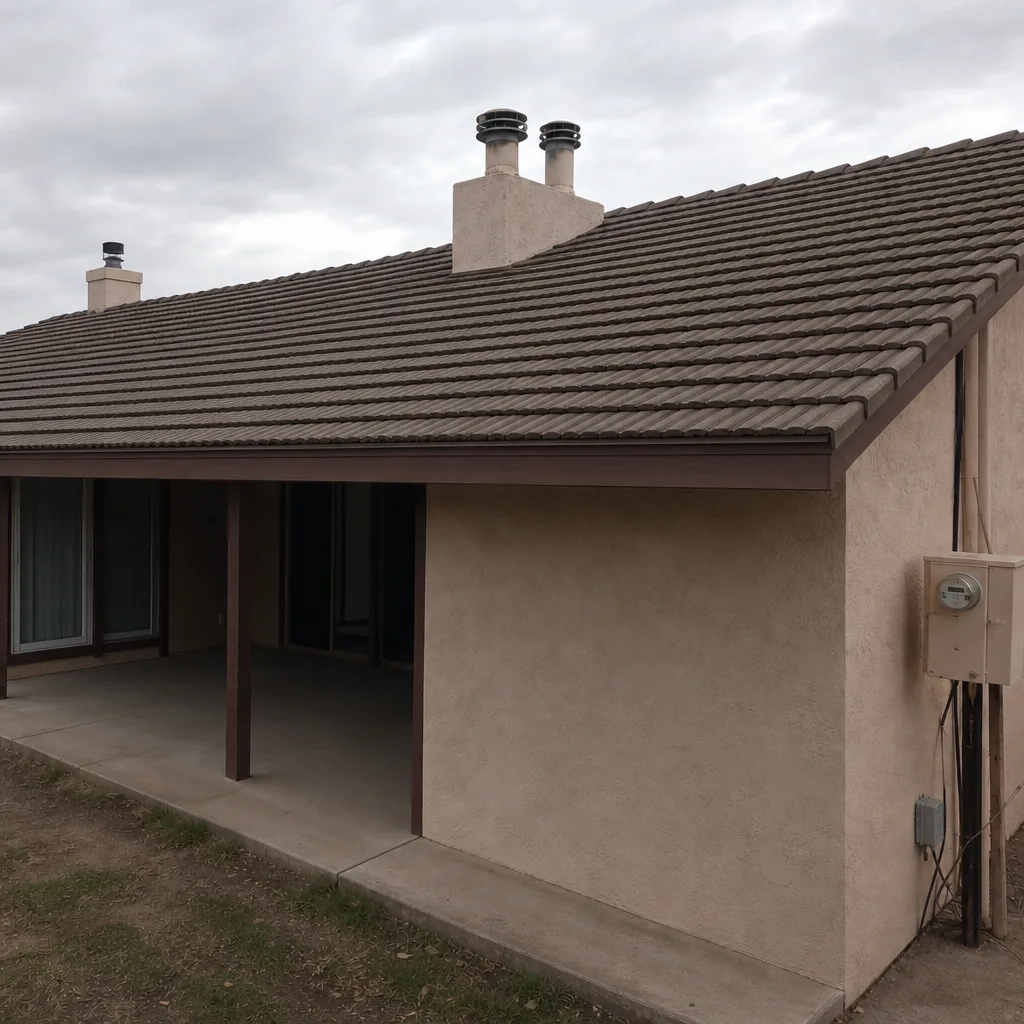 After
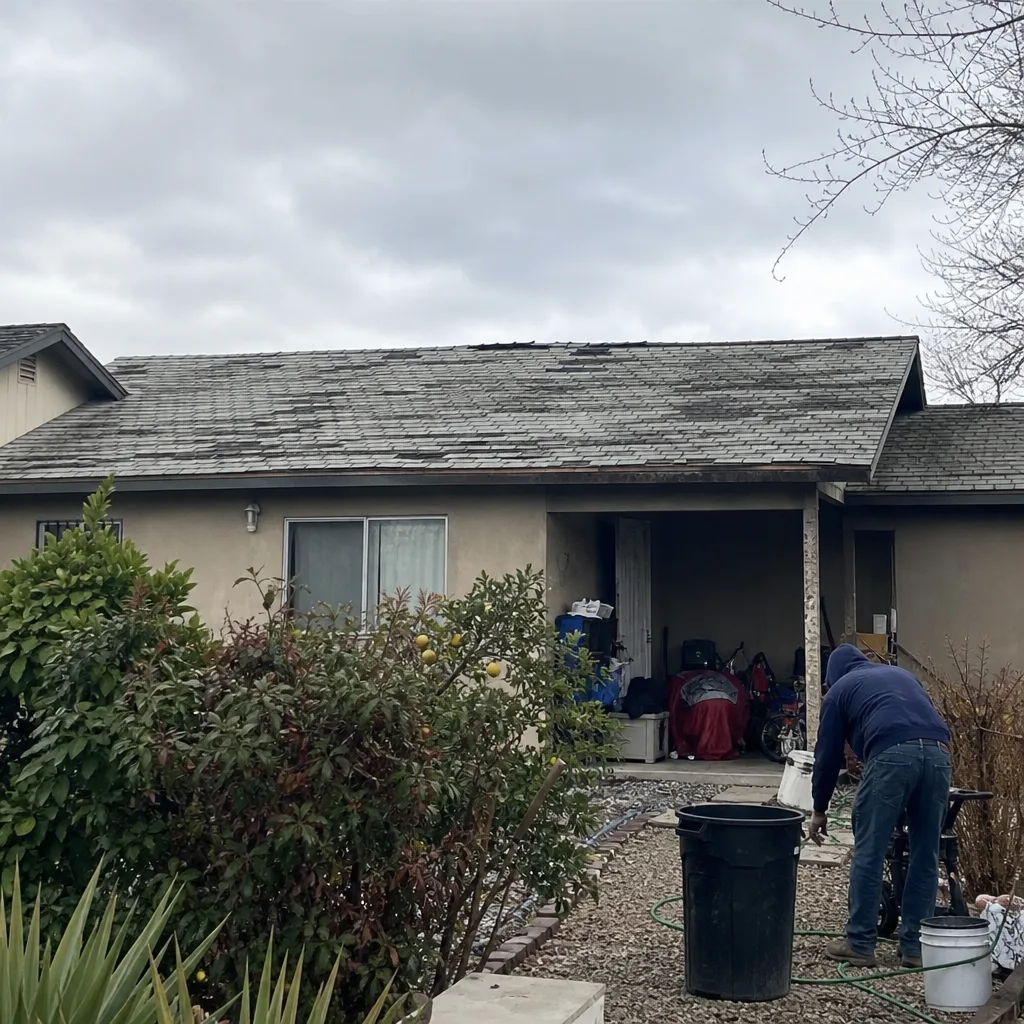 Before
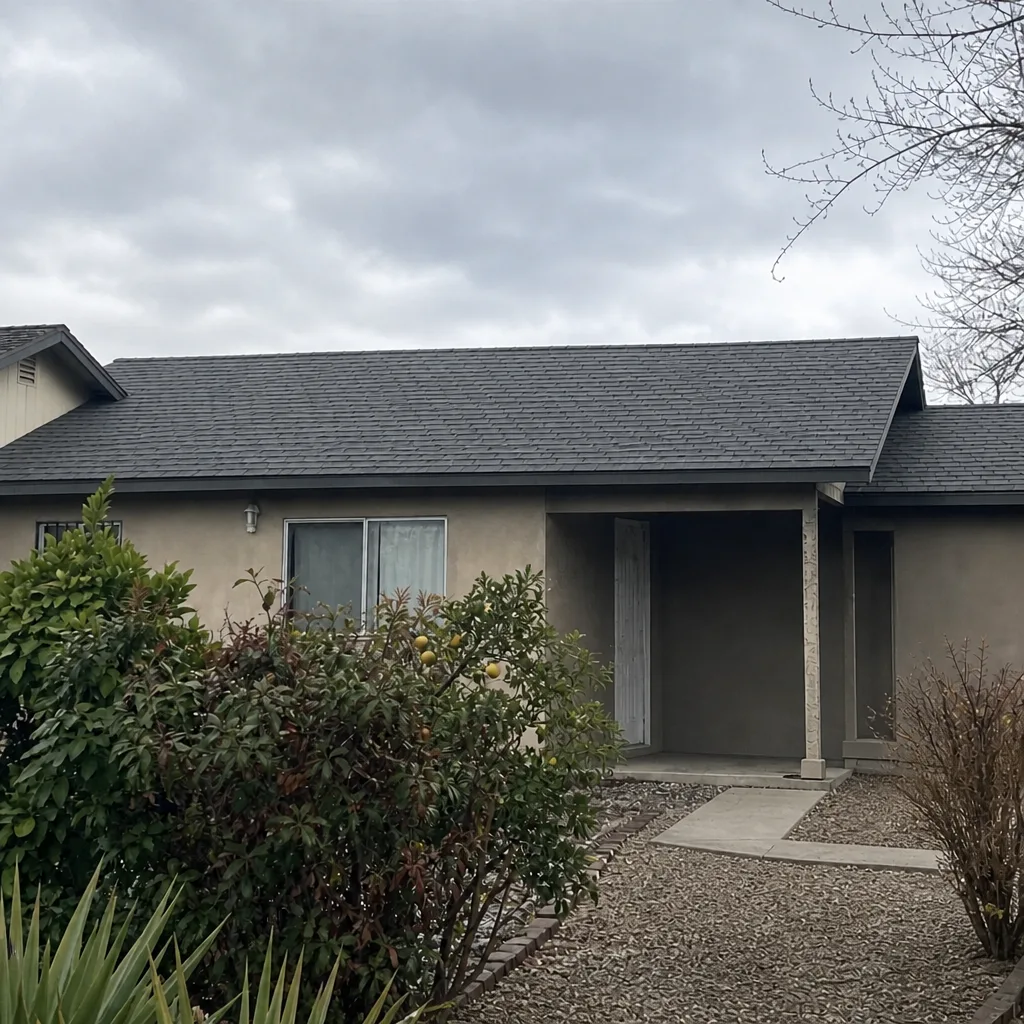 After
How Long Does a Tile Roof Last in Spring Valley, NV?
The tile itself lasts 50 years or more. The roof doesn’t. On most Spring Valley tile roofs built in the 1980s and 1990s, the concrete S-tile is still sound while the 20-year organic felt underlayment beneath it is a decade past its useful life in desert heat. In practical terms, your tile roof stops being waterproof around year 20 to 25, even though the tile above it looks fine from the driveway. Call (855) 908-1590 and we’ll put a trained eye on the layer that actually fails.
The Two Lifespans Nobody Explains at the Kitchen Table
A tile roof is not one product. It’s two: the tile on top and the underlayment below. They age at completely different rates, and that gap is where Spring Valley homeowners get hurt.
The tile is the visible layer. Concrete S-tile and the flat-profile clay tile common in the west-side communities around The Lakes and the Rhodes Ranch area can hold up 50 years or longer here. We don’t get the freeze-thaw cycling that cracks tile back east. Our dry climate is kind to the tile itself.
The underlayment is the waterproof layer. Every drop of rain that slips past a tile lands on it. The organic felt installed under most 1990s tile was rated at 20 years, and that rating was never adjusted for a place where tile surface temperatures pass 150°F for months on end. That heat does not care about a manufacturer’s warranty from 1993.
So a tile roof from that era is usually not failing because of tile. It’s failing because the felt has baked out, gone brittle, and cracked. The leak shows up as a ceiling stain in a hallway three rooms from any broken tile. That’s the pattern we’ve seen across this valley for four decades.
What actually shortens a tile roof’s life here
- Overnight cold snaps. Winter freeze-thaw on flashing, mastic and underlayment edges adds stress the tile rating never accounted for.
- Monsoon microbursts and hail. These test every valley and penetration at once, which is when a dead underlayment finally shows itself.
- UV exposure above everything. Sealants and felt break down faster under our sun than the tile beneath them ever will.
- Complex hip-and-valley geometry. The tract homes here have more valleys than you’d expect, and each one concentrates water.
What This Means for the First-Generation Replacement Wave in Spring Valley
Spring Valley was built out almost entirely from the 1980s into the 2000s. Nearly all of it is tract housing and low-rise multifamily, which means we’re in the middle of the first real replacement push this valley has seen. Roofs put on in 1990 are now 35 years old.
Here’s the part that surprises people. A 1990 tile roof on a Rhodes Ranch-area home can have tile in genuinely excellent structural condition and underlayment that’s effectively gone. That roof doesn’t need new tile. It needs a full underlayment replacement and the original tile re-laid on top. Those are two completely different jobs, with two very different price tags.
| Scope | What it involves | Typical Spring Valley range |
|---|---|---|
| Re-underlayment (re-lay original tile) | Remove tile, replace felt with synthetic, reset tile | $10,000 - $22,000 |
| Full tile replacement | New tile, new underlayment, new flashing | $18,000 - $40,000+ |
| Targeted underlayment repair | Limited valley or edge section | $1,200 - $4,500 |
| Inspection (photo-documented) | Underlayment condition at edges and valleys | Call for a free second opinion |
Most homeowners brace for the full-tile number when the re-lay job is what their roof actually needs. Knowing which one you’re facing, before you sign anything, is the whole point of a proper inspection. Our tile roofing service in Spring Valley walks through this scope question in detail.
The good news on the underlayment itself: modern synthetic products are rated 25 to 50 years, and they hold up far better under our thermal cycling than the original organic felt ever did. A tile roof re-underlaid with a quality synthetic here isn’t starting a 20-year clock. It’s starting a 40-year one on the layer that keeps water out. We install GAF and CertainTeed systems, and every job carries a written 90-Day Done Right Promise. If it’s not right, we come back and make it right, no paperwork and no arguing.
The HOA Detail That Can Change Your Whole Timeline
Spring Valley is unincorporated Clark County, and the architectural review committees here dictate tile color and profile in a way contractors working inside Las Vegas city limits rarely contend with.
Here’s the practical angle. If you re-underlay and re-lay your original tile without changing color or profile, the project generally doesn’t trigger ARC review. Change to a different product or color and it does. So a homeowner who’s been putting off the decision because the HOA process feels like a wall may find there’s a straight path through it. Re-lay what’s already approved and get a sound roof without the review.
That’s an operator detail we’ve learned the hard way on tile roofs across The Lakes and the subdivisions that came after. It’s also why our photo-documented inspection checks underlayment at every accessible edge and valley, not just the tile surface. Photos taken from your actual roof, showing you what the ceiling stain is really about.
Repair, Re-Underlay, or Replace?
Ask this before you spend a dollar. Three questions settle most of it:
- Is the tile still structurally sound? If yes, you’re likely looking at a re-underlay, not a full replacement.
- Where are the leaks? A single stained ceiling over one valley often points to a limited repair. Stains in multiple rooms usually means the underlayment as a whole is dead.
- How old is the roof? If it’s a 1990s build with original felt, assume the underlayment is past life regardless of how the tile looks.
The ceiling stain is almost never about the tile itself. It’s about the component underneath. You deserve to know which one failed before you pay for the wrong fix.
FAQs
The tile can last 50 years or more here, but the underlayment beneath it typically fails around 20 to 25 years, which is what determines whether the roof is still waterproof. In a 1990s Spring Valley home, the tile may be in fine shape while the felt is ten years past life. Call (855) 908-1590 for a free second opinion on any written estimate - we’ll tell you which layer actually failed.
Because the leak is almost always the underlayment, not the tile. Our desert heat bakes the dead felt under old tile until it cracks, and water finds those cracks far from any visibly damaged tile. A photo-documented inspection at the edges and valleys tells you exactly where. Call (855) 908-1590 to set one up.
Usually just the underlayment, if the tile is still structurally sound. We lift the original tile, install synthetic underlayment rated 25 to 50 years, and re-lay your tile. That’s a smaller job with a smaller price than a full tile replacement, which is why getting the scope right matters. Call (855) 908-1590 for a free estimate.
Generally not, if you keep the same color and profile. That’s the advantage of re-laying your existing tile rather than switching products; anything that changes color or profile usually brings the ARC in. Call (855) 908-1590 and we’ll walk through the review question with you before any work starts.
Let’s Look at the Right Layer
If you’d rather have it looked at, Ridgeline Roofing Co. Spring Valley offers a no-pressure, photo-documented assessment in Spring Valley. Our technicians have up to 10 years of experience, and a live person answers the phone around the clock, nights and weekends included. Call (855) 908-1590 for a free estimate.
Written by the team at Ridgeline Roofing Co. Spring Valley, serving Spring Valley, NV.