
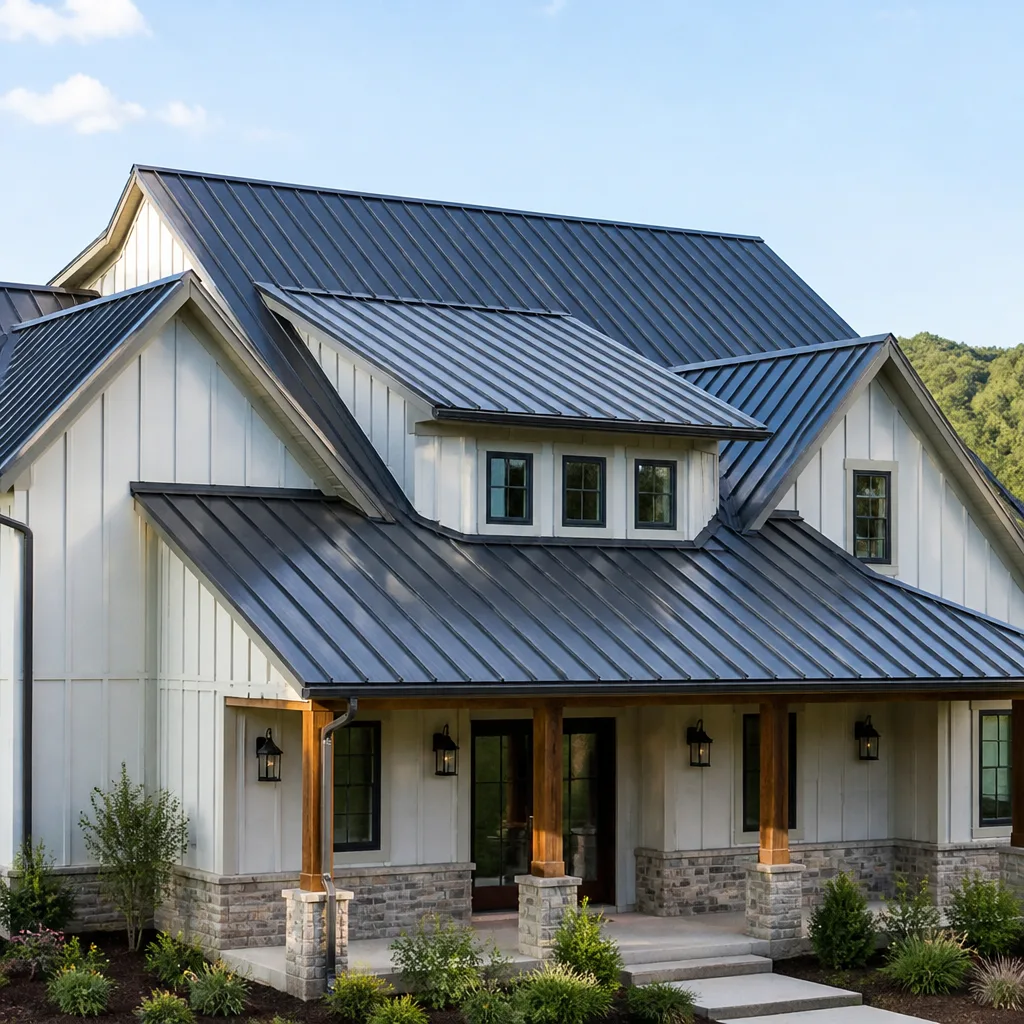
 Metal roofing
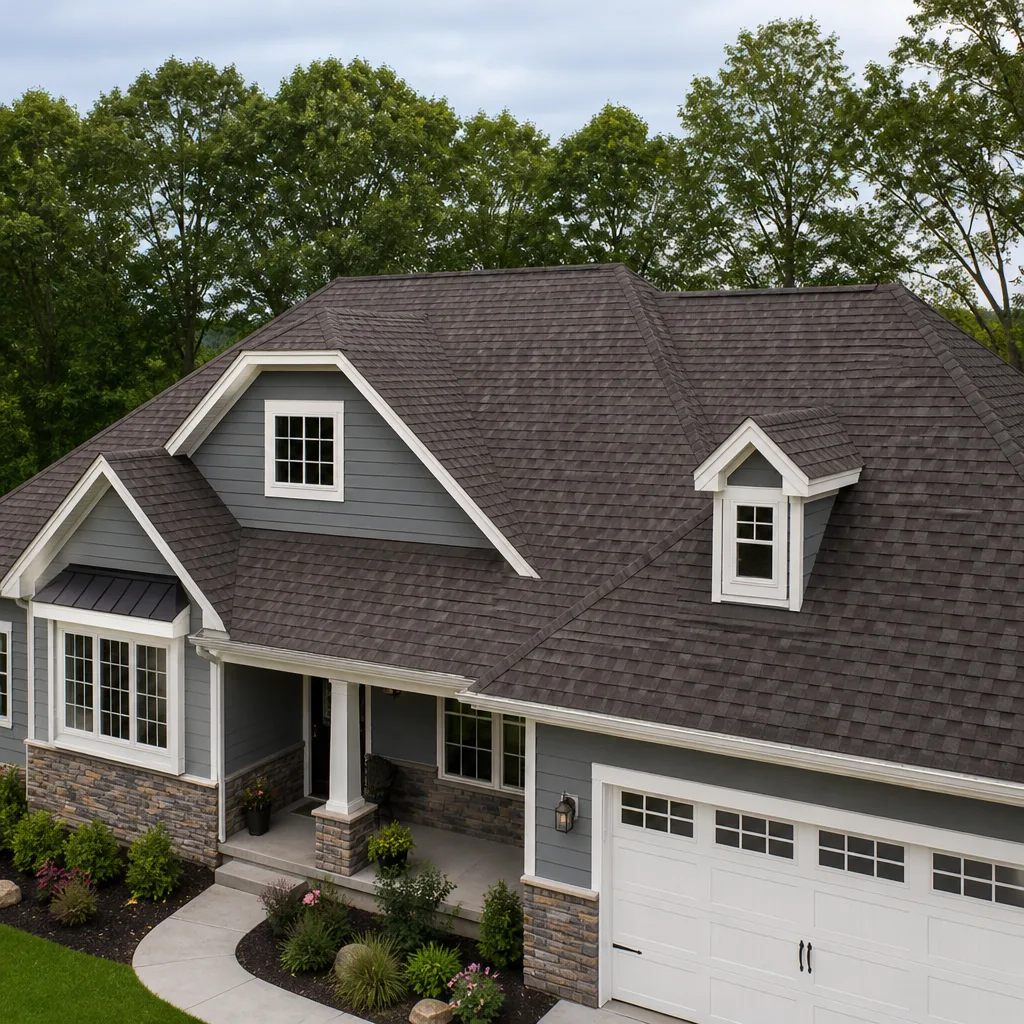
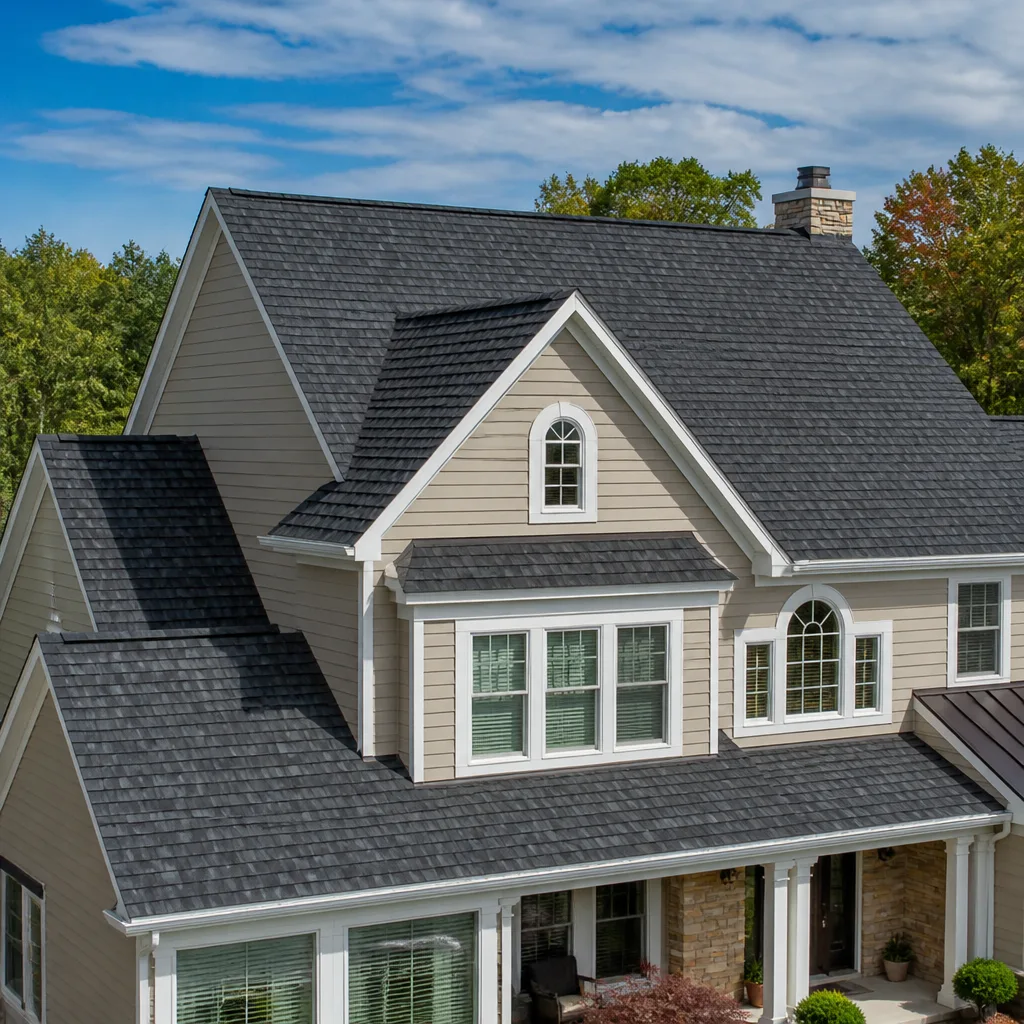 Architectural shingles
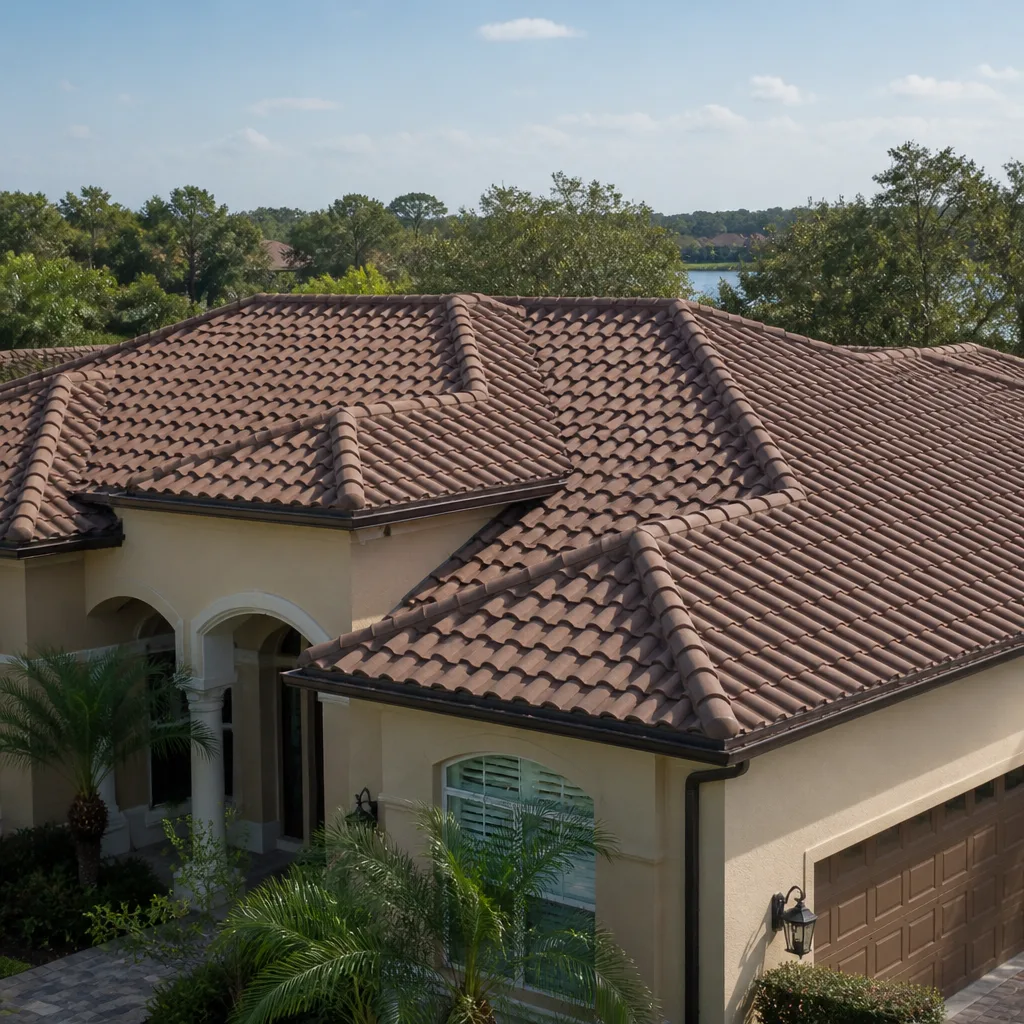 Tile roofing
 GAF
 Owens Corning
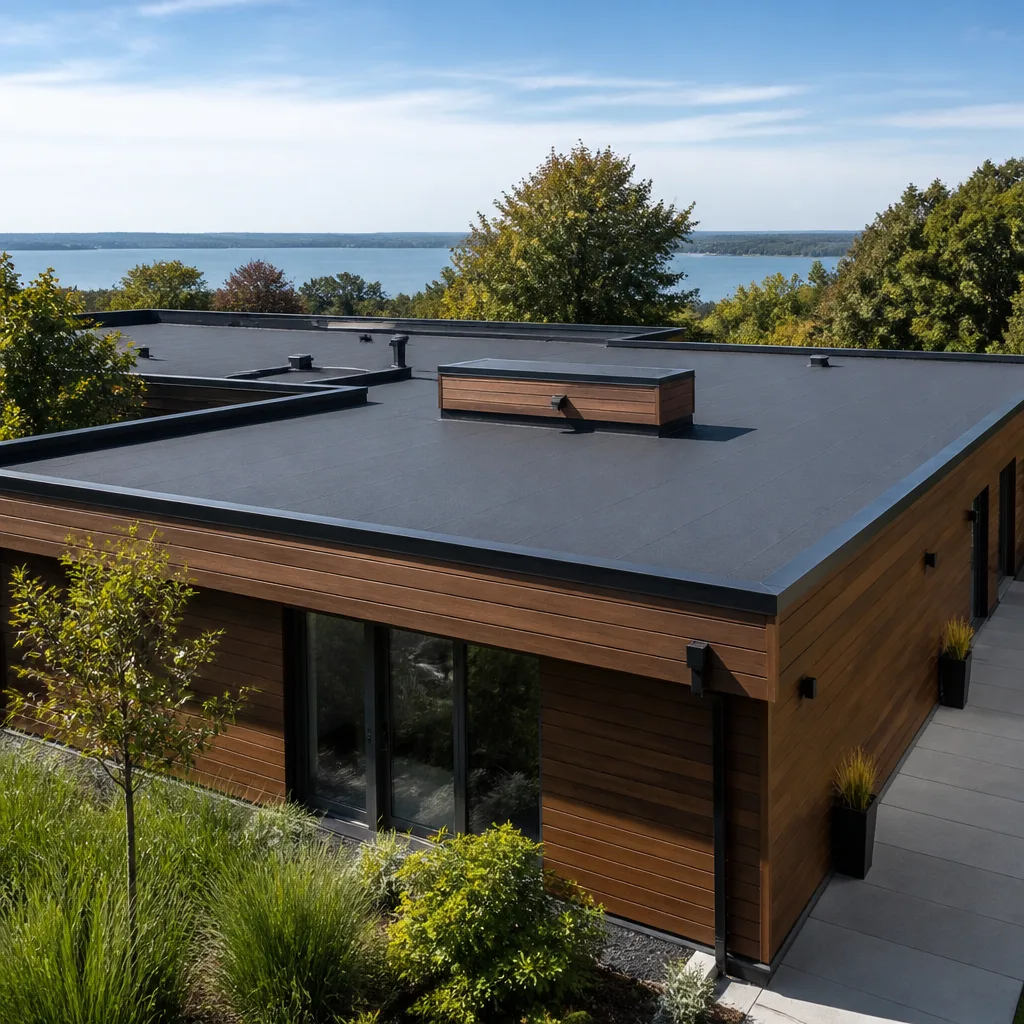 Flat & low-slope
Free roof inspection with deck photos before we talk money - GAF and Owens Corning certified installation
Styles & brands we work with
- Architectural shingles
- Metal roofing
- Tile roofing
- GAF
- Owens Corning
- Flat & low-slope
See the difference
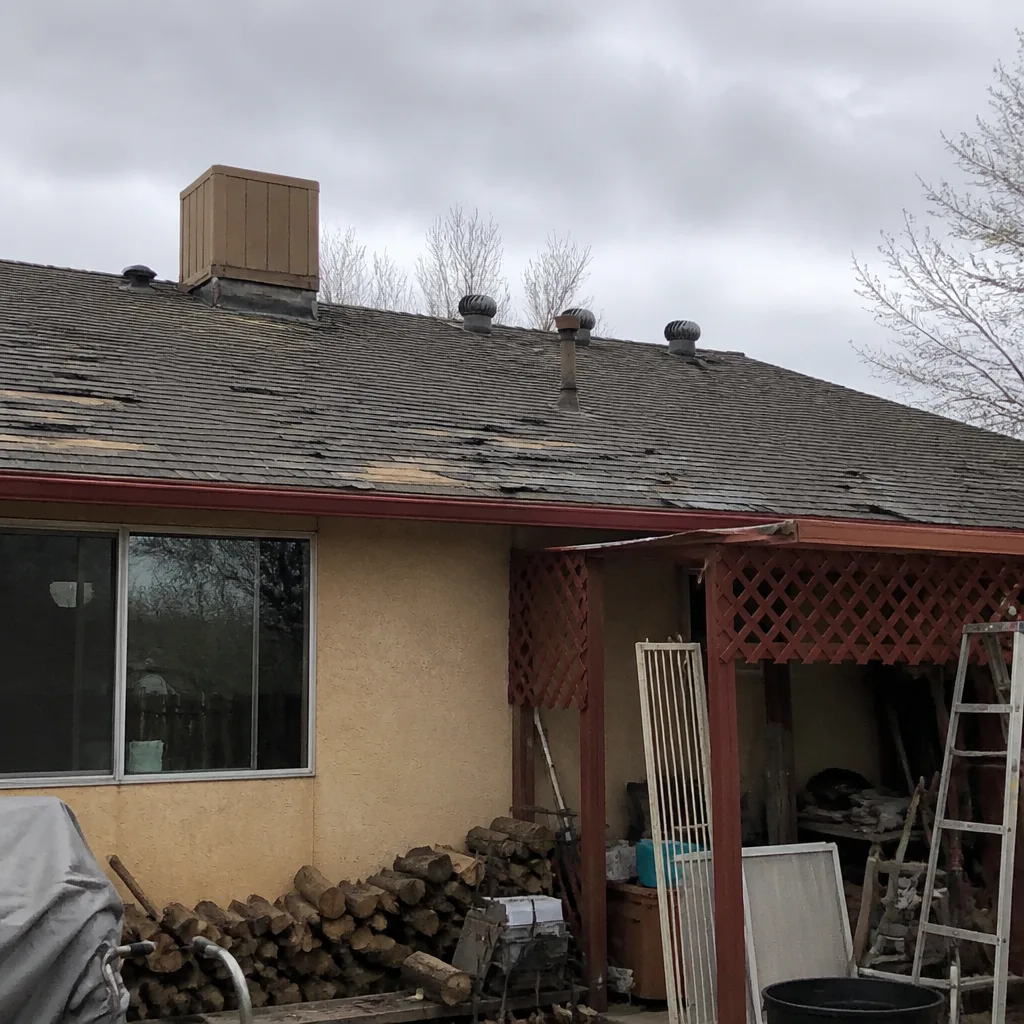 Before
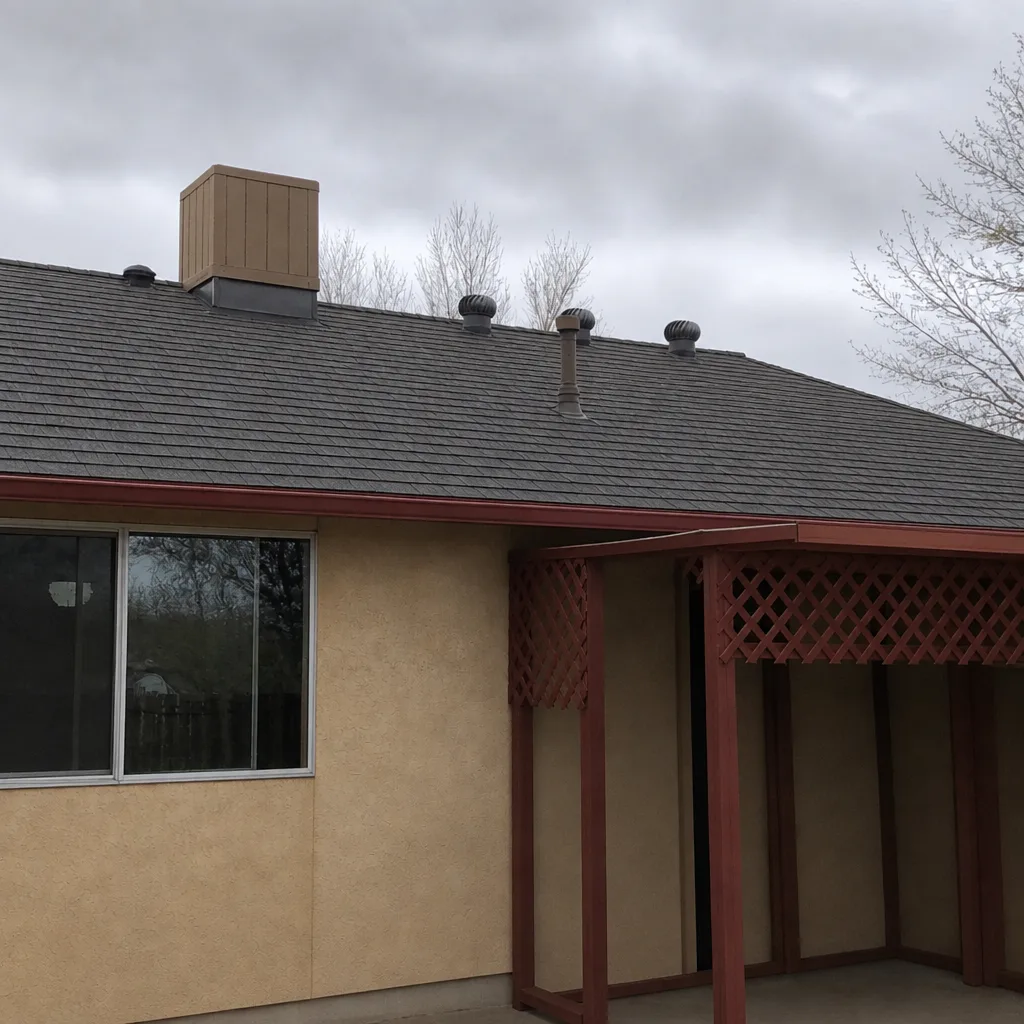 After
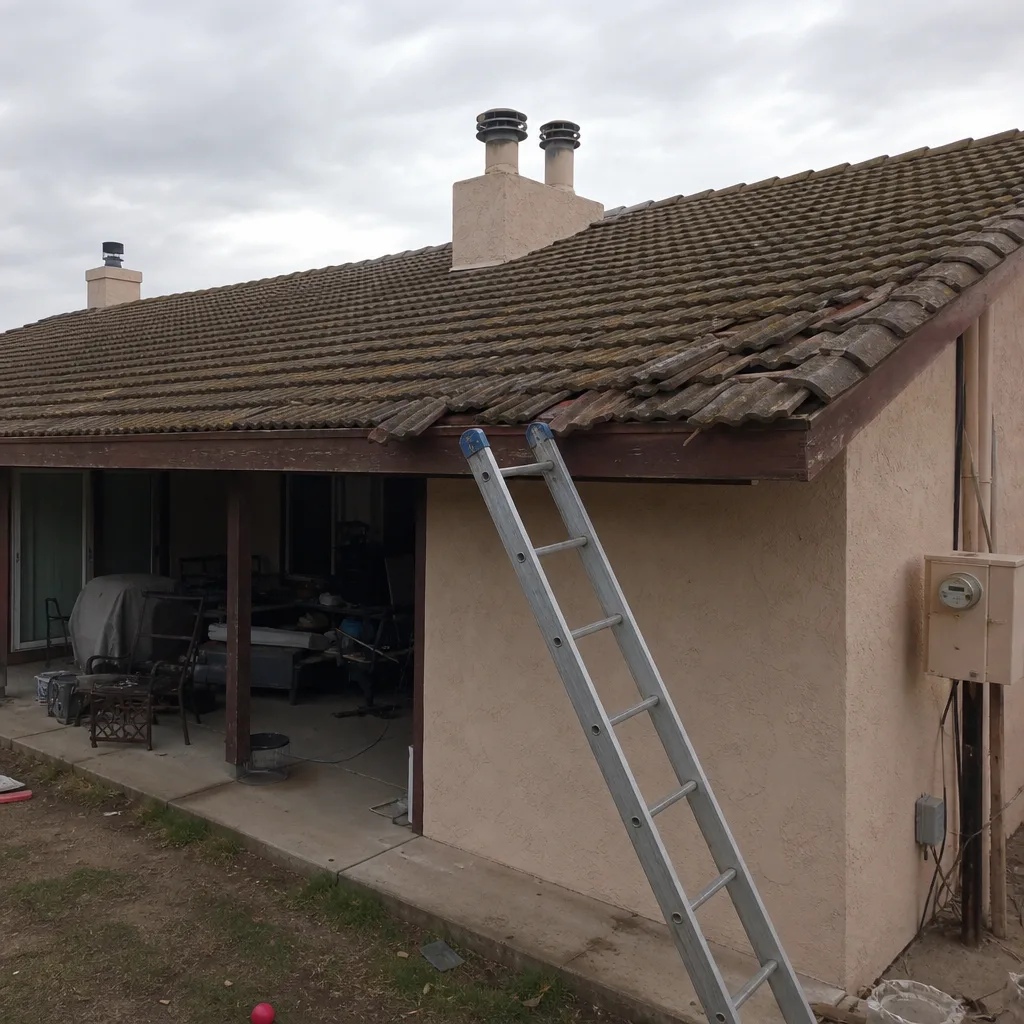 Before
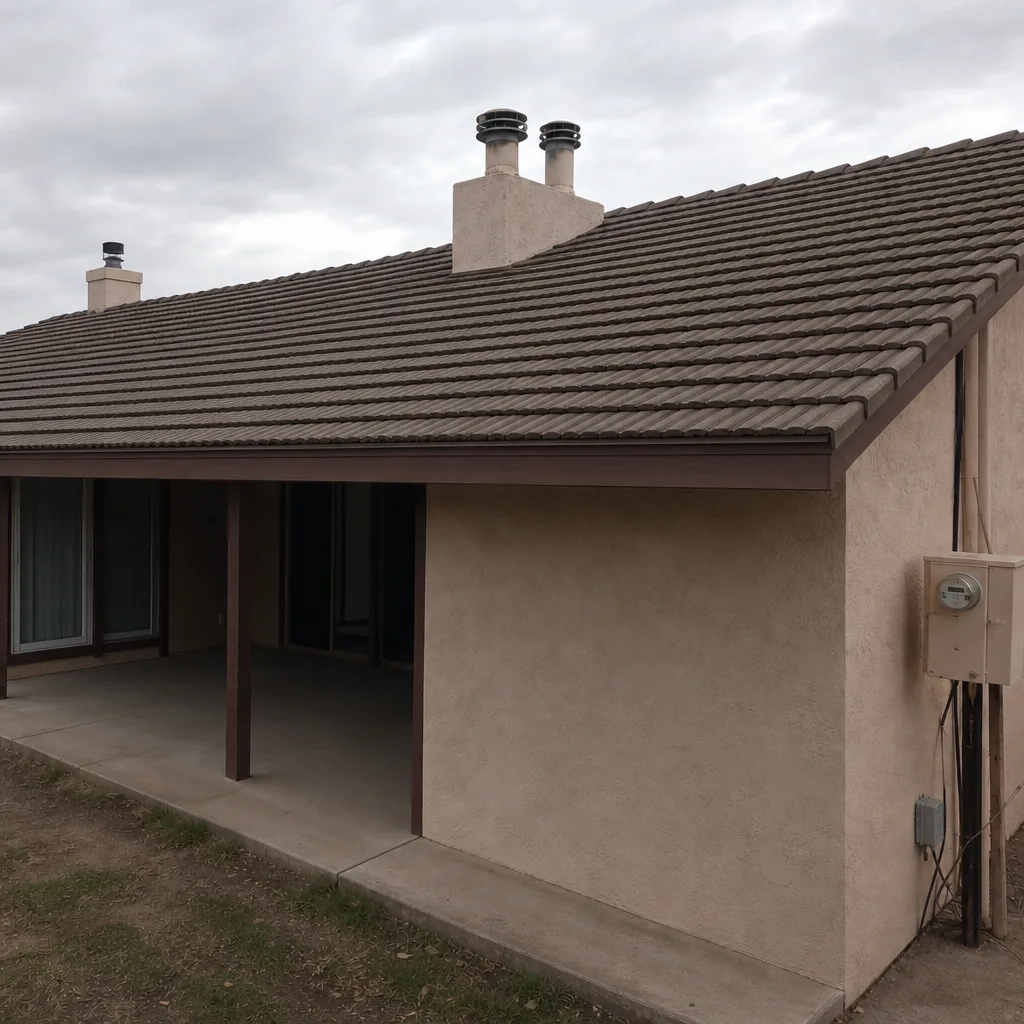 After
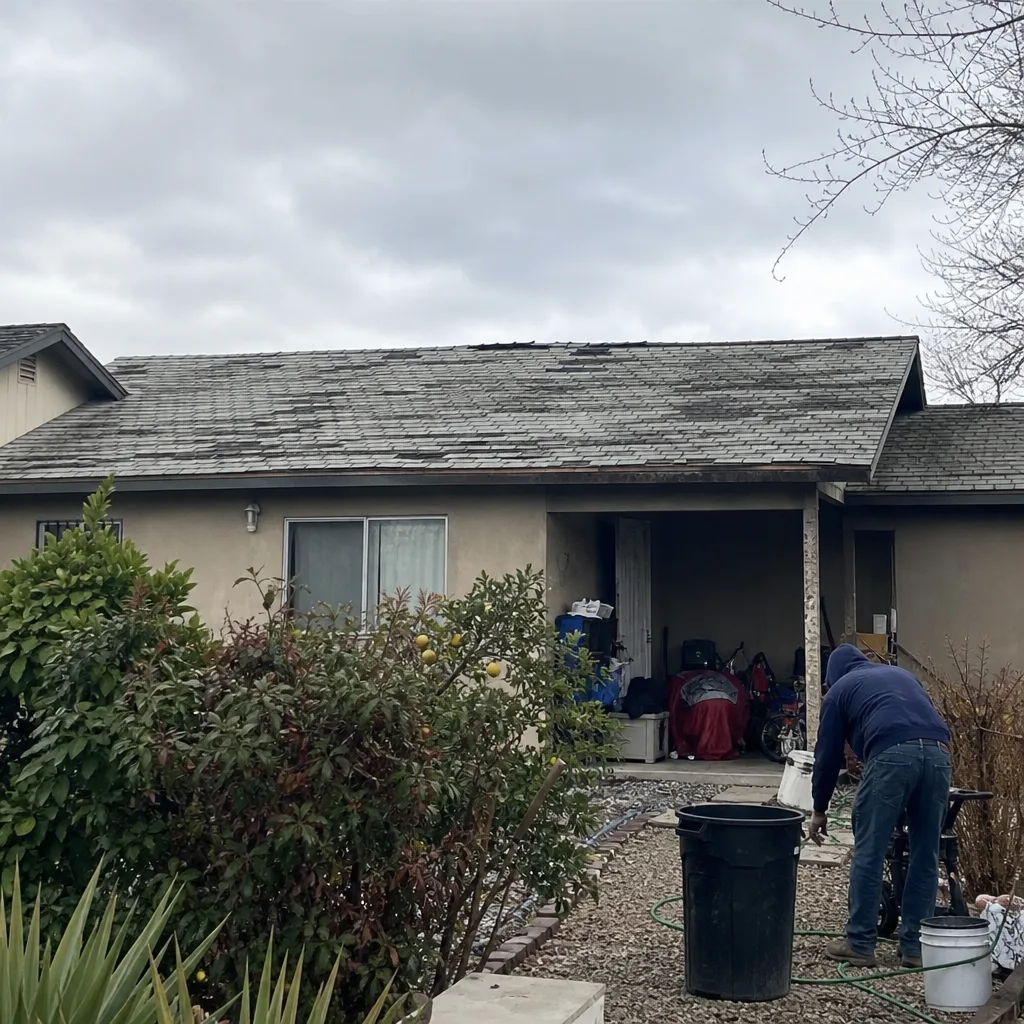 Before
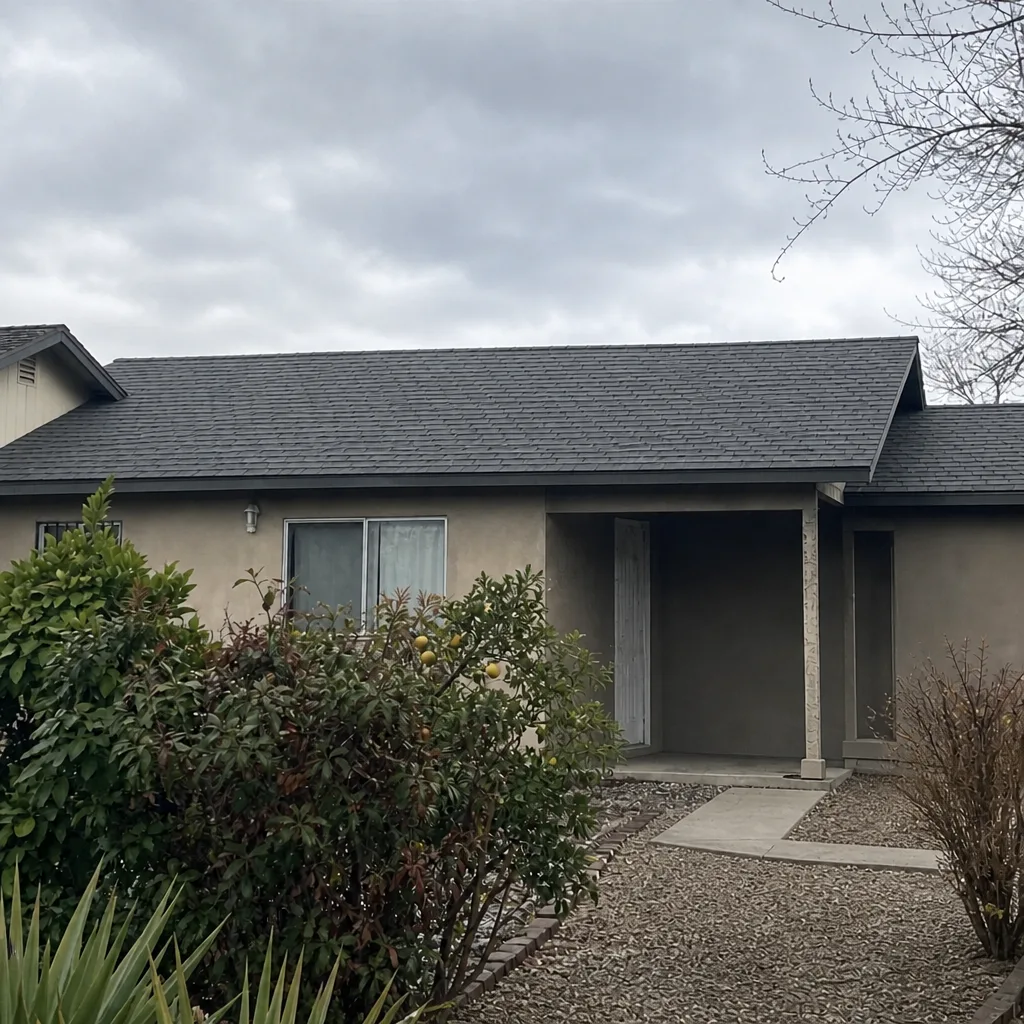 After
Metal Roof vs Shingles in Spring Valley, NV: What Actually Lasts in This Desert
Choose shingles if your Spring Valley home sits under HOA architectural review, your budget is the deciding factor, and you accept that a “30-year” shingle will give you closer to 18-22 years of reliable service here. Choose standing-seam metal only if your roof plane isn’t restricted by your HOA and you’re willing to pay for an installer who understands thermal movement. Neither answer is universal. What 115°F afternoons do to asphalt on a 1990s roof in Spring Valley is the factor that should decide it for you. Call (855) 908-1590 for a straight comparison on your actual house.
A 30-year architectural shingle installed in a Spring Valley subdivision in 1998 is not at its halfway point. It’s near the end of its serviceable window. The manufacturer’s rating assumes a temperate climate. Spring Valley isn’t one.
Key Takeaways
- UV and thermal cycling cut standard asphalt shingle life by 20-30% in Spring Valley’s climate.
- Standing-seam metal’s biggest desert advantage is thermal emittance, not storm resistance.
- Metal’s failure mode here is fastener-hole elongation from temperature swing, not rust.
- West-side HOAs (The Lakes, Rhodes Ranch area) often prohibit non-tile on the primary roof plane.
- Concrete S-tile dominates the upscale communities; shingle dominates the denser 1990s tracts.
Why Shingles Age Faster Here Than the Package Says
Manufacturer ratings for architectural shingles are tested against cycling profiles that look nothing like a Spring Valley summer. Asphalt shingles hold their granules and flexibility with a binder that off-gasses under sustained heat. When your roof surface sits above 150°F for months and the UV index runs extreme through most of the year, that binder leaves faster than any temperate-climate test accounts for.
What that means in practice: on the denser 1990s shingle subdivisions, we routinely find roofs from the late 1990s that are already in their final service window. Granule loss in the valleys, curled tabs on south and west planes, and brittle field shingles that crack when a monsoon microburst pushes through. The homeowner often assumes they have another decade because the original paper said 30 years. They don’t.
This is where the metal-vs-shingles question stops being theoretical. If your comparison assumes a shingle reaches its rated life, the math favors shingles on price every time. Run the comparison against 18-22 real years in Spring Valley, and the numbers move.
Metal’s Real Advantage in the Desert Is Thermal Emittance
Most metal roof pitches lead with hail resistance or longevity. Those matter. But the argument that actually holds up in Spring Valley is thermal emittance. A properly coated standing-seam metal roof reflects solar heat and re-emits what it does absorb, rather than soaking it into the deck. That measurably lowers attic temperatures and takes load off your air conditioning - which runs 8-9 months of the year here.
The trade-off is real. Metal costs more upfront, and it isn’t the right call for every address. What can’t be argued is the operating benefit: a cooler attic in July and August is a bill you feel every month, not a brochure claim.
How the Two Compare on the Things That Matter
| Factor | Asphalt Shingles | Standing-Seam Metal |
|---|---|---|
| Realistic service life in Spring Valley | 18-22 years (vs. 30-year rating) | 40+ years, installation-dependent |
| Upfront cost | Lower | Higher |
| Summer attic heat | Absorbs and holds | Reflects and re-emits |
| Primary failure mode here | UV binder breakdown, granule loss, brittleness | Fastener-hole elongation from thermal swing |
| Rust risk in this climate | Not the driver | Low - the desert is too dry |
| HOA approval | Commonly approved | Often denied on primary roof plane |
If you want the deeper rundown on the metal side, see Metal Roofing in Spring Valley - that page covers panel profiles, coating options, and what we look for in an installation.
Why Installation Method Decides Whether Metal Lasts
Spring Valley’s climate is too dry for rust to be metal roofing’s main enemy. The real risk is thermal expansion. A metal roof has to move between a 115°F summer afternoon and a 32°F winter overnight. Over a season, that swings the panels back and forth, and the fasteners anchor them in place.
Fasten the panels rigidly, with no allowance for movement, and the screw holes wallow out. That’s fastener-hole elongation. It shows up as leaks along the panel lines and at the fasteners within 10-15 years - well before the metal itself has any business failing. The panel is fine. The installation killed it.
This is what separates a metal roof that lasts four decades from a warranty claim in year twelve. Proper clip spacing, correct screw placement, and knowing how much relief the panels need across a hip-and-valley layout are journeyman calls, not homeowner ones. Our technicians carry up to 10 years of experience, and on metal we lean on that experience hard because the margin for error is tight.
On the material side, we install CertainTeed and Owens Corning across our lines, and we’re an authorized installer of GAF, Owens Corning, IKO, Atlas, Tamko, and Boral - so the recommendation you get isn’t tied to whichever product happens to pay best that quarter.
Your HOA May Settle This Before You Do
This is the part most online comparisons skip. Spring Valley is unincorporated Clark County master-planned sprawl, built almost entirely between the 1980s and 2000s, and a good share of it sits behind architectural review committees. In the upscale west-side communities – The Lakes, the streets around Rhodes Ranch – the ARC frequently prohibits non-tile roofing on the primary roof plane. Full stop. Energy efficiency claims don’t move that.
For those addresses, the metal-vs-shingles debate is moot until you have a variance in hand. Roofs there are overwhelmingly concrete S-tile with complex hip-and-valley geometry, and the near-term question is more often underlayment than surface material - the 20-year felt under 1990s tile is past life and cracks in the summer heat, so leaks show up as ceiling stains far from any visibly broken tile.
Ridgeline Roofing Co. Spring Valley has been navigating these approval processes since the communities went up, and a homeowner weighing metal gets a recommendation based on four decades of watching what holds up in this specific desert - not a push toward whichever product looks best on the invoice. That’s the square deal we’ve built the company on since 1984, and it’s the reason our written 90-Day Done Right Promise carries no arguing and no paperwork runaround.
FAQs
Metal typically runs two to three times the installed cost of asphalt shingles, and the gap is wider on complex hip-and-valley roofs because metal takes more labor to flash and fasten correctly. The honest answer depends on your roofline and panel choice, not a national average. Call (855) 908-1590 for a free estimate with real numbers on your roof - we quote upfront and the number on the estimate is the number on the invoice.
A “30-year” architectural shingle realistically delivers 18-22 years here, because UV and thermal cycling break down the asphalt binder faster than temperate-climate ratings assume. If your roof was installed in the late 1990s, it’s likely in its final service window now, not at the halfway mark. A photo-documented inspection will tell you exactly where yours stands - call (855) 908-1590 and we’ll take pictures from the actual roof, not give you a speech in the driveway.
No - the climate is far too dry for rust to be metal’s main failure mode in Spring Valley. The real risk is thermal expansion at the fasteners, where panels moving between a 115°F afternoon and a freezing winter night can elongate screw holes and leak within 10-15 years if the installation doesn’t allow for movement. Installation method matters as much as the material. Call (855) 908-1590 to talk through how your roof would be fastened.
Usually not without an architectural review committee variance, and many west-side communities prohibit non-tile materials on the primary roof plane outright. If your HOA restricts roof material, the metal-vs-shingles comparison doesn’t apply until you’ve cleared that hurdle. We’ve been through these approvals since the neighborhoods were built and can tell you what your committee is likely to accept - call (855) 908-1590 for a no-pressure assessment.
If you’d rather have it looked at, Ridgeline Roofing Co. Spring Valley offers a no-pressure assessment in Spring Valley - call (855) 908-1590. A live person answers every call, day or night, and we’ll shoot you straight on whether metal makes sense for your address or whether shingles are the square deal.
Written by the team at Ridgeline Roofing Co. Spring Valley, serving Spring Valley, NV.