
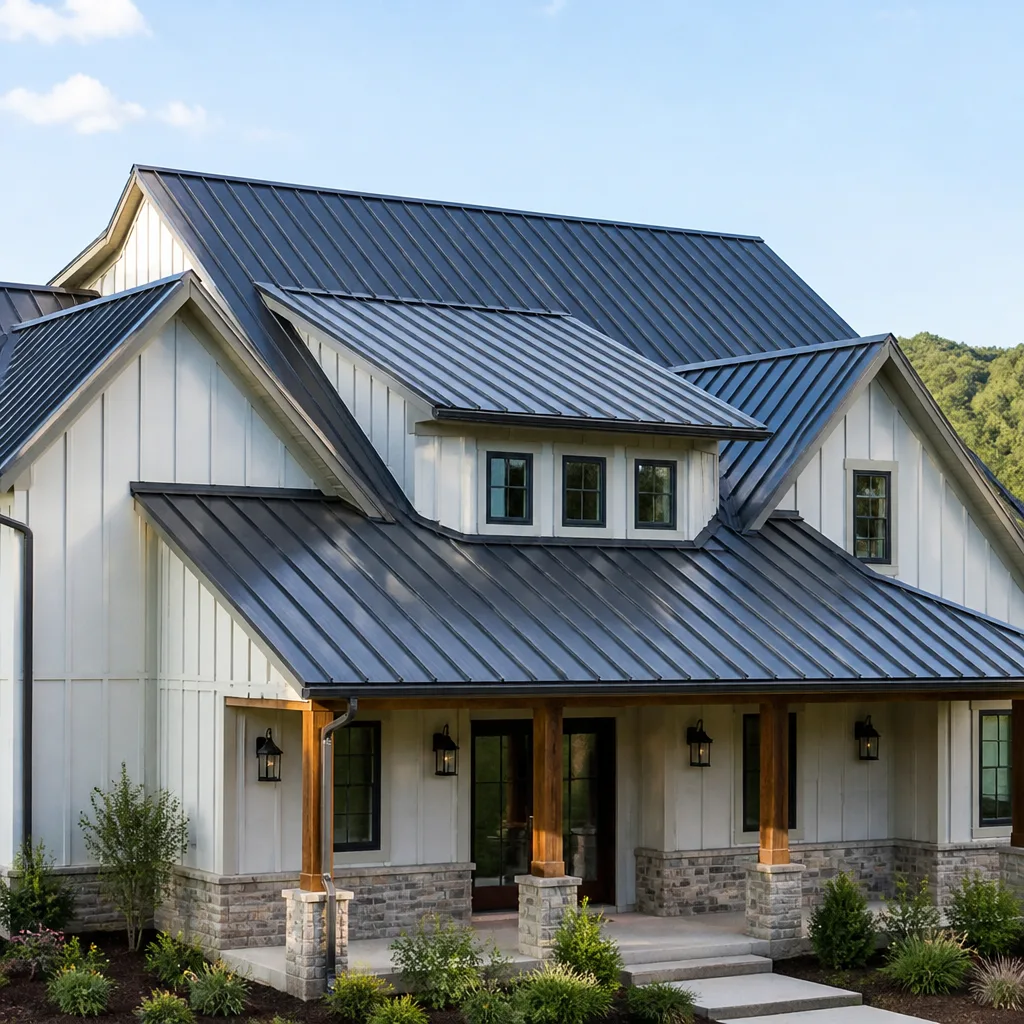
 Metal roofing
 Architectural shingles
 Tile roofing
 GAF
 Owens Corning
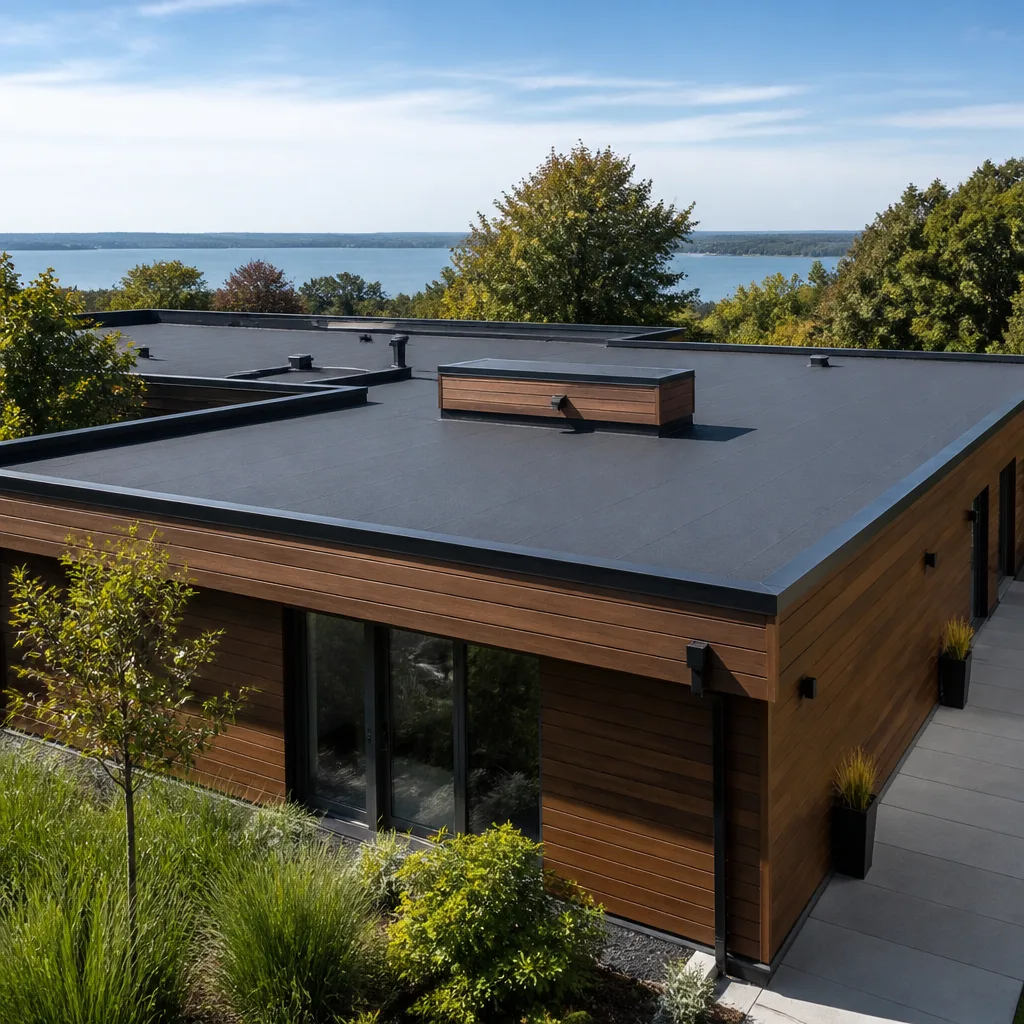 Flat & low-slope
Free roof inspection with deck photos before we talk money - GAF and Owens Corning certified installation
Styles & brands we work with
- Architectural shingles
- Metal roofing
- Tile roofing
- GAF
- Owens Corning
- Flat & low-slope
See the difference
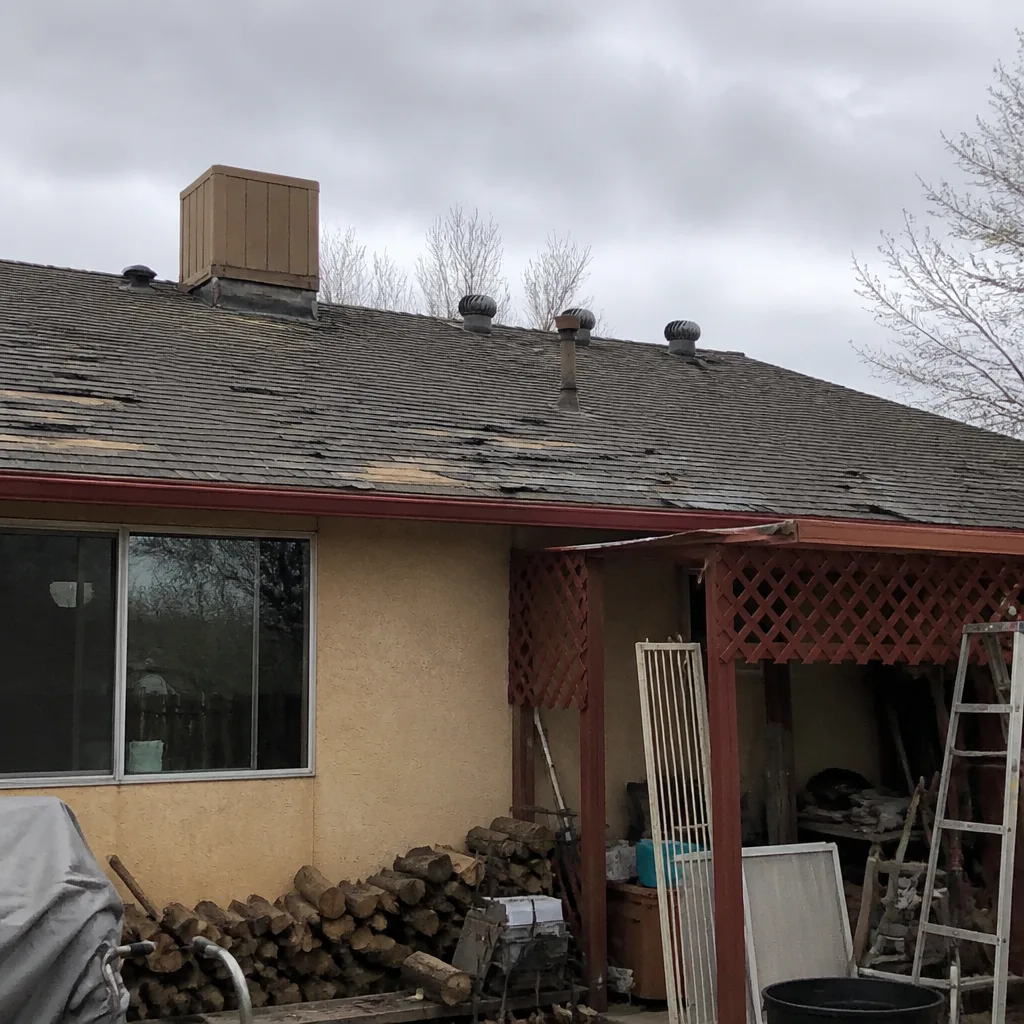 Before
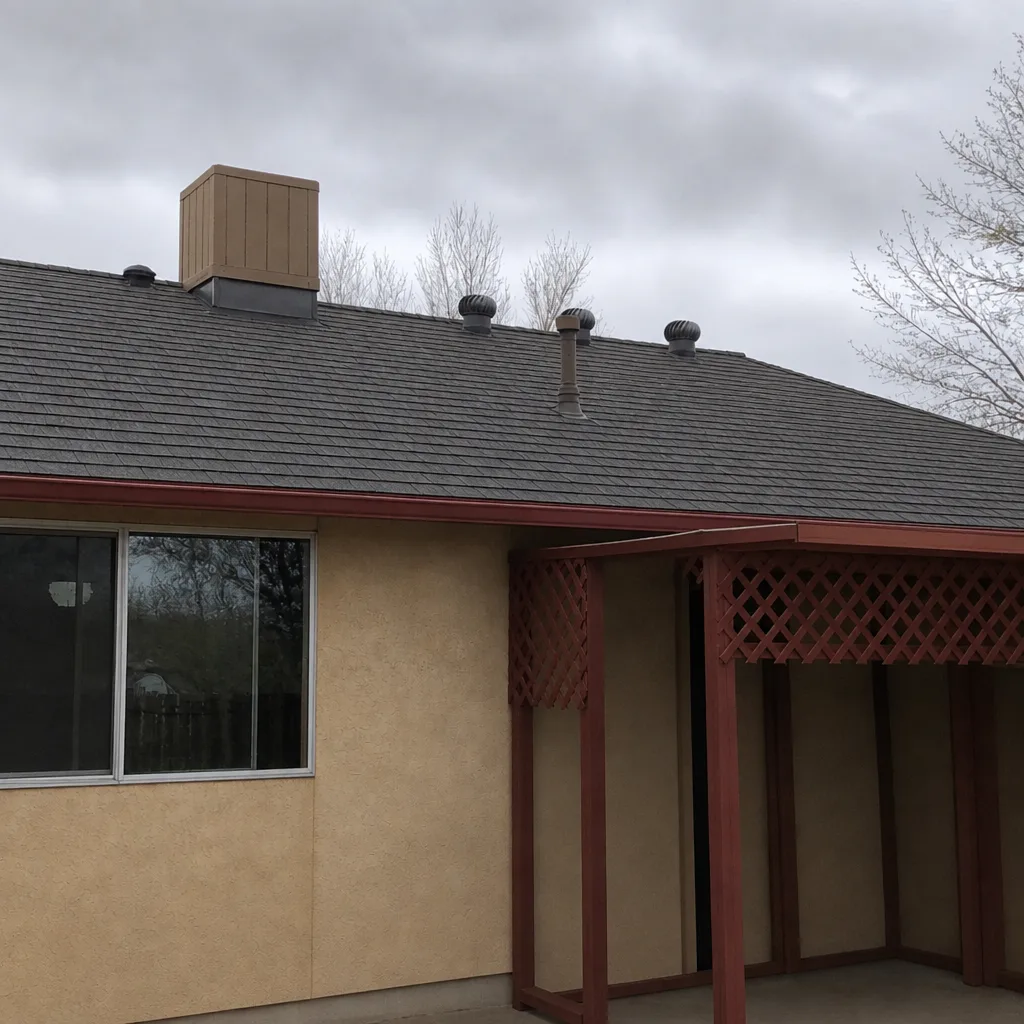 After
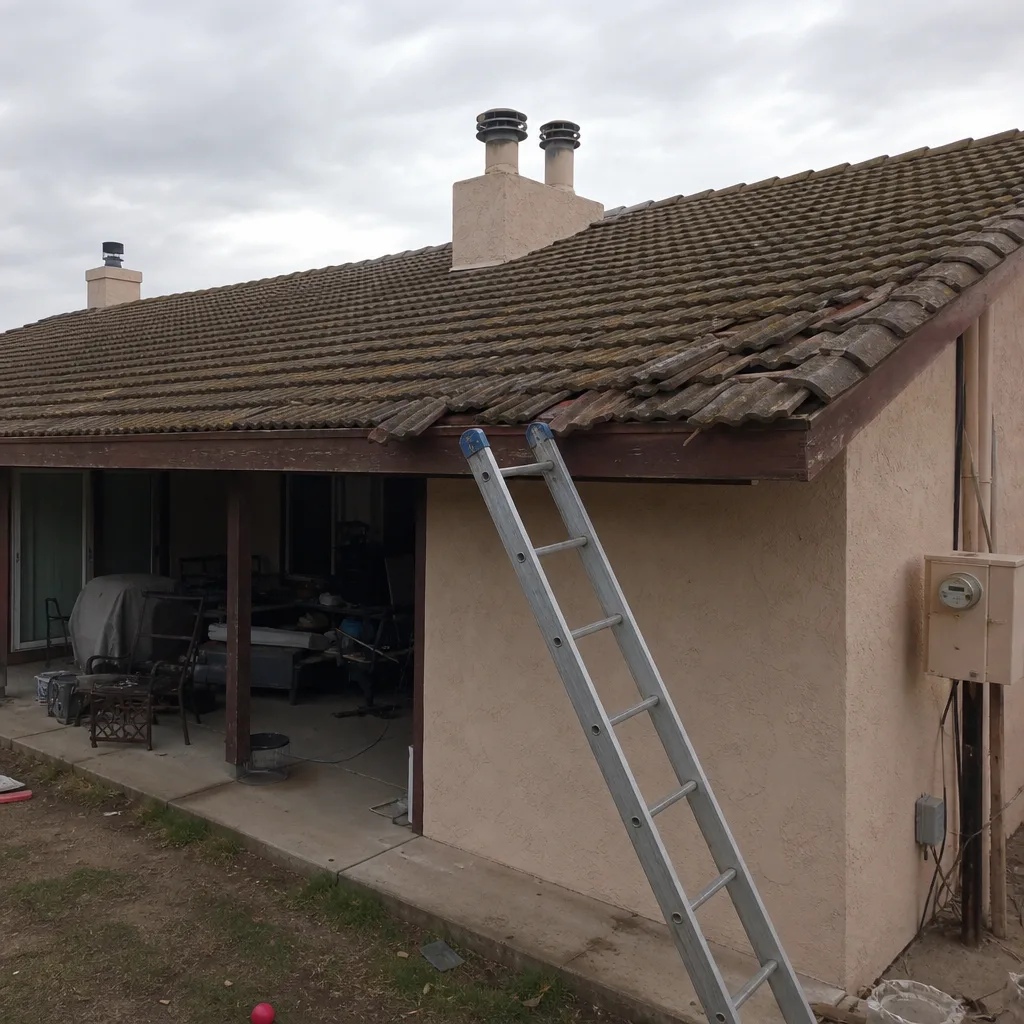 Before
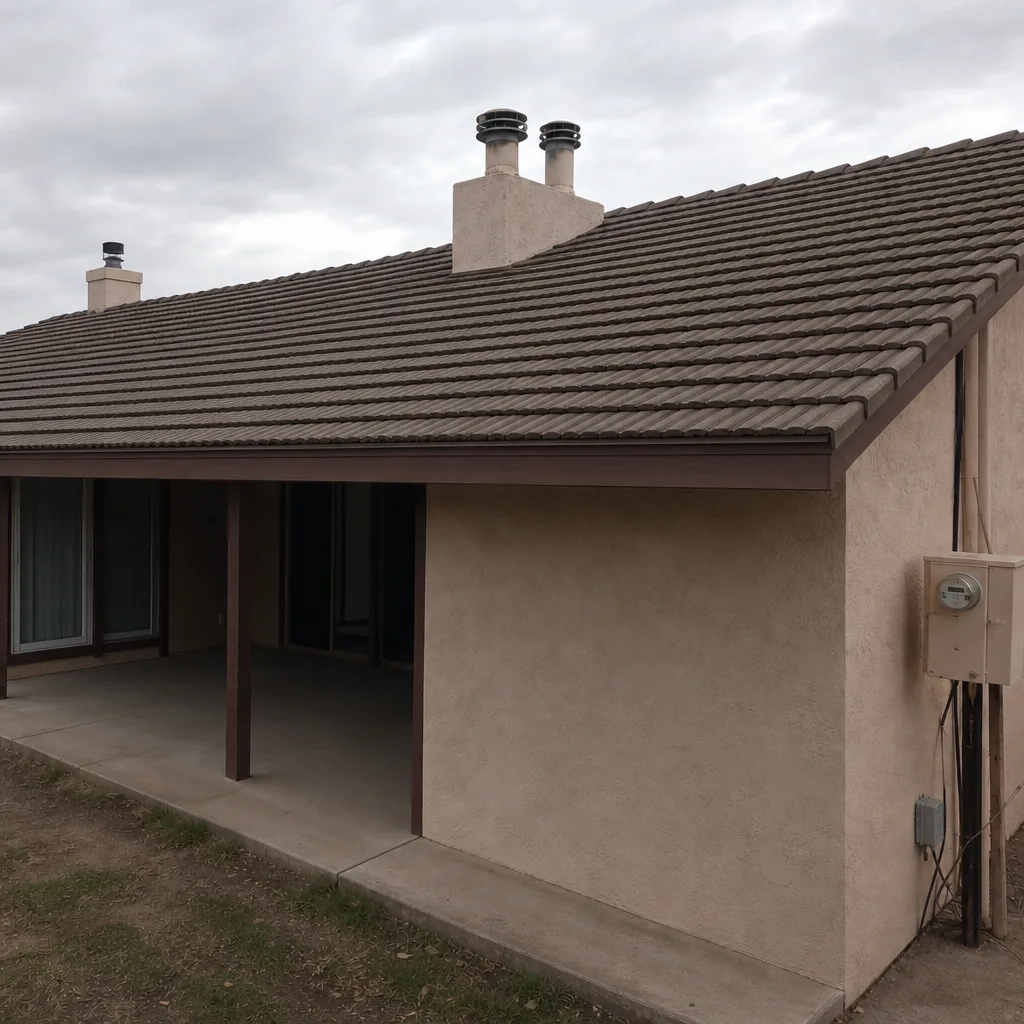 After
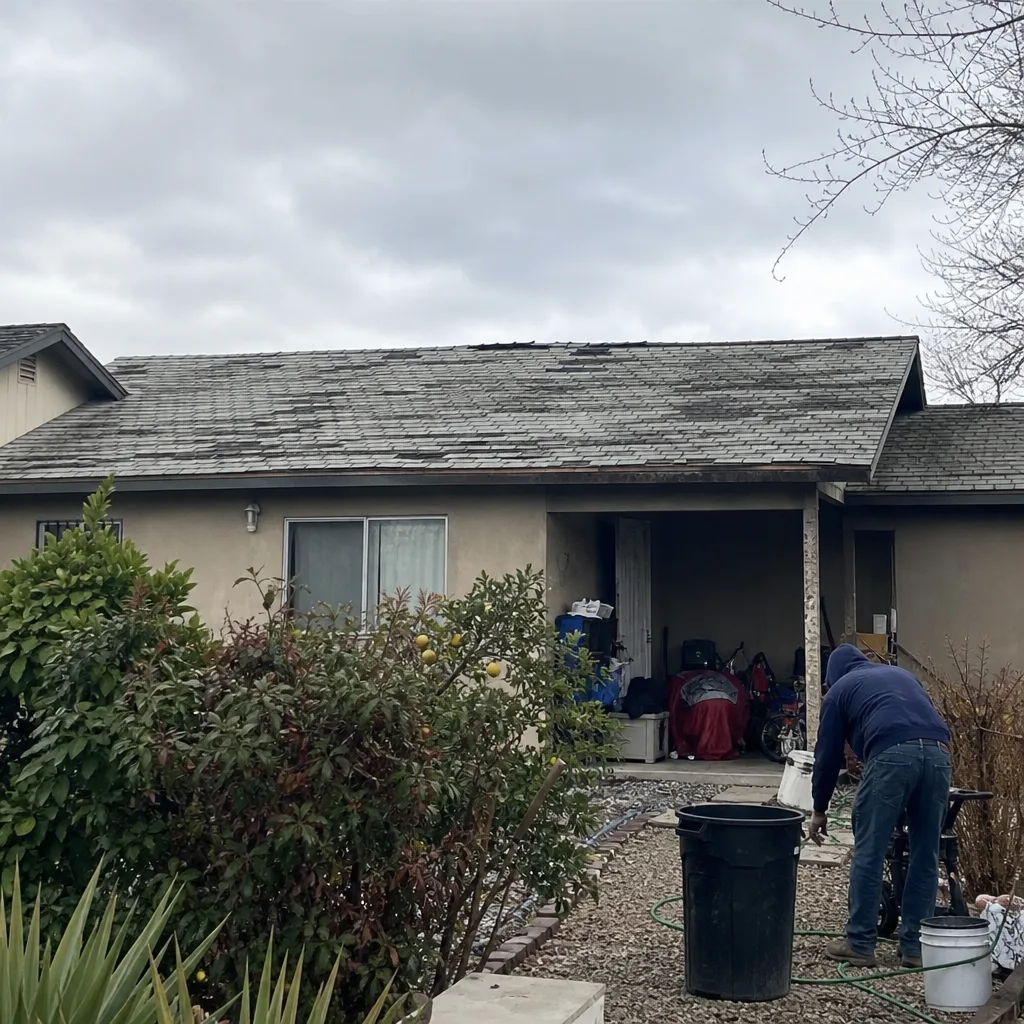 Before
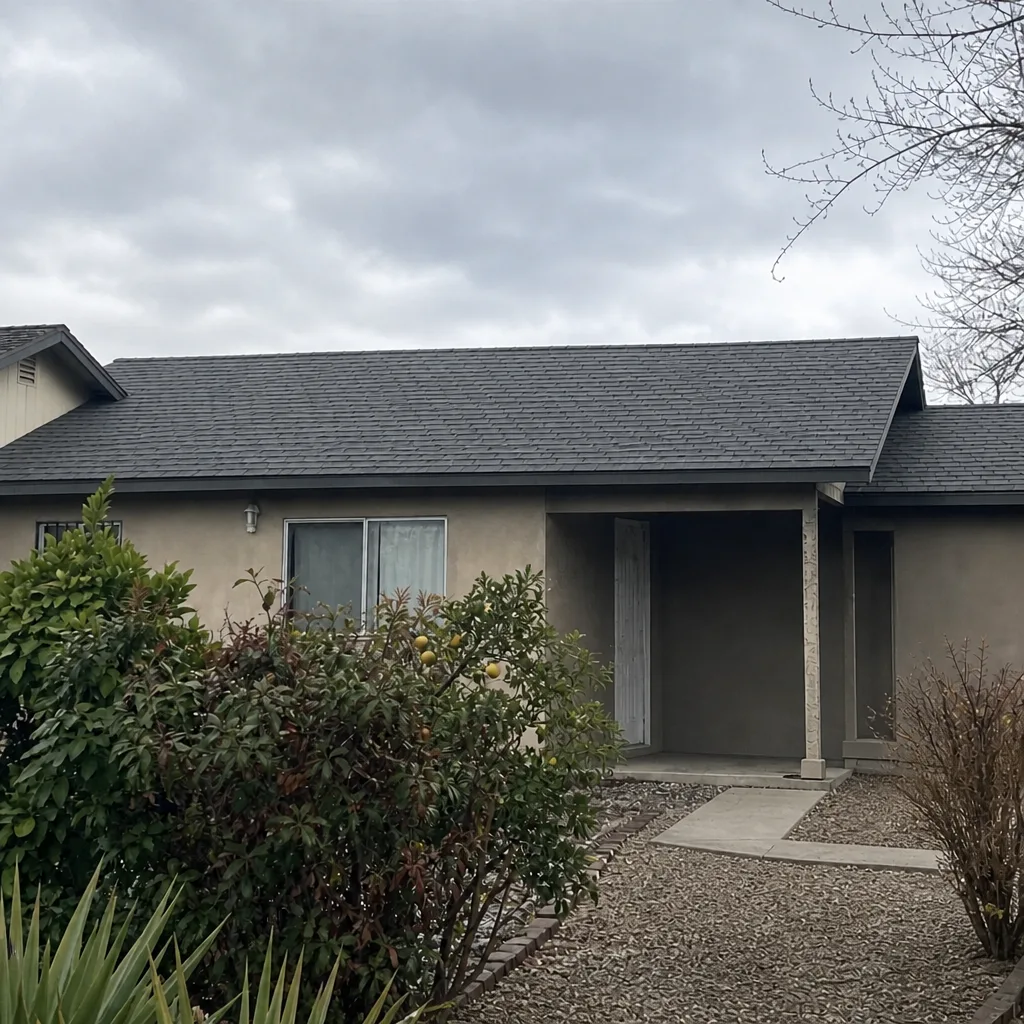 After
What Causes Roof Leaks in Spring Valley, NV? Usually Not the Tile You Can See
Most roof leaks in Spring Valley, NV come from failed flashing, worn pipe-boot seals, cracked underlayment under intact tile, or water backing up on low-slope patio and garage sections - not from obvious missing shingles. If your ceiling stain doesn’t sit under a broken tile or an obvious hole, there’s a good chance the culprit is a 30-year-old felt sheet that baked itself brittle under 150-degree summer heat, and it won’t show up on a driveway inspection. A free assessment from Ridgeline Roofing Co. Spring Valley starts with photos taken from your actual roof. Call (855) 908-1590.
Key Takeaways
- Concrete and clay tile are a two-layer system: the tile sheds rain, but the felt underlayment beneath is the real waterproof barrier.
- Spring Valley’s 1980s-2000s tract homes are now hitting the first-generation replacement wave, and a lot of the felt under those tile roofs is past its rated life.
- Thermal cycling, UV, and monsoon microbursts break down flashing and sealant faster than rainfall volume ever would.
- Water often tracks 10-15 feet along the deck before it shows on a ceiling, so the stain isn’t where the leak is.
Why the Leak Rarely Sits Under the Broken Tile
Think of a tile roof as two jobs stacked on one deck. The tile does the shedding, the fast drainage of most of the rain off the surface. The felt underlayment does the waterproofing, catching whatever gets past the tile at the edges, in the valleys, and around penetrations. Those are two different materials with two different lifespans, and in Spring Valley the top one usually outlives the bottom one by a wide margin.
Most of this community was built out from the 1980s through the 2000s, so the tile roofs on the west-side communities like The Lakes and the Rhodes Ranch area are now 20 to 35 years old. That’s the first-generation replacement wave, and the 20-year felt under a lot of those 1990s tile roofs is already well past its rated life. It doesn’t announce itself. It bakes, dries, and cracks in the summer heat, then lets water slip through at a seam. From there the water tracks horizontally along the deck before it finds a place to drop through the ceiling. A homeowner standing in the driveway looking at a clean, intact tile field has no way to see any of that, and neither does a quick walk-around.
The Second-Leading Cause in Spring Valley: Flashing and Sealant Failure
Rainfall volume isn’t what kills roof connections here. Temperature swing is. An overnight cold snap contracts the metal flashing around a chimney or skylight, then the next afternoon’s 150°F surface heat expands it right back. Repeat that thousands of times and the mastic and step-flashing seals around chimneys, skylights, and vent pipes give way long before the tile does. That thermal cycling is the quiet reason that connections around your roof’s penetrations fail years ahead of schedule.
Flashing failure is our second most common leak source in Spring Valley, and it’s almost always invisible from the ground. The same UV that bakes felt also cooks the sealant around pipe boots and ridge caps. In this valley those seals can quit in as few as 5 to 7 years. The result is a pinhole penetration that sits there quietly and only leaks under a specific combination of wind and driving rain, not every storm. That’s why a leak that shows up once and then vanishes isn’t something to shrug off.
Where the Water Actually Gets In
- Underlayment seams beneath intact tile, cracked from heat and age, letting water slip through and run along the deck.
- Step and counter flashing at chimneys and sidewalls, where mastic has dried and pulled away from the metals.
- Pipe boots and vent penetrations, where the rubber or sealant collar has baked out under years of sun.
- Low-slope patio and garage sections, built to a different pitch tolerance than the main roof, that can’t drain a monsoon microburst of horizontal rain fast enough.
- Valleys and complex hip geometry, common in 1990s subdivisions, where water concentrates and the felt works hardest.
Why Low-Slope Sections Leak First
A lot of Spring Valley tract homes have patio covers and attached garage roofs that were built to a shallower pitch than the main roof. That’s a different set of tolerances, and shallow sections are frequently the first place water finds a way in. When a monsoon microburst pushes rain sideways, a 2:12 slope was never designed to shed that volume fast enough, and water backs up under the lap. The leak shows up on a garage ceiling or a patio wall, far from the main roof, and sends homeowners looking in the wrong place entirely. It’s worth knowing which sections of your roof are shallow before you start chasing a stain.
What a Real Cause-of-Leak Inspection Looks For
Because the damage hides, the only reliable way to answer “what causes roof leaks” on your particular house is to get up on the roof and document it. Our technicians have up to 10 years of experience, arrive background-checked and in uniform, and photograph every penetration, every flashing joint, and the visible condition of the underlayment at exposed edges and valleys. You get a record of where the water is likely entering and why, taken from your actual roof, not a speech in the driveway. That matters most in a place like Spring Valley, where HOA architectural review committees control tile color and profile. Knowing exactly what failed, and whether it’s a local repair or a sign the underlayment is done, keeps you from paying for the wrong fix or replacing good tile. If the inspection points to a straightforward fix, our Roof Repair team can usually handle it in a single visit. For a closer look at how we approach fixes, see Roof Repair in Spring Valley.
When it’s time to put the findings to work, we install products from GAF, CertainTeed, Owens Corning, and other leading lines, so a repair uses the right materials with no substitutions. And every job is backed by our written 90-Day Done Right Promise: if it isn’t right, we come back and make it right, no paperwork and no arguing. A live person answers the phone around the clock, including the middle of a storm.
What Typical Leak Work Runs
| Scope | Typical Range |
|---|---|
| Targeted flashing or pipe-boot repair | $250 – $650 |
| Localized underlayment repair at a valley or edge | $400 – $1,200 |
| Low-slope patio or garage section re-seal | $500 – $1,500 |
| Full photo-documented leak inspection | Free assessment |
These are ballpark ranges, not a quote. The number on your estimate is the number on your invoice. There’s $50 off any repair over $250, a free second opinion on any written estimate, and a standing 5% senior and veteran discount.
FAQs
Because the water is entering somewhere the eye can’t follow from the ground, most often through cracked underlayment or a failed flashing seal, then tracking 10-15 feet along the deck before it drops through the ceiling. The stain marks where the water exits, not where it enters. Call (855) 908-1590 for a free assessment – photos from the roof will show the real source.
Usually yes. If the tile is intact and the failure is in the felt, flashing, or a pipe boot, the fix is often a targeted repair rather than a full tear-off. Whether that holds depends on how much of the underlayment has reached the end of its life, which is exactly what a photo-documented inspection tells you – so you’re not sold a full replacement when a repair will do. Estimates are free.
Once a year is a sound baseline in this climate, and once after any monsoon or hail event that produced visible debris or a new ceiling stain. UV and thermal cycling wear on flashing and sealants every single season, so a short annual check catches a 7-year-old pipe boot before it becomes a ceiling repair. Call (855) 908-1590 to schedule one.
Repair is cheaper up front and is the right call when the failure is isolated to flashing, a boot, or a small section of underlayment. Replacement makes more sense when the felt under most of the roof is past life, which is common on Spring Valley’s 1990s tile roofs. A free inspection with photos lets you see which one you’re facing before you spend a dollar.
If you’d rather have it looked at than keep guessing at the stain, Ridgeline Roofing Co. Spring Valley offers a no-pressure assessment anywhere in Spring Valley – call (855) 908-1590 for a free estimate. A live person answers, day or night.
Want to see what we do across the valley? Start at our home page.
Written by the team at Ridgeline Roofing Co. Spring Valley, serving Spring Valley, NV.