
Last updated November 17, 2026
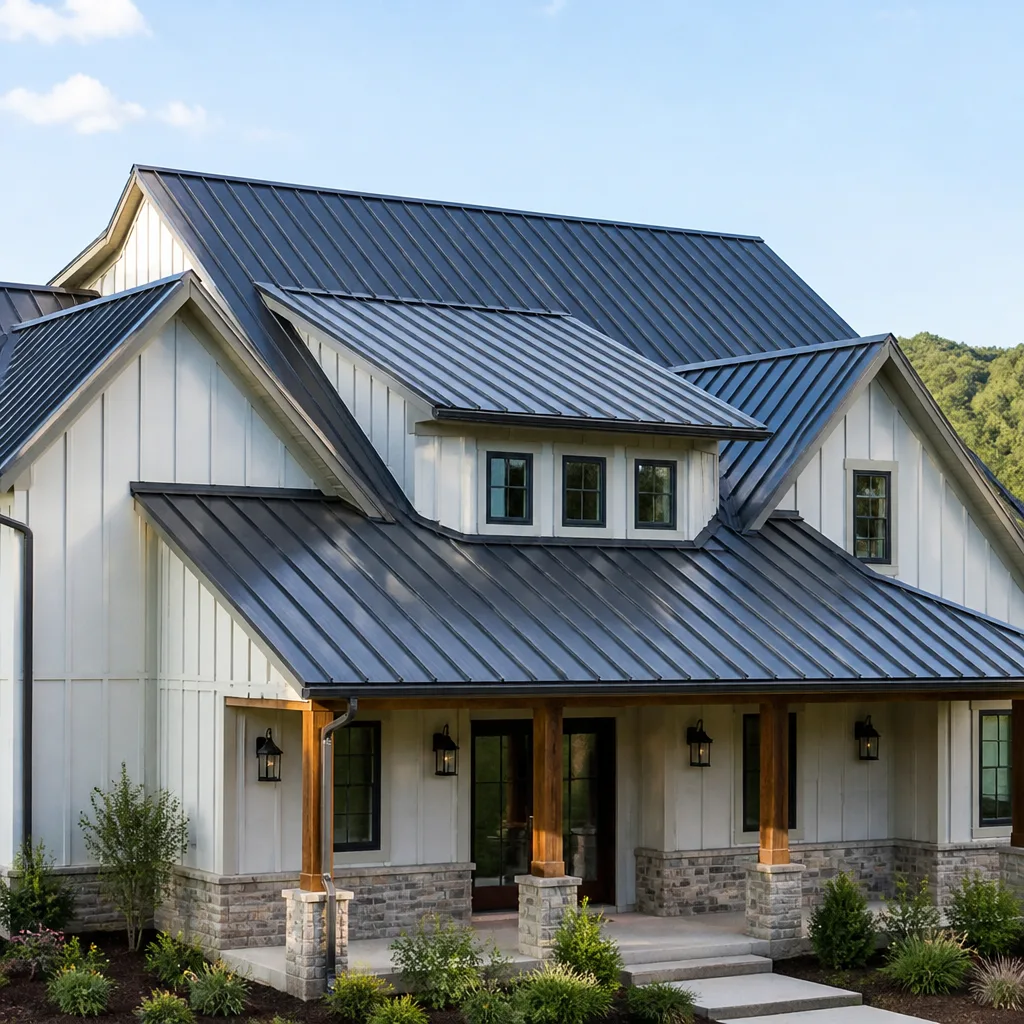 Metal roofing
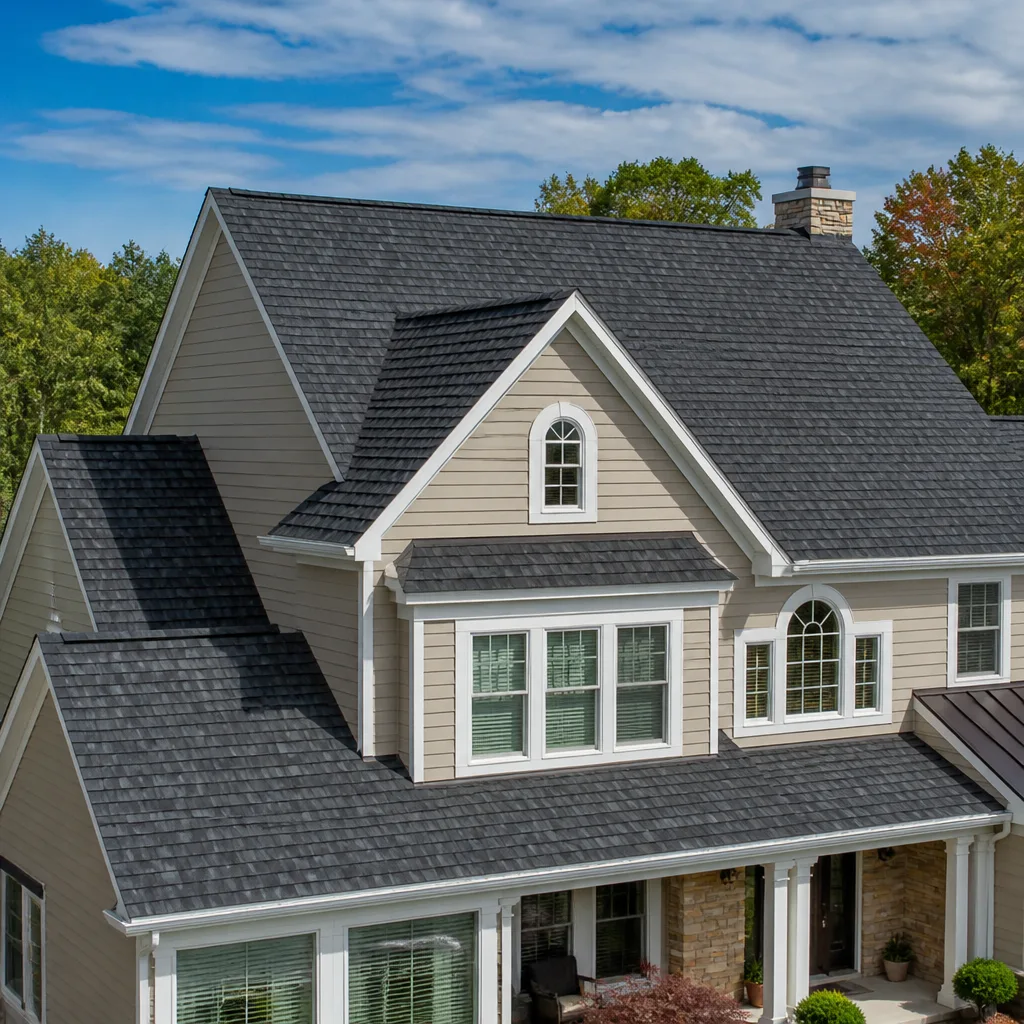 Architectural shingles
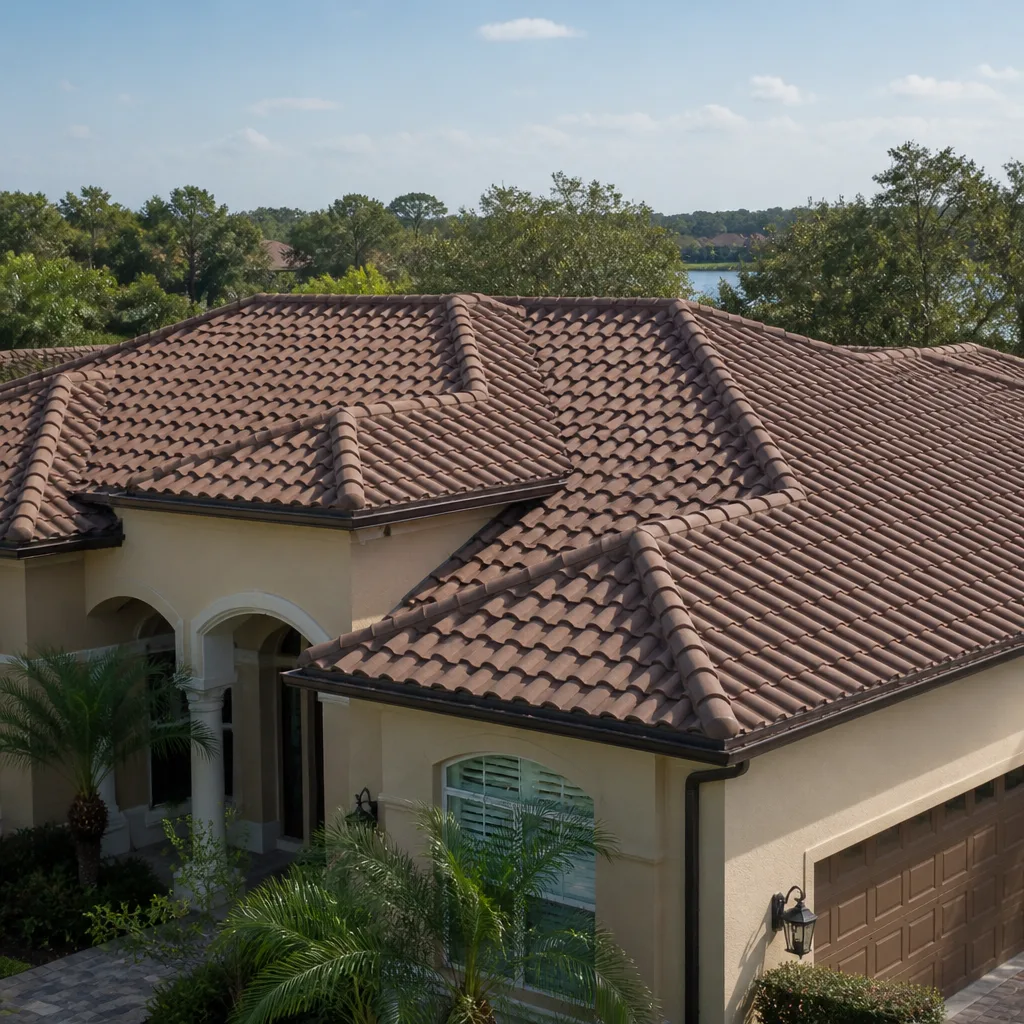 Tile roofing
 GAF
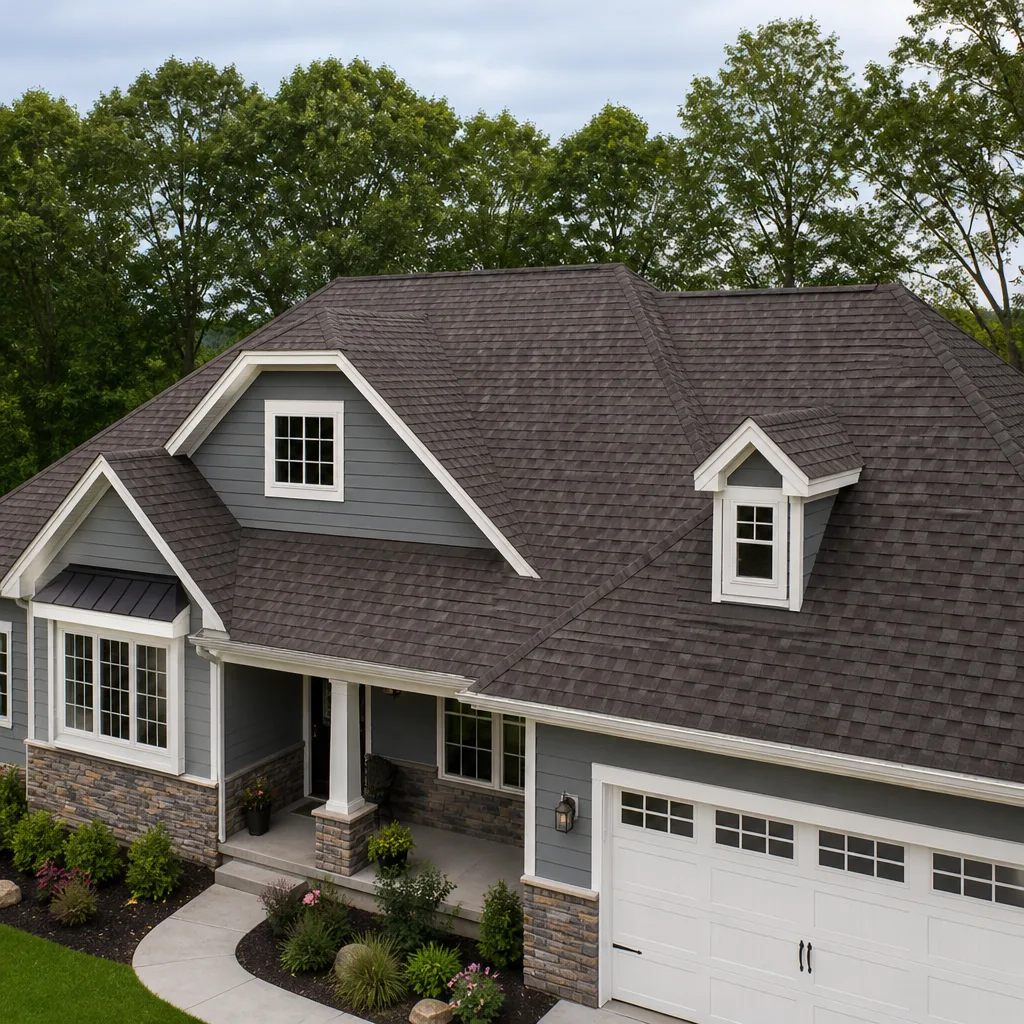 Owens Corning
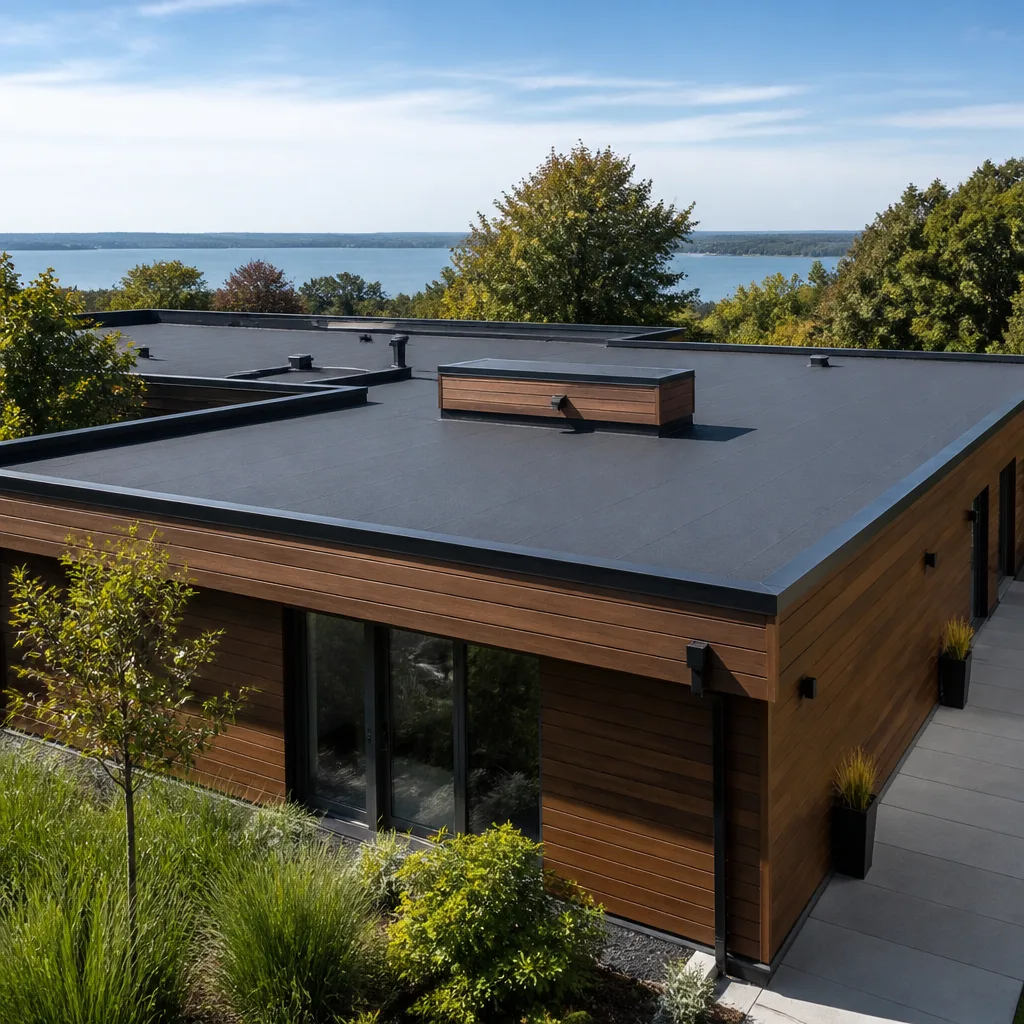 Flat & low-slope
Free roof inspection with deck photos before we talk money - GAF and Owens Corning certified installation
Choosing the Right Roofing Brand: A Buyer’s Guide for Spring Valley
Most roofing brand comparisons are written for a national audience, and that’s the problem. They rank shingles on criteria built for Midwest hail belts and humid coastlines, then hand out “best brand” medals that mean very little on a roof in Spring Valley. Here’s the counterintuitive part: algae resistance, one of the most heavily marketed features in residential roofing, barely matters in our dry desert air. What actually decides whether a roof lasts twenty-five years here is solar reflectance, high-temperature performance, and impact rating. This guide walks through those specs in plain language, compares the brands most common on Clark County roofs, and explains how warranties really work.
Quick Answer
The best roofing brand for a Spring Valley home is the one whose product carries a high solar reflectance index (SRI), a Class 4 impact rating, and compatibility with a high-temperature underlayment, installed by a contractor certified by that manufacturer. For most pitched roofs that points to a premium architectural shingle from GAF, Owens Corning, or CertainTeed with a cool-roof rating; for low-slope and tile roofs, Boral’s clay and concrete tile deserves serious consideration. Brand matters, but the certified installer behind the brand is what unlocks the strongest warranty.
Styles & brands we work with
- Architectural shingles
- Metal roofing
- Tile roofing
- GAF
- Owens Corning
- Flat & low-slope
Table of Contents
- Why National Brand Comparisons Miss the Mark in Spring Valley
- The Three Specifications That Actually Matter Here
- A Side-by-Side of the Brands on Clark County Roofs
- How Manufacturer Warranties Really Work
- The Certified Installer Requirement
- Cross-Referencing Cool-Roof Ratings with Nevada’s Title 24
- A Step-by-Step Way to Compare Brands
- Questions to Ask Before You Sign
Why National Brand Comparisons Miss the Mark in Spring Valley
When a review site ranks shingles, it typically weights qualities like tear strength, wind uplift, and algae resistance. All three are legitimate. But a Spring Valley roof lives under a very particular set of stresses: sustained ultraviolet radiation at high elevation-adjacent desert intensity, surface temperatures on dark shingles that can climb far above ambient air temperature, and a short but real hail season that arrives with the summer monsoon. A shingle rated “excellent” in Minnesota may carry a solar reflectance index too low for the energy expectations Nevada places on re-roofs, and may shed its granules faster under relentless UV.
There’s a code dimension too. Spring Valley sits inside Clark County, where re-roofs on conditioned spaces are evaluated under Nevada’s adoption of Title 24-adjacent energy provisions. That means the reflective properties of your roof surface are not just a comfort preference; they factor into compliance. National rankings rarely account for this.
What we’ve seen on Spring Valley roofs over the years is consistent: the homes that fail early usually failed because of heat and sun exposure, not because of a single hailstorm. That’s why we evaluate brands through a desert lens, and it’s the same lens we bring when homeowners ask us to look at their roof. A Ridgeline Roofing Co. Spring Valley home-style walkthrough starts with the actual condition of the roof, not a brand catalog.
The Three Specifications That Actually Matter Here
If you remember nothing else from this guide, remember these three numbers. They separate a roof that performs in Spring Valley from one that merely meets a national average.
- Solar Reflectance Index (SRI). SRI measures how well a roof surface reflects solar heat and releases what it absorbs. Higher is better in the desert. Cool-roof shingles typically achieve meaningfully higher SRI than standard dark architectural shingles, and that difference shows up both in attic heat and in energy compliance.
- Class 4 impact rating. Class 4 is the top impact rating under the standard hail test. Spring Valley doesn’t get Midwest-sized hail often, but the summer monsoon can drop damaging stones, and a Class 4 rated shingle gives you a real buffer. It can also influence homeowner insurance pricing in some cases.
- High-temperature underlayment compatibility. Underlayment is the layer beneath the shingles, and in desert heat a standard underlayment can soften, wrinkle, or fail prematurely. High-temperature SBS-modified underlayment is formulated to hold up under sustained heat. Pairing a premium shingle with the wrong underlayment is one of the most common mistakes we correct.
Algae resistance, by contrast, is a feature designed for humid climates where blue-green algae streaks roofs. In Spring Valley’s dry air, that problem is rare, so a brand that leads its marketing with algae resistance isn’t telling you much about how it will perform here.
A Side-by-Side of the Brands on Clark County Roofs
The brands most often installed on Spring Valley and greater Clark County roofs are GAF, Owens Corning, CertainTeed, and, for tile roofs, Boral. Here’s how they stack up when you weight desert-relevant specs rather than general ratings. These are the categories to look at, not a ranking of winners.
- GAF. A widely installed line with cool-roof product options and a strong certified-contractor warranty structure. Look for the reflective product line if energy compliance matters on your re-roof. GAF’s top warranties tie to credentialed installers.
- Owens Corning. Known for its Duration line, with impact-resistant and cool-roof variants. Strong on hail-rated products, which matters during monsoon season. Confirm the specific product’s SRI rather than assuming.
- CertainTeed. Offers reflective shingle options and a well-developed certified-installer program. A solid middle ground for homeowners who want a reflective surface without a premium price jump.
- Boral. The tile specialist. Clay and concrete tile handle desert heat exceptionally well and last decades, though weight and structural support must be confirmed. For tile roofs, Boral is a natural conversation.
A brand name on a brochure tells you what the product is capable of. It doesn’t tell you which product within that brand fits your roof, your slope, and your energy situation. That’s the work of an actual assessment. When we look at a Spring Valley roof, the brand recommendation comes after the roof condition, pitch, ventilation, and attic are understood, not before.
How Manufacturer Warranties Really Work
“Lifetime” on a shingle warranty does not mean the roof lasts forever, and it does not mean you get a free new roof. Understanding the fine print before you buy is the difference between a warranty that protects you and one that mostly protects the manufacturer.
Most residential shingle warranties are structured in two parts: a period of full material coverage, then a longer prorated period. In the prorated phase, the payout declines over time. Labor is usually covered separately, or not at all, unless you hold the manufacturer’s strongest warranty tier, which requires a certified installer. That’s the pivot point most homeowners miss.
Transferability matters too. Many warranties can transfer to a new owner once, within a set window, if the transfer is registered. If you plan to sell your Spring Valley home, a transferable warranty is a real selling point, and it’s worth asking whether your brand’s warranty transfers and what registration it requires.
What voids coverage most often:
- Installation by a contractor who isn’t certified by that manufacturer.
- Improper ventilation, which traps heat and moisture and accelerates failure.
- Mixing brands, such as using one maker’s shingle with another’s underlayment in ways the warranty prohibits.
- Foot traffic or repairs done outside the warranty terms.
- Missing the registration or transfer deadlines in the fine print.
A written workmanship guarantee from your installer sits alongside the manufacturer warranty and covers the labor the manufacturer won’t. That’s a distinction we take seriously: done right, and if it’s not, we make it right.
The Certified Installer Requirement
Here’s a fact that surprises a lot of homeowners: the best warranty a brand offers is often only available through contractors the manufacturer has credentialed. You can’t buy that top-tier coverage on your own, and a contractor who isn’t certified can’t offer it to you.
Credentialing generally involves proving licensing and insurance, completing manufacturer training, maintaining a track record the manufacturer can verify, and installing to the manufacturer’s specification. It’s a chain of accountability: the brand stands behind the product, the certified installer stands behind the labor, and the warranty covers both.
What this means practically for your Spring Valley project:
- Ask which warranty tier applies to your job, and whether it’s the certified-installer tier.
- Ask the installer to show the certification for the specific brand being quoted.
- Confirm the underlayment and accessories are the same brand, so nothing voids coverage.
- Get the warranty terms in writing before work starts.
An installer who can’t answer these questions clearly, or who waves them off, is telling you something. When we quote a roof, we’re an authorized installer across seven manufacturer lines, including GAF, CertainTeed, and Owens Corning, specifically so the strongest warranty tier is available to the homeowner rather than lost to a technicality.
Cross-Referencing Cool-Roof Ratings with Nevada’s Title 24
Nevada’s energy code framework, tied to Title 24-adjacent provisions and local amendments, places expectations on re-roofs over conditioned spaces. For a homeowner, the practical takeaway is that your roof surface’s reflective performance can factor into compliance, and choosing a cool-roof product helps you stay on the right side of it.
How to cross-reference a brand’s ratings with the requirement:
- Ask the installer for the product’s SRI rating and the specific product data sheet, not a generic brochure.
- Compare the SRI to what the code requires for your re-roof, which depends on slope and whether the space below is conditioned.
- Confirm the product is listed with the relevant rating body so the number is defensible, not marketing language.
- Check that the underlayment and flashing are compatible with the reflective product, since the system has to work together.
This is where a brand’s cool-roof line and the code meet. A shingle can carry an impressive SRI and still be the wrong product if the underlayment under it wasn’t rated for the heat. The system, not the single product, is what passes inspection and what lasts. We pull permits and pass inspections as part of the job, so this compliance work is handled, not assumed.
A Step-by-Step Way to Compare Brands
Use this sequence when you’re comparing quotes in Spring Valley. It keeps the decision grounded in your roof rather than in a brand’s national reputation.
- Get your roof assessed. Condition, pitch, ventilation, and attic matter more than the logo. Start with a documented inspection so the recommendation matches reality.
- Identify the product line, not just the brand. Ask for the exact product and its SRI, impact class, and underlayment pairing.
- Verify the certified-installer status for the brand being quoted, in writing.
- Check the warranty tier and transferability against the fine print, not the sales pitch.
- Confirm the energy-compliance piece for a re-roof over conditioned space.
- Compare the written line-item estimates. Same scope, same materials, same labor, so the comparison is real.
When the estimates are laid out side by side on the same scope, the decision gets much clearer. We give written, line-item, no-hassle upfront pricing, and the number on the estimate is the number on the invoice.
Questions to Ask Before You Sign
Bring these to every contractor you interview, in Spring Valley or anywhere in Clark County. The answers tell you more than any brochure.
- Which certified-installer warranty tier applies to my job, and what does it cover in labor? A strong answer names the tier and the labor terms.
- What is the SRI and impact class of the product you’re quoting? The answer should be specific, with a data sheet.
- How does the underlayment pair with the shingle for desert heat? Look for high-temperature SBS compatibility.
- Does this re-roof need to meet the energy code for a conditioned space, and how will you document it? A good answer shows the compliance path.
- Is the manufacturer warranty transferable if I sell? Ask about the registration window.
- What workmanship guarantee do you provide beyond the manufacturer warranty? You want labor coverage in writing.
Good contractors welcome these questions. They shorten the conversation, because they separate the brands and installers who can answer from the ones who can’t. If roof repair is what you actually need rather than replacement, a Roof Repair in Spring Valley assessment is the right starting point before any brand comparison begins.
Common Mistakes to Avoid
- Choosing a brand by national rank alone. A shingle that tops a Midwest list may carry an SRI or heat performance that’s wrong for Spring Valley. Weight desert specs first.
- Chasing algae resistance. It’s a humid-climate feature that rarely matters here; you’d be paying for something Spring Valley homeowners almost never need.
- Pairing a premium shingle with a standard underlayment. The wrong underlayment can fail under desert heat and drag the whole system down. Compatibility is part of the purchase.
- Assuming the warranty covers labor. Most manufacturer warranties cover materials, not labor. Ask what covers the labor if something goes wrong.
- Overlooking Title 24-adjacent energy compliance. A re-roof over conditioned space has energy provisions, and skipping them can stall an inspection. Confirm the reflective product meets the requirement before ordering.
- Hiring a truck with no local roots. A crew that won’t be in town next spring can’t honor a workmanship promise. Spring Valley needs installers who will be here to come back if something’s off.
- Accepting a ballpark instead of a line-item. A verbal round number invites change orders. Ask for a written, itemized estimate so the scope is locked.
See the difference
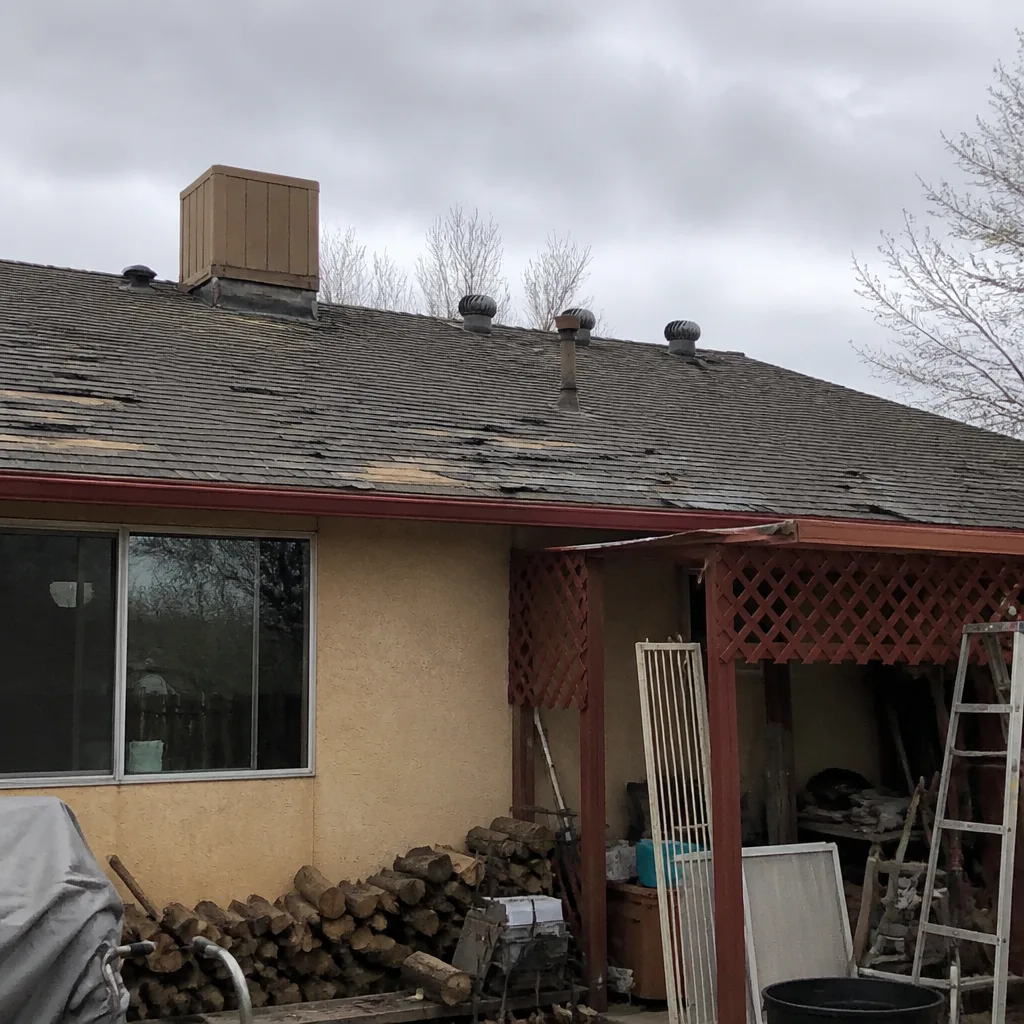 Before
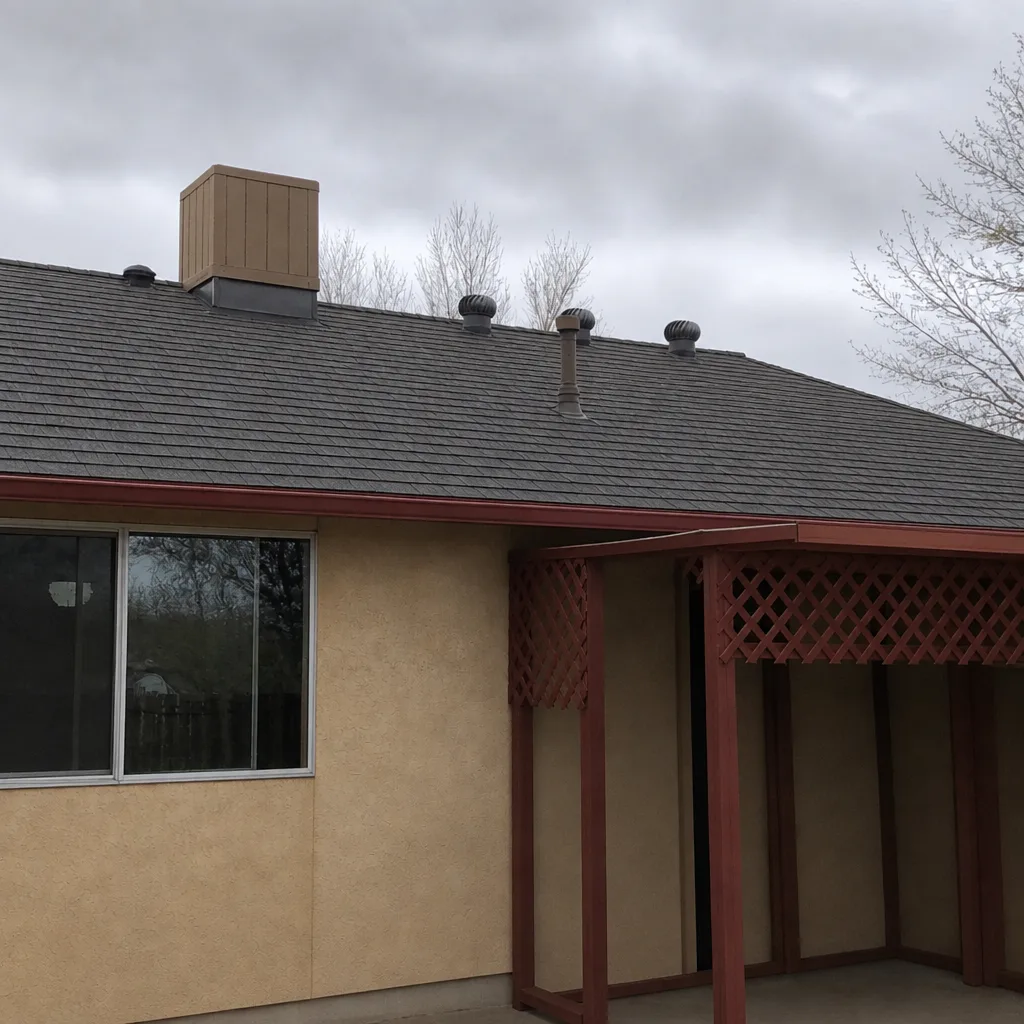 After
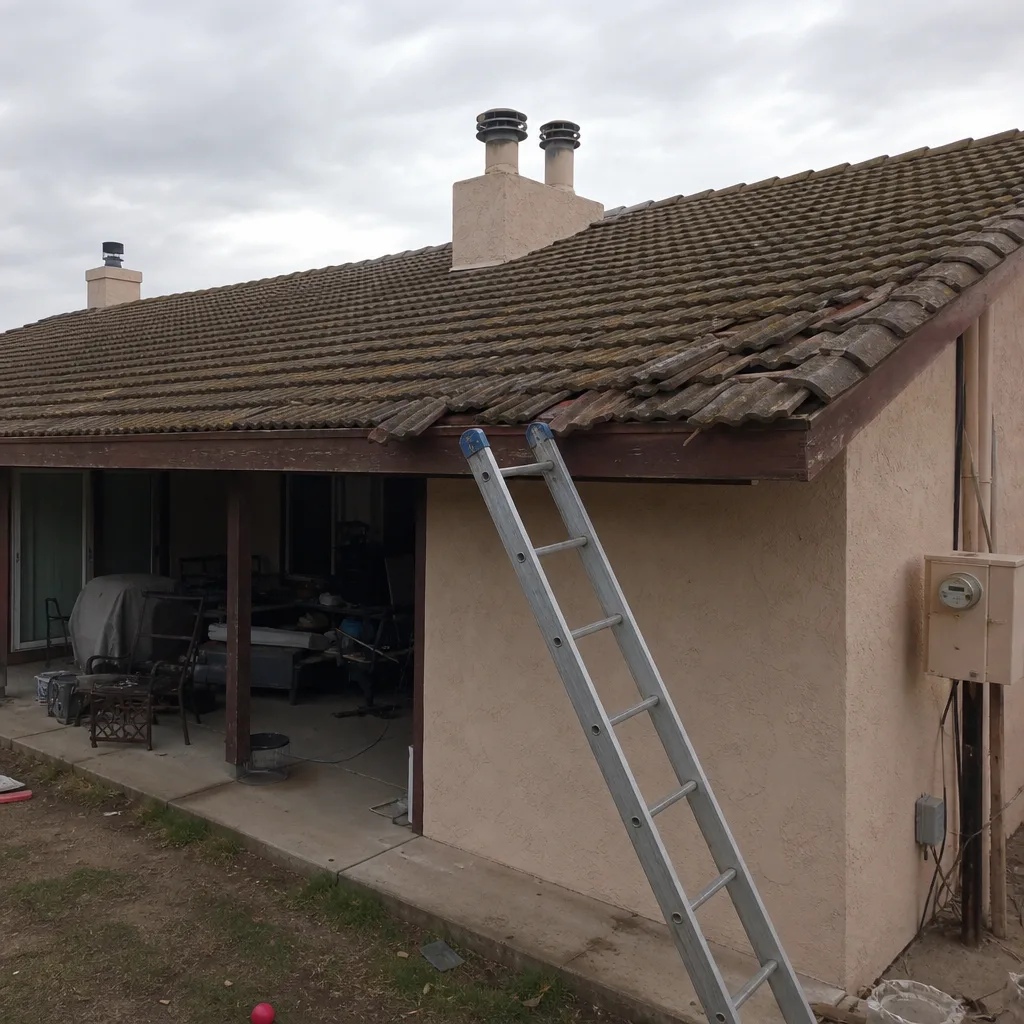 Before
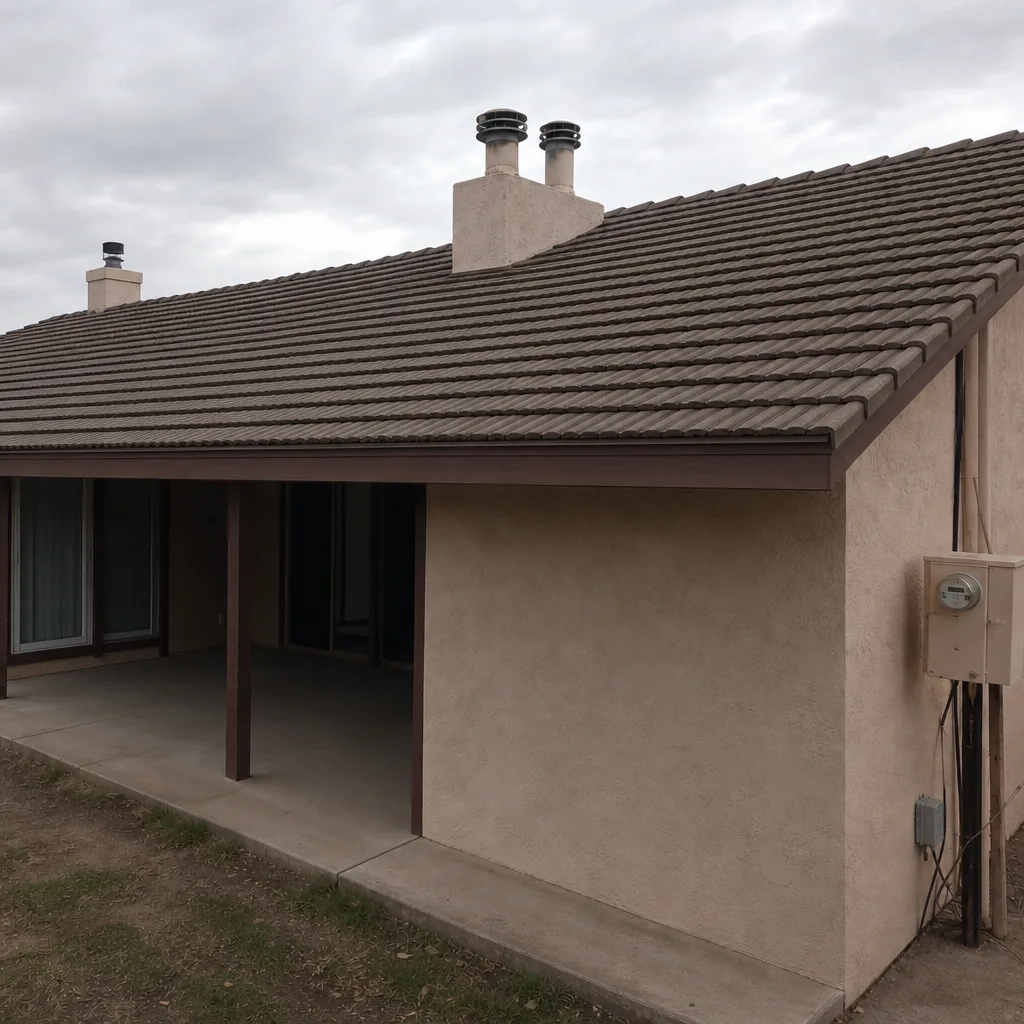 After
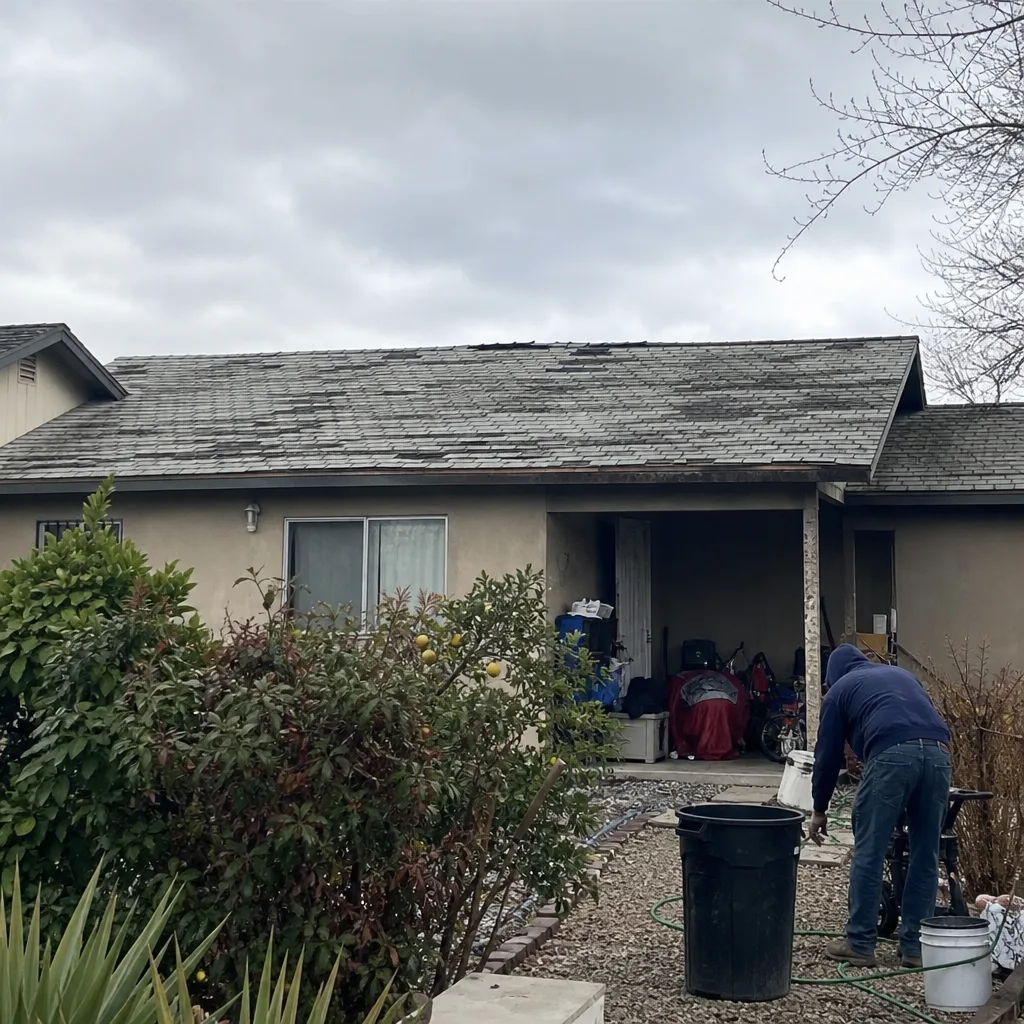 Before
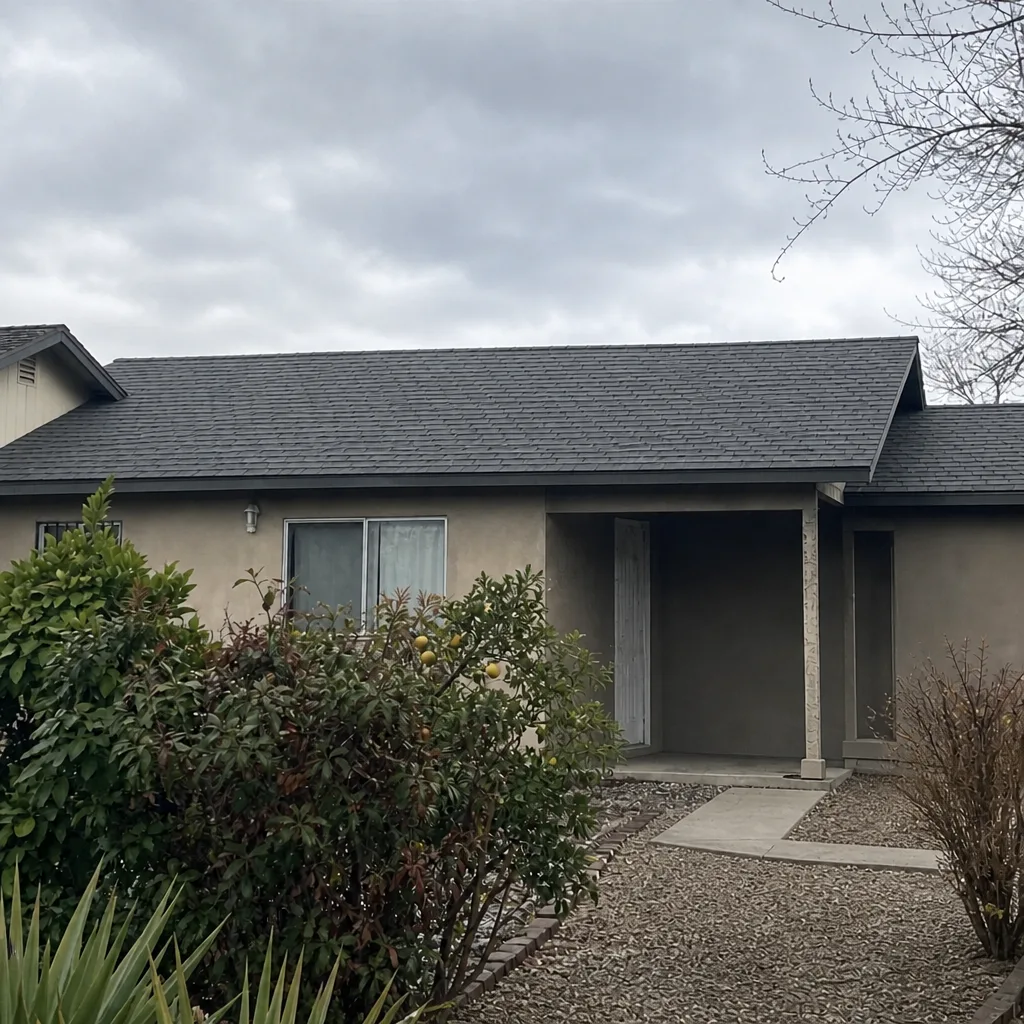 After
When to Call a Professional
Brand comparison is a desk exercise; roof work is not. Call a professional if you see missing or curling shingles, granules collecting in your gutters, granules shedding after a monsoon, or daylight in the attic. Age is a signal too: if your shingle roof is well into its second decade and you’re in Spring Valley’s sun, an inspection is due. Get a documented, photo-backed assessment before deciding on a replacement. Professionals also handle the parts you shouldn’t: roof work at height, high-temperature spring or cable issues on specialty roofs, and anything that could cause injury if attempted off the ground. For a specialty roof like tile or flat, bring in a Specialty Roofing in Spring Valley assessment. Ridgeline Roofing Co. Spring Valley offers free estimates in Spring Valley – call (855) 908-1590.
Frequently Asked Questions
For most pitched roofs, a premium architectural shingle from GAF, Owens Corning, or CertainTeed with a cool-roof rating is the practical pick. For tile and low-slope, Boral is a strong option. The right brand is the product line that fits your roof’s slope, ventilation, and energy situation, installed by a certified contractor. Call (855) 908-1590 for an exact quote – estimates are free.
Both matter, but the installer is what unlocks the strongest warranty and the longevity of the install. A premium brand installed by an uncertified crew can lose its top warranty tier. The best combination is a certified installer and a product matched to your roof. Call us to talk through which brand and installer pairing fits your Spring Valley roof.
“Lifetime” usually means a full-coverage period followed by a long prorated period, not a free roof forever. Labor is often not covered unless you hold the certified-installer tier. Read the fine print and confirm transferability before you buy. Call (855) 908-1590 and we’ll walk you through the warranty terms.
Nevada’s energy code framework, tied to Title 24-adjacent provisions and local amendments, applies energy expectations to re-roofs over conditioned spaces. Whether and how it applies to your roof depends on slope and the space below. Ask for the product’s SRI data sheet and confirm compliance before ordering. Call us for an assessment of what applies to your home.
Installation by an uncertified contractor, improper ventilation, mixing brands in a way the warranty prohibits, and missing registration deadlines are the most common culprits. Foot traffic and repairs outside the terms can also void coverage. Get the terms in writing and keep your documentation. Call (855) 908-1590 for guidance on protecting your coverage.
Insist on written, line-item estimates with the same scope, product lines, and labor so the comparison is apples to apples. Ask each installer for the certified warranty tier, the SRI, and the underlayment pairing. Then compare. That’s the only fair way to pick a brand and a crew. Call (855) 908-1590 for a free second opinion on any written estimate.
The Bottom Line
Choosing the right roofing brand in Spring Valley comes down to a few desert-specific specs, not a national ranking. Weigh solar reflectance, Class 4 impact rating, and high-temperature underlayment compatibility. Look past algae resistance, which matters little here. Confirm the brand’s certified-installer warranty tier, check transferability, and cross-reference the SRI with the energy code for your re-roof. Then hire the installer who provides a written, line-item estimate and will still be in town long after the job. Done right, and if it’s not, we make it right. That’s the standard we hold, and it’s why our technicians bring up to 10 years of experience to every Spring Valley roof. For a roof replacement decision, start with a Roof Replacement & Installation in Spring Valley consultation.
Contact
The brand on the shingle is only half the story. The installer behind it is the other half. Ridgeline Roofing Co. Spring Valley gives you a documented, photo-backed roof inspection, a written line-item estimate with no-hassle upfront pricing, and a 90-Day Done Right Promise on the work: a written workmanship guarantee, no arguing, no paperwork. Our phones are answered by a live person around the clock, and our background-checked, uniformed technicians treat your home the way they’d want their own mother’s home treated. We’re an authorized installer of GAF, CertainTeed, and Owens Corning, among seven manufacturer lines, so the strongest warranty tier is available rather than lost to a technicality. Call (855) 908-1590 for a free estimate and let’s find the right roof for your Spring Valley home.
Written by the team at Ridgeline Roofing Co. Spring Valley.