
Last updated November 17, 2026
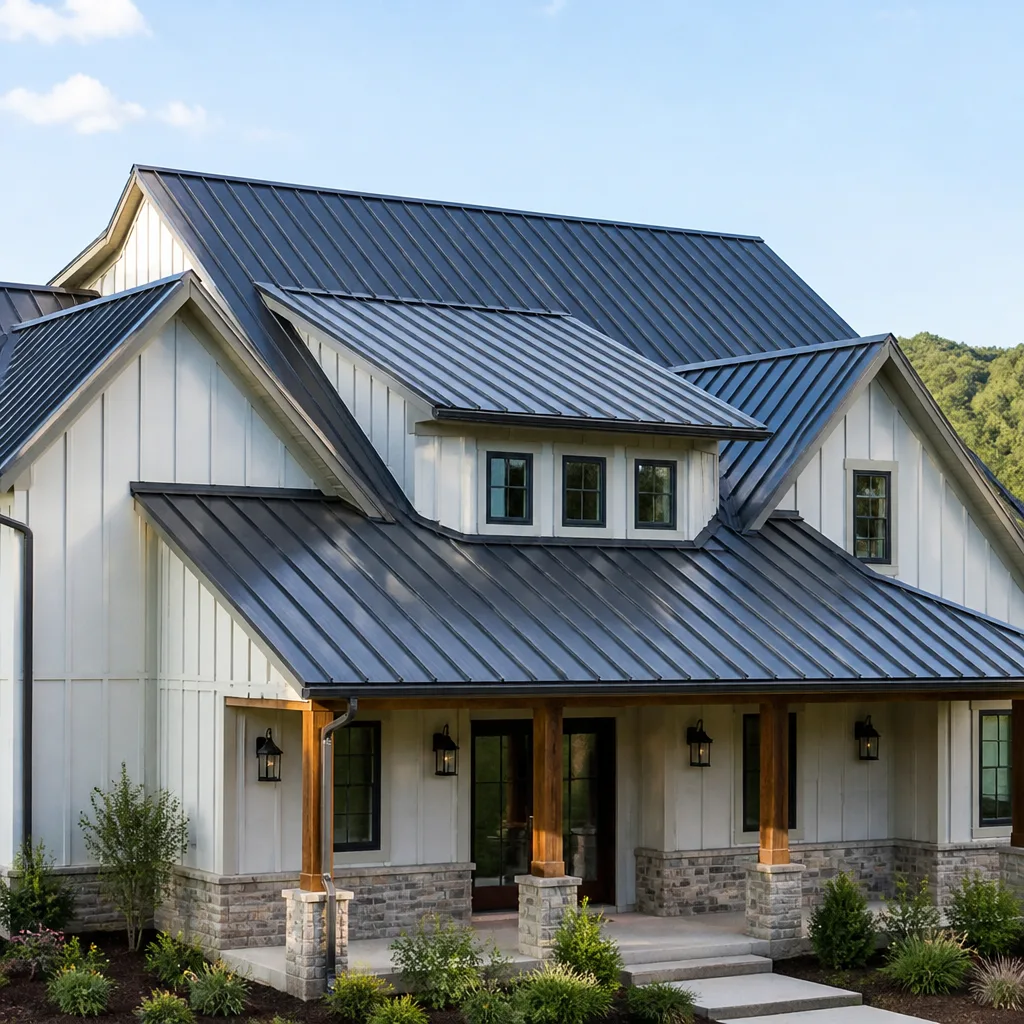 Metal roofing
 Architectural shingles
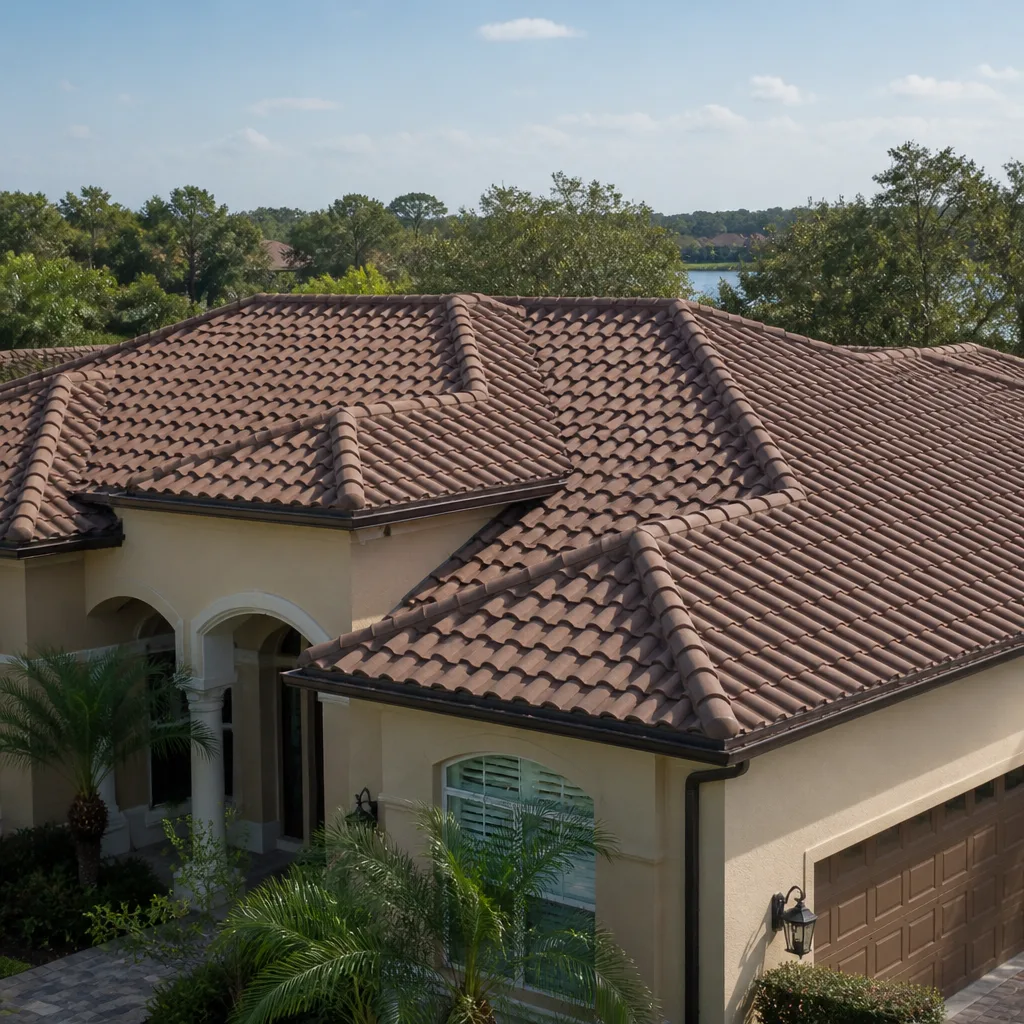 Tile roofing
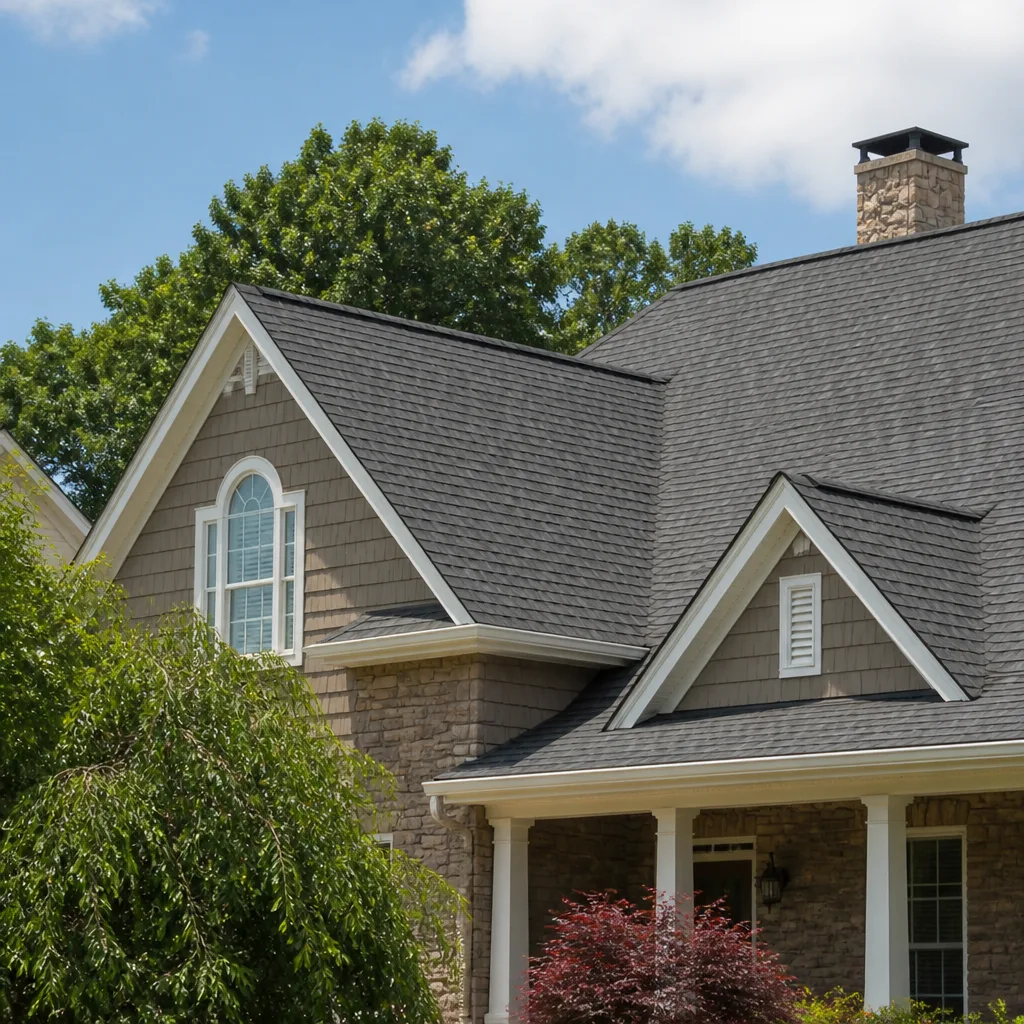 GAF
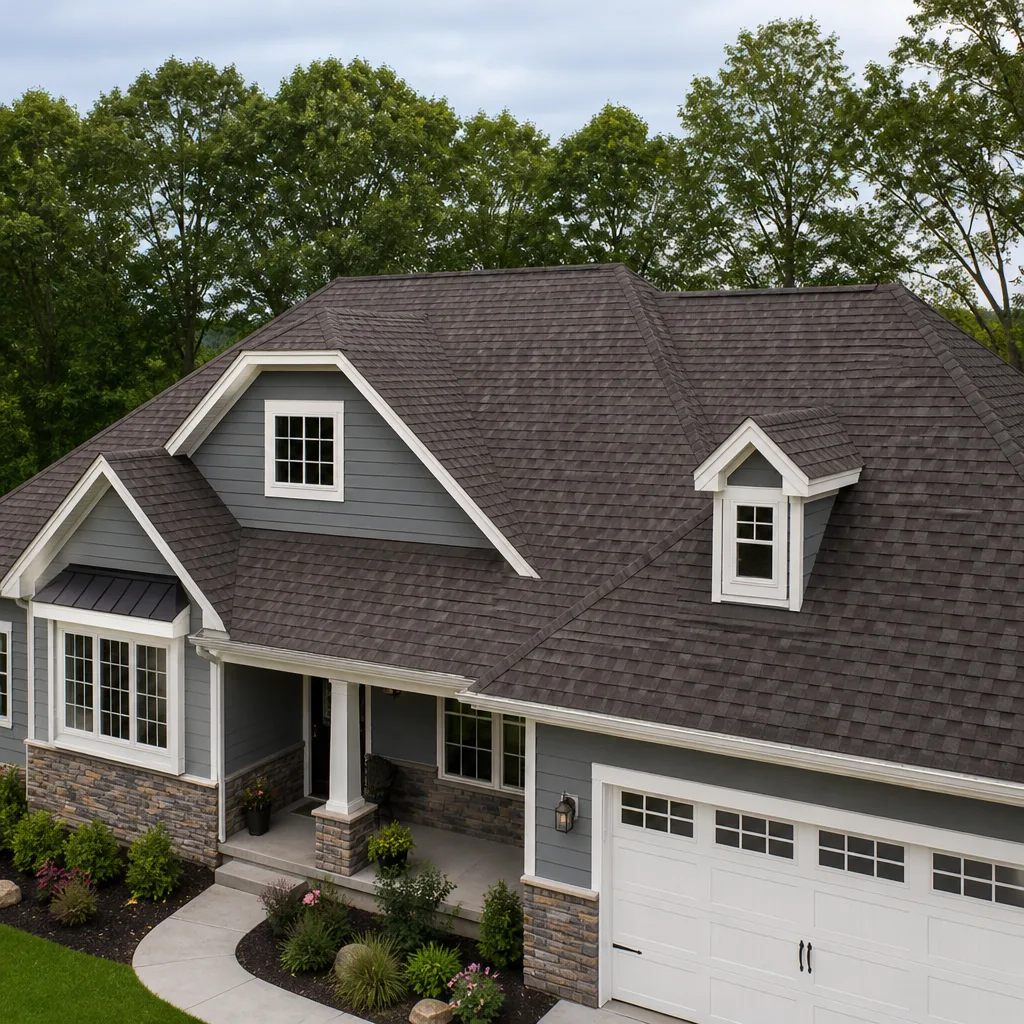 Owens Corning
 Flat & low-slope
Free roof inspection with deck photos before we talk money - GAF and Owens Corning certified installation
The Complete Guide to Roofing in Spring Valley
Most Spring Valley homes were built during three distinct construction booms – the late 1980s, mid-1990s, and mid-2000s – and each era came with its own roofing shortcuts that are now reaching the end of their service life at the same time. That timing matters. It means a wide swath of Spring Valley roofs are failing in the same decade, competing for the same contractors, and facing the same desert conditions that no generic roofing guide ever accounts for. This guide maps the variables that actually decide how long a roof lasts here: elevation and heat-island effects, era-specific failure modes, Clark County permit rules, HOA approval processes, and how to read an inspection report that will hold up when you file a claim. If you plan to stay in your house, it’s worth understanding before anyone climbs a ladder.
Quick Answer
Roofing in Spring Valley fails faster than manufacturer timelines predict because desert-urban heat island exposure pushes surface temperatures well past rated limits, and each home’s construction era (late 1980s, mid-1990s, or mid-2000s) produces a predictable first failure – usually underlayment before shingles. Most Spring Valley roofing work falls under Clark County permit jurisdiction rather than the City of Las Vegas, and in master-planned communities, HOA color and material approval comes before the permit. A photo-documented inspection is what protects you when an insurance claim or warranty question comes up later.
Styles & brands we work with
- Architectural shingles
- Metal roofing
- Tile roofing
- GAF
- Owens Corning
- Flat & low-slope
Table of Contents
- Why Spring Valley Roofs Age Faster Than the Label Says
- The Three Construction-Era Roof Profiles in Spring Valley
- Clark County Permits: What Spring Valley Homeowners Need to Know
- HOA Color and Material Approval in Master-Planned Communities
- How to Read a Photo-Documented Inspection Report
- Choosing Materials That Hold Up in the Desert
- Repair or Replace? A Decision Framework
- A Seasonal Maintenance Calendar for Spring Valley
Why Spring Valley Roofs Age Faster Than the Label Says
A shingle rated for 25 or 30 years is rated under laboratory conditions. On an actual roof in Spring Valley, those conditions don’t exist. The urban heat island built up across the Las Vegas Valley means asphalt surfaces here routinely run hotter than the surrounding desert, and Spring Valley’s position against the western foothills adds its own angle of sun exposure during the hottest part of the afternoon.
What that does to a roof is cumulative and quiet. Asphalt shingles lose their volatile compounds faster under repeated thermal cycling – the daily swing from a scorching afternoon to a cool desert night. The granules that protect the asphalt from UV break down and wash away. Once the granule layer thins, the asphalt underneath begins to oxidize, and the shingle becomes brittle enough that a single wind event cracks it. In our experience, shingle roofs in Spring Valley often show significant granule loss and surface cracking years before the manufacturer’s projected replacement window.
Two local variables sharpen this further:
- Elevation and slope. West-facing slopes and low-pitch sections absorb more direct heat and radiate it back into the attic, which accelerates underlayment failure from below as well as shingle wear from above.
- Attic ventilation. Homes built in this valley often have ventilation sized for cooler climates. When attic heat can’t escape, the deck and underlayment bake, and the shingle’s underside gets no relief.
The practical takeaway: don’t rely on a manufacturer’s year count as your replacement clock. Rely on what the roof actually looks like. A proper roof repair in Spring Valley assessment starts with reading the real condition, not the paperwork.
The Three Construction-Era Roof Profiles in Spring Valley
The single most useful thing a homeowner here can know is which boom built their house, because each era produces a predictable first failure. When you understand what your roof is likely to fail at first, you can look for the right warning signs and budget in the right order.
The late 1980s profile. Homes from this era commonly used standard three-tab shingles over organic felt underlayment. The shingles themselves were thin, and the organic felt was never designed for this climate’s thermal cycling. The first failures we see on these roofs are underlayment breakdown and fastener corrosion – the shingles look intact from the street while the layer beneath them has already given up.
The mid-1990s profile. Dimensional architectural shingles became common here in this period, generally an upgrade in appearance and wind performance. But many installations skimped on attic ventilation and flashing detail at valleys and penetrations, so the first failures tend to show at flashings, chimney collars, and roof-to-wall transitions before the field shingles fail.
The mid-2000s profile. The later boom brought larger homes, more complex rooflines, and more valleys, hips, and penetrations. More complexity means more places for water to find a path. On these roofs, the first failures are usually at penetrations and valley transitions – sometimes hidden well enough that a homeowner only notices when a ceiling stain appears during the first real monsoon.
If you’re unsure which era your home belongs to, a Ridgeline Roofing Co. Spring Valley home inspection can identify the construction profile from the deck and materials and tell you what to watch for first.
Clark County Permits: What Spring Valley Homeowners Need to Know
Here’s a detail many guides get wrong: most of Spring Valley is unincorporated Clark County, not the City of Las Vegas. That means roofing permits and inspections for most Spring Valley addresses are handled through Clark County jurisdiction. Permit requirements, inspection sequencing, and the paperwork trail differ from what you’d see inside city limits, and a contractor who works primarily in city neighborhoods may not be fluent in the county process.
Why this matters to a homeowner:
- Inspection standards. County inspections verify things like deck attachment, underlayment, and flashing installation at specific stages. A job that skips the permit and inspection leaves you without an official record that the work met code.
- Resale. When you eventually sell, unpermitted roof work can become a title or disclosure problem. A permit trail is proof the job was done to standard.
- Insurance. Some carriers ask for proof that roof work was permitted and inspected, especially after a replacement. Without it, a claim can get tangled.
A straightforward process looks like this:
- Confirm the jurisdiction for your specific address – county or city – before any contract is signed.
- Have the contractor pull the roof permit in the correct jurisdiction.
- Schedule the required inspection at each stage the county specifies.
- Keep the final inspection sign-off with your home records, next to the warranty paperwork.
Ask any contractor directly: “Will you pull the permit, and will you give me the inspection sign-off?” The answer tells you a lot. When a job is done right, the paperwork isn’t a burden – it’s the proof. Free second opinions on any written estimate are available; call (855) 908-1590.
HOA Color and Material Approval in Master-Planned Communities
Spring Valley includes some of the valley’s larger master-planned communities, and those HOAs have architectural review processes that govern roof color and material. If your home sits inside one of these communities, the HOA approval comes before the permit – not after. Skipping it can mean tearing off a brand-new roof because the color didn’t match the approved palette.
A typical HOA roofing approval flow runs:
- Get the current approved color and material list from your HOA architectural committee – palettes change over the years, so don’t rely on what a neighbor installed a decade ago.
- Submit the contractor’s product spec sheet with the exact manufacturer color name and code.
- Wait for written approval before ordering materials.
- Then pull the permit and schedule the install.
Products from CertainTeed, GAF, Tamko, and Boral span a wide range of approved desert palettes, which usually makes finding a compliant match straightforward. Our technicians have up to 10 years of experience navigating these approvals and can prepare the spec documentation your HOA needs. Get the approval in writing and file it with the permit and warranty – you’ll want it if a future buyer’s agent asks.
How to Read a Photo-Documented Inspection Report
The difference between a verbal walkthrough and a photo-documented inspection shows up months or years later, usually when you’re filing an insurance claim or disputing a warranty. A verbal walkthrough leaves no record of what the roof looked like on inspection day. A photo-documented report gives you a dated baseline you can compare against later damage.
What a useful report contains:
- Photos of every elevation, not just the worst slope, including close-ups of flashings, valleys, and penetrations.
- Date and location stamps so the record is unambiguously tied to your roof on that day.
- Granule condition and shingle age indicators noted in writing, so you can track deterioration over time.
- Attic and deck observations where accessible, since underlayment failure often shows from below first.
- A written summary distinguishing urgent issues from watch items.
When an insurance adjuster reviews a storm claim, a dated photo record from before the storm can separate pre-existing wear from new damage. Without it, you’re relying on memory. Our background-checked, uniformed technicians document every inspection with photos taken from your actual roof.
Choosing Materials That Hold Up in the Desert
Not every roofing product performs equally in Spring Valley’s climate. The right material depends on your roof’s slope, your budget, and how long you intend to stay. Here’s how the main options behave here.
- Architectural asphalt shingles. The most common choice in Spring Valley, and for good reason – good wind performance, broad color range for HOA compliance, and available from several reliable lines including GAF, CertainTeed, and Tamko. Choose impact- and UV-rated lines and plan for their actual lifespan here to run shorter than the label.
- Tile. Concrete and clay tile hold up well to desert sun and have a long service life. They’re heavier, which can require deck reinforcement on some homes, and broken tiles need careful matching.
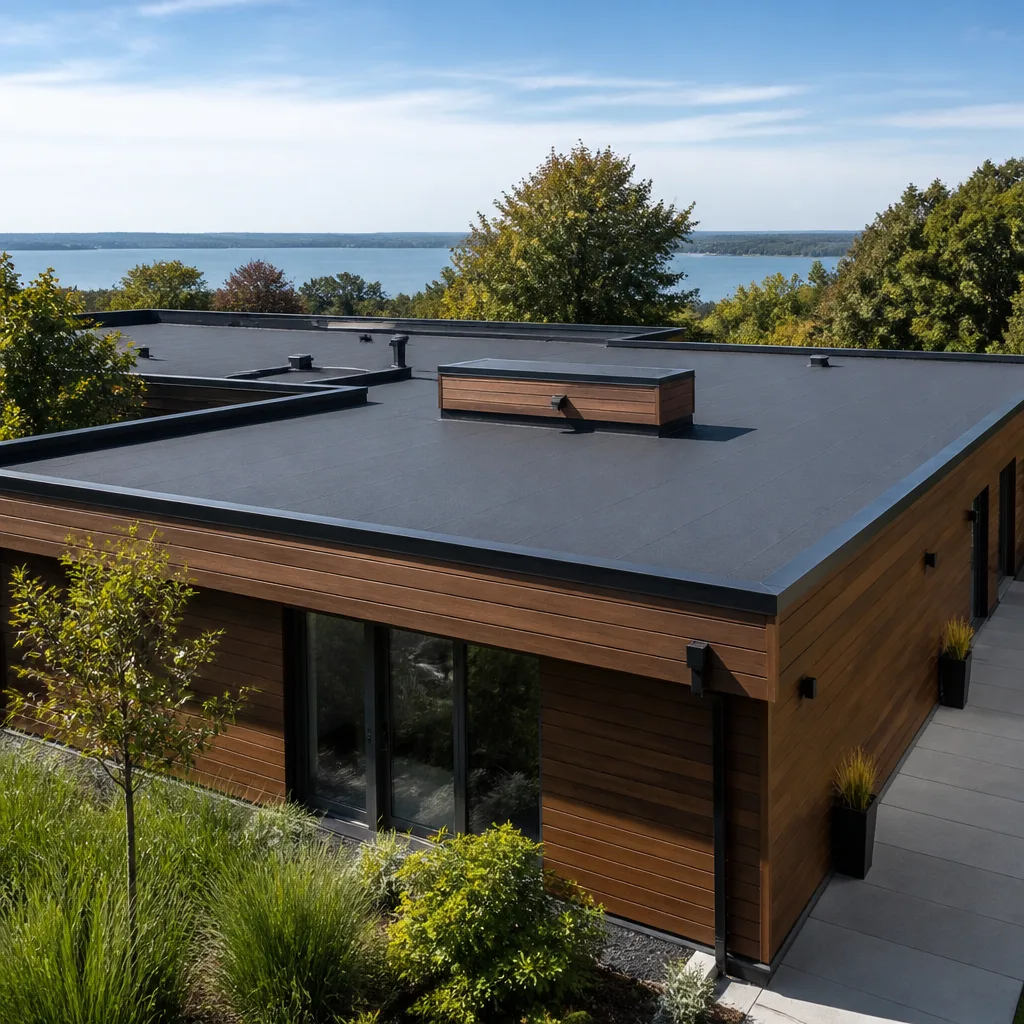
- Low-slope systems. Some Spring Valley homes have flat or low-slope sections over patios or additions. These need a system designed for ponding water, not shingles. This is where specialty roofing in Spring Valley matters – the right membrane and proper drainage detailing decide whether that section leaks.
We install products from seven leading manufacturer lines, including GAF and CertainTeed, so the right material can be chosen for the roof rather than forced to fit whatever is on hand. Proper materials, no substitutions.
Repair or Replace? A Decision Framework
This is the question most homeowners put off too long. A framework helps. Work through these in order:
- How old is the roof, in real terms? If it’s showing widespread granule loss, cracking, and brittle shingles across multiple slopes, a repair buys months, not years.
- Is the problem isolated or widespread? One failed flashing or a single damaged section is a repair. Underlayment failure across the whole field is a replacement.
- Are there active leaks or attic damage? Water that’s reached the deck and framing changes the math – and the longer it’s wet, the more the framing costs to fix.
- What’s the cost comparison? Repeated repairs to a failing roof usually add up to more than one replacement performed once and done right.
We’ve seen many Spring Valley homeowners pour money into piecemeal repairs on a roof that was already past its useful life. A clear-eyed inspection report makes the decision obvious. When replacement is the right call, our roof replacement & installation in Spring Valley work is backed by the 90-Day Done Right Promise – a written workmanship guarantee, no arguing, no paperwork runaround.
A Seasonal Maintenance Calendar for Spring Valley
Desert roofing doesn’t get the freeze-thaw punishment of colder climates, but it has its own seasonal rhythm. Staying ahead of it protects the investment.
- Spring. Inspect for the wind damage and lifted shingles left by winter gusts. Check flashings and valley transitions before the heat sets in. This is the right window for any repair so it’s resolved before monsoon season.
- Summer. Watch attic temperatures. Poorly vented attics bake the underlayment from below during the hottest weeks. Check attic for signs of heat stress or moisture.
- Monsoon season (roughly July – September). The brief, intense rain events in the Las Vegas Valley test every flashing, valley, and penetration. Walk the interior for new ceiling stains after major storms and check the roof from the ground for displaced shingles.
- Fall. Inspect after monsoon for wind and water damage, and schedule any repairs before the cooler months when contractors are less booked.
- Winter. Cool-season cold snaps stress materials that have already aged, and wind is the primary threat. A pre-season inspection catches loose shingles and worn flashing.
An annual tune-up and a photo-documented inspection keep the roof’s condition on record rather than in memory.
Common Mistakes to Avoid
- Trusting the manufacturer’s year count. A “30-year” shingle in Spring Valley’s heat-island conditions rarely reaches 30 years. Judge by the roof’s actual condition, not the label.
- Hiring a contractor without confirming they work in Clark County jurisdiction. A city-focused crew may not know the county permit and inspection process, and the paperwork gap can haunt you at resale or on a claim.
- Skipping HOA approval before ordering materials. Installing a roof color the architectural committee never approved means tearing off a new roof in a master-planned community. Get written approval first.
- Accepting a verbal walkthrough instead of a photo report. Without dated photos, you have no record to compare against after a storm, which weakens any future insurance claim.
- Repairing a roof that’s already at end of life. Piecemeal repairs on a failing roof drain money. One clear replacement done right is usually the better spend.
- Ignoring attic ventilation. Poor ventilation cooks the underlayment from below and shortens the roof’s life no matter how good the shingles are.
- Choosing the lowest bid. A low bid often means cheaper underlayment, skipped permits, or a crew that won’t be in town next spring. A square deal – the price we quote is the price you pay – matters more than the cheapest number.
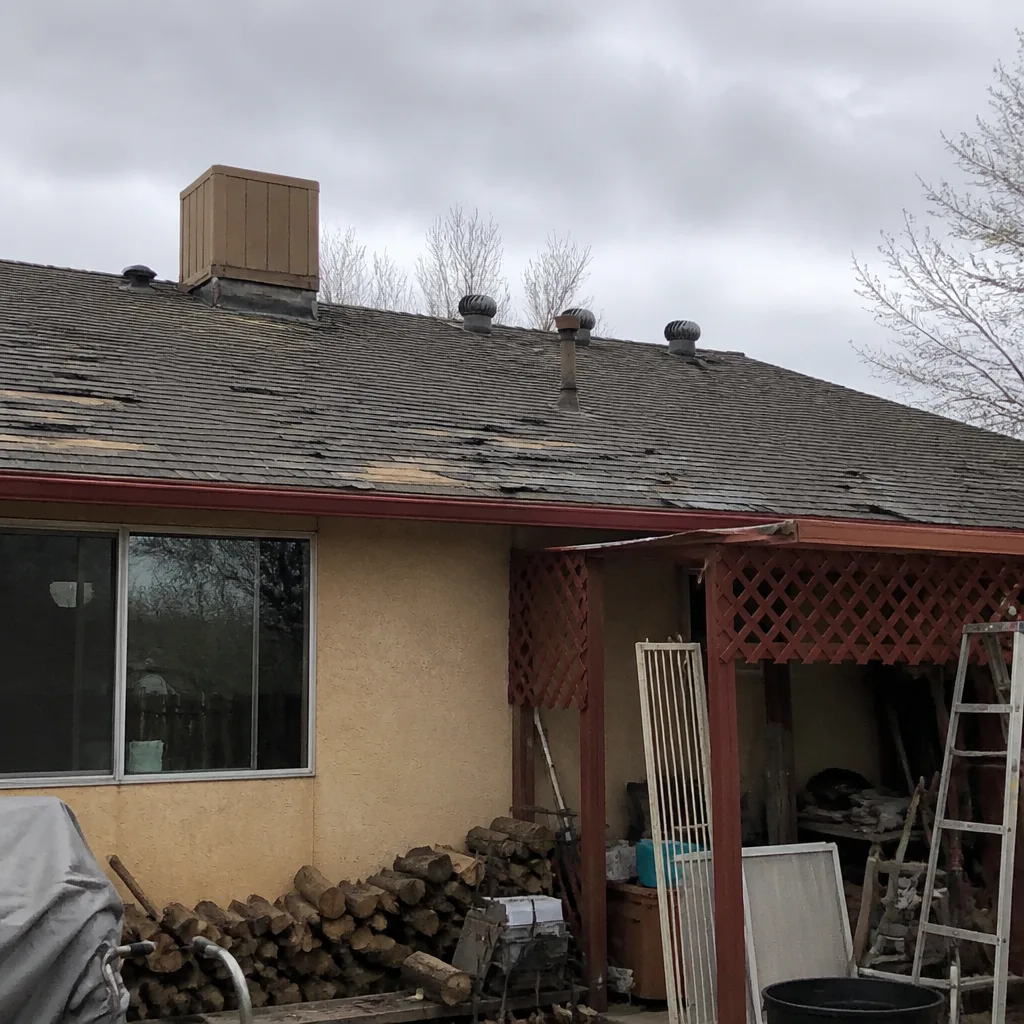
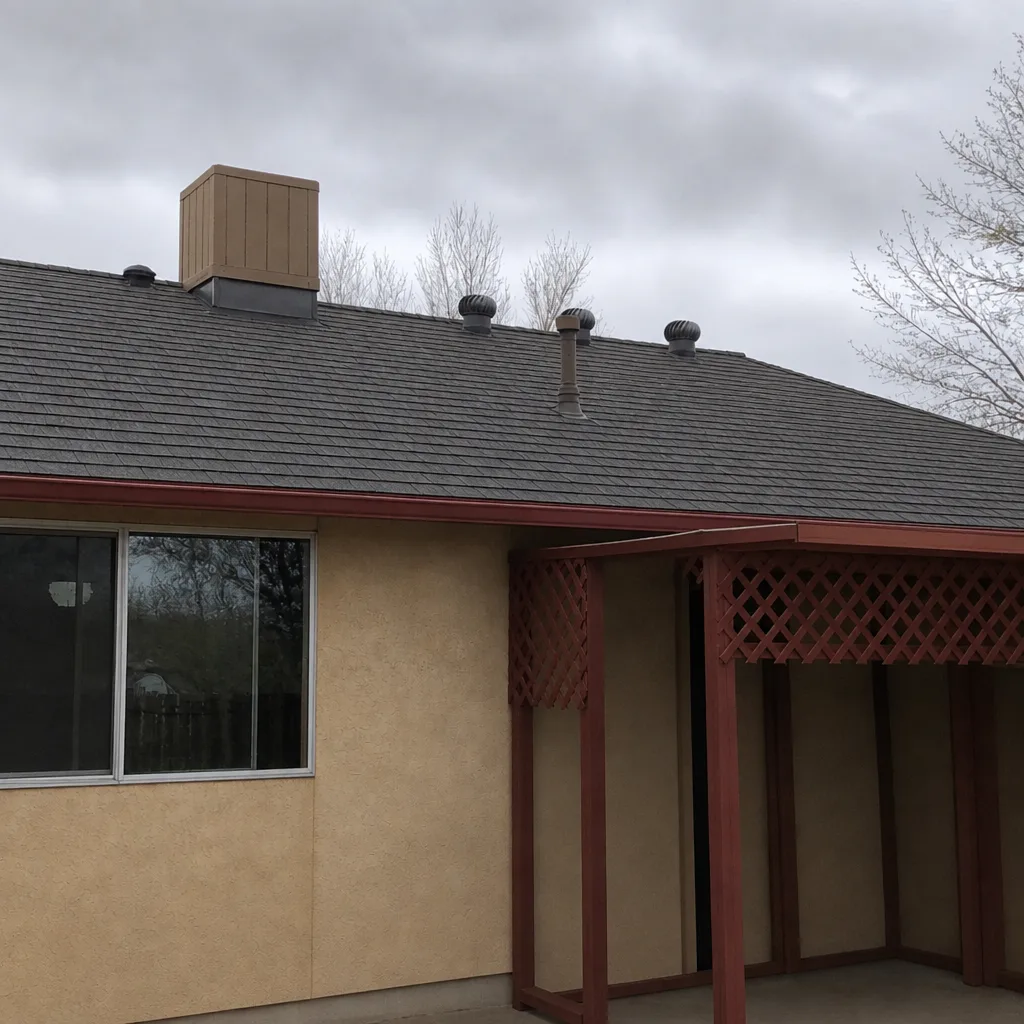
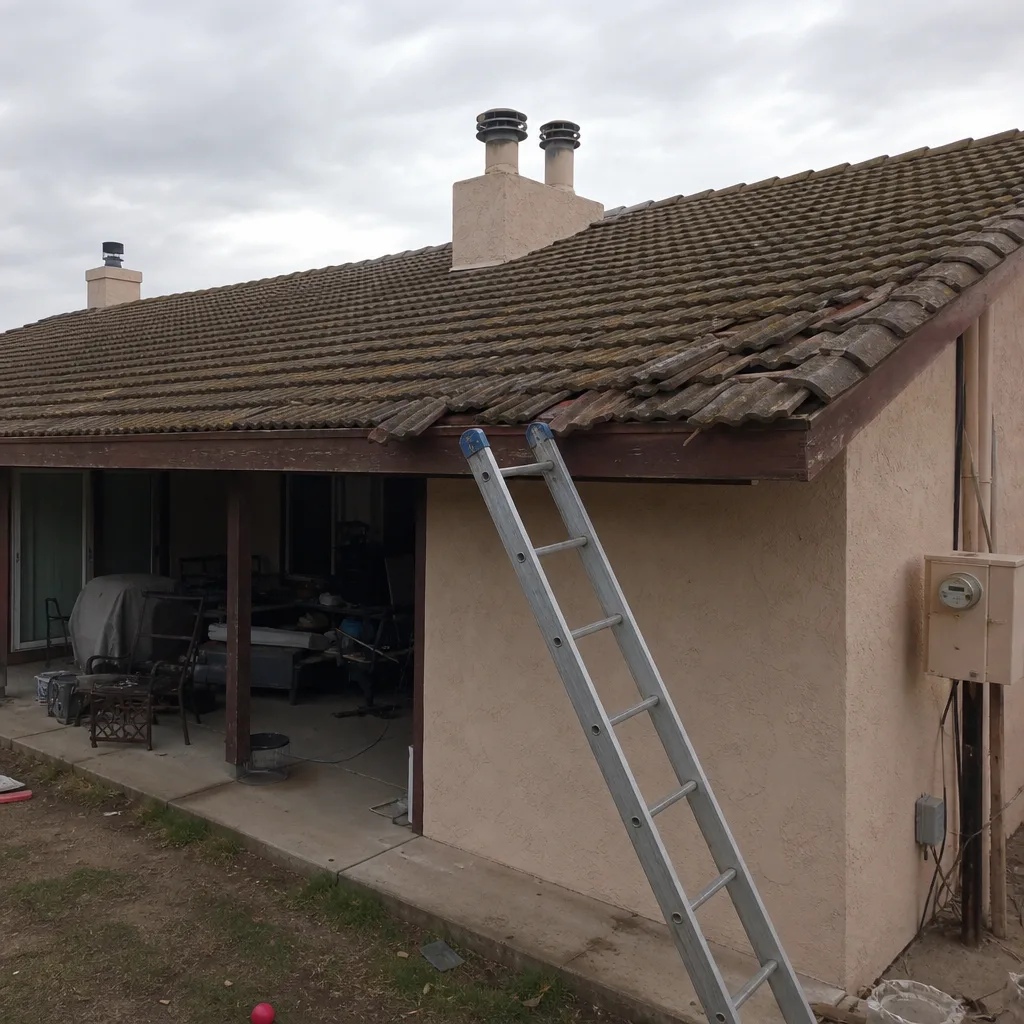
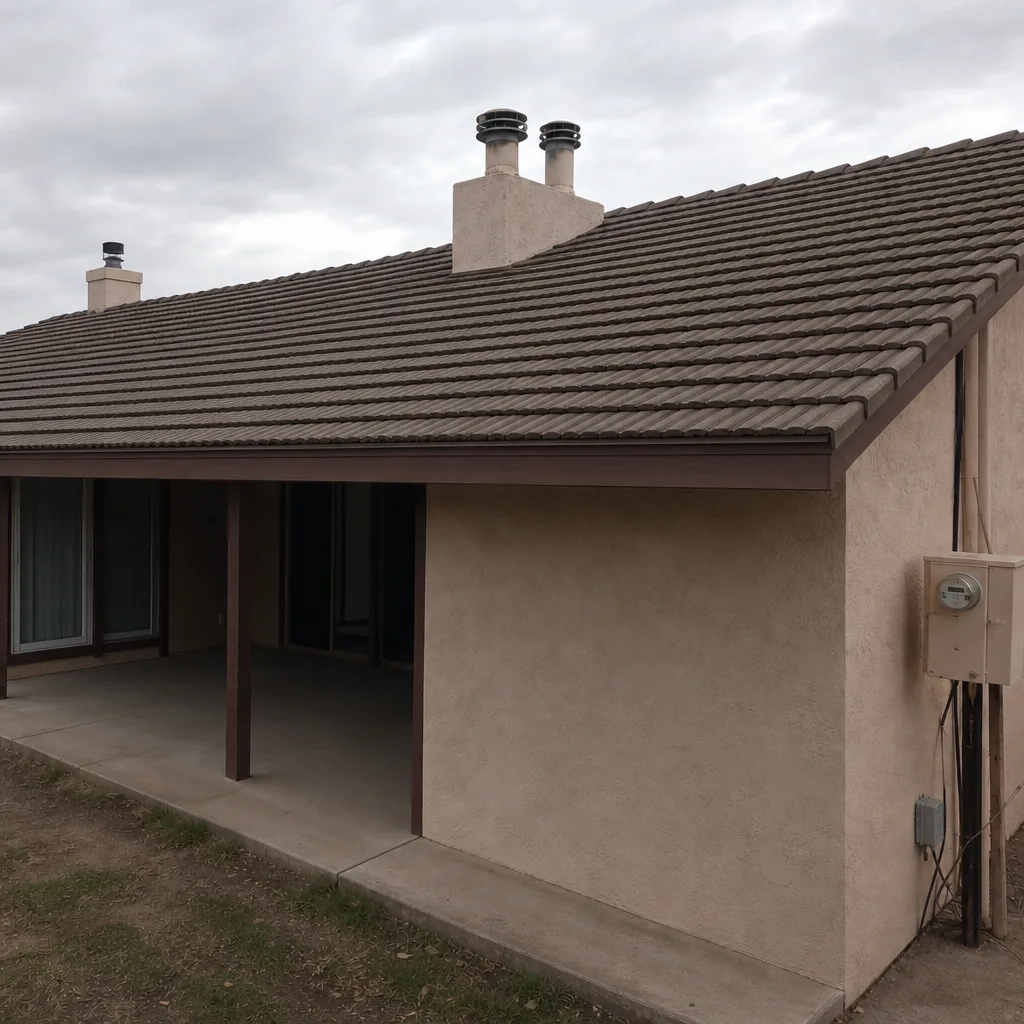
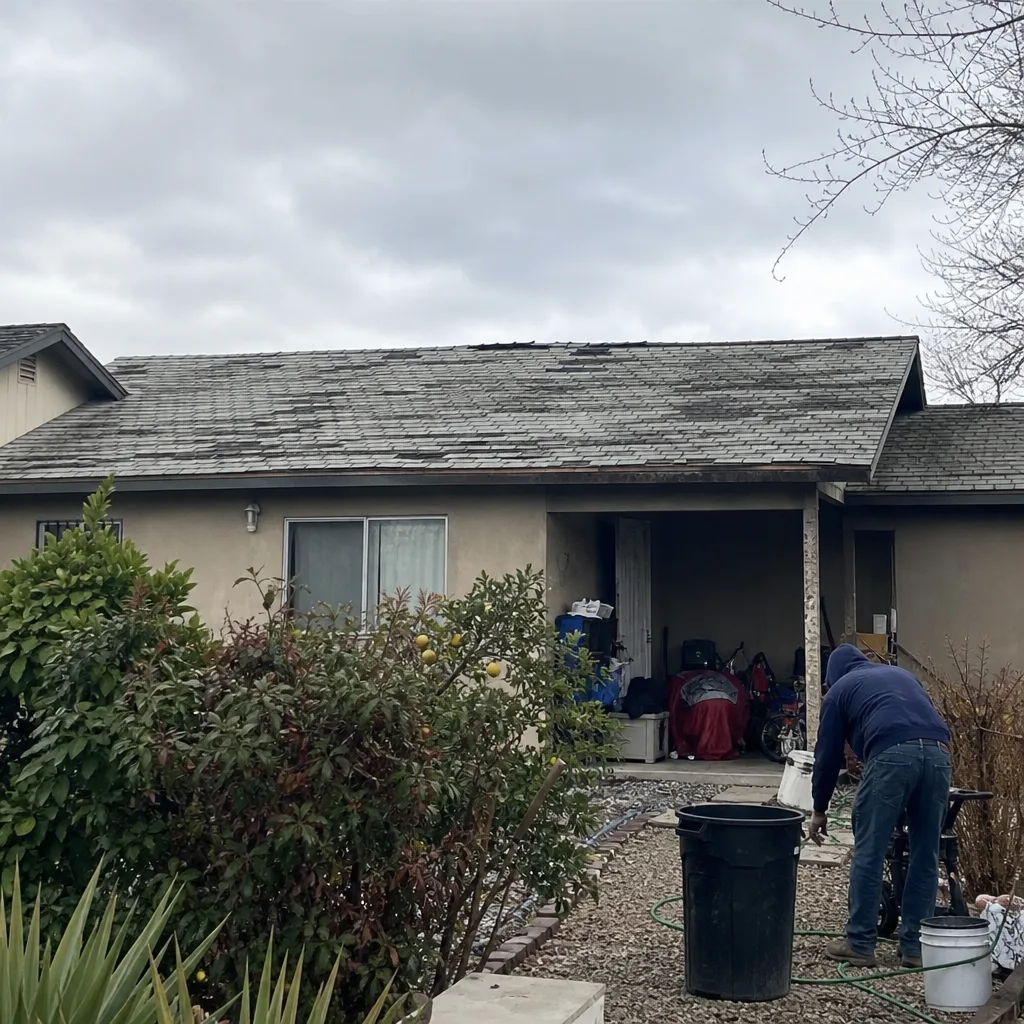
See the difference
 Before
 After
 Before
 After
 Before
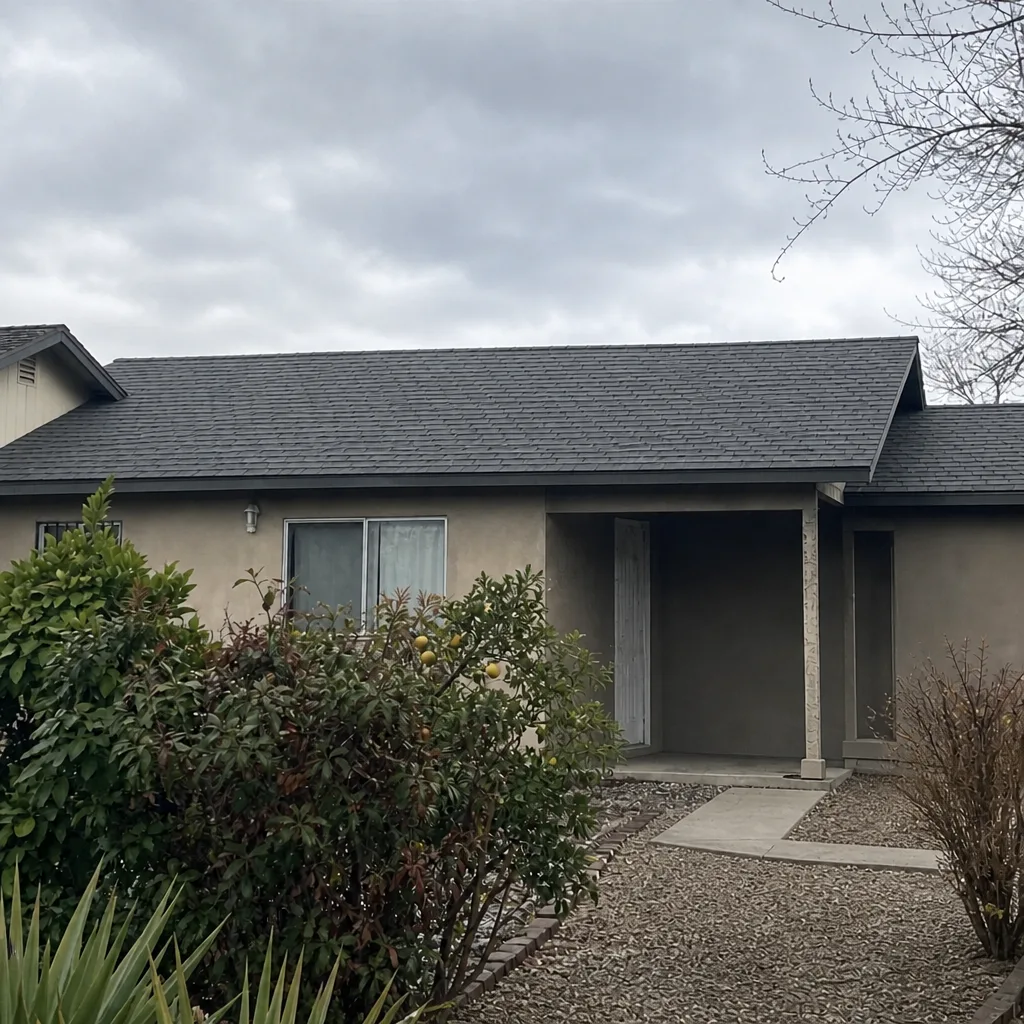 After
When to Call a Professional
Some roofing issues are safe to observe from the ground; others demand a trained professional on the roof. Call us when you see missing, lifted, or cracked shingles across a slope; when a ceiling stain or attic discoloration appears after a storm; when granules are pooling in gutters or at downspout outlets; when flashing at valleys, chimneys, or roof-to-wall transitions looks worn; or when your roof has passed the point where you’re comfortable with its age and you want an honest read. Two situations warrant urgency: active water intrusion during a storm, and visible structural sagging. Roof work involves steep pitches and height, and inspecting or repairing a roof yourself is genuinely dangerous – this is work for trained, insured professionals. Ridgeline Roofing Co. Spring Valley offers free estimates in Spring Valley – call (855) 908-1590. Live person answers every call, 24/7.
Frequently Asked Questions
Most asphalt shingle roofs in Spring Valley last somewhat less than their manufacturer rating because heat-island conditions accelerate UV degradation, often landing shingle replacement on an earlier timeline than the label suggests. Concrete tile and other high-performance systems last longer. The reliable answer comes from a photo-documented inspection of your specific roof rather than a generic number – call (855) 908-1590 for a free estimate.
Most Spring Valley addresses fall under unincorporated Clark County jurisdiction, so roofing permits and inspections are usually handled through Clark County rather than the City of Las Vegas. Confirm the jurisdiction for your exact address before signing a contract, and make sure your contractor pulls the permit and provides the inspection sign-off. We pull the permits and pass the inspections – call (855) 908-1590 with questions.
Yes – if your home is inside an HOA-governed master-planned community, architectural approval of the roof color and material comes before you order materials or pull the permit. Get the current approved palette from your HOA committee and submit the product spec sheet for written approval first. For help preparing the documentation, call (855) 908-1590 – estimates are free.
A photo-documented inspection creates a dated visual record of your roof’s actual condition, while a verbal walkthrough leaves nothing on file. That record matters when you file an insurance claim after a storm or dispute a warranty issue, because it lets an adjuster separate pre-existing wear from new damage. Our technicians document every inspection with photos taken from your actual roof – call (855) 908-1590 to schedule.
If the damage is isolated – one flashing, a single slope, a specific penetration – a repair is usually the right call; if granule loss, cracking, and underlayment failure are widespread across the roof, replacement is more economical than repeated repairs. The decision comes down to real condition, which a clear inspection report will show you. Call (855) 908-1590 for a free estimate and an honest recommendation.
No – the number on the estimate is the number on the invoice, which is what no-hassle upfront pricing means. Unexpected conditions can surface once a roof is opened up, but those are discussed with you before any additional work proceeds, not discovered on the final bill. Call (855) 908-1590 to schedule your free estimate.
The Bottom Line
Spring Valley roofing isn’t a generic desert problem. The construction era of your home (late 1980s, mid-1990s, or mid-2000s) predicts which part of the roof fails first; the heat-island exposure here shortens real-world shingle life past the manufacturer’s label; Clark County jurisdiction governs most permits; and HOA approval comes before materials in master-planned communities. Keep a dated, photo-documented inspection on file, stay ahead of the seasonal maintenance rhythm, and choose materials built for this climate. When you need the work done, the goal is a square deal you’ll never have to revisit – and if it isn’t right, we make it right.
Ready to know exactly where your roof stands? Call (855) 908-1590 for a free estimate in Spring Valley. A live person answers every call, 24/7, and our background-checked, uniformed technicians will document your roof with photos taken from your actual roof – not a scary speech in the driveway. The price we quote is the price you pay, backed by the written 90-Day Done Right Promise.
Written by the team at Ridgeline Roofing Co. Spring Valley.