
Last updated November 17, 2026
 Architectural shingles
 Metal roofing
 Tile roofing
 GAF
 Owens Corning
 Flat & low-slope
Free roof inspection with deck photos before we talk money - GAF and Owens Corning certified installation
Gutters & Accessories Maintenance Schedule: What to Do and When
Spring Valley gets less than four inches of rain a year, yet gutter failures are a leading cause of fascia rot in the valley, because every drop that does fall hits neglected channels all at once. That number surprises people. Less than four inches sounds like nothing, so gutters get ignored for years, and then the one afternoon in July that drops an inch in forty minutes finds the downspouts packed solid. In our experience climbing roofs across Spring Valley, the damage almost never comes from the storm you feared. It comes from the clog you didn’t know was there. This guide gives you a maintenance calendar built around the desert’s actual rhythm: dust, palm fronds, wind, and the late-May window that matters more than any fall cleaning. You’ll get a month-by-month task list, the accessory cadence most guides skip, and the ten-minute walkthrough that catches problems before they reach the fascia.
Quick Answer
In Spring Valley, clean your gutters once in late May, right before monsoon season, and again in late October after the winds die down; that pre-monsoon cleaning is the one date that matters most. Check downspouts, hangers, and accessories in the same pass, then do a ten-minute visual walkthrough after any real rain event. Desert gutters fail from dry clogs and sun damage, not from the volume of water most national guides assume.
Styles & brands we work with
- Architectural shingles
- Metal roofing
- Tile roofing
- GAF
- Owens Corning
- Flat & low-slope
Table of Contents
- Why Late May Is the Most Important Gutter Date in Spring Valley
- How Desert Dust and Palm Debris Form Dry Clogs
- A Month-by-Month Gutter Schedule for the Mojave Climate
- Which Accessories Need Their Own Inspection Cadence
- The Ten-Minute After-Storm Walkthrough
- Common Mistakes to Avoid
- When to Call a Professional
- Frequently Asked Questions
Why Late May Is the Most Important Gutter Date in Spring Valley
National gutter guides tell you to clean in spring and fall. That advice was written for Ohio and Virginia, where leaves fall and snowmelt runs. It misses the way weather actually works in Spring Valley. Our rainy season is the summer monsoon, roughly late June through September, when afternoon storms can drop more water in an hour than the valley sees in a normal month. If your channels are packed with dust and dried palm bits when that first storm rolls in, the water has nowhere to go but over the lip and down the wall.
That’s why late May is the date we’d circle on any Spring Valley homeowner’s calendar. You want the entire system clear and inspected before the first monsoon cell forms, not after. Waiting until fall, as the national checklist suggests, means you’ve already survived the season that does the damage. A fall cleaning still has value, but it’s housekeeping. The May cleaning is protection.
Here’s what makes the timing specific to this valley:
- Dry heat bakes debris onto the channel. Months of sun with no rain turn dust and leaf litter into a hard, bonded mat that a quick rinse won’t move.
- Spring winds deliver the debris. Late-winter and spring gusts carry palm fronds, seed pods, and construction dust onto roofs across Spring Valley, so the channels fill right before you need them clear.
- UV cracks show up in the dry stretch. Seams and caulk that let go in the heat get found during a May inspection, not during the storm that finds them at the worst moment.
The short version: schedule the pre-monsoon cleaning in the last two weeks of May, and treat it as the appointment you don’t skip. If you want the channels cleared and the roof edges checked in one visit, our Ridgeline Roofing Co. Spring Valley home page is the place to start.
How Desert Dust and Palm Debris Form Dry Clogs
A clog in a wet climate forms from matted leaves and moss. In Spring Valley, it forms differently, and that difference is why so many people miss it. A dry clog doesn’t look like a clog. It builds slowly out of fine dust that settles into the channel, mixes with palm flower stalks, seed pods, bird nesting material, and bits of roofing grit, and then cures in the sun into something closer to concrete than to leaves.
What makes it tricky is that the surface of the channel still looks passable. Water runs at first, so nothing seems wrong. Then the monsoon arrives and the pile underneath turns to a slurry, swelling and sealing the channel from end to end. Water pools, backs up under the shingle edge, and works its way into the fascia board behind the gutter. That’s the moisture that starts rot in a valley where you’d never expect rot to be a problem. Once the fascia softens, you’re not cleaning gutters anymore. You’re looking at Roof Repair in Spring Valley to fix the edge the water ate into.
The other piece is palm debris. Queen and fan palms common around Spring Valley shed heavy fronds and fibrous flower stalks that jam at downspout outlets. They don’t wash away. They sit and become the core of a dry clog. A quick visual check from the ground rarely catches it because the blockage sits at the outlet, out of sight under the lip. This is exactly the kind of thing a technician finds because there’s a trained eye on the actual roof rather than a guess from the patio.
A Month-by-Month Gutter Schedule for the Mojave Climate
The best maintenance calendar for Spring Valley doesn’t follow the seasons most guides describe. It follows what falls from the sky here, and when. Below is the rhythm we’d recommend, with the tasks that matter and the ones you can safely defer.
- January: After the coldest nights, walk the perimeter and look for sagging channels or pulled hangers. Freeze damage is rare here, but cold snaps can loosen fasteners that were already tired.
- February: Watch the roof edges after the windy days. This is when a lot of palm fronds and seed pods land. Clear what you can reach safely from the ground and note any channel that looks loaded.
- March: Spring winds peak. Check splash blocks and downspout extenders that may have shifted or blown out of place, so water still lands away from the foundation.
- April: The do-nothing month. Let the debris that will fall, fall. Schedule your May cleaning now while slots are open.
- May: The big one. Full clean, flush all downspouts, reseal open seams, tighten hangers, verify every accessory. This is the pre-monsoon reset.
- June through September: Monsoon season. After each meaningful storm, do the ten-minute walkthrough covered below. Defer any deep cleaning until the rain pattern settles.
- October: Post-monsoon cleaning and inspection. Clear what the summer deposited, check for UV cracks and loose fittings before winter.
- November and December: Light check only. Confirm downspouts are clear and extensions are still pointed away from the house. Don’t schedule heavy cleaning you don’t need.
Notice this isn’t two cleanings and a shrug. It’s two real service visits (May and October) with a handful of quick checks in between. That’s the whole idea behind the thesis of this guide: a calendar built around Spring Valley’s actual weather keeps your gutters working without unnecessary trips up a ladder.
Which Accessories Need Their Own Inspection Cadence
Gutter guards, splash blocks, and downspout extenders don’t maintain themselves just because the main channel is clean. Each accessory has a different failure cycle, and each needs its own inspection rhythm. Homeowners often assume a guard makes the system maintenance-free. It doesn’t. It changes the maintenance.
Gutter guards, whether mesh or screen, catch fine desert dust that hardens on top of the mesh. In Spring Valley, a guard that isn’t checked will shed water off its face within a season or two, sending the flow right past the channel. Inspect guards at every May and October cleaning, and brush off the accumulated grit during the dry months. Splash blocks shift, crack, and sink into the soil over time, and a displaced block puts water straight against the foundation. Check them after any wind event and during the October pass. Downspout extenders are the most likely to be knocked loose or buried, so check the discharge point each month from the ground and refit them before the monsoon. Hangers and hidden fasteners deserve a look at each service visit too, since a stretched hanger tilts the channel and defeats everything else you’ve done.
The reason this matters in Spring Valley comes back to sun. UV exposure degrades plastic guards, extender joints, and sealant faster than in cooler, wetter climates, so accessories here need replacing sooner than most homeowners expect. If your gutters have a hard accessory question, or the guard system has lived past its useful years, our Specialty Roofing in Spring Valley work covers the fittings that connect to the roof edge.
The Ten-Minute After-Storm Walkthrough
Here’s the habit that saves homeowners the most money and hassle: after any real rain event, spend ten minutes walking the house from the ground. Not up a ladder, just a slow loop with your eyes on the water paths. It catches the large majority of developing problems before they become fascia or foundation repairs.
Do it in this order:
- Look at the downspout outlets. Water pouring out means clear. A trickle, or nothing at all, means a clog upstream.
- Check the ground at the discharge point. Stand where the water lands and see if it’s flowing away or pooling. Wet soil against the foundation is the thing to catch early.
- Walk under the channel line. Look for drip marks, streaks on the stucco, or a stain line that wasn’t there before a storm.
- Look up at the fascia. Peeling paint, dark spots, or a channel that looks to be pulling away are signs the edge is taking water.
- Scan the splash blocks. Confirm each one still sits under its outlet and aims water away from the house.
Ten minutes, no tools, done from the ground. If everything reads clean, you’ve confirmed the system held. If something doesn’t, you’ve found it while it’s still a small fix instead of a fascia or foundation bill. In a valley where a single monsoon hour can deliver what looks like a month’s worth of water at once, this walkthrough is the cheapest insurance there is.
If a storm has done real damage, the edge is peeling away, or you’re spotting water where it shouldn’t be, the right next step is a proper look with a professional eye. That’s the moment for Roof Replacement & Installation in Spring Valley if the edge or decking is compromised, or a straightforward call to us to find out.
Common Mistakes to Avoid
- Following the national fall-cleaning rhythm. Fall cleaning is fine, but in Spring Valley the May cleaning protects you. Doing only the fall pass means you’ve been exposed all monsoon season.
- Trusting a dry gutter that looks clear. A packed dry clog hides beneath a passable surface. If water runs at all, it doesn’t guarantee the channel is open at the outlet.
- Assuming gutter guards end the work. Guards catch desert dust and need brushing. Treat them as a different maintenance task, not a lifetime off the ladder.
- Leaving palm debris in the channel. Fronds and flower stalks jam at outlets and become the core of the next clog. Clear the heavy pieces even if the rest looks fine.
- Skipping splash block checks. A shifted block dumps water against the foundation, and foundation repairs cost far more than refitting a block.
- Doing it all yourself on a steep, two-story roof. Ladders on a pitched edge are where homeowners get hurt. The channels near a dangerous height deserve a trained professional, not a weekend ladder setup.
- Waiting until after the first big storm to book. By then everyone in Spring Valley is calling at once. Book the May cleaning in April while the calendar is open.
When to Call a Professional
Most of this guide is designed so you can handle the routine work without us. But some situations deserve a trained, insured set of hands. Call when the channels are high or the roof steep, when a hanger or fascia board has pulled loose, or when you see staining, rot, or sagging at the edge. Call after a storm that visibly damaged the roofline, or when water is going where it shouldn’t and you can’t find why. And call when you want a whole-system inspection with photos from the actual roof, so you’re making decisions on facts rather than a guess from the ground. A background-checked, uniformed technician can document exactly what’s happening up there. Ridgeline Roofing Co. Spring Valley offers free estimates in Spring Valley; call (855) 908-1590 and a live person will answer, day or night.
Frequently Asked Questions
Twice a year as a baseline, with the late-May cleaning before monsoon season being the one that protects you most, followed by an October pass after the rains settle. Add the ten-minute after-storm walkthrough from the ground. Desert dust and palm debris create dry clogs that most guides don’t account for, so the May cleaning matters more here than a national fall schedule would suggest.
Because Spring Valley’s rainy season is the summer monsoon, and a clean, inspected system in late May means the channels are ready for the first storm. A fall cleaning is housekeeping after the risk has passed. Book the May cleaning in April while slots are open, and you’ll go into the season ready.
No. In a desert climate, guards catch fine dust that hardens into a crust and causes water to shed off the face of the guard instead of into the channel. Guards need brushing and inspection at every May and October cleaning, and their plastic and sealant parts wear faster here because of UV exposure.
Dry clogs from dust and palm debris, UV cracks in seals and joints, and windblown fronds and seed pods jamming downspout outlets. Fascia rot is the damage that follows, because water backing up under the shingle edge soaks the board behind the gutter. A May inspection with a trained eye catches most of these before they spread.
Ground-level checks, splash block adjustments, and clearing what you can reach safely are fine to handle yourself. But on a steep roof edge or any high channel, ladders and pitched surfaces are where homeowners get hurt, so those deserve a trained professional. There’s no shame in calling for the parts that involve real height.
Look for channelling that pulls away from the fascia, seams that keep cracking open, or sections with rust and pinholes that no cleaning will fix. If the fascia behind the gutter has softened or stained, the water damage is already past the channel. A roof-edge inspection with photos tells you honestly whether cleaning, repair, or replacement is the square answer.
The Bottom Line
Spring Valley’s gutter calendar is not the national two-times-a-year rhythm. The date that protects your home is the late-May cleaning before monsoon season, backed by an October pass after the rains settle and a ten-minute after-storm walkthrough in between. Keep your accessories on their own inspection cadence, because guards, splash blocks, and extenders wear faster under this valley’s sun. The dry clogs you can’t see from the ground are what cause the fascia and foundation bills. Handle the routine work, call for the heights and the storm damage, and you’ll keep the channels working without unnecessary ladder trips.
If the job needs a trained eye, or you want the roof edge checked with photos from the actual roof, call Ridgeline Roofing Co. Spring Valley at (855) 908-1590 for a free estimate. Every call reaches a live person, and every job is backed by the 90-Day Done Right Promise: done right, and if it’s not, we make it right.
Written by the team at Ridgeline Roofing Co. Spring Valley.
See the difference
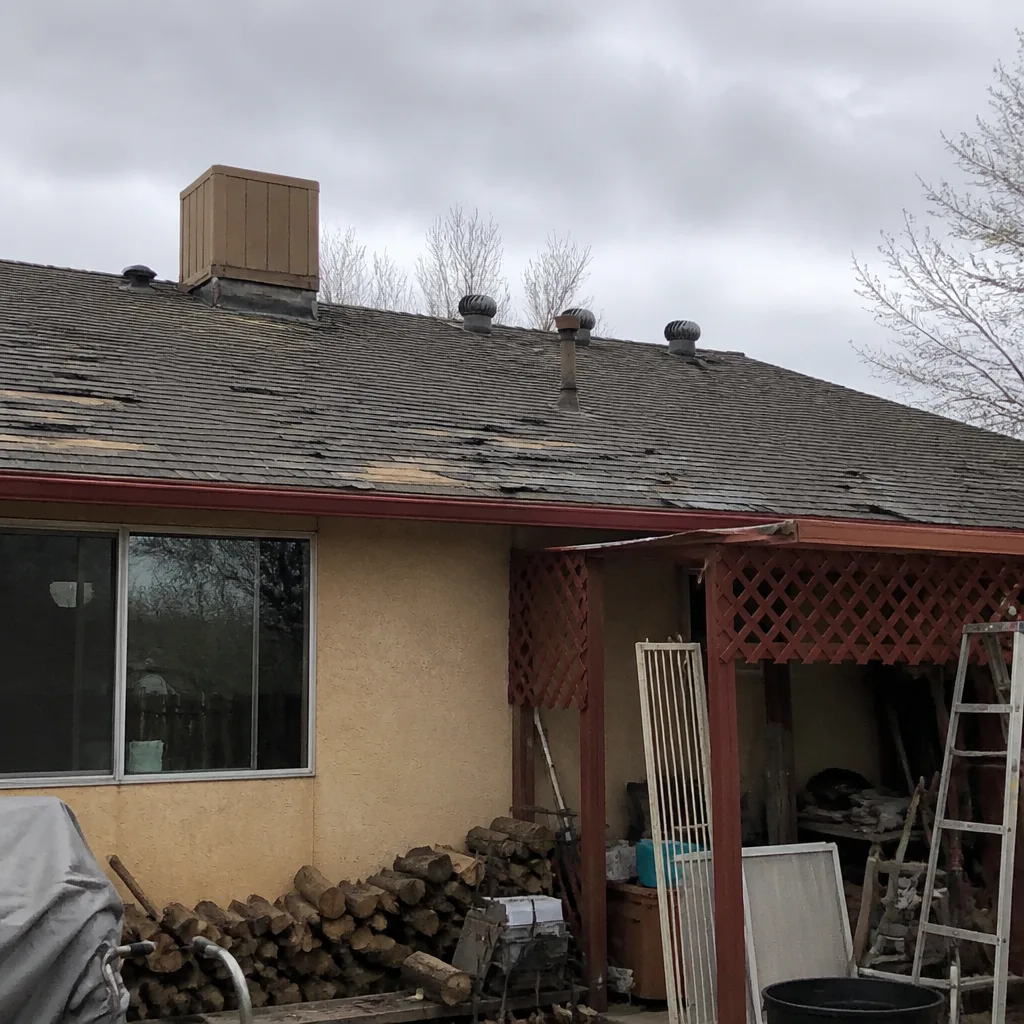 Before
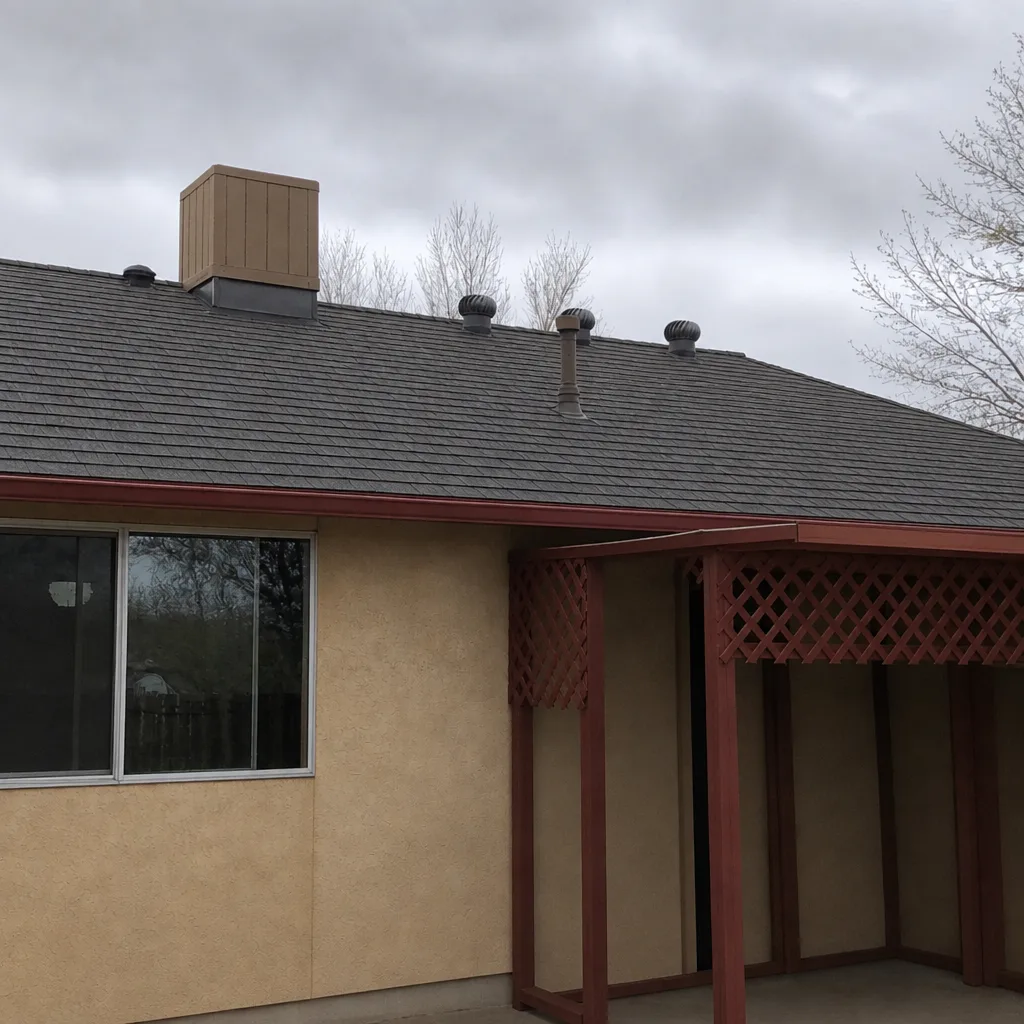 After
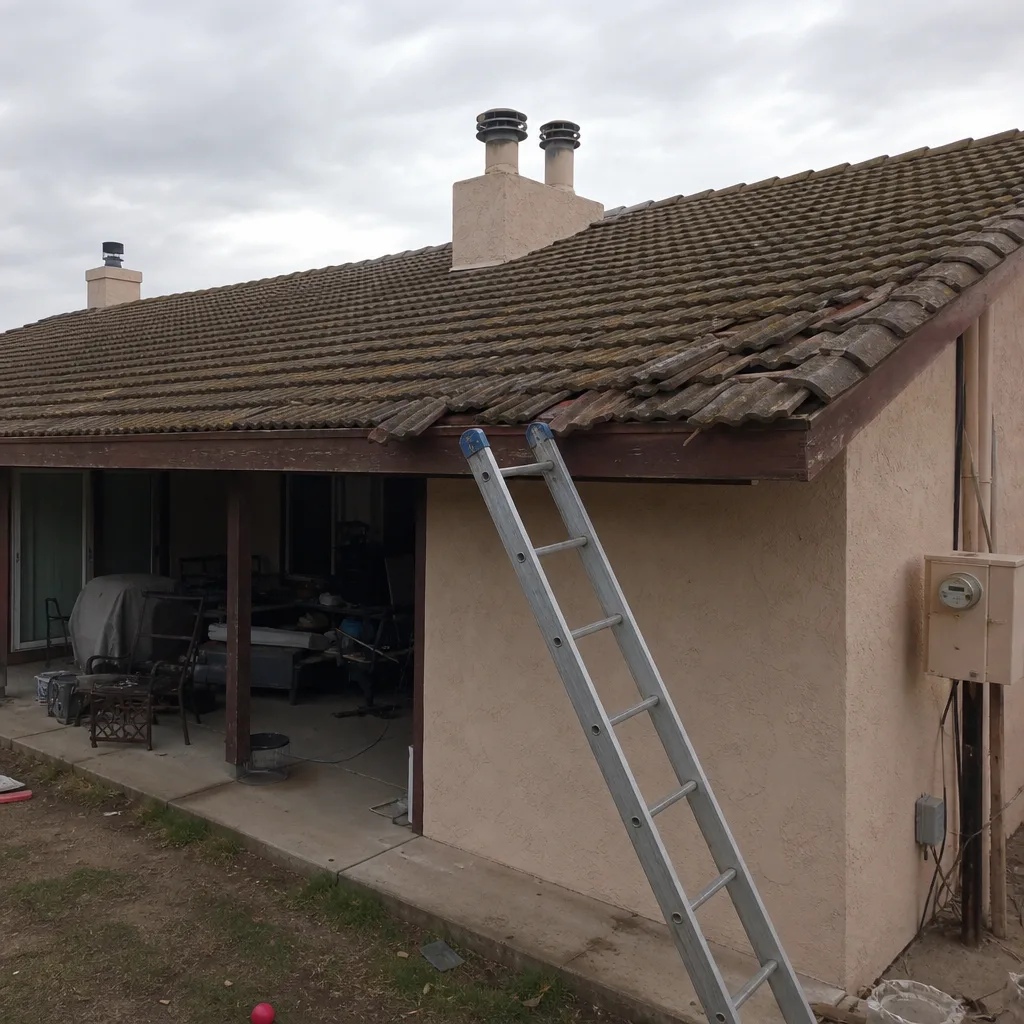 Before
 After
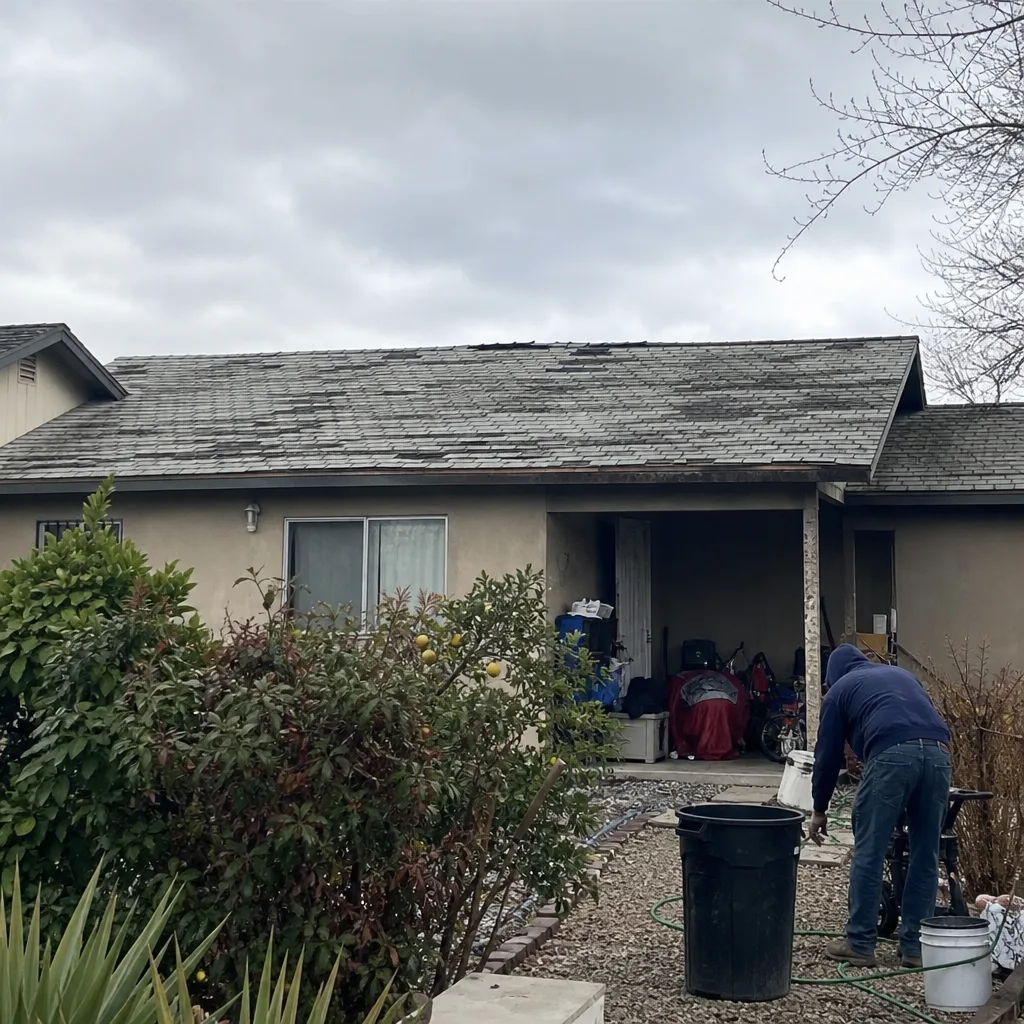 Before
 After