
Last updated November 17, 2026
 Metal roofing
 Architectural shingles
 Tile roofing
 GAF
 Owens Corning
 Flat & low-slope
Free roof inspection with deck photos before we talk money - GAF and Owens Corning certified installation
How Long Does Specialty Roofing Take? Timelines and What to Expect
A tile re-roof your neighbor finished in three days either had a simple, sound deck and a large crew, or corners were cut you won’t see for two rainy seasons. In our experience across Spring Valley, the honest range for specialty roofing is wider and messier than most sales pitches admit. Tile, flat, and metal systems each carry their own clock, and material lead times, hidden deck repairs, and desert heat stack on top of the install window. This guide walks you through realistic day ranges phase by phase, so you can plan instead of guess. The homeowner who knows the range is never blindsided.
Quick Answer
Specialty roofing typically takes anywhere from 3 to 12 days of actual installation, but the full timeline from signed estimate to final inspection usually runs 4 to 10 weeks once you account for material lead times and permit scheduling. A concrete or clay tile re-roof on a typical single-story Spring Valley home often needs 2 to 6 weeks just to stage materials, plus 5 to 8 install days. Flat and metal systems vary even more because weather and weld temperatures drive the schedule.
Styles & brands we work with
- Architectural shingles
- Metal roofing
- Tile roofing
- GAF
- Owens Corning
- Flat & low-slope
Table of Contents
- Material Lead Times: The Variable Nobody Quotes You
- Tile Roof Replacement, Phase by Phase
- Why Flat Roofing Timelines Depend on Weather
- Metal Roofing: A Different Clock
- Crew Size vs. Quality: What Actually Matters
- Permit Inspections and Clark County Hold Points
- Single-Story vs. Two-Story Timelines
Material Lead Times: The Variable Nobody Quotes You
The biggest gap between a quoted timeline and reality is the stuff you can’t see from the driveway: getting the material to your property. Concrete and clay tile almost always needs to be ordered and staged ahead of installation time. In the Spring Valley market, that order-to-delivery window commonly runs 2 to 6 weeks depending on manufacturer, color, and profile. The sales pitch timeline usually starts counting on install day, which is why homeowners get surprised.
Here is what actually sits between “let’s do it” and “we’re on the roof”:
- Manufacturer production and freight: 2 to 6 weeks for tile, longer for specialty colors or profiles that aren’t stocked regionally.
- Staging on site: Tile arrives on pallets and has to be placed carefully to avoid cracking and to keep roof loads within safe limits, which takes a coordinated delivery day.
- Underlayment and trim ordering: Usually faster, but the whole schedule waits on the slowest item.
- Permit application: Filed before install, sometimes before order, to avoid stacking delays.
Metal panel systems vary widely. Some profiles arrive in two weeks; custom colors can push past six. Flat roofing membranes and adhesives are typically quicker to source. The point is simple: ask for the material lead time in writing, separate from the install estimate. That one question separates a realistic plan from a sales pitch. Ridgeline Roofing Co. works with product lines from CertainTeed, Owens Corning, IKO, and Atlas, so we can often match a profile already moving through regional supply rather than starting a long custom queue.
Tile Roof Replacement, Phase by Phase
Tile work doesn’t happen in one sweep. It unfolds in phases, and each phase has a realistic day range on a typical Spring Valley single-story home. Understanding the phases helps you read a schedule honestly and know when a longer-than-expected job is normal versus a red flag.
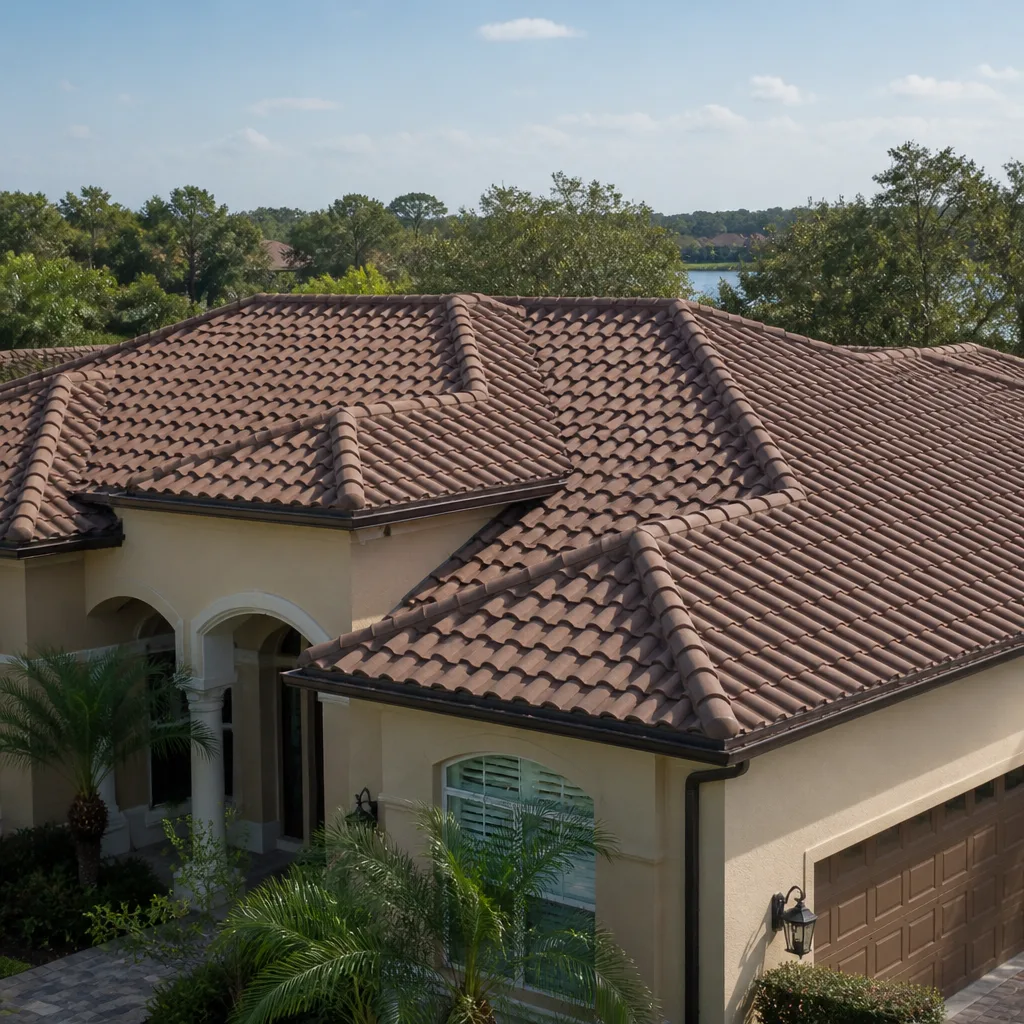
- Tear-off and deck inspection: 1 to 2 days. Old tile comes off, and the deck underneath is exposed for the first time. This is where surprises live. Under old tile systems, rotted sheathing and past repairs are common in Spring Valley’s intense sun and monsoon exposure.
- Deck repair and underlayment: 1 to 3 days depending on what the tear-off reveals. Underlayment is your real waterproofing layer, and replacing it properly is not a step to rush.
- Tile installation: 2 to 4 days on a single story, longer on two. Tiles are laid course by course, and a careful crew sets a steady pace that protects alignment and flashing.
- Flashing, valleys, and ridge: 1 day. These detail areas decide whether the roof holds at transitions.
- Cleanup and final walkthrough: Half a day to a day. Photo documentation of the finished work is part of a proper turnover.
On a two-story Spring Valley home, add roughly 30 to 50 percent to the install days for scaffolding, safety setup, and the slower pace of working at height. For a closer look at system options, see our Specialty Roofing in Spring Valley page. If your project is a straightforward shingle tear-off rather than tile, our Roof Replacement & Installation in Spring Valley guide covers that timeline separately.
Why Flat Roofing Timelines Depend on Weather
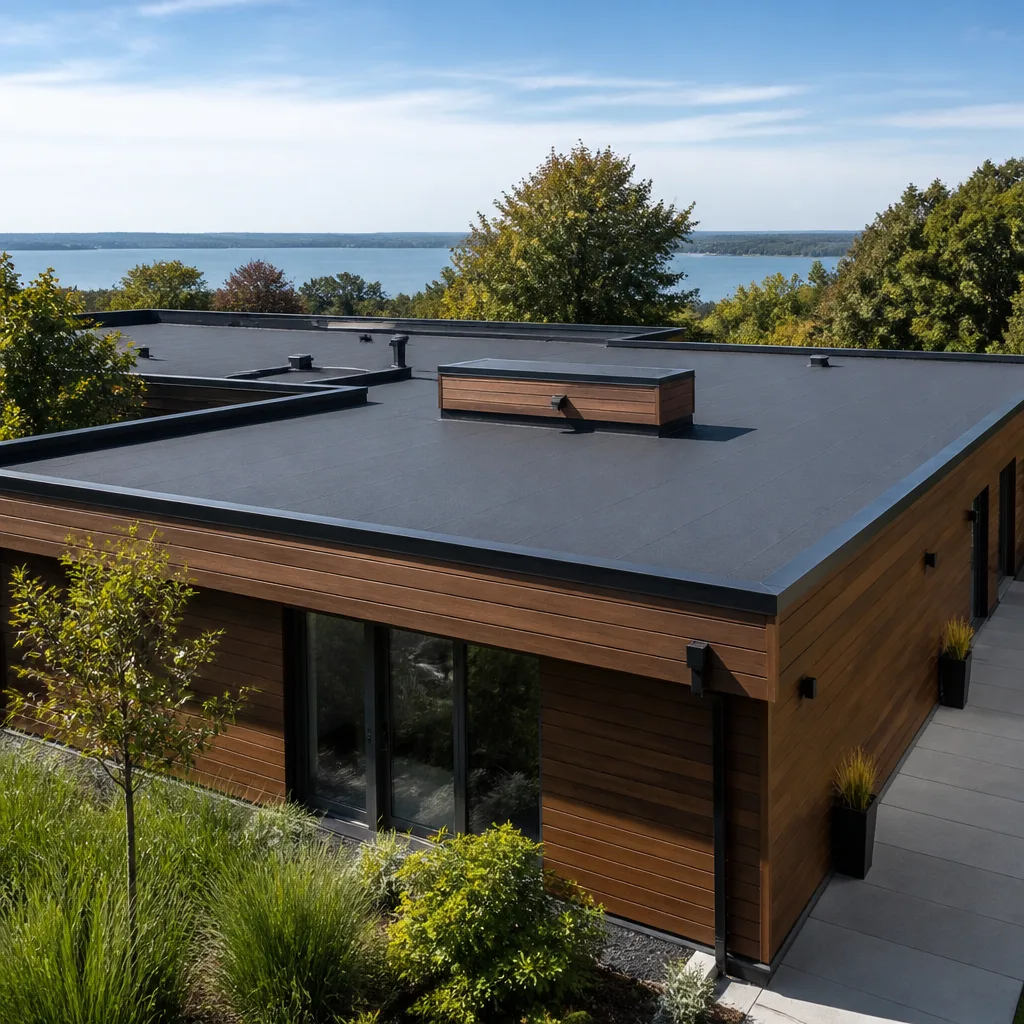
Flat roofing is the system most tied to the weather, and it’s not about rain alone. Adhesives and weld temperatures have minimum thresholds. A single-ply membrane needs the ambient and surface temperature within the manufacturer’s window for a weld to hold. In Spring Valley’s summer, working at midday on a flat roof can hit surface temperatures that exceed safe limits, which pushes crews to early mornings. In winter, cool nights can fall below the threshold for adhesive curing, which pushes work later in the day.
What that means for your calendar:
- Hot months: Start times shift earlier; total daily hours may shrink, stretching the job across more days.
- Cool months: Morning work may be delayed until surface temperature climbs, again stretching days.
- Rain or standing water: Flat roofs can’t be worked wet. A single pop-up storm can cost a day.
A typical flat roof on a Spring Valley home runs 2 to 5 install days in good conditions, and you should always build in a weather cushion for the shoulder seasons. This is exactly the kind of nuance that makes a specialty job different from a shingle job, and it’s why we ask the right questions before quoting a date. If your flat roof is showing wear, our Roof Repair in Spring Valley team can assess whether patching buys you time or whether replacement is the right call.
Metal Roofing: A Different Clock
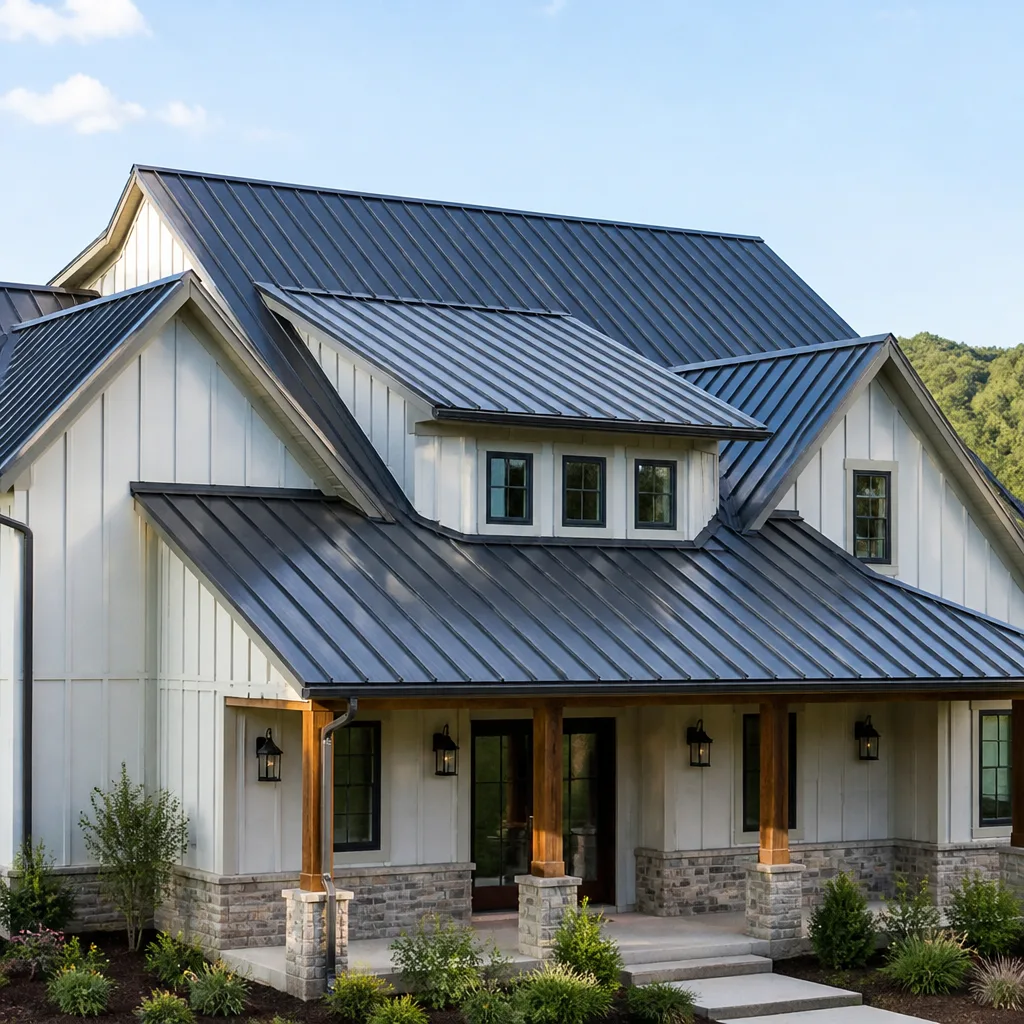
Metal is often sold as fast, and the install itself can be, but the surrounding schedule works differently. Standing-seam panels are measured and cut to order, which adds a fabrication window ahead of delivery. Installation itself on a typical Spring Valley single-story home runs 3 to 6 days, depending on roof complexity, valleys, and how many penetrations need detailing.
Two things stretch metal timelines that homeowners rarely plan for. First, panel fabrication lead time can run from 2 to 5 weeks depending on profile and color. Second, metal needs careful layout and fastener placement that doesn’t rush well. On a complex roofline, a fast install is not the same as a correct one. The same detail discipline matters as on tile, which is why we photo-document inspections and walk the finished work with you.
Crew Size vs. Quality: What Actually Matters
A bigger crew finishes faster, but faster isn’t always the goal on specialty systems. On flat roofs in particular, a smaller, experienced crew often produces better seam and weld work than a large rushed one. Seams don’t forgive impatience. A crew moving through welds too quickly can leave a lap that passes the day and fails in two summers.
Here is the tradeoff to keep in mind as you compare estimates:
- Large crews shorten install days but raise coordination and quality-control demands. More hands mean more chances for inconsistent detail work.
- Smaller, stable crews may take an extra day or two but frequently deliver cleaner transitions, better flashing, and fewer callbacks.
- The right question isn’t “how fast” but “who is on my roof, and how do you check their work before you leave.”
Our technicians are background-checked and arrive in uniform, with up to 10 years of experience across the crew. A modest extra day on a specialty roof usually buys fewer problems later, which is the square deal we aim for on every job. Our technicians document each inspection with photos taken from your actual roof, not a narrative delivered from the driveway.
Permit Inspections and Clark County Hold Points
Permits are a legitimate reason a timeline stretches, and a good contractor builds them into the schedule rather than treating them as an inconvenience. In the Spring Valley area, roof work is permitted and inspected through Clark County, and inspection scheduling can add days at specific hold points. A tile re-roof usually needs an inspection after the dry-in and before the final, and the spacing between those stages depends on how quickly the county can send an inspector.
What to expect, step by step:
- Permit application before work begins. Build 3 to 10 business days for processing, longer in busy seasons.
- Dry-in inspection after tear-off and underlayment. This is often a 1 to 5 day wait for a slot.
- Final inspection after completion. Another scheduling window applies.
- Closeout once the county signs off, and you get documentation for your records.
A realistic Spring Valley specialty roof should show permit hold points in the written schedule. If an estimate skips them entirely, ask why. We pull permits and pass inspections as part of the job, and we’ll tell you upfront how the hold points affect your date.
Single-Story vs. Two-Story Timelines
The single biggest driver of install days after material is the height and complexity of your roof. A typical single-story Spring Valley home runs a tighter window than a two-story with multiple valleys and dormers. Here’s an honest side-by-side of install days alone, not counting lead times or permits:
- Concrete or clay tile, single story: 5 to 8 install days.
- Concrete or clay tile, two story: 7 to 12 install days.
- Flat roof, single story: 2 to 5 install days with a weather cushion.
- Flat roof, two story: 3 to 7 install days with a weather cushion.
- Metal, single story: 3 to 6 install days.
- Metal, two story: 5 to 9 install days.
Roofs with steep pitches, many penetrations, or fragile surrounding landscaping add a day or two. The physics of working in extreme heat and at height don’t bend to a deadline, so a schedule that ignores them is a schedule that will slip.
Common Mistakes to Avoid
- Planning around the sales pitch, not the range. A three-day tile re-roof promise is a warning sign, not a deal. Ask for the material lead time and install days separately, in writing.
- Ignoring the underground area. Skip the deck inspection and you can plan for a fast roof that turns into a two-week job once rot shows up under old tile. Budget a repair allowance.
- Scheduling a flat roof in the hottest part of summer. Surface temperatures on a Spring Valley rooftop can push crews off midday, stretching the job. Plan for early starts or shoulder-season timing.
- Choosing the cheapest bid with the fastest date. A rushed weld or a skipped dry-in inspection is where water gets in. Cut quality for speed and you’ll pay twice.
- Forgetting the permit hold points. A schedule with no inspection days in it is incomplete. Those waits are real.
- Assuming a big crew means better work. On specialty seams, a steady crew beats a big one. Ask who is actually on your roof.
See the difference
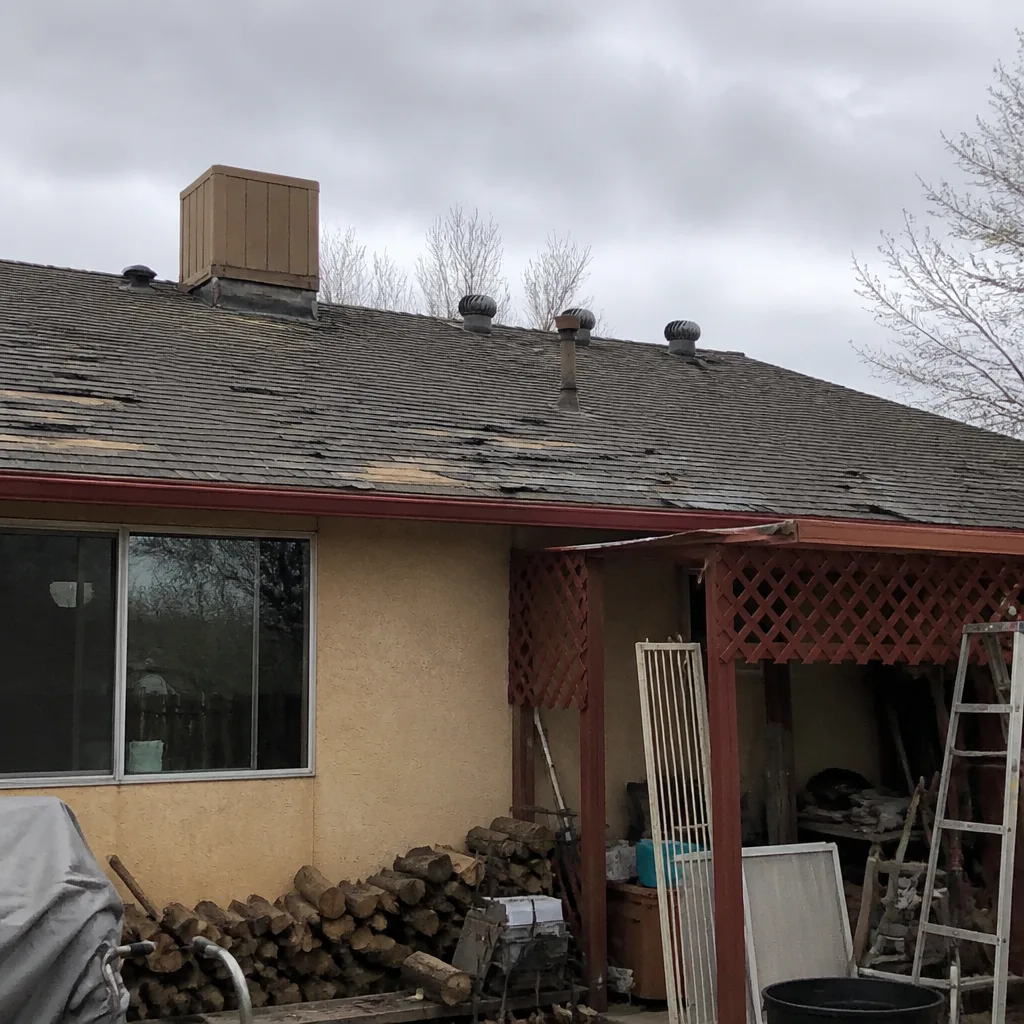 Before
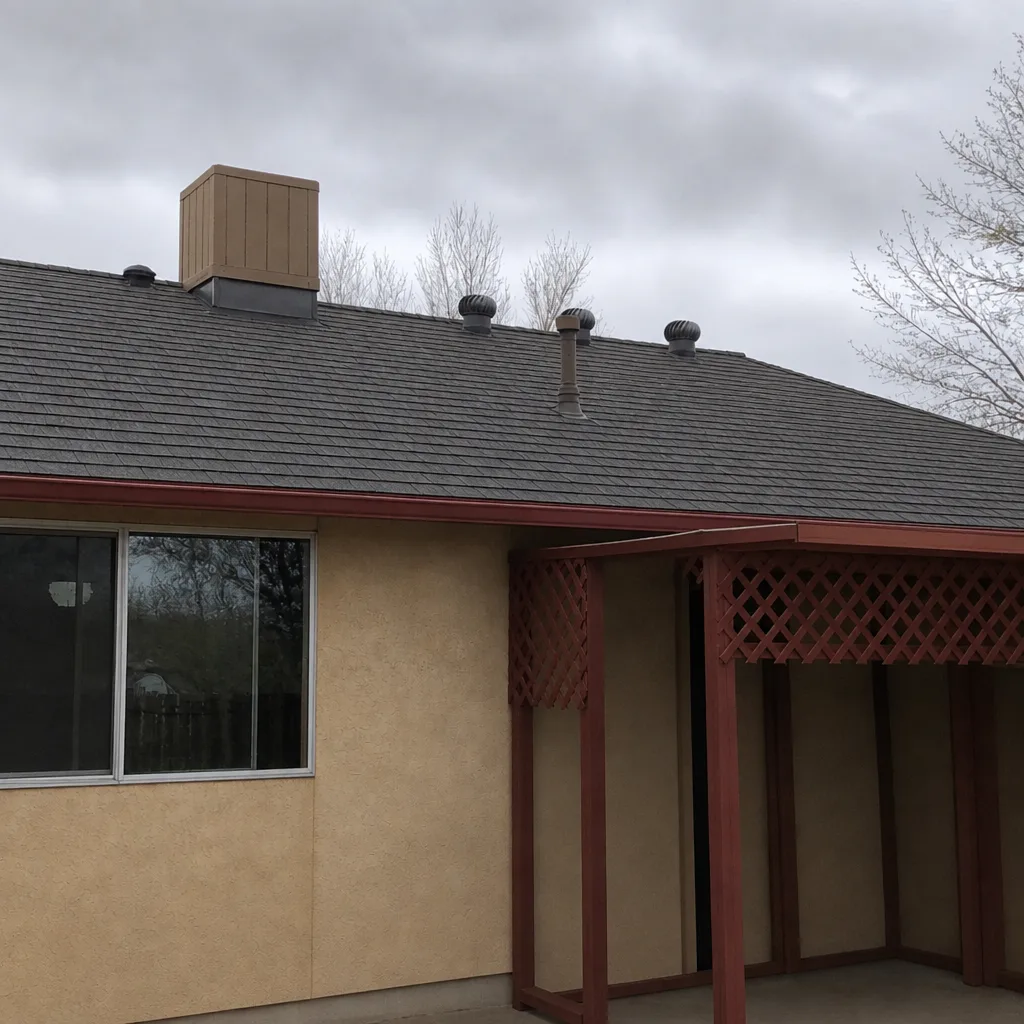 After
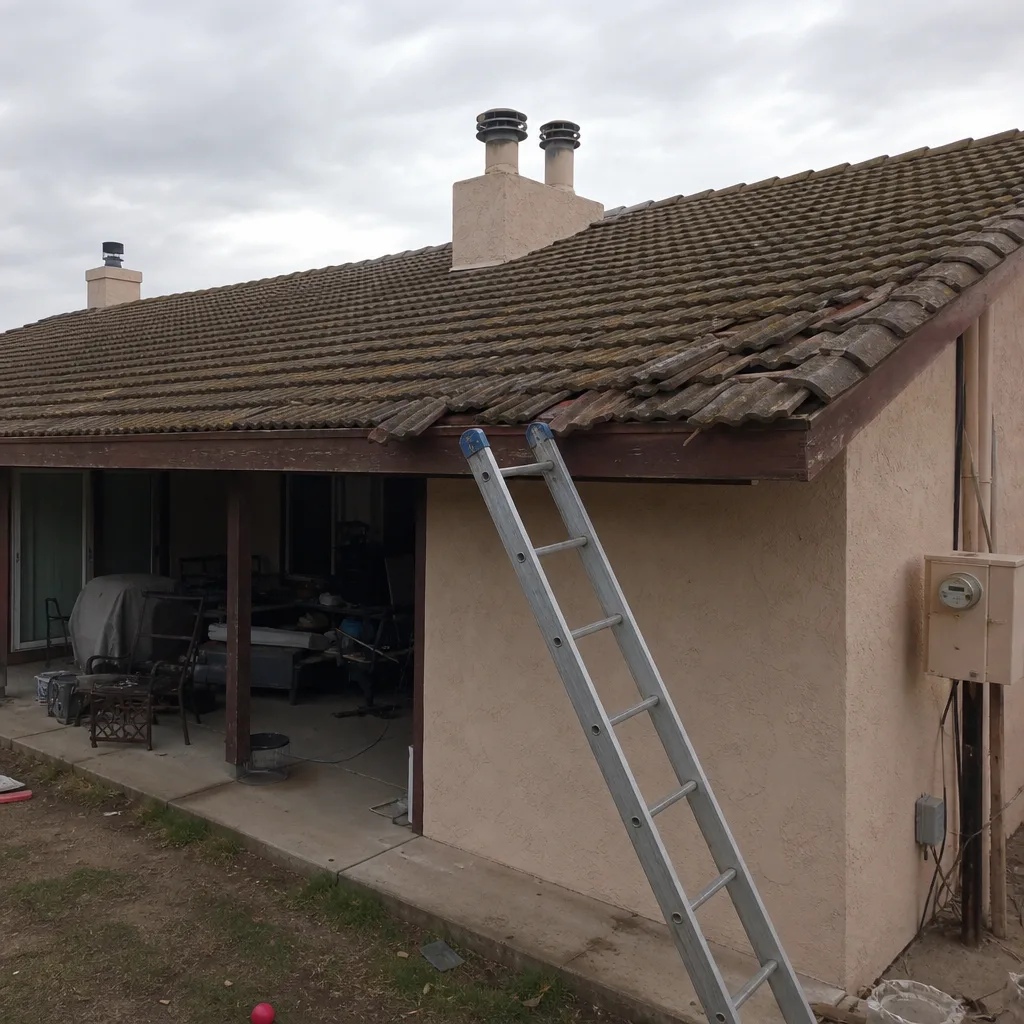 Before
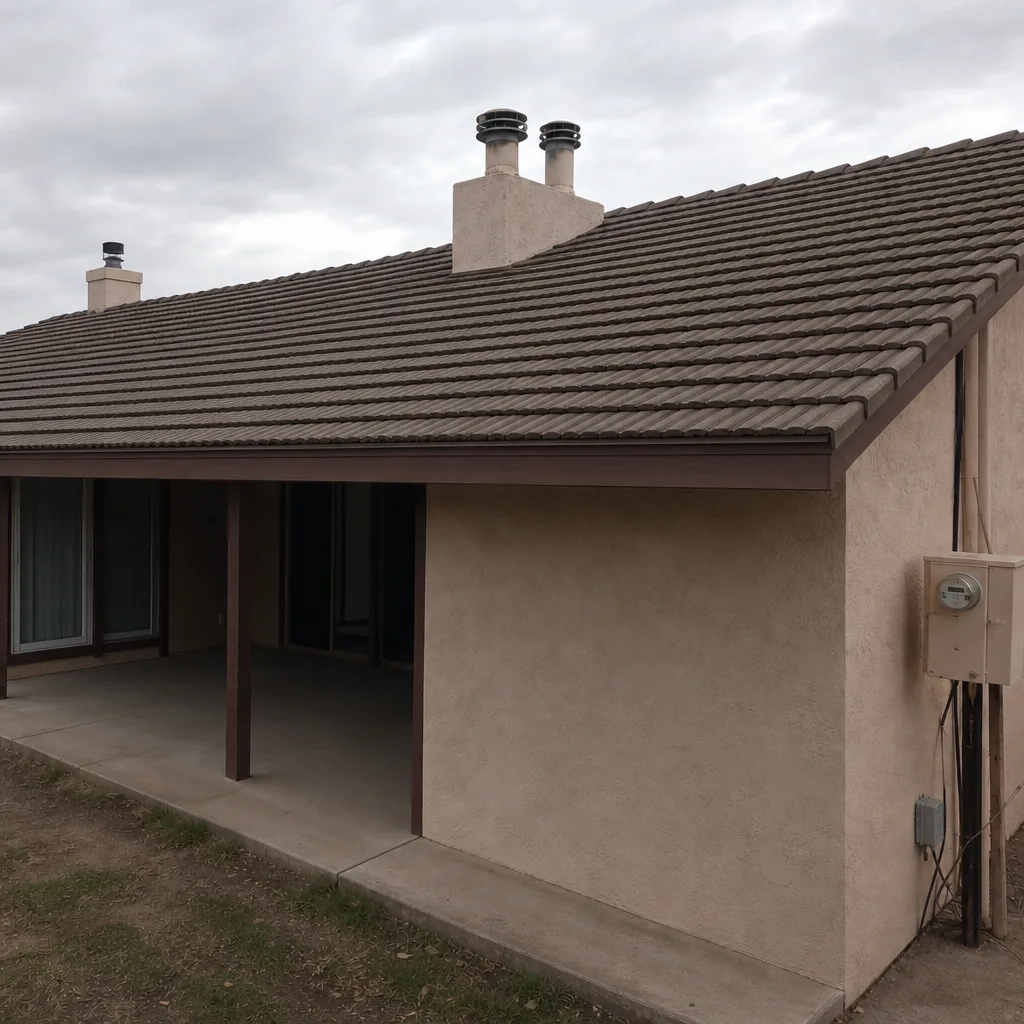 After
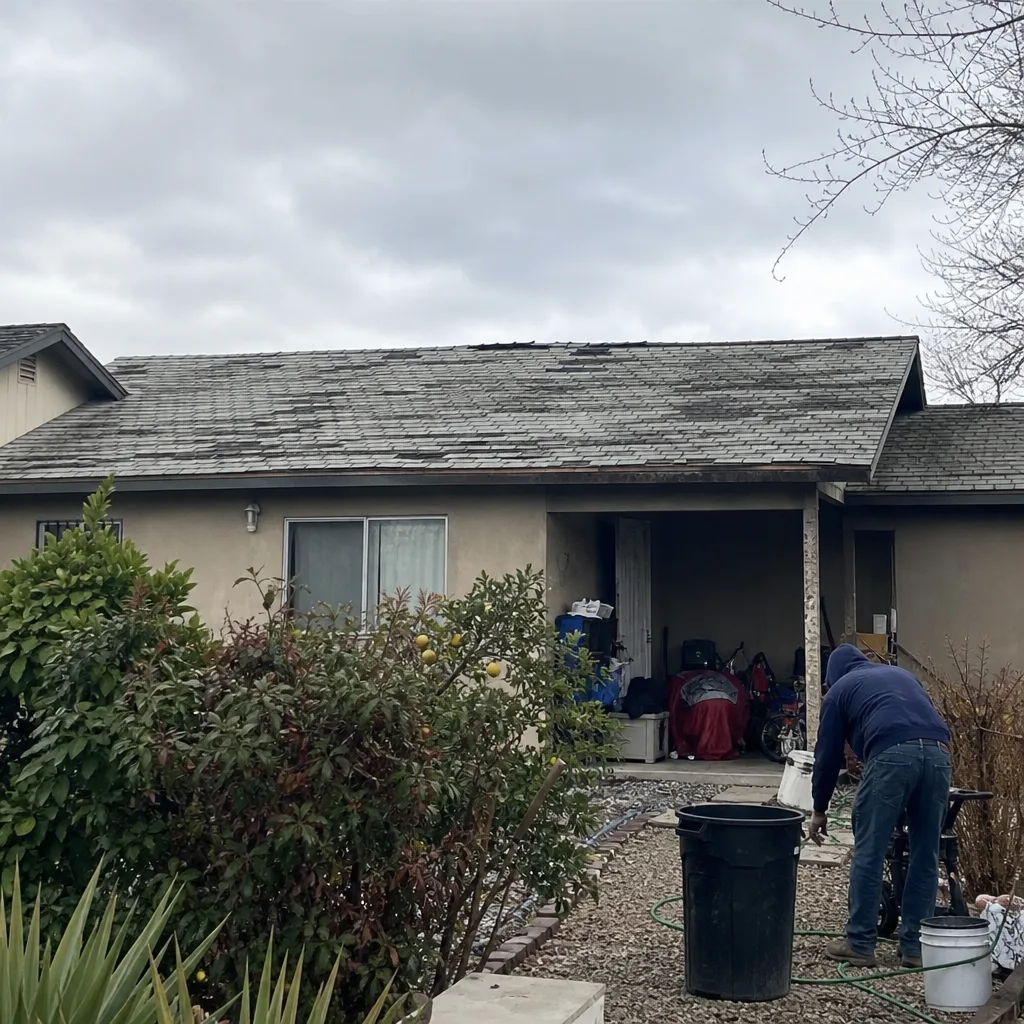 Before
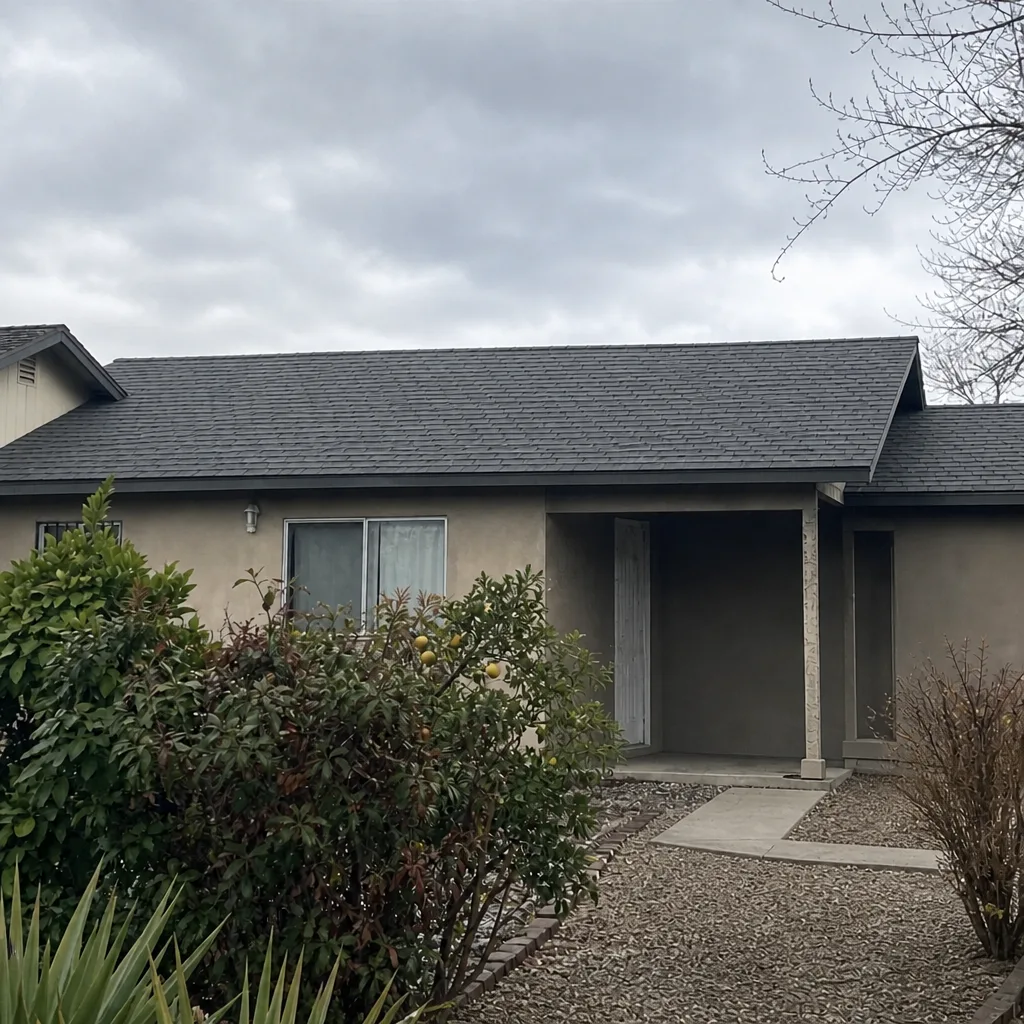 After
When to Call a Professional
If you’re seeing loose or cracked tiles, a flat roof that ponds water after a storm, or a metal roof with lifting fasteners or visible seams, specialty systems are not a do-it-yourself project. They involve structural loads, flashing details, and heat and height hazards that a trained crew is set up to handle safely. This is also where an underestimated timeline turns into a leak that costs far more than the job would have. Ridgeline Roofing Co. Spring Valley offers free estimates in Spring Valley, with a live person answering every call around the clock. We give upfront pricing with the number on the estimate matching the number on the invoice, and every job is backed by our written 90-Day Done Right Promise. Call (855) 908-1590 to schedule your free estimate, or visit our Ridgeline Roofing Co. Spring Valley home page to learn more about how we work.
Frequently Asked Questions
Most tile re-roofs in Spring Valley run 5 to 8 install days on a single story and 7 to 12 on two stories, but the full timeline from order to final inspection is usually 4 to 10 weeks once concrete or clay tile lead times and Clark County permit scheduling are counted. Call (855) 908-1590 for an exact estimate on your roof; estimates are free.
Because tile and specialty panels are made or sourced to order, and delivery to your property takes 2 to 6 weeks before any work starts. Installation days don’t begin until material is staged on site. Ask for that number separately so your calendar reflects reality. Call us to review lead times for the specific product you’re considering.
Yes, but expect the schedule to shift to early-morning starts because surface temperatures on a flat roof can exceed safe weld and adhesive thresholds by midday. That stretches the job across more days than a cool-season install. A weather cushion is standard planning here, and we build it in.
They can add a few business days to a couple of weeks at hold points, especially between the dry-in inspection and the final. That waiting is a legitimate part of a well-run job, and it protects you. We pull permits and pass inspections as part of the work, and the schedule reflects those stages.
Usually in install days, but not always in quality. On specialty systems like flat and metal, a steady, experienced crew often delivers cleaner seams and fewer callbacks than a large rushed one. Who is on your roof matters more than how many. We’ll walk you through the approach before we start.
Our upfront pricing works so the number on the estimate is the number on the invoice. The only exception is hidden deck damage discovered during tear-off, which we document with photos and discuss with you before proceeding. Call (855) 908-1590 for a free written estimate.
The Bottom Line
Specialty roofing timelines are wider than most sales pitches suggest. Tile and metal carry material lead times of weeks, flat systems are bound to weld and adhesive temperatures, and Clark County permit hold points add legitimate days along the way. Rather than promise a fast date, plan for the realistic range: 3 to 12 install days, with 4 to 10 weeks start to finish once staging and permits are counted. For a two-story Spring Valley home, a fragile deck, or a complex roofline, assume the longer end. Our technicians have up to 10 years of experience, and we’ll tell you the honest number. Call (855) 908-1590 for your free estimate today.
Written by the team at Ridgeline Roofing Co. Spring Valley.