
Last updated November 17, 2026
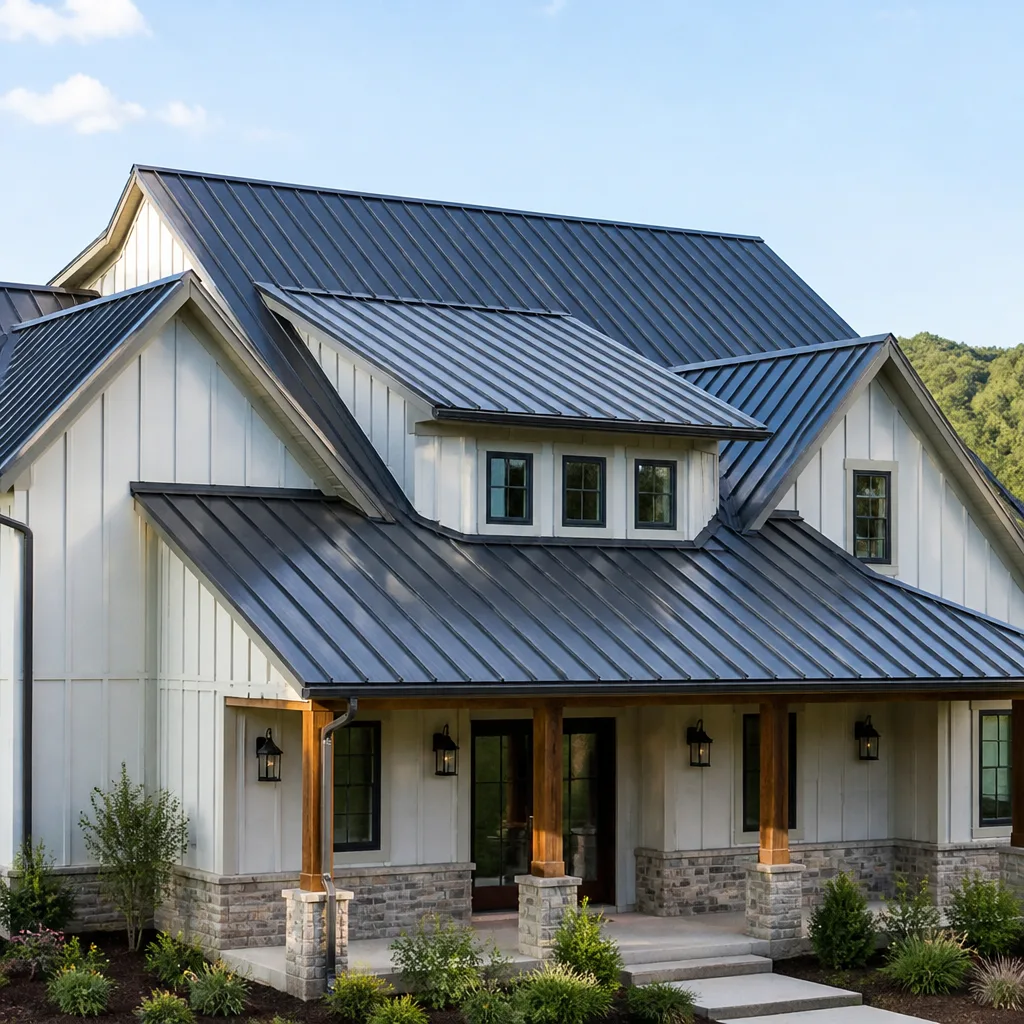 Metal roofing
 Architectural shingles
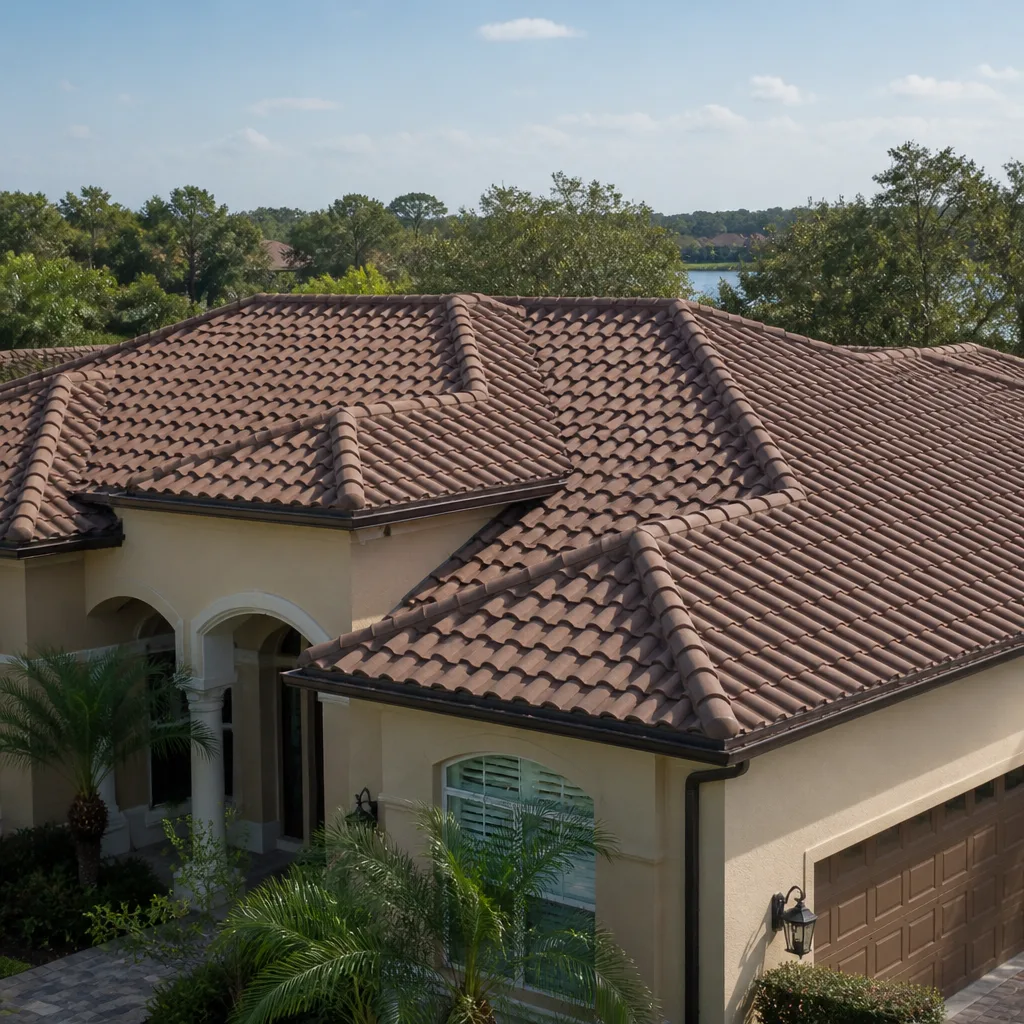 Tile roofing
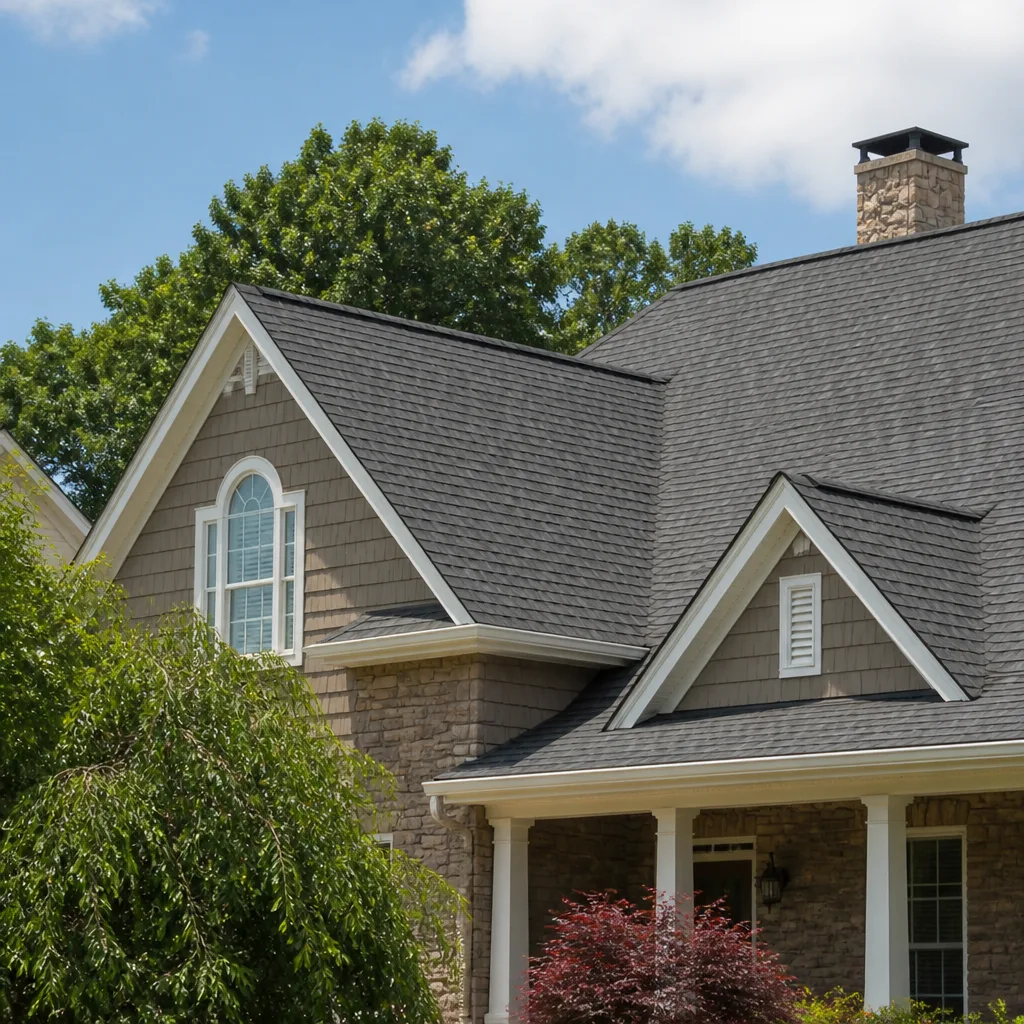 GAF
 Owens Corning
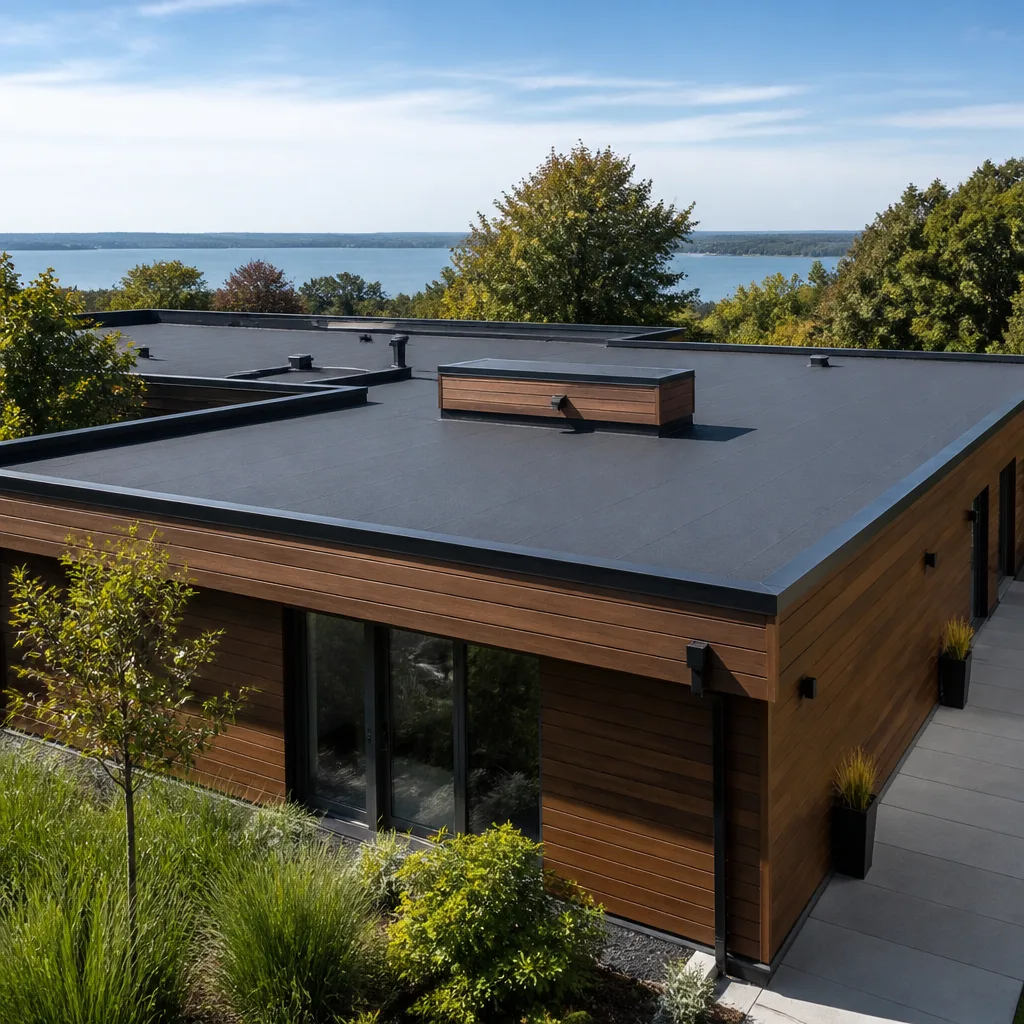 Flat & low-slope
Free roof inspection with deck photos before we talk money - GAF and Owens Corning certified installation
How to Hire a Roofing Contractor in Spring Valley: A Step-by-Step Guide
Nevada’s contractor license lookup takes under two minutes at nvcontractorsboard.com, yet fewer than one in ten homeowners check it before signing. That single step would have flagged the out-of-state plate on the truck sitting in the driveway after the last wind event in Spring Valley. Storm-chasers follow disaster declarations the way food trucks follow festivals. They were here after every major blow, and most are already gone. This guide walks you through a five-point vetting process that separates contractors with a real Clark County track record from the ones with only a temporary post-storm presence.
Quick Answer
To hire a roofing contractor in Spring Valley, verify their Nevada State Contractors Board license and classification first, then demand a written scope of work, a lien waiver at completion, and a defined workmanship warranty before any deposit changes hands. Confirm a real Las Vegas Valley business address, ask who actually employs the crew on your roof, and check Clark County permit records to match the contractor’s claimed references to real, permitted jobs.
Styles & brands we work with
- Architectural shingles
- Metal roofing
- Tile roofing
- GAF
- Owens Corning
- Flat & low-slope
Table of Contents
- Step 1: Verify the Nevada State Contractors Board License
- What License Classifications Actually Cover Roofing Work
- The Three Contract Clauses That Protect You
- Why a Real Local Address Matters After the Job
- Ask Who Is Actually on Your Roof
- Use Clark County Permit Records to Check References
- What Spring Valley Weather Does to Roofs
- Common Mistakes to Avoid
- When to Call a Professional
- Frequently Asked Questions
- The Bottom Line
Step 1: Verify the Nevada State Contractors Board License
Every legitimate roofing contractor working in Spring Valley holds a license through the Nevada State Contractors Board. The lookup is free, public, and takes about as long as boiling water. Go to nvcontractorsboard.com, enter the license number or the business name, and read what comes back. You’re looking for an active status, a classification that covers roofing, and a business name that matches the paperwork in front of you. If the name on the estimate doesn’t match the name on the license, stop.
Here is how to run the check:
- Ask the contractor for their license number in writing before they leave your driveway. A real contractor recites it without hesitation.
- Open nvcontractorsboard.com and search by license number, not just business name. Names get reused; numbers don’t.
- Confirm the status reads “active,” not “expired,” “suspended,” or “pending.”
- Check the classification listed, which we cover in the next section.
- Look at the complaint and disciplinary history. One old complaint is not a dealbreaker. A pattern is.
Write the license number down and keep it with your contract. When a warranty issue surfaces three years from now, that number is how you find the contractor who owes you the fix. If someone can’t produce a license number on request, that conversation is over. In our experience, the contractors who welcome this check are the ones who plan to be around when the warranty comes due.
What License Classifications Actually Cover Roofing Work
Nevada doesn’t license “roofers” as a single category. It licenses contractors by classification, and roofing work generally falls under the C-15 classification for roofing and waterproofing. A general contractor with a B classification may hold a license broad enough to contract roofing as part of a larger project, but the crew doing the actual roof work should be operating under proper classification. This distinction matters when a warranty claim lands on your kitchen table.
What to look for on the license record:
- C-15 classification for roofing and waterproofing work on your home.
- Active status with no lapsed renewal.
- A monetary limit high enough to cover your project. A license capped below the value of your roof replacement is a red flag.
- A qualifying party listed on the record, meaning a person with the actual experience to supervise the work.
We’ve seen Spring Valley homeowners hand a five-figure deposit to a contractor whose license limit was well below the contract price. When the work went sideways, the board couldn’t help because the license never authorized a job that size in the first place. The classification check takes a minute. Getting it wrong costs a season.
The Three Contract Clauses That Protect You
Most roofing disputes we hear about in Spring Valley don’t start with bad shingles. They start with a vague contract. Three clauses do most of the heavy lifting, and every one of them belongs in writing before work begins.
1. A written scope of work. This spells out exactly what gets removed, what gets installed, and what brand and product line go on your roof. “Tear off and re-roof” is not a scope. A proper scope names the underlayment, the decking repair allowance, the ridge vent, and the manufacturer line, whether that’s CertainTeed, Owens Corning, or another specified product. It also states what’s excluded, so the mid-job surprise doesn’t arrive as a change order.
2. A lien waiver on completion. When you pay a contractor, the suppliers and subcontractors underneath them have a legal right to file a lien against your property if they don’t get paid. A conditional lien waiver signed at final payment, then an unconditional waiver once your check clears, closes that door. Ask for it in writing. A contractor who knows the business expects this request.
3. A defined workmanship warranty period. Manufacturer warranties cover materials. They don’t cover the installation, and installation is where most leaks begin. Your contract needs a specific number of years for the workmanship warranty, in writing, along with what triggers a valid claim. “Lifetime warranty” with no terms attached is a phrase, not a promise. Ours is a written 90-Day Done Right Promise: if it isn’t right, we come back and make it right, no arguing, no paperwork runaround.
Why a Real Local Address Matters After the Job
A roofing warranty is only as good as the contractor’s ability to answer the phone in year three. That’s why a verifiable physical presence in the Las Vegas Valley matters more than the price on the estimate. A business address in Spring Valley, Henderson, or elsewhere in Clark County means the contractor has a place to be found, a business license tied to a real location, and a reputation to protect in a community they drive through every week.
A P.O. box and a cell number are not the same thing. Neither is an address that turns out to be a mailbox store. Before you sign, look up the address on a map. Does it look like a business location? Does the phone get answered by a person who can tell you where the office is?
We’re not neutral on this point. Ridgeline Roofing Co. has been standing behind local roofs since 1984, and our crews live in the same valley they work in. That’s the difference between a contractor who will be here when the warranty comes due and one who won’t. When a company hires local crews and trains apprentices into journeymen, the money stays in the valley, and so does the accountability. Read more about Ridgeline Roofing Co. Spring Valley home and how we work.
Ask Who Is Actually on Your Roof
Many Spring Valley homeowners don’t realize the crew on their roof may not be employed by the contractor they hired. Subcontracting is common and not automatically a problem, but you deserve to know before work starts. The difference shows up in training, background checks, and who stands behind a mistake.
Questions worth asking outright:
- Will your own employees do the work, or will you bring in subcontractors?
- If subs are used, are they licensed and insured separately? Can you provide proof?
- Who supervises the job day to day, and can I reach that person?
- Are the workers background-checked, and do they arrive in uniform?
Ask these with the contract in front of you and the answers in writing. In our experience, the answers tell you as much as the license check does. Every Ridgeline technician is background-checked and arrives in uniform, held to the same standard we’d hold for work done on our own mother’s house. Our technicians have up to 10 years of experience, and our apprentices train under journeymen who’ve been on Spring Valley roofs through more than one monsoon season.
Use Clark County Permit Records to Check References
Reference lists are easy to write. Permits are not. Clark County’s online permit records let you verify that a contractor actually pulled permits on the jobs they’re claiming, which is a quick, honest way to check the story you’re being told. Roof replacements in unincorporated Clark County typically require a permit, and a legitimately permitted job leaves a public trail.
- Ask for three references from Spring Valley-area roofs completed in the last two years. Get the street address, not just a first name.
- Open Clark County’s permit search through the county’s development services portal.
- Search the address and confirm a roofing permit exists, with the contractor’s name attached.
- Check that the permit shows a passed final inspection. Pulled permits that were never closed out tell you something too.
- Call one reference and ask a specific question: did the crew return for the punch list, and did they answer the phone afterward?
This check catches the storm-chaser who collected references from jobs done under another license or in another state. We pull permits on every job we do in Spring Valley because it’s the only way the homeowner has a record that the work was done and inspected. Roof Replacement & Installation in Spring Valley explains how that process runs from first walk-through to final inspection.
What Spring Valley Weather Does to Roofs
Spring Valley sits in the middle of a climate that punishes roofs in a specific way. Summer temperatures here regularly climb past 110 degrees, and the UV load on the valley floor breaks down asphalt shingles faster than most national averages suggest. A shingle that would last 25 years in a cooler, wetter climate often looks tired in Spring Valley by year 15. Add the winter-to-spring freeze-thaw cycles on our occasional cold nights, and the thermal expansion cycles the roofing materials endure in a single Valley summer, and you start to understand why inspection timing matters.
Monsoon season, roughly July through September, brings sudden wind and rain. Wind-driven rain finds every failed seal, lifted shingle, and dried-out pipe boot. We regularly see spring failures around the pipe boots and chimney flashings in Spring Valley neighborhoods after a strong monsoon cell rolls through, and those are the calls we get in bunches the following week. That pattern is worth remembering when an inspector points out a flashing detail that looks minor.
A contractor who works in this valley knows the local pattern. A contractor passing through for a storm job may not. Ask what they expect from the shingles and underlayment in a valley climate and listen for an answer rooted in local conditions, not a brochure line. For the nuts and bolts of fixing what the sun and wind leave behind, see Roof Repair in Spring Valley. For the specialty work that high-end homes require, Specialty Roofing in Spring Valley covers tile, metal, and flat-roof systems.
Common Mistakes to Avoid
- Skipping the license lookup. Fewer than one in ten homeowners check nvcontractorsboard.com before signing. It’s the fastest way to confirm whether the truck in your driveway belongs to a licensed Spring Valley contractor.
- Signing with a P.O. box. A warranty needs an address behind it. A mailbox in a strip mall is not a business location, and it won’t be there when you call in three years.
- Paying too much up front. Large deposits are common in storm-chasing arrangements. A reasonable down payment on a permitted Spring Valley job is normal; a request for most of the money before materials arrive is not.
- Accepting “we’ll pull the permit.” Get the permit number and verify it through Clark County yourself. A verbal promise is not a permit.
- Missing the lien waiver. Paying your contractor in full without a signed waiver leaves you exposed to supplier liens on a job you already paid for.
- Trusting a manufacturer warranty to cover installation. Material warranties don’t cover the labor. Without a written workmanship warranty, a leak at year three is your problem, not theirs.
- Ignoring who’s on the roof. The crew doing the work may not be employed by the contractor you hired. Ask, and get the answer in writing.
When to Call a Professional
Some roof problems are safe to watch. Others aren’t. Call a professional when you see granules collecting in the gutters after every wind, when ceiling stains appear or spread after a monsoon, when shingles are visibly lifting or missing on a slope you can see from the ground, or when a metal flashing pulls away from a chimney or vent stack. Any leak that returns after a repair, any sagging in the roof deck, and any situation requiring you to walk on the roof is a call. High-tension work at height is not a homeowner project; roofs fail suddenly, and a fall from even a modest pitch can be serious.
If your roof is beyond a patch, a full assessment is the next step, and that’s when the vetting in this guide pays off. Ridgeline Roofing Co. Spring Valley offers free estimates in Spring Valley, with photo-documented inspections taken from your actual roof and written, upfront pricing. Call (855) 908-1590. A live person answers every call, including nights, weekends, and the middle of a storm.
Frequently Asked Questions
A typical asphalt shingle roof replacement in Spring Valley runs in the range you’d expect for Clark County: material choice, decking condition, and roof complexity move the number most, and a written line-item estimate is the only way to price your specific roof. Ask for the scope in writing so you can compare bids accurately. Call (855) 908-1590 for a free estimate; the number on our estimate is the number on the invoice, with no surprises.
Yes. Roof replacements in unincorporated Clark County generally require a permit, and a legitimate contractor pulls it before work begins. If a contractor suggests skipping the permit to save time, that’s a red flag, and you can verify pulled permits through Clark County’s online records. We pull permits on every job and make the inspection record part of your project file.
Go to nvcontractorsboard.com and search by license number or business name. Look for an active status, a roofing classification such as C-15, and a monetary limit high enough to cover your project. Fewer than one in ten homeowners take this step, and it’s the single fastest way to eliminate a storm-chaser from your shortlist.
For emergency response after storm damage, we handle urgent calls as fast as conditions allow, and our phones are staffed by a live person around the clock, not a voicemail tree. For planned repairs, we’ll schedule a visit and give you a written, upfront estimate first. If your situation is urgent, call (855) 908-1590 and we’ll talk through what’s happening on your roof.
It’s a written workmanship guarantee: if the work isn’t right, we come back and make it right, with no arguing and no paperwork runaround. It sits alongside the manufacturer warranty on materials from lines like CertainTeed, Owens Corning, IKO, and Atlas, which we’re authorized to install. Ask for the promise in writing before work starts, along with the warranty period for your specific job.
Yes, and we offer it free. A second opinion on any written estimate lets you compare scope, brand, and warranty terms line by line, which is where the real differences hide. A few minutes of comparison beats a season of regret. Call (855) 908-1590 to schedule a free second opinion.
The Bottom Line
The difference between a roof done once and a roof you revisit comes down to a short list: verify the Nevada State Contractors Board license and classification, demand a written scope, a lien waiver, and a defined workmanship warranty, and confirm the contractor has a real Las Vegas Valley address. Ask who climbs on your roof. Check Clark County permits against the references you’re given. Storm-chasers rely on homeowners skipping these steps. A Spring Valley contractor with a genuine track record expects them. Do the two-minute license check, get the estimate in writing, and hire the company you’d call again.
Ridgeline Roofing Co. Spring Valley is an authorized installer of GAF, CertainTeed, Owens Corning, IKO, Atlas, Tamko, and Boral products, and backs every job with the 90-Day Done Right Promise. Our technicians have up to 10 years of experience, and every one of them is background-checked and arrives in uniform. Call (855) 908-1590 for a free estimate, a photo-documented inspection, and straight pricing before any work begins.
Written by the team at Ridgeline Roofing Co. Spring Valley.
See the difference
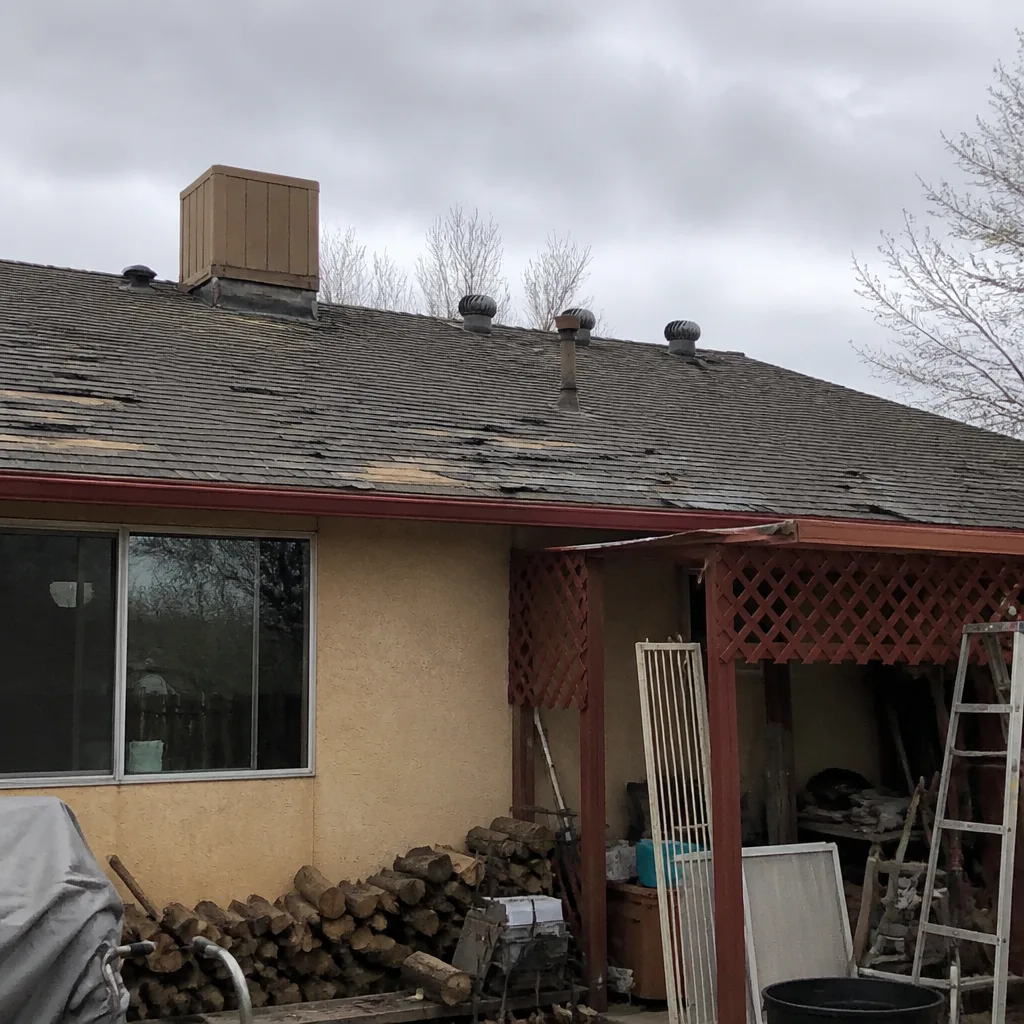 Before
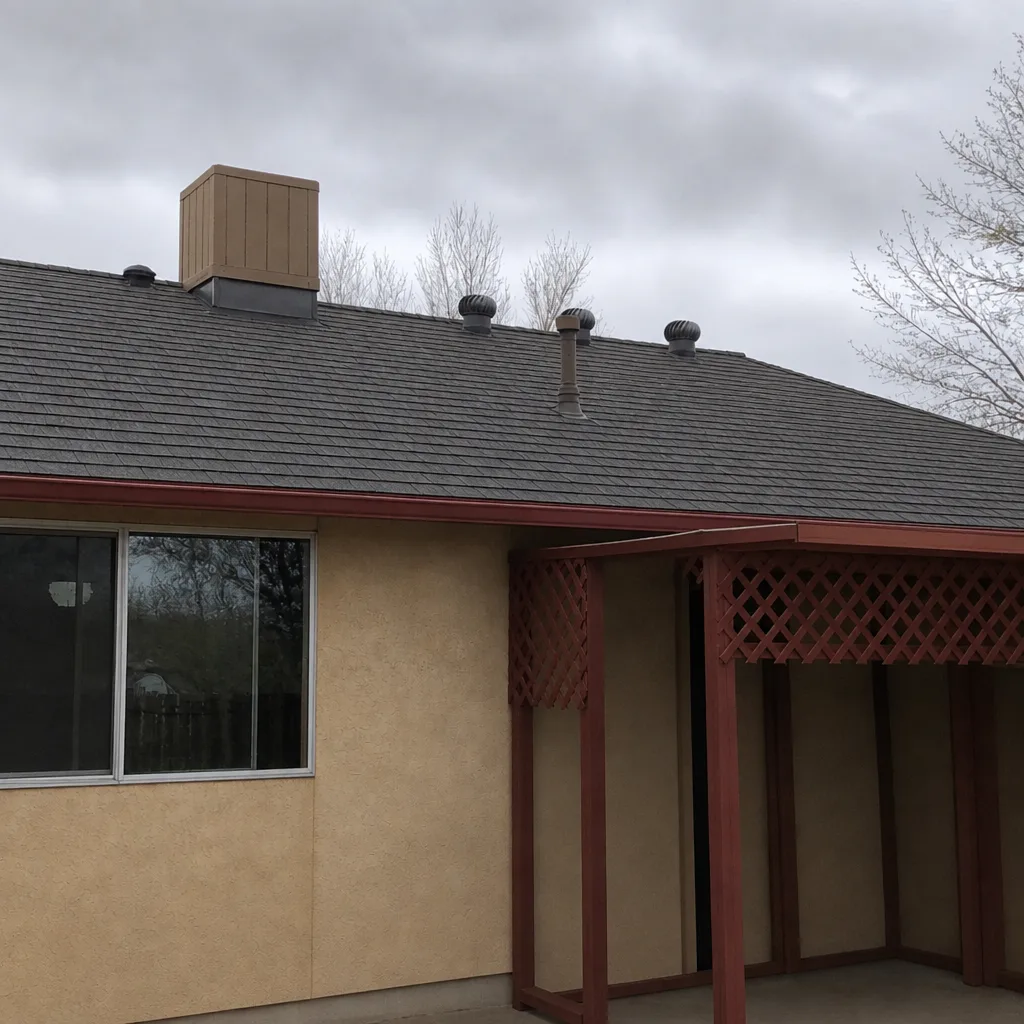 After
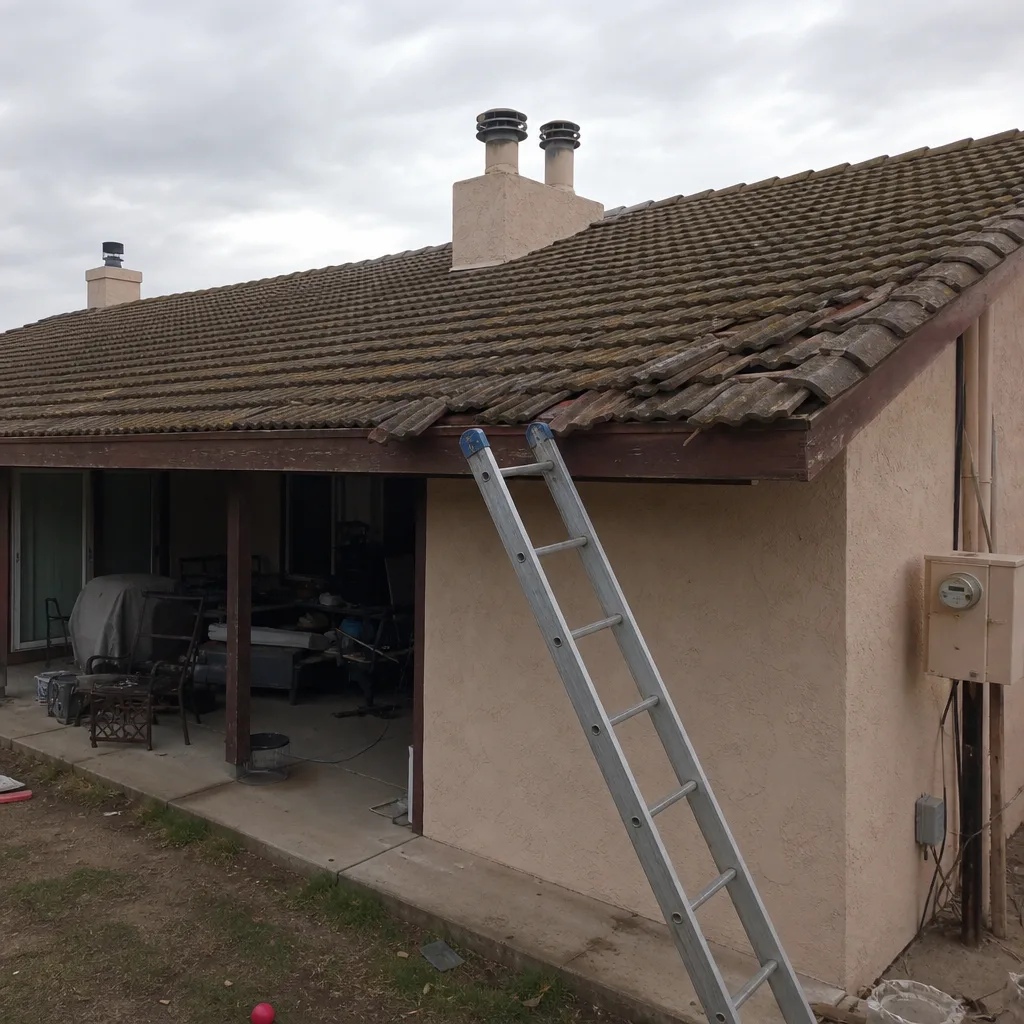 Before
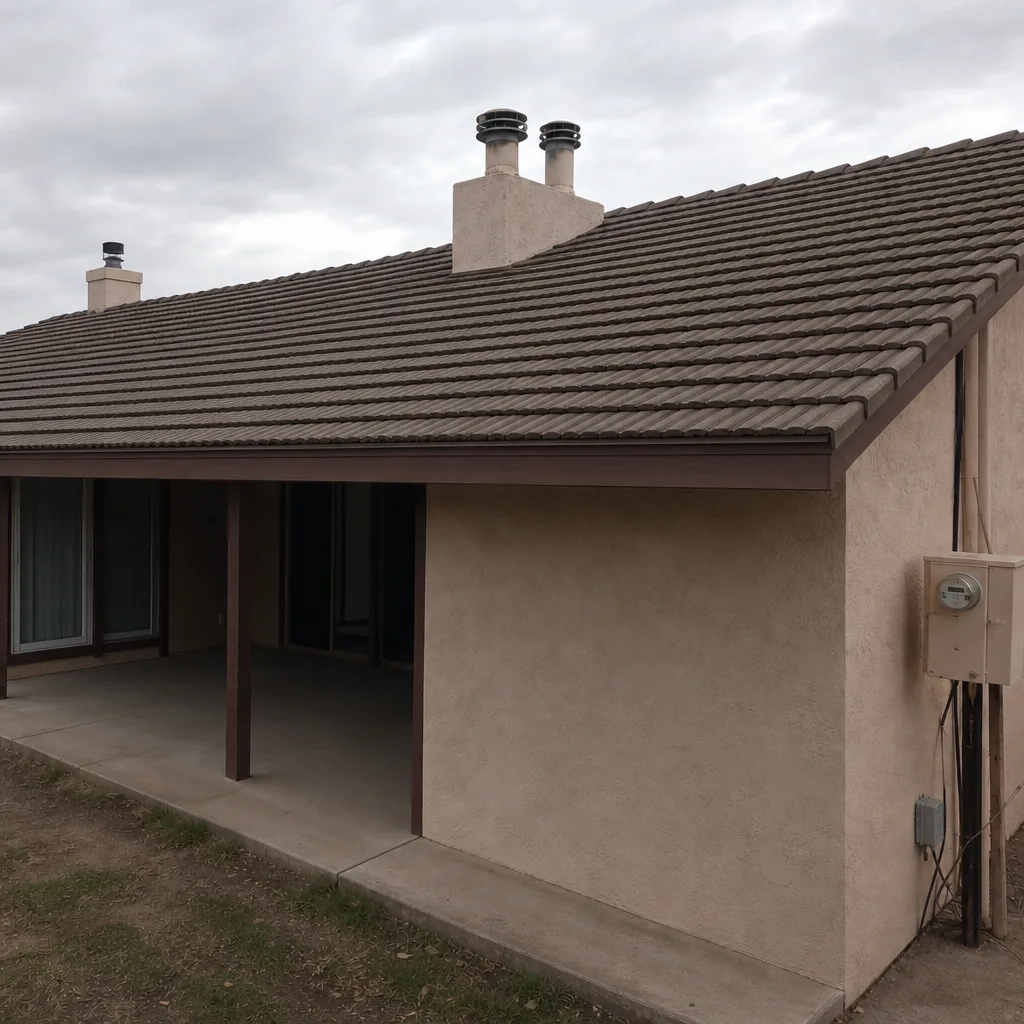 After
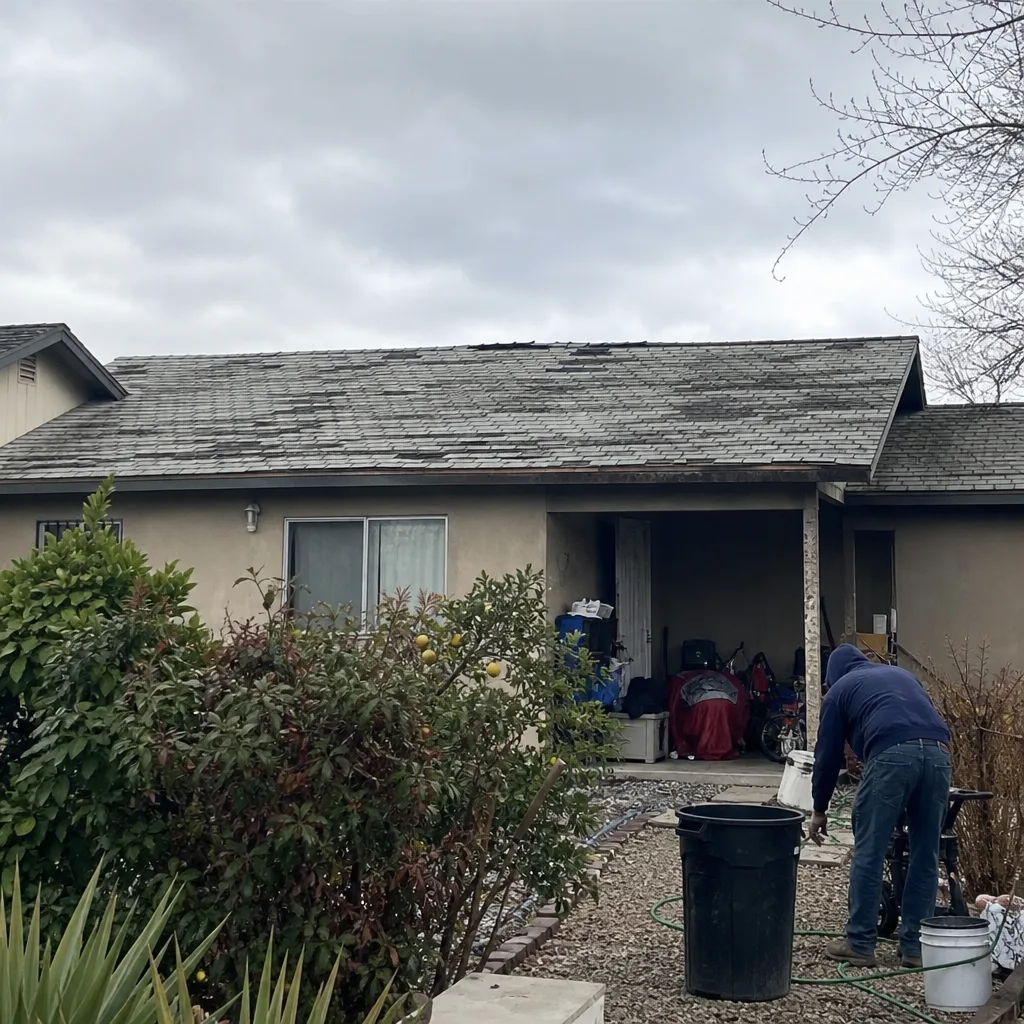 Before
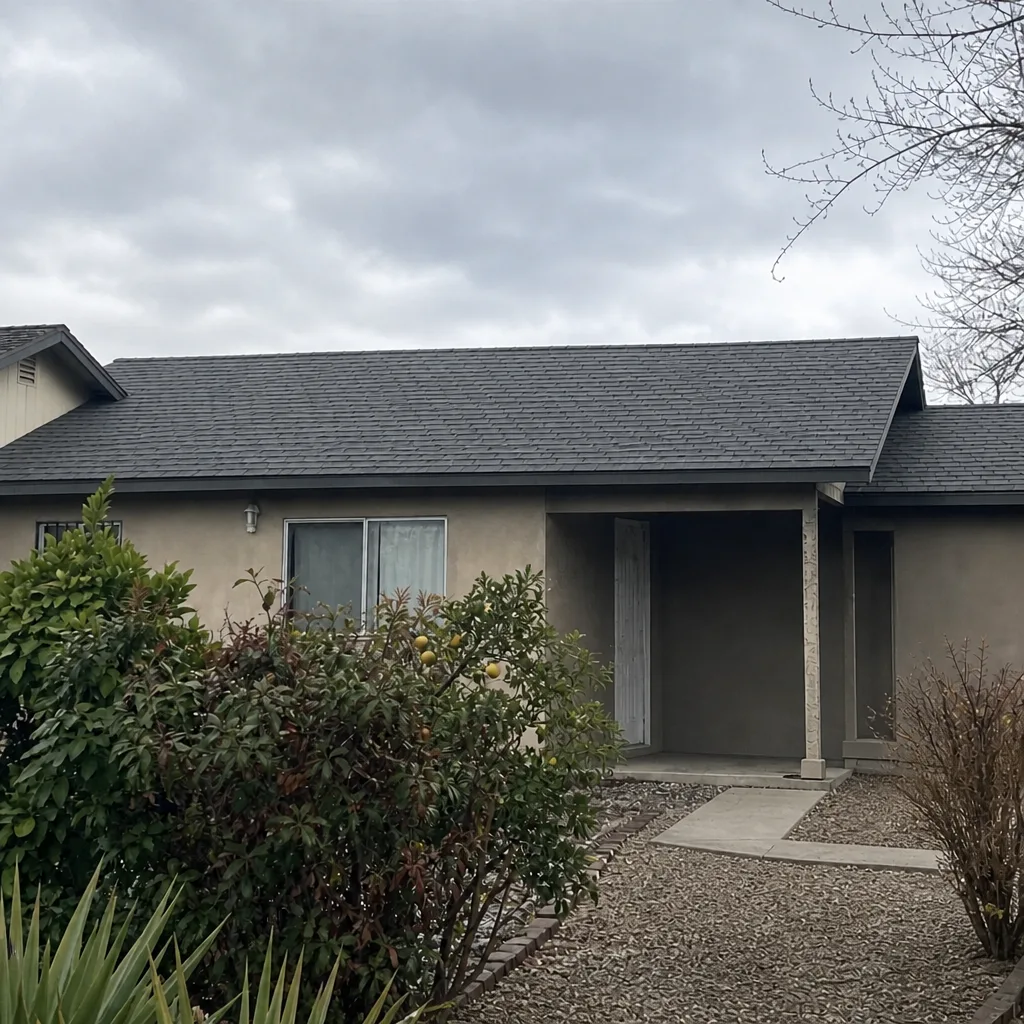 After