
Last updated November 17, 2026
 Architectural shingles
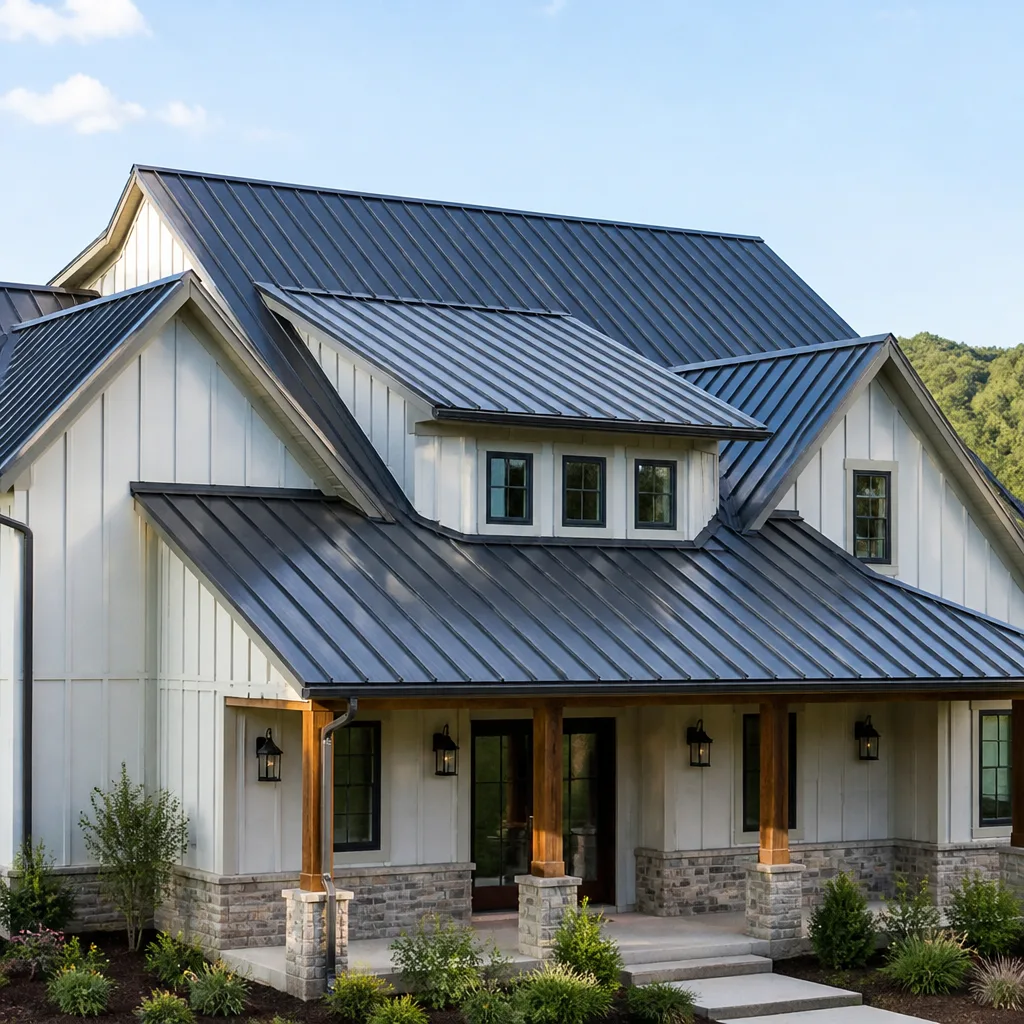 Metal roofing
 Tile roofing
 GAF
 Owens Corning
 Flat & low-slope
Free roof inspection with deck photos before we talk money - GAF and Owens Corning certified installation
Roof Repair Troubleshooting: Common Problems and How to Fix Them
Water stains on a ceiling can travel 10 to 15 feet sideways along rafters and sheathing before they ever drip, which means the leak you see and the leak you have are almost never in the same place. That single fact explains why so many Spring Valley homeowners spend a weekend sealing the wrong shingle. Most roof problems get misdiagnosed because we chase the stain on the ceiling instead of tracing the water back to where it actually gets in. This guide teaches the same upstream-trace method a seasoned roofer uses – start at the ridge, work down, find the entry point – so you know exactly what you’re describing before anyone climbs up. You’ll learn the five leaks that aren’t leaks at all, how to tell flashing failure from shingle failure, and what a temporary repair should and shouldn’t do.
Quick Answer
To find and fix a roof leak, trace uphill from the exit point – the ceiling stain – to the highest possible entry, not the shingle directly above the drip. The true source is usually at a penetration or transition: a plumbing vent boot, a chimney or wall flashing, a valley, or a ridge detail. Condensation, HVAC sweating, and plumbing leaks mimic roof leaks and must be ruled out first. Confirm the entry point, document it with photos, then repair or replace the failed component rather than smearing sealant over it.
Styles & brands we work with
- Architectural shingles
- Metal roofing
- Tile roofing
- GAF
- Owens Corning
- Flat & low-slope
Table of Contents
- Why Ceiling Stains Lie: The Upstream-Trace Method
- Five “Leaks” That Aren’t Roof Leaks at All
- Flashing Failure vs. Field Shingle Failure: How to Tell Them Apart
- Temporary Repairs: Buying Time Without Masking the Problem
- Spring Valley Climate and the Roof Problems It Creates
- The Documentation Checklist to Hand Your Contractor
- Common Mistakes to Avoid
- When to Call a Professional
Why Ceiling Stains Lie: The Upstream-Trace Method
A ceiling stain marks where water exits the roof assembly, not where it enters. Water follows the path of least resistance: down a rafter, along the underside of sheathing, across a truss bottom chord, until it hits something that makes it drip. On a low-slope or gently pitched roof in Spring Valley, that lateral run can cover 10 to 15 feet. The drip above your hallway ceiling might trace back to a vent boot three rooms away.
The fix is to stop looking at the ceiling and start looking at the roof, working systematically from the top down:
- Start at the ridge. Look for lifted or missing cap shingles, exposed nails, and gaps where two roof planes meet. The ridge is where a roof “proves itself,” which is why we take its name.
- Walk every penetration. Plumbing vents, exhaust fans, furnace flues, and satellite mounts are the most common entry points on any Spring Valley roof. Check the rubber boot or lead collar around each pipe for cracking or lifting.
- Inspect every transition. Chimney and sidewall flashing, step flashing, valleys, and the junctions where additions meet the original roofline. Screw holes and failed caulk at these seams fail first.
- Check the field last. Only after the ridge, penetrations, and transitions are ruled out do you examine the shingles themselves – for granule loss, curling, or cracked tabs.
- Work downhill from that upper point to the exit you saw inside. If the two line up, you’ve found the entry.
This is the core of roof repair in Spring Valley done right: confirm the true source before anyone quotes a fix. A roofer who patches the shingle above your stain without this trace is guessing, and the leak returns the next time it rains. For a full picture of how we approach this on homes throughout the valley, see our Ridgeline Roofing Co. Spring Valley home.
Five “Leaks” That Aren’t Roof Leaks at All
Before you assume water is coming through the shingles, rule out the imposters. In our experience, a meaningful share of Spring Valley service calls that sound like roof leaks trace to something else entirely. Here are the five most commonly misdiagnosed:
- Condensation in the attic. Warm, moist interior air hits cold sheathing and turns to frost or water droplets, which drip and stain ceilings. It looks exactly like a leak but only happens in cold or humid stretches, not rain.
- HVAC sweating. Insulated ducts or a sweating metal plenum in a hot Spring Valley attic can shed condensate onto the ceiling below. The tell: it appears on hot days, not after storms.
- Plumbing leaks. A slow supply or drain leak inside a wall or above a ceiling runs to the lowest point and stains drywall. It often mimics a roof leak but has nothing to do with the roof.
- Vent and flue issues. A poorly sealed exhaust vent, dryer vent, or furnace flue can dump moisture or allow backdraft condensing in the attic. The vent collar looks fine but the pipe is the culprit.
- Clogged gutters and ice damming at the eave. Backed-up or overflowing gutters force water up under the bottom course, staining near exterior walls rather than in the middle of the ceiling.
Each of these has a different fix, and none of them is a shingle repair. If a “leak” appears without rain, you’re likely looking at one of these instead. Knowing which is which is what steers you to the right trade – and stops a roofer from selling you a roof you don’t need.
Flashing Failure vs. Field Shingle Failure: How to Tell Them Apart
From inside the attic, flashing failure and field shingle failure can look identical: a stain, a damp rafter, a drip. From up on the roof, they’re different problems requiring completely different fixes, and telling them apart saves you real money.
Flashing failure happens at transitions – where the roof meets a chimney, a sidewall, a valley, a vent, or a skylight. Flashing is metal (or, on older Spring Valley homes, sometimes sealant or caulk) that redirects water away from seams. It fails by lifting, corroding, pulling loose nails, or drying out. The tell is moisture concentrated at a transition, especially after wind-driven rain that pushes water sideways. The fix is usually a targeted flashing repair or replacement, not a full re-roof.
Field shingle failure happens out on the open expanse of the roof. Asphalt shingles fail by losing granules, curling at the edges, cracking, or losing their bond to the one below. The tell is moisture appearing beneath a broad area, often after a heavy rain with no obvious transition nearby, plus visible shingle deterioration. This points to the age and condition of the shingle field itself.
Which fix is right depends on what you’ve actually got, not on what’s easiest to sell. A flashing repair on a roof replacement and installation candidate is money wasted; a full replacement on a five-year-old roof with one bad vent boot is overselling. The honest answer only comes from confirming the failure. We install materials from CertainTeed, Owens Corning, IKO, and Atlas, so when a field failure really does call for new shingles, the replacement matches what’s already up there.
Temporary Repairs: Buying Time Without Masking the Problem
A temporary repair has one job: keep water out until a proper fix can be scheduled. It should not pretend to be a permanent fix, and it should never bury the real problem under a coat of sealant where the next person can’t find it. Storm season in Spring Valley makes this practical – you may need to stop an active leak tonight to protect your ceilings, then do the real repair when the weather clears.
What a temporary repair should do:
- Stop active water from reaching interior finishes, using a tarp or a properly applied patch over the confirmed entry point.
- Stay visible and reversible, so the next person can see exactly what was done and where.
- Address the entry point you traced, not the stain above the ceiling.
What it shouldn’t do:
- Smear roof cement or caulk over a cracked shingle or failed flashing and call it fixed. Sealant over a symptom traps moisture and hides the failure, so it returns worse – often inside a season.
- Cover the whole area in goop that makes the real repair harder and more expensive later.
- Give you false confidence that you can skip the permanent fix.
A temporary repair is a bridge, not a destination. If you’re dealing with an active storm leak, the priority is stopping water now and documenting the trace so the permanent repair targets the right spot. Our specialty roofing team handles the tricky transitions – chimneys, valleys, low-slope sections – where temporary work most often gets tested.
Spring Valley Climate and the Roof Problems It Creates
Spring Valley roofs live under a specific set of stresses that shape which problems show up and where. The intense summer sun bakes asphalt shingles from above while attic temperatures climb past 140 degrees, accelerating granule loss and drying out sealant at every seam. UV exposure is relentless, which is why flashing caulk and vent boots crack faster here than in milder climates. Wind-driven monsoon rain pushes water sideways into transitions that a gentle rain never touches – which is why flashing failures show up so often in the weeks after a storm season.
The wide daytime-to-nighttime temperature swing works against a roof too. Materials expand in the afternoon heat and contract overnight, and that daily cycle slowly loosens fastener grip and opens hairline cracks at seams and penetrations. Add the occasional hard freeze and you get freeze-thaw movement that widens gaps. This is why we tell Spring Valley homeowners to inspect transitions, not just shingles, before and after each storm season.
None of this means your roof is failing. It means the failure points cluster at penetrations and transitions, so that’s where the upstream trace pays off most. A roof that’s fine in the field can still leak at one tired vent boot – and in Spring Valley, that boot is often the first thing to go.
The Documentation Checklist to Hand Your Contractor
The single best thing you can do before anyone climbs your roof is document what you’ve confirmed. A contractor who walks up with your notes solves your actual problem instead of guessing at a broad, more expensive one. Hand over a simple, honest record – not a shopping list of upgrades.
- Where the water shows inside. Note the room, approximate location on the ceiling, and whether the stain grows larger in rain or in heat.
- When it appears. After rain? On hot afternoons? During cold snaps? This alone rules out the imposter leaks.
- What you traced upstream. Which penetration or transition you suspect, and why.
- Photos from your own roof or attic, if you can safely take them. Never climb onto a steep or wet roof to get them.
- Age and history of the roof. When it was last replaced and any prior repairs you know about.
- What you’ve already tried, including any temporary patches, so the pro doesn’t repeat work or undo it.
This is why our technicians photograph every inspection from your actual roof and show you the pictures – so you’re comparing your notes to real evidence, not a scary speech in the driveway. That documentation turns a vague “I have a leak” into a confirmed, solvable problem.
Common Mistakes to Avoid
- Chasing the stain instead of the source. Patching the shingle directly above a ceiling stain is the most common mistake we see in Spring Valley. Water rarely drips straight down, so the patch almost never lands on the entry point.
- Sealing everything with caulk. Roof cement over failed flashing or a cracked shingle traps moisture and hides the failure. It buys a few weeks and returns worse, often inside a single season.
- Assuming every leak means a new roof. A five-year-old roof with one failed vent boot needs a boot, not a replacement. Confirm the failure before you authorize a big job.
- Skipping the condensation and HVAC check. A leak that shows up on hot days with no rain is often attic condensation or a sweating duct, and a shingle repair won’t touch it.
- Climbing a steep, wet, or heat-softened roof yourself. Roofs get slick and dangerously hot in Spring Valley afternoons, and a fall is far costlier than the repair.
- Hiring a truck that won’t be around next spring. Storm chasers disappear after the season, leaving workmanship problems with no one to call. Local accountability matters.
- Taking a verbal quote with no written scope. A square deal is written down. Get the scope, the materials, and the price in writing before work starts.
When to Call a Professional
Some roof troubleshooting is safe and worthwhile from the ground – spotting stains, noting when a leak appears, ruling out condensation and HVAC sweating. But the work that matters most gets dangerous fast. If water is actively dripping, if you suspect a flashing failure at a chimney or valley, if a repair in Spring Valley means climbing above one story, or if the problem is anywhere near a steep pitch, hand it to a trained professional. High-tension, height, and heat make roofs a poor place to learn on the fly. The same goes for any repair you can’t fully diagnose from inside – a confirmed entry point beats a guess every time.
Ridgeline Roofing Co. Spring Valley offers free estimates, and we’ll trace the actual source before quoting a fix. Call (855) 908-1590 to schedule yours. A live person answers around the clock, every technician is background-checked and arrives in uniform, and most jobs are completed in a single visit. The number on the estimate is the number on the invoice.
Frequently Asked Questions
Most targeted roof leak repairs in Spring Valley run from a modest service call for a single vent boot or flashing patch up to a larger figure for a chimney or valley rebuild. The exact price depends on the confirmed entry point, not the size of the stain, which is why a documented trace matters before you compare bids. Call (855) 908-1590 for an exact quote – estimates are free.
Many straightforward repairs, like a failed vent boot or a spot flashing patch, are completed in a single visit, though this depends on weather and how easily the entry point is confirmed. We don’t promise same-day on every call, because getting the diagnosis right matters more than rushing. We’ll tell you honestly what your roof needs and when we can do it.
The price on your written estimate is the price on your invoice – no surprises, no change orders added after the fact. We confirm the problem and quote the fix before anything begins. If a hidden issue genuinely turns up, we talk it through with you and get your approval before touching it.
Timing tells you a lot. If the stain grows after rain, it’s likely a roof entry; if it appears on hot afternoons or cold snaps with no rain, suspect attic condensation or HVAC sweating. Rule out the imposter leaks first so you’re not paying for a shingle repair you don’t need. When you’re unsure, a free inspection settles it.
Yes, and the fix is completely different. Flashing failures happen at transitions like chimneys, sidewalls, valleys, and vents and usually call for a targeted metal repair, while field shingle failures involve the open expanse of the roof and point to the shingle’s condition. From inside they look the same, so the entry point has to be confirmed on the roof.
Where a repair or replacement requires a permit for the work involved, we handle pulling it and see that the inspection passes – you don’t chase paperwork. Not every small repair needs one, and we’ll tell you plainly which category your job falls into. Call (855) 908-1590 and we’ll walk you through it.
The Bottom Line
Roof troubleshooting comes down to one habit: trace upstream from the stain to the real entry point, and rule out the imposters – condensation, HVAC sweating, and plumbing – before anyone quotes a repair. Flashing failures and shingle failures need different fixes, so confirm which you have. Keep temporary repairs reversible and honest, and hand your contractor documented evidence rather than a guess. In Spring Valley, where sun, wind-driven rain, and temperature swings work the transitions hardest, that trace is what keeps you from paying for the wrong fix. Done right – and if it’s not, we make it right.
Call Ridgeline Roofing Co. Spring Valley at (855) 908-1590 for a free estimate. Phones are answered by a live person day or night, and every job is backed by our written 90-Day Done Right Promise, a permanent 5% Senior and Veteran discount, and the free second opinion we offer on any written estimate.
Written by the team at Ridgeline Roofing Co. Spring Valley.
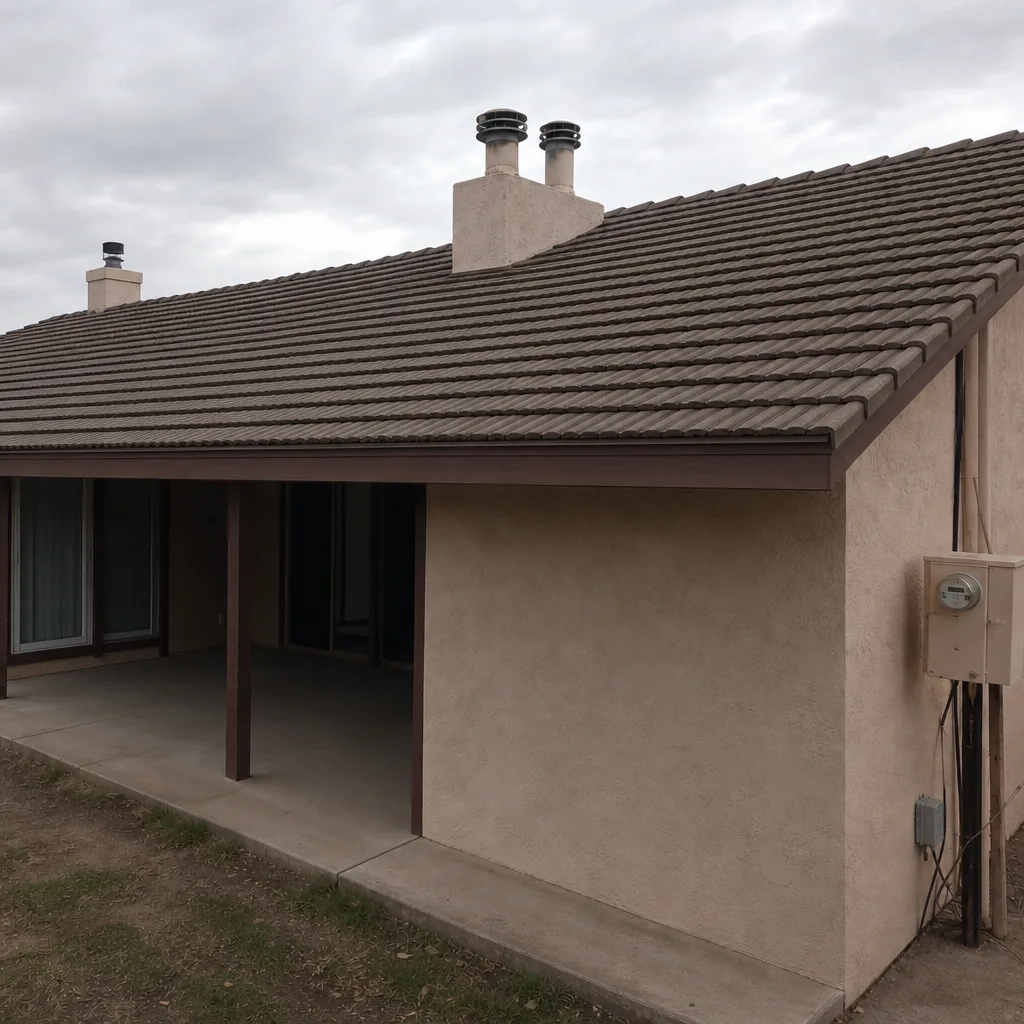
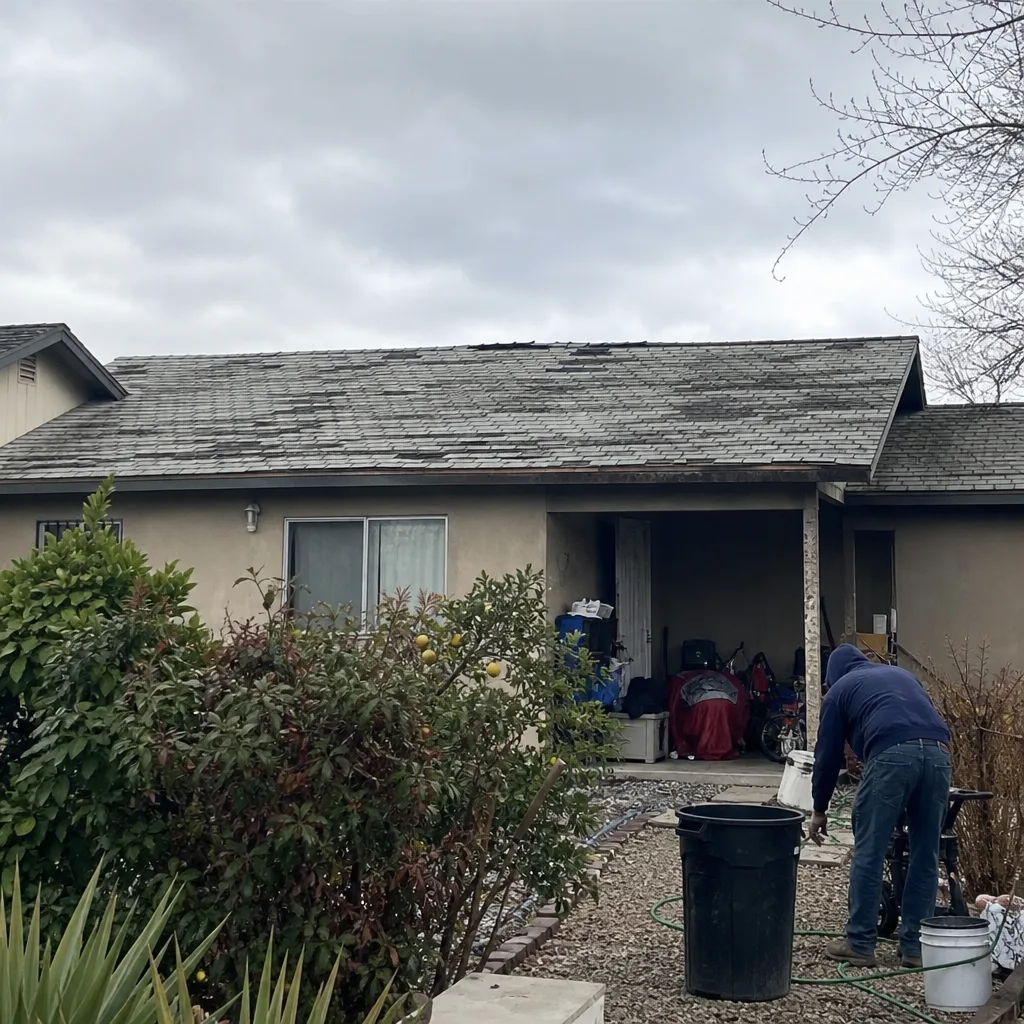
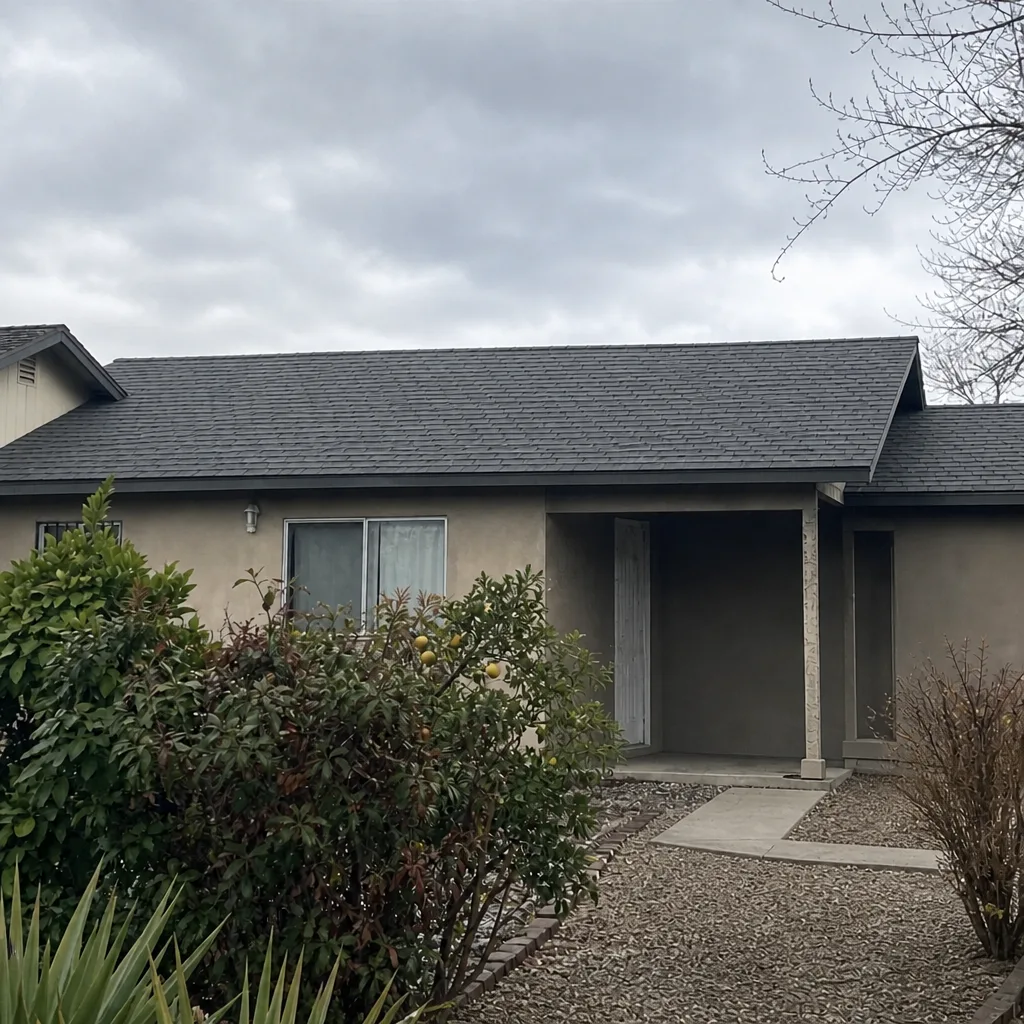
See the difference
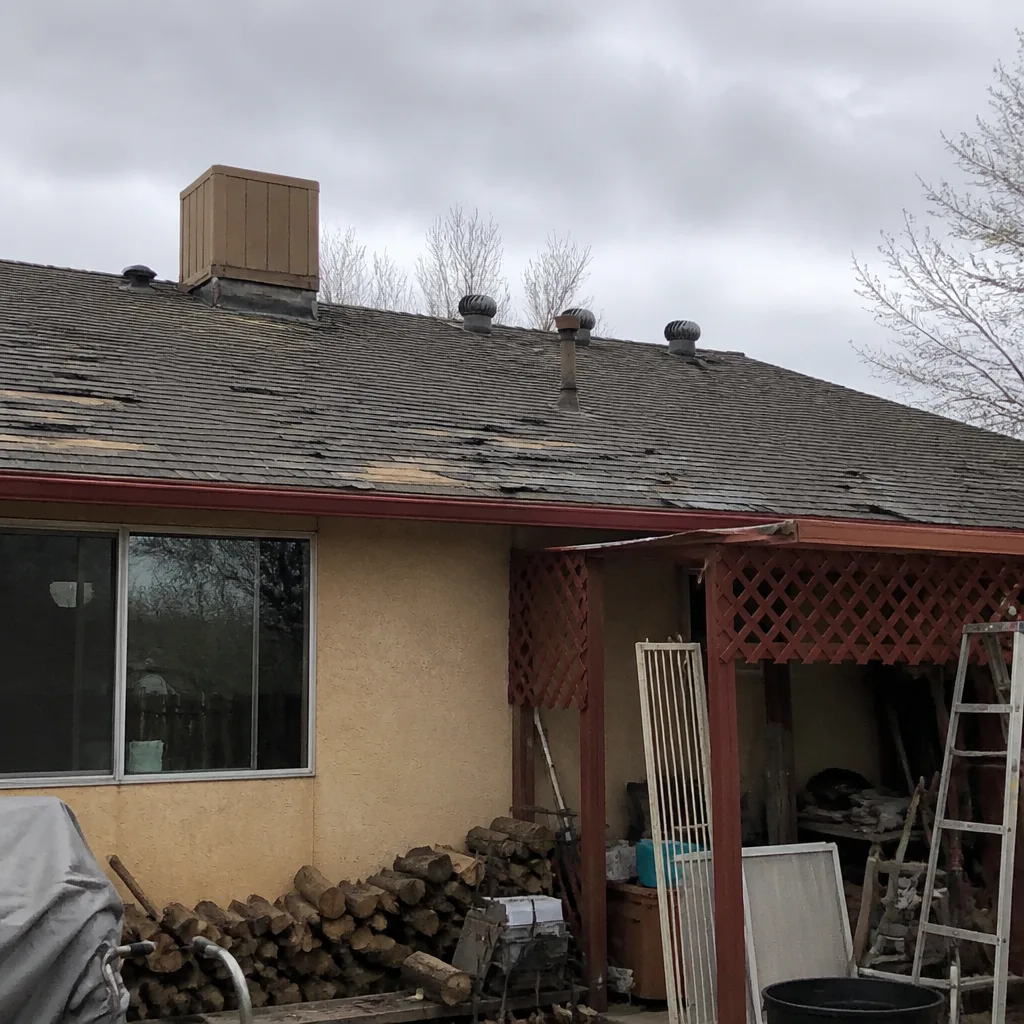 Before
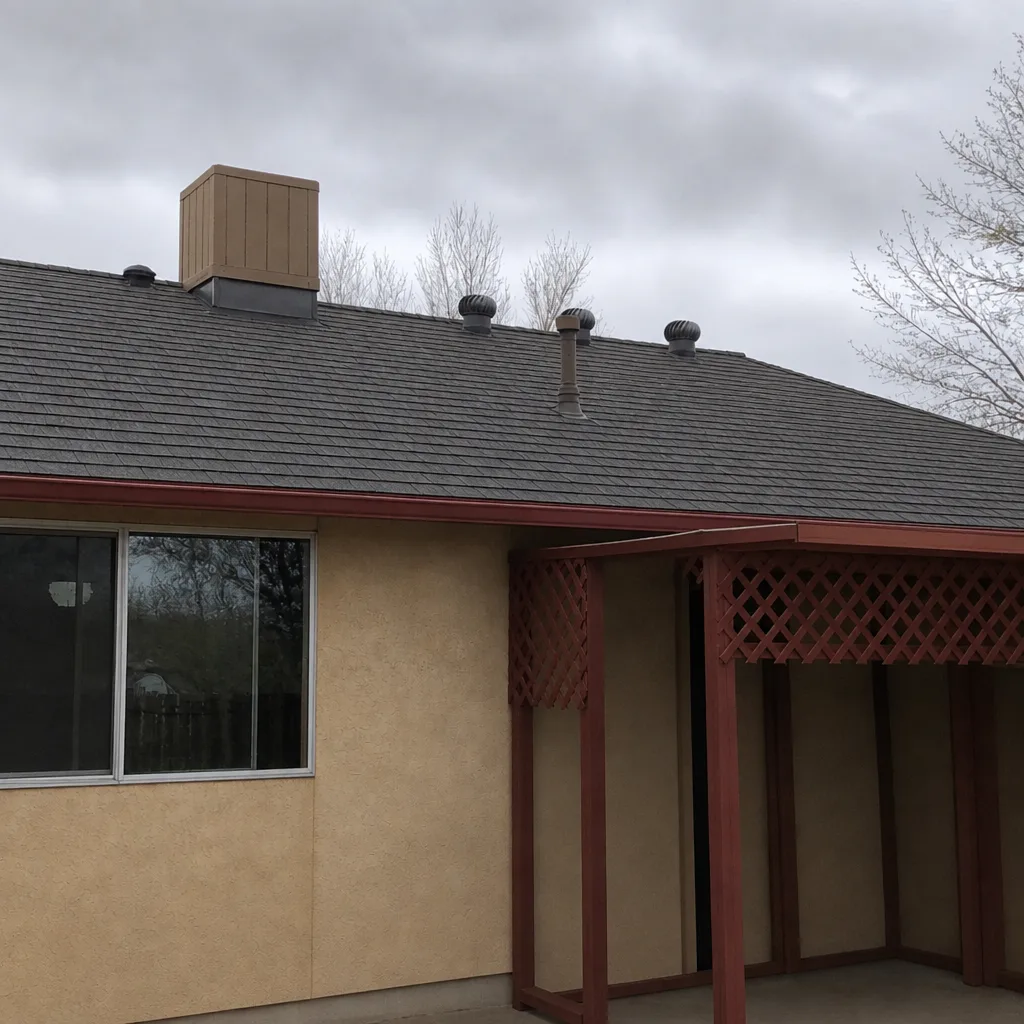 After
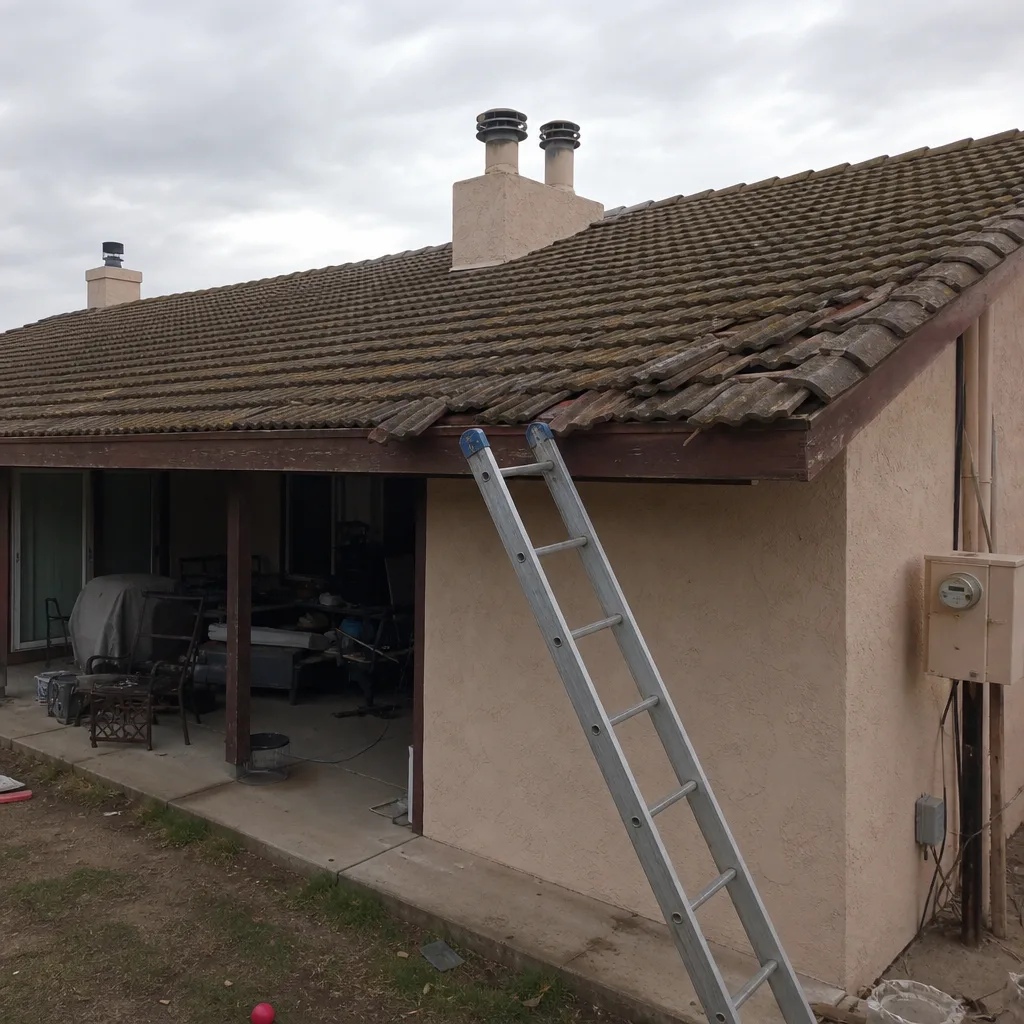 Before
 After
 Before
 After