
Last updated November 17, 2026
 Architectural shingles
 Metal roofing
 Tile roofing
 GAF
 Owens Corning
 Flat & low-slope
Free roof inspection with deck photos before we talk money - GAF and Owens Corning certified installation
Roof Replacement & Installation Warning Signs Every Homeowner Should Know
The most dangerous roof replacement problems aren’t the ones you can see from the curb the day the crew drives away. They’re the ones hiding under cap shingles at the ridge and behind improperly lapped underlayment – flaws that sit quietly through the dry months and only announce themselves after the first hard rain. In our experience across Spring Valley, a roof can look perfectly finished from the driveway and still be a warranty claim waiting to happen. This guide walks you through what to watch for before the crew arrives, what you can safely observe during installation from ground level, and the specific signs that show up in the first 90 days after the job is done.
Quick Answer
The clearest signs of a bad roof installation are verbal-only warranties, work started without a pulled permit, skipped decking inspections, exposed nail heads along the ridge, misaligned starter courses, and flashing that was never counter-flashed into the mortar joints. Most of these are invisible from the ground on day one and only surface after a season of weather – which is why photo documentation during the install matters as much as the installation itself.
Styles & brands we work with
- Architectural shingles
- Metal roofing
- Tile roofing
- GAF
- Owens Corning
- Flat & low-slope
Table of Contents
- Pre-Installation Red Flags to Catch Before Work Starts
- Why a Pulled Permit Is Your First Line of Defense
- What Homeowners Can Safely Check During Installation
- Post-Installation Warning Signs of Poor Workmanship
- Spring Valley’s Monsoon Season: The True Stress Test
- How Photo Documentation Protects You in a Warranty Dispute
- Materials and Manufacturer Lines That Hold Up
Pre-Installation Red Flags to Catch Before Work Starts
The warning signs of a poor roof replacement usually start before a single shingle is torn off. What you agree to on paper, and who shows up to do the work, tells you more about the finished roof than any brochure. Homeowners in Spring Valley who’ve lived in their house twenty years or more often know the drill – but the roofing trade has changed enough in that time that the old assumptions don’t always hold.
Here’s what should make you slow down and ask harder questions:
- A warranty that’s only spoken, never written. If the promise is “we’ll take care of you,” ask to see it on paper. Our Ridgeline Roofing Co. Spring Valley home page lays out the 90-Day Done Right Promise in writing because a handshake warranty is worth exactly what the truck that drove away is worth.
- No permit pulled. In Spring Valley, a legitimate replacement requires a permit and an inspection. A crew that offers to skip it is offering to skip the inspection that catches their mistakes.
- No decking inspection on the quote. The decking under your shingles is where problems hide. A bid that doesn’t mention inspecting it isn’t a complete bid.
- Pressure to sign today. Storm-chasers work on urgency. A square deal will still be a square deal tomorrow.
- Out-of-town plates and no local references. Ask for addresses of roofs they’ve done in Spring Valley. Vague answers are answers.
The pattern behind all five is the same: a contractor who is planning to be gone. We’ve watched enough fly-by-night crews pass through to recognize the type, and the homeowners who get burned are almost never the ones who asked too many questions.
Why a Pulled Permit Is Your First Line of Defense
A pulled permit is the single cheapest insurance you’ll ever buy on a roof. It means a municipal inspector – someone with no financial stake in the job – will look at the finished work before the file closes. In Spring Valley, that inspection covers the parts of the install you’ll never see again once the ridge cap goes on.
A proper permit and inspection process verifies several things:
- The decking was inspected and any soft or rotted sheathing was replaced before new material went down.
- Underlayment was installed to the manufacturer’s specification, with correct laps and no gaps at the eaves or valleys.
- Flashing details at walls, chimneys, and skylights were done in a way an inspector will sign off on.
- The final material count and installation match what the manufacturer requires for its warranty to remain valid.
When a contractor skips the permit, every one of those checkpoints disappears. The manufacturer can later deny a material warranty because the installation wasn’t documented, and you’re left holding a leak with no recourse. If you’re already in a dispute over a past job, our Roof Repair in Spring Valley team can often tell you within an inspection whether the original install followed the rules.
Our rule is simple: we pull the permit and we pass the inspection. No roof goes on without it, and we’ll happily show you the paperwork.
What Homeowners Can Safely Check During Installation
You don’t need to climb a ladder to keep an eye on the work. Some of the most telling checkpoints are visible from the ground, and a crew that’s doing it right won’t mind you watching. A crew that’s cutting corners will get uncomfortable fast – which tells you plenty on its own.
From the ground, safely, watch for these during the install:
- Underlayment laps. Before shingles go down, the felt or synthetic underlayment should overlap consistently and run in clean horizontal lines. Gaps, wrinkles, or material laid in the wrong direction are a problem you can spot from the lawn.
- Valley flashing method. Where two roof planes meet, valley flashing should be a continuous, clean line – not pieced together from scraps or covered over with shingles with nothing underneath.
- Nail pattern. Once shingles are going up, look for a consistent nailing strip. Nails should sit in the manufacturer’s designated nailing zone, not high or low on the shingle.
- Decking inspection before tear-off ends. Ask the crew lead to show you photos of the exposed decking. Soft spots that got covered over will come back as a leak.
- Cleanup at the end of each day. Nails in the grass and a tidy site are signs of a crew that cares about the details. A sloppy site usually means a sloppy roof.
If something looks off, ask. A journeyman will explain what you’re seeing. If the answer is a shrug, call someone else in for a second opinion before the job moves further. Our technicians have up to 10 years of experience and are background-checked and uniformed – the same standard we’d hold for work on our own mother’s house.
Post-Installation Warning Signs of Poor Workmanship
Some problems are visible the day the crew leaves. Others take a season. Here are the specific signs to look for on any roof replacement, and what each one usually means.
Exposed nail heads at the ridge
Walk out and look up at the ridge line – the peak where the two roof planes meet. Every ridge cap shingle should cover the nails beneath it. Exposed nail heads along the ridge are a common shortcut and a guaranteed leak point. Each one is a small hole in the exact place wind and rain hit hardest.
Misaligned starter course
The starter course is the first row of shingles at the eave. It should run straight and parallel to the edge, with a clean drip edge beneath it. If it looks wavy, uneven, or sticks out past the fascia at odd angles, the whole field of shingles above it may be off-row. That affects both looks and water shedding.
Flashing not counter-flashed into mortar joints
Where your roof meets a chimney or brick wall, the flashing should be set into a groove cut into the mortar – that’s what counter-flashing means. Caulk smeared over the seam is not counter-flashing. Caulk fails in a few years; a proper mortar joint lasts decades. Look for silicone lines where metal should be set.
Granules in the gutters after the first rain
A small amount of loose granules right after installation is normal. A steady stream of granules in your gutters or at the base of downspouts after several rains is not – it usually points to shingles that were damaged during install or that came from an improper lot. If you see granules a few months in, ask questions.
Spring Valley’s Monsoon Season: The True Stress Test
Spring Valley’s summer monsoon is when a poor install stops being a theory and starts being a stain on your ceiling. From roughly July through September, the valley gets the kind of rain that finds every weakness in a roof – the wind-driven bursts that push water sideways into flashing, the sharp downpours that overwhelm a poorly pitched valley, the sustained rain that sits on a low-slope section and soaks through a bad underlayment lap.
The first significant storm after a replacement is your best diagnostic moment. In the 24 to 48 hours after that rain, check these spots:
- Attic ceiling and rafters. Look for water stains, dark rings, or damp patches on the underside of the roof deck.
- Ceiling corners near chimneys and skylights. These are the first places poorly flashed penetrations fail.
- Inside valleys. Look up at the ceiling below where two roof planes meet – the valley is where the most water concentrates.
- Attic ventilation. A roof that leaks little but never vents well will show condensation and mold long before a leak. Check for moisture streaks on the underside of the decking.
- Gutter overflows at the corners. Water sheeting over the edges after a heavy rain can indicate the drip edge was installed wrong or the gutter pitch was thrown off during the job.
In our experience around Spring Valley, most of the leaks we’re called to after a monsoon trace back to flawed flashing details or skipped underlayment, not to the shingles themselves. The shingles get blamed; the work underneath gets the last laugh.
How Photo Documentation Protects You in a Warranty Dispute
A photo is the only part of a roofing job that survives the crew leaving. Without it, a warranty dispute comes down to your word against theirs. With it, the conversation is short.
Photo-documented inspections serve three specific legal and practical purposes:
- They prove what was found. If your original roofer later claims the decking was sound, photos of the exposed decking tell the real story.
- They prove what was installed. Photos of the underlayment, flashing, and nailing pattern document that the work met the manufacturer’s requirements – which is what keeps the material warranty intact.
- They prove the timeline. If a leak appears within the workmanship warranty window, dated photos from the install make it obvious the issue is on the installer, not on age or weather.
We photograph every inspection from your actual roof – not a template photo from a brochure, not a scary speech in your driveway. If a warranty dispute comes up years from now, you’ll have the record to settle it.
Our 90-Day Done Right Promise works the same way: it’s written, it’s specific, and if something isn’t right, we come back and make it right. No arguing, no paperwork runaround. A written guarantee backed by documentation is the only kind worth signing.
Materials and Manufacturer Lines That Hold Up
The best installation in the world can’t rescue bad material, and the best material can’t rescue a bad installation. Both matter. When you’re comparing bids, look at what’s being specified and whether the installer is authorized for that line.
We’re an authorized installer for seven major manufacturer lines, including GAF, CertainTeed, Owens Corning, IKO, Atlas, Tamko, and Boral – proper materials, no substitutions. Each of those lines has its own warranty terms and installation requirements, and being authorized means we know the spec well enough to install to it. If a bid you’re comparing doesn’t name a manufacturer, or names one that isn’t on the installer’s authorized list, that’s a red flag worth pausing on. For specialty systems – and details that go beyond a standard asphalt shingle job – our Specialty Roofing in Spring Valley team can walk you through the options.
What to look for on a written bid:
- The manufacturer name, product line, and color are written out.
- Warranty terms from both the manufacturer and the installer appear in writing.
- Underlayment, flashing, and ice-and-water shield specifics are included, not just “shingles.”
- Permit and inspection costs are itemized, not buried.
When we hand you a Roof Replacement & Installation in Spring Valley quote, the number on the estimate is the number on the invoice. No surprises at the end of the job.
Common Mistakes to Avoid
- Accepting a verbal warranty. A handshake and a smile don’t hold up when it’s your ceiling in the attic. Ask for the guarantee in writing, on a page you can file.
- Letting the crew skip the decking inspection. In Spring Valley, dry rot under a 20-year-old roof is more common than homeowners expect. If nobody’s looked underneath, nobody knows.
- Choosing the quote with the shortest timeline and no paperwork. Fast and paperless usually means under-inspected and undocumented. A real bid has line items.
- Approving a roof without a permit pulled. Even a seemingly small replacement needs the inspection. Skipping it voids manufacturer warranties and leaves you without recourse.
- Not checking the attic after the first rain. The first monsoon after a Spring Valley replacement is free information. Use it. Water stains show up before ceiling damage does.
- Paying in full before the inspection passes. Hold the last payment until the municipality signs off on the work.
- Assuming a clean-looking roof is a clean install. Exposed nails at the ridge, misaligned starter courses, and smeared caulk instead of counter-flashing are all invisible from the ground. You have to know what to look for.
See the difference
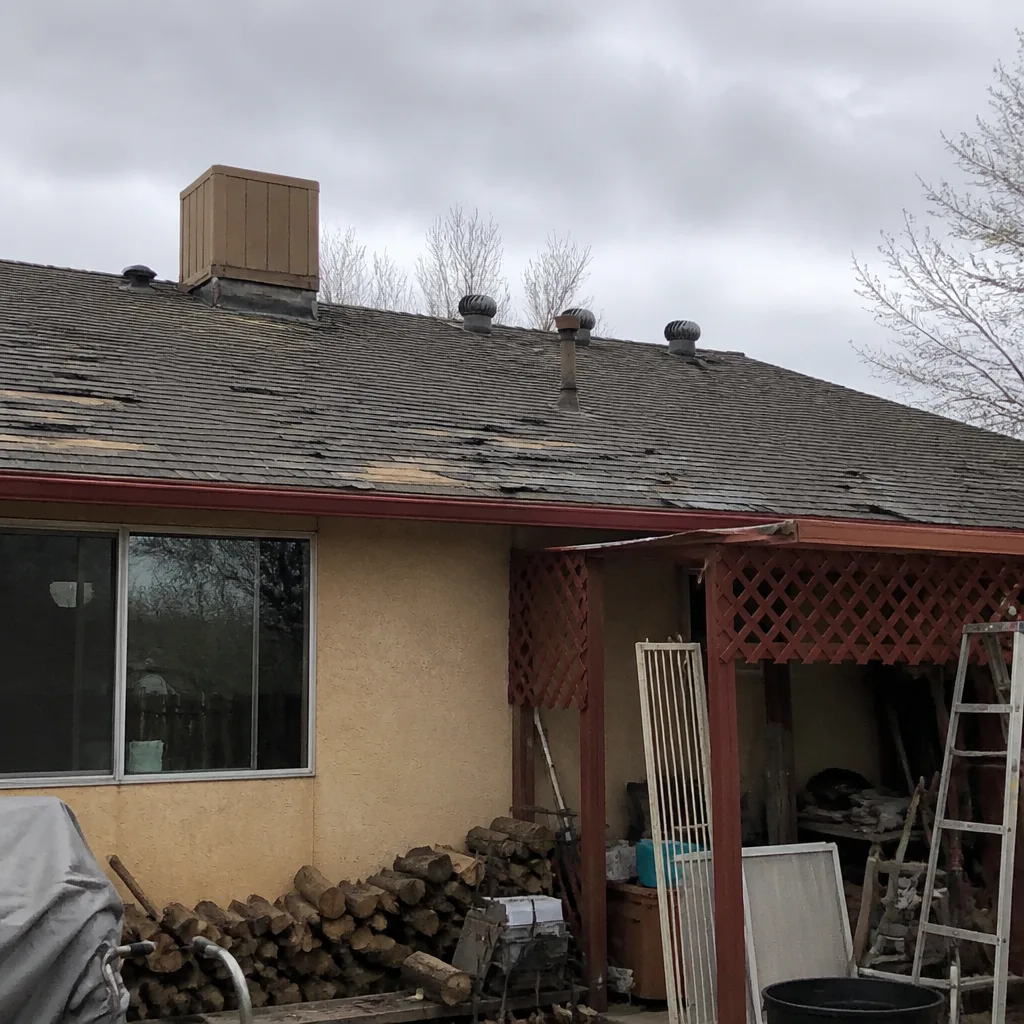 Before
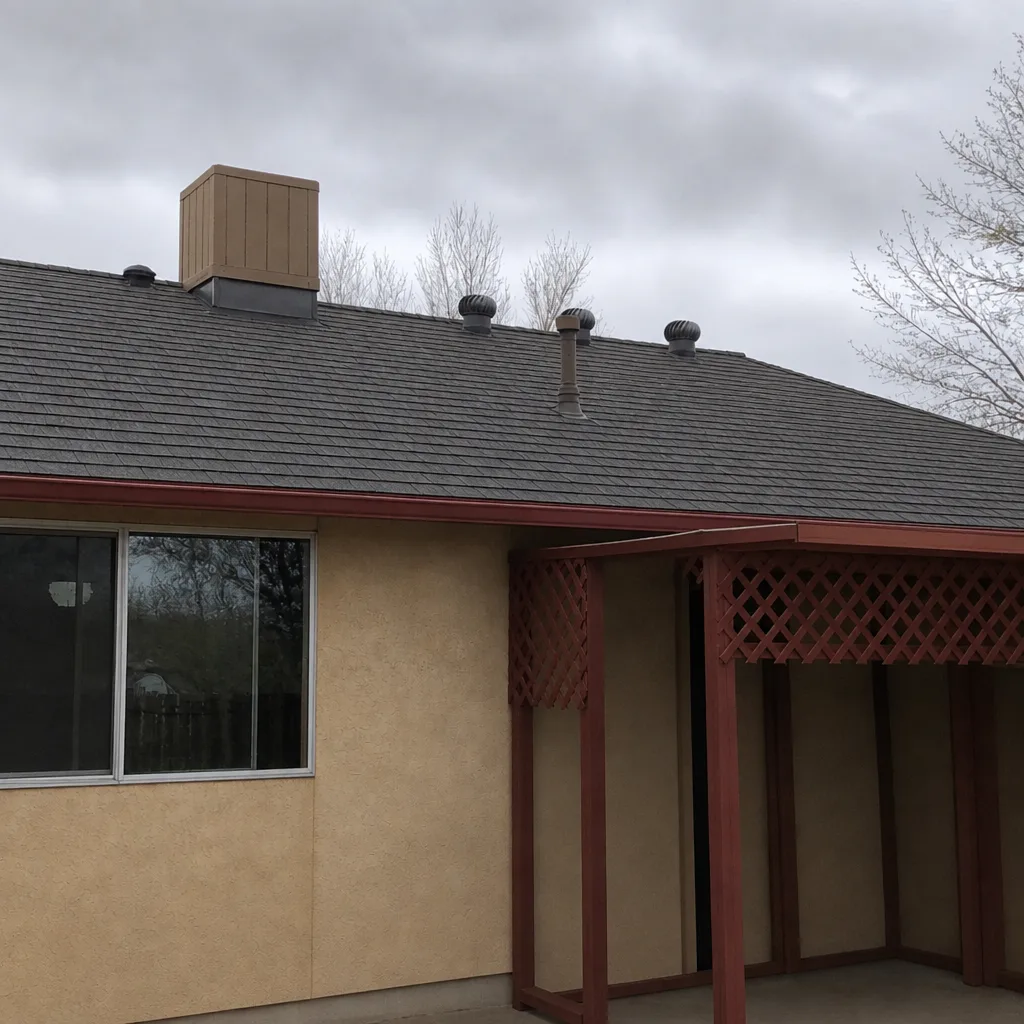 After
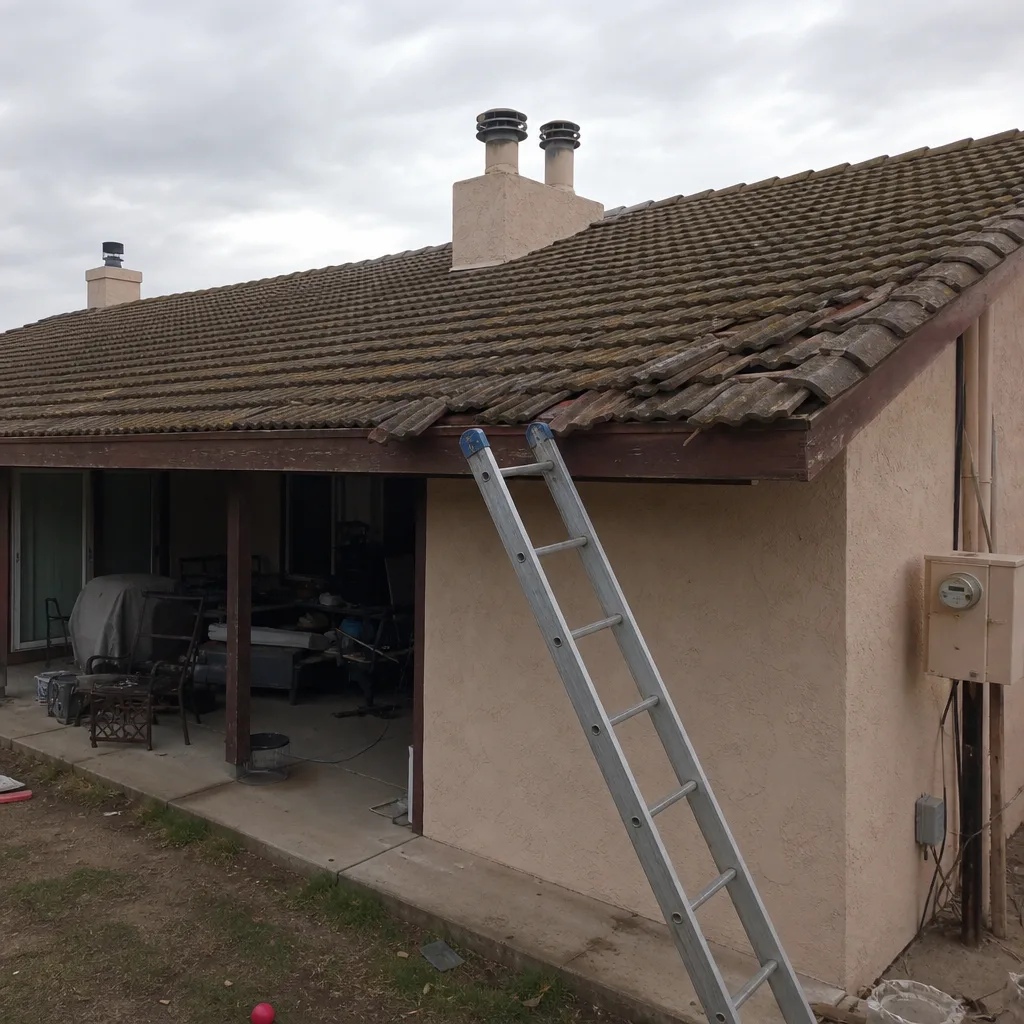 Before
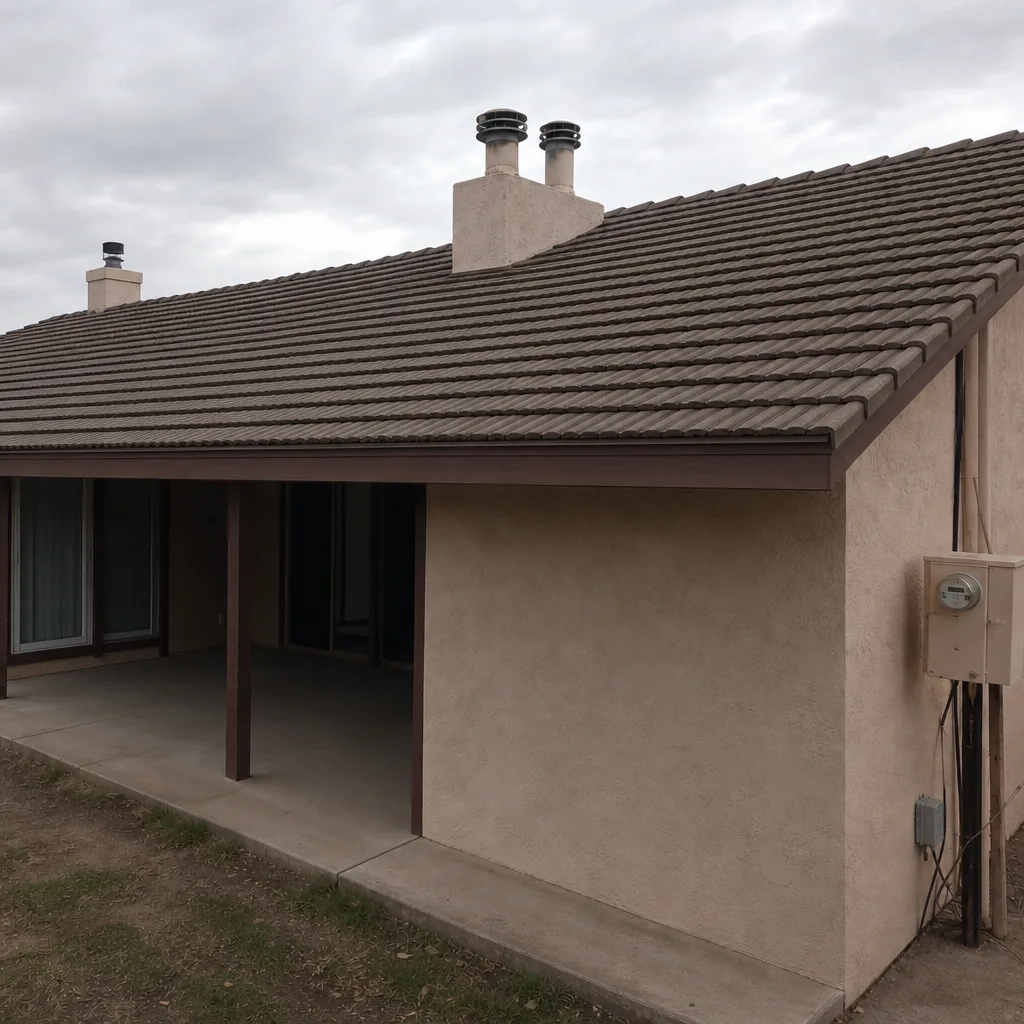 After
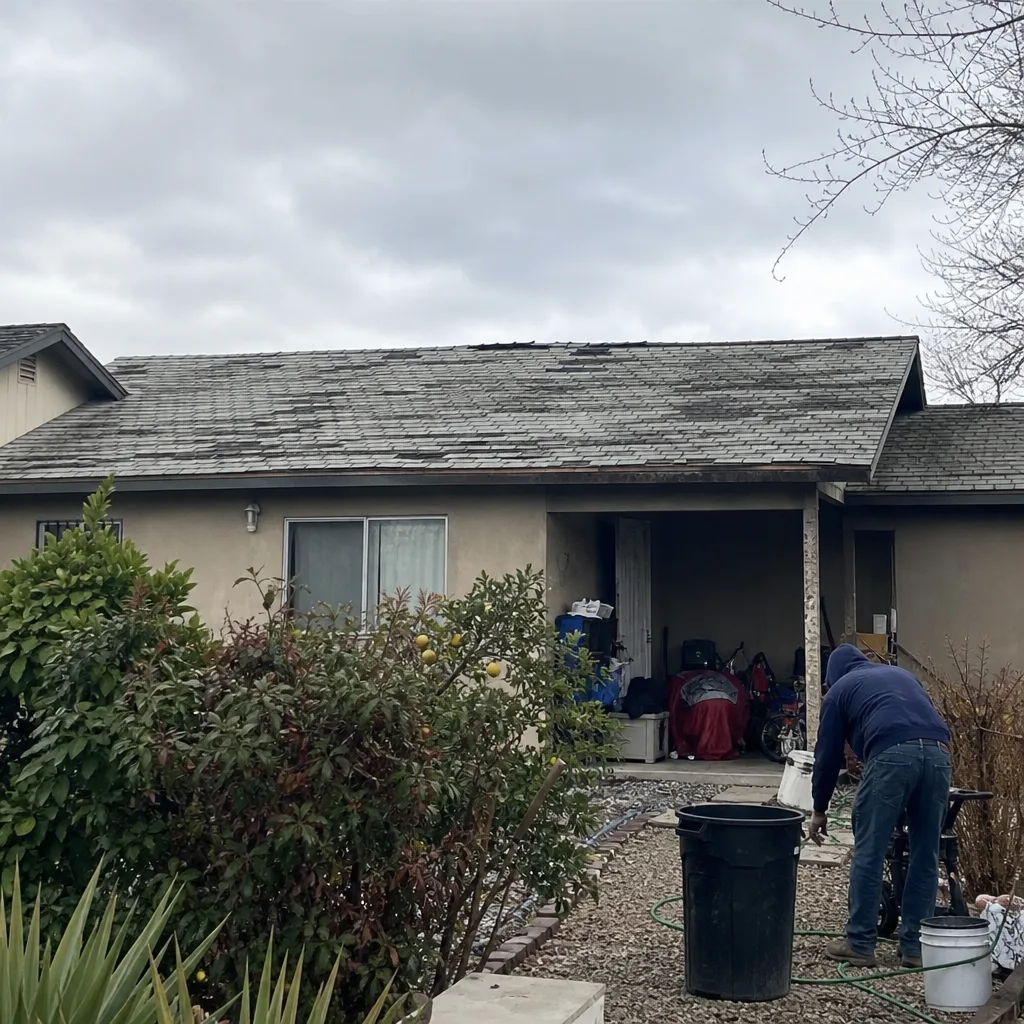 Before
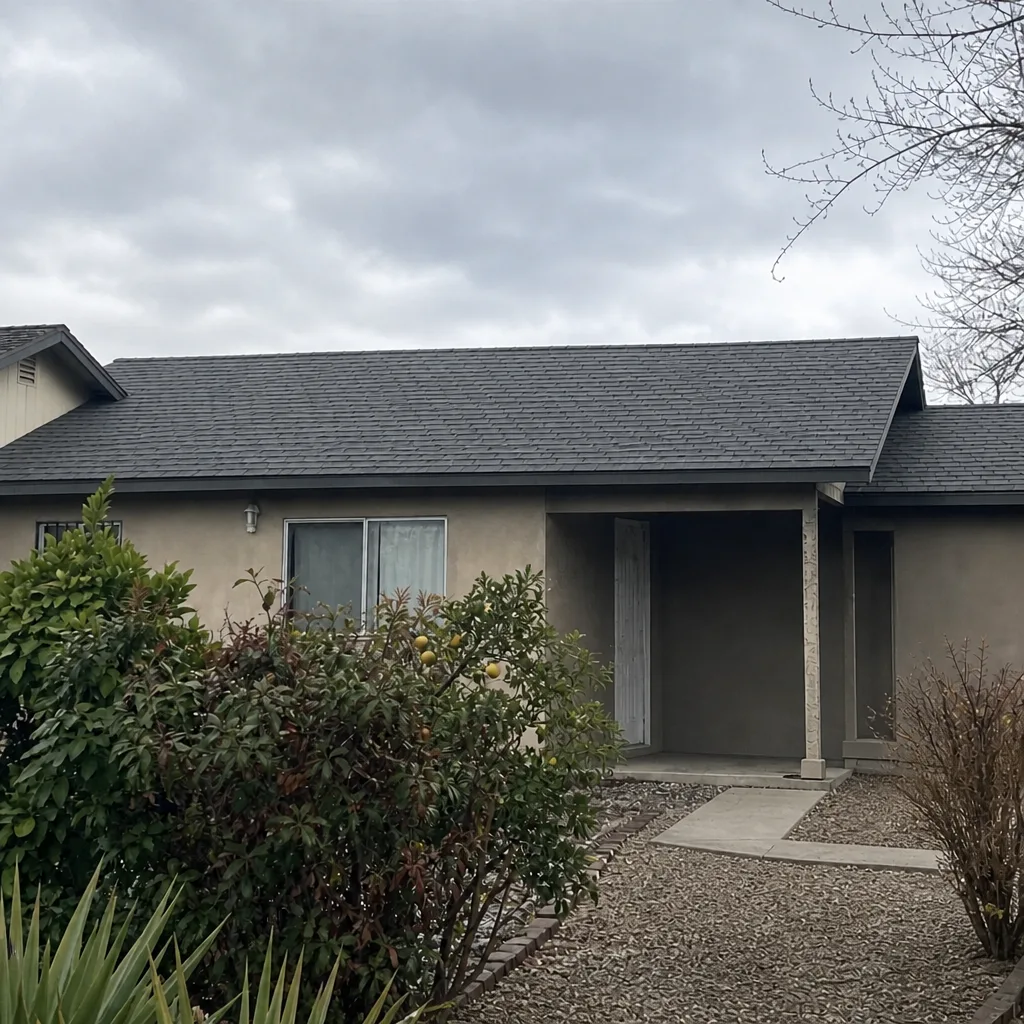 After
When to Call a Professional
Some of the issues in this guide you can spot yourself. Others – exposed nails at the ridge, flashing behind a chimney, underlayment in a valley – need eyes on the actual roof. If you’ve noticed water stains after rain, granules in your gutters months after a replacement, uneven eave lines, or a ceiling spot near a skylight, it’s time to have it inspected. The same goes for any time you’re unsure about a bid you’re holding, or want a second opinion before signing. A trained inspection catches what a drive-by look misses.
Ridgeline Roofing Co. Spring Valley offers free estimates in Spring Valley – call (855) 908-1590 to schedule one. A live person answers, around the clock, including nights and weekends. No voicemail trees, no callback windows. We’ll document what we find with photos from your actual roof, so you’ll know exactly what you’re looking at before deciding anything.
Frequently Asked Questions
Look for exposed nail heads along the ridge, starter course shingles that look wavy or misaligned, smeared caulk where flashing should be counter-flashed into mortar, and water stains on the attic ceiling after the first heavy rain. Most bad installations show their worst signs within the first 90 days and the first monsoon season. Call (855) 908-1590 for a free photo-documented inspection if you spot any of these – estimates are free.
Check your attic 24 to 48 hours after the first significant rain following installation. In Spring Valley, that first test is usually during the summer monsoon. Look for damp spots on the underside of the roof deck, water rings near chimneys or skylights, and any moisture around valley ceiling lines. If you find any, call (855) 908-1590 – we’ll come out and take a look.
Yes. A legitimate roof replacement in Spring Valley requires a pulled permit and an inspection before the job is signed off. The inspection is your protection – it verifies the decking, underlayment, and flashing were done to code. If a contractor offers to skip it, that’s a red flag. Call (855) 908-1590 and we’ll walk you through what your specific job should include.
Counter-flashing is the metal piece that gets set into a groove cut into the mortar joint where your roof meets a chimney or brick wall. It should be embedded in the mortar – not caulked over the surface. Caulk fails in a few years; a proper counter-flashing joint lasts decades. If you see a bead of silicone where metal should be, that’s a shortcut. Call (855) 908-1590 for an inspection.
From the ground, safely, watch the underlayment for clean horizontal laps, the valley flashing for continuous lines, and the nailing pattern for consistency. Ask the crew lead to show you photos of the exposed decking before the new material goes down – any soft spots should be replaced, not covered. If something doesn’t look right, ask; a proper crew will explain. Estimates are free if you want a second opinion – (855) 908-1590.
Our 90-Day Done Right Promise is a written workmanship guarantee: if it’s not right, we come back and make it right. No arguing, no paperwork runaround. It’s in writing because a verbal promise isn’t worth much when you’re the one holding a leak. To talk through what your roof needs, call (855) 908-1590 for a free estimate.
The Bottom Line
The biggest risks in a roof replacement are the ones you can’t see from the curb. Skipped decking inspections, missing permits, improperly lapped underlayment, exposed nails at the ridge, caulk use where counter-flashing belongs – each of these hides under finished shingles and shows itself only after a season of weather. What protects you is documentation: written guarantees, pulled permits, photo records from your actual roof, and a contractor who plans to be in town long after the job is done. The number on the estimate should be the number on the invoice. If it’s not right, the crew should come back. That’s the standard – and it’s the one we hold ourselves to on every Spring Valley roof.
If you’re staring at a bid you’re not sure about, or a roof that’s already showing signs from this guide, call (855) 908-1590 for a free estimate. We’ll inspect, document, and give you a straight answer.
Written by the team at Ridgeline Roofing Co. Spring Valley.