
Last updated November 17, 2026
 Metal roofing
 Architectural shingles
 Tile roofing
 GAF
 Owens Corning
 Flat & low-slope
Free roof inspection with deck photos before we talk money - GAF and Owens Corning certified installation
Seasonal Roofing Care for Spring Valley: Year-Round Homeowner’s Guide
February freezes in Spring Valley are rare, but they are not theoretical. The 2019 freeze-thaw event cracked pipe boot collars across entire neighborhoods, and most homeowners didn’t find out until monsoon season five months later, when water showed up on the ceiling. That gap between cause and symptom is the whole problem with roofing in the desert: damage happens quietly, months before it announces itself. This guide rebuilds seasonal roof care around what Spring Valley’s climate actually does, not the spring/summer/fall/winter frame borrowed from wetter parts of the country. You’ll get a month-by-month task map you can actually follow, the specific failure points to watch in each weather window, and the honest line between a homeowner check and a job for someone with a ladder and training.
Quick Answer
Seasonal roof care in Spring Valley follows four real weather windows, not four calendar seasons: a heat season, a monsoon window, a mild shoulder, and a cold snap period. The work that matters most happens before each one starts. Pre-monsoon sealing in May and June, attic ventilation checks in July and August, post-storm inspection in September and October, and a standing-water check before the cold months will catch the failures Spring Valley roofs actually develop. Most of them start small and stay invisible until the first hard rain.
Styles & brands we work with
- Architectural shingles
- Metal roofing
- Tile roofing
- GAF
- Owens Corning
- Flat & low-slope
Table of Contents
- Why Spring Valley Roofs Don’t Follow a Four-Season Calendar
- The Month-by-Month Task Map for Spring Valley
- Pre-Monsoon Prep: What to Check and Seal Before the First Storm
- Heat-Season Attic Monitoring: Reading the Signs of Failing Ventilation
- Post-Monsoon Assessment: Where Wind-Driven Rain Finds the Gaps
- Winter Readiness: Standing Water and What Ponding Does to a Low-Slope Roof
- Common Mistakes to Avoid
- When to Call a Professional
Why Spring Valley Roofs Don’t Follow a Four-Season Calendar
Spring Valley sits in a high desert pocket where the sun does most of the damage and the rain arrives in a compressed, violent window. A roof here spends most of the year baking at sustained high temperatures, then gets tested by wind-driven monsoon storms that deliver in an hour what some climates spread across a month. The mild shoulder months are the ones most homeowners skip, and they’re exactly when a small problem is still cheap to fix.
Think of the year as four windows instead of four seasons:
- Heat season (roughly June through September): thermal cycling and UV exposure. Shingle granules wear, sealant strips soften, attic temperatures climb.
- Monsoon window (typically July through September): wind-driven rain, sudden volume, debris loading the drainage system.
- Mild shoulder (March through May, and again in October): the repair window. Materials handle well, and small failures are still small.
- Cold snap period (December through February): the freeze-thaw window. Rare in Spring Valley, but not zero, and the damage it does to boots, collars, and sealants tends to stay hidden until spring.
We’ve seen this pattern play out for years across the valley. The roofs that hold up aren’t the ones that get the most attention. They’re the ones whose owners match the task to the window. If you’d rather start with the fundamentals of what goes wrong and why, our guide to roof repair in Spring Valley covers the common failure points in more detail.
The Month-by-Month Task Map for Spring Valley
Here’s the whole year in one place. Print it, stick it on the inside of a cabinet door, and work through it in order. Nothing here requires a ladder and a tool belt. These are checks and calls, not repairs.
- January: Walk the interior ceilings after any cold snap. Look for new stains, especially near pipe penetrations and where walls meet the ceiling. Check low-slope roof areas from the ground for standing water.
- February: If a hard freeze is forecast, note any cracked or receded pipe boot collars you can see from a safe vantage. The 2019 event taught us these crack quietly.
- March: Book a pre-season inspection while the shoulder is still mild. This is the least expensive month to fix anything.
- April: Clear gutters and downspouts of winter debris.
- May: Pre-monsoon prep begins. Seal, clear, and test your drainage system.
- June: Finish pre-monsoon work. Once the first storm hits, the window closes.
- July: Start attic monitoring. Heat season is at full strength.
- August: Continue attic checks. Watch for any ceiling discoloration after storms.
- September: Post-monsoon assessment. Inspect the specific spots wind-driven rain reaches.
- October: Finish any repairs flagged in September before the cold window opens.
- November: Winter readiness. Standing-water check on flat and low-slope sections.
- December: Confirm drainage is clear and any low-slope membrane is sound going into the cold months.
The full calendar is the deliverable. If you take one thing from this guide, take the map.
Pre-Monsoon Prep: What to Check and Seal Before the First Storm
May and June are the most valuable weeks on the Spring Valley roofing calendar. Once the monsoon window opens, you’re reacting. Everything you do before it is prevention, and prevention is cheaper.
What to check, in order:
- Clear the roof surface of debris. Desert landscaping drops seed pods, twigs, and grit. That material loads the drainage system long before the rain arrives.
- Test the scuppers and drains on any flat or low-slope section. This is where most pre-monsoon prep gets skipped, and it’s where most monsoon water damage starts. If a scupper doesn’t have at least an inch of clearance on each side, it will back up under storm volume. Pour a bucket of water across the surface and watch how it moves. If it pools or drains slowly, clear it or flag it.
- Check the gutters and downspouts. Clear them, then test flow at each downspout.
- Look at the pipe boot collars and any rubber seals. This is the failure that the 2019 freeze event exposed across entire neighborhoods. If a collar looks brittle, cracked, or pulled away from the pipe, it needs attention before the first hard storm.
- Inspect the flashing at wall transitions, chimney lines, and skylights. Gaps here open over a hot dry season and stay invisible until rain arrives.
We always remind homeowners that pre-monsoon work is the highest-return task on this list. A scupper cleared in May is a wet ceiling avoided in August.
Heat-Season Attic Monitoring: Reading the Signs of Failing Ventilation
July and August are when ventilation earns its keep in Spring Valley. Under sustained high heat, an attic with failing ventilation becomes an oven, and the damage is cumulative. Shingles age faster from below as the deck heats up. Sealants soften. The whole roof system takes more stress than it was designed for.
You can read the signs from inside the house. You don’t need to climb anything:
- A noticeable temperature difference upstairs vs. downstairs. If the upstairs is noticeably hotter than the lower floor on a hot afternoon, warm air isn’t escaping from the attic.
- A hot, stuffy smell or unusually high humidity in the attic access area. That’s a sign the attic isn’t breathing.
- Moisture or frost on the underside of roof sheathing in cooler months. It points to the same ventilation problem that’s baking the roof in summer.
- Shingle edges that look curled or lifted. Heat from below can accelerate this.
- Attic temperatures that feel extreme when you open the access door. If it’s uncomfortable to stand near, it’s likely warmer than it should be.
What we look for in a proper inspection is the balance between intake at the soffit and exhaust at the ridge or gable. When that balance is off, no amount of attic fan will fix it. Correcting it can extend the working life of a roof by years, and it’s the kind of thing that’s worth fixing before it shows up as a bill. If it turns out the shingles are already near the end, our page on roof replacement and installation in Spring Valley walks through what replacement actually involves and how to know the difference between patching and replacing.
Post-Monsoon Assessment: Where Wind-Driven Rain Finds the Gaps
September and October are your detector season. Wind-driven rain reaches spots that dry weather never reveals, and it finds the same ones first every time. If you inspect immediately after a hard monsoon storm, you’ll catch these before they become next year’s problem:
- Flashings at wall junctions. Wind drives water sideways against vertical surfaces. That’s where the seal opens first.
- Vents and penetrations. Anywhere the roof plane is interrupted, there’s a joint, and wind-driven rain tests all of them.
- Skylight seals. The perimeter seal cracks first, and it won’t show until a hard storm pushes water against it.
- Roof valleys. Wind blows debris into valleys, which holds moisture against the roof surface.
- Fastener and nail lines. Backed-out or missing fasteners let water track into the deck. These are hard to spot from the ground.
This is the part of the year where a thorough inspection earns its keep. What we do is document the actual roof with photos, so you’re looking at your roof, not a scary story told from the driveway. If we find a small repair, we tell you it’s small. If we think a specialty detail needs attention (tile, metal, or a flat section), we’ll flag it. Our specialty roofing in Spring Valley page goes into the material-specific details for those roof types.
Winter Readiness: Standing Water and What Ponding Does to a Low-Slope Roof
November through January is the modest but underestimated window. Cold snaps are rare in Spring Valley, but the freeze-thaw event of 2019 showed what happens when they do arrive. The biggest risk is standing water on any flat or low-slope section.
Ponding water is a specific problem with a specific mechanism. On a membrane roof, water that can’t drain away sits against the membrane for a long period. Over a cold month, especially if the temperature dips, that trapped moisture stresses the seams and the membrane itself. Repeated ponding cycles wear the material faster than any rain event. A single cold month of standing water can shorten the life of a low-slope section by years.
What to check before the cold months:
- Is the surface draining? After a rain, look for any spot where water stays more than 48 hours.
- Are the scuppers and drains clear going in? December is a good time to clear them.
- Are seams and flashings tight? Cold makes brittle materials crack.
- Are there any soft spots or visible blisters? Those hold water and worsen over a cold season.
The good news is that the winter checklist is short. The bad news is that skipping it can be expensive in the spring. If a low-slope section has started to show repeated ponding, getting a professional assessment before the next season is the right move.
Common Mistakes to Avoid
- Following a generic spring/fall checklist. A manufacturer’s national maintenance list won’t tell you that May is pre-monsoon sealing season here. The tasks are real. The timing is wrong. Spring Valley roofs need the calendar adapted, not copied.
- Skipping the scupper and drain test. Most homeowners clear the gutters and stop there. The flat-roof drainage is where monsoon water damage starts.
- Assuming the heat isn’t doing damage. People think about rain first. In Spring Valley, the sun and attic heat age a roof more than any storm. The damage is just quieter.
- Not checking for cracked pipe boot collars. The 2019 freeze event is the lesson. Collars crack quietly, and the ceiling stain shows up months later.
- Inspecting only after the storm, not before. The most expensive repair is the one you could have prevented in May.
- Letting an attic that runs hot go unaddressed. Failing ventilation is easy to dismiss because the house still feels fine. The roof takes the wear.
- Waving off standing water as “no big deal.” A low-slope roof that holds water through a cold month is quietly losing years of service.
See the difference
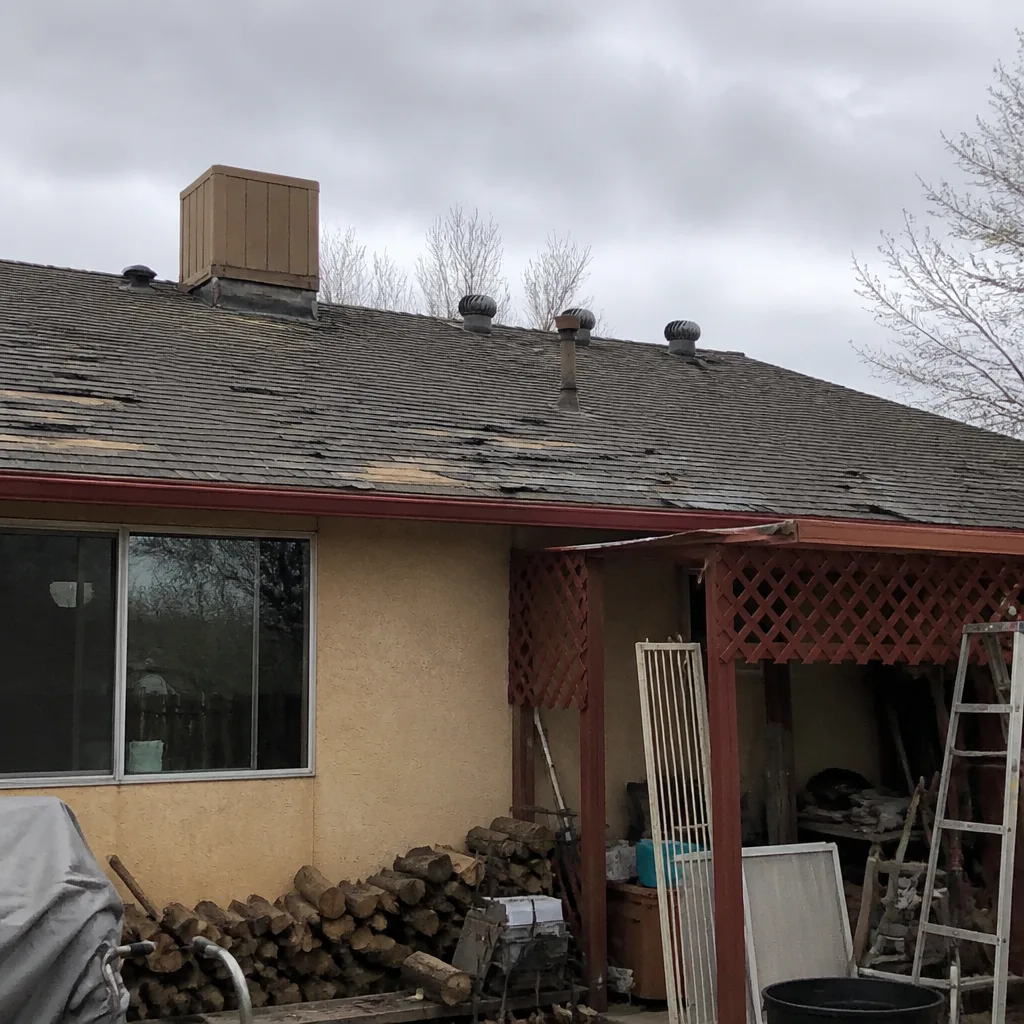 Before
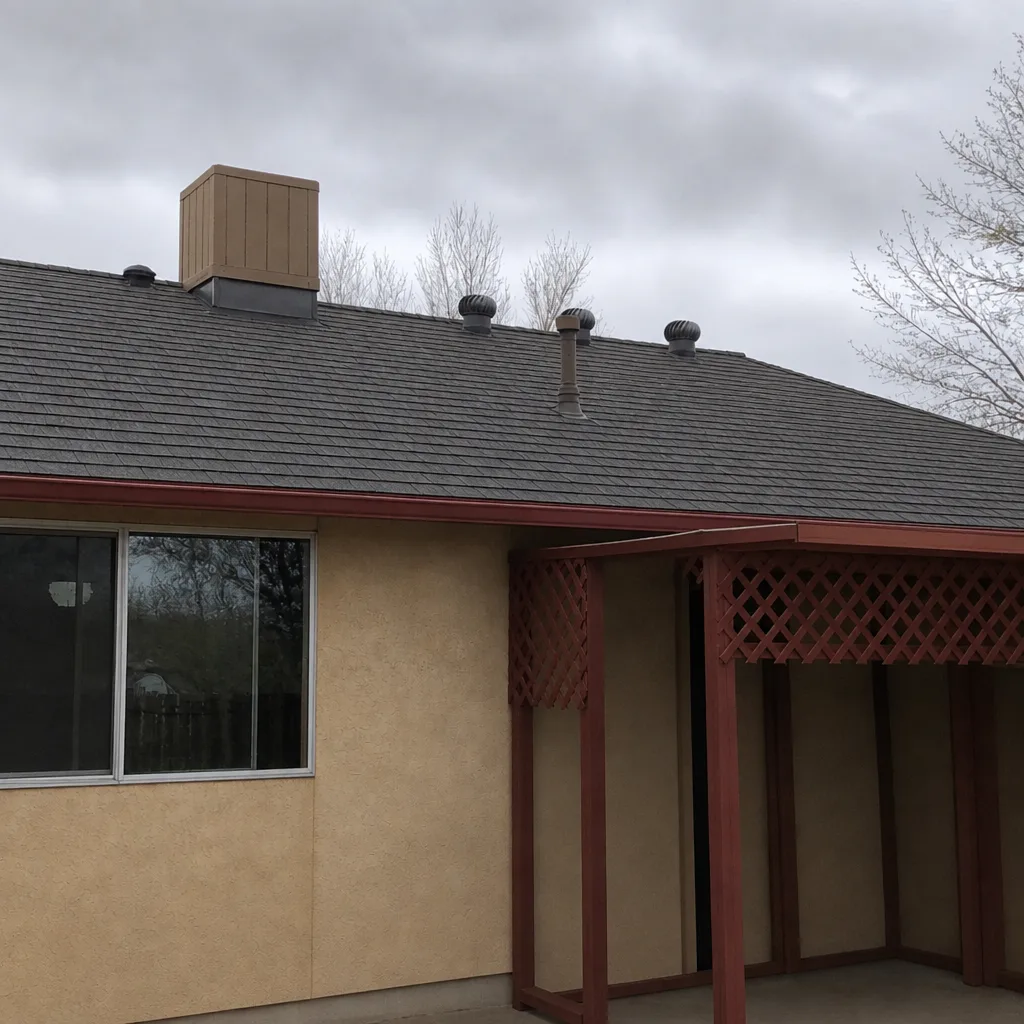 After
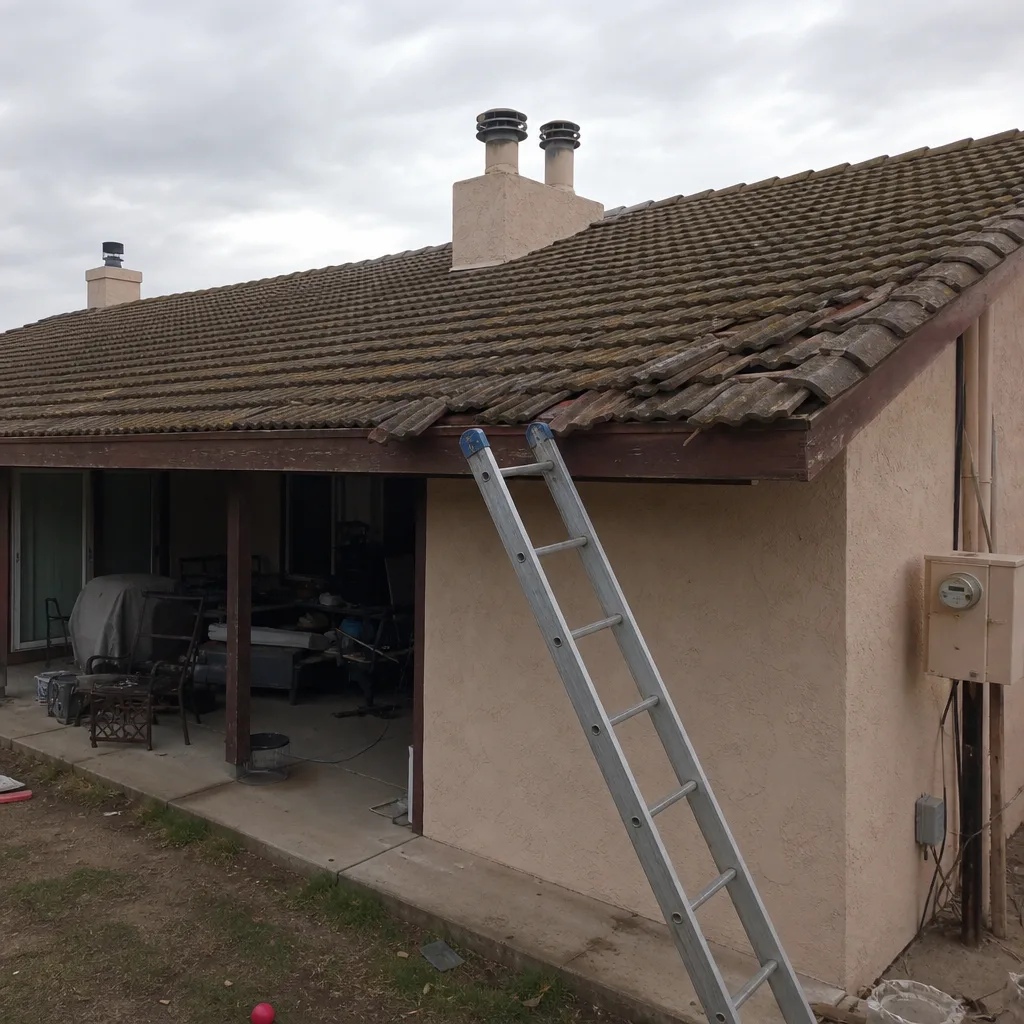 Before
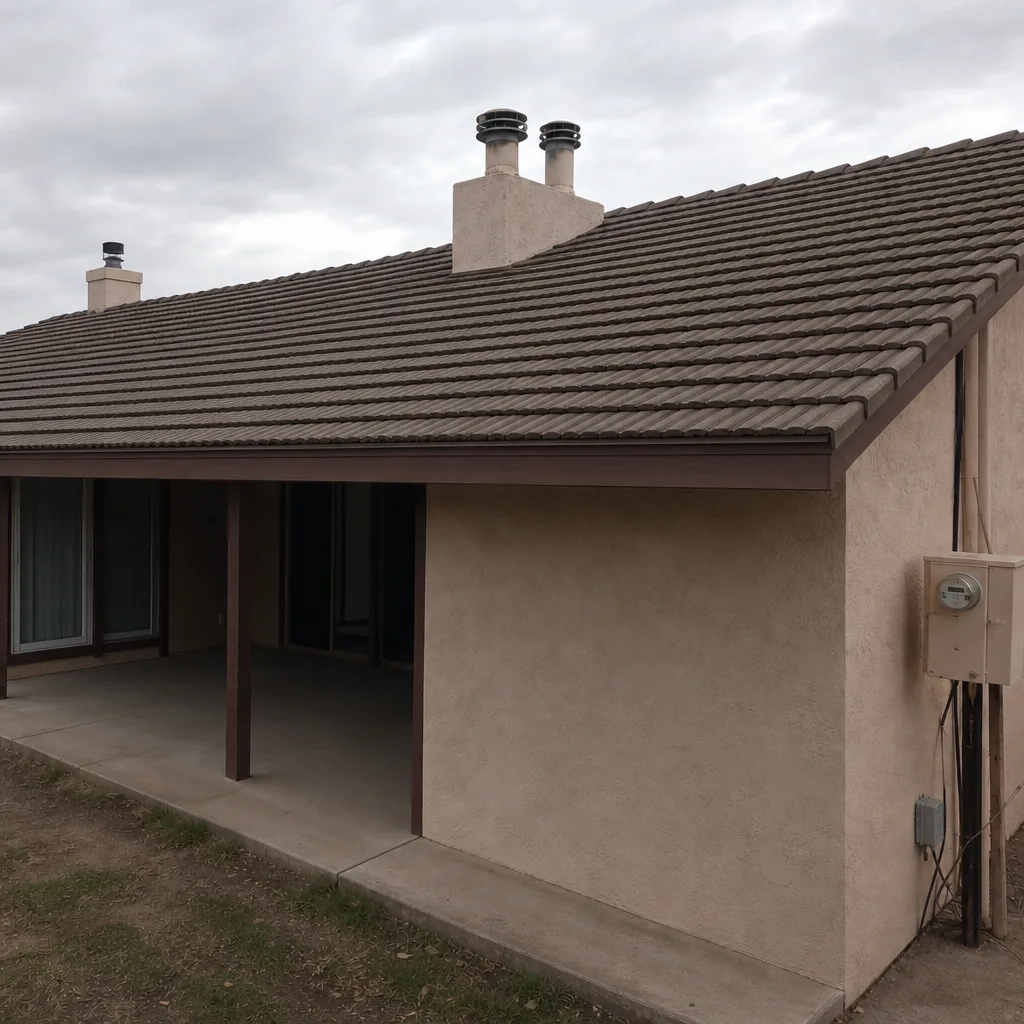 After
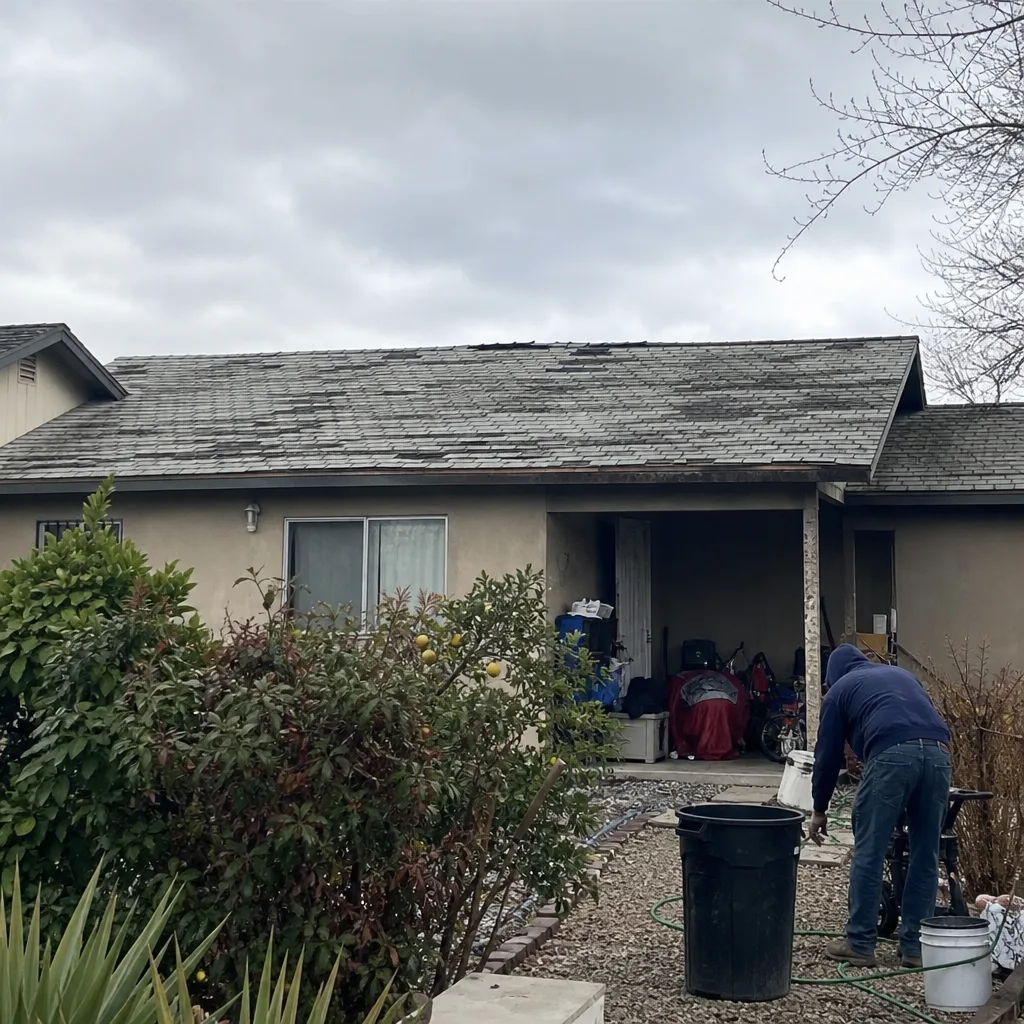 Before
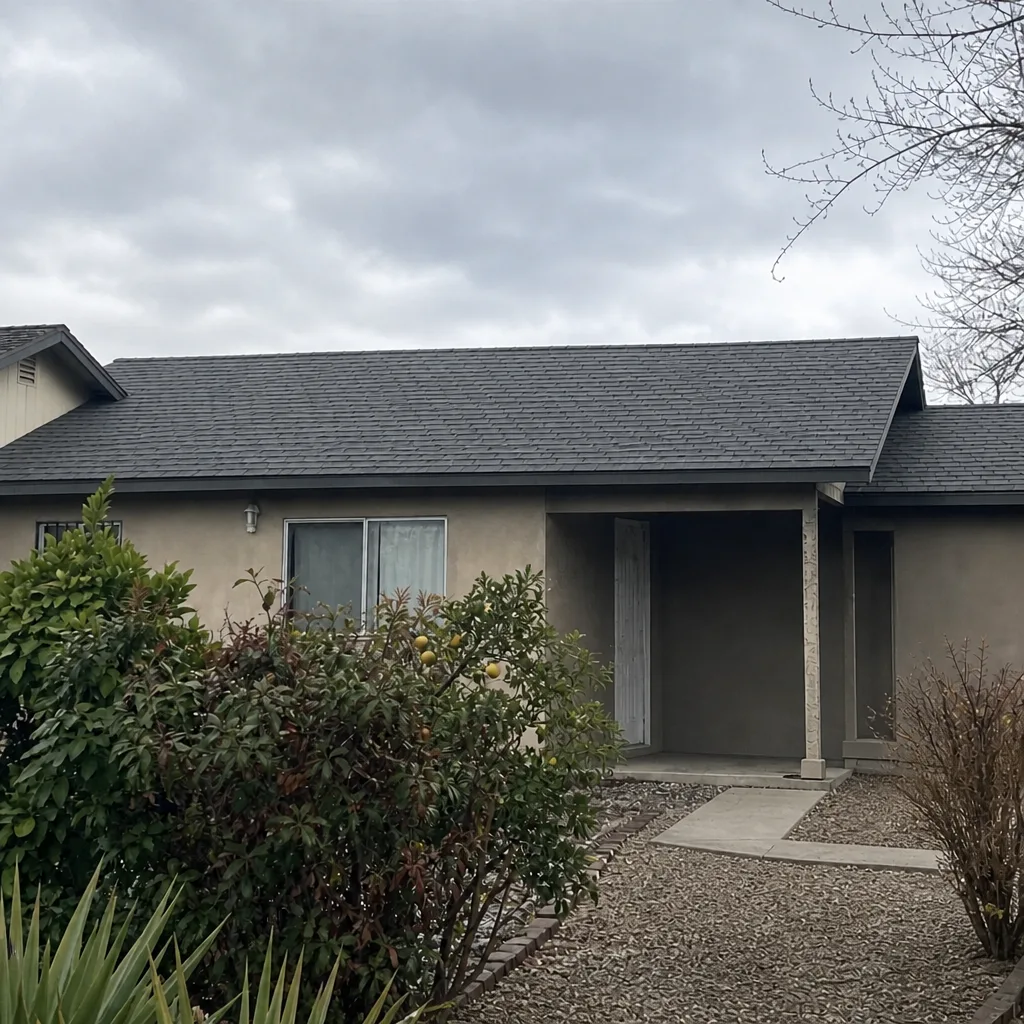 After
When to Call a Professional
Some things are homeowner checks. Some are not. Call a professional if you see any of the following: an active interior leak or a new ceiling stain; cracked or pulled-away pipe boot collars; ponding water on a low-slope section that doesn’t drain within 48 hours; backed-out or missing fasteners you can see (or suspect); an attic that stays uncomfortable even in mild weather; or any roof detail (tile, metal, flat membrane) where a repair is more than a simple seal replacement. Trained professionals install proper materials, not substitutions, and authorized installation is one way to make sure you get what you paid for. We install from manufacturers including GAF and Owens Corning for exactly that reason.
Ridgeline Roofing Co. Spring Valley offers free estimates in Spring Valley. Call (855) 908-1590 to schedule one. Our technicians have up to 10 years of experience, and our inspections are photo-documented on your actual roof. Every job is backed by the 90-Day Done Right Promise: if it is not right, we make it right, no arguing, no paperwork runaround.
Frequently Asked Questions
The best window is March through May, before the heat season and monsoon arrive. A spring inspection catches small failures while they’re still small and cheap to fix. If you can only do one inspection a year, do it in that window. Call (855) 908-1590 for a free estimate, and we’ll get you on the schedule.
Yes, and it’s the most-skipped item on the whole list. Scuppers and drains on flat or low-slope sections are where monsoon water damage starts. Test them in May by pouring a bucket of water across the surface and watching how it drains. If it pools or moves slowly, clear it before the first storm. Call us if a drain won’t clear.
Read the signs from inside the house: a noticeably hotter upstairs than downstairs on hot afternoons, a stuffy attic access area, and shingle edges that curl or lift. In Spring Valley’s heat, failing ventilation ages a roof faster than any single storm. If those signs sound familiar, have it assessed. Call (855) 908-1590; an estimate is free.
It cracked pipe boot collars across entire neighborhoods, and many homeowners didn’t discover the leaks until monsoon season months later. Collars that look brittle or pulled away from the pipe are the exact failure to check for. If you’re not sure what you’re looking at, we can take a look. Call (855) 908-1590.
Yes. Spring Valley winters are mild, but standing water sitting against a membrane for a cold month stresses seams and material. Repeated ponding cycles wear the membrane faster than storm rain. If water stays on a low-slope section more than 48 hours, that’s the trigger to get it assessed.
Most of the checklist is homeowner-level: clearing gutters, testing drains, watching ceilings, reading attic signs. The risky part is anything that involves getting on the roof, especially on a low-slope or steep section, and any repair at a flashing, collar, or seam. Those need a trained professional. Call (855) 908-1590 for a free estimate on anything you’re unsure about.
The Bottom Line
Spring Valley doesn’t hand you four traditional seasons to work with. It gives you a heat season, a monsoon window, a mild shoulder, and a cold snap period, and each one stresses a roof in a specific, predictable way. The fix isn’t more work. It’s task-matched timing: seal before the storm, monitor through the heat, inspect after the rain, and clear the drainage before the cold. Do that and you spend less money over twenty years than the homeowner who waits for a ceiling stain. For a straight answer on your actual roof, call (855) 908-1590. Our phones are answered by a live person around the clock, including nights, weekends, and the middle of a storm, and estimates are free.
Ridgeline Roofing Co. has served homeowners since 1984, and every job is backed by the 90-Day Done Right Promise. Start with our Ridgeline Roofing Co. Spring Valley home to see all the services we offer, and call us at (855) 908-1590 to schedule your free estimate.
Written by the team at Ridgeline Roofing Co. Spring Valley.