
Last updated November 17, 2026
 Architectural shingles
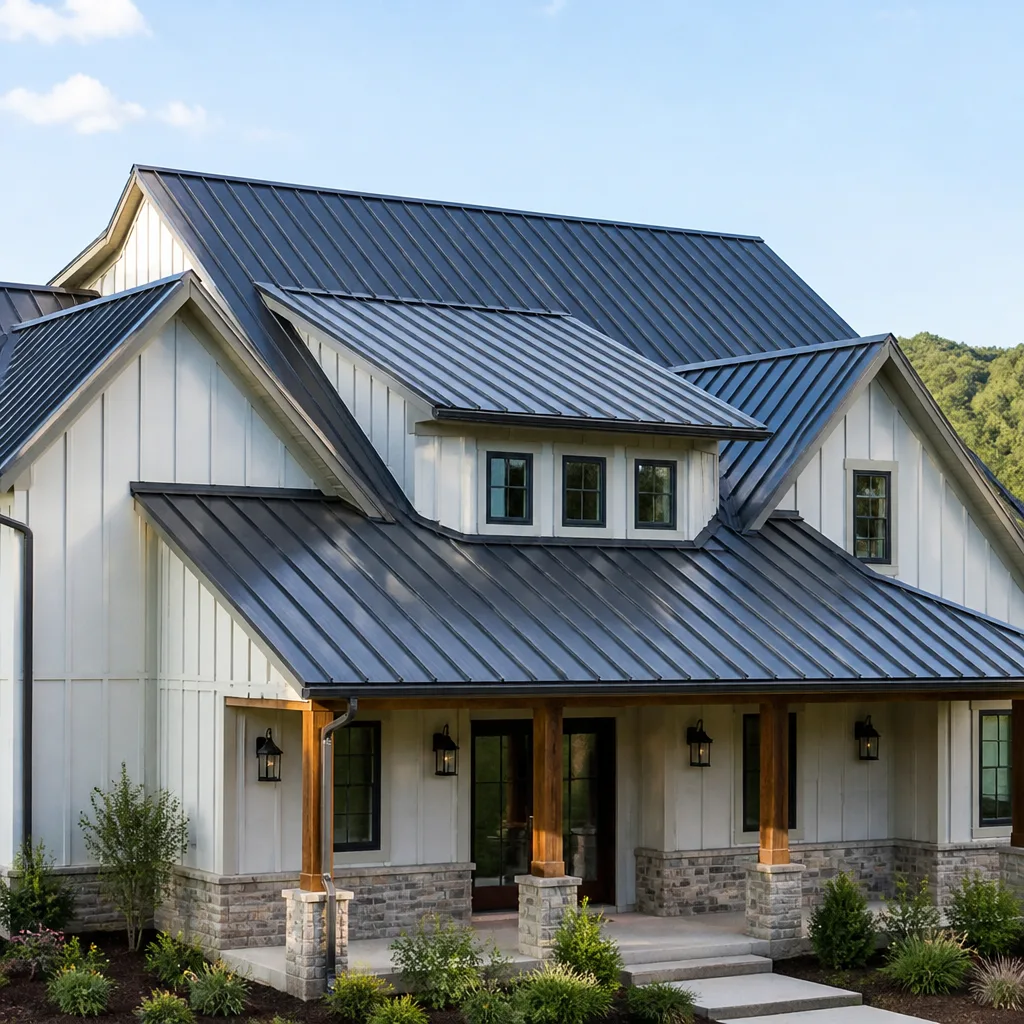 Metal roofing
 Tile roofing
 GAF
 Owens Corning
 Flat & low-slope
Free roof inspection with deck photos before we talk money - GAF and Owens Corning certified installation
Roof Repair Warning Signs Every Homeowner Should Know
By the time you see a water stain on your ceiling, the roof has typically been allowing moisture intrusion for 6 to 18 months. That brown ring doesn’t announce a new problem; it’s the receipt for an old one. The warning signs were there the whole time, just not where most people look. The early warning system on a roof is on the exterior, and it speaks in patterns most homeowners were never taught to read: how granules settle, how flashing lifts at a seam, how a ridge cap cracks. This guide teaches you that language. We’ll walk the outside of your roof in Spring Valley and describe what each pattern means, how to check your attic as a backup layer, and how to tell ordinary aging from structural aging that needs attention now.
Quick Answer
The earliest signs a roof needs repair are almost always exterior, not interior. Watch for granules collecting in gutters, flashing that has lifted away from a wall or chimney, cracked ridge caps, and curling or missing shingles along the sun-facing slopes. A water stain on the ceiling means the roof has usually been leaking for six to eighteen months, so read the outside first. If you see granule buildup plus any lifted flashing, get a professional inspection before the next storm season reaches Spring Valley.
Styles & brands we work with
- Architectural shingles
- Metal roofing
- Tile roofing
- GAF
- Owens Corning
- Flat & low-slope
Table of Contents
- Granule Migration Patterns (The First Warning)
- Flashing Lift: The Smallest Sign With the Biggest Cost
- Ridge Cap Cracking and What It Tells You
- Reading Your Attic as the First Warning Layer
- Desert Heat Cycling: Blisters and the Tile-to-Underlayment Gap in Spring Valley
- Cosmetic Aging vs. Structural Aging
- The 10-Point Biannual Walk-Around (From the Ground, No Ladder)
- Common Mistakes to Avoid
- When to Call a Professional
Granule Migration Patterns (The First Warning)
Asphalt shingles are covered in ceramic granules that shield the asphalt underneath from sunlight. That’s the whole job. When granules start leaving the shingle in volume, the asphalt begins drying and cracking, and the warranty clock starts running faster than you’d like. Granules don’t disappear; they travel. The trick is knowing where to find them.
Look in the gutters, at the bottom of a downspout, and in the gravel strip along the drip edge. A few granules after a heavy rain are normal, especially on a roof that’s a decade old. Constant buildup, or a visible pile where a downspout empties onto the ground, is a sign the coating is failing. A granular shingle that’s losing its coating will feel rough and grainy in your hand – a sign almost nothing is left up top. On a roof in Spring Valley, the sun-facing slopes lose their granules faster than the shaded ones, so check both and compare.
Where the granules land tells you which slope is failing:
- Granules clustered at the base of the south or west slope: heat and UV wear concentrated on that one side.
- Granules running down the downspout: the roof plane feeding that gutter is shedding its coating.
- Granules pressed into a gooey black patch: the asphalt is already degrading and the shingle is near the end of its life.
Granule loss is the silent warning because it requires no leak to be serious. We’ve seen it run for two or three Springs before anyone notices. That’s exactly the kind of window where a targeted repair, not a replacement, can still hold.
Flashing Lift: The Smallest Sign With the Biggest Cost
Flashing is the metal that seals the vulnerable spots: the base of a chimney, the joint where a roof meets a wall, the edges of a skylight, and the valance along a dormer. Those are the boundaries where the roof surface ends. When flashing lifts, the water doesn’t have to punch through a field of shingles; it just slides under the metal at the corner and starts working into the decking below.
Stand back with binoculars and look for a gap where the flashing meets the wall or brick. No gap in a well-sealed joint. Then check the sealant lines. A bead of caulk that has cracked or pulled away from the metal is a flashing lift waiting to become a leak. On a chimney, the flashing should sit tight against the masonry with a clean caulk line at the top and a properly stepped base at the bottom. If you see daylight or a visible gap between the metal and the wall, that’s a call-us sign before the next storm reaches Spring Valley.
Flashing repairs tend to be small and inexpensive. Water that gets under lifted flashing is neither. The narrow window between the two is where we do our best work, and the reason an inspection is worth more than a repair. Caulk-and-go jobs on flashing are a common shortcut; a proper repair involves lifting the metal, checking the underlayment beneath, and reseating the flashing with the right details. The difference shows years later.
Ridge Cap Cracking and What It Tells You
The ridge cap is the row of shingles bent over the peak of your roof. It takes the most sun, the most wind, and the most thermal flex of any shingle on the house. Cracking along the ridge is like an early warning whistle. It starts as a hairline crack across the bend, then widens as the shingle dries out further. Eventually the cap can blow off in a wind event, and the ridge – naked to the weather – begins to leak at the most vulnerable point.
From the ground with binoculars, look at the peak from the ends of the house. A healthy ridge cap looks continuous, with the shingle tabs wrapped cleanly over the bend. A failing one shows:
- Split or cracked tabs along the bend line.
- Missing cap shingles, exposing the ridge board or decking beneath.
- Bare asphalt where granules have worn off the cap entirely, leaving a shiny or pale brittle surface.
Ridge cap cracking is rarely a roof-replacement verdict. It’s often a repair-and-maintenance signal. A spring or fall visit that reseats a section of cap can buy years. On a steep or high roof, though, we don’t recommend homeowners go up to check it themselves. A ridge cap inspection from the ground is safe; climbing to look at one isn’t worth the fall risk. We tell people to use binoculars from the driveway and let us climb, which is what our technicians do on every photo-documented inspection.
Reading Your Attic as the First Warning Layer
The attic is where the roof’s exterior problems show up as physical evidence before they ever reach the living space. A roof leaks at the decking and runs along the rafters before it finds a way into the drywall of your ceiling. If water has stained the inside of your home, check the attic immediately; the source is likely overhead and directly above the stain.
Go into the attic with a bright flashlight during the day, and look at three things:
- Staining on the roof decking. Dark rings, water lines, or a soft, discolored sheen on the wooden deck boards between rafters point to water that has reached the decking. Find the highest and outermost point of the stain; water runs down and gathers at the lowest point.
- Rafter discoloration. Look along the underside of the rafters where they meet the decking. A dark streak or water line running down the rafter is a leak path; follow it up.
- Insulation compression. Insulation that’s been wet and then dried clumps and flattens. A compressed, stained, or flattened patch in the attic insulation is a leak in that area. It’s often the earliest clue and the one we look for first.
Roofing is only half the story. A warm, damp attic in a Spring Valley home is often also an attic-ventilation problem, and moisture can collect where no roof leak exists. That’s why we check decking and ventilation together before recommending a repair.
Desert Heat Cycling: Blisters and the Tile-to-Underlayment Gap in Spring Valley
Spring Valley’s climate is tough on roofs in a way that’s different from wetter parts of the country. The summer sun bakes the surface to well over 150 degrees, and the cold of winter snaps it back. Every day the roof expands and contracts a quarter-inch or so. That cycle is where the unique Spring Valley warning signs live.
Thermal blisters on flat sections. On a low-slope or flat section, look for raised, rounded blisters in the membrane or modified bitumen, often in a line that follows the sun’s path. Blisters form where trapped moisture or air expands under the sun and pushes the surface up. A blister isn’t automatically a leak, but it stresses the membrane, and small blisters can grow and break open. In this climate, flat sections need inspection in late spring, before the first big monsoon rains, because that’s when the blisters are most visible and most vulnerable.
The tile-to-underlayment gap. On a tile roof, the tile is the visible part, but the underlayment beneath it does the water protection. Under years of heat cycling, that underlayment grows brittle and develops the gap where it separates from the tile. The tile looks fine from the street. Water gets past the tile and then past the brittle underlayment. That’s the trap of tile roofs in Spring Valley: the visible layer often looks perfect while the waterproofing layer beneath is failing. The only way to know is to inspect beneath the tile, which is what we do on a Specialty Roofing in Spring Valley inspection.
Concrete tile in neighborhoods like the ones around Rhodes Ranch and Spring Valley holds up well, but it does hit this age-in-place risk. A tile-to-underlayment gap on a fifteen-year-old tile roof is one of the most common and most expensive silent failures we see.
Cosmetic Aging vs. Structural Aging
This is where a lot of people get talked into the wrong thing, one way or another. Not every worn roof is about to fail, and not every “normal” roof is fine. The line between cosmetic aging and structural aging matters, and it’s time to sharpen it.
Cosmetic aging is where the roof looks tired but the important parts are fine:
- Fading or a faded, chalky sheen on the shingles; that’s normal wear, not a functional problem.
- A few granule granules in the gutter after a season; minor, expected on a roof over ten years.
- Small cracks or cracks in one or two tabs; isolated, fixable with a targeted repair.
- Moss, algae or moss streaking that’s a cosmetic issue, not a leak.
Structural aging is where you act now:
- Granules heaviest at the base and downspouts, with bare exposed asphalt; the shingle is failing.
- Flashing lifting or caulk pulled away at a wall or chimney; water can get in this storm.
- Widespread cracking on ridge caps; the roof may no longer hold at the peak.
- Decking stains or compressed insulation in the attic; moisture is already in the house.
- Any water stain on the ceiling; the roof has been leaking for months.
We’ve seen homeowners put off a flashing repair that cost well under a thousand dollars, only to pay for a much larger repair a year later. The difference between cosmetic and structural isn’t scare. It’s a plain, honest look at what’s wearing and what’s holding.
The 10-Point Biannual Walk-Around (From the Ground, No Ladder)
You can check most of your roof’s warning signs twice a year without ever leaving the ground. Do it in spring, before monsoon season, and in fall, before the winter swings. Binoculars or a phone with a good camera zoomed in is all you need. Here’s the checklist we teach:
- Look for granules in the gutters and at downspout bases. A little is normal; a visible pile is not.
- Compare the sun-facing side to the shaded side. If one side looks markedly worse, note it.
- Check every wall and chimney joint for a gap. Flashing should meet the wall, not lift away from it.
- Scan the ridge line from the ends of the house. Look for cracked or missing caps and exposed boards.
- Look for curled, cupped or missing shingles on the slopes. Edge lengths that stand up from the roof surface are failing shingles.
- Check the flat or low-slope sections for raised blisters. Late spring is the best time to see them.
- Note any dark streaks running down a slope. A streak that runs into a seam or wall is a leak path.
- Look at the edges of a tile roof for lifted or shifted tiles. A settling tile is an early sign the underlayment needs a look.
- Check the soffits and fascia for staining or peeling paint. Water running behind them shows up there.
- Note anything you can’t see clearly, and get a professional to climb. The ground tells you where to look; it doesn’t always tell you the reason.
Write down what you see, with the date, and photograph it with your phone. That record is gold on an inspection call, and it helps you compare this season to the last.
Common Mistakes to Avoid
- Waiting for an interior stain to act. A ceiling stain means the roof has likely been leaking for six to eighteen months. In our experience, the slow leak that makes its way into drywall in a Spring Valley house has been silently soaking decking and insulation long before anyone sees it.
- Climbing on a steep or tall roof. Binoculars from the ground are safe. A fall from roof height isn’t worth any inspection. Get a professional on the roof; a photo-documented inspection from the technicians is worth more than anything you see by leaning.
- Letting a friend “caulk over” a lifted flashing. A caulk-only fix buys a storm or two at most. Real flashing repair involves lifting the metal and checking the underlayment, which is the layer that actually holds the water out.
- Reading the tile and not the underlayment. On a tile roof in Spring Valley, the tile looks perfect while the underlayment beneath fails. Assume the visible layer is fine until someone has checked the layer underneath.
- Treating a rough spring as a replacement verdict. Not every worn roof needs a new one. A leak at one valley or a couple of cracked ridge caps is a repair job, not a new roof. Get the diagnosis, not just the sales pitch.
- Paying a deposit to a truck that won’t be back next spring. The storm-chasing crew follows the weather, not the neighborhood. A homeowner who plans to stay put benefits from a company that plans to be in town in thirty years. That’s a different set of incentives.
- Ignoring the attic until the ceiling tells you. The attic sees the leak before the drywall does. A flashlight check in spring and fall gives you months of head start on the water stain you never want.
When to Call a Professional
Some of these checks you can safely do from the ground. The moment you need to climb, call. Specifically, call when you see:
- Lifted flashing at a chimney, wall or skylight that a caulk line won’t hold.
- Water stains on the decking or rafter discoloration in the attic.
- Compressed or stained insulation in that same area.
- Cracked or missing ridge cap shingles along the peak.
- Thermal blisters on a flat section that have grown since the last check.
- Any ceiling stain, any bubbling paint, any dark streak in a seam.
A professional inspection climbs, photographs, and reads the pattern for what holds and what’s failing. Ridgeline Roofing Co. Spring Valley offers free estimates in Spring Valley, and a licensed, insured inspection is the honest next step. Call (855) 908-1590 to set a time, and get a written line-item estimate before anyone touches the roof. Our technicians arrive in uniform, background-checked, and document the inspection with photos taken from your actual roof, so you see what we see. If it’s not right, our written 90-Day Done Right Promise covers the work. No arguing, no paperwork runaround.
See the difference
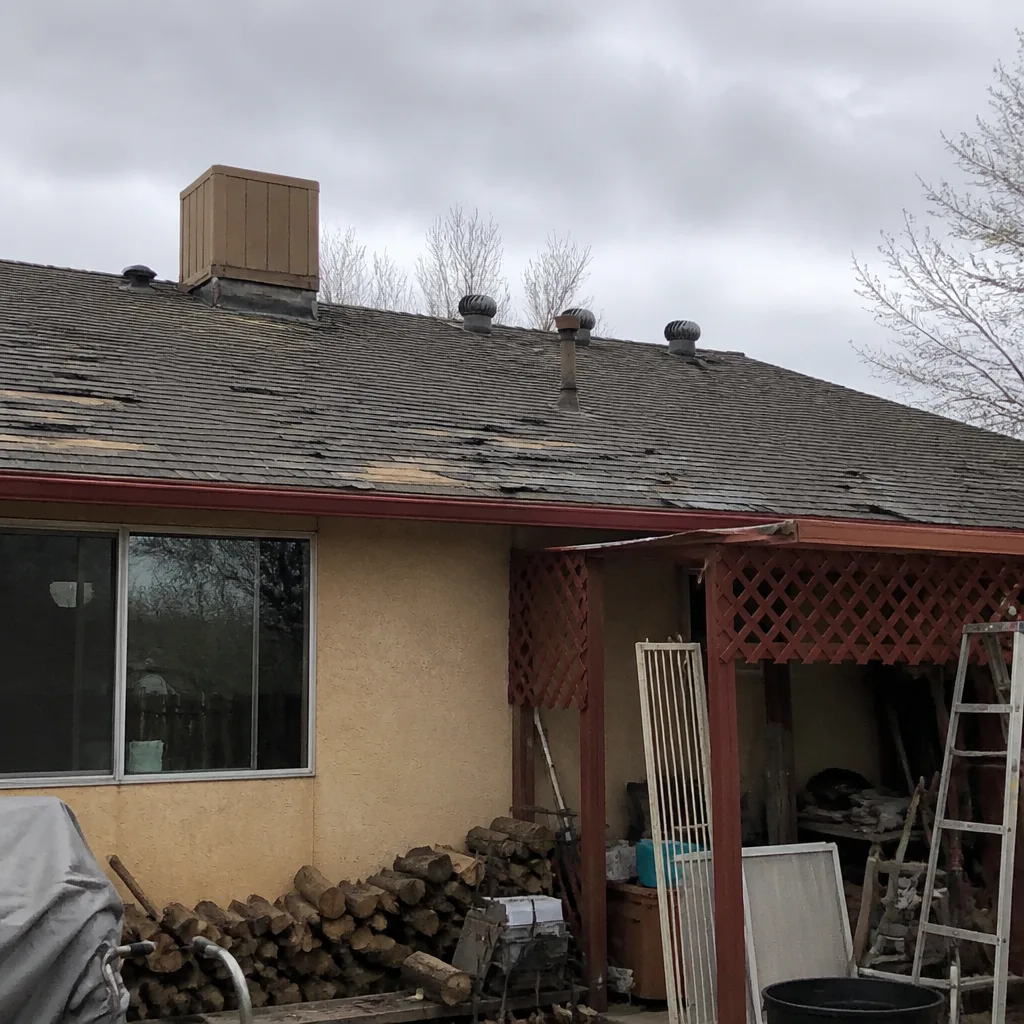 Before
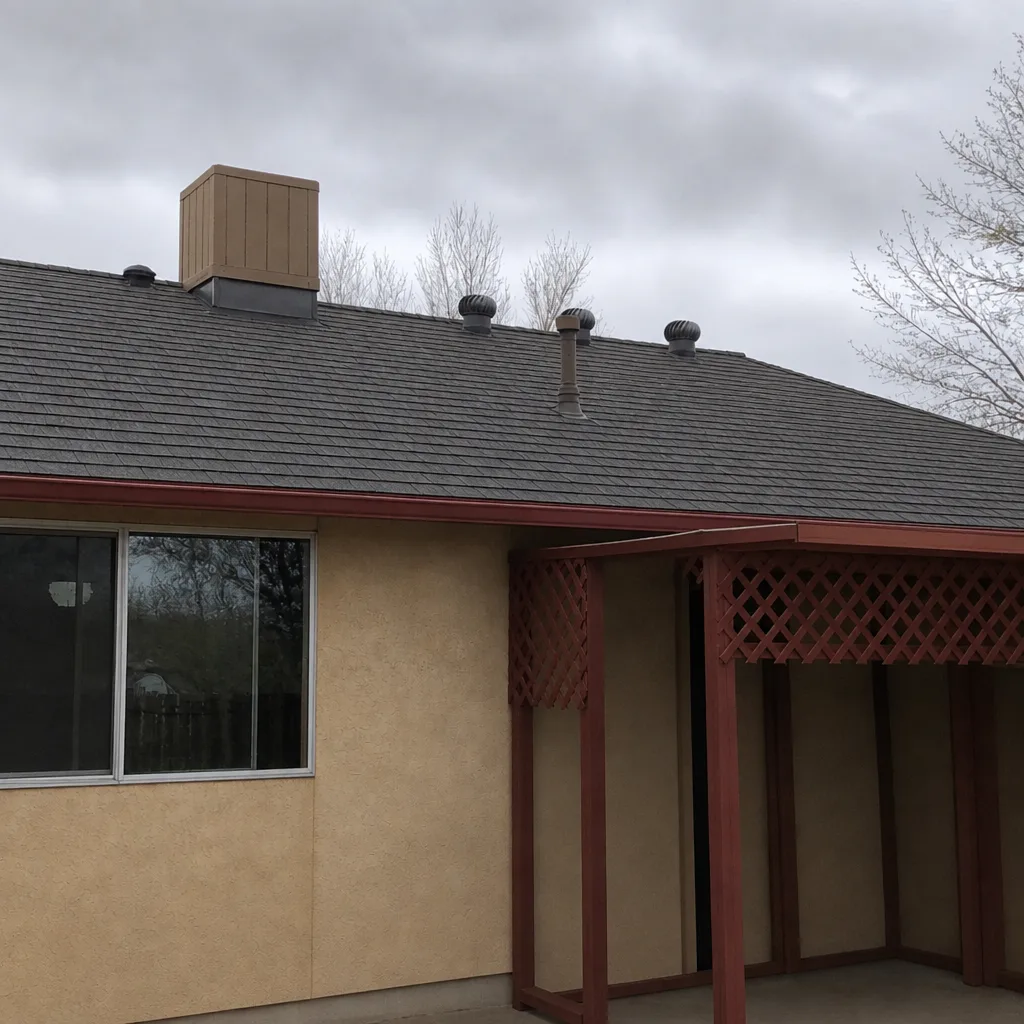 After
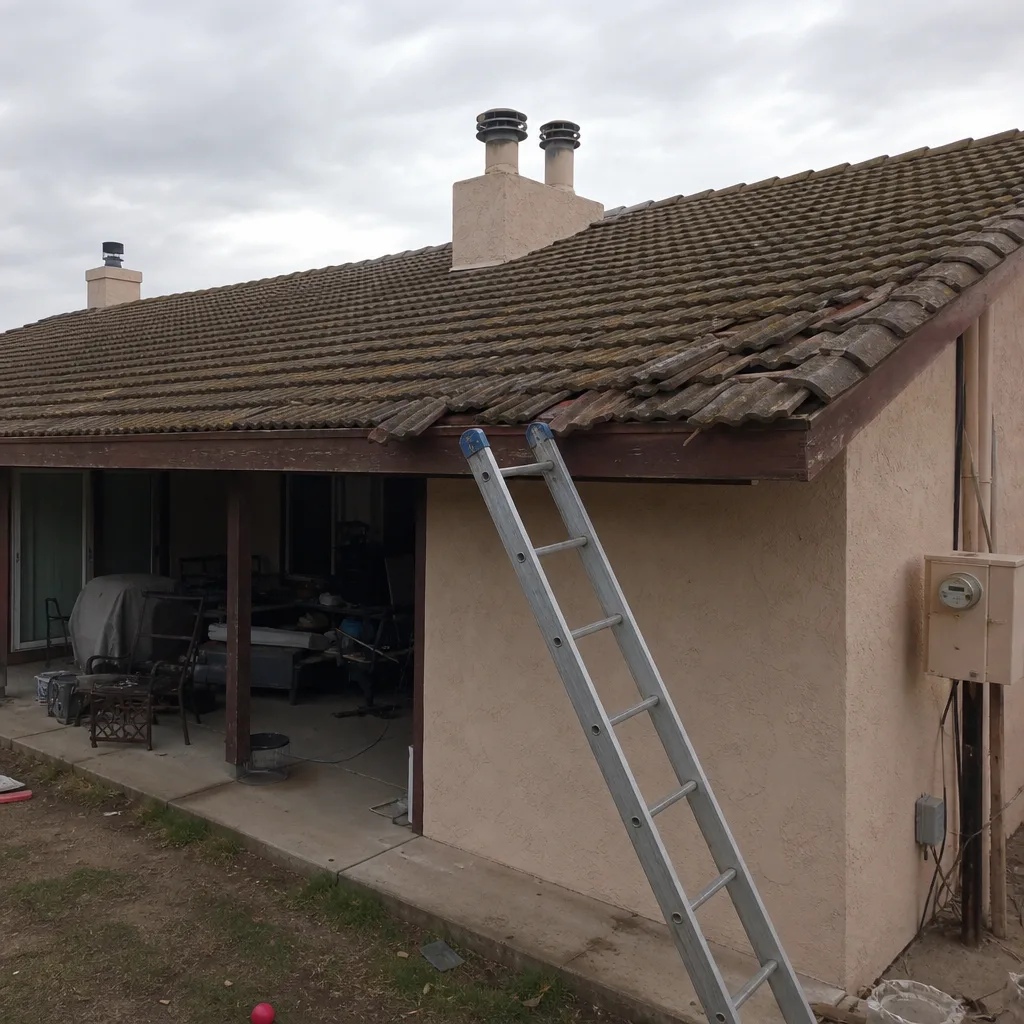 Before
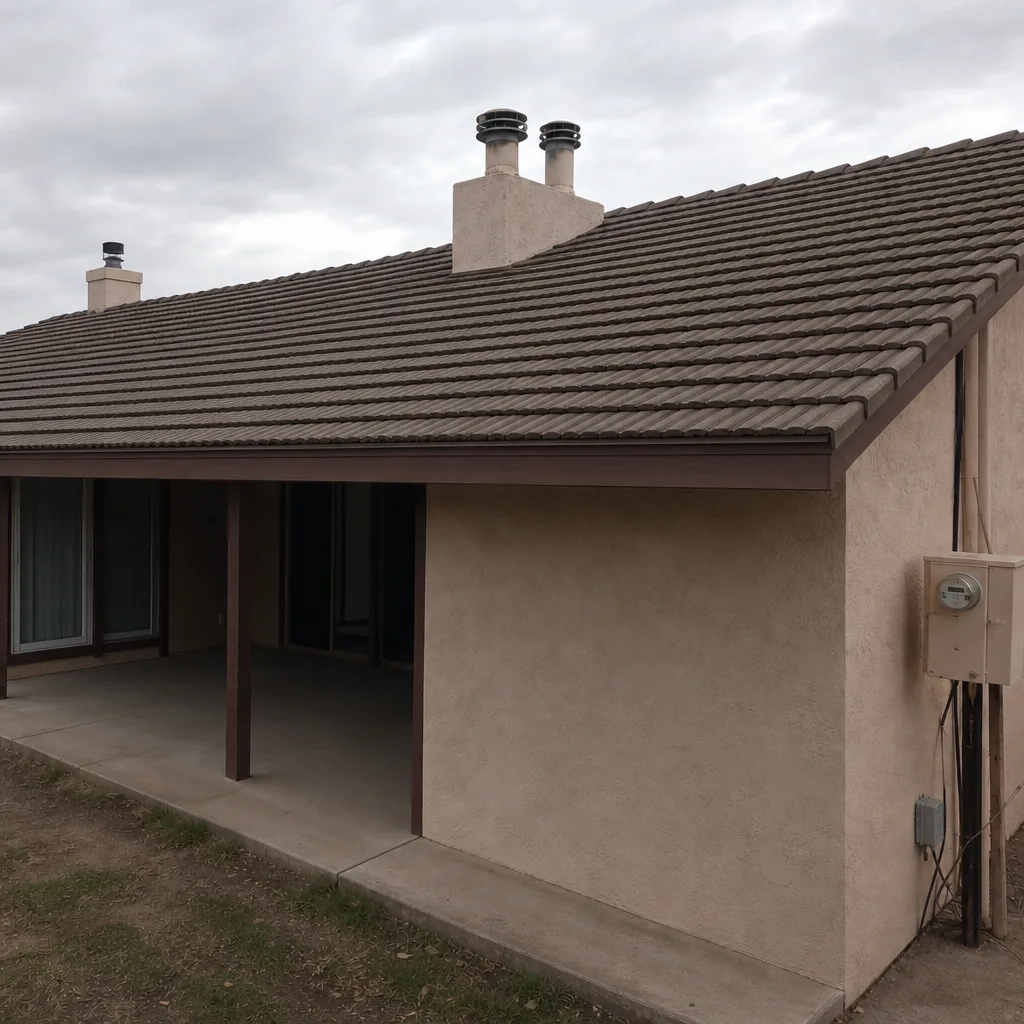 After
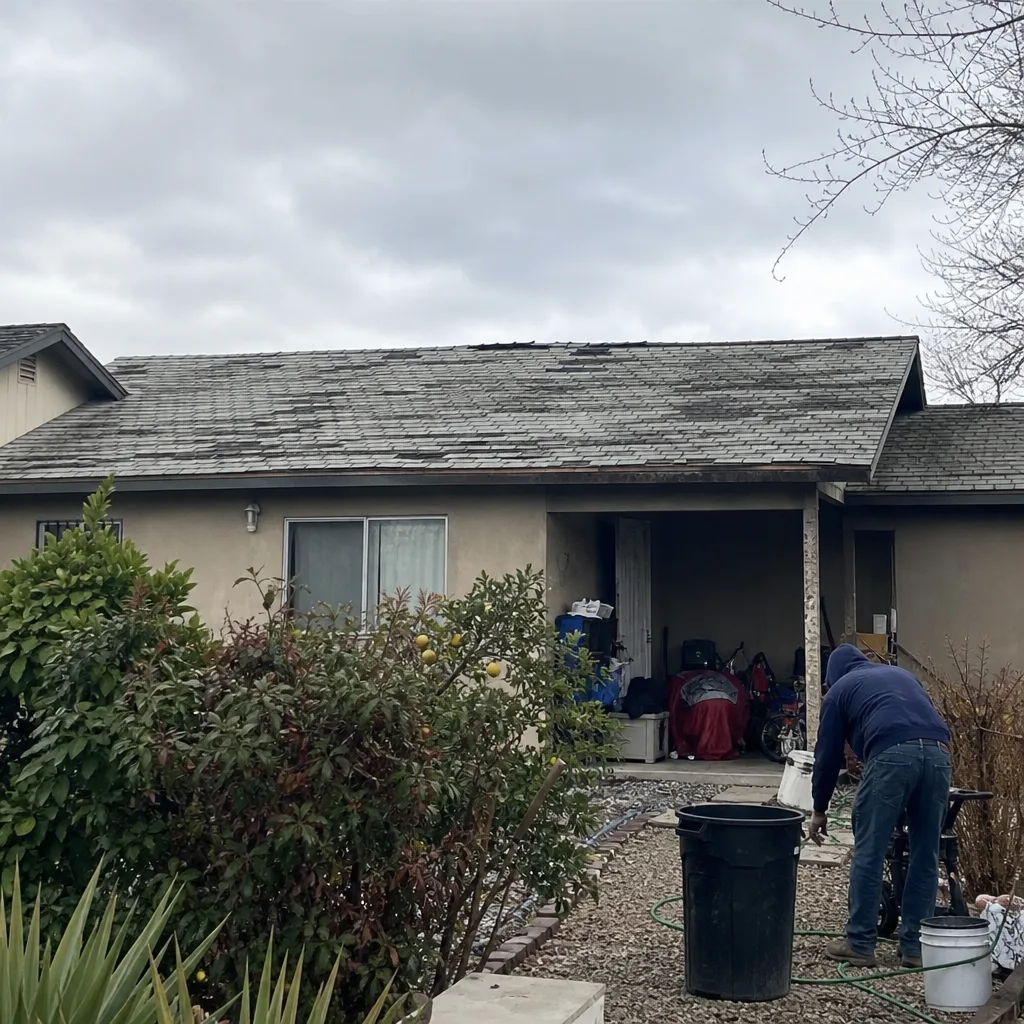 Before
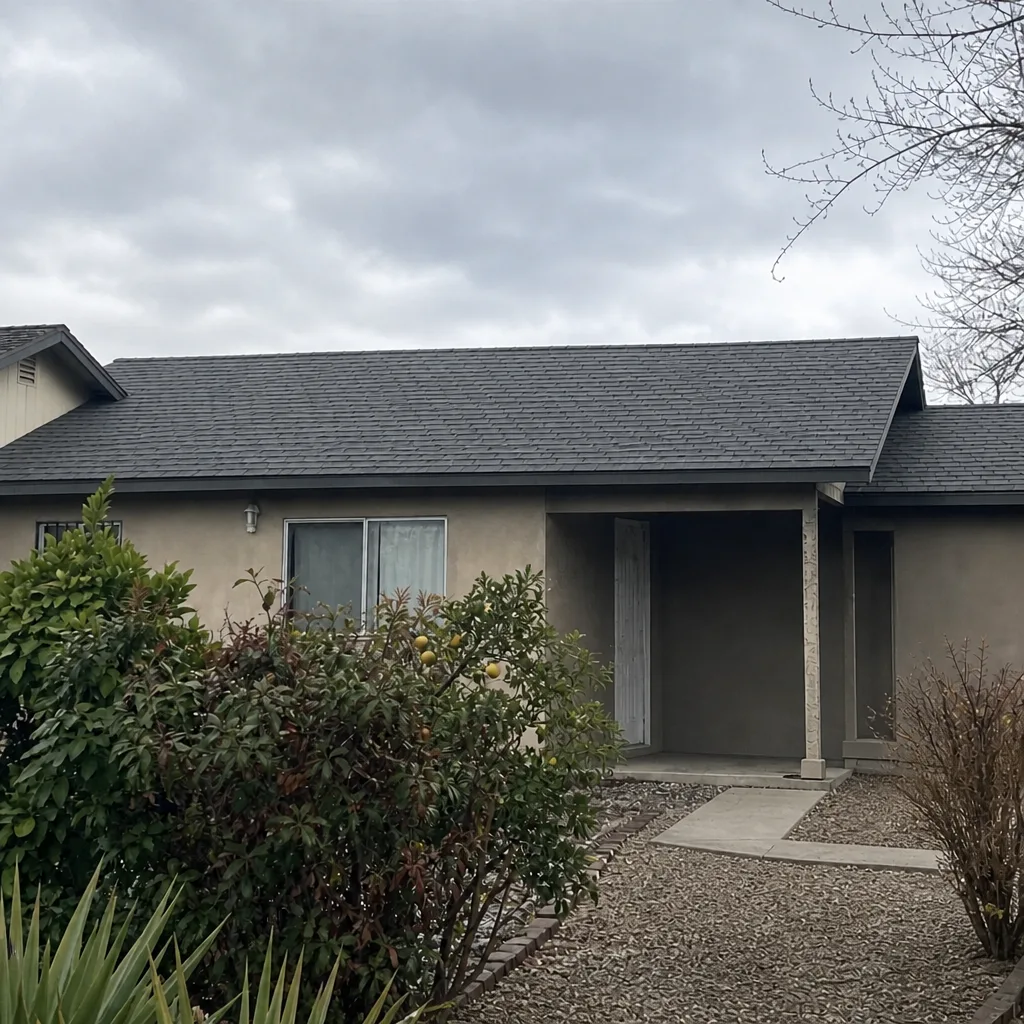 After
Frequently Asked Questions
Most roof repairs in the Spring Valley market run a few hundred to a few thousand dollars depending on the scope, and a flashing reseal or a handful of ridge caps is far less than a full replacement. You need a written line-item estimate to get a real number; the exact price depends on the area and the type of roofing. Ridgeline Roofing Co. Spring Valley gives free estimates with a written quote so you can compare. Call (855) 908-1590 for an exact price.
If the roof decking and underlayment beneath the surface are still sound and the leaks are localized to seams, flashing or ridge caps, it’s typically a repair. Replacement is the right call when the roof has lost most of its surface protection, the granule loss is widespread, or the underlayment itself has failed under tile. An inspection looks at the layers beneath the surface before deciding. Ridgeline installs GAF, CertainTeed and Owens Corning materials when replacement is the answer, and a repair is what we’d recommend whenever it’s the honest one.
Granules in the gutters mean the shingles on the roof above that gutter are shedding their surface and aging. A few granules is normal on a roof over a decade old. A pile, or constant shedding every rain, is a sign the asphalt beneath is beginning to fail. Look at the slope that feeds that gutter first, and get it inspected if the loss continues.
A single flashing reseat or a handful of ridge cap repairs can typically be completed in one visit; full roof work moves that timeline into other days. The weather is the biggest scheduling factor in Spring Valley, especially in the dry-season window and as the monsoon approaches. Our upfront pricing means the number on the estimate is the number on the invoice, and our technicians complete most repair jobs in a single visit.
Permit requirements depend on the type and scope of the roof work, and the city’s building department has the final say. Structural repairs and any re-decking almost always require a permit; some small cosmetic repairs don’t. Ridgeline Roofing Co. Spring Valley handles the permit paperwork for the work that needs it and can tell you at the estimate whether your Spring Valley job will require one. That’s part of the written quote.
It depends on how much of the roof surface is still sound. If the issue is concentrated on one slope, a flashing seam, or the ridge, a targeted repair is usually worth it. If the granules are gone across most of the surface and the attic shows widespread moisture, replacement deserves a serious look. The honest answer comes from a photo-documented inspection. Our 90-Day Done Right Promise covers the repair if we do take the smaller job.
The Bottom Line
The warning signs worth reading are on the outside of your roof: granules leaving the shingles, flashing lifting away from the wall, cracked ridge caps, blisters on the flat sections, and the tile-to-underlayment gap in a Spring Valley tile roof. The attic is your backup layer, and a ceiling stain is a problem that’s been running for months. Learn the pattern from the ground with binoculars, walk your roof twice a year in spring and fall, and let a professional climb when something doesn’t look right. A square deal means a repair when a repair will hold, and a written, warranted outcome. That’s the whole point of a roof done right – and if it’s not, we make it right. If you want to look at a roof that has held up where you live, see Ridgeline Roofing Co. Spring Valley home, or look at Roof Repair in Spring Valley and Roof Replacement & Installation in Spring Valley when the inspection points you toward a bigger job.
Contact
If you’ve walked your roof and something doesn’t look right – or you simply want a trained eye on it before the next storm season – call Ridgeline Roofing Co. Spring Valley at (855) 908-1590 for a free estimate. A live person answers the phone, day or night, and our technicians will climb the roof, take photos, and give you a written, line-item price. Insured, licensed, and backed by the 90-Day Done Right Promise.
Written by the team at Ridgeline Roofing Co. Spring Valley.