
Last updated November 17, 2026
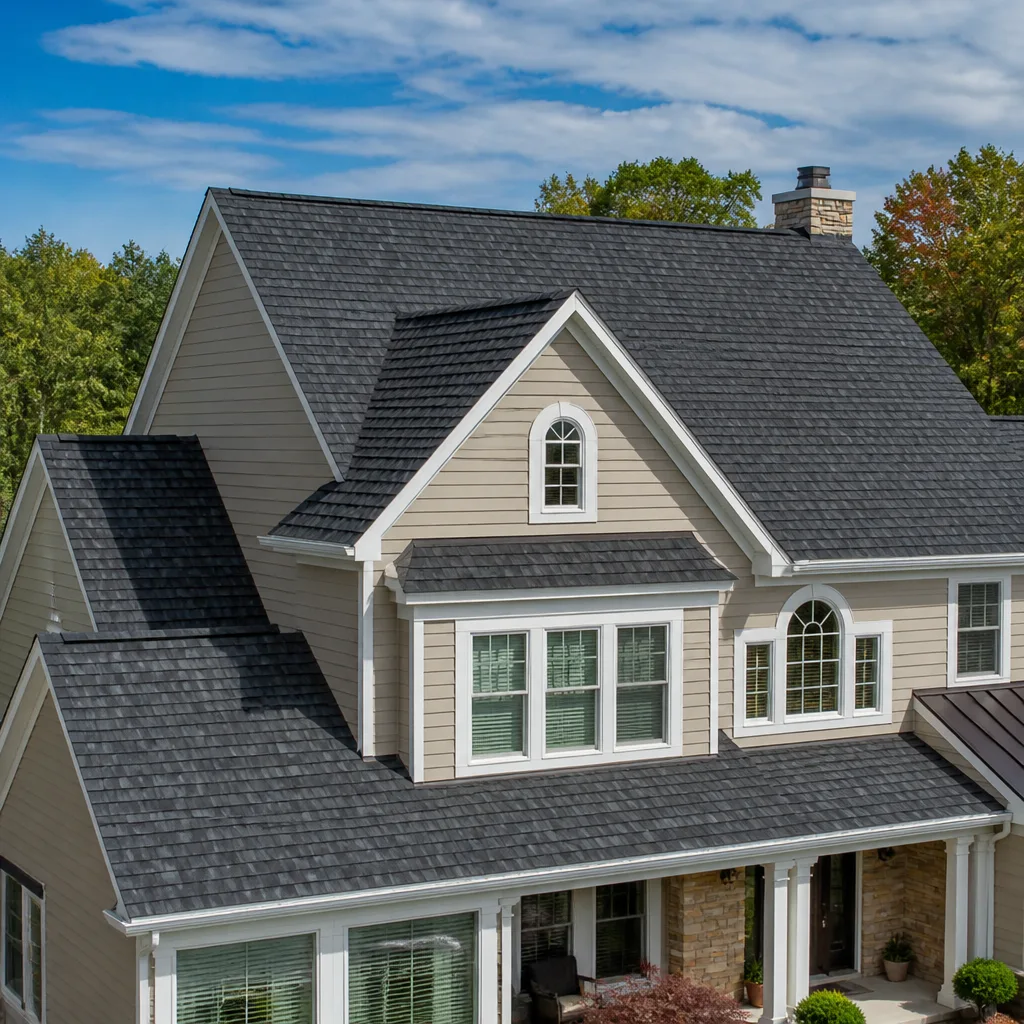 Architectural shingles
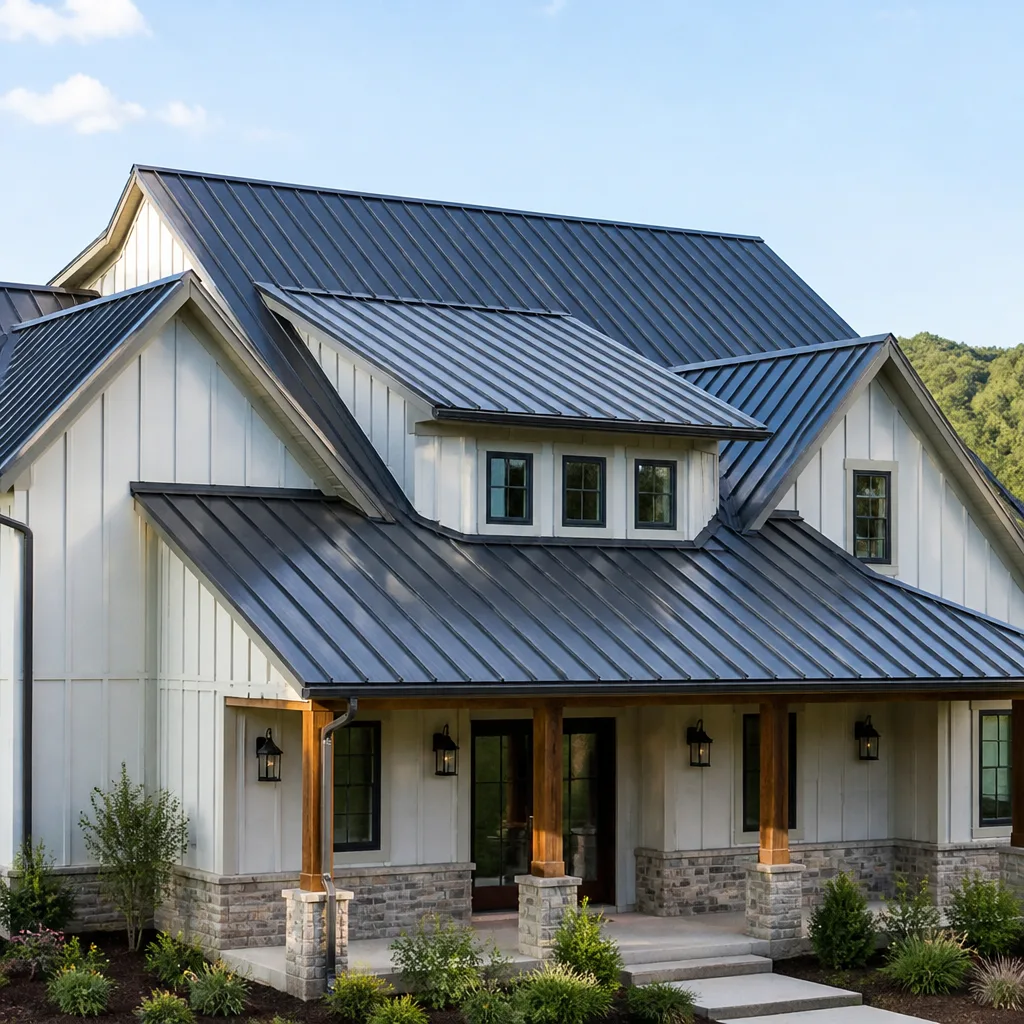 Metal roofing
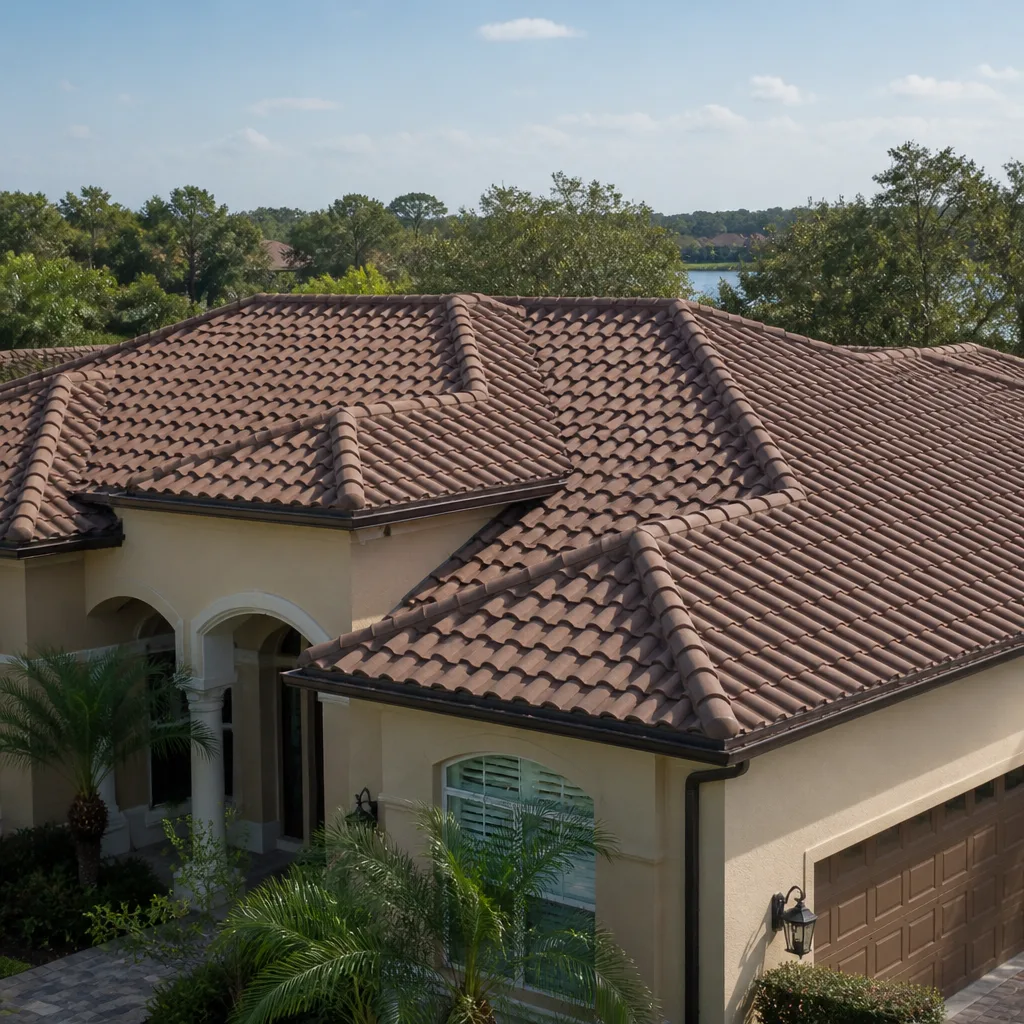 Tile roofing
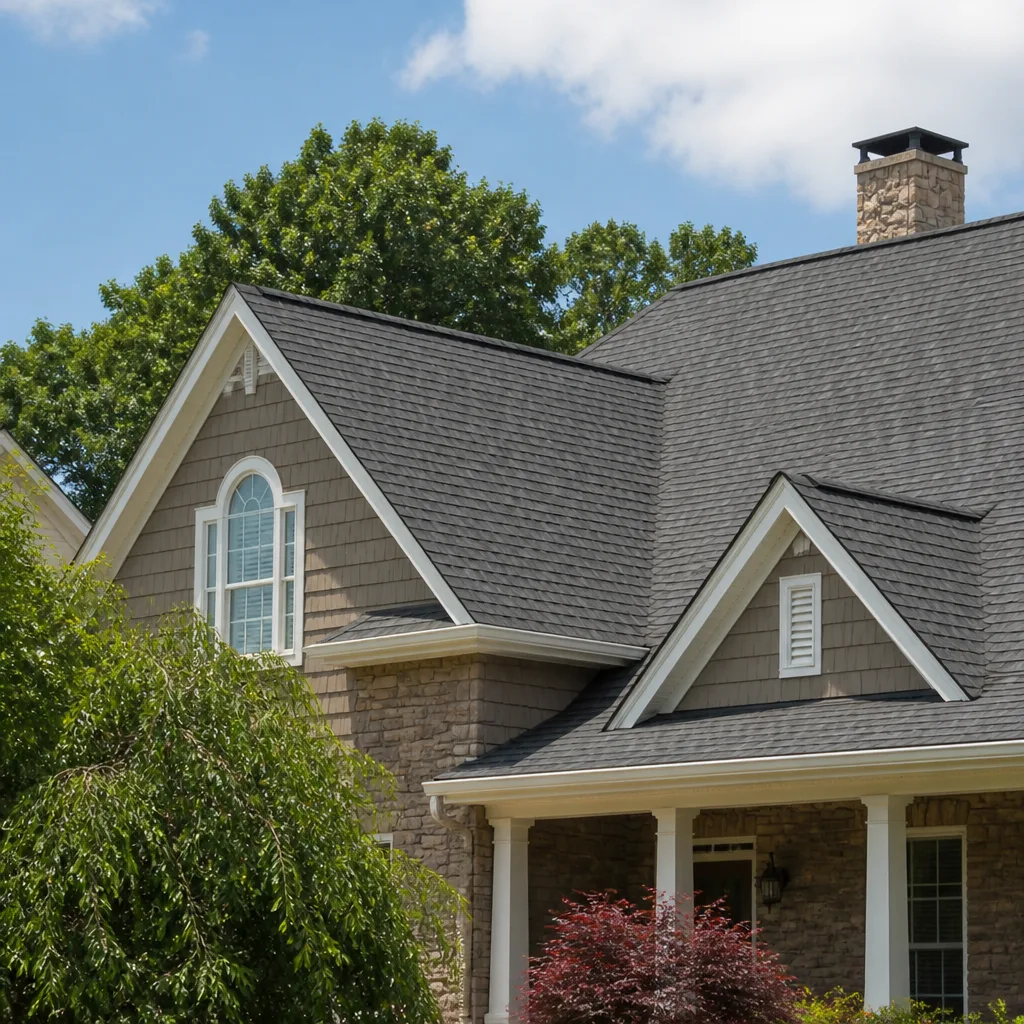 GAF
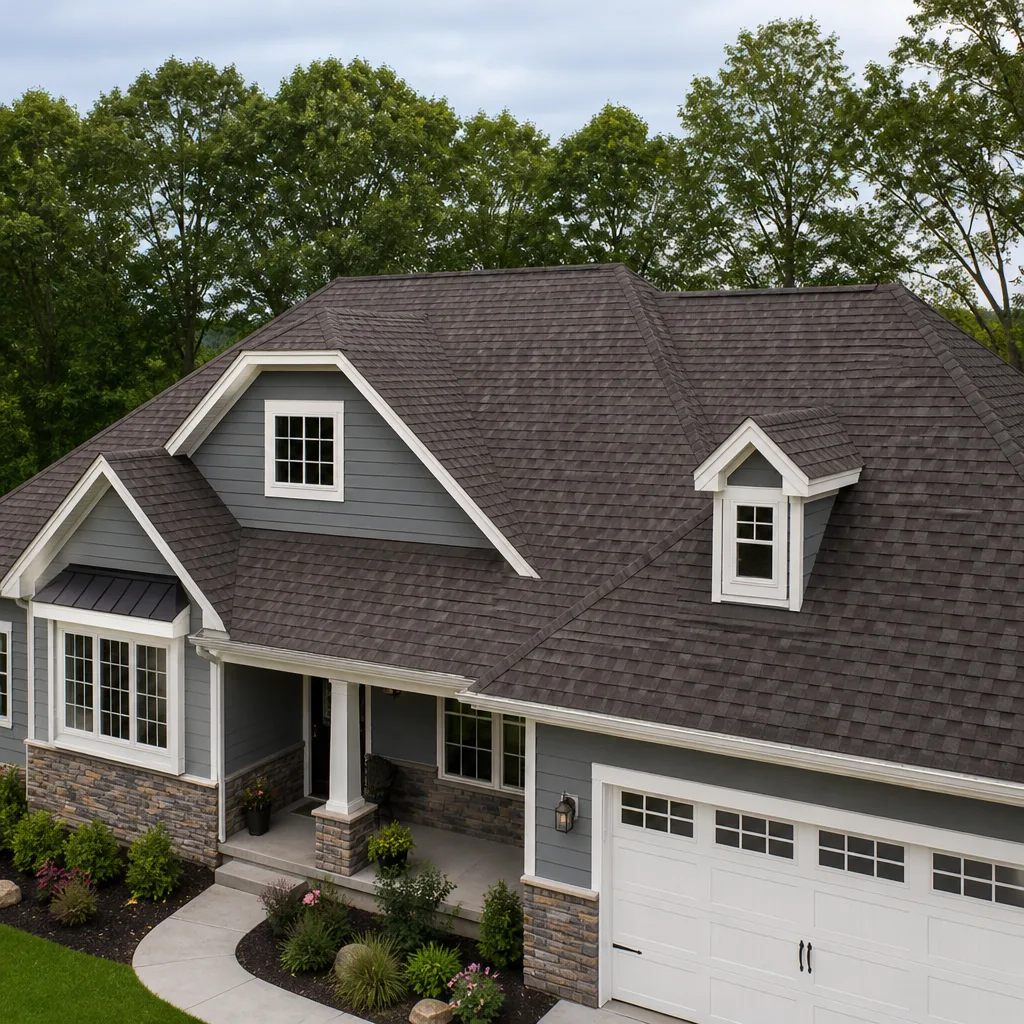 Owens Corning
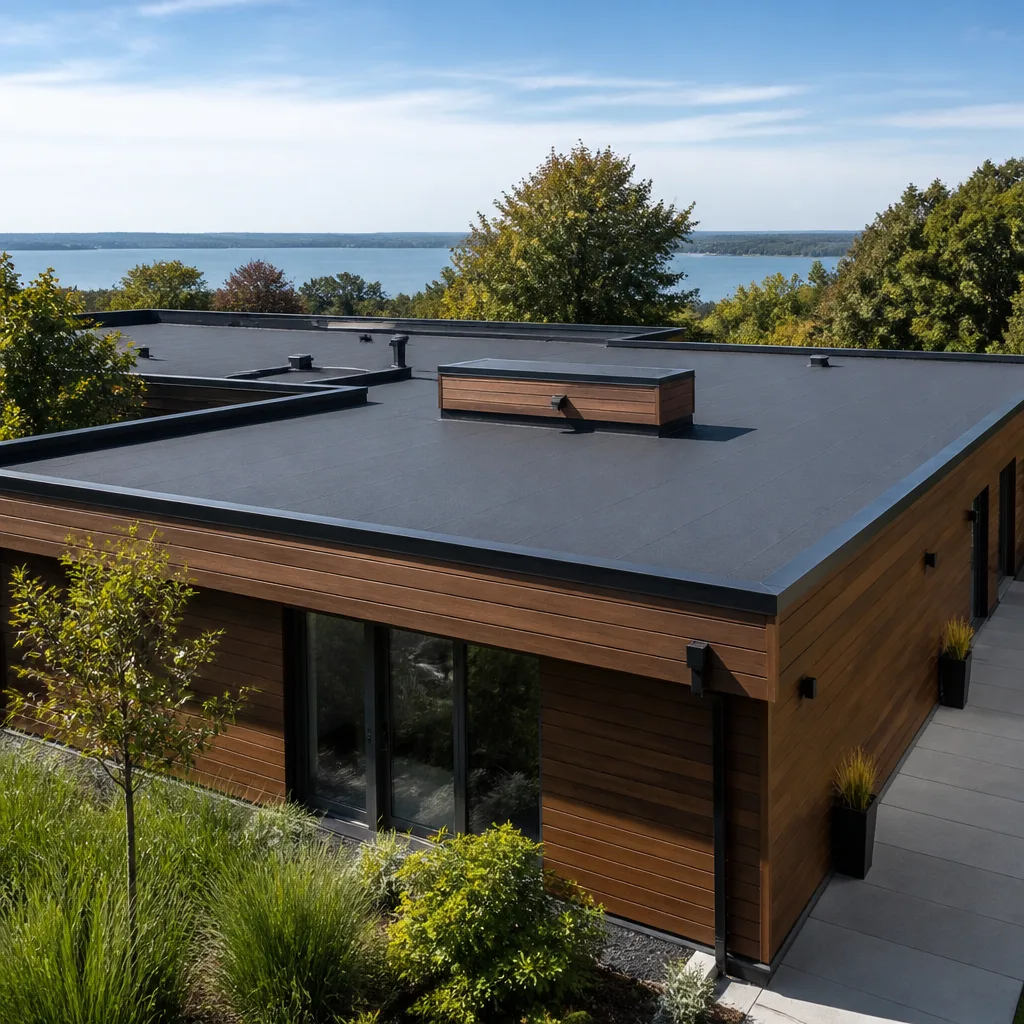 Flat & low-slope
Free roof inspection with deck photos before we talk money - GAF and Owens Corning certified installation
The Complete Roof Replacement & Installation Guide for Spring Valley Homeowners
In a climate where attic temperatures routinely push past 160°F, the layer most homeowners never see matters more than the shingle color they spend weekends debating. Underlayment fails first on Spring Valley roofs, not the shingles above it, and most replacement quotes bury that spec or leave it out entirely. A roof replacement is a 20- to 30-year decision, and you’ll usually make it across a handful of conversations with contractors who each want to sound like the obvious choice. This guide gives you the questions and the scope checklist that separate an installation which lasts from one that merely photographs well on the day the crew leaves. Read it before the first bid lands on your table.
Quick Answer
A roof replacement in Spring Valley typically runs $9,500 to $24,000 for an average single-family home, with most jobs landing between $13,000 and $18,000 depending on square footage, pitch, and material tier. The work itself takes one to three days, but the decision should rest on the scope document, not the shingle brand. Every legitimate bid includes seven line items: tear-off, deck inspection and repair allowance, synthetic high-heat underlayment, ice-and-water or valley membrane, ventilation, flashing, and cleanup with magnet sweep. If any of those are missing or hand-waved, the number isn’t a real bid.
Styles & brands we work with
- Architectural shingles
- Metal roofing
- Tile roofing
- GAF
- Owens Corning
- Flat & low-slope
Table of Contents
- Why Spring Valley Roofs Fail Differently
- The Seven Line Items Every Real Bid Includes
- Underlayment: The Spec Most Quotes Skip
- The Deck Inspection Obligation
- HOA Approval Timelines and Color Rules
- What a Proper Installation Day Looks Like
- The 90-Day Post-Installation Inspection
- Reading the Warranty Without a Lawyer
Why Spring Valley Roofs Fail Differently
Spring Valley sits in the Mojave at roughly 2,300 feet, and the roof over your house cooks. Summer surface temperatures on a dark asphalt shingle can hit 170°F in direct afternoon sun, then drop 40 to 50 degrees overnight. That cycle repeats for months. The result is thermal shock: shingles go brittle, sealant strips let go, and the granular surface wears faster than it would in a milder climate. We regularly see 15-year-old roofs in Spring Valley that look closer to 25 in a coastal market.
Add the seasonal wind and the summer monsoon pattern, and the failure points narrow. Ridge caps lift. Valley flashing works loose. Underlayment that wasn’t rated for high heat dries, cracks, and stops being a secondary water barrier. By the time a homeowner notices a stain on the ceiling, the damage has often been advancing for two or three rainy seasons.
This matters for your replacement decision because it changes what “good” means. In Spring Valley, a roof needs:
- Shingles rated for high-heat performance, installed to the manufacturer’s hot-climate spec, not a generic one
- Synthetic underlayment with a documented high-temperature rating, not old felt paper
- Ventilation sized correctly for the attic volume, so heat escapes instead of baking the deck
- Flashing sealed with materials that hold through 100°F-plus swings, not just the coldest month
The neighborhood matters too. Roofs in Rhodes Ranch and the established tracts near Desert Breeze Park often carry builder-grade original material from the early 2000s, which means a first replacement is due or overdue. On the older homes toward the eastern edge of Spring Valley, you’ll find original decking that has taken 20-plus years of sun and needs careful inspection once the old roof comes off. If you want a sense of what repair-only options look like before committing to replacement, our Roof Repair in Spring Valley page covers when a section can be salvaged and when it can’t.
The Seven Line Items Every Real Bid Includes
Most contractors hand you a single page with a total at the bottom and a shingle name at the top. That’s not a bid, it’s a price tag. A comparison-ready scope lets you put three quotes side by side and see where the money actually goes. Here is the checklist we’d hand a neighbor, and the one we hold our own estimates to.
- Tear-off to the deck. Full removal of existing layers, not a layover. Layovers trap heat and hide deck damage in a Mojave climate.
- Deck inspection and repair allowance. A stated per-sheet rate for replacing damaged plywood or OSB once the deck is exposed. Ask what happens if ten sheets need replacing.
- Synthetic high-heat underlayment. Brand, product line, and temperature rating written into the scope. More on this below.
- Valley and ice-and-water membrane. Required in valleys and around penetrations. Stated in linear feet, not “as needed.”
- Ventilation. Ridge vent, intake vents, or both, with the calculation shown. In Spring Valley, an under-ventilated attic shortens roof life.
- Flashing. New flashing at chimney, skylights, and wall intersections. Reusing old flashing is a common corner cut.
- Cleanup and magnet sweep. Dumpster placement, daily cleanup, and a final nail sweep of the yard and driveway. Your tires and your dog will thank you.
When you compare bids, put these seven items in a column and check each one off. If a contractor can’t or won’t itemize, that’s your answer about how the job will go once the check clears. For a deeper look at the full-service scope, see our Roof Replacement & Installation in Spring Valley page.
Underlayment: The Spec Most Quotes Skip
Here’s the counterintuitive part. The shingle brand on your quote is the least important line item. The underlayment underneath it is the layer that either gives your roof a second barrier when a shingle fails, or leaves your deck exposed the first time a monsoon pushes water sideways. In a city where attic temps run hot enough to crack cheap felt within a few summers, the underlayment spec is the single most telling detail on the page.
Synthetic underlayments engineered for high-heat climates are non-negotiable. They’re spun from polypropylene or polyester, resist tearing, and hold their integrity when the deck gets hot. Old-school organic felt paper dries out and becomes brittle under that kind of heat. Ask for the brand and product name in writing. Any of the major lines – IKO, Atlas, or Tamko all make suitable high-heat products – is fine. What’s not fine is a quote that says “underlayment included” and nothing else.
How to verify it’s actually in the spec:
- Look for a product name and a temperature rating, not just “synthetic underlayment.”
- Confirm the membrane goes into valleys and around penetrations in addition to the field.
- Ask whether the underlayment is installed per the manufacturer’s high-temperature instructions, which sometimes specify a different overlap in hot markets.
- Check that the underlayment brand matches the shingle manufacturer’s approved list, so the warranty isn’t voided by a mismatch.
If a contractor can’t name the underlayment, they can’t tell you what’s holding your deck dry. That’s not a rhetorical point in Spring Valley. It’s the difference between a 20-year roof and a 12-year one.
The Deck Inspection Obligation
Once the old shingles are off, the deck is exposed and the crew learns what the roof was hiding. Soft spots, delaminated plywood, water stains, failed fasteners, and – in some Spring Valley homes near the older west-side tracts – original decking that has taken 20-plus years of sun. Every legitimate contractor has an obligation at this moment: inspect the deck, document what they find, and give you a written response before they install a single shingle over it.
What that written response should look like:
- Photos of the damage. Taken on your roof, shown to you, not described in the abstract.
- A count of affected sheets. Linear and accurate, with a per-sheet price that matches the allowance in your original bid.
- A clear scope of repair. Cut out the damage, sister in new material, re-nail to code.
- A stop point. The crew halts and calls you before pursuing repairs that exceed the allowance. No surprise invoice after the roof is on.
- A revised total in writing. Signed before work continues.
If the contractor can’t tell you what their process is for hidden deck damage before the job starts, ask them to write it down. A company that plans for it in the bid – and puts it in writing – is a company that won’t argue with you from a ladder at 8 a.m.
HOA Approval Timelines and Color Rules
Spring Valley has master-planned communities with architectural review committees, and if you live in one, the color decision is not yours alone. Most HOA approvals run four to eight weeks, and a few require a neighbor sign-off. That timeline needs to start before the crew is scheduled, not after.
What to plan for early:
- Color palette restrictions. Many Spring Valley HOAs restrict shingle color to a specific set of earth tones, or require color matches to the original build. Submit samples, not just a name.
- Review committee paperwork. Application, product spec sheets, and often a site plan. Your contractor should supply these without being asked twice.
- Approval in hand before delivery. Do not let material arrive on-site before written HOA approval. If the color is rejected mid-installation, you own the problem.
- Manufacturer lead times. Certain colors and profiles carry longer lead times. Submit the HOA packet in the same month you get your bids.
If your community has no HOA review, the color call is simpler, but read the restrictions anyway. Older Spring Valley neighborhoods sometimes carry recorded covenants that surprise a new owner mid-job.
What a Proper Installation Day Looks Like
A single-family roof in Spring Valley usually takes one to three days, weather permitting. Here’s how a job that goes right unfolds, so you can compare against what a contractor promises.
- Morning 1: site prep. Dumpster placed, landscape protection down, crew lead walks the property with you and confirms scope.
- Tear-off. Old material stripped to the deck. Deck inspected and photographed.
- Deck repair (if needed). Written approval before any additional work proceeds.
- Underlayment and membrane. Synthetic high-heat underlayment in the field, membrane in valleys and penetrations.
- Flashing and ventilation. Installed before the shingles go back, not nailed over at the end.
- Shingle installation. Laid to the manufacturer’s high-temperature spec, including nailing pattern and sealant strip placement.
- Ridge and hip. Ridge caps set and sealed.
- Cleanup. Yard and driveway swept and magnet-checked. Final walkthrough with the crew lead, photos delivered to you.
Expect the crew to be background-checked, uniformed, and to knock on the door before walking your landscape. If your gutters are aging, replacement day is the right moment to address them; our Specialty Roofing in Spring Valley page covers gutter and accessory work that pairs with a full replacement.
The 90-Day Post-Installation Inspection
A roof has to go through one full summer and one wind event before anyone – you or the installer – knows how the job actually holds. That’s the logic behind the 90-Day Done Right Promise. It’s also why a proper post-installation inspection happens around the 90-day mark, in the heat cycle, with photos.
What the inspection should cover:
- Every field shingle, checking for lifting, curling, or sealant strip separation
- Ridge and hip caps, hot-spot for wind lift in Spring Valley
- Step and counter flashing at chimney, skylights, and walls
- Valleys, looking for debris accumulation or sealant failure
- Attic check for moisture, daylight, and ventilation performance
- Gutter flow and downspout function
A contractor who doesn’t offer a post-installation inspection is telling you something: they intend for the final handshake to be the last time they think about your roof. Every job we do carries a written workmanship guarantee, and the 90-day inspection is how we honor it. If it’s not right, we come back and make it right.
Reading the Warranty Without a Lawyer
Manufacturer warranties and workmanship warranties are two different things, and homeowners often conflate them. The manufacturer covers the shingles, subject to their own conditions. The workmanship warranty covers the installation – how the shingles were laid, how the flashing was sealed, whether the ventilation was sized correctly. The second is the one that matters most, because most roof failures are installation failures, not material failures.
When you read the workmanship warranty, look for the terms in plain English:
- Length and scope. What’s covered, and for how long after installation.
- The claim process. Is it a phone call, a form, or a runaround? A written workmanship guarantee with no paperwork and no arguing is the standard you’re looking for.
- What voids it. Skipping HOA approval, letting another trade penetrate the roof, or missing the manufacturer’s ventilation requirement.
- Transferability. If you sell inside the warranty window, does it transfer? Many do, within a limited window.
Ask the contractor to put the workmanship warranty on one page in the bid packet. A guarantee you can’t read before signing isn’t a guarantee; it’s a promise you’ll find out about later.
Common Mistakes to Avoid
- Picking shingles first. The shingle brand is the least important line item. Underlayment, ventilation, and flashing spec drive roof life in Spring Valley’s heat.
- Comparing totals instead of scopes. A bid that’s $4,000 cheaper than the next is usually missing tear-off depth, deck allowance, or membrane. Line-item comparison is the only fair one.
- Letting a layover through. In a climate with 160°F attic temps, adding a second layer traps heat and hides the deck. Full tear-off only.
- Starting work before HOA approval. Material delivered before the committee signs off is a problem you own. Submit early.
- Accepting a verbal deck-repair allowance. If the bid doesn’t have a per-sheet rate for deck damage in writing, the price is fiction.
- Skipping the 90-day inspection. A roof has to go through one summer before anyone knows how it holds. If your contractor doesn’t come back, that’s the answer.
- Hiring a storm-chasing crew with an out-of-town number. In Spring Valley, ask who answers the phone six months from now if something lifts. The right answer is a local company with a real address and a live person on the phone, not a voicemail tree.
See the difference
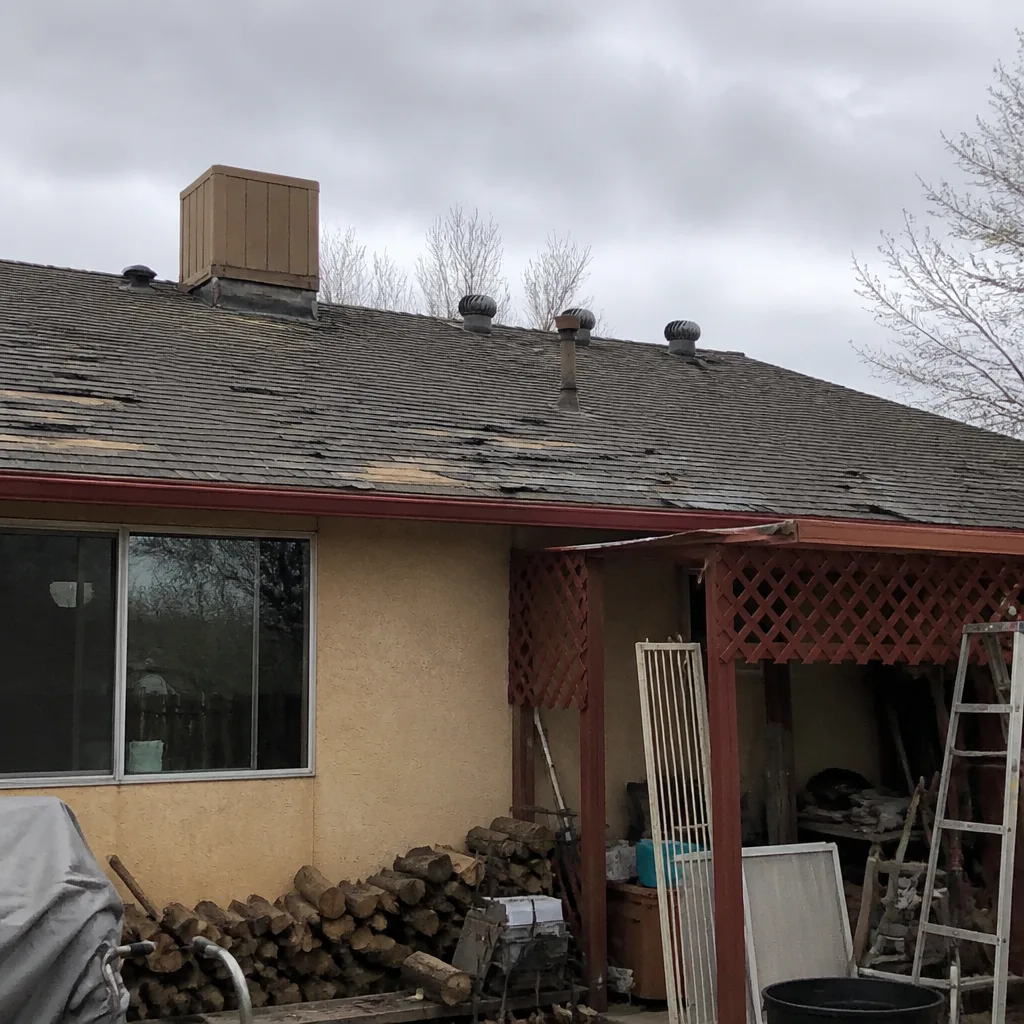 Before
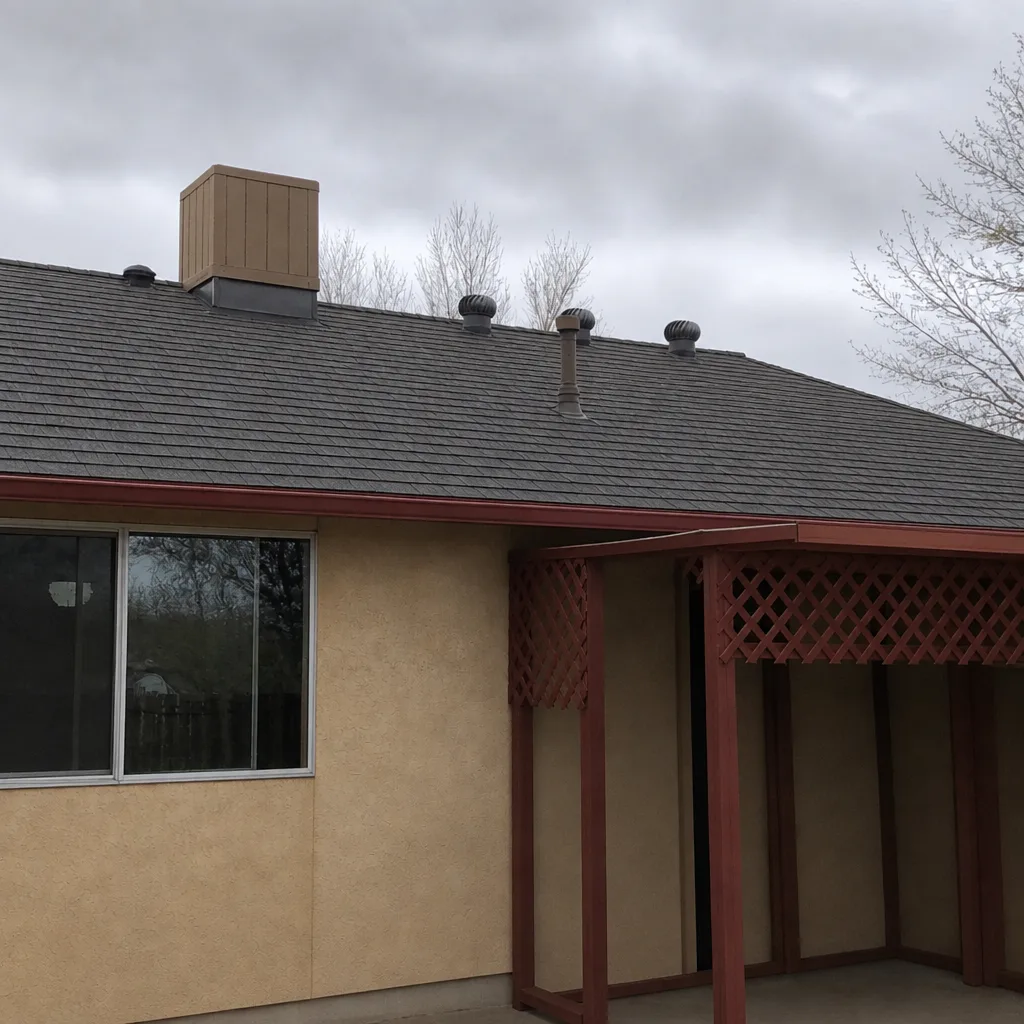 After
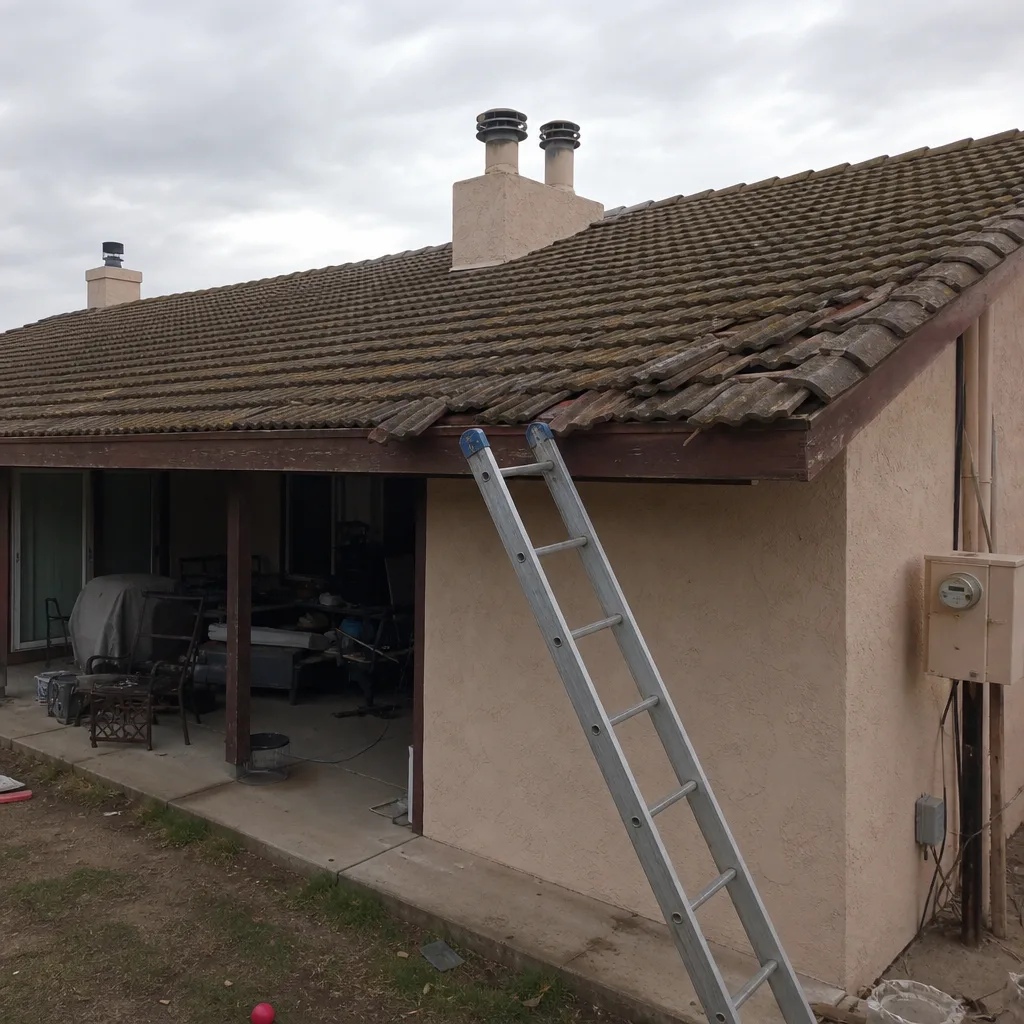 Before
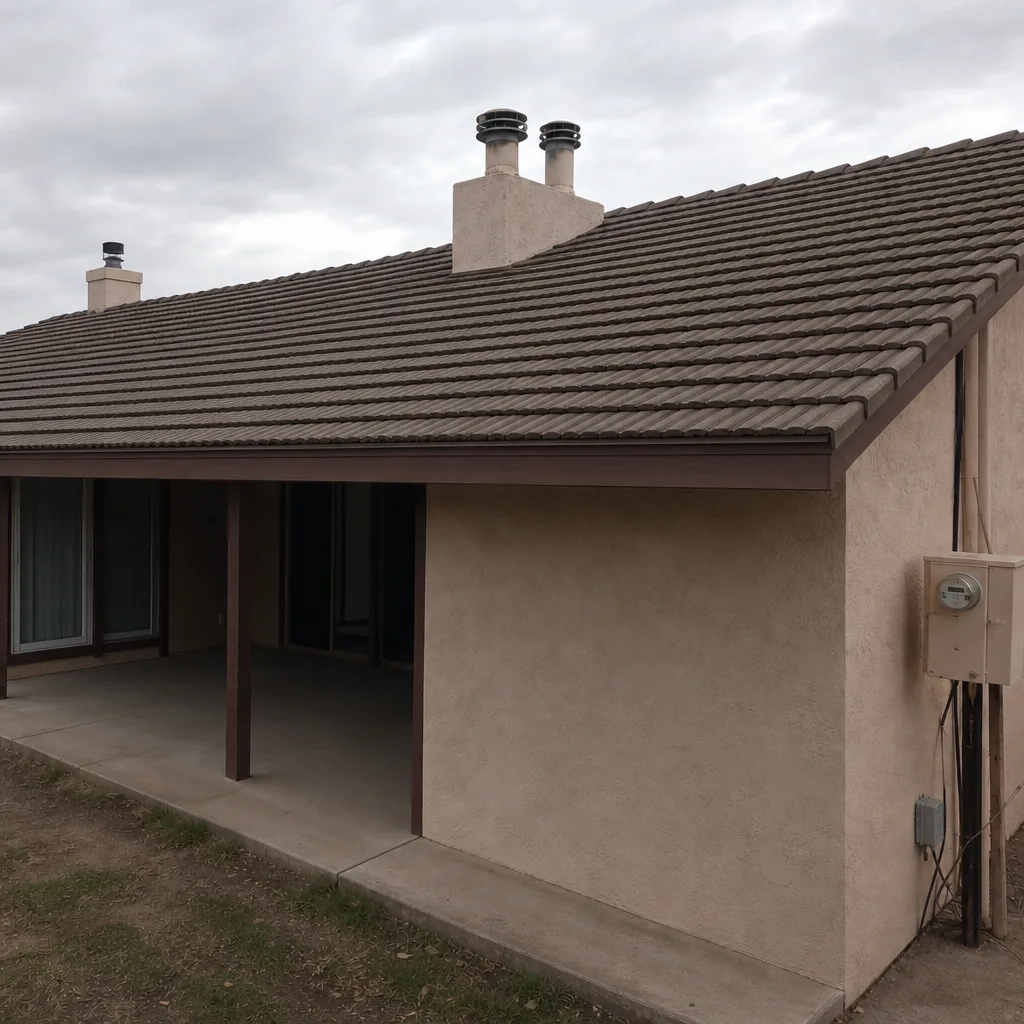 After
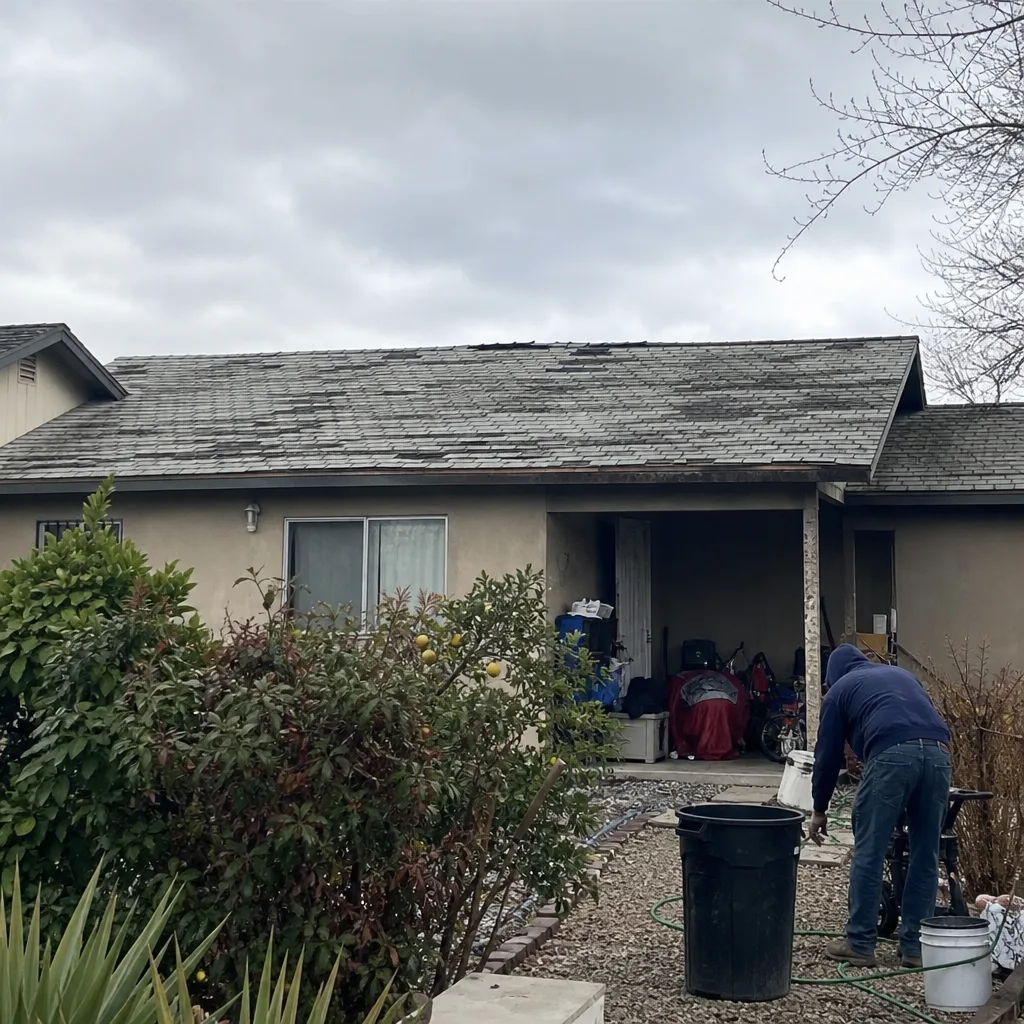 Before
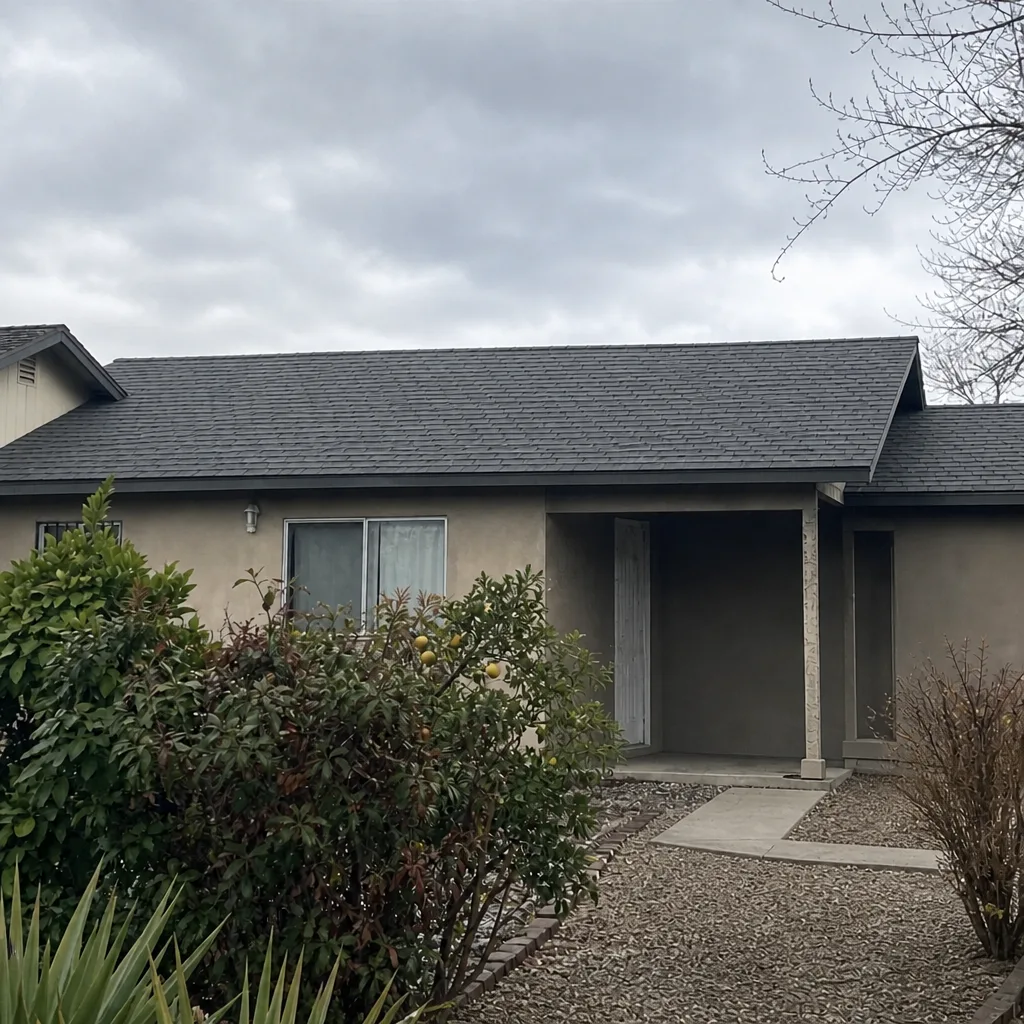 After
When to Call a Professional
Some roof situations genuinely need a trained eye and a licensed crew, not a weekend ladder climb. Call a professional immediately if: shingles have blown off and the deck is exposed; you see daylight through the roof deck from the attic; water is actively intruding during a storm; or you’re within 30 days of closing on a home sale and the inspection flagged the roof. High-pitch roofs, steep valleys, and any work that requires being on the surface during summer heat also fall into this category. Roofing is fall protection, not a chore – the injury rate is high for a reason. Ridgeline Roofing Co. Spring Valley offers free estimates in Spring Valley, backed by a written 90-Day Done Right Promise – call (855) 908-1590 and a live person will answer, day or night.
Frequently Asked Questions
Most single-family roof replacements in Spring Valley run $9,500 to $24,000, with the median around $13,000 to $18,000. The price is driven by square footage, roof pitch, number of valleys and penetrations, tear-off depth, and the material tier you choose. Deck repair discovered after tear-off can add to that range, which is why every legitimate bid carries a per-sheet allowance. Call (855) 908-1590 for an exact quote – estimates are free.
One to three days for most Spring Valley homes, weather permitting. HOA approval can add four to eight weeks before the crew is ever scheduled, and manufacturer lead times on certain colors add to that. The install itself is quick; the prep and paperwork are where the calendar lives.
Yes – most residential reroofs in Spring Valley require a permit from Clark County or the applicable jurisdiction, and a licensed contractor pulls it under their license. A contractor who suggests skipping the permit is telling you something. Insist on a pulled permit and passable inspection.
Only if hidden deck damage exceeds the per-sheet allowance in your written bid – and any addition should be documented with photos and signed off before work continues. Otherwise, the number on the estimate is the number on the invoice. No change orders without your written sign-off.
Age, number of active leaks, and the condition of the underlayment decide it. Roofs past 15 years in the Mojave sun with multiple active leaks usually tip toward replacement. A single isolated leak or one blown-off ridge cap section is often a repair. A photo-documented inspection on your actual roof – not a speech from the driveway – is the honest way to find out.
The workmanship on your installation. If something we installed isn’t right within 90 days, we come back and make it right – no arguing, no paperwork runaround. It’s a written guarantee on a single page, included in the bid packet. Call (855) 908-1590 to see it before you sign anything.
The Bottom Line
A roof replacement in Spring Valley is a decision that says more about the scope document than the shingle color. Ask for the seven line items. Verify the underlayment brand and heat rating by name. Put the deck-repair allowance in writing before the crew arrives. Start the HOA process in the same month you collect bids. And look for a contractor who plans to come back at 90 days, because that’s the moment the roof proves itself. Get all four of those right and you’ll have a roof that holds for the 20 to 30 years you intended. Get them wrong and you’ll be back at the beginning – with a sun-baked lesson to show for it.
If you’re ready to compare a real, line-itemed bid against what you’ve been handed this week, we’ll bring a free second opinion on any written estimate and walk the roof with you. Start at the Ridgeline Roofing Co. Spring Valley home page, or call (855) 908-1590 – a live person answers every time, day or night.
Written by the team at Ridgeline Roofing Co. Spring Valley.