
Last updated November 17, 2026
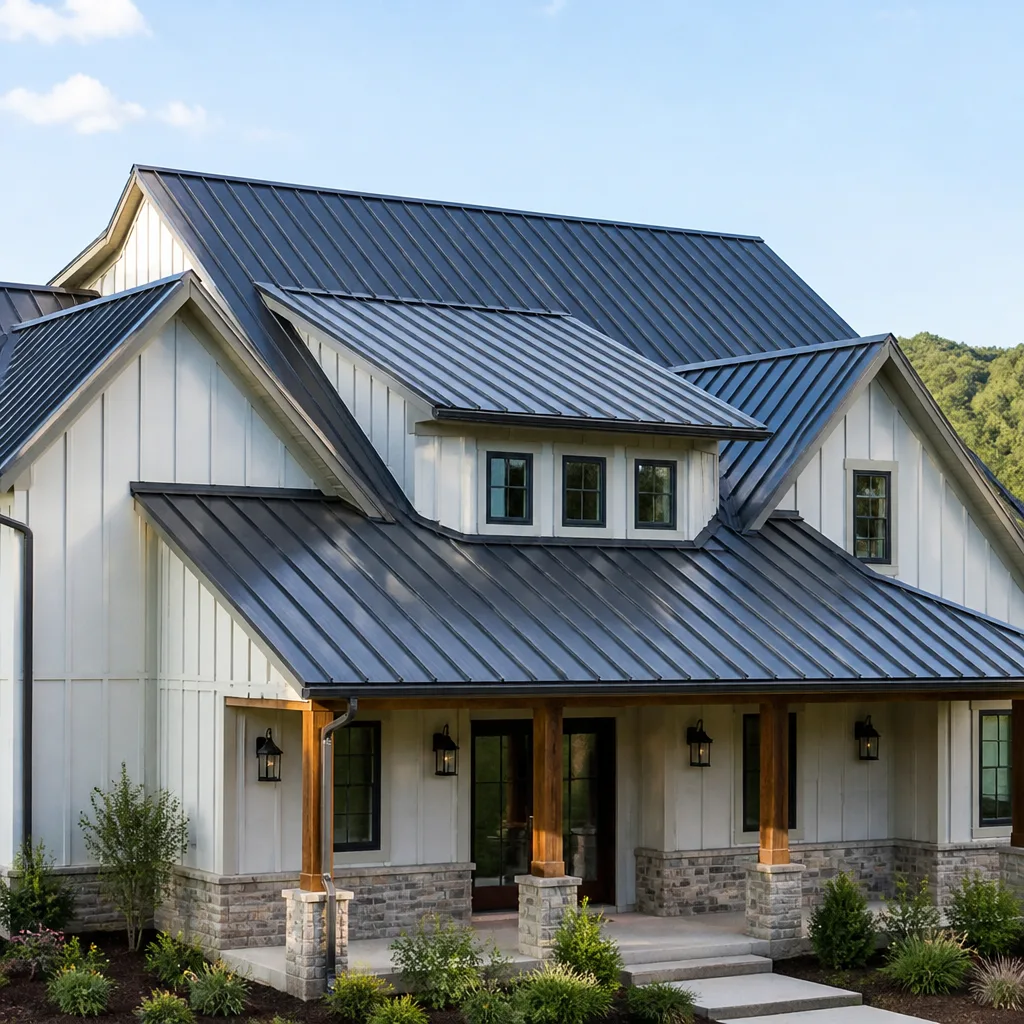 Metal roofing
 Architectural shingles
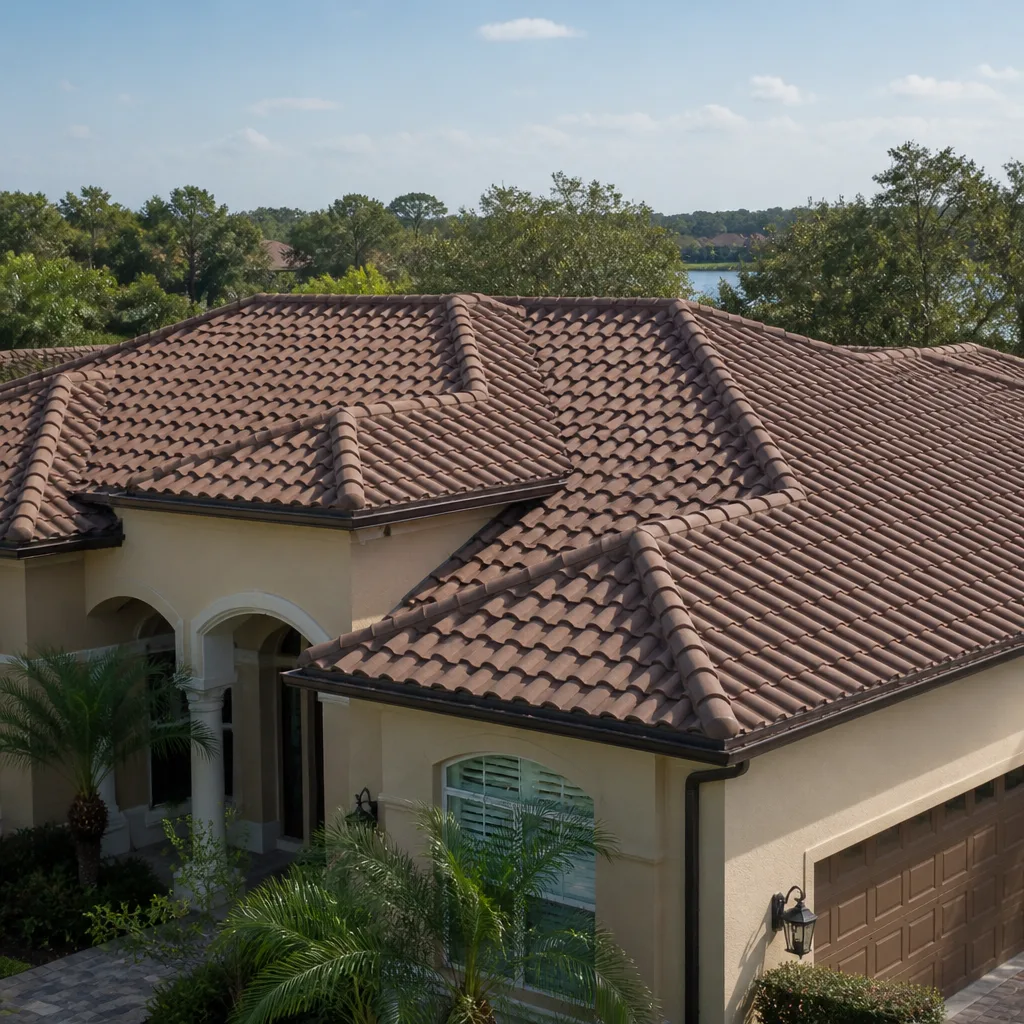 Tile roofing
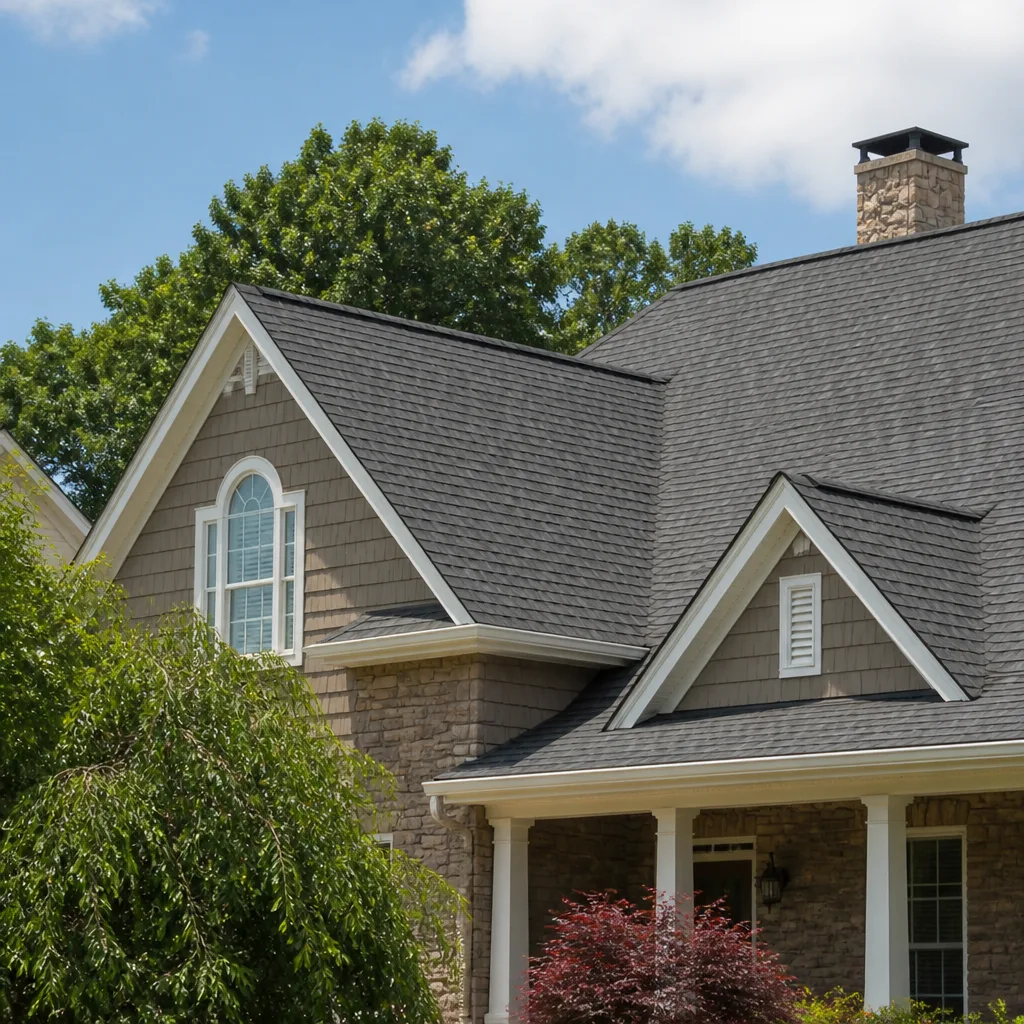 GAF
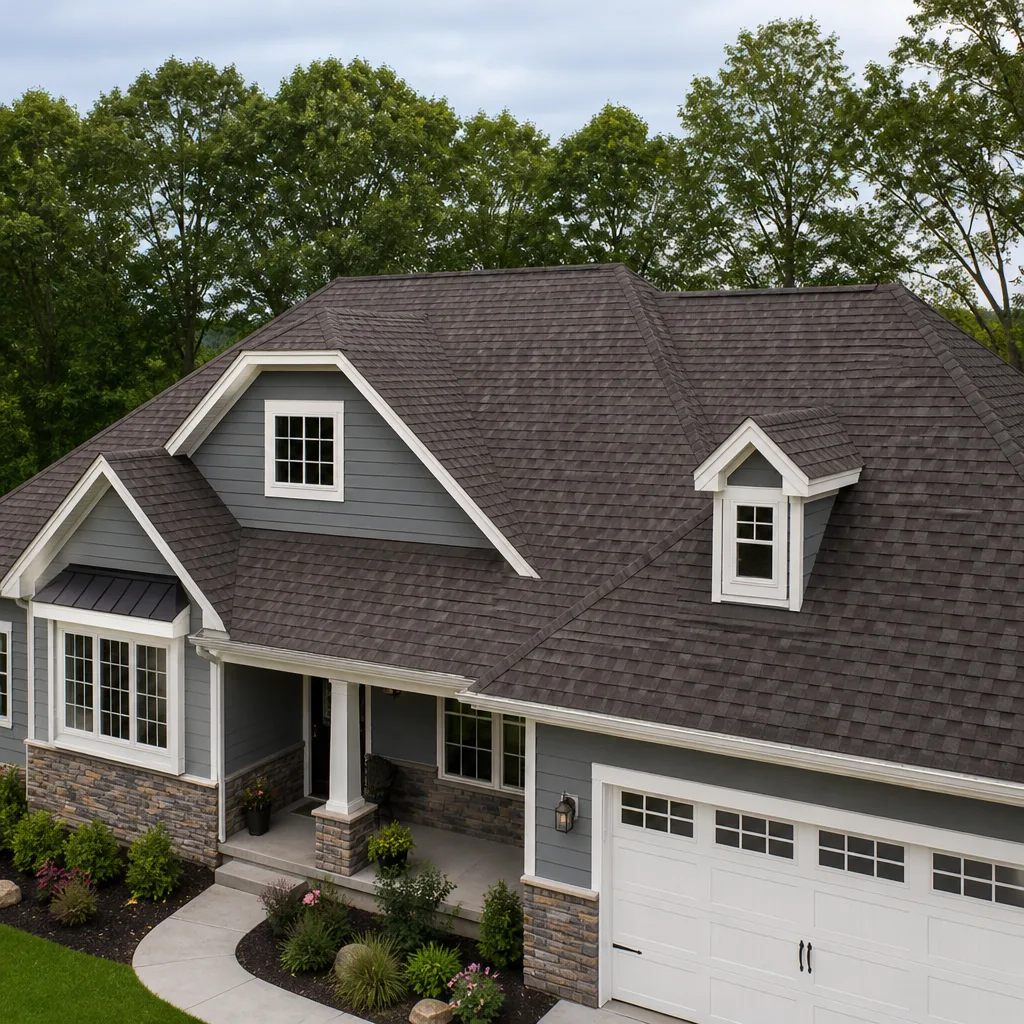 Owens Corning
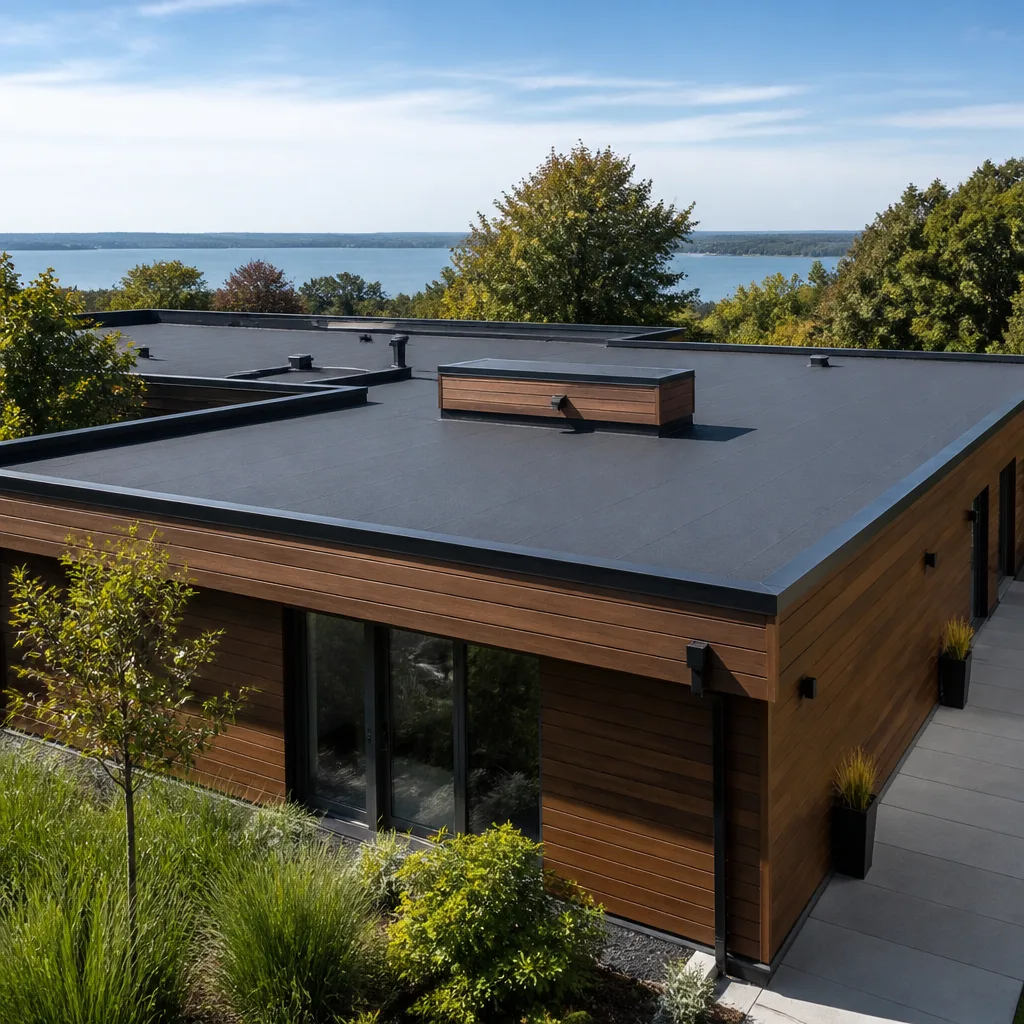 Flat & low-slope
Free roof inspection with deck photos before we talk money - GAF and Owens Corning certified installation
The Complete Specialty Roofing Guide for Spring Valley Homeowners
A clay tile roof that holds up for 50 years in coastal California can fail in 20 here in Spring Valley. Not because the tile is worse, but because the load it carries is different. The Las Vegas Valley puts a roof through a cycle most of the country never sees: months of sustained heat above 100°F, ultraviolet light that breaks down sealants and coatings, nights that drop 30 degrees or more, and rain that arrives in short, violent bursts instead of steady drizzle. Material choice only starts to matter once you understand how each system handles that cycle. This guide walks through tile, flat, and metal roofing as they actually behave in Spring Valley, so you can compare options on real ground.
Quick Answer
In Spring Valley, the specialty roofing materials that hold up best are those built for intense UV, big day-to-night temperature swings, and short high-intensity rain: concrete tile in the right grade, standing-seam metal with the correct panel profile, and flat systems like TPO or modified bitumen installed with climate-appropriate detailing. Material brand matters less than how the system is specified and installed for this climate. Concrete beats clay on sustained heat, metal needs room to expand and contract, and flat roofs live or die on their seams.
Styles & brands we work with
- Architectural shingles
- Metal roofing
- Tile roofing
- GAF
- Owens Corning
- Flat & low-slope
Table of Contents
- How Spring Valley’s Climate Stresses Every Roof
- Concrete Tile vs. Clay Tile in Sustained Heat
- Flat Roofing in the Desert: TPO and Modified Bitumen
- Metal Roofing and Thermal Expansion Math
- HOA Rules and Pre-Approved Products in Spring Valley
- A Step-by-Step Way to Choose Your System
- Keeping a Specialty Roof Alive in the Desert
How Spring Valley’s Climate Stresses Every Roof
Most roofing advice online is written for a generic American climate. Spring Valley doesn’t have one. The thermal cycling alone is enough to separate materials that look similar on a showroom sample. A roof surface can sit near 150°F on an August afternoon and drop toward 70°F by morning, and that swing repeats for months. Materials expand, contract, and expand again, and every joint, fastener, and sealant takes the strain.
Layer in the UV load. Southern Nevada gets more sun hours than almost anywhere in the country, and UV doesn’t just fade a roof; it degrades the chemistry of sealants, adhesives, and coatings until they crack. Meanwhile, annual rainfall is low, but when it comes it comes hard and fast, sometimes in flash-flood bursts that find every weak seam on a flat roof.
- UV intensity: breaks down sealants, elastomeric coatings, and plastic components faster than in milder climates.
- Diurnal swing: daily expansion and contraction works fasteners and seams loose over time.
- Low rain, high intensity: short, heavy events test drainage and seam integrity rather than steady saturation.
- Wind-driven dust: grit finds its way into laps and valleys, and ponding water carries it into drains.
In our experience across Spring Valley, the roofs that fail early aren’t cheap materials – they’re materials specified for the wrong climate. A tile chosen for coastal performance, a flat system installed without desert detailing, or a metal panel bolted down without allowance for movement. If you’re weighing repair against replacement, Roof Repair in Spring Valley can often extend the life of a system that only needs a climate-appropriate fix.
Concrete Tile vs. Clay Tile in Sustained Heat
Tile is the most common specialty roof you’ll see around Spring Valley, and the concrete-versus-clay question comes up constantly. The answer is less about brand than about how each material behaves when the thermometer sits above 100°F for weeks at a stretch.
Concrete tile is dense and holds heat well. That’s a double edge: it takes longer to heat up and longer to cool, which spreads out the daily swing but also means the roof stores heat into the evening. In sustained heat, concrete handles it well when the tile is properly graded and the underlayment beneath it is rated for high-temperature service. Grading matters more than the name on the pallet. A low-grade tile that absorbs more moisture or has poor freeze-thaw resistance will spall and crack faster, even if it’s from a respected line.
Clay tile has a natural advantage in UV stability and color retention, and it sheds heat quickly. But in the Spring Valley climate, clay’s brittleness under thermal shock and its higher cost change the calculation. For most homeowners here, a well-specified concrete tile installed over a heat-rated underlayment delivers the best balance of durability and value.
- Check the grade, not just the brand: ask for the tile’s absorption and freeze-thaw ratings before you compare prices.
- Underlayment is the real roof: on tile systems, the membrane beneath is what keeps water out; specify one rated for desert heat.
- Color and reflectivity: lighter tiles with a reflective finish can cut heat gain on the roof deck noticeably.
- Fastening detail: tiles must be fastened to allow slight movement; rigid attachment cracks tiles as the deck moves.
If you’re replacing tile rather than repairing it, Roof Replacement & Installation in Spring Valley covers how we specify the system from deck to ridge.
Flat Roofing in the Desert: TPO and Modified Bitumen
Flat and low-slope roofs are common on carports, patio covers, and second-story additions in Spring Valley, and they’re where we see the most avoidable failures. Two systems dominate: TPO (thermoplastic polyolefin) membrane and modified bitumen. They age very differently under five Vegas summers.
TPO is a single-ply membrane, usually white or light-colored, that reflects sun well and handles UV better than older rubber roofs. Its weak point is the heat cycling at seams and penetrations. Field-welded seams, done right, hold up; seams that were hand-primed or rushed are where the failures show up first. After five summers in Spring Valley, the seam failure rate on poorly installed TPO is high enough that we now inspect seams on every flat-roof call before quoting anything else.
Modified bitumen is a rolled asphalt product with a modifier added for flexibility. It survives desert heat reasonably well but is more vulnerable to UV degradation over time and needs a reflective coating or cap sheet to last. Its seams are the same story: the lap is the weak point, and UV and thermal movement work it loose.
- Walk the seams first. On any flat roof in Spring Valley, the seams tell you the truth about installation quality.
- Check the coating or cap sheet. Bare modified bitumen ages fast; a proper coating slows it down.
- Look for ponding. Desert flash rain finds low spots. Standing water is a leak waiting to happen.
- Confirm drainage and scuppers. Clogged drains in a heavy rain event can back water under the membrane within minutes.
Our flat-roof work falls under Specialty Roofing in Spring Valley, where we scope TPO and modified bitumen systems with the climate at the center of the specification.
Metal Roofing and Thermal Expansion Math
Metal is arguably the best long-term answer to the Spring Valley climate, provided the panel is specified for movement. That’s the part most homeowners never hear about. Metal expands and contracts with temperature, and the numbers are real. A 24-gauge steel standing-seam panel moves roughly one-eighth of an inch per 10 feet over a 100°F swing – and a Spring Valley swing between a 45°F winter night and a 115°F July afternoon exceeds that.
Multiply that movement across a long roof run and you see why panel profile matters. A standing-seam panel with concealed fasteners and properly designed clips allows the metal to move. A through-fastened corrugated panel, screwed down every couple of feet, fights that movement at every fastener, and eventually the holes elongate and the seals fail. In Spring Valley, we specify standing seam with clips for exactly this reason.
- Profile: standing seam with concealed fasteners and expansion clips handles the swing; through-fastened panels are a compromise.
- Gauge and coating: a heavier gauge and a quality finish handle UV and hail better.
- Color: lighter, reflective finishes cut heat gain and reduce the roof’s surface temperature.
- Attic ventilation: metal sheds heat into the attic, so ventilation detail matters as much as the panel.
A well-installed standing-seam metal roof is one of the few systems that comfortably outlives the homeowner’s remaining decades. We’re authorized to install several manufacturer lines, including Owens Corning and IKO underlayments and accessories that pair with metal systems. If metal is on your short list, Ridgeline Roofing Co. Spring Valley home is a good place to start the conversation about which system fits your home.
HOA Rules and Pre-Approved Products in Spring Valley
Many Spring Valley communities have HOA architectural review requirements, and specialty roofing is where homeowners get tripped up. An HOA can dictate material, color, profile, and sometimes the exact product line. Before you buy a single tile or panel, get the CC&R language in writing.
The good news is that many local HOAs maintain a pre-approved product list. Tile colors, metal profiles, and flat-roof membranes are often spelled out. If your chosen material isn’t on the list, you’ll likely need an architectural review application with product specs and a color sample. That process can take anywhere from a couple of weeks to a couple of months depending on the community’s schedule.
- Request the CC&R roofing section. Get the actual language, not a neighbor’s recollection.
- Ask for the pre-approved product list. Many Spring Valley HOAs keep one; use it as your starting point.
- Submit the architectural review packet with samples. Product literature and a physical color sample speed approval.
- Get approval before materials are ordered. Ordering first and asking later leads to removal and rework.
We can supply the product specifications and samples your HOA needs as part of a written estimate, so the review process doesn’t stall the project. That’s part of a square deal: the price we quote is the price you pay, and no surprises at the review stage.
A Step-by-Step Way to Choose Your System
When homeowners ask us how to compare tile, flat, and metal, we suggest a sequence rather than a shopping list. Material choice is the last step, not the first.
- Look at the roof’s purpose. A sloped main roof, a low-slope carport, and a patio cover call for different systems.
- Assess the existing deck and structure. Tile is heavy; not every deck or framing was built to carry it. Metal and flat systems have different weight profiles.
- Check HOA and code requirements. Spring Valley HOA rules and local permitting can eliminate options before you fall in love with them.
- Match material to climate detail. Concrete tile over a heat-rated underlayment, standing-seam metal with clips, or TPO/modified bitumen with careful seam detailing.
- Get a written, line-item estimate. Not a lump-sum number on a business card. You want materials, labor, underlayment, and cleanup spelled out.
- Confirm the workmanship guarantee. Ours is the 90-Day Done Right Promise: a written guarantee that if anything isn’t right, we come back and make it right, no arguing.
This is where a photo-documented inspection helps; we photograph from the actual roof, not the driveway, so the estimate reflects what’s really up there.
Keeping a Specialty Roof Alive in the Desert
Specialty roofs in Spring Valley don’t need much, but they need the right things at the right time. The common thread is watching the components that UV and thermal cycling attack first: sealants, flashings, underlayment, and seams.
- Tile: check for cracked or slipped tiles after windy events, and keep the valleys and birdstops clear of debris.
- Flat: inspect seams, coating, and drains once a year, ideally before the rainy season; touch up coating where it’s worn.
- Metal: check fasteners and gaskets on any penetrations, confirm clips are free to move, and clear debris from valleys.
- All systems: have flashings and pipe boots inspected, since they age faster than the field of the roof.
A seasonal tune-up is one of the four standing offers we run; our background-checked, uniformed technicians can inspect and document what they find so you have a record. If something needs attention, you’ll know before it becomes a leak.
Common Mistakes to Avoid
- Comparing materials without regards to climate. A product that wins on a showroom sample may lose after three Spring Valley summers. Specify for the climate, not the brochure.
- Choosing tile by brand alone. Grade and underlayment quality drive performance more than the name on the pallet.
- Skipping the HOA pre-approval step. Ordering materials before architectural review can mean paying twice for a roof.
- Bolting a metal panel down tight. Through-fastened panels fight the thermal swing; standing seam with clips moves with it.
- Ignoring flat-roof seams. The seams are where desert flat roofs fail, and they fail fast when installation was rushed.
- Accepting a lump-sum quote with no line items. Written, itemized pricing is how you compare apples to apples and know what the work actually includes.
- Using a storm-chasing outfit. Out-of-town crews won’t be around to honor a workmanship guarantee after they’ve moved on. A community-rooted contractor who plans to be here in thirty years is the better bet.
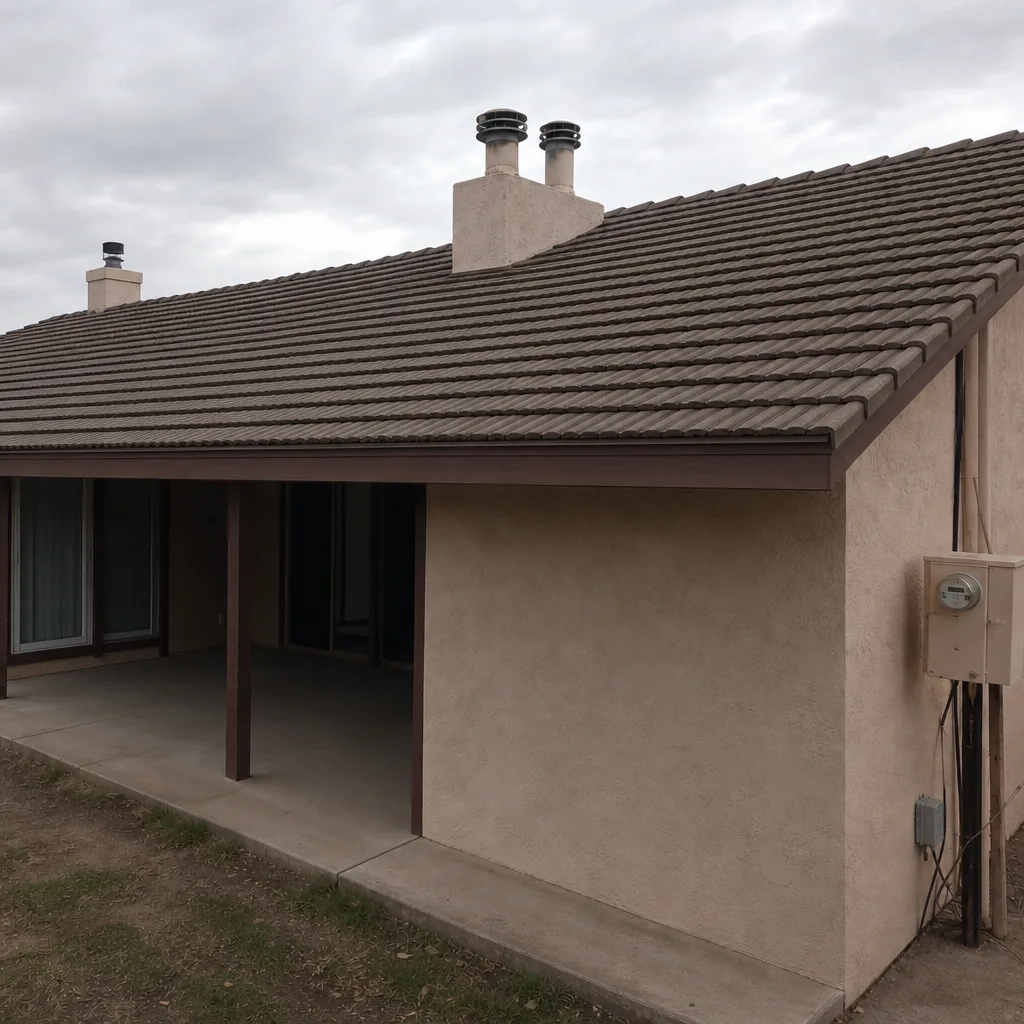
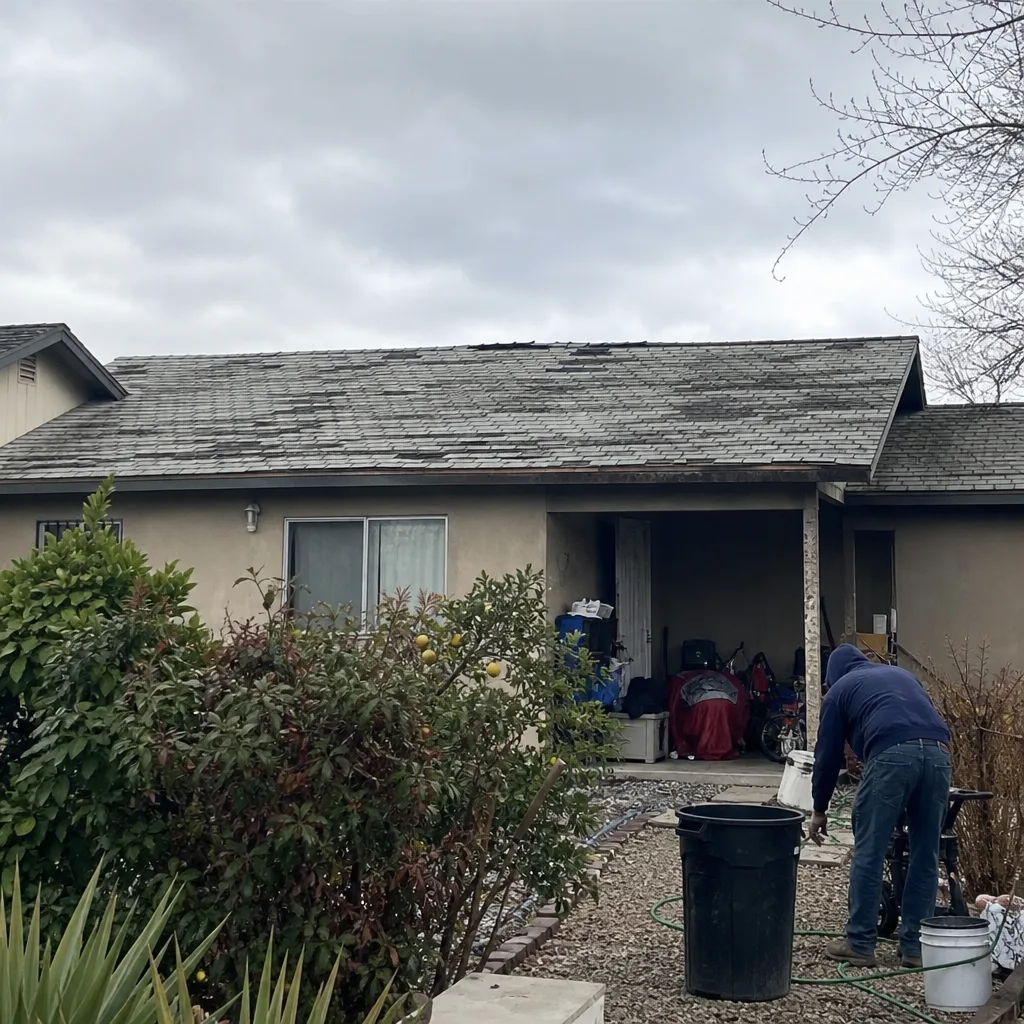
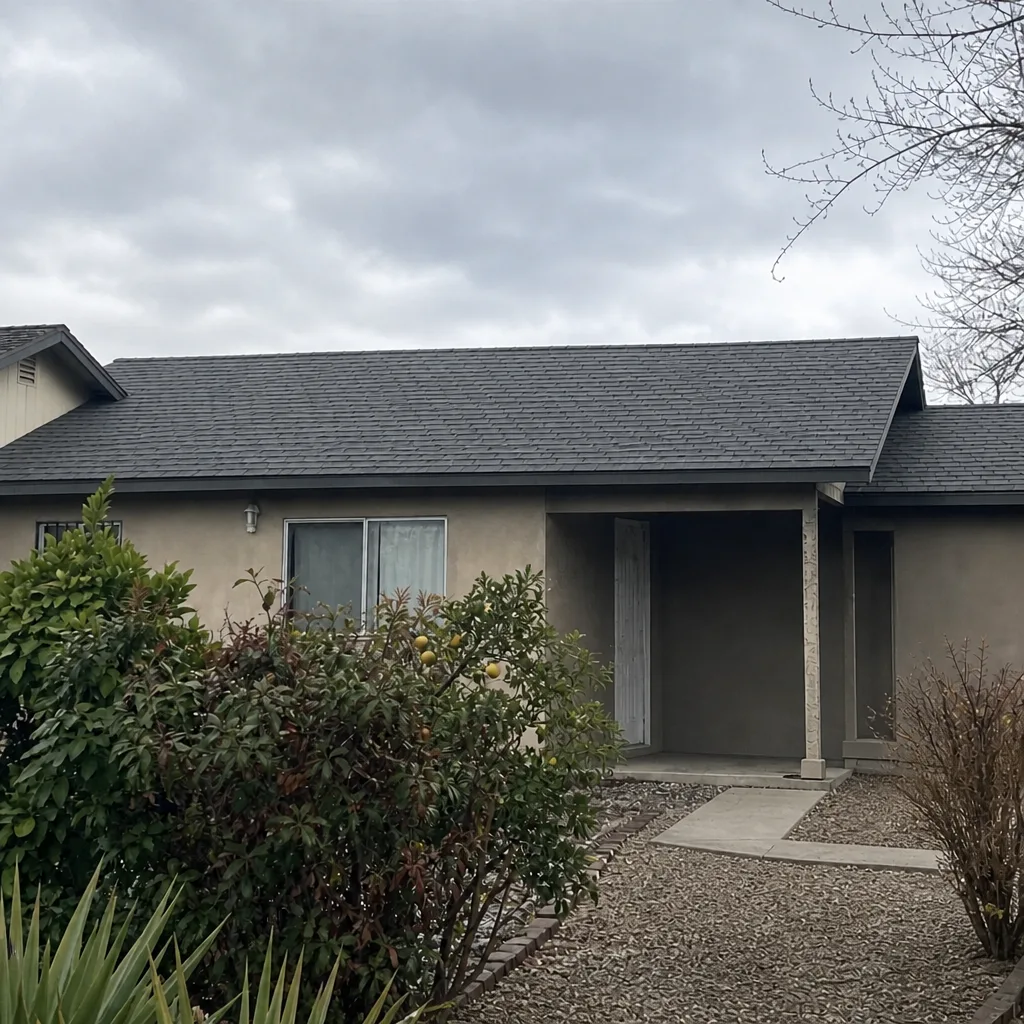
See the difference
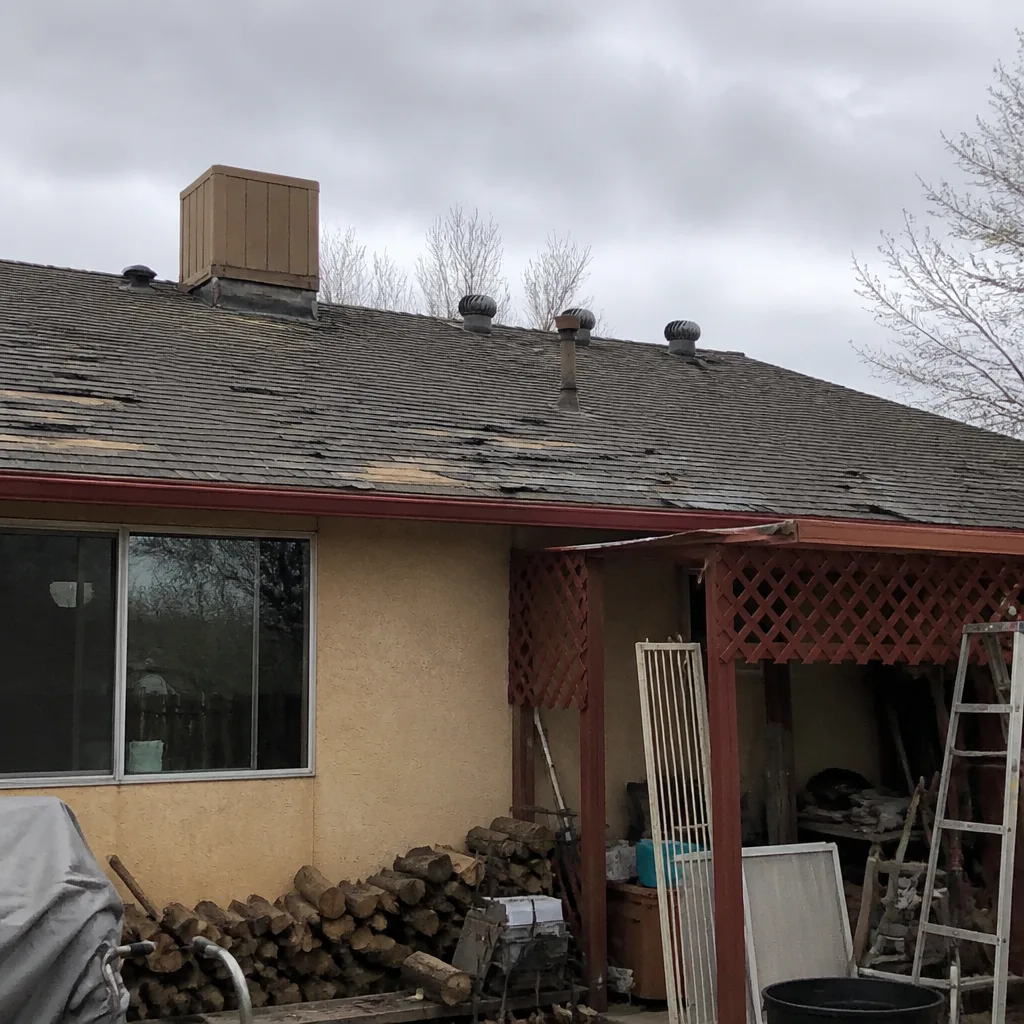 Before
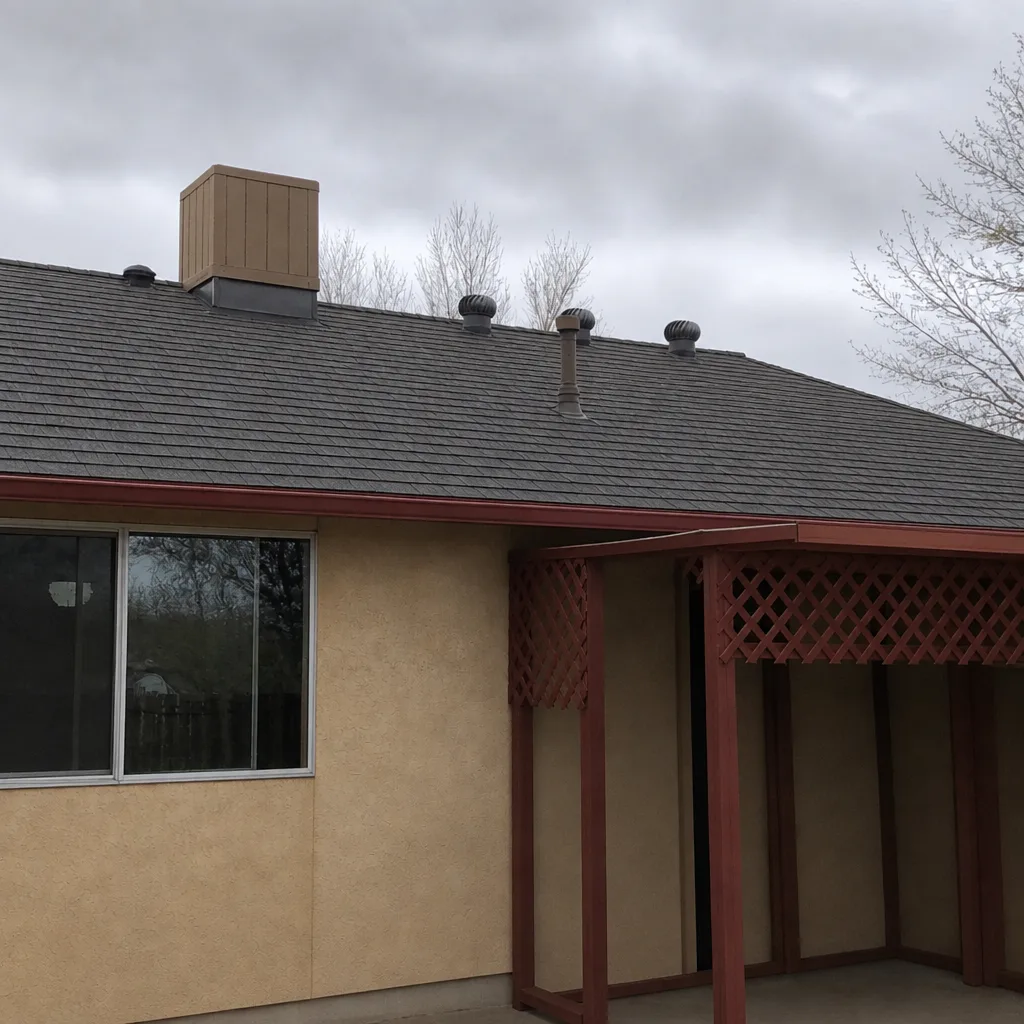 After
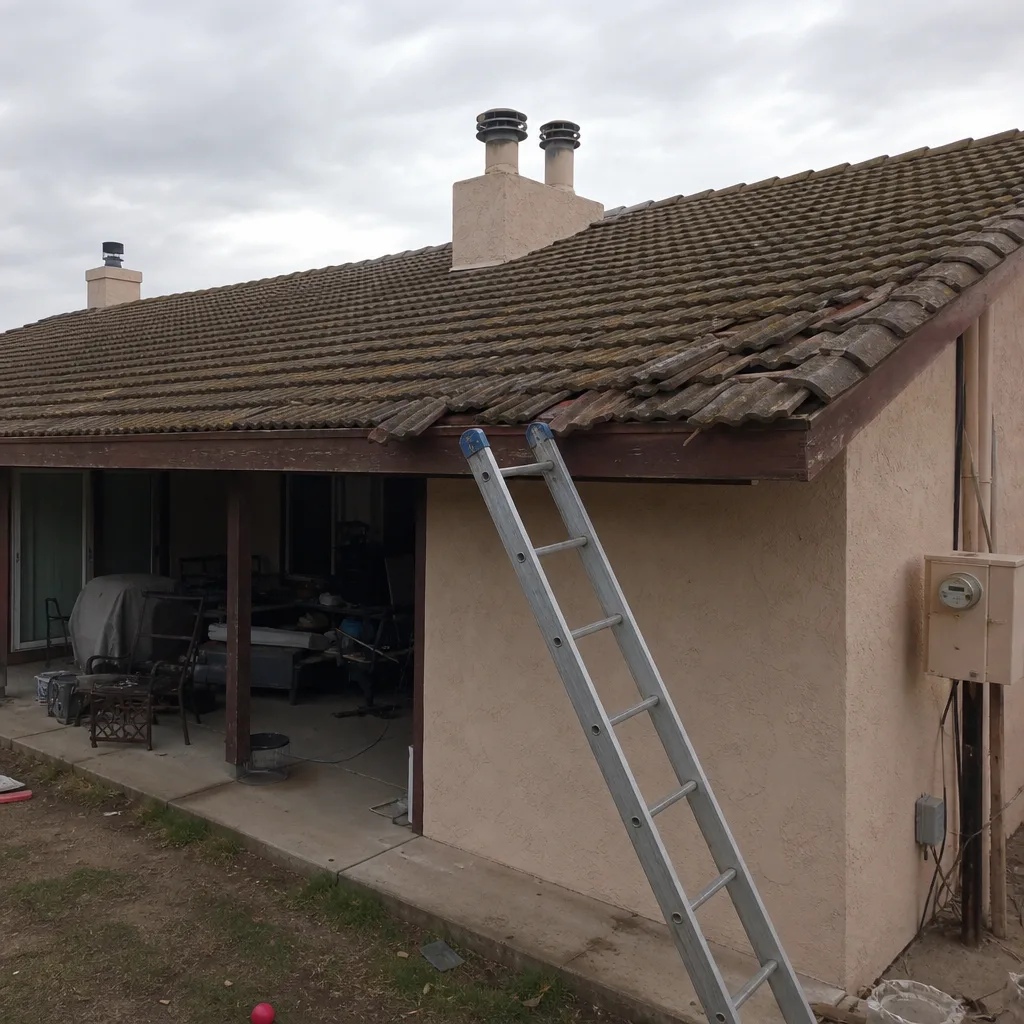 Before
 After
 Before
 After
When to Call a Professional
Some jobs are worth a look from the ground, and some genuinely need a trained eye on the roof. Call a professional when you see cracked or missing tiles, a metal panel that’s lifted or lost fasteners, a flat-roof membrane that’s bubbling or separating at seams, or water stains on an interior ceiling after a heavy rain. The same goes for any roof over ten years old that’s never been inspected, and any situation where you’re on a ladder at the edge of the roof – steep-roof work and height work are not a do-it-yourself task. Specialty roofing systems also have details that only show up on the roof itself, and a photo-documented inspection catches small problems before they become expensive ones. Ridgeline Roofing Co. Spring Valley offers free estimates in Spring Valley – call (855) 908-1590 to schedule a time, and a live person will answer whether it’s a weekday or a weekend night.
Frequently Asked Questions
For sloped roofs, well-graded concrete tile over a heat-rated underlayment is the most reliable balance of durability and value in Spring Valley, while standing-seam metal is the longest-lived option; for flat roofs, TPO with properly welded seams is the better-performing choice. The right answer depends on your roof’s slope, structure, and HOA rules. Call (855) 908-1590 for a free, photo-documented estimate – the number on the estimate is the number on the invoice.
Repair is often enough if the tile field is intact and the problem is confined to a few cracked tiles, flashings, or pipe boots; replacement makes more sense when the underlayment beneath the tile has aged out, which usually shows up as multiple interior leaks or widespread tile slippage. On tile roofs, the underlayment is the real waterproofing layer, so its condition drives the decision. Call (855) 908-1590 for a free second opinion on any written estimate before you commit.
Yes, provided the panel is a standing-seam design with concealed fasteners and expansion clips that let the metal move through the thermal swing. Through-fastened corrugated panels should be avoided in Spring Valley’s climate unless they’re installed with movement allowance, since the fasteners otherwise elongate and seals fail. Call (855) 908-1590 for a quote on a metal system specified for this climate.
Flat roof failures here usually trace to seam detailing, not the membrane itself; UV and daily thermal cycling work the laps loose, and short high-intensity rain tests them all at once. Poorly installed TPO seams can fail within five summers, and bare modified bitumen ages quickly without a reflective coating. Call (855) 908-1590 for an inspection that starts with your seams.
Likely yes if your Spring Valley community has architectural review requirements; many HOAs dictate material, color, and profile and keep a pre-approved product list. Request the CC&R language and get approval in writing before ordering materials. We can supply the product specifications and samples your HOA needs as part of our estimate – call (855) 908-1590 to start.
Most specialty roofing installations we quote take multiple days, depending on roof size, system, and HOA scheduling; nobody installs a tile or metal roof in an afternoon, and a rushed job is where the failures hide. You’ll get a written timeline with your estimate. Call (855) 908-1590 – estimates are free and the pricing is upfront.
The Bottom Line
In Spring Valley, specialty roofing decisions come down to climate before material. Intense UV, extreme day-to-night temperature swings, and short, violent rain events put each system under a different load – so a well-graded concrete tile over a heat-rated underlayment, a standing-seam metal panel with room to move, or a TPO flat roof with carefully welded seams all outperform the same materials specified for another climate. Check your HOA rules first, insist on a written line-item estimate, and pick a contractor who will be here to honor the workmanship guarantee. Done right – and if it’s not, we make it right.
If you’re ready to price a specialty roof for your Spring Valley home, call Ridge Line Roofing Co. Spring Valley at (855) 908-1590 for a free estimate. Our phones are staffed by a live person, and our Specialty Roofing in Spring Valley team can walk you through the options with a photo-documented inspection of your actual roof.
Written by the team at Ridge Line Roofing Co. Spring Valley.