
Last updated November 17, 2026
 Architectural shingles
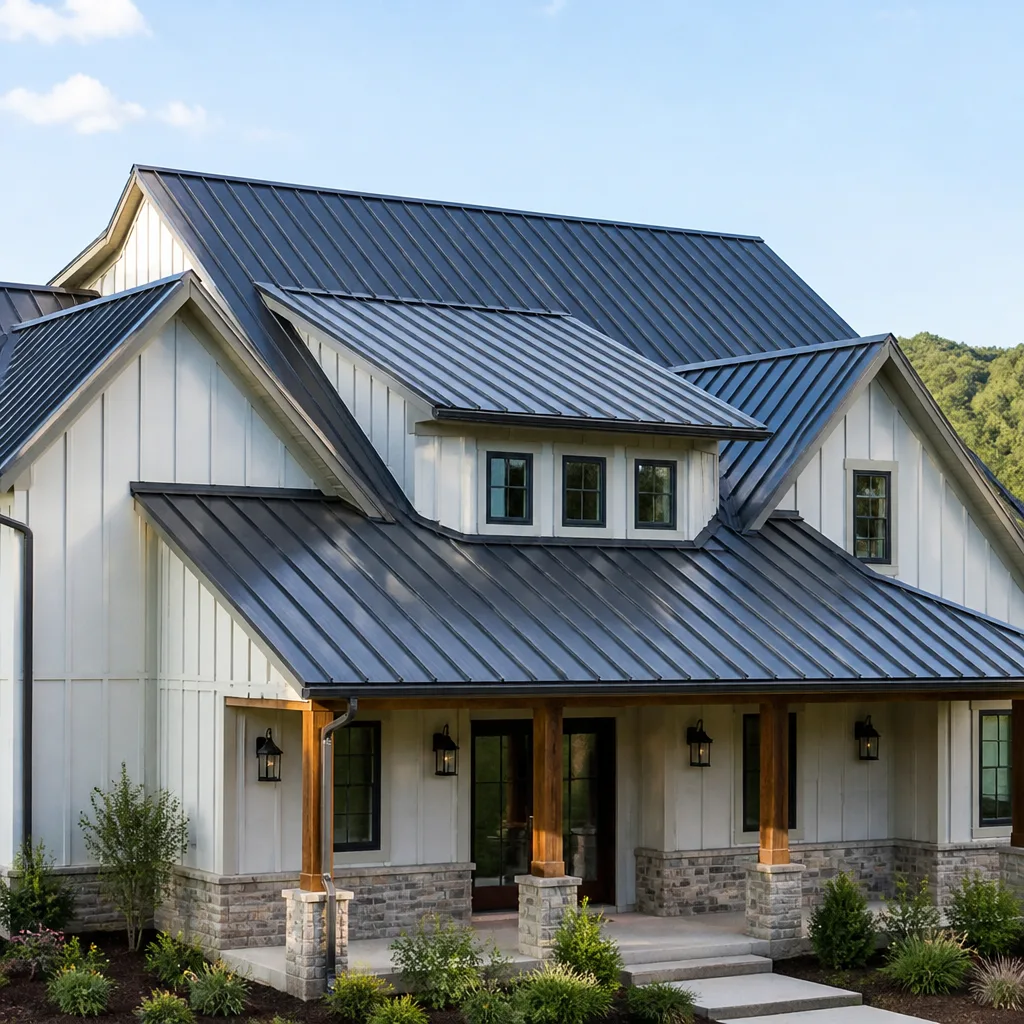 Metal roofing
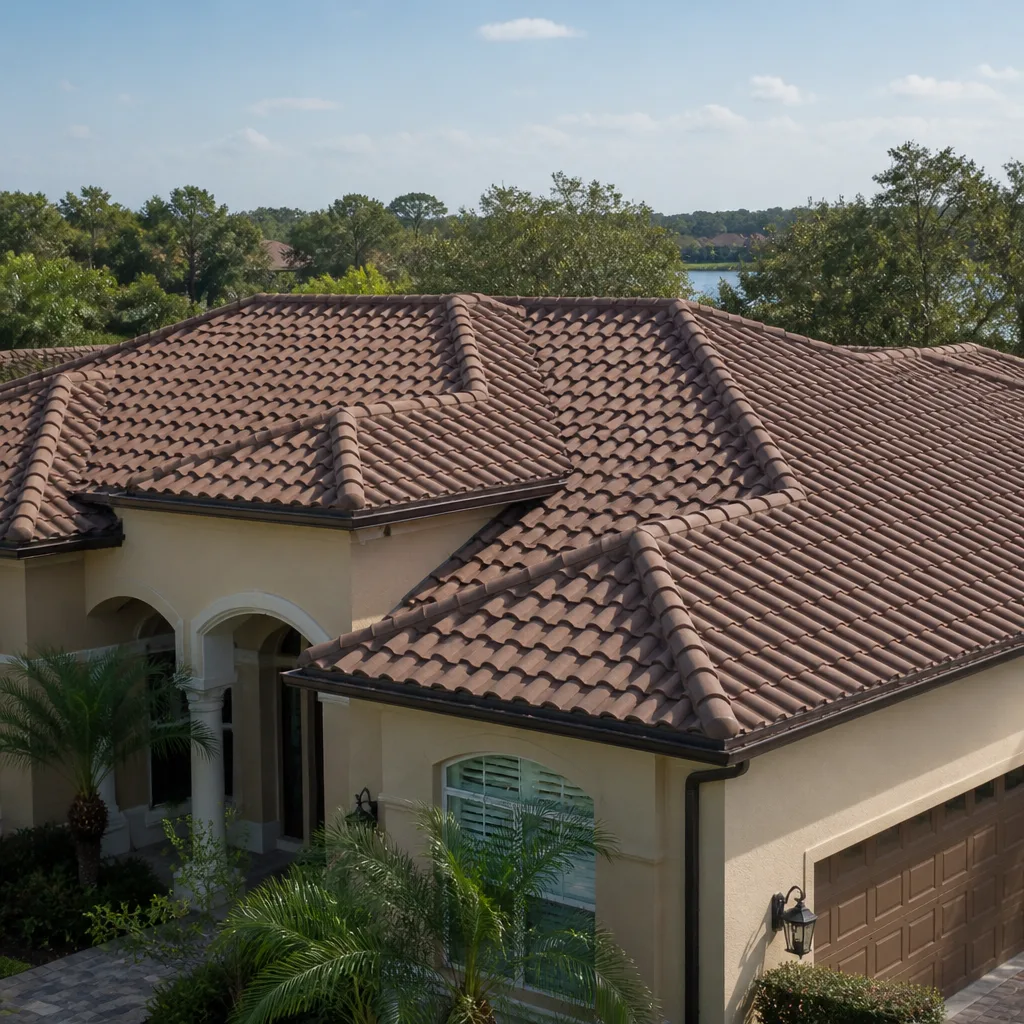 Tile roofing
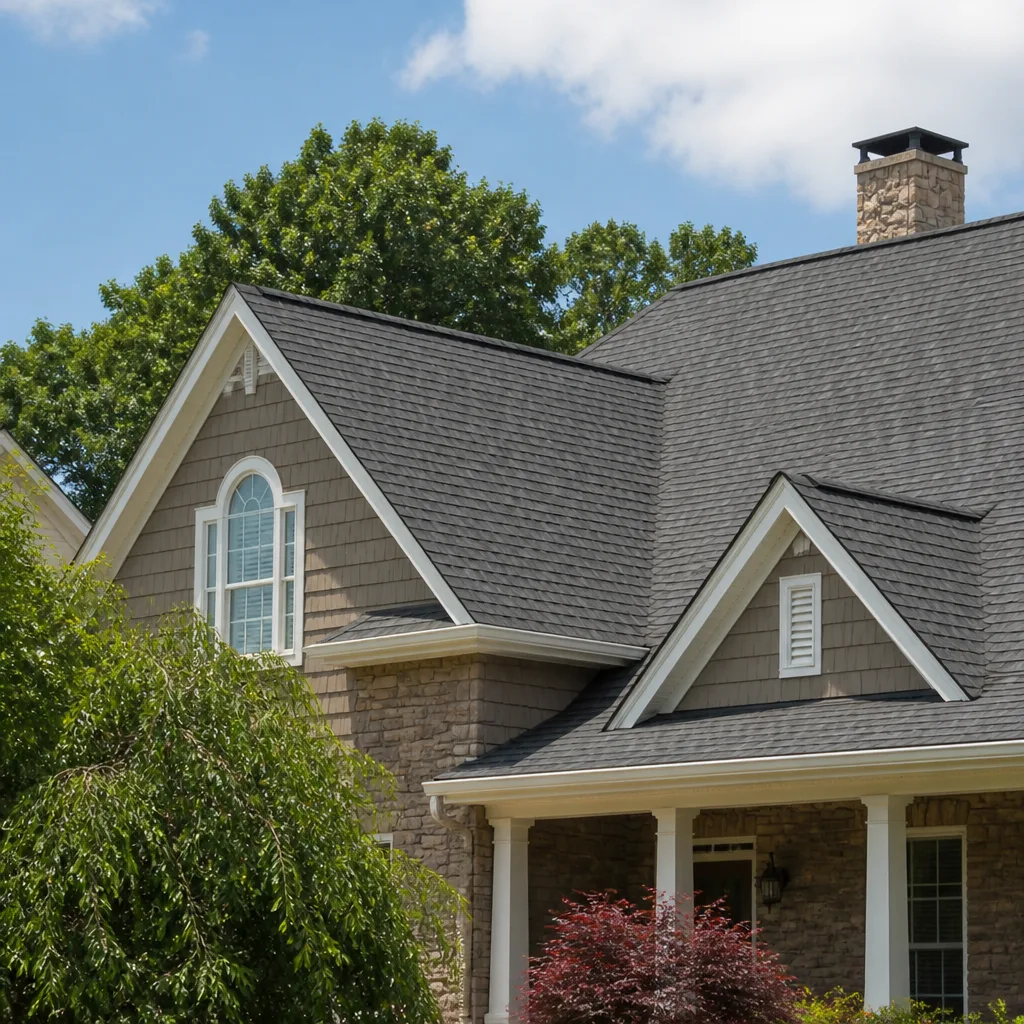 GAF
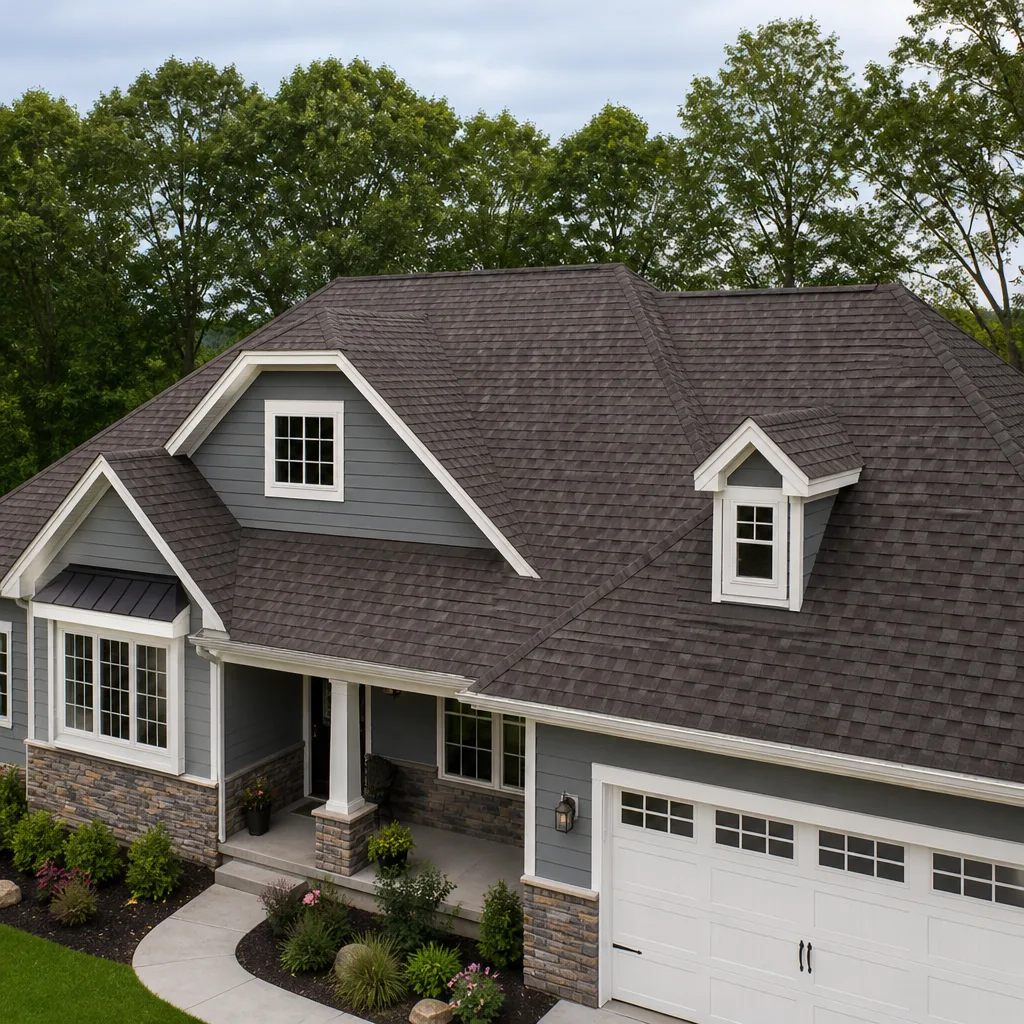 Owens Corning
 Flat & low-slope
Free roof inspection with deck photos before we talk money - GAF and Owens Corning certified installation
How Long Does Roof Replacement & Installation Take? Timelines and What to Expect
A crew that brags about finishing your roof in four hours is telling you more about their business model than their workmanship. In 100°F Nevada heat, the adhesive strip on a shingle needs time to bond, and crews that skip that step leave you with shingles that lift in the first good wind. We’ve seen it in Spring Valley plenty of times: a roof installed in a single frantic day, then a homeowner calling us two summers later because the ridge caps are flapping. This guide walks through the honest, phase-by-phase timeline for a real replacement, why Spring Valley’s climate changes the schedule, and what’s happening on your roof between the dumpster arriving and the final sweep.
Quick Answer
A typical asphalt shingle roof replacement on a standard Spring Valley home takes one to two working days, and larger or steeper roofs often run two to three. Tear-off usually eats the first four to six hours, and the rest is decking inspection, underlayment, shingles, flashing, and final cleanup. Heat, roof complexity, and hidden damage are the three things that legitimately move that number, and none of them mean the crew is slow.
Styles & brands we work with
- Architectural shingles
- Metal roofing
- Tile roofing
- GAF
- Owens Corning
- Flat & low-slope
Table of Contents
- Why the Honest Timeline Is Longer Than You’ve Been Told
- How Las Vegas Valley Heat Affects Shingle Installation
- The Phase-by-Phase Breakdown, With Hour Ranges
- What You Should See on Day One vs. Day Two
- What Legitimately Extends a Job (and What’s a Scheduling Failure)
- Why a Two-Day Job on a Larger Home Isn’t a Red Flag
- What a Roof Replacement Costs in Spring Valley
- Common Mistakes to Avoid
Why the Honest Timeline Is Longer Than You’ve Been Told
Roofing bids are won on speed. If one contractor says one day and another says two, the one-day bid looks better on paper, and plenty of homeowners in Spring Valley have signed on that basis and regretted it. The problem is that a rush schedule pushes a crew to lay shingles faster than the material wants to be laid. Adhesive strips need to soften and set, and in Spring Valley’s summer heat they soften fast but take time to cure before the next wind event tests them.
There’s also the small matter of the deck. A roof that’s been baking in Nevada sun for twenty years hides surprises: soft sheathing, popped nails, a valley that was never flashed correctly. A crew that plans two days can stop and fix a soft section of decking without derailing the whole job. A crew that plans one day cannot, so they shingle over it. We’ve pulled shingles off Spring Valley roofs and found rot somebody else covered up, and that’s a conversation no homeowner wants to have.
The longer timeline isn’t padding. It’s the difference between a roof that lasts its full manufacturer warranty and one that gets a callback visit from the same crew that rushed it.
How Las Vegas Valley Heat Affects Shingle Installation
Spring Valley regularly sees summer days above 110°F, and that heat changes how shingles behave. Asphalt shingles are manufactured with a self-sealing adhesive strip on the back. Once the roof is installed, the sun heats that strip until it bonds the shingle above it to the one below. That bond is what keeps shingles from lifting in a windstorm. In cool climates, crews sometimes worry about the strips sealing at all. Here, they seal aggressively.
That sounds like a good thing, and it mostly is. But it means installation timing matters in ways homeowners don’t expect. If the shingles sit on the roof in direct sun for hours before they’re nailed down, the adhesive can soften and smear, and the finished roof doesn’t bond as cleanly. Smart crews in Spring Valley schedule installation for cooler morning hours, keep bundles stacked in shade, and don’t lay more rows than they can nail before the sun climbs. That discipline takes time, and it’s one reason a two-day schedule is standard on larger roofs.
Manufacturer installation instructions from Owens Corning, IKO, Atlas, and others all specify temperature ranges and handling practices. We install to those specs, which is part of why we’re an authorized installer for several of those lines. A crew that ignores the temperature guidance and shingles a Spring Valley roof in the heat of the afternoon isn’t saving you time. It’s borrowing against your roof’s lifespan.
The Phase-by-Phase Breakdown, With Hour Ranges
Here’s the honest schedule for a standard 2,000-square-foot ranch home in Spring Valley with a walkable pitch. Your roof will fall somewhere around these ranges depending on size, pitch, and what we find under the old shingles.
- Setup and tear-off (4-6 hours). The crew stages materials, lays tarps over landscaping, and strips the old shingles, underlayment, and nails. Tear-off is the most labor-intensive phase and the dustiest. On a larger Spring Valley home with multiple hips and valleys, expect closer to six hours.
- Decking inspection (1-2 hours). With the deck exposed, we walk it, check for soft sheathing, popped nails, and any rot, and photograph what we find. Any decking replacement adds time and is quoted separately before we proceed.
- Underlayment and ice-and-water shield (2-3 hours). Synthetic underlayment goes down across the field, and ice-and-water shield goes into the valleys and along the eaves. This layer is the roof’s actual water defense, and skipping it shows up years later as rot around the valleys.
- Shingle installation (1-2 days for a full roof). Field shingles go on in courses, working upslope. A capable crew covers a typical Spring Valley roof in a long day, but larger or cut-up roofs run into a second day. Ridge caps are installed last so the adhesive has the best chance to set.
- Flashing and penetrations (2-4 hours). Chimney flashing, vent boots, skylight surrounds, and valley metal get set and sealed. This is the detail-heavy phase that separates a good roof from a leak-prone one, and it doesn’t get shortcut on a proper job.
- Final walk and cleanup (1-2 hours). The crew runs a magnet sweep over the yard and driveway to pick up stray nails, cleans the gutters, hauls the dumpster, and walks the finished roof with you.
Add it up and a standard replacement lands right around one and a half to two working days. That’s the real answer for most Spring Valley homes, and it’s not because anybody is slow. It’s because that’s what it takes to do it right.
What You Should See on Day One vs. Day Two
Homeowners who’ve never had a roof replaced often can’t tell whether work is progressing well or stalling. Here’s what to watch for.
Day One
- A dumpster delivered to the driveway and tarps laid over shrubs and AC units
- The crew doing a final walk of the yard and taking photos of the roof before tear-off
- Tear-off underway by mid-morning, with old shingles landing in the dumpster in a steady rhythm
- A decking inspection with photos taken from your actual roof, not a lecture in the driveway
- Underlayment and valley shield installed by end of day
- First courses of new shingles going down if the crew is on schedule
Day Two
- Field shingles completed by mid-morning on smaller roofs, or through the afternoon on larger ones
- Ridge caps installed last, ideally in cooler hours so the adhesive sets cleanly
- Flashing and penetrations finished and sealed
- Magnet sweep of the yard and driveway, gutter cleaning, and dumpster removal
- A final walk with you, pointing out the new roof and answering any questions
If day one ends with bare underlayment and no shingles down, that’s usually a sign of a slow tear-off or a found problem with the deck, not a stalled crew. Ask. A good contractor tells you what they found.
What Legitimately Extends a Job (and What’s a Scheduling Failure)
Some delays are honest and predictable. Others are the crew’s problem.
Legitimate reasons a job runs longer
- Decking rot found mid-project. Spring Valley roofs that have leaked around a valley or chimney for a season can hide soft sheathing. Replacing that decking adds hours and should be quoted to you before it happens.
- Complex valley and hip geometry. A roof with multiple intersecting valleys takes longer to flash correctly than a simple gable roof. Same square footage, more hours.
- Chimney work or skylight flashing. A masonry chimney that needs new counter-flashing or a skylight that’s been leaking adds a half-day of detail work.
- Weather. Spring Valley doesn’t see much rain, but a summer monsoon or high-wind day stops shingle installation cold. No crew should lay shingles in 30 mph wind.
- Steep pitch or multi-story access. A two-story home with a steep roof takes more setup, more safety rigging, and more time per square.
Scheduling failures
- The crew doesn’t arrive at the time they promised
- Materials don’t show up and you’re told the job is “paused”
- Nobody on site can explain what phase the job is in
- The crew vanishes at lunchtime on day one and doesn’t return until day three
The difference between the two lists is whether somebody can tell you exactly what’s happening and why. If the answer is vague, the problem is planning, not weather.
Why a Two-Day Job on a Larger Home Isn’t a Red Flag
Spring Valley has a lot of larger homes with complex rooflines, and a two-day schedule on a 3,000-square-foot home with multiple valleys is normal. It’s not a sign of a slow crew. It’s a sign the crew isn’t willing to rush the details that fail first.
Think about where roofs actually leak. Almost never in the middle of the field of shingles. Leaks happen at the valleys, the chimney flashing, the vent boots, the skylight surrounds, and the spots where wind-driven rain finds a gap. Those details take time to do properly, and a crew that compresses them into a single day is betting your warranty money that they’ll get it right under pressure.
We’d rather have the extra day. It’s why the roofs we install hold up in the next Spring Valley wind event, and why we can back them with our 90-Day Done Right Promise: a written guarantee that if something isn’t right, we come back and make it right, no arguing.
What a Roof Replacement Costs in Spring Valley
Homeowners want the timeline answer, and they want the cost answer, and it’s fair to give both. These ranges reflect the Spring Valley market, and your actual quote depends on roof size, pitch, material choice, and what’s under the old shingles.
- Standard asphalt shingle, single-story home: $9,000-$16,000
- Standard asphalt shingle, two-story home: $13,000-$22,000
- Architectural shingle upgrade (Owens Corning or similar): add $1,500-$4,000
- Decking replacement, if rot is found: $2-$5 per square foot of decking
- Chimney flashing rebuild: $400-$900
- Permit and inspection fees: $250-$600, varies by jurisdiction
Permits matter more than homeowners realize. Clark County requires permits for full roof replacements, and skipping that step can cause trouble at resale. Our jobs pull permits and pass inspection, because a roof without a permit is a roof with a problem hiding in the paperwork. Compare that quote to our related Roof Replacement & Installation in Spring Valley page, or look at repair options on our Roof Repair in Spring Valley service page.
Common Mistakes to Avoid
- Falling for the one-day bid. Speed bids are won on paper and lost on the roof. Ask what the crew’s plan is for adhesive set times in summer heat before you sign.
- Skipping the decking inspection. A crew that shingles over rotten sheathing is selling you a future leak. Ask to see the photos taken from your actual deck.
- Not asking about permits. Spring Valley replacements need a permit. If a contractor suggests skipping it to save money, walk away.
- Ignoring the valley flashing scope in the quote. Valleys are the number one leak point on Spring Valley roofs. The quote should state exactly what’s happening with the flashing, not leave it vague.
- Choosing on price alone. The cheapest bid usually means a smaller crew, faster pace, or skipped steps. Compare the scope line by line, not just the total.
- Scheduling installation during the hottest part of the day. A crew that refuses to wait for cooler hours is not protecting your roof. Ask about their temperature plan.
- Not getting a written workmanship warranty. Manufacturer warranties cover the material. Workmanship warranties cover installation, and that’s where most problems originate.
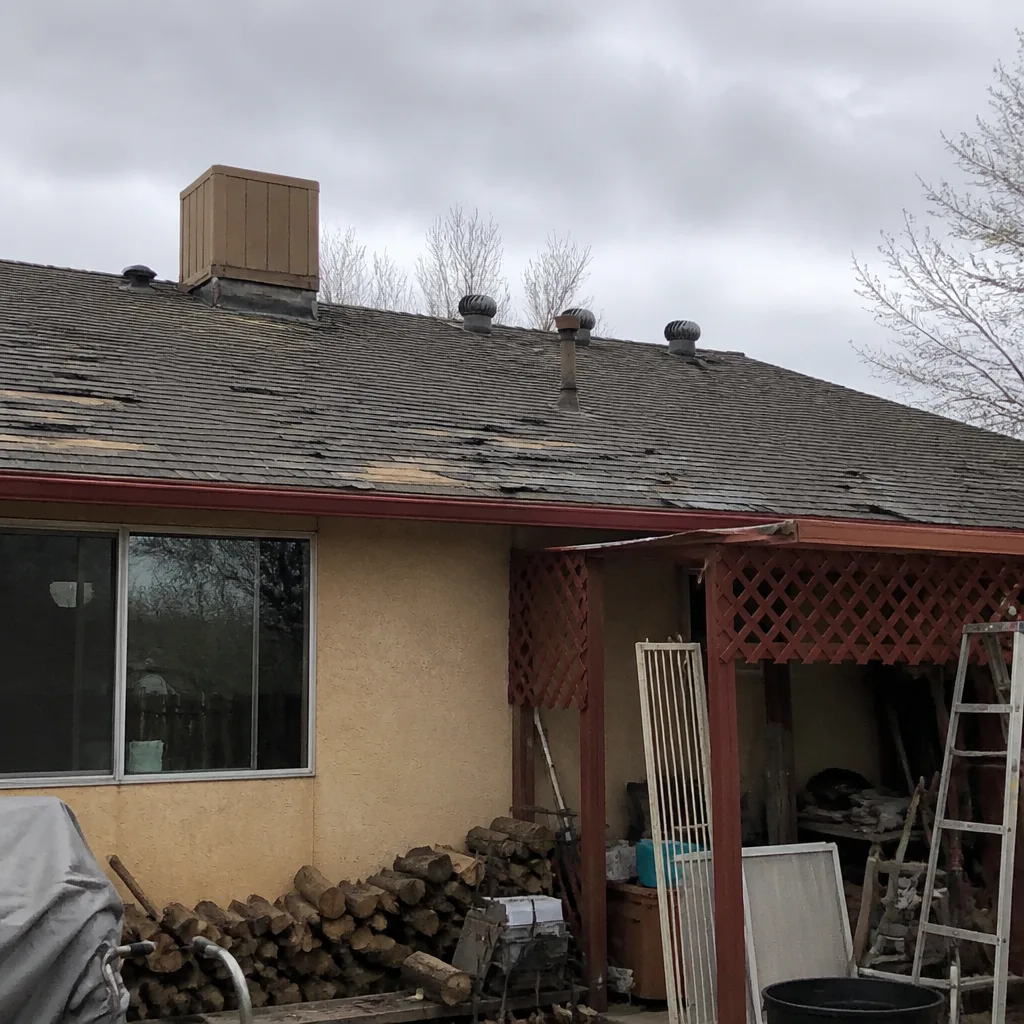
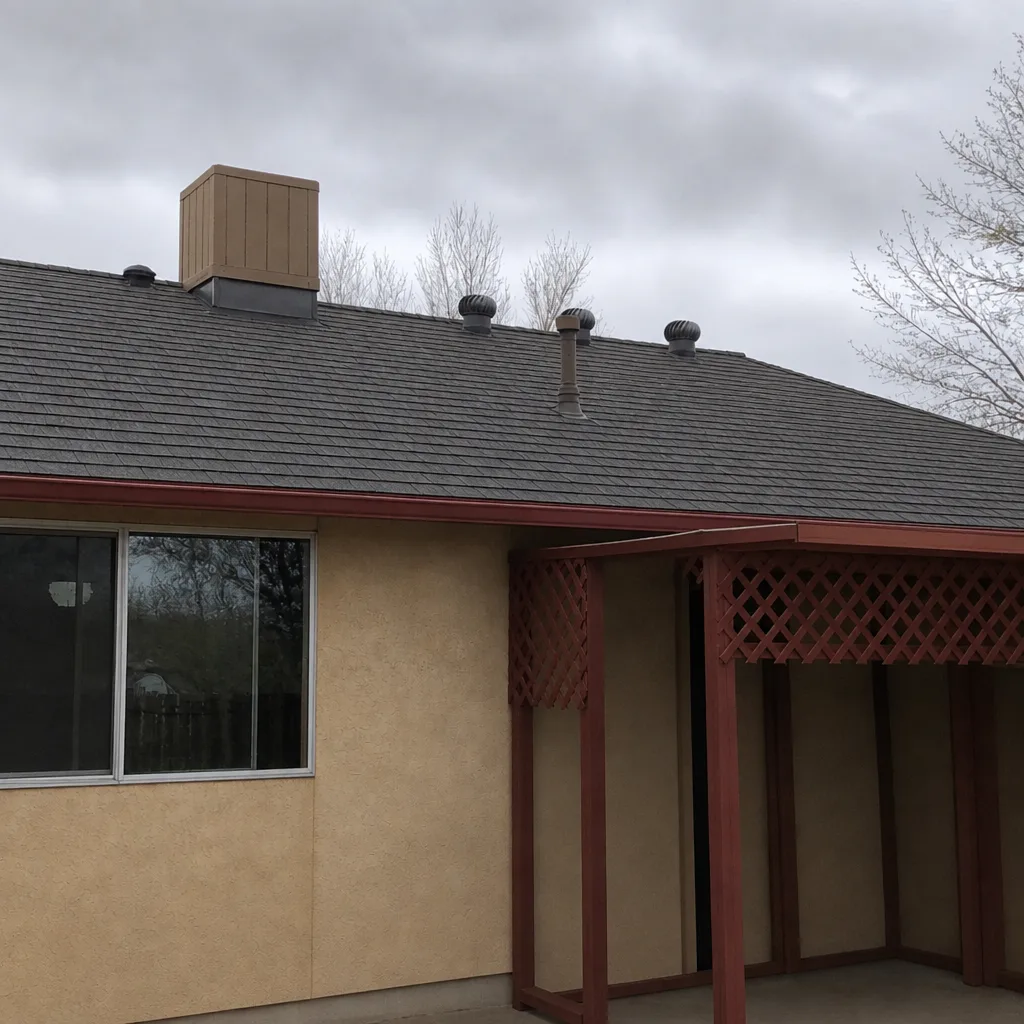
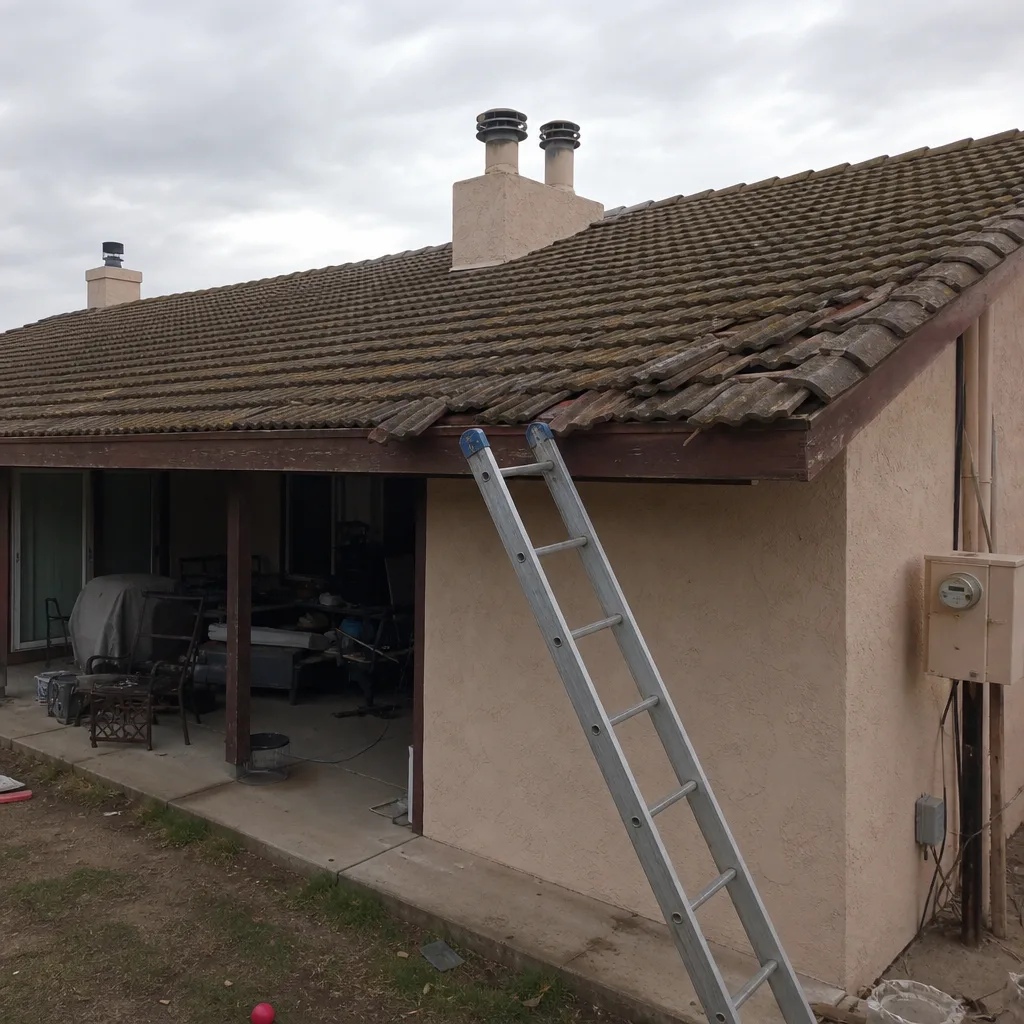
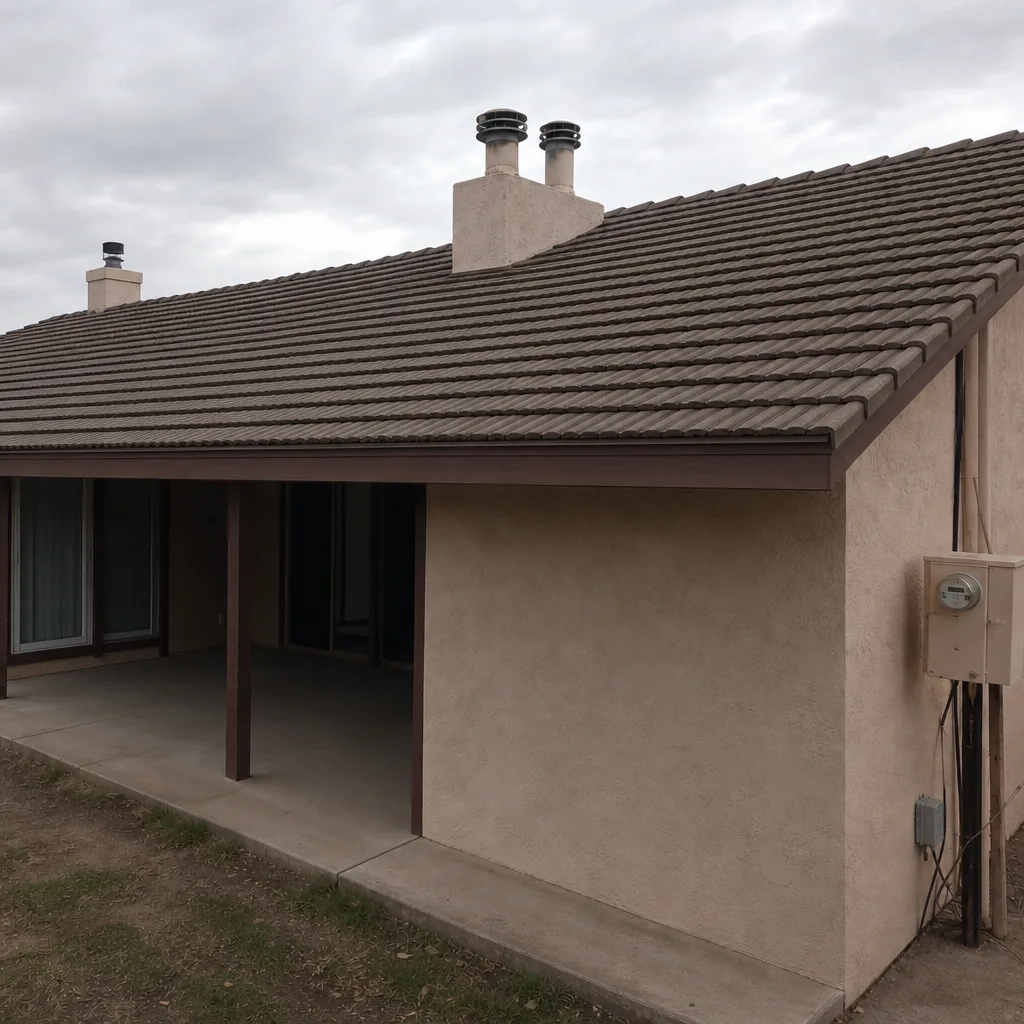
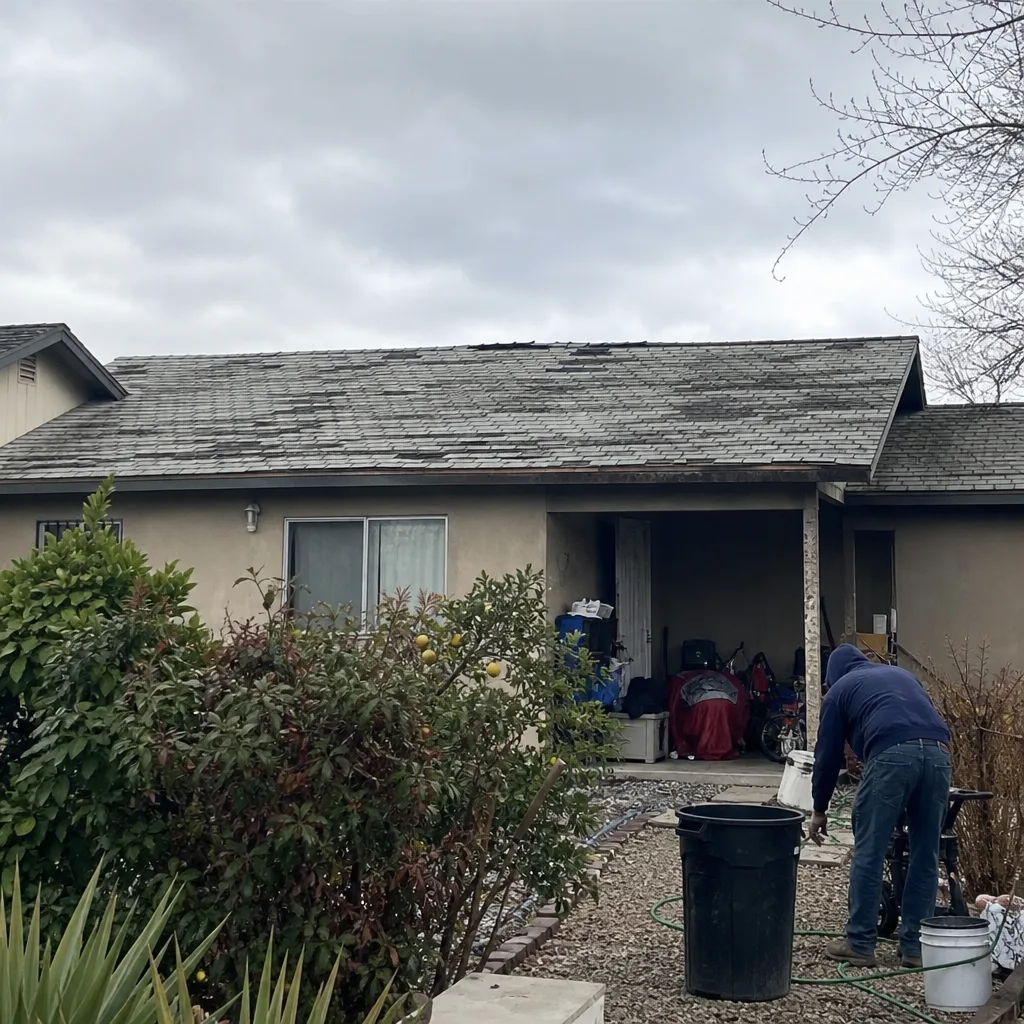
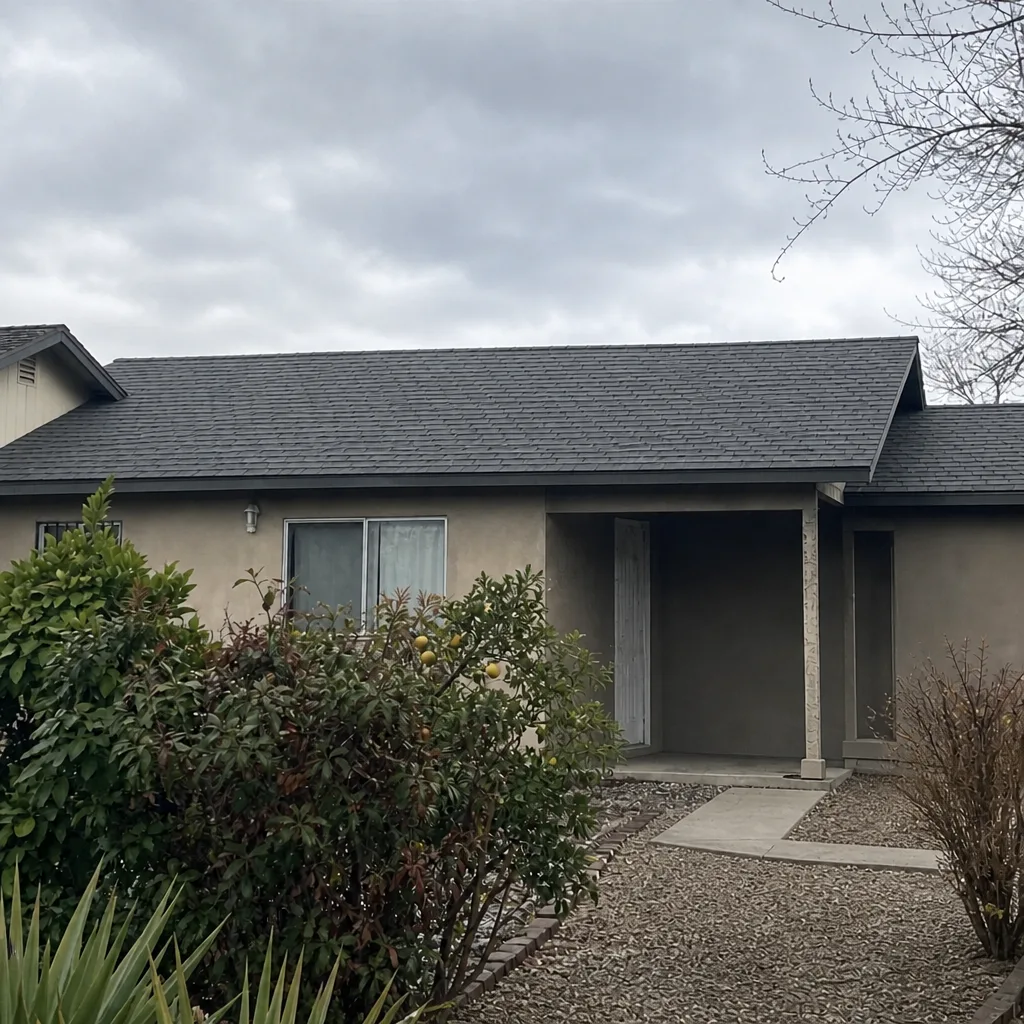
See the difference
 Before
 After
 Before
 After
 Before
 After
When to Call a Professional
Not every roof needs replacing. If you’re seeing a single missing shingle, a leak around a vent boot, or a small tear from a wind event, a repair is often the right call, and it’s a fraction of the cost of a full replacement. But some situations genuinely need a professional on the roof, not a homeowner on a ladder. Any sagging in the decking, water staining spreading across a ceiling, shingles curling along a south-facing slope, or granules filling your gutters after a shower are all signs of a roof near the end of its life. Spring Valley’s heat and sun accelerate shingle aging, and a roof that looks okay from the ground can be much further gone than you think.
Ridgeline Roofing Co. Spring Valley offers free estimates in Spring Valley. Call (855) 908-1590 to schedule a photo-documented inspection from a background-checked technician who takes photos from your actual roof, not a sales pitch in the driveway. Our phones are staffed by a live person 24/7, including after a storm when you don’t want a voicemail tree.
If you’re considering specialty roofing like tile or metal, take a look at our Specialty Roofing in Spring Valley page. If you’d rather start with a general overview of what we do, visit the Ridgeline Roofing Co. Spring Valley home page.
Frequently Asked Questions
Most standard asphalt shingle replacements in Spring Valley take one to two working days, and larger or steeper roofs often take two to three. The extra day on a bigger roof is usually about pacing the installation correctly for the heat and getting the flashing details right. Call (855) 908-1590 for an exact quote, and estimates are free.
On a small, simple roof, yes, a one-day replacement is possible. But it means the crew is pushing the installation, and in Spring Valley’s summer heat, pushing shingle installation can mean adhesive strips don’t set properly. The honest answer is that one day is possible, and two days is often better.
Yes. Full roof replacements in the Las Vegas Valley generally require a permit, and we pull it and pass inspection. Skipping the permit can cause problems at resale, and it’s a shortcut we won’t take. Call us at (855) 908-1590 if you have questions about your specific property.
The crew stops and covers the exposed deck. Spring Valley sees occasional summer monsoons, and no responsible roofer installs shingles in rain or high wind. The underlayment and ice-and-water shield protect the exposed portions in the meantime, and we resume when conditions clear.
Not unless we find something that wasn’t visible at inspection, most commonly decking rot or hidden flashing damage. When that happens, we stop, photograph what we found, quote the change in writing, and get your approval before continuing. The number on the estimate is the number on the invoice unless you approve a change.
Roof size, pitch, complexity, and material type all affect the schedule. A simple gable roof covers quicker than a home with multiple valleys and a chimney. Two days on a Spring Valley home with complex rooflines is often the sign of a crew pacing the job correctly, not a slow crew.
The Bottom Line
A roof replacement in Spring Valley takes one to three working days for most homes, with most standard replacements landing around two. The two-day job isn’t a red flag. It’s usually a sign the crew is pacing the heat correctly and giving the flashing details the time they need. A one-day brag is often the sign of a crew rushing the parts of the job that fail first. If you’re being quoted a timeline that doesn’t match the complexity of your roof, ask why. The answer tells you everything about the job you’re about to hire.
Call Ridgeline Roofing Co. Spring Valley at (855) 908-1590 for a free estimate. We’re an authorized installer of seven manufacturer lines including GAF, CertainTeed, Owens Corning, IKO, Atlas, Tamko, and Boral, we pull permits and pass inspections, and every job is backed by our 90-Day Done Right Promise: a written guarantee with no paperwork runaround, because if it isn’t right, we make it right.
Written by the team at Ridgeline Roofing Co. Spring Valley.