
Last updated November 17, 2026
 Architectural shingles
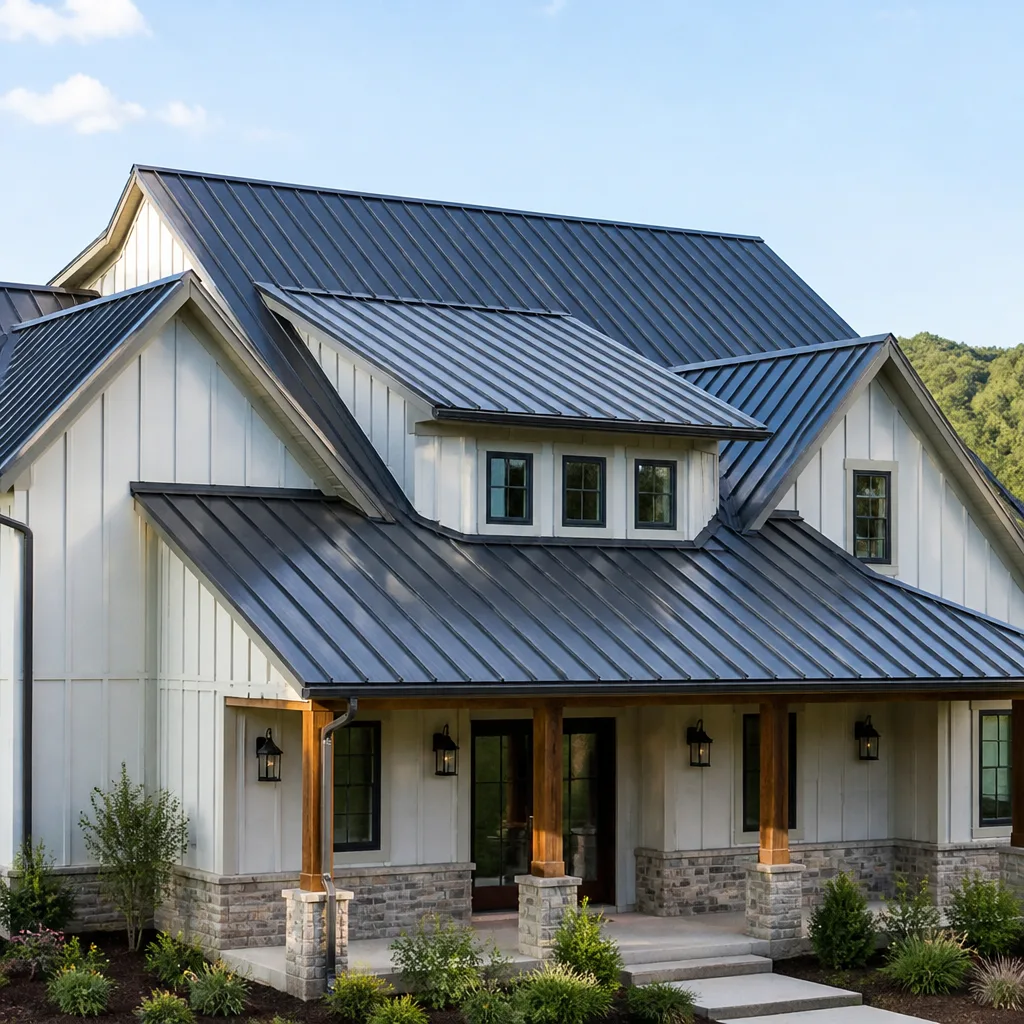 Metal roofing
 Tile roofing
 GAF
 Owens Corning
 Flat & low-slope
Free roof inspection with deck photos before we talk money - GAF and Owens Corning certified installation
The Complete Gutters & Accessories Guide for Spring Valley Homeowners
Spring Valley gets roughly four inches of rain a year, and most of it seems to arrive in twenty frantic minutes. A standard 5-inch K-style gutter that would handle a gentle Ohio drizzle gets overwhelmed here the same way a garden hose overwhelms a firehose when the sky opens over the 89147 ZIP code. That low annual total is deceptive, and it’s why gutter design in Spring Valley is a different discipline than in wetter climates. This guide covers the sizing math, the downspout logic, the materials that survive our sun, and the accessories that actually earn their keep in a desert. If you’ve owned your home for twenty years and never thought hard about your gutters, this is the place to start.
Quick Answer
Spring Valley homes need gutters sized for rain intensity, not annual total. That usually means 6-inch K-style gutters with 3×4-inch downspouts, even on a roof that only sees four inches of rain per year, because our storms deliver water faster than a smaller system can drain it. Aluminum is the practical material choice in our heat and UV, and downspout discharge needs to push water well away from clay-heavy soil that swells, shifts, and undermines foundations when it saturates.
Styles & brands we work with
- Architectural shingles
- Metal roofing
- Tile roofing
- GAF
- Owens Corning
- Flat & low-slope
Table of Contents
- Why Gutter Sizing Math Is Different in Spring Valley
- Downspout Placement and Discharge for Clay Soil
- Gutter Materials in Extreme UV and Heat
- Accessories That Matter in the Desert
- How Gutters Meet Tile and Flat Roofs Differently
- Common Mistakes to Avoid
- When to Call a Professional
- Frequently Asked Questions
Why Gutter Sizing Math Is Different in Spring Valley
Gutter sizing is about flow rate, not annual rainfall. A gutter has to carry the water that lands on your roof during the heaviest ten minutes of a storm, and that number is set by roof area and rainfall intensity, not by the twelve inches of rain you get spread across a whole year. Spring Valley sits in a monsoon-influenced corner of the Mojave, and when a summer cell parks over the valley, rainfall rates can hit two inches an hour for a short burst. A 5-inch gutter that would be fine in a climate with half an inch an hour simply can’t keep up.
Here’s the practical math. A typical Spring Valley single-story ranch with a 2,000-square-foot footprint and a modest pitch sheds water off roughly 2,400 square feet of roof plane. At two inches an hour, that’s a lot of water arriving at the gutter edge all at once. A 5-inch K-style gutter can move around 5,500 square feet of roof area per downspout at a moderate rain rate; at monsoon intensity, that number drops sharply. Sizing up to 6-inch gutters buys you roughly 40 percent more capacity and keeps the system from overtopping during the storms that actually matter here.
In our experience, the homes that flood their fascia and stain their stucco are almost always running 5-inch gutters with too few downspouts, installed by someone who sized the system by annual rainfall instead of peak intensity. If your roof has valleys, dormers, or a large expanse of tile, the case for 6-inch gets stronger still. The difference in material cost is real but modest, and it’s the difference between a system that handles the storm and one that sends water down your wall.
Downspout Placement and Discharge for Clay Soil
Spring Valley’s soil is clay-heavy in many neighborhoods, and clay behaves badly when it gets saturated. It swells, it heaves, and it moves. Water dumped at the base of a foundation by a downspout that stops two feet from the wall will find its way into that clay, and over a few monsoon seasons you get the classic symptoms: hairline cracks in the stucco, sticking doors, and a slab that’s no longer level. Downspout discharge isn’t a finishing detail here. It’s foundation protection.
Good discharge logic for a Spring Valley home looks like this:
- Run downspouts to a point at least six feet from the foundation, ideally eight to ten where grade allows.
- Use 3×4-inch downspouts on 6-inch gutters so the vertical run matches the horizontal capacity.
- Add splash blocks or, better, buried corrugated line that carries water to a daylight drain or a dry well away from the slab.
- Make sure grade slopes away from the house at roughly a quarter inch per foot for the first six feet.
- Keep downspout outlets clear of the gravel and rock mulch common in Spring Valley yards, which can dam water against the foundation if the outlet is buried.
We’ve seen homes in the Spring Valley area where a single misplaced downspout was the cause of a foundation crack that cost far more to repair than the whole gutter system. Placement counts as much as capacity.
Gutter Materials in Extreme UV and Heat
Material choice in Spring Valley is a UV question first and a cost question second. Vinyl gutters are cheap and easy to install, and in a mild climate they can last twenty years. Here, they don’t. The combination of intense ultraviolet exposure and summer surface temperatures that push past 150 degrees on a dark gutter accelerates the breakdown of the plastic, and vinyl becomes brittle and prone to cracking and sagging in a fraction of the time. A realistic lifespan difference: twenty years in a moderate climate, closer to eight to twelve here before the material is failing.
What holds up better:
- Aluminum. The workhorse choice for Spring Valley. It doesn’t rust, handles UV without breaking down, and comes in seamless runs that minimize leak points. A heavier gauge (0.032) resists denting and oil-canning better than the thinner 0.027 many builders use.
- Steel. Strong and stable, but heavier and it will eventually rust where the finish fails. More common on older homes than on new installs.
- Copper. Beautiful, extremely long-lived, and expensive. It develops a patina here that some homeowners love and others don’t.
Seamless aluminum, formed on site to the exact length of each run, is what we generally recommend for a Spring Valley home that’s meant to be lived in for another twenty years. The fewer seams, the fewer places for water to find a way out where you don’t want it.
Accessories That Matter in the Desert
Leaf guards are sold everywhere, and in most of the country they’re a straightforward win because leaves are the main debris problem. Spring Valley is different. Our debris load is dust, seed pods from the mesquite and palo verde, palm fronds, and the occasional windblown trash. There aren’t many deciduous leaves to clog a gutter, but there is plenty of fine grit that can silt up a trough and plenty of palm material that bridges across an open gutter and starts a dam.
That changes the accessory conversation. Micro-mesh guards that block fine grit are more useful here than the coarse screens that let silt through. Solid covers that shed palm fronds before they land in the trough earn their cost on homes with palms nearby. And because our storm intensity is high, any guard you choose has to let water in fast enough during a monsoon burst, which is why we favor mesh over solid panels on most Spring Valley homes. Other accessories worth knowing:
- Downspout strainers keep palm fronds and pods from plugging the vertical run.
- Gutter hangers spaced closer (every 24 inches rather than 36) fight the sag that heat and thermal expansion cause over time.
- Expansion joints on long runs let the aluminum move with temperature swings instead of buckling.
- Splash blocks and buried discharge line complete the system and protect the foundation.
Skip the accessories that exist only to sell accessories. In the desert, the ones that matter are the ones that handle grit, heat movement, and fast water.
How Gutters Meet Tile and Flat Roofs Differently
The roof edge is where gutters prove themselves, and the transition from roof to gutter is not the same for every roof. On a tile roof, the gutter has to sit below the eave and the underlayment, and the flashing approach has to account for the tile’s thickness and the way water sheets off a curved or flat tile profile. Getting that transition wrong on tile means water runs behind the gutter instead of into it, and in Spring Valley that water finds the fascia and the stucco. Our team handles this regularly through our Specialty Roofing in Spring Valley work, and it’s one of the details that separates a clean install from a callback.
Flat and low-slope roofs work differently. Water doesn’t shed off a flat roof edge the way it does off a pitched roof; it moves more slowly, finds the low spots, and can pond at the edge before it drains. That means the gutter has to be set at the right height relative to the roof membrane, with a scupper or a properly flashed edge metal, and the gutter needs enough slope (a quarter inch per ten feet minimum) to keep water moving. On a flat roof, the roof-to-gutter transition is often the single most important flashing detail in the whole system.
On either roof type, the gutter has to be hung so its front edge sits below the roof plane and its back edge tucks under the flashing. That’s the detail that keeps water in the trough. When we install gutters, it’s part of the same inspection we do before any Roof Repair in Spring Valley project, because a gutter that’s fighting the roof edge will cause the very problems the gutter was meant to prevent.
Common Mistakes to Avoid
- Sizing by annual rainfall instead of storm intensity. Four inches a year sounds harmless until it arrives in twenty minutes. The gutter has to handle the burst, not the average, or it overflows onto your fascia.
- Dumping downspouts at the foundation. A short downspout that ends two feet from the wall is a foundation problem waiting to happen in our clay soil. Push discharge six to ten feet out.
- Choosing vinyl to save money. Vinyl in Spring Valley’s UV and heat fails years earlier than it would elsewhere. The savings disappear when you’re replacing the system in a decade.
- Installing too few downspouts. A long gutter run with one outlet at the end will overflow at the middle. Space downspouts for the capacity, not for the look.
- Hanging gutters too far apart. Hangers every 36 inches sag under heat and water weight. Tighter spacing holds the line and the slope.
- Getting the roof-to-gutter flashing wrong. On tile and flat roofs especially, a transition that lets water behind the gutter sends it into the wall. This is where an experienced installer earns the job.
- Ignoring the system after installation. Dust, seed pods, and palm fronds accumulate. A quick inspection each spring catches the problems before a monsoon does.
When to Call a Professional
Some gutter work is genuinely a homeowner job: rinsing out the trough, clearing a downspout, adding a splash block. The line is when the work involves the roof edge, the flashing, or the structural hangs. If your gutters are pulling away from the fascia, if water stains the stucco below the gutter line, if a section has sagged or separated, or if you’re seeing the early signs of foundation movement that a bad discharge pattern can cause, that’s the point to stop and call someone who knows how the system goes together. The same is true for any transition on a tile or flat roof, where a small flashing mistake becomes a large repair.
Ridgeline Roofing Co. Spring Valley offers free estimates in Spring Valley – call (855) 908-1590. We inspect the roof edge and the gutter together, because they fail together, and we give you a written quote you can hold us to. If you’re considering a roof project at the same time, our Roof Replacement & Installation in Spring Valley team can fold the gutter work into one plan.
Frequently Asked Questions
Yes, most likely. Gutter sizing is about how fast water arrives, not how much falls over the year, and Spring Valley’s monsoon bursts can deliver water faster than a 5-inch system can drain. A 6-inch gutter handles roughly 40 percent more flow and keeps the system from overtopping during the storms that actually cause damage. Call (855) 908-1590 for a free estimate on the right size for your roof.
Aluminum gutters in our climate can last twenty years or more with reasonable care, but vinyl typically fails in eight to twelve because of UV exposure and heat. The sun is the real test here, not the rain. A heavier-gauge seamless aluminum system is the practical long-term choice for most Spring Valley homes. Call (855) 908-1590 to talk through options.
Yes, but for different reasons than in wetter climates. Spring Valley’s debris is mostly dust, seed pods, and palm fronds rather than leaves, so micro-mesh guards that block fine grit and shed palm material are the ones worth the cost. Coarse screens let the silt through. Call (855) 908-1590 for a free assessment of what your specific trees and palms need.
Six to ten feet, at minimum. Our clay-heavy soil swells and shifts when it saturates, and water dumped close to the wall is one of the most common causes of foundation cracks in Spring Valley. Buried discharge line that carries water to a daylight drain or dry well is the more reliable setup. Call (855) 908-1590 if you’re seeing cracks or sticking doors.
Yes, and the transition has to be handled differently than on a shingle roof. On tile, the gutter sits below the eave and the underlayment, and the flashing has to account for the tile’s thickness so water sheets into the gutter instead of behind it. That detail is where mistakes get made. Call (855) 908-1590 for a free estimate on tile or flat roof gutter work.
No. We give you a written, upfront quote, and the number on the estimate is the number on the invoice. If something unexpected comes up during the job, we talk to you before we touch it. That’s the square deal we’re built on. Call (855) 908-1590 to schedule your free estimate.
The Bottom Line
Spring Valley’s four inches of rain are deceptive. The storms that matter arrive fast, and a gutter sized for a gentle climate overflows when you need it most. Size for storm intensity with 6-inch gutters and enough downspouts, run discharge six to ten feet from the foundation to protect our clay soil, choose aluminum over vinyl for a lifespan measured against our UV, and pick accessories that handle grit and palm fronds rather than leaves. It’s not the most glamorous part of a house, but it’s the part that protects the roof edge, the walls, and the foundation. Done right, you won’t think about it again for decades – and if it isn’t right, we make it right. We’re happy to look at your roof and gutters together through our Ridgeline Roofing Co. Spring Valley home base of operations. Call (855) 908-1590 for a free estimate.
Written by the team at Ridgeline Roofing Co. Spring Valley.
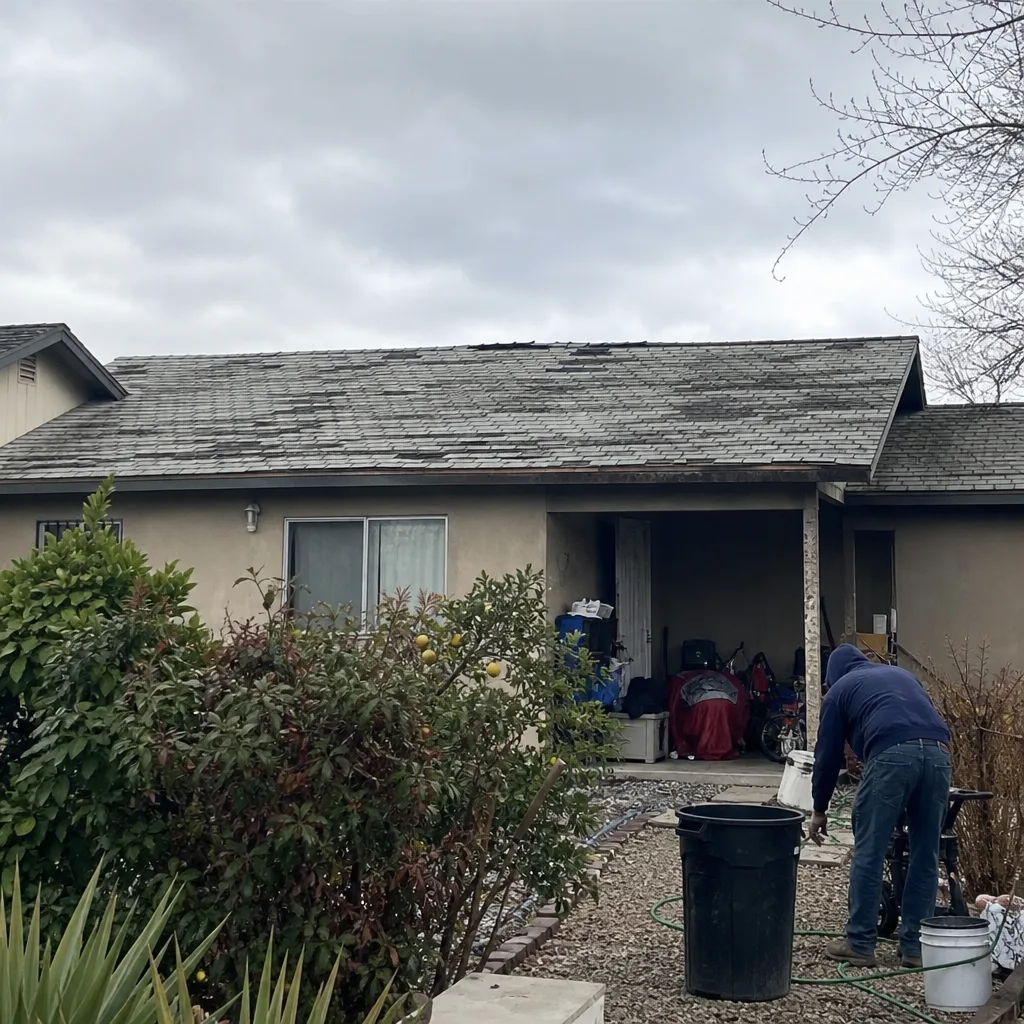
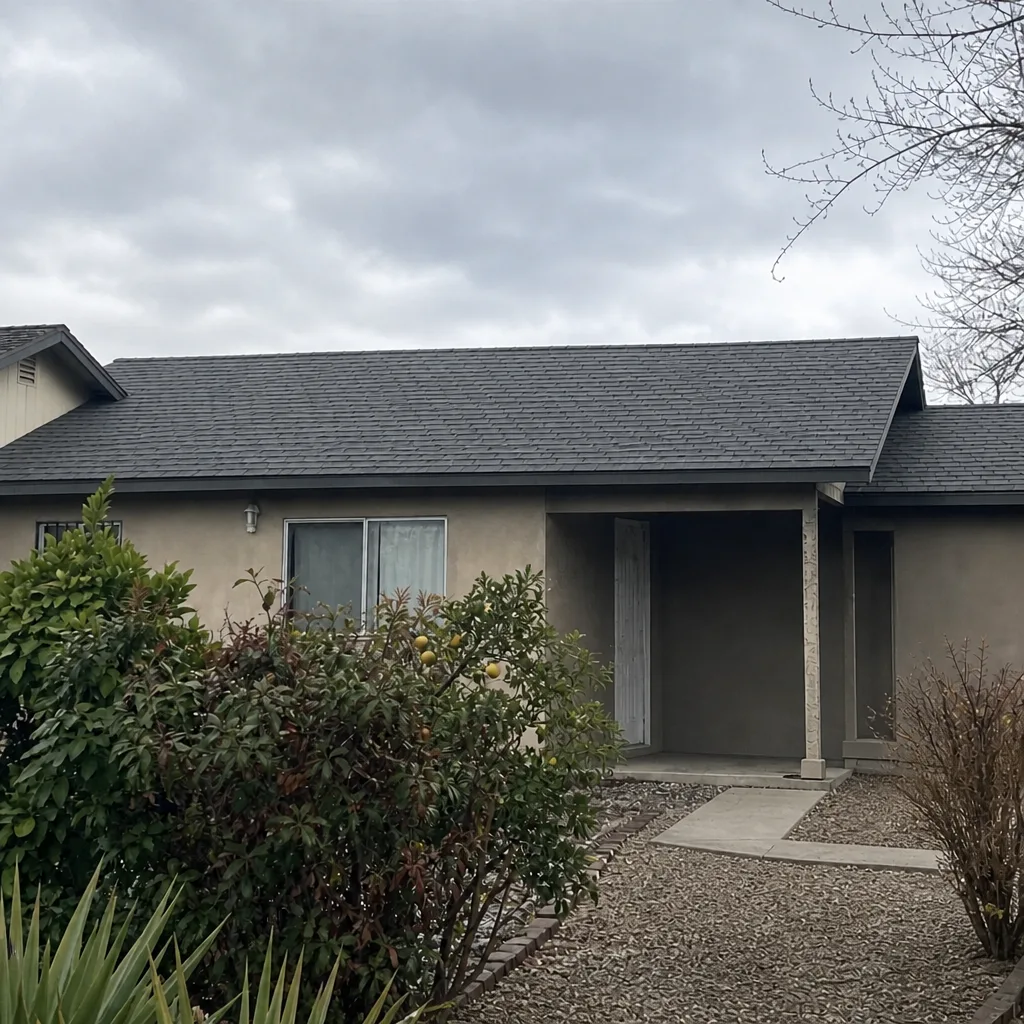
See the difference
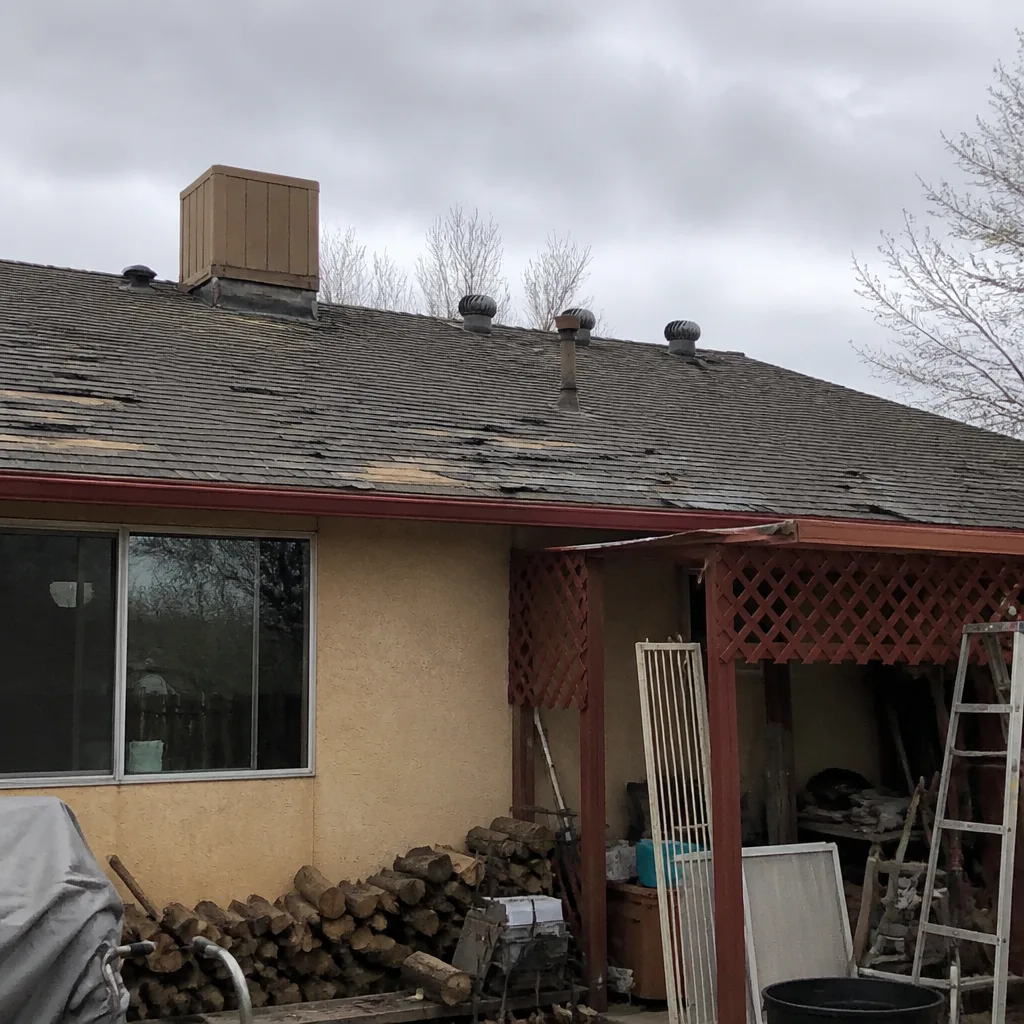 Before
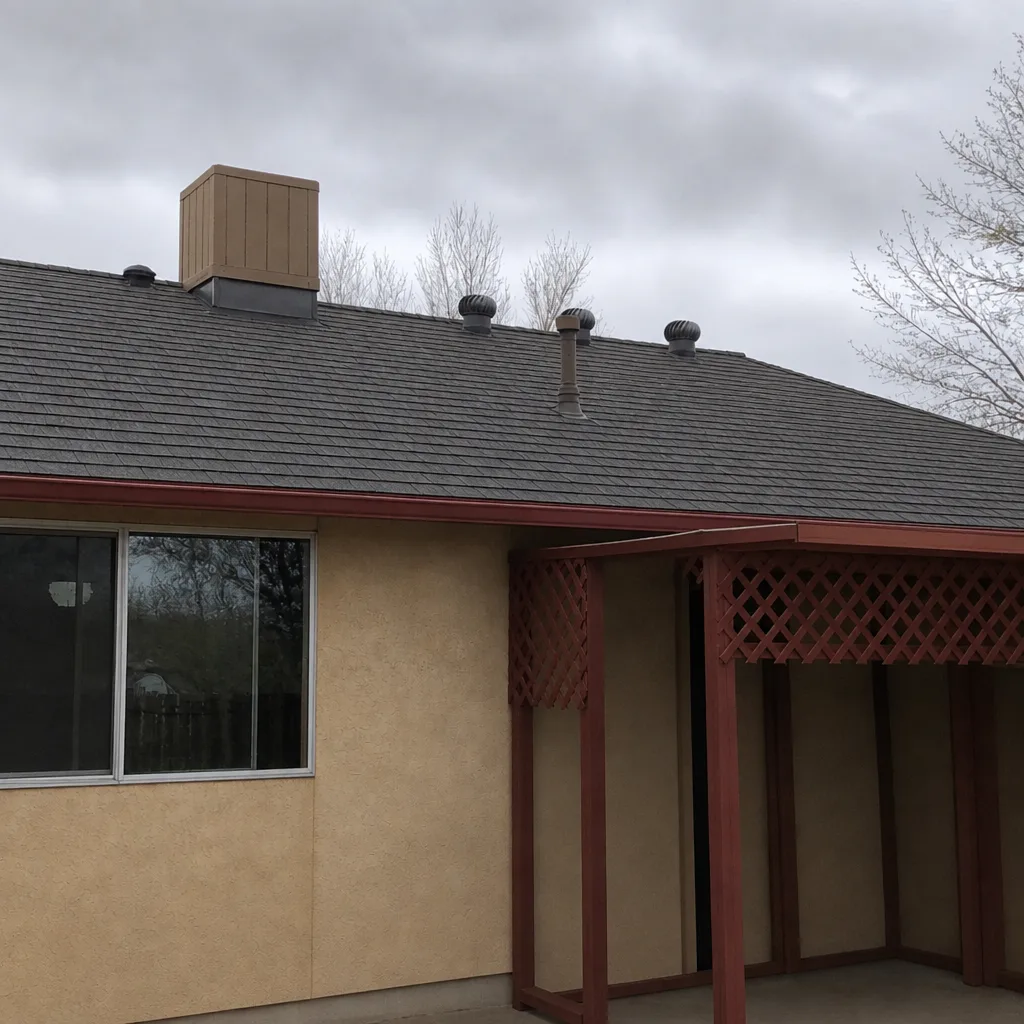 After
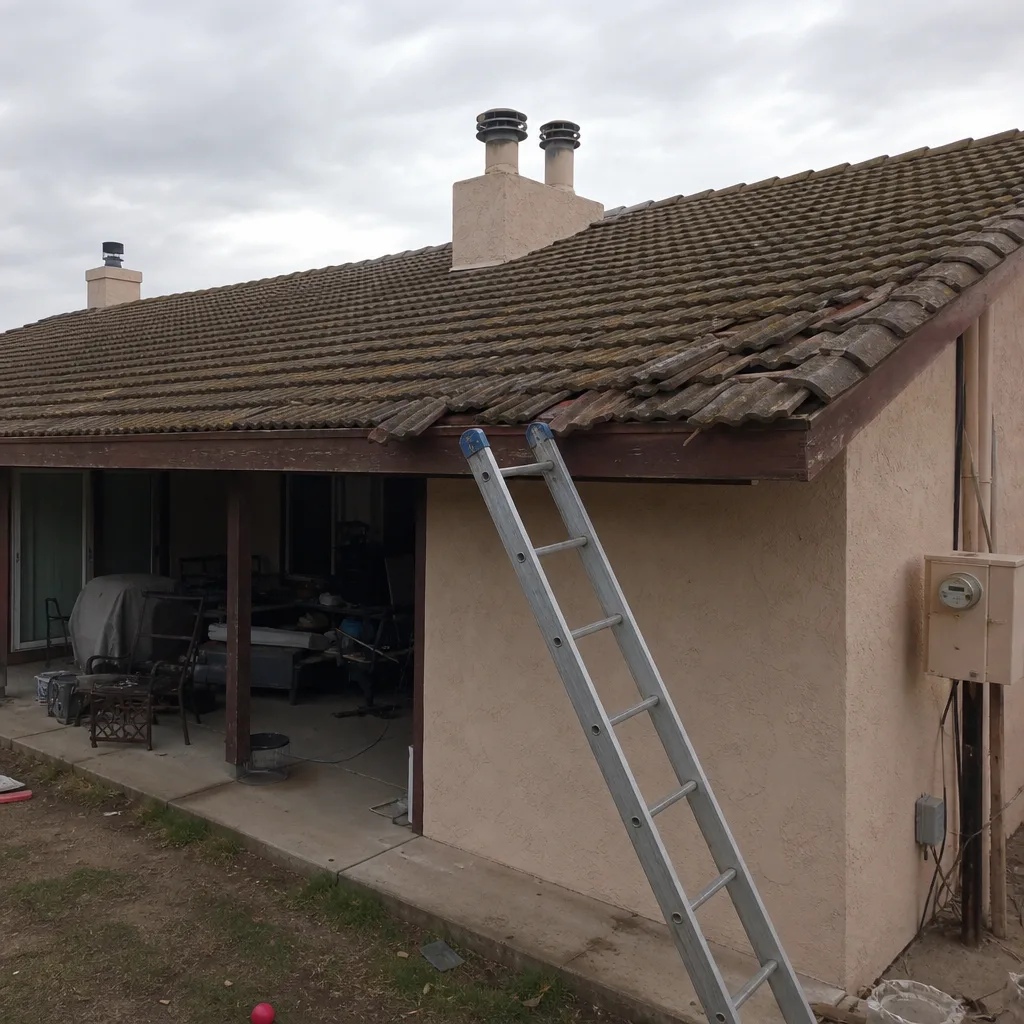 Before
 After
 Before
 After