
Last updated November 17, 2026
 Architectural shingles
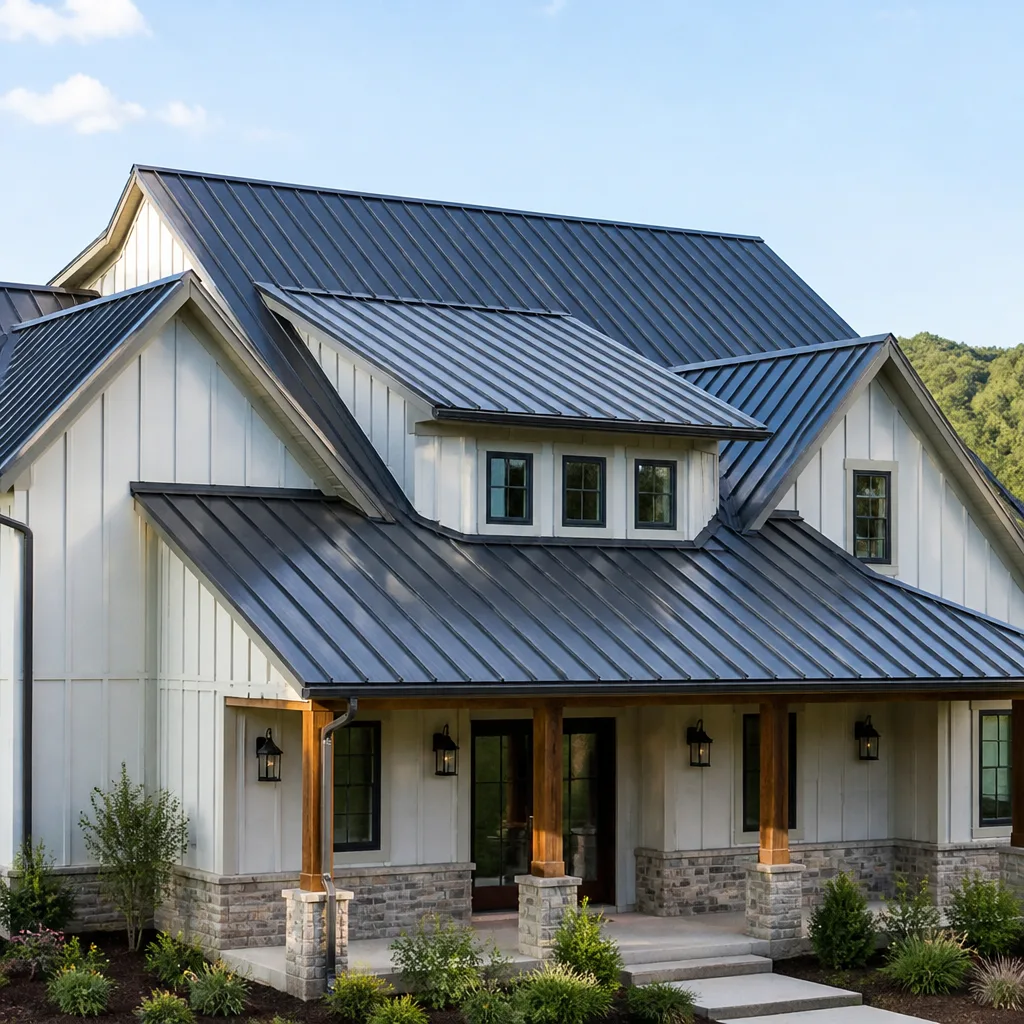 Metal roofing
 Tile roofing
 GAF
 Owens Corning
 Flat & low-slope
Free roof inspection with deck photos before we talk money - GAF and Owens Corning certified installation
The Complete Emergency & Storm Damage Guide for Spring Valley Homeowners
Here’s the part of storm damage that surprises people: the wind that lifts your shingles usually arrives before the rain does, and it leaves almost no warning. Spring Valley sits in a pocket of the desert where monsoon-season microbursts can drop from the cloud base and hit 60-plus mph in under three minutes. You hear a freight-train gust, and by the time you’re at the window it’s over. What follows is a different set of problems than the ones national storm guides talk about. This one is built for Spring Valley: what our storms actually do to roofs, how to document and call in the right order, and how Nevada claims work.
Quick Answer
If a storm just hit your home, get off the roof, document damage from the ground with photos, and call your insurer and a licensed roofer the same day. Don’t climb up after a storm with debris or moisture on the surface – that’s how broken bones happen. In Spring Valley, damage comes mostly from wind-driven debris, not flooding, so a photo-documented inspection is what proves a claim.
Styles & brands we work with
- Architectural shingles
- Metal roofing
- Tile roofing
- GAF
- Owens Corning
- Flat & low-slope
Table of Contents
- What Spring Valley Storms Actually Do to Roofs
- The First 24 Hours: A Safe Step-by-Step Sequence
- How Nevada Insurance Claims Work for Storm Damage vs. Slow Leaks
- What Legitimate Emergency Tarping Looks Like
- Why a Pre-Season Photo Inspection Is Your Best Insurance Document
- Materials That Hold Up in Spring Valley Weather
- How to Know If You Need a Repair or a Full Replacement
- Common Mistakes to Avoid
What Spring Valley Storms Actually Do to Roofs
National storm advice is written for hurricane coasts and tornado alleys. Spring Valley’s threat profile is different, and the damage signatures it leaves are different too. If you know what each hazard looks like on a roof, you’ll know exactly what you’re seeing and what needs fixing.
Haboob debris impact
Haboobs – the massive dust walls that roll through the valley during monsoon season – carry sand, gravel, and larger debris at high speed. What they leave is mostly impact damage: nicked and pitted shingles, granules stripped from the surface, and, on older roofs, cracked or bruised areas you can’t see from the ground. In Spring Valley, we regularly see haboob damage concentrated on the windward slope facing open desert or undeveloped lots.
Monsoon microbursts
These are the big ones for structural failure. A microburst is a burst of straight-line wind that can reach 60 to 80 mph and lasts minutes. On a Spring Valley home, that’s enough to crease a shingle, lift sealed tabs, tear off ridge caps, and drive water sideways under the courses. Straight-line wind leaves telltale directional patterns, which is why our technicians photograph the whole slope – not just the obvious torn area.
Rare freeze-thaw cycles
Spring Valley does occasionally dip below freezing in winter. When it does, moisture trapped under shingles or in flashing freezes and expands. That process weakens the seal and can open small cracks in the metal and in the flashing around vents and chimneys. After a freeze, our technicians look for separating flashing and popped fasteners that weren’t a problem before the cold snap.
UV and heat as a compounding factor
The desert sun ages a roof constantly. Sealant strips dry out, granules loosen, and the asphalt gets brittle. By the time a storm hits, a roof that’s been baking in Spring Valley sun for a decade or more is working with less resilience. That’s why the same 60 mph gust that strips a 20-year-old roof leaves a newer one intact – the storm is the trigger, but the roof’s condition is what determines the outcome.
The First 24 Hours: A Safe Step-by-Step Sequence
What you do in the first day matters for your claim and for your safety. The sequence below is the one we walk Spring Valley homeowners through when they call after a storm.
- Stay off the roof. With debris on the surface, wet shingles, or active wind, a fall is one slip away. Document from the ground with your phone. If you can see the damage with binoculars, that’s enough for the first call.
- Photograph everything before you touch anything. Damaged shingles, fallen limbs, dents in gutters, water stains on the ceiling inside, and any debris that hit the roof. Timestamped photos are what your insurer will ask for.
- Prevent further water intrusion from inside. If you see a leak, place a bucket under it, and use a tarp over the affected ceiling area inside if water is pooling. Do not go up on the roof to tarp it yourself after a storm with debris still on it.
- Call your insurance company first, then a licensed roofer. Your insurer will assign a claim number. Your roofer can inspect and document what the insurer needs in order to evaluate the claim. Doing both the same day keeps the timeline clean.
- Do not sign anything from a door-knocker. If someone shows up the day after the storm offering to “handle your insurance,” slow down. Legitimate contractors don’t need a signed contract in your driveway.
Ridgeline Roofing Co. Spring Valley answers the phone with a live person, day or night. If you’re not sure whether what you’re seeing is worth a call, call anyway. A five-minute conversation about a roof in Spring Valley is a lot cheaper than a repair that grows for a month because it wasn’t caught.
How Nevada Insurance Claims Work for Storm Damage vs. Slow Leaks
The distinction matters from the first phone call. Sudden storm damage – wind, hail, debris impact – is typically covered under most Nevada homeowners policies, because it’s a sudden and accidental event. Slow leaks and wear-and-tear are generally not covered. The way a claim is framed and documented from minute one affects which category the insurer sees.
Sudden storm damage
- Recorded as a single event with a date and time (a microburst, a haboob).
- Documented with photos showing the damage pattern is consistent with wind or impact.
- Inspected promptly so the damage signature is captured before further weathering.
- Covered under most standard policies, subject to your deductible.
Slow leaks and deferred maintenance
- Defined by visible deterioration over months or years, such as worn flashing or dry-rotted areas.
- Typically excluded from coverage because it’s considered maintenance, not a sudden event.
- Still worth fixing, but handled by the homeowner rather than a claim.
The practical takeaway: if a storm just hit your Spring Valley home and you see damage, get it inspected and documented immediately. A damage pattern photographed the day after the storm is far easier to claim than one photographed two months later, when the insurer can reasonably argue it could be age or wear. A photo-documented inspection is what separates the two.
What Legitimate Emergency Tarping Looks Like
Tarping is the most abused service in storm response. The idea is fine: a heavy-duty tarp secured over a damaged area prevents further water intrusion until a proper repair can be scheduled. The problem is what some “storm chasers” do in the name of tarping – which is often more damage than the storm caused.
Legitimate tarping
- The tarp is secured with battens or weighted edges in a way that doesn’t pull shingles loose or add holes.
- It covers the damaged area completely and keeps water out where it’s supposed to.
- The tarping technician photographs before, during, and after, so you can see exactly what was done.
- The tarp is temporary, with a documented plan and timeline for the actual repair.
What a storm-chaser tarp job looks like
- Nails driven through shingles to secure the tarp, which creates new leaks.
- A tarp left up for weeks with no plan for the repair.
- A contract signed on the spot, with a “we’ll come back” promise and no phone number that gets answered.
- A tarp “estimate” that is really a full-replacement contract in disguise.
The test is simple: did the person who tarped your roof take photos and leave you with a written scope? If the answer is no, that’s not emergency response – that’s a sales call. A licensed roofer tarping a Spring Valley roof will document everything so you and your insurer have a record of the actual damage.
Why a Pre-Season Photo Inspection Is Your Best Insurance Document
Here’s the thing nobody tells you until after the storm: the most valuable document you can have in a claim is a photo of your roof in good condition before the damage. Without a “before” record, the insurer has no baseline, and you’re relying on memory and assumptions.
A photo-documented inspection before storm season – typically late spring, before the monsoon pattern sets up – gives you a baseline. It shows the condition of the shingles, the flashing, the seals, and the gutters. When a microburst rolls through in July, you’ll have photographs that prove the damage is new, and your insurer will have something concrete to compare against. This is why we document every inspection with photos taken on your actual roof, and why the photos stay in your file. It’s not just a sales visit; it’s a record.
A pre-season inspection also catches the small problems before a storm turns them into a claim. A worn seal at the chimney flashing, a loose ridge cap, a pair of popped fasteners – all of these cost little to fix on a calm day and cost a lot more after a 70 mph gust exploits them. For a Spring Valley homeowner, that pre-season inspection is the least expensive insurance they’ll ever buy.
Materials That Hold Up in Spring Valley Weather
When a repair or replacement is in order, the material choice matters in this climate. Spring Valley’s desert sun and wind are harder on roofing than the national averages suggest. We’re an authorized installer of GAF, CertainTeed, Owens Corning, and IKO, and we can speak to how each performs here.
Architectural asphalt shingles – the laminated, heavier-weight variety – are what we see wearing best in Spring Valley. They hold up to UV exposure and handle wind well, and brands like Owens Corning and Tamko make products that are rated for high-wind exposure. Thin three-tab shingles, common on older roofs, are the first to tear off in a microburst. If you’re replacing, upgrading to a heavier architectural product is a meaningful improvement in this climate.
Underlayment also matters more than most homeowners realize. In desert heat, the synthetic underlayments that brands like IKO and Atlas make hold their integrity better than the older felt paper. That’s the layer that’s actually keeping water out if a shingle fails, so it’s not just a cosmetic choice. We’ll walk through the options for your specific roof and budget before anything gets ordered.
How to Know If You Need a Repair or a Full Replacement
One of the questions we hear most after a Spring Valley storm is whether a damaged roof is a repair or a replacement. The honest answer depends on three factors: the extent of the damage, the age and condition of the roof, and the damage pattern.
Usually a repair
- Damage is isolated to one slope or one area of the roof.
- The roof is otherwise in good condition, with no widespread granule loss or seal failure.
- The damage pattern is consistent with a single event, such as a limb impact or a localized crease.
- No moisture has reached the decking, which our inspection can confirm.
Usually a replacement
- Multiple slopes or widespread areas show damage from the same storm event.
- The roof is already near the end of its service life, and the storm exposed what was coming anyway.
- There are underlying issues, like widespread seal failure or granule loss, that a patch won’t address.
- Moisture has reached the decking in more than a small area, which can mean wood replacement as well as the roof.
We won’t ever tell you a Spring Valley roof needs a replacement if a repair is the right call, and we won’t tell you a repair will hold if it won’t. A roof replacement is a once-in-a-lifetime job for most homeowners – you’ll do it once, and you’ll want it done right. That’s what our Roof Replacement & Installation in Spring Valley service is built around, and it’s backed by the 90-Day Done Right Promise: a written workmanship guarantee, no arguing, no paperwork.
Common Mistakes to Avoid
- Climbing up to inspect the roof yourself after a storm. With debris, moisture, or active wind, it’s the single most dangerous part of the whole process. Document from the ground and let a trained roofer get on the roof, with the proper ladders and safety gear.
- Signing a contract from a door knocker the week after a storm. Spring Valley gets its share of out-of-town crews who materialize after a big wind event. The tell is a contract request in your driveway and no local number that gets answered. Slow down and verify.
- Waiting to call the insurer. In Nevada, the longer you wait, the easier it is for the insurer to argue that what they’re looking at could be age or maintenance rather than storm damage. Document and call within the first day or two.
- Assuming a small leak can wait until “after the season.” In a Spring Valley summer, one monsoon afternoon can turn a small leak into ceiling damage, wet insulation, and a much bigger repair. Water intrusion spreads faster than people expect.
- Letting a storm-chaser nail a tarp through the shingles. That tarp can create a new leak in a spot that was fine before the storm. A legitimate tarp job shouldn’t be adding holes to your roof.
- Skipping the pre-season inspection and discovering damage for the first time during a claim. Without a “before” photo record, you’re negotiating with your insurer from a weaker position. Inspections are the cheapest insurance available.
- Choosing the lowest bid without checking what’s covered. In this market, the low bid is often the one with the least accountability. We’ve seen Spring Valley homeowners pay twice because the cheapest roofer didn’t pull the permit or the inspection, and the job didn’t hold.
See the difference
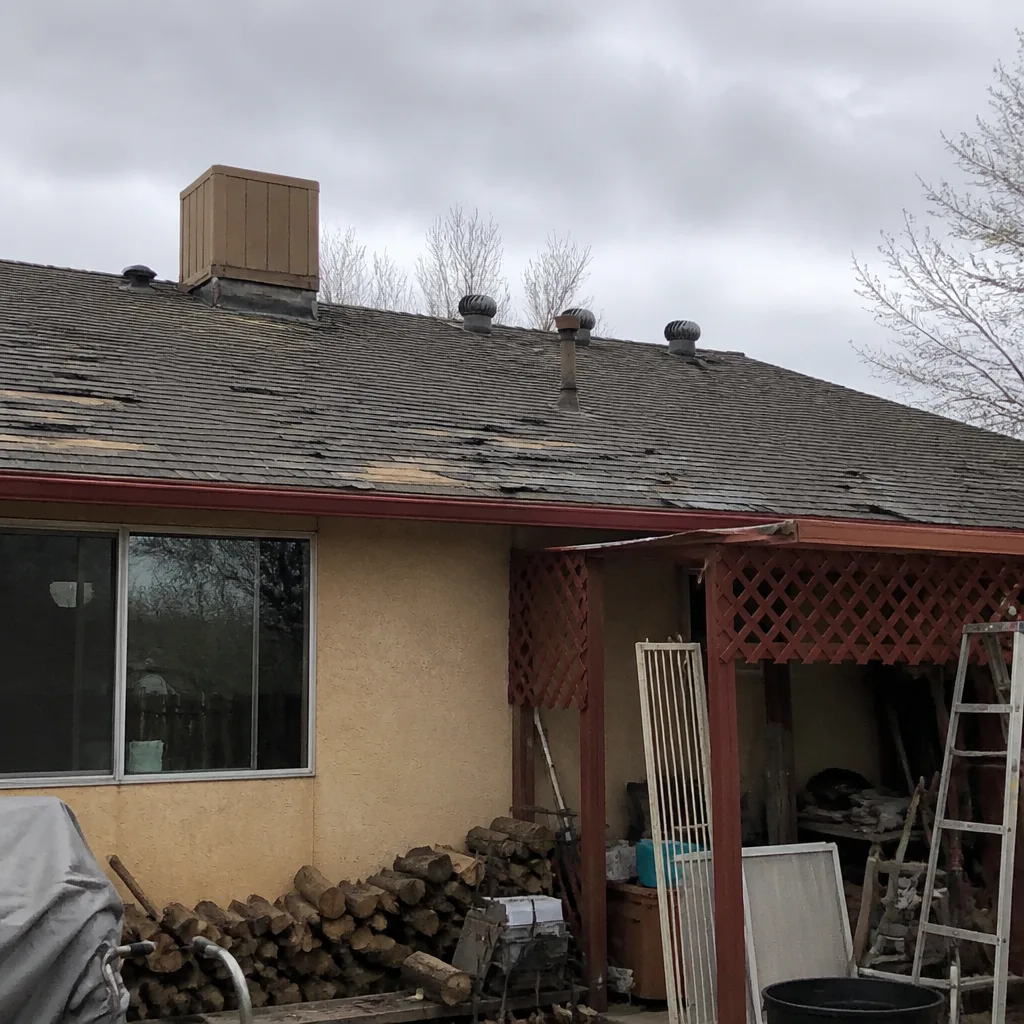 Before
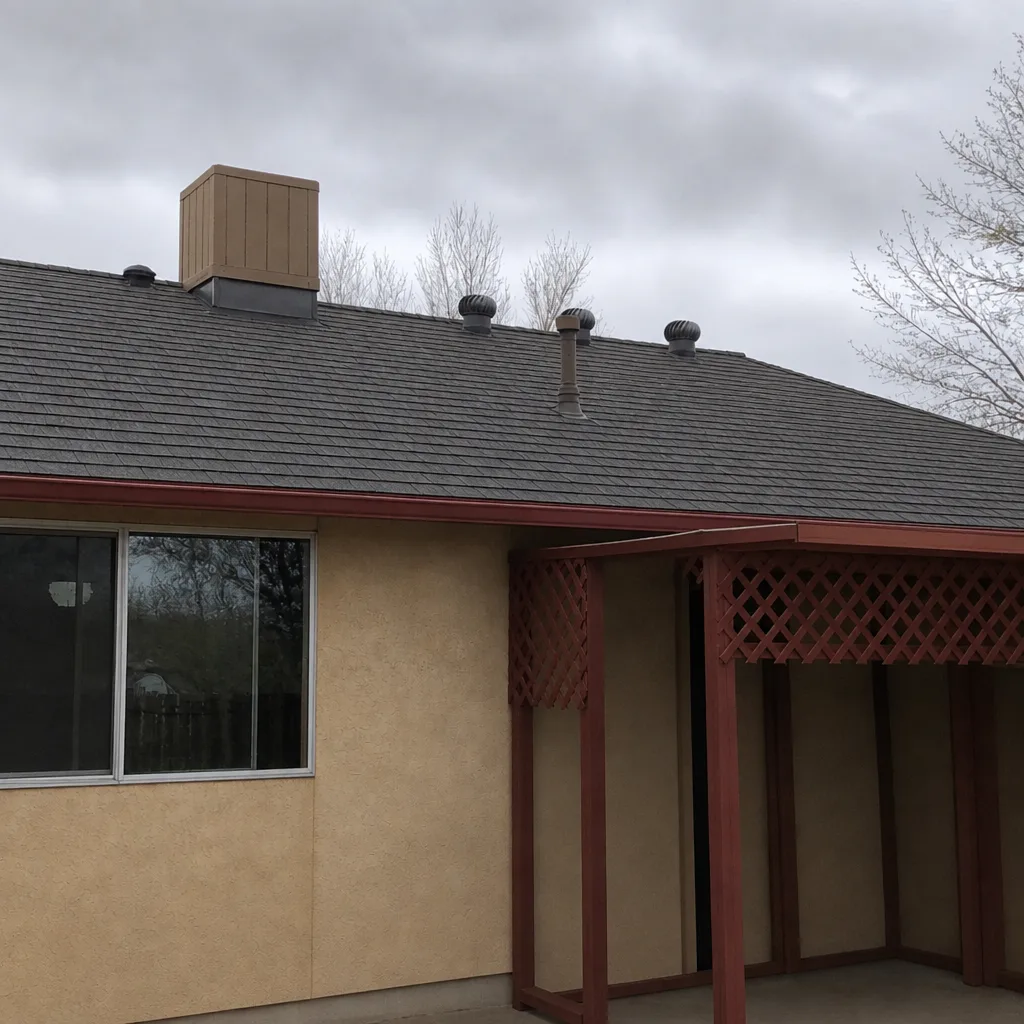 After
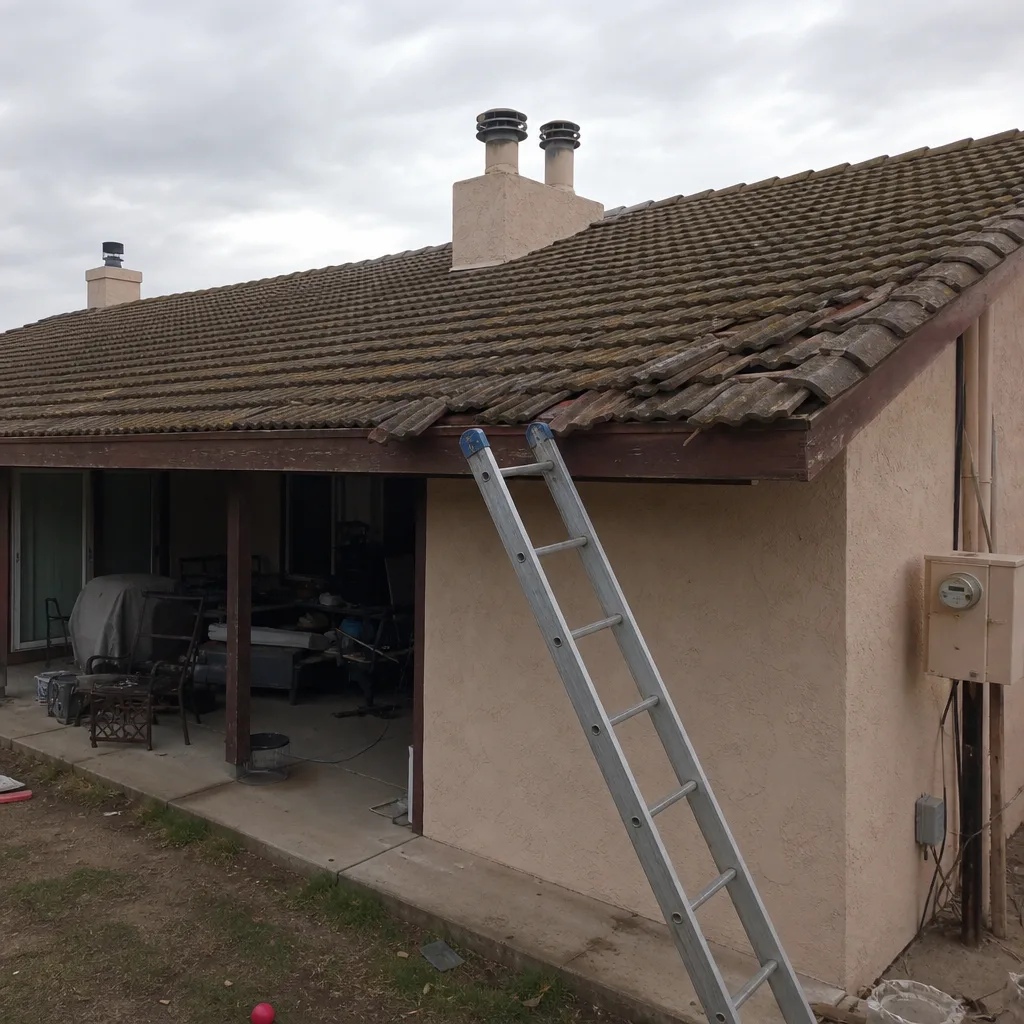 Before
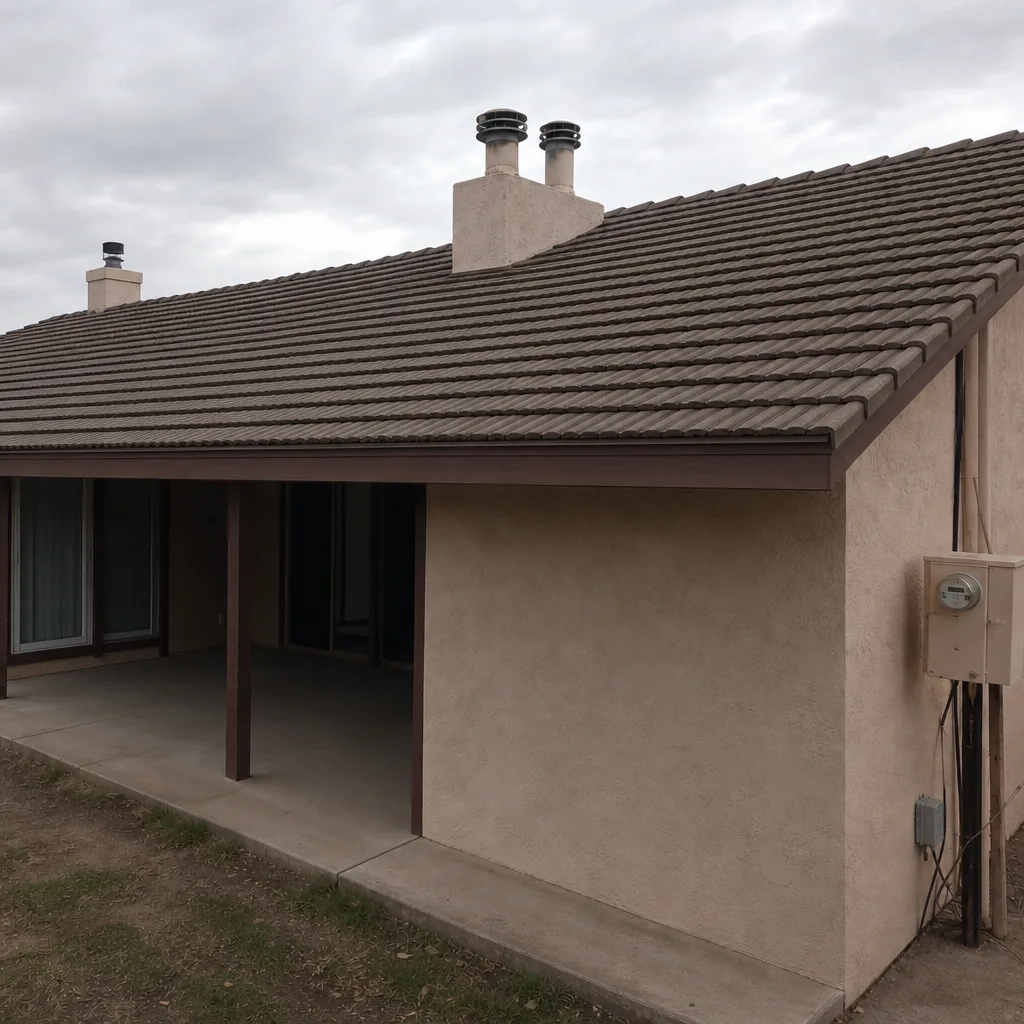 After
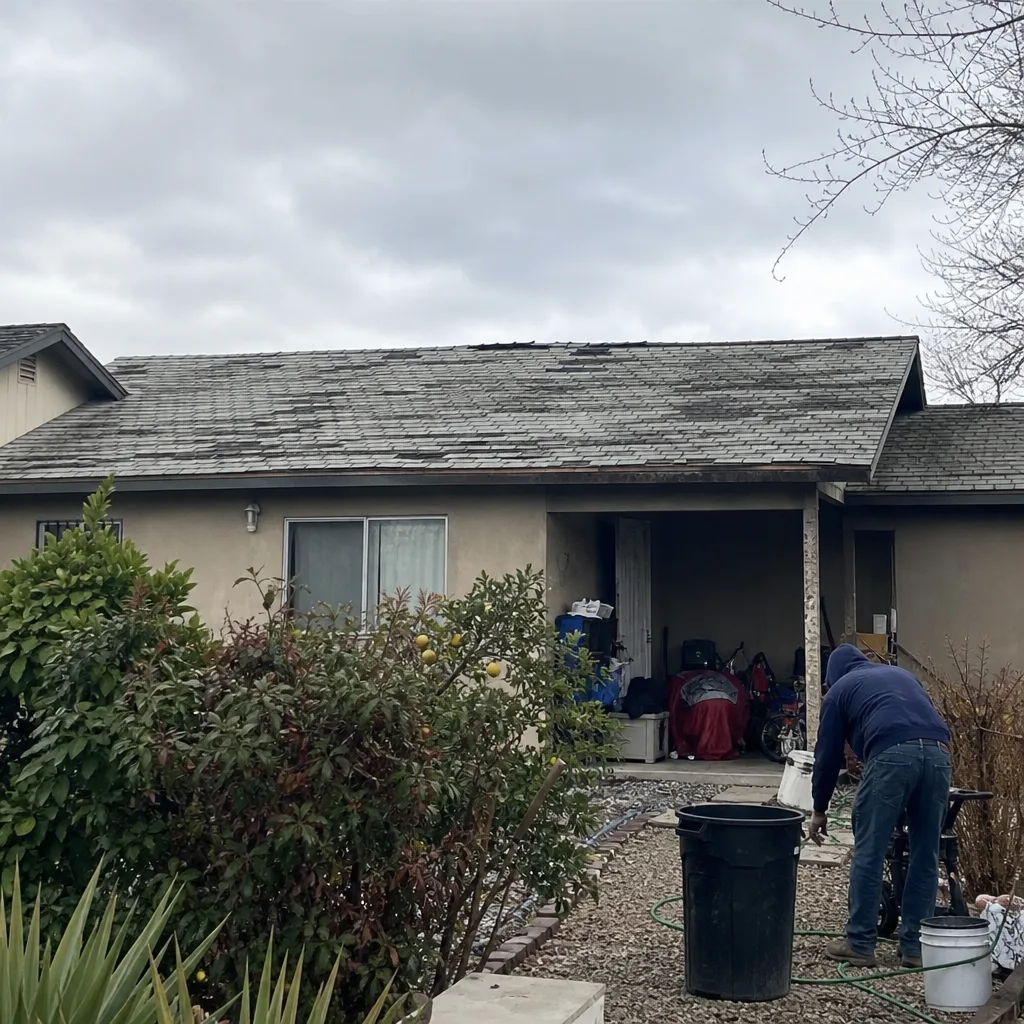 Before
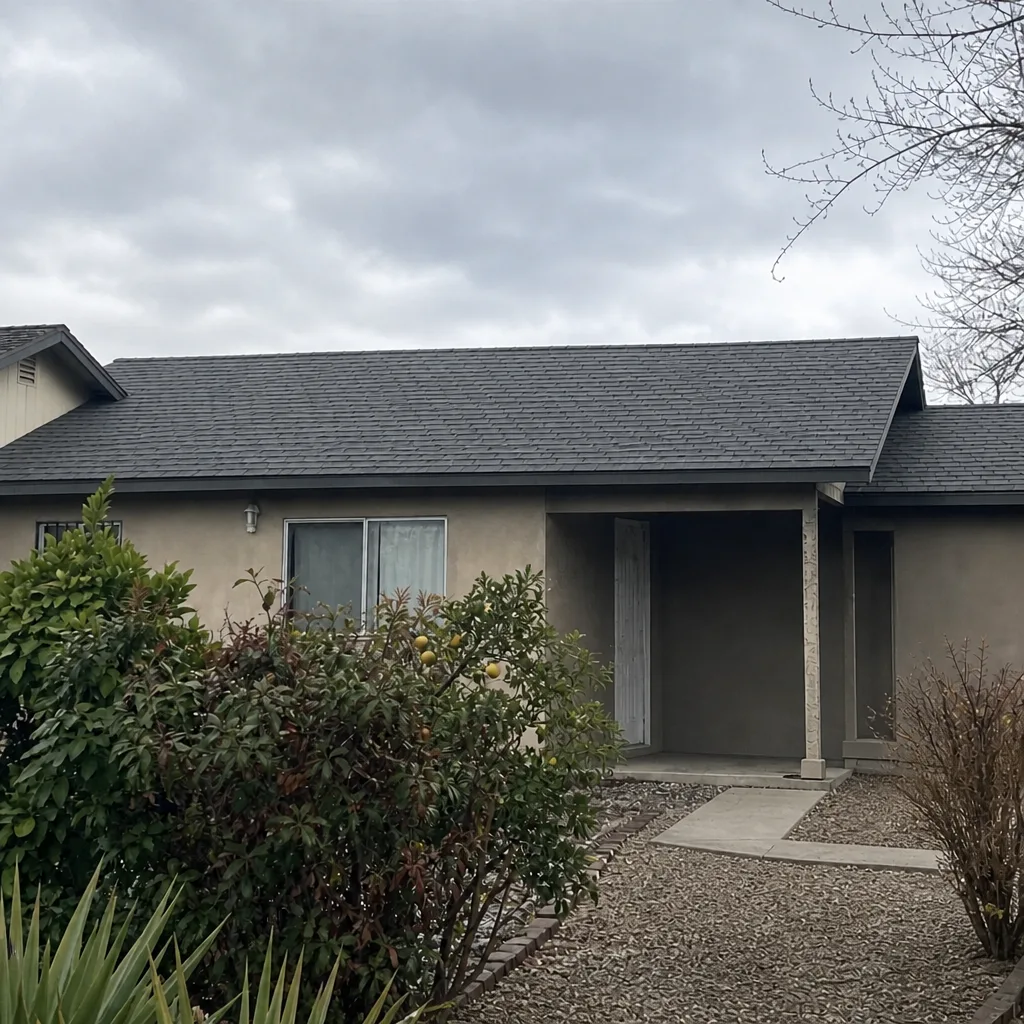 After
When to Call a Professional
Some repair tasks around the home are reasonable for a careful homeowner. Storm damage is not one of them. Call us if you see missing, creased, or lifted shingles after a wind event; if there’s water staining on a ceiling or wall inside your Spring Valley home; if a limb has hit the roof and you’re not sure of the extent; if you’ve received a storm-damage estimate from a door-knocker and want a second opinion; or if your roof is 15 or more years old and you want an honest assessment before the next storm season. We’re also here for the quieter stuff: a pre-season inspection, a second opinion on a contractor’s written estimate, or just a conversation about what you’re seeing.
Ridgeline Roofing Co. Spring Valley offers free estimates in Spring Valley – call (855) 908-1590. A live person answers every call, day or night, and our technicians are background-checked and arrive in uniform. If it’s not right, we come back and make it right. That’s the whole promise.
Frequently Asked Questions
Most isolated storm damage repairs in Spring Valley run in the hundreds of dollars, with the exact cost depending on the extent of the damage, the accessibility of the area, and whether moisture has reached the decking. A larger repair involving multiple slopes costs more. We provide a written line-item estimate before any work begins. Call (855) 908-1590 for an exact quote – estimates are free.
In most cases, yes, if the damage is sudden and accidental. Wind-driven debris impact and microburst damage are typically covered under standard Nevada policies, and slow leaks or wear-and-tear are generally not. Document the damage the day of the storm and call your insurer promptly – the documented timeline makes a big difference in how the claim is evaluated.
For active water intrusion after a storm, we can often tarp and stabilize the area the same day you call, which stops further damage while the repair is scheduled. A full repair is usually scheduled based on the extent of the damage and material availability. Call (855) 908-1590 to talk through what you’re seeing and get a realistic timeline.
No. The price on our written estimate is the price on the invoice. If we find something unexpected once we’re on the roof, we’ll stop, document it, and talk with you about the options before any additional work is done. There are no change orders on the fly and no surprises at the end of the job.
Yes. We pull the permits and see the inspection through, which matters for your insurance and for resale. A roof that wasn’t permitted or inspected can be a problem when you sell your Spring Valley home. If you’re getting a second opinion on a contractor’s estimate, ask whether their estimate includes permits and inspection – it’s one of the clearest ways to tell a legitimate bid from a low one.
Most straightforward repairs are completed in a single visit once the materials are on hand. Larger repairs, or jobs where moisture reached the decking, take longer because of the wood replacement and drying time. We’ll give you a realistic estimate in writing before we start.
It’s our written workmanship guarantee. If something we did isn’t right within 90 days of the job, we come back and make it right – no arguing, no paperwork, no runaround. You don’t need to call a lawyer to make it work. You call us.
Yes. Every technician who comes to your Spring Valley home is background-checked and arrives in uniform. We hold that standard because it’s the standard we’d want for work done on our own family’s home – and we document every inspection with photos taken on your actual roof. For a broader look at how we handle repairs and replacements, visit our Ridgeline Roofing Co. Spring Valley home page, or read more about Roof Repair in Spring Valley and our Specialty Roofing in Spring Valley services.
The Bottom Line
Spring Valley storms are fast, wind-driven, and easy to underestimate. The response that actually matters matches the hazard: get off the roof, document from the ground, and call your insurer and a licensed roofer the same day. Know the difference between sudden storm damage, which is usually covered, and slow leaks, which usually aren’t, and understand which category your situation falls into before the insurer decides for you. A pre-season photo inspection is the least expensive insurance a Spring Valley homeowner can buy. And when the storm does its damage, the right contractor is the one whose phone gets answered and whose crew is still here next spring.
We’re Ridgeline Roofing Co., and most of our work in Spring Valley comes from homeowners who want a square deal they never have to revisit. If you’ve got storm damage, or if you’d like a pre-season inspection before the next one, call (855) 908-1590 for a free estimate. A live person will pick up.
Written by the team at Ridgeline Roofing Co. Spring Valley.