
Last updated November 17, 2026
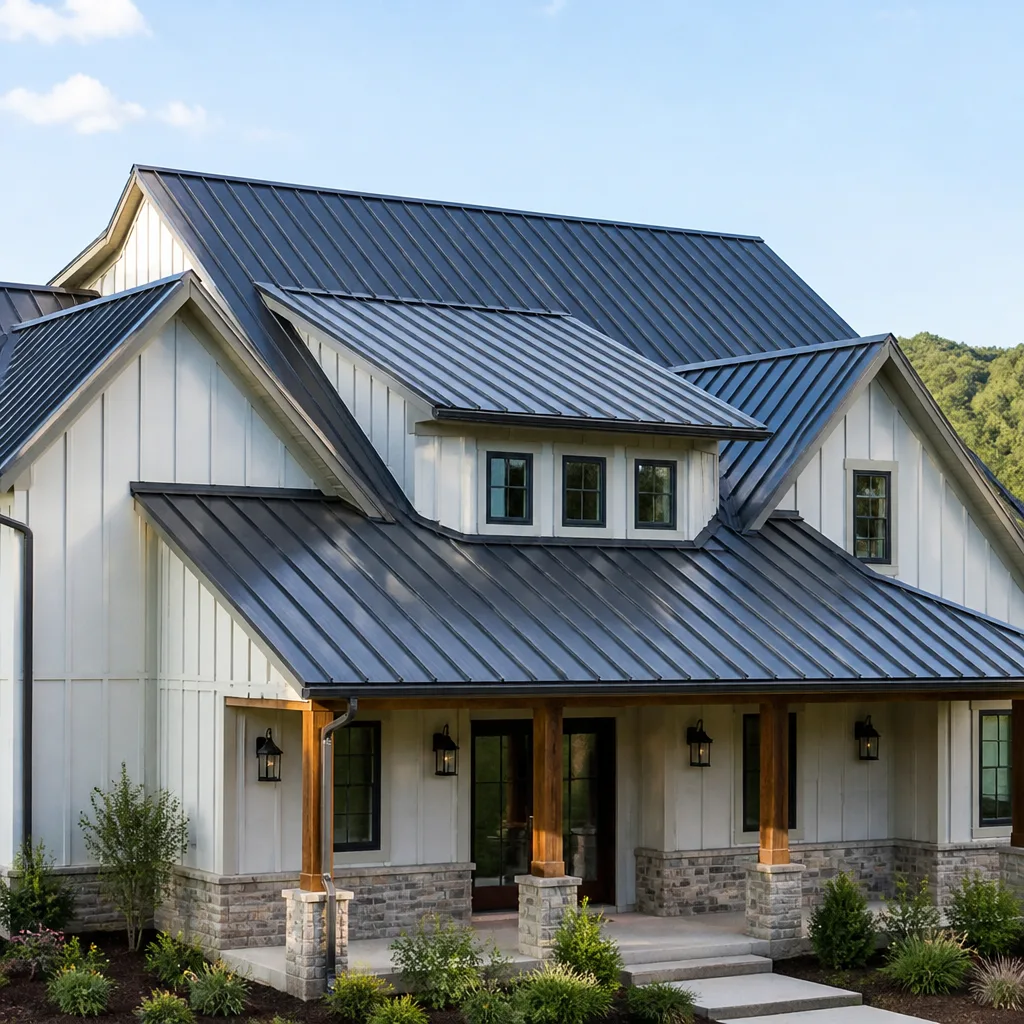 Metal roofing
 Architectural shingles
 Tile roofing
 GAF
 Owens Corning
 Flat & low-slope
Free roof inspection with deck photos before we talk money - GAF and Owens Corning certified installation
Roofing Warning Signs: A Spring Valley Homeowner’s Reference Guide
The granule loss that matters isn’t the sand at the bottom of your downspout after a storm. It’s the bare asphalt patches you can see from the street, where a shingle has lost its UV armor and has maybe one more summer left. Here in Spring Valley, roofs rarely fail with a dramatic crash and a waterfall through the ceiling. They telegraph for months through quiet, easy-to-dismiss signs. By the time water shows up on the drywall, the decking underneath is often already soft and the repair bill has grown. This guide teaches you to read your roof’s early language from three places: the ground, the attic, and the ceiling.
Quick Answer
In Spring Valley, the most common early warning signs of roof trouble are bare asphalt patches on composition shingles, cracked mortar at hip and ridge caps on concrete tile roofs, dark water staining on attic framing, and faint ceiling rings that return after rain. Most of these are visible months before an active leak. The three-tier test – monitor, repair soon, or urgent – tells you how fast to act without guessing.
Styles & brands we work with
- Architectural shingles
- Metal roofing
- Tile roofing
- GAF
- Owens Corning
- Flat & low-slope
Table of Contents
- Reading the roof from the ground: what to look for by roof type
- Attic warning signs that show up before exterior damage
- Ceiling and wall stains: active leak versus old, dried damage
- The Spring Valley failure hiding in plain sight: cracked hip and ridge mortar
- The three-tier severity framework: monitor, repair soon, urgent
- Desert seasonality: why spring and monsoon matter most
- Common mistakes to avoid
- Frequently asked questions
Reading the Roof from the Ground: What to Look For by Roof Type
You don’t need a ladder to catch most of the real trouble. A slow walk around the perimeter of the house with the sun behind you, at mid-morning or late afternoon when the light rakes across the slope, reveals more than most people expect. Here’s what to look for on the three roof types most common in Spring Valley.
Composition (asphalt shingle) roofs
- Bare asphalt patches. When granules wear away, the mat shows through as a lighter, smooth patch. That’s a shingle with a summer or two left before it cracks.
- Curling or cupping edges along the eave and the rake, where the sun hits hardest.
- Granule piles in the gutters and at the base of downspouts, beyond the normal scatter after a storm.
- Rust streaks or dimpling that suggest the fasteners beneath are corroding.
Concrete tile roofs
- Displaced or slipped tiles – a single tile that has shifted opens a path for water.
- Cracked mortar at hip and ridge caps (we’ll come back to this in detail below).
- Chalky white streaks that don’t wash off, which can signal a failing underlayment beneath the tile.
Flat and low-slope roofs
- Ponding water that sits 48 hours after rain. Our desert downpours expose poor drainage fast.
- Bubbles, blisters, or alligator cracking in the membrane.
- Open seams and lifted flashing at the parapet walls and penetrations.
If any of these rings a bell, the next step is a photo-documented inspection from someone who will actually get up there. Our team at Ridgeline Roofing Co. Spring Valley home takes pictures from your actual roof, not from the driveway, and we walk you through them.
Attic Warning Signs That Show Up Before Exterior Damage
The attic is where a roof tells the truth first. Long before you see a stain on the ceiling, moisture is already finding its way in and leaving evidence on the framing. Take a flashlight up on a dry, cool morning and look for these.
- Dark staining or rings on the rafters and sheathing. Water leaves a distinct brown tide-line where it has run and dried repeatedly.
- Compressed or damp insulation. Insulation that lies flat and matted where it should be fluffy is a sign of moisture from above.
- White or black speckling on wood. Efflorescence (powdery white) or dark mold-like growth on the underside of sheathing means water is lingering, not just passing through.
- Daylight through the roof boards. Visible gaps in the decking are urgent, not a maybe.
- Rust on nails poking through. New rust means new moisture.
In our experience working Spring Valley homes, attics with stained rafters and matted insulation almost always trace back to a small, fixable entry point – a lifted flashing, a cracked mortar joint, a worn pipe boot – that’s been letting water in for a season or two. Catching it in the attic is what keeps it from becoming a decking replacement. A proper Roof Repair in Spring Valley call at that stage is usually a modest job, not a full re-roof.
Ceiling and Wall Stains: Active Leak Versus Old, Dried Damage
Not every ceiling ring is a crisis. Some are old, dried, and harmless – a stain left years ago by a fixed leak. Others are quietly active. Here’s how to tell the difference before you panic or, worse, ignore it.
Signs of an active leak
- The stain is soft or damp to the touch (press gently with a tissue – do not poke through the drywall).
- It grows or darkens after rain, even slightly.
- Painting over it re-appears within days.
- There’s a musty smell in the room, or paint is blemishing or peeling.
- A faint brown outline with a lighter center that keeps spreading.
Signs of old, dried damage
- The stain is dry, hard, and clearly aged, with a crisp defined edge and no growth for a full rainy season.
- Fresh paint stays put through a monsoon cycle.
- No dampness, no smell, no further spread.
When you’re unsure, the safe move is a free second opinion on any written estimate – we’ll put photos side by side and tell you plainly whether the stain is history or happening now. No pressure, no scary speech in the driveway.
The Spring Valley Failure Hiding in Plain Sight: Cracked Hip and Ridge Mortar
This is the one we see most often on aging concrete tile roofs around Spring Valley, and it’s the one homeowners most often dismiss. The mortar that bonds the curved tiles along your hips and ridges cracks and crumbles with sun and time. On a distant glance it looks cosmetic – just messy joints up on the ridge. It isn’t. That mortar is the roof’s defense at its most vulnerable seams.
Here’s what actually happens: once the mortar fails, the tiles along the hips and ridges begin to shift. Water no longer sheets over the joints the way it should. On a hot Spring Valley afternoon the tiles expand, and on a cold desert night they contract – and those failed joints open a little more each cycle. The water finds the underlayment, and the underlayment is what’s actually keeping the house dry. Cracked mortar is the visible symptom; a wet underlayment is the expensive one.
- Look for: cracked, chipped, or missing mortar at every hip and ridge cap.
- Also check: slipped tiles, cracked tiles, and loose ridge tiles that wiggle when gently tested.
- Underlying cause: a failing underlayment the tiles were never meant to be the last line of defense for.
Re-mortaring and re-seating those caps is exactly the kind of targeted work that fits our Specialty Roofing in Spring Valley services, and it’s the sort of repair that’s far cheaper on a Tuesday than after a monsoon has poured through a failed ridge. When the underlayment itself is at the end of its life, that’s a different conversation – and we’ll tell you honestly when a Roof Replacement & Installation in Spring Valley is the square deal rather than patching the same problem twice.
The Three-Tier Severity Framework: Monitor, Repair Soon, Urgent
You can sort almost everything you find into one of three buckets without a contractor standing in your yard. Use this as your decision filter.
Tier 1 – Monitor
Cosmetic or early signs with no water entry yet. Watch and re-check after each rain.
- A few granules in the gutter after a storm
- A single slightly lifted shingle corner
- One hairline crack in hip mortar with no tilt to the tile
Action: photograph it, note the date, check it again in 30 days and after the next real downpour.
Tier 2 – Repair Soon
Clear evidence of degradation that will worsen. Schedule a repair within the next few weeks, before monsoon.
- Multiple bare asphalt patches and curling shingles
- Cracked or missing mortar at several hip/ridge caps
- Attic staining on rafters or matted insulation
- A dry, aged ceiling stain you can’t trace to a fixed leak
Action: book a free estimate, get a written line-item quote, and fix it on a normal schedule rather than in a downpour.
Tier 3 – Urgent
Water is entering now, or the structure is compromised. Call today.
- Active dripping or a damp, spreading ceiling stain
- Daylight visible through the roof boards in the attic
- A slipped tile exposing open underlayment, or a missing ridge cap
- Ponding water sitting on a flat roof two days after rain
Action: call us. Phones are answered by a live person around the clock, including the middle of a storm, so you’re not left on a voicemail tree when it counts.
Desert Seasonality: Why Spring and Monsoon Matter Most
Spring Valley’s climate puts its own rhythm on roof wear. The dry spring months are when the sun does its slow damage – the intense UV and heat cycling shrink and dry shingle mats and mortar joints, and it’s when early problems are easiest (and cheapest) to correct, before the summer rains arrive. Then the monsoon season arrives with sudden, heavy downpours that expose every gap you didn’t fix. That’s why our technicians tell homeowners to read their roof in the late spring – the “quiet” season is when the warning signs are readable and the repair window is open.
A $89 seasonal tune-up in the spring, before the storms, routinely catches the small things that would otherwise turn into a soaked ceiling by July. It’s the same inspection logic we apply on every call: read the signs early, fix the small things, and keep the big fixes off your list.
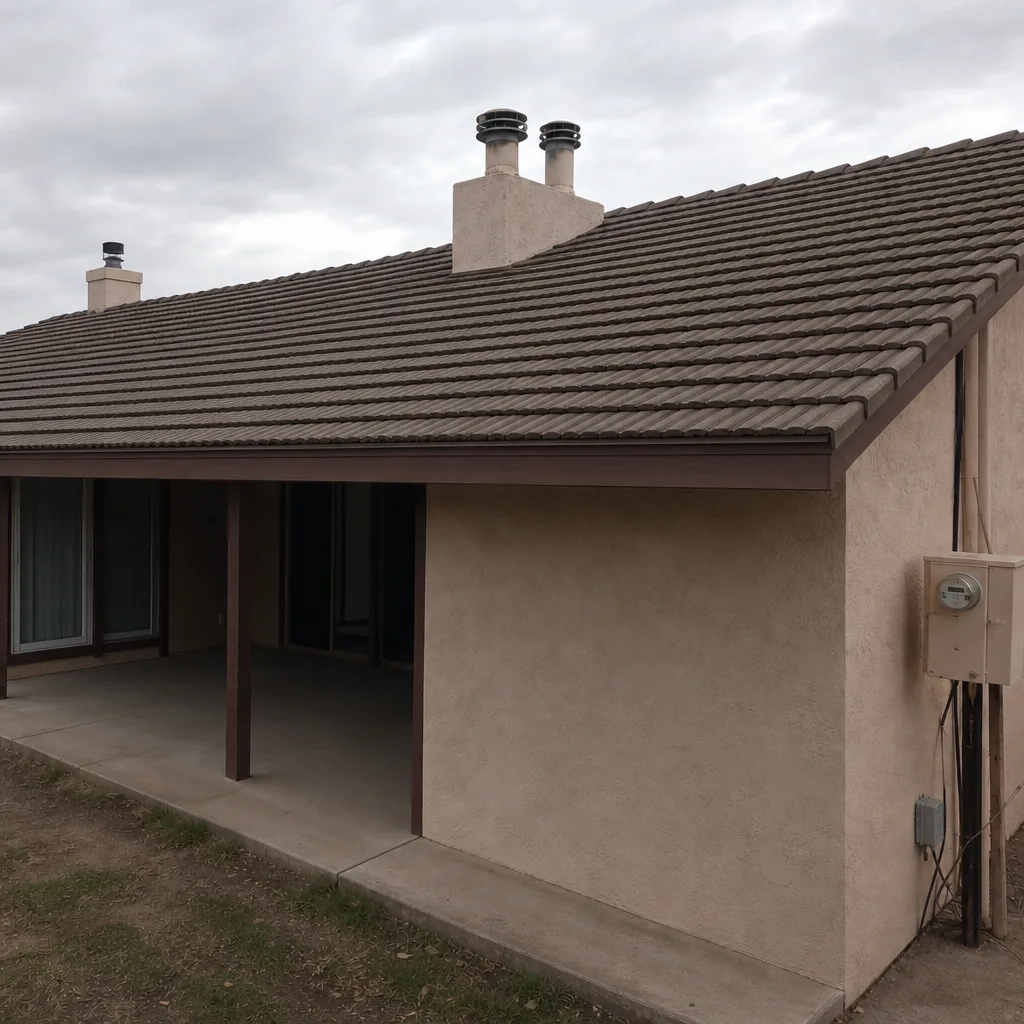
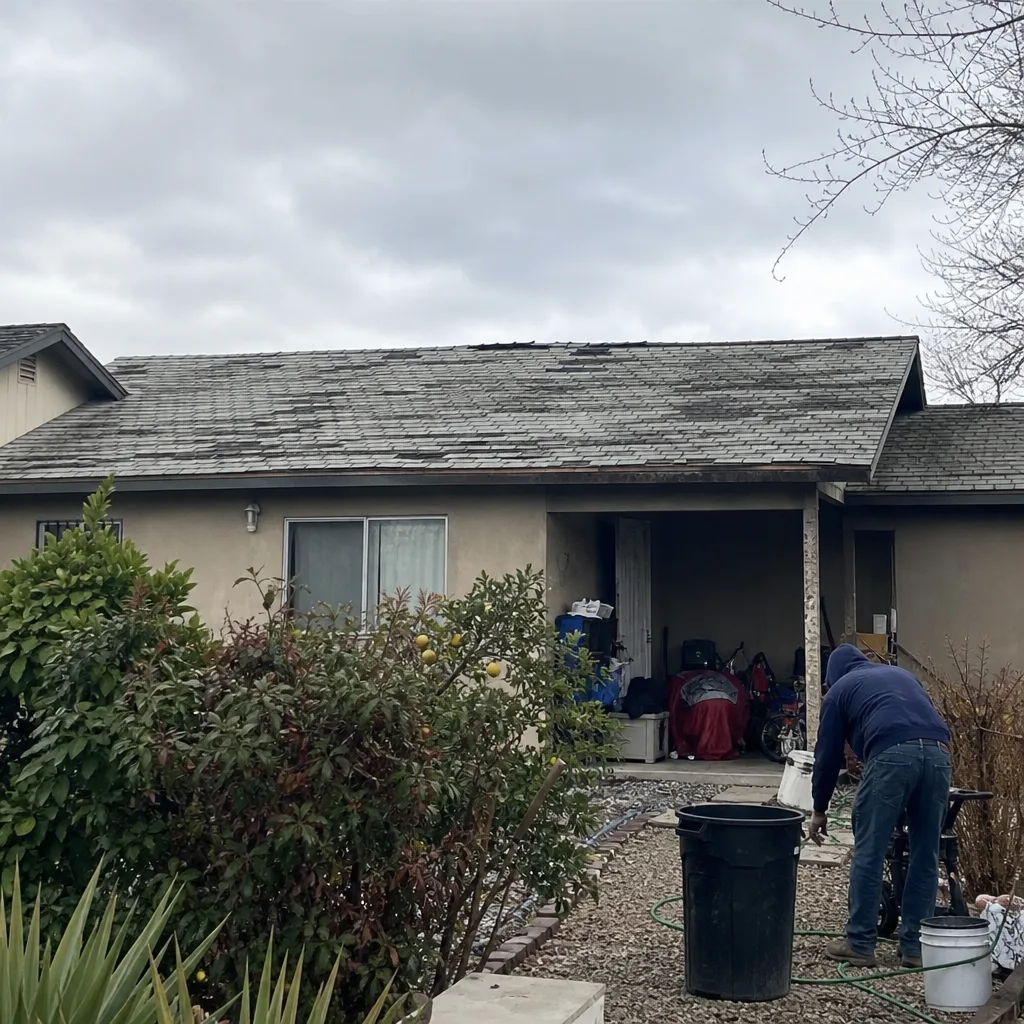
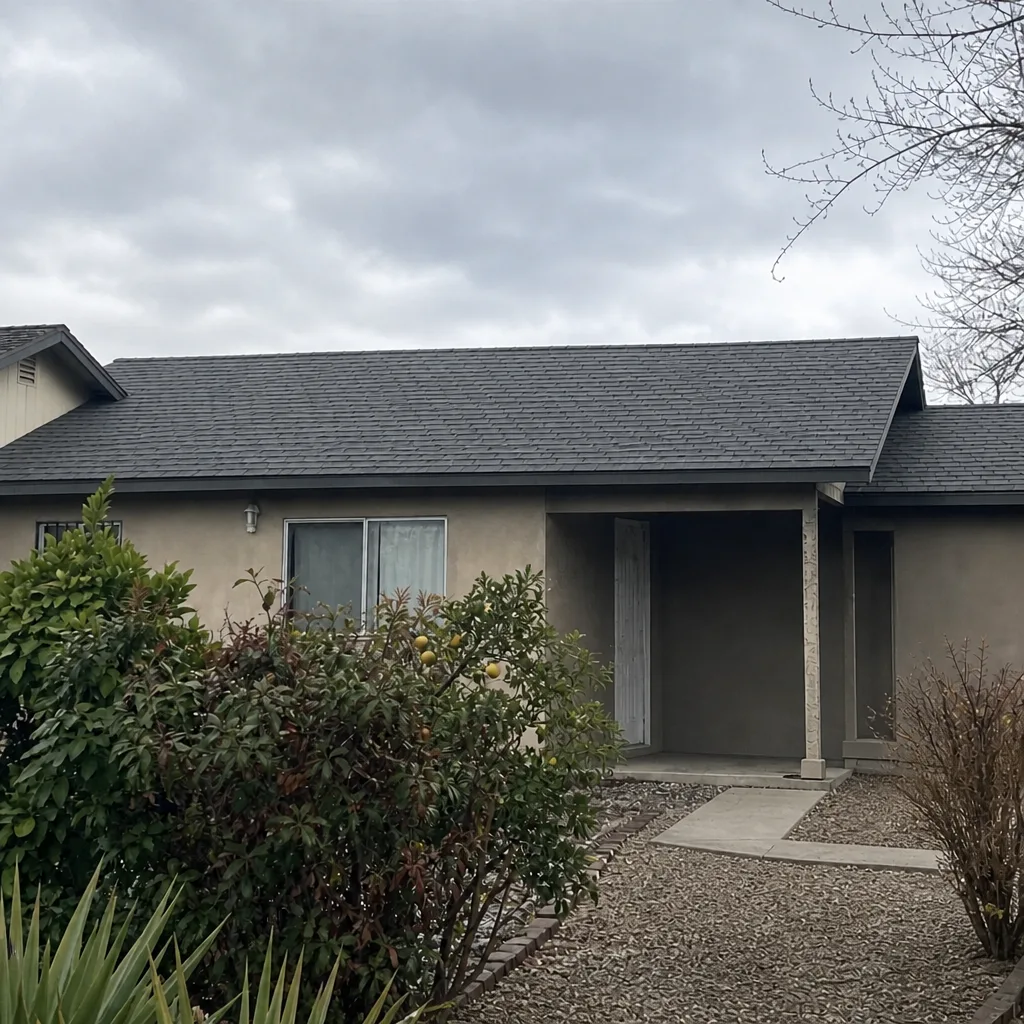
See the difference
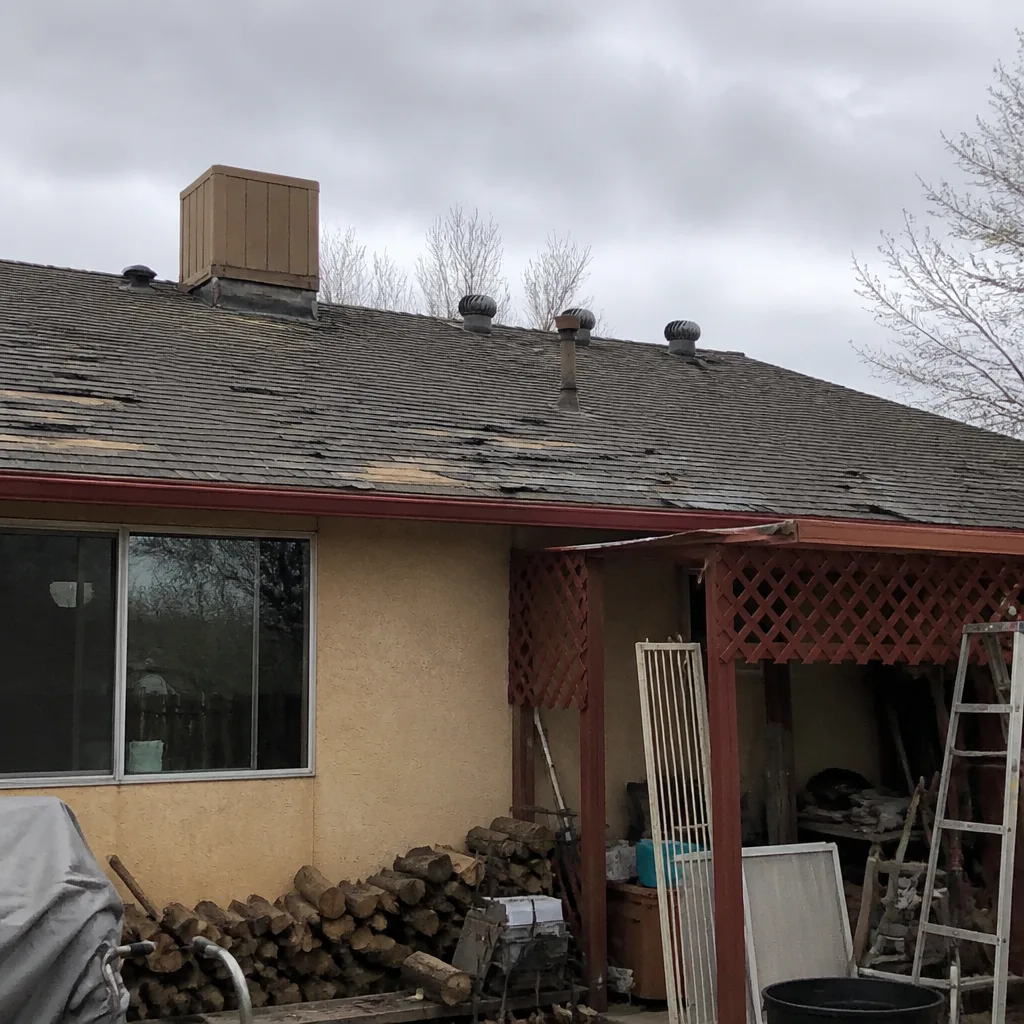 Before
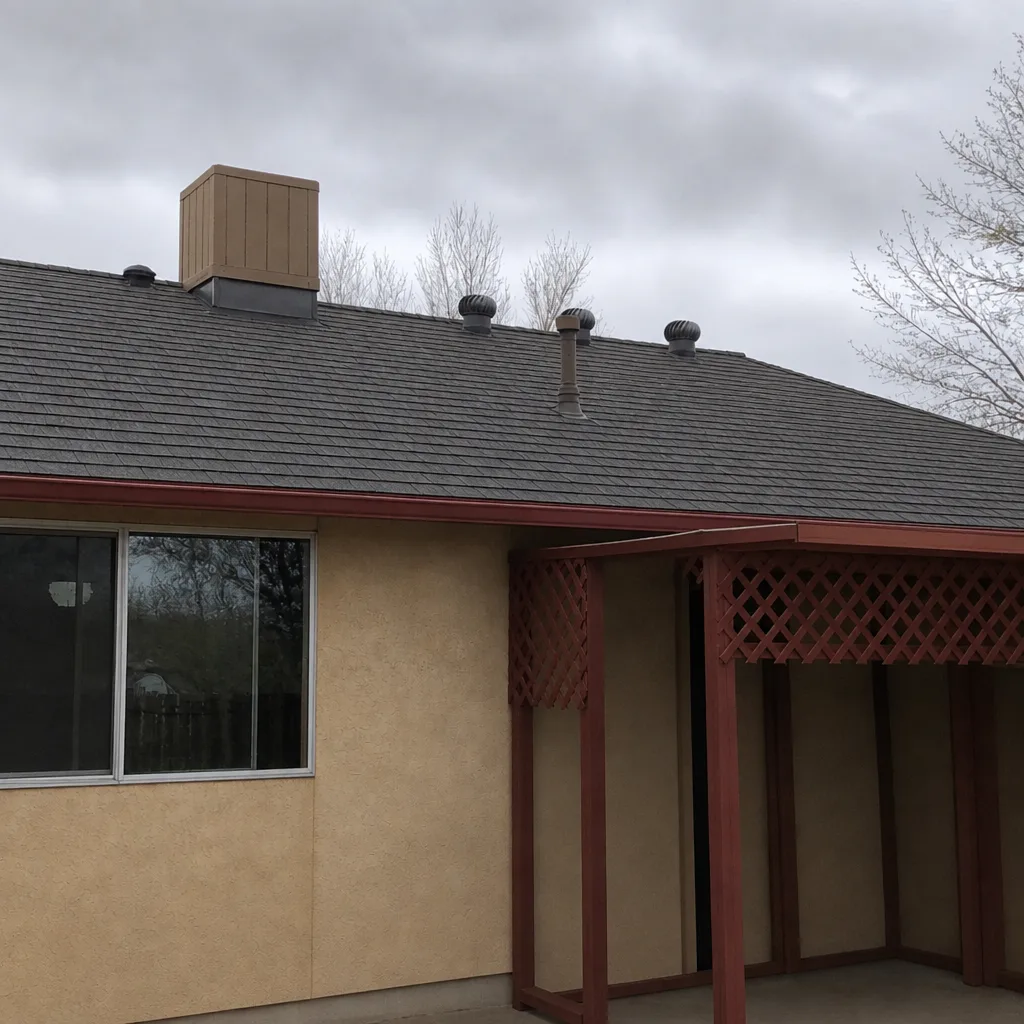 After
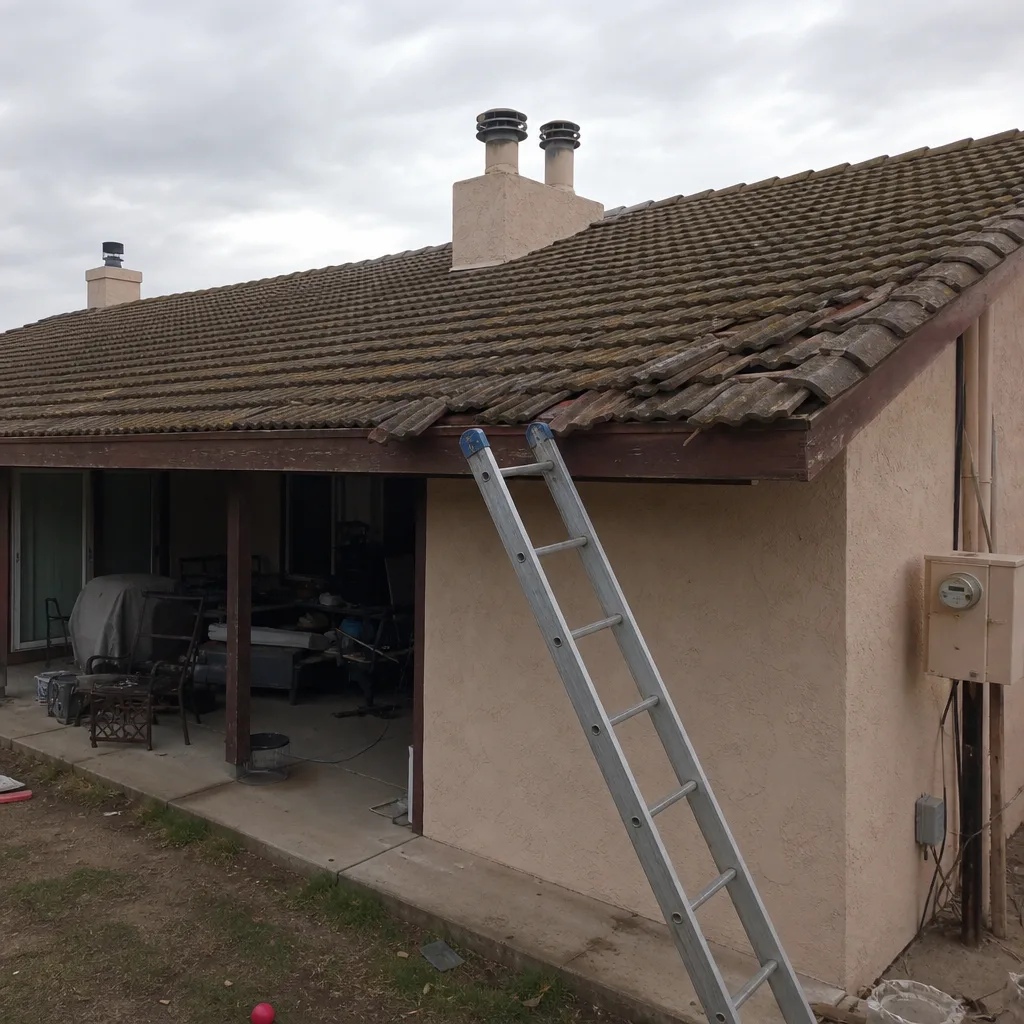 Before
 After
 Before
 After
Common Mistakes to Avoid
- Judging a roof only after a leak. By the time water reaches the ceiling, the decking and insulation are often already wet. Read the signs from the ground, attic, and ceiling first.
- Treating cracked tile mortar as cosmetic. On Spring Valley concrete tile roofs, failed hip and ridge mortar is the single most common path to a wet underlayment. It’s a repair, not a detail.
- Climbing up yourself. Tile roofs are brittle, and a fall is a serious injury. Let a trained, insured professional get on the roof – and never step on a roof after rain, when the surface is slick.
- Painting over a stain and calling it fixed. If it returns, the leak is active. Diagnose it, don’t cover it.
- Hiring a storm-chasing truck. In Spring Valley, be wary of a crew that appears after a storm and won’t be here next spring. Ask where they’ll be when the 90-Day Done Right Promise comes due.
- Taking the lowest bid as the safe bet. A square deal is a written, line-item quote from someone who stands behind the work – not a number that grows once the tarps come off.
- Ignoring the attic. It’s the first place a roof tells the truth, and the easiest to overlook.
When to Call a Professional
Call us when any of the following is true: you spot bare asphalt patches across a slope, cracked or missing mortar on more than one hip or ridge, active dampness on a ceiling, daylight in the attic, or ponding water that won’t drain after rain. Call before you buy tarps or climb a ladder. If you’re not sure which tier your signs fall into, that’s a perfect reason to call – a free inspection and a written, line-item estimate will sort it out quickly. Ridgeline Roofing Co. Spring Valley offers free estimates in Spring Valley – call (855) 908-1590.
Frequently Asked Questions
The most common signs are bare asphalt patches and curling shingles on composition roofs, cracked or missing mortar at hip and ridge caps on concrete tile roofs, dark staining on attic rafters, and faint ceiling rings that return after rain. In Spring Valley, the cracked tile mortar is the most frequent serious issue because it looks cosmetic but lets water reach the underlayment. Call (855) 908-1590 for a free inspection if you spot any of these.
An active leak is damp to the touch, grows or darkens after rain, and returns within days of being painted over; old damage is dry, hard, has a crisp edge, and hasn’t spread through a full rainy season. When you’re unsure, a free second opinion settles it without guesswork. Call (855) 908-1590 to schedule one.
Cracked mortar at hips and ridges is usually a targeted repair; a failing underlayment under the whole field of tile is what pushes toward replacement. The deciding factor is whether water is reaching the underlayment, which a proper inspection reveals. We’ll tell you honestly which it is and give you a written quote – call (855) 908-1590.
Yes. We handle permitting and inspections as part of the job so the work is done to code and documented. The number on the estimate is the number on the invoice, with no surprise change orders. Call (855) 908-1590 for a free estimate.
Most repairs are completed in a single visit, though larger projects depend on the scope and materials. We’ll give you a realistic timeline in writing with your quote so you can plan. Call (855) 908-1590 to get yours.
Yes. Every job is backed by our written 90-Day Done Right Promise – no paperwork, no arguing. If it isn’t right, we come back and make it right. That’s the standard we hold for every Spring Valley home. Call (855) 908-1590 to start with a free estimate.
The Bottom Line
Spring Valley roofs fail slowly and quietly, not loudly. Read the language early: bare asphalt patches and curling shingles from the ground, stained rafters and matted insulation in the attic, and damp ceiling rings inside. The cracked hip and ridge mortar on concrete tile roofs is the one to take most seriously, because it looks cosmetic but is often the path to a soaked underlayment. Sort what you find into monitor, repair soon, or urgent – then fix the small things before monsoon, not after. Read your roof in spring, act on what it tells you, and you’ll spend a small amount once instead of a large amount twice.
Ridgeline Roofing Co. Spring Valley offers free, photo-documented inspections and written line-item estimates across the city. Call (855) 908-1590 for a free estimate – a live person answers, day or night.
Written by the team at Ridgeline Roofing Co. Spring Valley.